Normally I prefer celebrating Deepavali with deepas or diyas (traditional earthenware oil lamps) instead of the riot of sound caused by bursting of crackers. This year I openly supported the bursting of crackers in order to prove a point.
2021 will be remembered as a year when Sanatan Dharmic’s the world over, started to re-claim their cultural identity and heritage.
The flashpoint was the battle of the “Bindi”.
The Bindi is a red vermilion mark placed between the eyebrows. In the case of women, the shape is generally a circle whereas for men, the ‘tilak’ is typically a vermilion vertical mark extending from between the eyebrows to the top of the forehead.
A common misconception is that the ‘Bindi’ is only worn by Hindu women. This is further mis-interpreted by secularists and liberals and other vested-interest groups, as a sign of patriarchy, including Brahminical domination.
Spiritual Significance – Many millennia ago, the Rishis (seers of Vedic Bharat) discovered the existence of nodes where energy was concentrated, also referred to as ‘chakras’. There are seven main chakras that run vertically along the center of the body. Of these, the sixth one (called the ‘Ajna’ chakra in Sanskrit) is the ‘brow’ or ’third eye’ chakra. It is located exactly where the Bindi is placed.
Ajna translates as ’command ‘or ’perceive‘ in English and is considered the eye of intuition and intellect. According to the Vedas, when something is seen in the mind’s eye or in a dream, it is also seen by Ajna. Thus, the purpose of the Bindi is to enhance the powers of this chakra. This is more specifically done by facilitating one’s ability to access their inner wisdom or guru. This allows them to see the world and interpret things in a truthful and unbiased manner, as well as forsake their ego and rid their false labels.
Dharmic tradition holds that all people have a third inner eye. The two physical eyes are used to see the external world, while the third one focuses inward, towards God. As such, the red dot signifies piety, serving as a constant reminder to keep God at the center of one’s thoughts.
In metaphysics, Bindu is considered the dot or point at which creation begins and may become unity. It is also described as ’the sacred symbol of the cosmos in its unmanifested state ‘. The Bindu is the point around which the Mandala is created, representing the universe. Ajna (along with Bindu), is known as the third eye chakra and is linked to the Pineal Gland. The Pineal Gland is a light sensitive gland that produces the hormone Melatonin. This hormone regulates sleep and waking up. The key objective of Ajna is the balance between higher and lower selves and trusting inner guidance. Ajna’s inner aspect relates to the access of intuition. Mentally, Ajna deals with visual consciousness. Emotionally, Ajna deals with clarity on an intuitive level.
That should explain what a Bindi is and what it signifies, so on to the “Battle of the Bindi”.
Deepavali – the festival of lights, is a universal celebration across the dharmic footprint in Asia. It signifies Victory of Good over Evil. Shree Ramachandra returns to Ayodhya, along with his wife Seetha accompanied by his younger brother Lakshmana and faithful devotee Hanuman. This is after his voluntary exile of 14 years, during which period he also vanquished King Ravana of Lanka.
Over the past few years – to be specific the last decade, this festival that is a unifying factor for all Hindu’s (followers of Sanatan Dharma) has been reviled and at the receiving end of a concentrated mis-information campaign.
The Indian intellectual-class specially the ‘liberal’ ‘literate’ and ‘articulate’, are probably the least ’tolerant‘ section and are quite vocal about it in every form of media. Further the calculated “demonization” and targeting of Brahmins, has further created a section of apologists who
will stand up for – descendants of the community that committed mass killings, rape and conversion – “as the sins of their forefathers should not be visited upon their descendants”,
and at the same time deride & condemn the descendants of the Brahmins who “have”, “are” and “shall in future” be forced to continue paying for the real and fabricated sins of their ancestors.
Unfortunately, this lobby – a creation of the colonist education system has been carefully cultivated over the past few decades. Members of this lobby, occupy key influential positions in the media, bureaucracy, law and order, and actively conspire or can be manipulated into conspiring with the jihadi and evangelical proselytizing groups.
Since the 12th century the sub-continent has been subject to barbaric, despotic rule first by the Arabic/Turkic invaders and later followed by European colonists. The genocide unleashed upon the Hindus by the Islamic invaders is reported to be the worst in human history, the estimates varying between 80 to 600 million (depending on who is the narrator) killed over the centuries of Islamic invasion and rule. The British followed soon after, destroyed the vibrant Dharmic education system and the Indian economy. Their imposed education system helped to create a race of mid-level management to rule on their behalf and with their meddling in the economy, created abject poverty in arguably the wealthiest nation of the world.
But unlike any other nation or people in the world, the Hindus remained rooted with their civilizational past. The outcome is plain to see, as the belief system still survives and is vibrant throughout the land.
Were there no converts? Yes, there were but these conversions were mainly due to
fear of life or
greed for gold (material benefits)
The same is true even today, and all is justified in the name of their God.
The continued existence of Sanatan Dharma is intolerable to the more fundamentalist “practisoners” of the mono-theistic religions.
Why?
Sanatan Dharma is about self-realization, gives you the freedom to choose your own path to salvation. The requirement is your adherence to Dharma, that is – understanding and fulfilling your duties and obligations as an integral part of this Universe.
The mono-theistic religions believe in a single male omnipotent (all powerful) God (HE) while Sanatan Dharma (termed poly-theistic) focusses on the ‘Ultimate Being’ (Paramatma – God) who is not just omnipotent but omnipresent. The Paramatma (God) is present in everything, living & non-living, sentient & non-sentient, material & immaterial. Respect and duty towards all creation (universe) is an integral part of Sanatan Dharma. Hence the ultimate God can be sought and worshipped in whatever form that gives the best spiritual solace with strict adherence to Dharma.
Namaste, Namaskaram, or Namaskara – the greeting says it all, loosely translated as – I respect the God in you.
Compare this with the mono-theistic religions belief wherein God has created this Universe and placed Man as the superior being to exploit the resources to his benefit. All these resources are only to the benefit of those who follow a particular brand of belief. These faithful are given the divine right not only to exploit the nature’s resources but also subjugate and kill those who do not accept the ’faith’.
This “battle” between ’Conscription‘ and ’Choice‘ has not ended, it has just taken a new ’avatar’.
In India, the home of Sanatan Dharma, the Islamic invaders killed, raped and tortured the Hindus. Some converted out of fear for life or greed for gold. Notwithstanding such threats to life and sustenance most of the Hindus fought back and retained their faith and cultural identity.
Then came the Europeans (initially the Portuguese and French, subsequently followed by the British). These powers initially came as traders with guns and were closely followed by the Church. The local population was tricked, leading to the British landing in power and in their brief rule they destroyed the economy and became the richest nation in the world. They destroyed the Hindu education system, replaced it with their own system and created their own fabricated narrative that almost robbed the Indians of their own rich culture and history.
The greatest danger today is still the narrative, kept alive as the guardians of history who should have been questioning the narrative and doing factual research of the past are its greatest supporters and have consolidated themselves in powerful positions in the Academic circles.
These powerful manipulative “liberal secularists” keep the narrative alive – for love of “gold” as well as safeguarding their positions of social superiority aided by fundamentalists and business interests both inside and outside the country.
One such Narrative is the ongoing one regarding Deepavali that rears up with clockwork precision a month before the festival:
Deepavali is not a religious festival – it is actually a seasonal festival has been appropriated by the Hindus
Noise – animals are persecuted due to the sound of crackers, some famous page 3 personalities pet dogs are frightened and cannot sleep.
Pollution is a terrible by product of fire-works that is destroying the environment – only during Deepavali, not during other celebrations as they are “ordained”
Indian sweets (sugar) are bad for health – only during Deepavali but during other festivals they miraculously add only sweetness to life.
Sweets made of milk are not environmentally friendly so go VEGAN, to save COWS as per PETA Advisory, of course turkeys, goats volunteer to be sacrificed and consumed on Abrahamic festivals and PETA is significantly silent during these times.
While this narrative is being fought on different platforms, the narrative controllers sensing a losing battle and created a new “soft” front to bolster their war for their brand of “secularism” against Hindu sentiments.
Advertisements
Depicting Deepavali as Jashn-e –Riwaaz – giving a pronounced Islamic flavor to a deeply religious Hindu festival
Showing gloomy looking models in shades of green for a festival that is joyous and represented in vibrant colors
Distinctly showing Hindu women without the Bindi at Deepavali functions.
The human spirit is indomitable and this blatant attempt at brain washing was taken to the “cleaners” by home-grown Dharmic warriors, Ms Shefali Vaidya was one of them.
She led the battle of the Bindi with the now legendary slogan “No Bindi No Business”. It was very interesting and heartening to see that universal support that this garnered from Hindus as well as non-Hindus in India and overseas.
This led to
Retractions or change of some Ads
Public apology
Loss of revenue and loss on PL statement of some companies
Zero effect of fightback by media and lobby apologists about selective FOE that fell on deaf years as their ploy of mis-representing and vilifying Sanatan Dharma was seen through.
Deepavali 2021 is a watershed year of sorts when the Hindus are changing their stance from
अतिथिदेवो भव:, Atithi Devo Bhavah – Guests are representative of God (Appeasement)
To
धर्मो रक्षति रक्षितः, Dharmo Rakshati Rakshitahah – those who protect Dharma are protected by Dharma (Assertiveness)
If this Universe ’as we know it‘ has to survive, human beings need to rediscover their Dharma, their duty and obligations to Nature and to all living creatures that inhabit it, to create a sustainable eco-system, not just exploit it.
Irrespective of our personal beliefs, we all need to become Dharmic warriors.
No need to spread hatred,
No need to initiate violence,
No need to force your belief on those who do not share yours,
No need to seek revenge for the past
but
A definite need to understand your Dharma and stand up for it, educate your family, friends, and children about Dharma.
Respect other faiths as they respect yours, stand up and defend your rights without anger or hate, remember, and respect your ancestors who have fought and died for your right to believe.
Seek justice for the past, by learning about the past, be impartial in recording history and do not knowingly commit the same crimes against the Universe and humanity.
लोकः समस्ताः सुखिनो भवन्तु , Lokah Samasthah Sukhino Bhavantu (may everyone, in the whole world, be happy)
Without the help of high heels (that incidentally she never wore) – even standing on tip-toes she would not have achieved 5 feet in height.
I always remember her wearing “Hawaii slippers” as she found them to be most comfortable, even as formal wear.
She never wore make-up, she was one of the lucky women who never needed to.
Sarees – she loved them, her fashion statement was wearing saree, the material differed according to the occasion, cotton, polyester or silk.
She loved traveling – even in her mid-eighties, she would travel in a 20 year old Maruti 800 at the drop of a hat to seek blessings at a temple 600 kms from home.
She had not passed high school, but she had more confidence and managerial skills than either of her sons who had held management positions.
She was my mother – AMMA.
She gave me life.
All mothers’ give birth but Amma gave me life.
I was born of an accident, my maternal uncle a young boy then, was being teased by his sisters, he got angry and butted my pregnant mother in the stomach.
I was born premature in shock and trauma and not many expected me to survive.
Amma had faith – literally the faith that could move mountains, and an unshakeable belief that no harm could befall her children when she was alive.
It was her faith and dedication that kept me alive, she was so protective of me that my aunts for years, were very fond of re-re-re-telling at every family gathering that had it not been for my brother Ajit’s birth, Amma would have carried me in her arms till I attained adulthood.
My maternal grandfather, with whom I was very close often reminded when I sulked, that I was alive only because of my mother’s dedication.
Maybe because of this we seemed to share a special bond. To me she was never wrong – even when I knew she was wrong.
And she could be wrong at times – she had a very narrow band of focus and she would ignore everything that did not come within her focused target at the moment.
She could also be devastatingly charming when she wanted to, and she had a very droll sense of humor and she could keep you in splits especially when she was recounting some personal “escapade”.
Surprisingly, she was not the best communicator, unable to express herself clearly and was often either mis-understood or mis-quoted.
She was fiercely independent – she was very clear that she wanted to live in and run her own household and she did so till the very last 10 days of her life.
She was fiercely loyal – not just to her husband and children, but also her parents, her brother whom she looked after till he passed away and later continued to care for his wife.
She married down, at the time of her marriage, she came from a relatively prosperous family, while my father came from what Dickens would have described as “genteel poverty”.
She was there for her husband while he worked his way up and ran the household and brought up three children. She was not the “wilting flower” type and could always manage to get her own way.
When the chips were down, she would be there for her family. No matter what disagreements we had, and we had many, I could always count on her to be there when I really needed her.
She also had her favorite – though like all mothers she declared herself to be impartial – her daughter Deepika. Most likely as a woman she could empathize with her daughter, she could understand her sons, but the level of empathy was not the same.
This was surprising considering she wanted sons only, it was my father who wanted a daughter.
It was therefore tragic that on her deathbed, surrounded as she was by her husband, sons, daughters-in-law, grandchildren, Deepika and her family could not be present (due to Covid-19).
She was a typical Indian mother-in-law, but gradually mellowed over the years – we did not realize how much until she had passed on.
When the family was gathered at my parent’s residence after her passing, she was remembered with love and affection, nowadays it is my wife Revathi, who keeps remembering her at times – “Amma would have loved this”, “I wish Amma could have seen this” especially when she is tending to her plants – her daughters as she calls them. Revathi and Amma shared their love for plants and flowers, Amma would wait for Revathi to post her latest DP (her plant arrangement especially her flowering plants) and she would be the first to call and appreciate her work. Amma had a special soft corner for Arathi – her younger daughter-in-law, would often praise her (always behind her back) specially for her ability to put up with her son Ajit’s idiosyncrasies (the male members of our tribe (self included) are famous for their genetically predisposed eccentricities).
As a grandmother, thanks to her narrow band of focus, she gave mixed signals. But without doubt, she was most attached to Deepika’s children Shrutika and Kaustubh (most likely as they were “born” in her house), until time and distance widened the gap. As they grew older, Amma started interacting and involving herself with her sons’ progeny and this love was amply demonstrated as they all made time to be present during her final days.
Ajit’s children, Adittee and Arjoon, were lucky to continuously interact with her as they were all residing in Bangalore – but independently as Amma would have it.
She was the only grandmother that Akshay, our younger son knew as his maternal grandmother passed away when he was still very young. Like me, Akshay also shared his first moments after birth with his grandmother. A bond that remained strong though not often demonstrated.
As she grew older, Amma grew close to Aniruddh, her eldest grandson, made closer by their shared spiritual interests.
Amma was “so” looking forward to Aniruddh’s marriage. She had spent years praying for a good alliance for her eldest grandson and when it finally materialized, she could not stop talking about the forthcoming marriage and already made all the preparations as the family matriarch.
Her sands of time ran out………….
One consolation, she met Aditii, our soon to be daughter-in-law at our home in Mumbai. I know that she will be present at the marriage – showering her blessings on Aniruddh and Aditii.
Amma always remarked to me – I see everybody having wine and enjoying, I want to taste wine some time, Anil.
I had decided that during Aniruddh’s marriage that I would give her some watered sweet red wine.
Tarry not, repent not – how I wish we could turn back time to do things we wish we had or undo things we wish we hadn’t………
Amma, I will prepare watered red wine and we (you and I) will raise a toast to Aniruddh and Aditii on their marriage.
During my school days, the Vietnam war was a hot topic. Depending on your ideologies and sentiments you were either an American supporter read pro-war or supported the Viet Cong read pro-peace supporter. Ironically both sides spewed hatred and advocated war against each other.
Indians’ memories of 1971 – the USA actively supporting West Pakistan – that committed genocide in East Pakistan now Bangladesh, and sending the 7th Fleet to the Bay of Bengal to threaten India was still fresh in our minds, so were the memories of the Soviets unstinting support to India during the War – our loyalties and support in all forms to the Vietnamese war of liberation was natural.
After over four decades, visiting Vietnam and seeing this flourishing country and its dynamic people it feels great to know that you were on the right side of the angels.
Another incredible link between India and Vietnam – Chatrapati Shivaji Bhosale was the General whose tactics they studied to fight the Americans – the similarity is uncanny, Shivaji’s fight against the Mughals finally led to the defeat and subjugation of the Mughal Empire by the Mahrattas. My one regret – I could not visit Shivaji’s statue in Ho Chi Minh City.
The trip was planned by my sons Aniruddh and Akshay, in fact Akshay was the prime mover as all of us had to coordinate to fit in his leave schedule. Easha was the next to join in, she was to be accompanied by her sister and a doctor colleague/friend. Yogi and Sharbani (Tukun) joined us on a chance WhatsApp chat in the first week of January 2020.
Yogi and I go back over four decades, we both joined DMET in September 1974, graduated as Marine Engineers in 1978. Surprisingly though we lived within a few hundred meters of each other for years, thanks to our professional commitments we rarely interacted, however as we retired, we have been able to reconnect and enjoy each others company making up for lost decades.
Yogi and Tukun, were planning a trip to Thailand and when I told Yogi that we were planning on a Vietnam trip, he immediately said yes and before the evening was over he had already booked flight tickets coinciding with our plans.
Our trip started by identifying a tour operator, Easha did her research and she selected VIETNAM AMAZING TOURS, this was probably the best decision we could take. Based on our experience, I personally recommend them, https://vietnamamazingtours.com, contactable at vietnam.amazingtours@gmail.com or info@vietnamamazingtours.com, Sam Duong, our tour manager, was really amazing. He took such great care of us, putting up with our idiosyncrasies regarding food – veg, non-veg, fishy non-veg, allergies etc., and our tour guides at each location were friendly and well informed.
After various combinations, revisions – we finally arrived at our itinerary, Yogi and Tukun would part company with us on Day 6, they would stay on for another 10 days and explore more of the country thanks to COVID 19, but that is another story.
The night before we left for Vietnam, we got together with another two of our batch-mates Stephen and Manoj, and their wives Reena and Deepa, at Stephen’s place at 23 Soi, Sukhumvit.
from left Stephen, Yogi, Reena, Tukun, Deepa, Manoj, Revathi & I, seated Manoj’s mother
the night before – from left – Yogi, Anil, Tukun, Akshay, Aniruddh (front), Omkar, Revathi, Ashutosh and Easha
Preceding the dinner, we also had a group photograph with Aniruddh’s friends Ashutosh and Omkar, who had accompanied Aniruddh on a Scuba diving trip at Phuket.
Our itinerary starting the next day was as follows:
Day 1: Hanoi arrival + Hanoi walking and street food tour Day 2: Hanoi – Ninh Binh – Mua Cave Day 3: Hanoi – Halong Bay Day 4: Halong Bay – Da Nang – Hoi An Day 5: Hoi An Old Town Day 6: Da Nang – Golden Bridge – Bana Hill – Ho Chi Minh Day 7: Mekong Delta Day 8: Ho Chi Minh city tour in the morning and departure
We had an early morning flight on 11th and left home at 0400 hrs, the booked mini-van arrived late – took a major detour and in the confusion, of arriving just in time at the airport, I lost my Indian mobile – fortunately did not realize this until the last day and as such was spared the blues of a bad start.
We also said goodbye to Ashutosh and Omkar, who were returning to Mumbai later in the day, as always meeting Aniruddh’s friends reinforces my belief that our nexgen will take better care of the world around them than we did.
DAY 1
Arrival Hanoi:
Hanoi is the capital of Vietnam. It covers an area of 3,358.6 square kilometres (1,297 sq mi). With an official population of 8,053,663 million, it is the 2nd largest in Vietnam. The metropolitan area, encompassing nine additional neighboring provinces in the Red River Delta, has an estimated population of 20 million. Located in the heart of the Red River Delta, Hanoi is the commercial, cultural, and educational centre of Northern Vietnam.
Hanoi has been inhabited since at least 3000 BC. The Co Loa Citadel in Dong Anh District served as the capital of the Au Lac kingdom founded by the Thục emigrant Thuc Phan after his 208 BC conquest of the native Van Lang. Hanoi history is incredibly complicated and worth reading. In recent times, it was occupied by the Imperial Japanese in 1940 and liberated in 1945, when it briefly became the seat of the Viet Minh government after Ho Chi Minh proclaimed the independence of Vietnam. However, the French returned and reoccupied the city in 1946. After nine years of fighting between the French and Viet Minh forces, Hanoi became the capital of an independent North Vietnam in 1954.
During the Vietnam War, Hanoi’s transportation facilities were disrupted by the bombing of bridges and railways. These were all, however, promptly repaired. Following the end of the war, Hanoi became the capital of a reunified Vietnam when North and South Vietnam were reunited on 2 July 1976.
My third trip to Vietnam but first time to Hanoi, the cool breezy weather was a pleasant introduction to the start of an incredible trip.
Were met by the Tour driver, who then dropped us at the hotel.
first images of Hanoi
We were met at the hotel by our guide Mr Quang, who took us on a walking trip around Hanoi city, our first stop was at a local eatery, when we had the famous Banh Quon, it was unbelievably delicious – more so as we were famished.
Our Hotel, the MK Premier Boutique hotel was a quaint little hotel in the old quarter. It was set in a bustling street that was obviously a favorite with the tourists.
Quang, our tour guide during our stay in Hanoi
After a stroll through the old quarter, we visited the Temple of Literature & National University, Văn Miếu (Vietnamese: Văn Miếu, literally Temple of Culture or Temple of Literature, Han tu is a temple dedicated to Confucius in Hanoi, northern Vietnam. The temple also hosts the Imperial Academy (Quốc Tử Giám), Vietnam’s first national university. The temple was built in 1070 at the time of Emperor Ly Thanh Tong. It is one of several temples in Vietnam which is dedicated to Confucius, sages and scholars. The temple is located to the south of the Imperial Citadel of Thang Long. The various pavilions, halls, statues and stelae of doctors are places where offering ceremonies, study sessions and the strict exams of the Dai Viet took place. The temple is featured on the back of the 100,000 Vietnamese dong banknote. Just before the Vietnamese New Year celebration Tet, calligraphists will assemble outside the temple and write wishes in Han characters. The art works are given away as gifts or are used as home decorations for special occasions.
The manner in which the thousand year old temple is maintained, is in sharp contrast to how we Indians have not even tried to reconstruct the destroyed Nalanda University, one of the world’s oldest university, destroyed in the 13th Century.
I also learnt why the corners of the tiled roofs are curved upwards at the ends – apparently this gives an impression of enhanced size.
We finished the guided tour with a walk around the lake and a round of beer at one of the quaint roadside taverns, and finished off the day in style by dining in a Vietnamese restaurant, close to our hotel.
DAY 2
Our tour guide Quang, collected us from the Hanoi hotel, we enjoyed a scenic drive to Hoa Lu, where we visited two temples built in honour of the emperors Dinh and Le. We went to the Mua Cave, halfway up the hill. Revathi decided not to risk aggravating her knee problem – climbing to the top of the hill. Tukun had very prudently dropped out earlier. Yogi and the kids clambered to the top in no time, while it took a bit longer for me to haul my 100 kg to the top. I even made it to the absolute top but was prevented climbing the last couple of feet by a group of raucous young European kids, I had to be content with peering between two rocks to be recorded for posterity – you can see in one the photos below – taken by Quang, I am circled in red. From on the top, we could see all the way to Tam Coc, a stunning panoramic view of the countryside and the Ngo Dong river.
Lunch, was at a delightful Indian restaurant where we were served, hot steaming delicious dishes but in keeping with the ambiance and atmosphere we would have preferred a traditional Vietnamese lunch.
Post Lunch , we got into small boats (sampans), a unique feature being paddles operated by feet and not by hands. The ferryman’s job being one of equal opportunity – equal amount of male and female operators. The sampan took us through the scenic landscape of the heavily forested mountains, the fields in the triangle cups along the Ngo Dong river. There was also an option (that we did not exercise) of cycling for half an hour on quiet roads through villages, rice fields, rivers and rocky outcrops inside the village.
We had dinner in another delightful Vietnamese Hotel – the Garden House, we located this through the trip advisor, I have written a review for this restaurant – the ambiance, food and service was amazing.
DAY 3 & DAY 4
After breakfast, we boarded a Bus to Halong Bay, for an overnight cruise.
Hạ Long Bay, in northeast Vietnam, is known for its emerald waters and thousands of towering limestone islands topped by rain-forests. Junk boat tours and sea kayak expeditions take visitors past islands named for their shapes, including Stone Dog and Teapot islets. The region is popular for scuba diving, rock climbing and hiking, particularly in mountainous Cát Bà National Park.
The bay consists of a dense cluster of some 1,600 limestone monolithic islands each topped with thick jungle vegetation, rising spectacularly from the ocean. Several of the islands are hollow, with enormous caves. Hang Dau Go (Wooden Stakes cave) is the largest grotto in the Ha Long area. French tourists visited in the late 19th century, and named the cave “Grotte des Merveilles”. Its three large chambers contain large numerous stalactites and stalagmites (as well as 19th-century French graffiti). There are two bigger islands, Tuần Châu and CátBà, that have permanent inhabitants, as well as tourist facilities including hotels and beaches. There are a number of beautiful beaches on the smaller islands.
It was a beautiful four hour drive to reach the jetty, where we boarded a tug to reach the designated cruise vessel SAPPHIRE.
Mr Loi, the SAPPHIRE Cruise Manager
The cruise vessel SAPPHIRE lived up to our expectations, the vessel was clean, well maintained and the crew were well trained and friendly.
The cruise manager, Mr Loi, introduced us to vessel and crew and our program while on board.
Our one night Cruise plan on board the SAPPHIRE.
Our stay on board the Sapphire – flew – what with a scrumptious lunch, brief rest and on to a bout of kayaking and swimming in the bay, return to night cap and dinner, the next morning – we participated in a Tai Chi session – those slow movements are not as easy as they look. Then we had a trip to the Bright Cave by bamboo boat – rowed by an extremely entertaining young man, and before we knew it – it was time for us to disembark and catch the bus back to Hanoi.
The bus drive back to Hanoi, was quiet as most of us dozed off after the exertions of the past day and half.
After a brief halt at a Japanese hostel to freshen up, we left for Hanoi Airport for our next leg, to Hoi An, the ancient city.
We arrived late and checked in at the hotel Golden Holiday Hotel & Spa, we were famished, fortunately there was roadside tavern, where we managed to get delicious, steaming noodles.
Day 5
Hoi An, is a city with a population of approximately 120,000 in Vietnam’s Quang Nam Province e and noted since 1999 as a UNESCO World Heritage Site.
Old Town Hội An, the city’s historic district, is recognized as an exceptionally well-preserved example of a Southeast Asian trading port dating from the 15th to the 19th Century, its buildings and street plan reflecting a blend of indigenous and foreign influences. Prominent in the city’s old town, is its covered “Japanese Bridge”, dating to the 16th-17th century.
The day started off with a walk trough the market area, with our tour guide Ms Hoi.
Ms Hoi, our tour guide in Hoi An
We walked through the Market and to the pier, where we boarded a motor launch that took us a bit downriver, where we got on to the basket boat, guided past the Bay Mau forest, unsuccessfully tried our hand at crab fishing, and then on to a small village resort – The Water Coconut Village, where we all tried our hand at Vietnamese Cooking, and we ate what we cooked – thanks to the continuous guidance and monitoring by the Vietnamese chef, the preparations turned out to be excellent.
We returned to the hotel post lunch and Aniruddh, Akshay and I rented bicycles for a trip through the Old City.
Revathi and Easha – went off on their own to indulge in window shopping free of any male interference.
The old town was a revelation, beautiful with lovely roadside cafe’s and “boutique-shops” – no vehicles allowed in the old city added to the charm. We had coconut coffee in one of the coffee shops and bought some exotic chocolates that included “chilli” flavored chocolate.
We decided that Hoi An – deserved another trip back, on a longer more leisurely schedule.
The dinner was hosted by the Tour guide company, a small delightful Vietnamese restaurant run by a very enterprising young Vietnamese lady.
DAY 6
We left the next after checking out after Breakfast, on our way to Da Nang, Ba Na Hill.
From the entrance to the top, we took a cable car over some of the most beautiful forested areas.
The Ba Na Hill was an incredible man-made resort, that is still under development. A Vietnamese “Disney Land”, a must visit for all tourists, it has something for everyone. The day was cool and cloudy, drizzling at times, but perfect for us.
We were lucky to visit during the Flower Festival, it was so vibrant and beautiful, the pictures below say it all.
After an exhausting but exhilarating day, we left for Da Nang airport, where we parted company with Yogi and Tukun, who would extend their stay in Vietnam by over another 10 days.
The rest of us caught the flight to Ho Chi Minh City, old name Saigon. We checked in at the Adora Art Hotel.
DAY 7
My third visit to Ho Chi Minh City, but first time as a tourist. Ho Chi Minh earlier called Saigon, is one of the most dynamic metropolis in these recent times with a long and colorful History.
History
Khmer period: The earliest settlement in the area was a Funan temple at the location of the current Phung Son Buddhist temple, founded in the 4th century AD. A settlement called Baigaur was established on the site in the 11th century by the Champa. When the Cham Empire was invaded by the Khmer people. Baigaur was renamed Prey Nokor, which meant “Forest City”. An alternative name was Preah Reach Nokor which, according to a Khmer Chronicle, meant “Royal City”. Prey Nokor grew on the site of a small fishing village and area of forest. This area is likely where modern Ho Chi Minh City now lies, and was inhabited by Khmer people for centuries before the arrival of the Vietnamese.
Beginning in the early 17th century, colonization of the area by Vietnamese settlers gradually isolated the Khmer of the Mekong Delta from their brethren in Cambodia proper and resulted in their becoming a minority in the delta. In 1623, King Chey Chettha II of Cambodia (1618–28) allowed Vietnamese refugees fleeing the Trnh-Nguyen civil war in Vietnam to settle in the area of Prey Nokor and to set up a customs house there. Increasing waves of Vietnamese settlers, which the Cambodian kingdom could not impede because it was weakened by war with Thailand, slowly Vietnamized the area. In time, Prey Nokor became known as Saigon. Prey Nokor was the most important commercial seaport to the Khmers.
Nguyen Dynasty: In 1698, Nguyen Huu Canh, a Vietnamese noble, was sent by the Nguyễn rulers of Hue by sea to establish Vietnamese administrative structures in the area, thus detaching the area from Cambodia, which was not strong enough to intervene. He is often credited with the expansion of Saigon into a significant settlement. A large Vauban citadel called Gia Dinh was built by Victor Oliver de Puymanel, one of the Nguyen Anh’s French mercenaries. The citadel was later destroyed by the French following the Battle of Ky Hoa. Initially called Gia Dinh, the Vietnamese city became Saigon in the 18th century.
French Colonial Era: Colonized by France and Spain in 1859, and ceded to France by the 1862 Treaty of Saigon, the city was influenced by the French during their colonisation of Vietnam, and a number of classical Western-style buildings and French villas in the city reflect this. Saigon had, in 1929, a population of 123,890, including 12,100 French.
In 1931, a new region called Saïgon–Cholon consisting of Saïgon and Cholon was formed. Saïgon and Cholon, meanwhile, remained separate cities with their respective mayors and municipal councils. In 1956, after South Vietnam’s independence from France in 1955, the région of Saïgon–Cholon became a single city called Saïgon following the merger of the two cities of Saïgon and Cholon.
Republic of Vietnam: The Viet Minh proclaimed the independence of Vietnam in 1945 after a combined occupation by Vichy France and Japan, and before the Communist revolution in China. They were led by Ho Chi Minh. The Viet Minh-held sections of Vietnam were more concentrated in rural areas. Following the death of Franklin Roosevelt and the abandonment of anti-colonialist policies, the U.S. (in an attempt to control the spread of communism) supported France in regaining its control over the country, with effective control spanning mostly in the Southern half and parts of the Red River Delta region like Hanoi, Haiphong and Thai Binh.
Former Emperor Bao Dai made Saigon the capital of the State of Vietnam in 1949 with himself as head of state. In 1954, the Geneva Agreement partitioned Vietnam along the 17th parallel (Ben Hai River), with the communist Viet Minh, under Ho Chi Minh, gaining complete control of the Northern part of the country, while the Saigon government continued to govern the State of Vietnam which continued in the southern half of the country and the southern half gaining independence from France. The State officially became the Republic of Vietnam when Bảo Đại was deposed by his Prime Minister Ngo Dinh Diem in the 1955 referndum. Saigon and Cholon, an adjacent city with mostly Sino-Vietnamese residents, were combined into an administrative unit known as the Đô Thành Sài Gòn (Capital City Saigon), or Thủ đô Sài Gòn (National Capital Saigon).
South Vietnam was a capitalist and anti-communist state which fought against the communist North Vietnamese and their Viet Cong proxy forces during the Vietnam War, with the assistance of the United States and other countries. The Viet Cong and North Vietnamese, on the other hand, were supported by the Soviet Union and the People’s Republic of China. During the 1968 Tet Offensive, communist forces launched a failed attempt t capture the city. On 30 April 1975, Saigon, ending the Vietnam War with a victory for North Vietnam.
Today: In the conclusion of the Vietnam War on 30 April 1975, the city came under the control of the Vietnamese People’s Army. Among Vietnamese diaspora communities and particularly the U.S. (which had fought the communists), this event is commonly called the “Fall of Saigon”, while the Socialist Republic of Vietnam refers to it as the “Liberation of Saigon”. In 1976, upon the establishment of the unified communist Socialist Republic of Vietnam, the city of Saigon (including Cholon), the province of Gia Ðịnh and two suburban districts of two other nearby provinces were combined to create Ho Chi Minh City in honor of the late Communist leader Hồ Chí Minh. However, the former name Saigon is still widely used by the Vietnamese, especially in informal contexts. Generally, the term Saigon refers only to the urban districts of Ho Chi Minh City.
Day 7
The day started as being hot and humid, we were met by our tour guide Mr Luong, and bundled into a mini-bus with other tourists, a nice group of Canadian couple with their Doctor son, a pair of English ladies – who could have walked out from the 21st version of an Agatha Christie novel and we probably must have appeared to them as the quintessential Indian family on holiday.
By now, the river trips were becoming a bit routine, but there was a twist to this one in form of bees and a python, Revathi and Aniruddh held up a section of the beehive swarming with bees, Aniruddh even had a python draped around his neck, while Akshay sipped vodka from a bottle with a snake in it.
The Mekong river is infamous for its river pirates and guerrillas during the Vietnam war. It was easy to visualize this after seeing the various hiding places along the Mekong delta.
Mr Luong, aka Japan our tour guide in Ho Chi Minh
After a boat ride we transferred ourselves to small boats/sampans with two oars-persons, we were taken to a coconut farm/factory where we saw the process of making coconut sugar, candies and had tasted awesome honeyed tea. The honey was sourced from their own hives. We also had lunch – standard Vietnamese fare, nothing as special as our self cooked feast at Ho An.
After the Mekong river trip, we headed back to the hotel. For dinner we went for pizza, at Ben Thanh Pizza 4 P’s – normally at Pizza joints – I have to be content with garlic bread as I am allergic to tomatoes but wonder of wonders – this place had pizza with NO tomatoes and even NO tomato puree, this was the first time I have gorged on Pizza. God bless you 4 P’s.
Day 8
Ho Chi Minh city tour in the morning and departure – we changed the schedule a bit, instead of the city tour, we took the tour of the famous wartime tunnels on the outskirts of the Saigon city, where the Vietcong guerrillas hid and fought against the South Vietnamese and the US troops.
Cu Chi Tunnels
The tunnels of Củ Chi are an immense network of connecting tunnels located in the Cu Chi District of Ho Chi Minh City (Saigon), Vietnam, and are part of a much larger network of tunnels that underlie much of the country. The Củ Chi tunnels were the location of several military campaigns during the Vietnam War, and were the Viet Cong’s base of operations for the Tet Offensive in 1968.
The tunnels were used by Viet Cong soldiers as hiding spots during combat, as well as serving as communication and supply routes, hospitals, food and weapon caches and living quarters for numerous North Vietnamese fighters. The tunnel systems were of great importance to the Viet Cong in their resistance to American forces, and helped to counter the growing American military effort.
American soldiers used the term “Black Echo” to describe the conditions within the tunnels. For the Viet Cong, life in the tunnels was difficult. Air, food and water were scarce and the tunnels were infested with ants, venomous centipedes, snakes, scorpions, spiders, and rodents. Most of the time, soldiers would spend the day in the tunnels working or resting and come out only at night to scavenge for supplies, tend their crops, or engage the enemy in battle. Sometimes, during periods of heavy bombing or American troop movement, they would be forced to remain underground for many days at a time. Sickness was rampant among the people living in the tunnels, especially malaria, which was the second largest cause of death next to battle wounds. A captured Viet Cong report suggests that at any given time half of a People’s Liberation Armed Forces (PLAF) unit had malaria and that “one-hundred percent had intestinal parasites of significance”.
The tunnels of Củ Chi did not go unnoticed by U.S. officials. They recognized the advantages that the Viet Cong held with the tunnels, and accordingly launched several major campaigns to search out and destroy the tunnel system. Among the most important of these were Operation Crimp and Operation Cedar Falls.
The operation did not bring about the desired success, throughout the course of the war, the tunnels in and around Củ Chi proved to be a source of frustration for the U.S. military in Saigon. The Viet Cong had been so well entrenched in the area by 1965 that they were in the unique position of locally being able to control where and when battles would take place. By helping to covertly move supplies and house troops, the tunnels of Củ Chi allowed North Vietnamese fighters in their area of South Vietnam to survive, help prolong the war and increase American costs and casualties until their eventual withdrawal in 1972, and the final defeat of South Vietnam in 1975.
The 75-mile (121 km)-long complex of tunnels at Củ Chi has been preserved by the government of Vietnam, and turned into a war memorial park with two different tunnel display sites, Ben Dinh and Ben Duoc. The tunnels are a popular tourist attraction, and visitors are invited to crawl around in the safer parts of the tunnel system. The Ben Duoc site contains part of the original tunnel system, while the Ben Dinh site, closer to Saigon, has tunnel reconstructions and some tunnels have been made larger to accommodate tourists.
The map of the Diem Tham Site
A cut off view of a representative tunnel
The trip to the tunnels at Diem Than were a revelation. The desire for national identity and freedom from colonists was so strong that the Vietnamese were willing to live in these tunnels for years with no great chances of survival. Aniruddh, Akshay and Easha did crawl through the tunnels – as much as was permitted. I did enter the tunnel but better sense prevailed as the Vietnamese ingenuity would have been further tested on how to extricate a 100 kg middle age man with a generous middle spread from a tunnel meant for an agile 40 kg guerrilla.
The booby traps, were ingenious and barbaric at the same time.
Seeing the booby traps, I felt a sense of sadness for the 18-19 year old children drafted to fight a war that they had no idea about. Sent to battle by old men and armament interests – as would be saviors of democracy yet hated when you returned, one can imagine the plight of these patriotic young men dying for a cause that eventually did not mean a thing.
One of the major attractions of a Vietnamese trip, is it’s food. The food is SE Asia is similar but with it’s own subtle and distinctive features, Vietnamese cuisine has also added a distinct french flavor to some of its dishes. Sufficient to say we enjoyed it specially as the Vegetarians were not left out. Akshay’s snaps below of the culinary feast during the tour.
After finishing with our trip, we headed to the airport, Easha’s flight was much later. we learnt that her flight was cancelled but the airlines put her up in a hotel next to the airport, but we were very very worried and felt at ease only when we heard from her later that she had reached home safely. Easha – needs a bit of introduction, she was with Aniruddh in AOL sessions. When she was doing her undergrad medicine in Navi Mumbai, she became a part of the family, Revathi and I treat her as a non-biological daughter. Her photos taken during the trip need to be shown on their own.
We reached Bangkok, at night but not too late to have a good night’s rest.
I should mention the great care taken by our tour manager Mr Sam Duong. He constantly kept checking on us, helped Easha out during the cancelled flight crisis, made sure that some items left behind on the cruise vessel were safely delivered to us in Ho Chi Minh.
L-R, Yogi, Sam, Self, Revathi and Aniruddh
If you ever travel to Vietnam and are looking for a tour operator I would definitely recommend Sam and his agency.
Thank you Sam, and your team – for making our trip wonderful and memorable.
The best time to start completing the items on your bucket list is before you kick the bucket – hypothetical advise from “Sheldon Cooper” – of “Big Bang Theory”.
Ever since my first visit to Himachal during the month of May in the year 1981, I have been fascinated by this beautiful state. The trek across the Rohtang, upto Jispa, Darcha while based at Keelong was a life defining experience for me.
My next visit to Manali in 1999 was a bit of a let down, as the intervening period of 18 years had replaced the charming hamlet of Manali with a bustling tourist hotspot. The kids loved it, especially Aniruddh who could not get enough of para-gliding, while Akshay had a not so memorable memory of loosing his shoe while running through the snow at the base of the Rohtang and literally getting “cold feet”.
I ALMOST DID NOT WRITE THIS BLOG OR THE ONE PRECEDING THIS AS I HAD LOST THE PHOTOS DUE TO A COMPUTER CRASH, SOME PICTURES I COULD RECOVER FROM THE HARD DISC AND SOME FROM THE MOBILE – SO HERE IT COMES.
This is literally where it started – three months earlier a casual chat over an evening drink coalesced into a gentlemen’s agreement to drive to Leh/Ladakh and back.
Our original itinerary
DATE
DAY
FROM/AT
TO
DISTANCE
TIME
NIGHT HALT AT
14.08.2014
1
MUMBAI
CHANDIGARH
NA
NA
NA
15.08.2016
2
CHANDIGARH
BHUNTAR
NA
NA
NA
16.08.2016
3
BHUNTAR
NA
NA
BHUNTAR
17.08.2016
4
BHUNTAR
JISPA
186 KMS
6.5 – 7 HRS
JISPA
18.08.2016
5
JISPA
SARCHU
98 KMS
3 HRS
SARCHU
19.08.2016
6
SARCHU
LEH
251 KMS
6.5 HRS
LEH
20.08.2016
7
LEH
LEH
21.08.2016
8
LEH
TURTUK (NUBRA VALLEY)/ HINDAR
127 KMS
4 HRS
HUNDER
22.08.2016
9
HUNDER
HUNDER
23.08.2016
10
HUNDER
LEH
92 KMS
3 HRS
LEH
24.08.2016
11
LEH
PANGONG
PANGONG
25.08.2016
12
PANGONG
LEH
150 KMS
5 HRS
LEH
26.08.2016
13
LEH
LEH
27.08.2016
14
LEH
SARCHU
251 KMS
6.5 HRS
SARCHU
28.08.2016
15
SARCHU
JISPA
98 KMS
3 HRS
JISPA
29.08.2016
16
JISPA
BHUNTAR
186 KMS
7 HRS
BHUNTAR
30.08.2016
17
BHUNTAR
CHANDIGARH
NA
NA
NA
31.08.2016
18
CHANDIGARH
NA
NA
CHANDIGARH
01.09.2016
19
CHANDIGARH
MUMBAI
NA
NA
NA
This time we traveled from Mumbai to Chandigarh by train, stayed for the day at KC’s place, freshened up and enjoyed Mrs Nisha Bansal’s hospitality, KC was already in Bhuntar waiting for us. We took an overnight bus to Manali and alighted at Buntar.
KC and I on the banks of the Parvati with the river and Mashoo Resorts as a backdrop.
The trusty steed a Tata Aria that would take us to Leh and back
We left Buntar on the 16th August 2016, five of us Rakesh and Anita Bansal, KC, Revathi and I.
We carried medication for altitude sickness, picked up Oxygen canisters at Manali, apart from a “cuppa” coffee while waiting for our permits.
Before I start let me inform you that though it looks more daring and believe me it is – it is safer to bike to Leh from Manali than take a large SUV/MUV more suited for its “macho” look on mega-city roads. Our Tata Aria met all these requirements except for the weight but we were glad for this as it did give a more comfortable drive on the roads upto Sarchu. Beyond Sarchu – the roads were better than any I have seen in India.
For this grueling trip – You not only need a vehicle that is in top condition, but has the power to take the climb and rough roads but should also be light enough so it does not challenge the “suburban” engine – more rpm and less torque.
Please carry a medical – first aid kit with you, if nothing else for re-assurance and do not forget the pills for altitude sickness – consult your family doctor and get a health check before you embark on this “MUST DO” trip for the more adventurous.
Manali to Jispa
The roads at the Rohtang pass were terrible and both the vehicle and its occupants took a beating but the beauty of the surroundings more than made up for it and just took your breath away, it was also nostalgic for me as I was again crossing the Rohtang after 35 years, the only differences – the previous time I was on foot trekking, it was mid May and the Rohtang pass was snowed in.
L-R : KC, REVATHI & ANITA
SIGN BOARD AT CHECK POST EN ROUTE ROHTANG PASS
REVATHI & ANITA
RAKESH & ANITA
REVATHI AND I
VIEW FROM ROAD TO ROHTANG
RAKESH & KC
REVATHI TAKING A SELFIE
AT JISPA
AT JISPA
PADMA LODGE
SELF, REVATHI, ANITA, RAKESH & KC
Padma Lodge, where stayed over during the night’s halt at Jispa is worth mentioning, a user friendly anti-tech (mobile network) place – definitely a place to stay over.
We started early the next day on our next leg from Jispa to Sarchu, this was a really scenic though grueling road but thankfully the road started getting better as we were nearing Sarchu. One major highlight of this leg, we passed through Darcha – Darcha was where 35 years ago,3 (idiots) DMET batchmates – Chris, Jay and I terminated our trek – original destination Barralecha – that was still closed and under clearing by BRO (Border Roads Organization)
Sarchu was an all important halt – to get us acclimatized to the thin air and oxygen deprivation.
We passed through Barralecha pass, our original target in 1981 that was under snow and not accessible.
Check Point Darcha
Dhabba Darcha
the menu
the seating
the road beyond darcha
deepak taal
chai stop at deepak taal
a lone biker en route to leh
Jay, Chris – better late than never – you were there in spirit
Sarchu, where we had tented accommodation was cold, open plains with a strong wind blowing, we couldn’t wait to have the maggi noodles and crawl into bed.
Surprisingly, I ran across a Mumbai fiend, Avi Basu, who was with a biker group. Unfortunately these are part of the photos that have gone missing.
We left as early as possible mainly to escape the biting cold that no amount of local heating could help us with.
En route to Leh we passed the Tang la pass, I was driving and when we stopped at the pass, the altitude sickness hit me mildly – but ensured that I immediately started on the altitude sickness pills and I handed over the wheel to Rakesh, who literally drove all the time after after that episode.
The Road from Sarchu to Leh was one of the most beautiful roads that I have encountered in the country, hats off to BRO - Border Roads Organisation - an arm of the Indian Army for the incredible job that they are doing.
Incredibly desolate beauty showing off the brilliant sky against the mountainous desert cannot be imagined – it has to be seen – no photograph can do justice to it.
At Leh we stayed in the Officers Mess as guests (Thank you Col now Brigadier Bharat), as always I am humbled by the dedication and commitment by our men in uniform, and as a sailor, I understand what it means to be away from your family esp. when your children are growing up and need you around.
Leh was everything, I imagined it as and more, my only regret we had not planned on spending more time in Leh, but Revathi and I have decided to go back and probably the next time return via Srinagar.
Unfortunately, at the time of our visit, the Dalai Lama was also in Leh and most of the major Gompa’s were closed as the monks were meeting the Dalai Lama, but we did manage to squeeze in a couple of monasteries.
A bit of history on Leh –
Leh was an important stopover on trade routes along the Indus Valley between Tibet to the east, Kashmir to the west and also between India and China for centuries. The main goods carried were salt, grain, pashm or cashmere wool, charas or cannabis resin from the Tarim Basin, indigo, silk yarn and Banarasbrocade.
Although there are a few indications that the Chinese knew of a trade route through Ladakh to India as early as the Kushan period (1st to 3rd centuries CE), and certainly by Tang dynasty, little is actually known of the history of the region before the formation of the kingdom towards the end of the 10th century by the Tibetan prince, Skyid lde nyima gon (or Nyima gon), a grandson of the anti-Buddhist Tibetan king, Langdarma (r. c. 838 to 841). He conquered Western Tibet although his army originally numbered only 300 men. Several towns and castles are said to have been founded by Nyima gon and he apparently ordered the construction of the main sculptures at Shey. In an inscription, he says he had them made for the religious benefit of the Tsanpo (the dynastical name of his father and ancestors), and of all the people of Ngaris (Western Tibet). This shows that already in this generation Langdarma’s opposition to Buddhism had disappeared. Shey, just 15 km east of modern Leh, was the ancient seat of the Ladakhi kings.
During the reign of Delegs Namgyal (1660–1685), the Nawab of Kashmir, which was then a province in the Mughal Empire, arranged for the Mongol army to temporarily leave Ladakh, though it returned later. As payment for assisting Delegs Namgyal in the Tibet-Ladakh-Mughal war of 1679–1684, the Nawab made a number of onerous demands. One of the least was to build a large Sunni Muslim mosque in Leh at the upper end of the bazaar in Leh, below the Leh Palace. The mosque reflects a mixture of Islamic and Tibetan architecture and can accommodate more than 500 people. This was apparently not the first mosque in Leh; there are two smaller ones which are said to be older.
Several trade routes have traditionally converged on Leh, from all four directions. The most direct route was the one the modern highway follows from the Punjab via Mandi, the Kulu valley, over the Rohtang Pass, through Lahaul and on to the Indus Valley, and then downriver to Leh. The route from Srinagar was roughly the same as the road that today crosses the Zoji La (pass) to Kargil, and then up the Indus Valley to Leh. From Baltistan there were two difficult routes: the main on ran up the Shyok Valley from the Indus, over a pass and then down the Hanu River to the Indus again below Khalsi (Khalatse). The other ran from Skardu straight up the Indus to Kargil and on to Leh. Then, there were both the summer and winter routes from Leh to Yarkand via the Karakoram Pass and Xaidulla. Finally, there were a couple of possible routes from Leh to Lhasa.[7]
The first recorded royal residence in Ladakh, built at the top of the high Namgyal (‘Victory’) Peak overlooking the present palace and town, is the now-ruined fort and the gon-khang (Temple of the Guardian Divinities) built by King Tashi Namgyal. Tashi Namgyal is known to have ruled during the final quarter of the 16th century CE. The Namgyal (also called “Tsemo Gompa” = ‘Red Gompa’, or dGon-pa-so-ma = ‘New Monastery’), a temple, is the main Buddhist centre in Leh. There are some older walls of fortifications behind it which Francke reported used to be known as the “Dard Castle.” If it was indeed built by Dards, it must pre-date the establishment of Tibetan rulers in Ladakh over a thousand years ago.
Below this are the Chamba (Byams-pa, i.e., Maitreya) and Chenresi (sPyan-ras-gzigs, i.e. Avalokiteshvara) monasteries which are of uncertain date.
During our stay at Leh, we visited Pangong Lake, the Sangam of Zansar-Indus, the magnetic hill, the Gurudwara Shri Pather Sahib, the Gonpas’ at Thiksey and Spitik and the Ancient Leh Palace. We had to drop Nubra Valley and Hundar as it did not fit into schedule but this got us four days at Shimla later.
Images of our trip to Zanskar-Indus Sang
the Mighty Changla Pass – on way to Pangong Lake
Images of our trip to Pngong Lake
Images from trip to Magnetic Hill and Gurudwara Shri Pathar Sahib
The royal palace, known as Leh Palace, was built by King Sengge Namgyal (1612–1642), presumably between the period when the Portuguese Jesuit priest, Francisco de Azevedo, visited Leh in 1631, and made no mention of it, and Sengge Namgyal’s death in 1642.
Images of our trip to Leh Palace
The Leh Palace is nine storeys high; the upper floors accommodated the royal family, and the stables and storerooms are located on the lower floors. The palace was abandoned when Kashmiri forces besieged it in the mid-19th century. The royal family moved their premises south to their current home in Stok Palace on the southern bank of the Indus.”As has already been mentioned, the original name of the town is not sLel, as it is nowadays spelled, but sLes, which signifies an encampment of nomads. These [Tibetan] nomads were probably in the habit of visiting the Leh valley at a time when it had begun to be irrigated by Dard colonisers. Thus, the most ancient part of the ruins on the top of rNam-rgyal-rtse-mo hill at Leh are called ‘aBrog-pal-mkhar (Dard castle). . . .
Images of our trip to Spituk and Thiksey Gonpas
Images of Leh
On our return we skipped Sarchu and halted for the night at Jispa – back to the Padma lodge where we interacted with the Owner and shared our common love for dogs and also our meeting with two couples who dared to do what I have only wished I had the courage to do. They were a young couple – probably late thirties/early forties and another couple in sixties who had quir their corporate jobs and settled down in Jaggi Sadhguru’s ashram in Coimbatore – as volunteers and take time off every year to go on a road trip – they were on the road for over three weeks – touring the Lahaul-Spiti valley.
Padma Lodge @ Jispa
Our trip back to Bhuntar – through the Rohtang, would have been anti-climactic had it not been for the clutch failure on the stout hearted Aria that saw us through the toughest part of the drive.
Barely a few kilometers, after Jispa, Rakesh discovered that the clutch was not holding and had probably burnt out in some of the treacherous terrain that we passed through. Rakesh’s skill in navigating through the Rohtang pass and with heavy winds and rain displayed his skill as a navigator and pilot, I consider myself an excellent driver but Rakesh’s skill and feel for his car was unparalleled and I doubt anyone else could have nursed the car through the Rohtang under such conditions.
After clearing the Rohtang and close to the outskirts of Manali finally the “faithful steed” gave up and went no further.
This gave the opportunity for another lion-hearted personality to enter the stage. Mr Singh, Rakesh’s manager at Mashoo Resorts , in his tiny Maruti 800, towed us to the Tata Motors garage in Manali, this exercise had more elements of drama, comedy and excitement than Ramesh Sippy’s “Sholay” and this was in real life with extreme consequences.
The tow rope parted several times while uphill, the initial inertia had to be overcome by a combination of pushing the Aria so that the 800 could take the load and this was under wet, slippery roads due continuous rains but it takes more than weather and breakdowns to cow down three seasoned sailors and their wives – who are believe me much tougher than their spouses.
There are no photos of this leg of the trip as we were (esp I) were busy pushing and “praying”.
The lion-hearted Mr Singh
Anita, Rakesh and KC at entrance to Mashoo Resorts
Mashoo Resorts, safe harbour in the Mountains
After a couple of days rest and enjoying the Bansals’ hospitality – we took a local transport bus to our next destination Shimla. That is another story!!!!!
We were visiting my old friend and colleague, Kishen Chander Bansal (KC) and his family in Chandigarh.
@ the fascinating rock garden
with KC and his family
Chandigarh itself is a fascinating place, populated by robust, large hearted and hospitable people.
Chandigarh is a city and a union territory in India that serves as the capital of the two neighbouring states of Punjab and Haryana. The city is unique as it is not a part of either of the two states but is governed directly by the Union Government, which administers all such territories in the country.
Chandigarh is bordered by the state of Punjab to the north, the west and the south, and by the state of Haryana to the east. It is considered to be a part of the Chandigarh capital region or Greater Chandigarh, which includes Chandigarh, and the city of Panchkula (in Haryana – where my friend and his family live) and cities of Kharar, Kurali, Mohali, Zirakpur (in Punjab). It is located 260 km (162 miles) north of New Delhi, 229 km (143 miles) southeast of Amritsar.
It was one of the early planned cities in post-independent India and is internationally known for its architecture and urban design. The master plan of the city was prepared by Swiss-French architect Le Corbusier, which transformed from earlier plans created by the Polish architect Maciej Nowicki and the American planner Albert Mayer. Most of the government buildings and housing in the city were designed by the Chandigarh Capital Project Team headed by Le Corbusier.
Sukhna Lake
Chandigarh’s Capitol Complex was in July 2016 declared by UNESCO as World Heritage at the 40th session of World Heritage Conference held in Istanbul. The Capitol Complex buildings include the Punjab and Haryana High Court, Punjab and Haryana Secretariat and Punjab and Haryana Assembly along with monuments Open hand, Martyrs Memorial, Geometric Hill and Tower of Shadow and the Rock Garden
Gandhi Bhavan
The city has one of the highest per capita incomes in the country. The city was reported to be one of the cleanest in India based on a national government study. The union territory also heads the list of Indian states and territories according to Human Development Index.
The metropolitan area of Chandigarh–Mohali–Panchkula collectively forms a Tri-city, with a combined population of over 1,611,770
We were planning on going to Manali but couldn’t get a booking at the Club Mahindra Resort.
KC then suggested Mashoo resorts at Bhuntar operated by his friend Capt Rakesh Bansal, another seafarer.
Until May 2016, I was unaware of a small town called Bhuntar, Himachal Pradesh.
Despite KC’s description and glowing reports, we took an overnight bus from Chandigarh and alighted at Bhuntar with mixed feelings. All our misgivings disappeared when we saw the resort. The location was absolutely brilliant, away from the overcrowded bustling Manali, yet near enough to drive down, close to Kasol and Manikaran.
All the adventure spots are easily accessible – white water rafting, para-gliding, trekking routes.
Bhuntar is a town and a nagar panchayat in Kullu district in the state of Himachal Pradesh, India. Bhuntar Airport also known as Kullu airport, serves the town along with Kullu and Manali, is located here. At the confluence of the Parvati River with the River Beas, the Parvati Valley runs eastwards, through a steep-sided valley towards Kasol and Manikaran.
MASHOO RESORTS – I would recommend this place to anyone visiting this area, especially groups, school and college reunions and also destination wedding resort. this resort is owned, managed and operated by another seafarer Capt Rakesh Bansal.
The gracious hosts – Capt Rakesh Bansal and his charming wife Anita Bansal.
Anita however was not in Bhuntar during our first visit, the above photos are of a later visit that shall be chronicled later.
Rakesh was an absolutely fantastic host, and his verandah over looking the fast flowing river provided the perfect place for the evening whisky and soda. It was while sitting here that we planned the driving trip to Leh/Ladakh.
While at Bhuntar, we visited the hot springs at Manikaran, had langar (lunch) at the Gurudwara, the wholesomeness and tastyness of food at the religious sites never ceases to amaze me. Just like the Langars at Gurudwaras world wide the south indian Matts also have this mid day lunch for all who attend – and the food is always incredibly tasty.
Manikaran is located in the Parvati Valley on river Parvati, northeast of Bhuntar in the Kullu District of Himachal Pradesh. It is at an altitude of 1760 m and is located 4 km ahead of Kasol and about 35 km from Kullu.
This small town attracts tourists visiting Manali and Kullu to its hot springs and pilgrim centres. An experimental geothermal energy plant has also been set up here.
View of the Gurudwara and the Shiva-Parvati temple
Manikaran is a pilgrimage centre for Hindus and Sikhs. The Hindus believe that Manu recreated human life in Manikaran after the flood, making it a sacred area. It has many temples and a gurudwara. There are temples of the Hindu deities Rama, Krishna, and Vishnu. The area is well known for its hot springs and its beautiful landscape.
The legend of Manikaran states that while roaming around, Lord Shiva and Goddess Parvati, once chanced upon a place that was surrounded by mountains and was lush green. Enamoured by the beauty of the place, they decided to spend some time there. It is believed that they actually spent eleven hundred years here.
During their stay here, Goddess Parvati lost her mani (precious stones) in the waters of a stream. Upset over the loss, she asked Shiva to retrieve it. Lord Shiva commanded his attendant to find the mani for Parvati. However, when they failed, he was extremely angry. He opened his third eye, a tremendously inauspicious event which led to disturbances in the universe. An appeal was made before the serpent god, Sheshnag, to pacify Lord Shiva. Sheshnag hissed thereby giving rise to a flow of boiling water. The water spread over the entire area resulting in the emergence of precious stones of the type Goddess Parvati had lost. Lord Shiva and Goddess Parvati were happy at the outcome.
The name Manikaran is derived from this legend. The water is still hot and is considered extremely auspicious. A pilgrimage to this place is thought of as complete. It is also believed that there is no need to pay a visit to Kashi after visiting this place. The water of the spring is also supposed to have curative powers. The water is so hot that rice can be cooked in it.
Apparently, jewels continued to be thrown up in the waters at Manikaran until the 1905 Kangra earthquake.
According to the Sikhs, during third Udasi, the founder of Sikhism Guru Nanak came to this place in 15 Asu 1574 Bikrami with his disciple Bhai Mardana. Mardana felt hungry and they had no food. Guru Nanak sent Mardana to collect food for the langar (the Community Kitchen). Many people donated atta (flour) to make Roti(bread). The one problem was that there was no fire to cook the food. Guru Nanak asked Mardana to lift a stone and he complied and a hot spring appeared. As directed by Guru Nanak, Mardana put the rolled chapatis in the spring to his despair the chapatis sank. Guru Nanak then told him to pray to God saying that if his chapatis float back then he would donate one chapati in His name. When he prayed all the chapatis started floating duly baked. Guru Nanak said that anyone who donates in the name of God, his drowned items float back.
The Gurudwara and Langar
Shiva Parvati Temple @ Manikaran
I am always amazed at the easy co-existence between the indigenous philosophies of India – this is probably because they all relate to the land and its spirituality instead of a linear philosophy.
Kasol – we drove thru Kasol, it looked very attractive but did not stop. According to my son Akshay – Kasol was meant for younsters like him and not the 60+/- ‘ers no matter how young they feel. Kasol is a hamlet in the district Kullu of Himachal Pradesh. It is situated in Parvati Valley, on the banks of the Parvati River, on the way between Bhuntar and Manikaran. It is located 30 km from Bhuntar and 3.5 km from Manikaran. Kasol is the Himalayan hotspot for backpackers and acts as a base for nearby treks to Malana and Kheerganga. It is called Mini Israel of India due to a high percentage of Israeli tourists here.
And of course – so close to Manali, we did visit Manali, indulged in white water rafting — brrrrr… the water was chilly, ice cold. Para-gliding – Akshay only, I am teriffied of getting my feet off the ground, water I don’t mind – but air I don’t trust like a true blue earth zodiac.
We also went on a half day trek to Solan valley, the few treks that I have not enjoyed, though the views were breath-taking, It was not very satisfying as the guide conned us into hiring heavy winter clothing – that was totally unwarranted and someone stole our selfie stick when we were taking a breather.
We took a cab on our way back and we took a detour through Lake Parashar, the road was under construction and we could feel it in every part of our body and we hoped that the trip would not have been in vain and it wasn’t.
The lake is located at a height of 2730 m above sea level. With deep blue waters, the lake is held sacred to the sage Prashar and he is regarded to have meditated there. Surrounded by snow-capped peaks and looking down on the fast flowing river Beas, the lake can be approached via Drang. There is a round, floating island inside the lake, which is a common natural phenomenon found all around the world. It is composed of plant matter in various stages of decomposition, and is held aloft by the oxygen in its plants’ roots. The floating land moves in all directions in the lake. The floating land covers 7% of area of lake whereas water is with 93%.
The temple was built in the thirteenth century and legend has it was built by a baby from a single tree. The lake has a floating island in it and it is said to be unclear how deep it is, with a diver not being able to determine its depth. Till now no one has been able to find out the depth of Prashar Lake.
It is believed that Sage Prashar meditated on the banks of this lake, hence it is named as Prashar Lake. Bhima, one of the Pandava brothers, had created the lake. The story says, after the Kurukshetra / Mahabharat war, Pandavas were returning with Lord Kamrunag. When they reached this place, Kamrunag loves the tranquil surroundings and decides to live here forever. So, Bheem (the strongest of the lot) rams his elbow on one of the mountains and creates a big dent in the land. This dent became Prashar Lake.
We returned to Chandigarh to yet another round of awesome hospitality (another 2 inches around the midriff) by KC and his family before we boarded a flight back to Mumbai
PHOTOS:
en route to Bhuntar – bridge over the River Beas
Looking forward to BhuntarAkshay para-gliding, a hair raising trip as the winds picked up and he was able to land safely after many aborted tries.
On our return to Chandigar, we visited the lake Parashar, undescibably beautiful easy to understand why Himachal is known as the Abode of the Gods
food being cooked in the boiling – hot springs water
On the preceding blog of this series, I received a comment on my WhatsApp broadcast group – “I can understand a non-practicing Hindu but who is a non-practicing brahmin?”
Honestly I did not see that coming, I had prepared myself for some reactions like maybe “bhakt” “intolerant” “nonsecular” – the usual reactions to anyone these days who does not debase the majority belief.
I am a Hindu, born one, revel in the freedom that it provides. I do not follow/practice most of the rituals, but strongly believe in the practice of “Dharma”. I have read and re-read the Bhagvad Geeta many times over, but don’t ask me to quote or preach from it.
I digress – a non-practicing brahmin.
Brahmins based on the varna system are scholars, teachers and healers.
Your varna is defined by not what you are born into but by what you do.
My grandfather and great grandfather were school teachers so they were brahmins in every sense.
I am neither a scholar, teacher or healer so in the strictest sense of the term I do not qualify to be a brahmin.
If at all we want to use the term caste – We need to re-define this ugly word that we have adopted (instead of the varna system) to identify your social position based on your occupation and contribution to society.
In my re-classification:
Scholars, scientists, teachers, architects & designers and doctors – would qualify as Brahmins.
Administrators, Bureaucrats, Technocrats, Soldiers, Security forces and Sportsperson would qualify as Kshatriya.
Businesspersons, MBA’s (yes even IIT-IIMs), Economists, Bankers and Financiers would qualify as Vaishya – First Gen entrepreneurs would be Kshatriya, the next gen would be specialized business persons so they would get cataloged as Vaishya.
The backbone of the nation – Technicians, blue collar & white collar workers, agriculturists, field Engineers, skilled draftsmen, entertainment industry and all who don’t qualify in the above three verticals would be the Shudra.
Politicians (and activists) – well this creeps me out but they are supposed to serve the nation and its people aren’t they? So I put them as Shudra.
You move up and down as per your ability and inner drive.
However if the designated Brahmins – “Scholars, scientists, teachers, architects & designers and doctors” use their knowledge to operate a business then they are re-classified as Vaishya.
So these are not horizontal layers one above the other but verticals – wherein you can choose to move as per your inclination based on your capability, your status is determined by the perceived value of your contribution to society.
I add one more category to the Brahmin category – a stay at home mother.
In one stroke the caste barriers are broken, I am a technocrat so Kshatriya by my definition, married to a Brahmin (a stay at home Mother plus Creative person), elder son an Engineer still not a technocrat so halfway stage between Shudra and Kshatriya, a younger son who being in a creative profession (designer) gets to be a Brahmin until he decides to start on his own venture – when as an entrepreneur he will be a Kshatriya and if he creates a multi-billion dollar venture that his children inherit to operate then his children will be Vaishya.
There is one group that is very difficult to define – inherited immense wealth and have professionals to run their enterprises or manage their wealth and the put in maximum effort to figure on “page 3”. These despite their obvious wealth, private jets and yachts will be classified as Chandala.
How and why did I arrive at such a “Tughlaq-type” formula for integration through classification.
INDIAN HISTORY – This is the cause and reason.
This will be difficult for today’s generation to relate to – but Mumbai was not as open and accepting of South Indians in the fifties and sixties.
At school we (South Indians) were considered as the people who spoke “undu-gundu”, were all Madrasis. In history books – there was a half page to the Chalukyas mainly for the battle on the Banks of the Narmada and more on Fa-Hien the Chinese traveler who visited India and even more on Harsha Vardhan, the defeated Emperor in the North. A page or maybe two to the Vijayanagar Empire, whose Emperor Krishna Deva Raya was described by Babar as the most powerful ruler in India. Little or nothing about the Tamil empires that encompassed most of south east Asia, the North Eastern Kingdoms or Nepali History.
Had I not studied in Maharashtra, I would not have been exposed to the Mahratta Empire – Shivaji and the Peshwas except as a footnote in some history text book.
It was sometime in 1968 or 69 I forget when, that I realized what I was taught was not complete, it was a Kannada movie screened as a Sunday morning show at Aurora theater, Kings Circle. The movie was “Immadi Pulakeshin” starring Raj Kumar, and was about the Chalukya Emperor Pulakeshin II.
The seed was planted.
Life went on – school, college, engineering, job, marriage, children…….retirement.
In the intervening 50 years – the divide had grown sharp and shrill the battle lines were drawn up on caste, religion and nationalism.
We had a new term that was freely used “Hindutva terror” accompanied by state sponsored propaganda and diatribe against any form of Hindu renaissance or re-assertion of identity.
This was so vicious that I had to understand the what, where and why – and for this – understanding the concept of the Indian nation has became a mission for me.
There were so many questions to be answered:
The Ramayana, Mahabharata and the Bhagvad Geeta were not written by Brahmins but by Rishis’ born low but acquired prophetic status.
If the Brahmins dominated, manipulated and oppressed the other castes, there should have been wholesale conversion as occurred in other parts of the world when the Muslims invaded and ruled for almost five centuries.
Islamic rule in India – as per Wikipedia – “Beginning in the 13th century, several Islamic states were established in the Indian subcontinent in the course of a gradual Muslim conquest in the Indian subcontinent. This process strongly culminated in the Delhi Sultanate, Bengal Sultanate, Suri Empire and Mughal Empire, which ruled most of India during the mid-14th to early-18th centuries. The rulers include those of the Mamluk dynasty (1206–90), the Khalji dynasty (1290–1320), the Tughlaq dynasty (1320–1414), the Sayyid dynasty (1414–51), and the Lodi dynasty (1451–1526). Razia Sultana has been the only female Islamic ruler. The wealthy Bengal Sultanate has been ruled by the Hussain Shahi dynasty. Emperor Aurangzeb, the most powerful Islamic ruler in Indian history, fully established sharia and Islamic economics across most of the South Asian land and compiled the Fatwa Alamgiri. The Islamic rule gradually declined after Nader Shah’s invasion and the British East India Company’s conquest, which increased the dominance of Maratha Empire and Sikh Empire”.
Almost five centuries – most of the conversions were due to either fear of death or greed for gold.
So if there was oppression – why was there so much resistance against conversion to the ruler’s faith – that would have made life so much easier!!!!!!
Here lies the tragedy of the Indian sub-continent, we have never maintained a factual written chronological history like the Jews. So we have to depend on conjecture, conceptualizing, visualizing and analysis.
The destruction of the oldest and largest universities and libraries of the time at Taxila and Nalanda have not helped either.
The Brahmins never had political or military power – this was the domain of the Kshatriya, the Brahmins never had financial power – this was the domain of the Vaishya, they never had any skills or trades – this was the domain of the Shudra.
The Brahmins were the repository and conduits for knowledge. They operated ashrams or gurukuls where everyone was free to come and learn. On graduation the student or shishya gave a guru dakshina as per his capability. During the student days the student would beg for alms to run his guru’s household. The shishya’s also looked after the Guru’s cattle, fields – unpaid labor that also introduced them to physical work and labor.
The gurukul was the ancient and medieval India version of middle school, the children entered the gurukul at “upanayanam” – (officially the end of childhood when the boy was handed over from his mother’s care to his father who would be his first guru – the symbolic initiation being the recitation of the “Gayatri Mantra”) around 7 years of age to puberty/early teens around 12-13 years of age. After graduating, the boys would continue apprenticeship in their chosen professions/business/trade, the scholars would continue at the gurukul or go for higher studies to a more established gurukul or a university. The guru’s daughter exposed to education often ended up marrying the scholars and thus their children were naturally pre-disposed to education.
The Brahmins were given high respect for the service they rendered to society.
The Muslim invasions and rule did cause disruption as these gurukuls were often centered around temples and with mass scale destruction of temples and oppression restricted the education for the masses especially in North India – but despite this the average Indian was most likely better educated and more Literate than his counterparts anywhere else in the world probably with the exception of China.
The final nail in the coffin of the traditional Indian style of education was the introduction of the education system by the British.
The British needed local intermediaries to help rule the country.
You needed their education to get a job.
It was their syllabus – history was subverted, they were the rulers and no better way to control the subjects than by introducing the British system of education, this coupled with industrialization broke the back of the traditional Indian system of education. The lack of a formal chronologically recorded history played a major part in obscuring the past allowing the conqueror to reconstruct history to suit his purpose.
How did varna with it’s built in flexibility get converted to a rigid caste – probably part of this took place with the Muslim Invasion but most of this was probably European influence, Europe had a very rigid social system in fact caste is derived from the Portuguese “casta”.
Europe had the aristocracy – kings & nobles, clergy – Pope & priests, bourgeoisie – traders and middle class, commoners – working class, farmers and a little lower serfs and finally – slaves who did not count at all. Sounds familiar???
Britain was a tiny opportunistic nation that due to a fortunate mix of timing and lack of scruples managed to rule a broken and tired giant. The giant gradually woke up and regained freedom albeit at a great cost. Despite the oppression by some Muslim rulers during their period of domination, the Hindus and Muslims were living side by side and the Muslims were moving towards an integrated common national identity. The British cleverly used the religion to divide the people – it did not prevent them from leaving India but split the country with great bloodshed, anguish and indelible memories.
The British left but only the skin-color of the ruler changed, the manner of governance did not change, this gradually corrupted the once idealistic leaders to become power hungry corrupt moral pygmies. The highly idealistic patriots were gradually side-lined and petty vengeful politicians seized political power.
Divide and Rule – they learnt from their masters and superseded them.
The first step – demonize the Brahmins, who constituted less than 5% of the national population and had neither political power or financial power to retaliate or fight back.
The second step – debase the majority faith so that faith as a unifying factor is removed from the table.
The third step – give non indigenous minority beliefs huge concessions but create sufficient fear of “majority” through communally oriented religious leaders leading to a ghetto mentality and control them as a vote bank at the cost of both the community and the nation. NB: The Parsis are a noble and notable exception.
This nexus between unprincipled politicians and scheming religious leaders have led to the deep divide and mistrust among Indians.
The way out is – become non-practicing caste members, embrace your varna. Seek your station in life by your ability and deeds, your contribution to society and not as a birth-right – irrespective of religion, color or gender.
I therefore believe that I am “a non-practicing Brahmin”. I hope one day to teach and impart knowledge without seeking material gain and regain my varna as a Brahmin by karmic deeds.
Please read my fellow blogger Eric Alagan’s excerpts from his soon to be released historical novel
When I was asked to write an article about one of my
travels, I felt that rather than writing about my travels, I should write about
how and when and why and where to travel …….. besides you can always read about
my travels in my blog.
I think the first question one must ask themselves – why do
you want to travel?
The answer will often reveal your preferred travel destination –
Some wish to travel because
It shows you have arrived financially
Upgrades your social status when in reality the
only recollection of the places you spent a fortune to visit has to be
refreshed by the photos/selfies taken
Peer pressure – Every one does it and/or If they
do it – we should also do it
They had fun when they were there and we should
also have fun
Meet friends/relatives
Above are some of the most common reasons for traveling,
another reason why we Indians love traveling overseas – you will hear this
refrain more frequently than recitation of the gayatri mantra on the banks of
the Ganga at Benares – “Oh, everything is so clean” – we just want to see a
place that is clean and oh – the added bonus – we did not have the
responsibility to keep it clean.
I invite you to travel for reasons other than the above.
Look back at your oldest of memories, of trips/visits you
will note the fondest memories are those that connect people with the places
you visited and not the places themselves.
Two years ago my wife Revathi and I took a trip to UK, we visited Scotland – the Loch Ness, the Edinburgh Castle, a distillery, London of course is a tourists paradise, but the memories I cherish are – no not the Westminster/Castle Edinburgh/Loch Ness – yes they were impressive when I visited them, but I cherish the memories of our nephew Prasad getting me a case of assorted Belgian Beer when he had to hop across the channel on a business trip, his two daughters Anya and Tanya trying to plait my thinning hair and their fascination at my homegrown generous midspread, the warm hospitality of Prasad and Anjali. My cousin Jagadish whose wife Jahnavi whipped up an amazing meal for us, and Jagadish driving us across the country to Wales (and yes we took pictures and selfies). Meeting two batch-mates Yogi and Vivek Puri and reconnecting with them at altogether different levels. Our reunion with Ben and Gemma, our young English friends whom we met at Udaipur (Christmas 2006) and who stayed a few days with us in Mumbai, on their journey around the world before they settled down and decided to start a family. The lovely dinner we had where Ben introduced me to the best fish n chips I ever had, the care they took to select vegetarian dishes for Revathi. The sense of history that pervades and is so rigorously maintained at their national and heritage sites. For me these memories define my trip to UK.
Do not plan a trip to a place that you do not have a connect
with intellectually, emotionally or not to be underestimated – curiosity and a
spirit of adventure.
I firmly believe that the real fun and understanding of a
place comes after multiple visits – my all time repeat favorites are Jaisalmer
and Udaipur, Himachal and Goa (really doesn’t count as I partially live there)
– SE Asia (food and hospitality – awesome) and a recent surprise Tamil Nadu – considering
we had a driving holiday during the hotter part of the year last year, I plan
to go back again whenever I can, the places I HAVE to go back to – Leh,
Dharamshala, Bhutan and Sikkim.
It is impossible for anyone to absorb the full feel of the place during one visit, unless you stay there for a sufficiently long period where you can re-visit the places you liked and hang around spots where you can feel, experience and soak in the ambiance of the place.
Traveling with family is good, but traveling with friends is
often better – try it.
But – Travel alone, to places where it is difficult to find companions with similar interest else everyone is going to be uncomfortable or worse miserable.
If it is a new place you are traveling to, read up on it well before you travel, I have found the Lonely Planet very useful, the Trip Adviser also gives very useful information, also connecting with people who have been there before gives you a great idea of what to expect, avoid and seek.
Choose what interests you and what you wish to see, if you
are strapped for time avoid museums and art galleries unless they are a serious
interest – and you are willing to devote more than a “walk-through” tour time.
In case you are not on a package tour, you should stay in a homestay or AirBnB – some of the hosts are really fantastic and give you a better feel of the local atmosphere and are reliable guides and advisers.
When to travel? Anytime – there is always some place in this
country or planet that will be benign and hospitable at that time of the year. It
also depends on what you want – we prefer off-season, less people – more
affordable, but it may also lack the “buzz” and/or “we are safe with so many
people around” factor.
How to travel? As light as you can – learn from the western back-packers, during our earlier trips we used to overload ourselves with clothing that returned “as packed”. Carry extra underwear, unless you don’t wear any or you get emotionally attached to these garments and wear them till your olfactory system threatens to commit suicide. Unless you are a photography freak – avoid carrying bulky cameras, the mobile today is quite good but do carry a selfie stick and small tripod as accessories.
No matter why you wish to travel, when or how – travel you must, this is the best form of education you can gift yourself, and in time even some tense moments can become warm memories like our drive down from Ladakh in a car with a burnt out clutch, no garage in sight, no spares but a brilliant mountain driver, – now that’s a story for another day.
I am entering a swamp with murky, hidden depths and swarming with crocodiles, snakes, scorpions and the most dangerous of them all – humans, bigots with no respect for human values.
Inspired by two personalities, indeed they are personalities – to call them persons seems so inadequate – they are Shri Javed Akhtar and Shri Sadguru.
I would never have ventured to coalesce my thoughts – had I not seen a video recording of Javed Akhtar’s farewell speech on March 15, 2016 in the Rajya Sabha – as an Indian speaking to Indians to retain and cherish Indianess. Javed Sahib, has expressed the need for all Indians to identify with the nation and it’s peoples and not seek directions from outside the nation, or try to correct the events of the past at the cost of the future, or allow yourself to be manipulated by rabble rousing rhetoric.
Shri Sadguru, whose calm logic and inclusiveness without diminishing oneself or forgetting the history of one’s land is inspiring a new generation of intelligent thinkers as opposed to “liberal intellectuals”
Intolerance – unwillingness to accept views, beliefs, or behavior that differ from one’s own.
Intransigence – refusal to compromise or agree, refusal to change your behaviour or opinion.
I have often wondered how the “Hindu” for want of a better word who has allowed one of the oldest church and masjid to be built on his land provided shelter to the wandering Jews and destitute Zorastrians, allowed parallel ideologies and faiths such as Buddhism, Jainism and Khalsa not only to be born out reformist movements but sheltered and propogated are termed as “terrorists” and intolerant.
I have been an agnostic, verging on the atheist and a non-practising brahmin. Yet I am a Hindu, firmly so because my thoughts and views are acceptable and tolerated in the Sanatana Dharma. I am not an apostate. I am welcome in Swarga (Heaven) if my deeds are positive and are in tune with humanity and nature, irrespective of what I believe in – this concept and idea that a Christian or a Muslim is permitted in a Hindu Swarga if they have lived their lives as good human beings and the most devout Hindu will suffer judgement if he/she has not lived his/her life as a good human being – is mind boggling, this is inclusiveness of the highest order – not just in life but beyond life.
We started in the early hours on an August morning in 2011.
We – three couples – Ashok & Sunitha, Prabhakar & Seema, Revathi and I, set out on a driving tour of Rajasthan.
This was Revathi’s and my first road trip to this state. On a cloudy dawn in August we set forth in our trusty Toyota Innova.
The planning for the trip was totally done by Revathi, scheduling of stay – where, how long and with whom. On our earlier trip – we had experimented by staying in a homestay at Udaipur and we enjoyed the experience so much that Revathi booked us in home-stays throughout this trip after carefully screening and vetting the hosts and convenience of location of the home-stays.
Speaking on home-stays, we did our booking through indianhomestays.org and we were not disappointed and based on our experience we would recommend this site to book for your home-stay experience. Of course since then AirBnB has entered the Indian Market, but for unique personalized home-stay experience, try out indianhomestays.org. Sanjai Saxena of Indian Homestays is very helpful and is always accessible on the internet and mobile.
Note:I have often been accused (by well meaning friends) that I bring too much of the past into the present, but I believe the past is reflected in our present and if we cannot recognize or accept it we are so much the poorer, the sense of identity that our history gives us is crucial. Often the peoples’ who have denied their own past and try to assume or re-create a new identity for themselves have or are failing as a nation or people. So now, be ready for your brief history lesson.
Day 1:
Entirely on the road, encountered terrible roads in Maharashtra after Mumbai – road work in progress combined with the periodic monsoon that turned into excellent cemented roads immediately on crossing the border into Gujarat.
The drive was uneventful with Prabhakar and Ashok getting accustomed to driving the Innova.
Breakfast was at Kamats type Motel after Virar, Lunch at Ahmadabad, and we halted for dinner and night stay on the Rajasthan Gujarat border on the Gujarat side (pure vegetarian food and non-alcoholic beverages).
Day 2:
We drove into Rajasthan and our preconceived notion of Rajasthan as a sandy, dry and drab area albeit with glamorous forts and palaces was to take a hammering. A hammering it was, the torrential downpour we encountered actually caved in the roof of my Innova, forcing us to seek shelter in a roadside dwelling till the worst was over.
Since then I have always recommended travel to Rajasthan during monsoons, the rains create a carpet of green everywhere except the desert.
We reached Jaisalmer our first destination by late afternoon. A fairy tale destination, the first view of the worlds only living fort was magical, set against the setting evening sun. The homestay we booked could not have been more ethnic with distinct medieval architecture and warm Rajasthani welcome and hospitality.
Prior reaching Jaisalmer, we had a couple of interesting memories, one was an encounter with a very interesting chaiwallah on Day 2 in a small town just after crossing into Rajasthan – in the days before chaiwallah became fashionable and depending on your convictions politically correct or incorrect. The chaiwallah in question was sourced out by none other than our own “Lucknowi Nabob” – Prabhakar Srivastava.
The other unique experience was the thunderstorm, that for even experienced “Mumbai Monsooner’s” was a chilling reminder of the power of wind and rain in open spaces. This forced us to take a break and also the first set of photos in Rajasthan a la Titanic
Sunitha and Ashok
Seema and Prabhakar
We spent the evening chilling out on the terrace of our homestay, and after an evening walk up to the fort, we put off exploring the fort for the next day.
Day 3
Jaisalmer
A must see destination, the romance and history of the place seeps into you and you can sense and visualize the ghosts of long dead warriors, beautiful damsels, imperious queens and gallant princes rubbing shoulders with you as you walk through the narrow by-lanes within the Jaisalmer fort.
The fort city is itself fascinating, and during our walk through the fort-city we came across some families who had not ventured out for generations.
Jaisalmer Fort is situated in the city of Jaisalmer in the state of Rajasthan. It is believed to be one of the very few (perhaps the only) “living forts” in the world, as nearly one fourth of the old city’s population still resides within the fort. For the better part of its 800-year history, the fort was the city of Jaisalmer. The first settlements outside the fort walls, to accommodate the growing population of Jaisalmer, are said to have come up in the 17th century.
Jaisalmer Fort is the second oldest fort in Rajasthan, built in 1156 AD by the Rawal (ruler) Jaiswal from whom it derives its name, and stood at the crossroads of important trade routes (including the ancient Silk Road).
The fort’s massive yellow sandstone walls are a tawny lion color during the day, fading to honey-gold as the sun sets, thereby camouflaging the fort in the yellow desert. For this reason it is also known as the Sonar Quila or Golden Fort. The fort stands amidst the sandy expanse of the great Thar Desert on Trikuta Hill. It is today located along the southern edge of the city that bears its name; its dominant hilltop location making the sprawling towers of its fortifications visible for many miles around.
Legend has it that the fort was built by Rawal Jaiswal, a Bhati Rajput, in 1156 CE. It superseded an earlier construction at Lodhruva, with which Jaisal was dissatisfied. Thus, a new capital was established when Jaisal founded the city of Jaisalmer.
Around 1293-94 CE, Rawal Jethsi faced an eight to nine year siege by Sultan Alauddin Khilji of Delhi, who is said to have been provoked by a Bhati raid on his treasure caravan. By the end of the siege, facing certain defeat, the Bhati Rajput women committed ‘Jauhar’, and the male warriors met their fatal end in battle with the Sultan’s forces. For a few years after the successful siege, the fort remained abandoned, before being eventually reoccupied by some surviving Bhatis.
During Rawal Lunakaran’s reign, around 1530 – 1551 CE, the fort was attacked by an Afghan chief Amir Ali. When it seemed to the Rawal that he was fighting a losing battle, he slaughtered his womenfolk as there was insufficient time to arrange a jauhar. Tragically, reinforcements arrived immediately after the deed was done and the army of Jaisalmer became victorious in its defence of the fort. In 1541 CE, Rawal Lunakaran also fought Mughal emperor Humayun when the latter attacked the fort on his way to Ajmer. He also offered his daughter in marriage to Akbar. Mughals controlled the fort till 1762.
The fort remained under the control of Mughals until 1762 when Maharajah Mulraj took control of the fort. Due to its isolated location, the fort escaped the ravages of the Marathas. The treaty between the East India Company and Mulraj on 12 December 1818 allowed the Mulraj to retain control of the fort and provided for protection from invasion. After the death of Mulraj in 1820, his grandson Gaj Singh inherited control of the fort.
The walk through the fort-town is a walk that is indescribable and can only be experienced.
With our guide
Prabhakar waiting to commence the excursion into the fort
The fort is 1,500 ft (460 m) long and 750 ft (230 m) wide and is built on a hill that raises above a height of 250 ft (76 m) above the surrounding countryside. The base of the fort has a 15 ft (4.6 m) tall wall forming the fort’s outermost ring, within its triple ringed defence architecture. The fort’s upper bastions or towers form a defensive inner-wall perimeter that is about 2.5 mi (4.0 km) long. The fort now incorporates 99 bastions, of which 92 were built or substantially rebuilt between the period of 1633-47. The fort also has four fortified entrances or gates from the townside, one of which was once guarded by cannon. Other points of interest within the fort’s walls and grounds include:
Four massive gateways through which visitors to the fort must pass, situated along the main approach to the citadel.
The Raj Mahal palace, former residence of the Maharawal of Jaisalmer.
Jain Temples: Inside Jaisalmer Fort there are 7 Jain temples built by yellow sandstone during 12-16th century. Askaran Chopra of Merta built a huge temple dedicated to Sambhavanatha. The temple has more than 600 idols with many old scriptures. Chopra Panchaji built Ashtapadh temple inside the fort.
The Laxminath temple of Jaisalmer, dedicated to the worship of the gods Lakshmi and Vishnu.
Numerous Merchant Havelis. These are large houses often built by wealthy merchants in Rajasthani towns , with ornate sandstone carvings. Some Havelis are many hundreds of years old. In Jaisalmer there are many elaborate havelis carved from yellow sandstone. Some of these have many floors and countless rooms, with decorated windows, archways, doors and balconies. Some havelis are today museums but most in Jaisalmer are still lived in by the families that built them. Among these is the Vyas haveli which was built in the 15th century, which is still occupied by the descendants of the original builders. Another example is the Shree Nath Palace which was once inhabited by the prime minister of Jaisalmer. Some of the doors and ceilings are notable examples of old carved wood from many hundreds of years ago.
The fort has an ingenious drainage system called the ghut nali which allows for the easy drainage of rainwater away from the fort in all four directions of the fort. Over the years, haphazard construction activities and building of new roads has greatly reduced its effectiveness
With the advent of British rule, the emergence of maritime trade and the growth of the port of Bombay led to the gradual economic decline of Jaisalmer. After Independence and the Partition of India, the ancient trade route was totally closed, thus permanently removing the city from its former role of importance in international commerce.
Even though the town of Jaisalmer no longer serves as an important trading city, or as a major military post, the town is still able to earn revenues as a major tourist destination. Initially the entire population lived within the fort, and today the old fort still retains a resident population of about 4,000 people who are largely descended from the Brahmin and Rajput communities. With the slow increase in the area’s population, many of the town’s residents gradually relocated to the foot of the Trikuta Hill. From there the town’s population has since largely spread out well beyond the old walls of the fort, and into the adjacent valley below.
Above the Haveli we stayed in @ Jaisalmer.
The highlight of the stay was Prabhakar educating the cook on the “propah” way to beat eggs to cook fluffy omelette. Unfortunately, the cook was not as interested in the procedure as Ashok was.
Day 4
Desert Safari
Salted tea, camels, sand dunes, folk dancers and musicians – add to this camel rides across the dunes – this made for an exotic evening.
Day 5
We bid farewell to Jaisalmer and proceeded to Ajmer.
Ajmer is one of the major and oldest cities in the state of Rajasthan. It is located at the centre of Rajasthan and is an important tourist spot.
The city was established as “Ajayameru” (Translated as ‘Invincible Hills‘) by a Shakambhari Chahamana (Chauhan) ruler, either Ajayaraja I or Ajayaraja II, and served as the Chahamana capital until the 12th century CE.
Ajmer is surrounded by the Aravalli Mountains. It is the base for visiting Pushkar (11 km), an ancient Hindu pilgrimage city, famous for the temple of Lord Brahma. Ajmer had been a municipality since 1869. The nearby town of Kishangarh is known as one of the largest markets for marble and marble products.
One of the early meetings between the Mughal King Jahangir and the Ambassador of the Court of Queen Elizabeth, Sir Thomas Roe, took place here in 1616.
Ajmer has been selected as one of the heritage cities for the HRIDAY – Heritage City Development and Augmentation Yojana and Smart City Mission schemes of Government of India.
Reached Ajmer in the afternoon, in the evening we visited the Saraswati Temple, Brahma Temple and Pushkar lake, culminating with the visit to the Ajmer Dargah.
Surprisingly neither the Brahma Temple nor the Ajmer Dargah, impressed me. On the other hand the visit to the Saraswati temple was memorable, an exhilarating climb, a serene place of worship and a bird’s eye view of the town below.
Day 6
We left Ajmer in the early hours and reached Jodhpur in the afternoon.
We spent two days with our hosts at their beautiful bungalow in Jodhpur.
Jodhpur
According to the Rajasthan District Gazetteers of Jodhpur and the Hindu epic Mahabharata (composed up to the 4th century AD), Ahirs were the inhabitants of Marwar and later on the Rathore clan established the Marwar Kingdom. There may have been small settlements before Rathore rule.
The Jodhpur city was founded in 1459 by Rao Jodha, a Rajput chief of the Rathore clan. Jodha succeeded in conquering the surrounding territory and thus founded a state which came to be known as Marwar. As Jodha hailed from the nearby town of Mandore, that town initially served as the capital of this state; however, Jodhpur soon took over that role, even during the lifetime of Jodha. The city was located on the strategic road linking Delhi to Gujarat. This enabled it to profit from a flourishing trade in opium, copper, silk, sandalwood, dates and other tradeable goods.
After the death of Rao Chandrasen Rathore the state became a fief under the Mughal Empire, owing fealty to them while enjoying internal autonomy. During this period, the state furnished the Mughals with several notable generals such as Maharajah Jaswant Singh. Jodhpur and its people benefited from this exposure to the wider world as new styles of art and architecture made their appearance and opportunities opened up for local tradesmen to make their mark across northern India.
Aurangzeb briefly sequestrated the state (c.1679) after the death of Maharaja Jaswant Singh, but the prior ruler Maharaja Ajit Singh was restored to the throne by Veer Durgadas Rathore after Aurangzeb died in 1707 and a great struggle of 30 years. The Mughal empire declined gradually after 1707, but the Jodhpur court was beset by intrigue; rather than benefiting from circumstances, Marwar descended into strife and invited the intervention of the Marathas, who soon supplanted the Mughals as overlords of the region. This did not make for stability or peace, however- 50 years of wars and treaties dissipated the wealth of the state, which sought the help of the British and entered into a subsidiary alliance with them in 1818.
During the British Raj, the state of Jodhpur had the largest land area of any in the Rajputana. Jodhpur prospered under the peace and stability that was a hallmark of this era. The land area of the state was 90,554 km2 (34,963 sq mi) its population in 1901 was 44,73,759. It enjoyed an estimated revenue of £ 3,529,000. Its merchants, the Marwaris, flourished and came to occupy a position of dominance in trade across India. In 1947, when India became independent, the state merged into the union of India and Jodhpur became the second largest city of Rajasthan.
At the time of division , the ruler of Jodhpur, Hanwant Singh, did not want to join India, but finally due to the effective persuasion of Sardar Vallabhbhai Patel, the Home Minister at the time, the state of Jodhpur was included in Indian Republic. Later after the State Reorganisation Act, 1956 it was included within the state of Rajasthan.
We visited the city and chilled out downtown Jodhpur
Day 7
Mehrangarh Fort
Mehrangarh Fort, located in Jodhpur, Rajasthan, is one of the largest forts in India. Built in around 1460 by Rao Jodha, the fort is situated 410 feet (125 m) above the city and is enclosed by imposing thick walls. Inside its boundaries there are several palaces known for their intricate carvings and expansive courtyards. A winding road leads to and from the city below. The imprints of the impact of cannonballs fired by attacking armies of Jaipur can still be seen on the second gate. To the left of the fort is the chhatri of Kirat Singh Soda, a soldier who fell on the spot defending the Mehrangarh fort.
There are seven gates, which include Jayapol (meaning ‘victory’), built by Maharaja Man Singh to commemorate his victories over Jaipur and Bikaner armies. Fattehpol (also meaning ‘victory’ won by the Maharaja Ajit Singhji when he defeated Mughals. The palm imprints upon these still attract much attention.
The museum in the Mehrangarh fort is one of the most well-stocked museums in Rajasthan. In one section of the fort museum there is a selection of old royal palanquins, including the elaborate domed gilt Mahadol palanquin which was won in a battle from the Governor of Gujarat in 1730. The museum exhibits the heritage of the Rathores in arms, costumes, paintings and decorated period.
Rao Jodha, the chief of the Rathore clan, is credited with the origin of Jodhpur in India. He founded Jodhpur in 1459 (Jodhpur was previously known as Marwar). He was one of Ranmal’s 24 sons and became the fifteenth Rathore ruler. One year after his accession to the throne, Jodha decided to move his capital to the safer location of Jodhpur, as the one thousand years old Mandore fort was no longer considered to provide sufficient security.
With the trusted aid of Rao Nara (son of Rao Samra), the Mewar forces were subdued at Mandore. With that, Rao Jodha gave Rao Nara the title of Diwan. With the help of Rao Nara, the foundation of the fort was decided on 12 May 1459 by Jodha on a rocky hill 9 kilometres (5.6 mi) to the south of Mandore. This hill was known as Bhakurcheeria, the mountain of birds. According to legend to build the fort he had to displace the hill’s sole human occupant, a hermit called Cheeria Nathji, the lord of birds. Cheeria Nathji was a man with local population as his followers and hence influential in the region.When requested to move he refused categorically. This happened many times. Rao Jodha then took extreme measures and sought help from another more powerful saint, the female warrior sage of Charan caste Shri Karni Mata of Deshnok. On request of the king she came and asked Cheeria Nathji to quit immediately. Seeing a superior power he left at once but cursed Rao Jodha with words “Jodha! May your citadel ever suffer a scarcity of water!”. Rao Jodha managed to appease the hermit by building a house and a temple in the fort. Seeing the influence of Karni Mata Rao Jodha then invited her to lay down the foundation stone of the Mehrangarh Fort and the same was carried out by her. Today only the forts of Bikaner and Jodhpur remain in the hands of Rathors, both had their foundation stone laid by Shri Karni Mata. All other Rajput forts of Rajasthan were abandoned for some or the other reasons by the respective clans. Only the Rathors of Jodhpur and Bikaner have their forts with them till date. This fact is considered a miracle by the local population and is attributed to Shri Karni Mata. Rao Jodha also granted villages of Mathania and Chopasni to the two Charan warlords who were sent by him to request Shri Karni Mata to come to Jodhpur.
To ensure that the new site proved propitious; he buried a man of meghwal caste called “Raja Ram Meghwal”, who offered his services voluntarily, alive in the foundations as this was considered auspicious those days. “Raja Ram Meghwal” was promised that in return his family would be looked after by the Rathores. To this day his descendants still live in Raj Bagh, “Raja Ram Meghwal’s” Garden.
Mehrangarh (etymology: ‘Mihir’ (Sanskrit) -sun or Sun-deity; ‘garh’ (Sanskrit)-fort; i.e.’Sun-fort’); according to Rajasthani language pronunciation conventions,’Mihirgarh’ has changed to ‘Mehrangarh’; the Sun-deity has been the chief deity of the Rathore dynasty. Though the fortress was originally started in 1459 by Rao Jodha, founder of Jodhpur, most of the fort which stands today dates from the period of Jaswant Singh of Marwar (1638–78). The fort is located at the centre of the city spreading over 5 kilometres (3.1 mi) on top of a high hill. Its walls, which are up to 36 metres (118 ft) high and 21 metres (69 ft) wide, protect some of the most beautiful and historic palaces in Rajasthan.
Entry to the fort is gained though a series of seven gates. The most famous of the gates are:
Jai Pol (“Gate of Victory”), built by Maharaja Man Singh in 1806 to celebrate his victory in a war with Jaipur and Bikaner.
Fateh Pol, built to celebrate a victory over the Mughals in 1707;
Dedh Kamgra Pol, which still bears the scars of bombardment by cannonballs;
Loha Pol, which is the final gate into the main part of the fort complex. Immediately to the left are the handprints (sati marks) of the ranis who in 1843 immolated themselves on the funeral pyre of their husband, Maharaja Man Singh.
Within the fort are several brilliantly crafted and decorated palaces. These include, Moti Mahal (Pearl Palace), Phool Mahal (Flower Palace), Sheesha Mahal (Mirror Palace), Sileh Khana and Daulat Khana. The museum houses a collection of palanquins, howdahs, royal cradles, miniatures, musical instruments, costumes and furniture. The ramparts of the fort house preserved old cannon (including the famous Kilkila), and provided a breath-taking view of the city.
Unfortunately very few photos of our stay in Jodhpur esp. of the impressive Mehrangarh Fort have survived the onslaught of various computer viruses and hard disc crashes. If I am able to track down some photos with Prabhakar or Ashok, I will add them later. The picture of the Mehrangarh fort is copied from the Wikipedia.
Umaid Bhawan Palace
History of building the Umaid Bhawan Palace is linked to a curse by a saint who had said that a period of drought will follow the good rule of the Rathore Dynasty. Thus, after the end of about 50-year reign of Pratap Singh, Jodhpur faced a severe drought and famine conditions in the 1920s for a period of three consecutive years. The farmers of the area faced with famine conditions sought the help of the then king Umaid Singh, who was the 37th Rathore ruler of Marwar at Jodhpur, to provide them with some employment so that they could survive the famine conditions. The king, in order to help the farmers, decided to build a lavish palace. He commissioned Henry Vaughan Lanchester as the architect to prepare the plans for the palace; Lanchester was a contemporary of Sir Edwin Lutyens who planned the buildings of the New Delhi government complex. Lanchester patterned the Umaid Palace on the lines of the New Delhi building complex by adopting the theme of domes and columns. The palace was designed as a blend of western technology and Indian architectural features.
The palace was built at a slow pace as its initial objective was to provide employment to the famine-stricken farmers in the area. The foundation stone was laid in 1929. About 2,000 to 3,000 people were employed in its construction. Occupation of the palace by the Maharaja came after its completion in 1943, and close to the period of Indian Independence. There was some criticism for embarking on an expensive project but it had served the main purpose of helping the citizens of Jodhpur to face the famine situation. The estimated cost of building the palace was Rs 11 million. When it opened in 1943 it was considered as one of the largest royal residences in the world.
The site chosen for the palace was on a hill known as Chittar hill in the outer limits of Jodhpur, after which the palace is also known, where no water supply was available near by and hardly any vegetation grew as hill slopes were rocky. The building material required was not close by as sandstone quarries were at quite a distance. Since the Maharaja had the foresight to bring his project to fruition, he built a railway line to the quarry site to transport the building material. Donkeys were inducted to haul soil to the site. The sandstone transported by rail was dressed at site into large blocks with interlocking joints so that they could be laid without the use of mortar.
The palace was built with “dun-coloured” (golden – yellow) sandstone with two wings. Makrana marble has also been used, and Burmese teak wood has been used for the interior wood work. When completed the palace had 347 rooms, several courtyards, and a large banquet hall which could accommodate 300 people. The architectural style is considered as representing the then in vogue Beaux Arts style, also known as Indo-Deco style. However, for many years the palace did not fully function following tragic events in the royal family. Umaid Singh who stayed in the place for only four years died in 1947. Hanumant Singh who succeeded him also died at a young age; he had just won in the 1952 General Elections and was returning home after this win when his plane crashed and he died. Gaj Singh II who succeeded his father then decided in 1971 to convert a part of the palace in to a hotel.
Day 8
Jodhpur to Udaipur with a detour at Chittor
Chittor Fort
The Chittor Fort or Chittorgarh is one of the largest forts in India. It is a UNESCO World Heritage Site. The fort was the capital of Mewar and is located in the present-day town of Chittorgarh. It sprawls over a hill 180 m (590.6 ft) in height spread over an area of 280 ha (691.9 acres) above the plains of the valley drained by the Berach River. The fort precinct has several historical palaces, gates, temples and two prominent commemorative towers.
Beginning in the 7th century, the fort was controlled by the Mewar Kingdom. From the 9th to 13th centuries, the fort was ruled by Paramara dynasty. In 1303, the Turkic ruler of Delhi, Alauddin Khilji defeated Rana Ratan Singh’s forces at the fort. In 1535 Bahadur Shah, the Sultan of Gujarat, defeated Bikramjeet Singh and took the fort. In 1567 Akbar defeated Maharana Udai Singh II’s troops. The fort’s defenders sallied forth to charge the attacking enemy but yet were not able to succeed. Following these defeats, the women are said to have committed jauhar or mass self-immolation. The rulers, soldiers, noblewomen and commoners considered death preferable to the mass rape and pillaging that followed the surrender to the Sultanate forces.
Chittorgarh (garh means fort) was originally called Chitrakut. It is said to have been built by the local Maurya ruler Chitrangada Maurya. the Moris (Mauryas) were ruling at Chittor when the Arabs (mlechchhas) invaded north-western India around 725 CE. The Arabs defeated the Moris, and in turn, were defeated by a confederacy that included Bappa Rawal. The Guhila ruler Bappa Rawal is said to have captured the fort in either 728 CE or 734 CE. According to some versions, Bappa Rawal captured the fort either from the mlechchhas or the Moris.
In 1303, the Delhi Sultanate ruler Alauddin Khilji led an army to conquer Chittor, which was ruled by the Guhila king Ratnasimha. Alauddin captured Chittor after an eight-month long siege. According to his courtier Amir Khusrow, he ordered a massacre of 30,000 local Hindus after this conquest.
Alauddin assigned Chittor to his young son Khizr Khan (or Khidr Khan), and the Chittor fort was renamed “Khizrabad” after the prince. As Khizr Khan was only a child, the actual administration was handed over to a slave named Malik Shahin.
Khizr Khan’s rule at the fort lasted till 1311 AD and due to the pressure of Rajputs he was forced to entrust power to the Sonigra chief Maldeva who held the fort for 7 years. Hammir Singh, usurped control of the fort from Maldeva and Chittor once again regained its past glory. Hammir, before his death in 1364 AD, had converted Mewar into a fairly large and prosperous kingdom. The dynasty (and clan) fathered by him came to be known by the name Sisodia after the village where he was born. His son Ketra Singh succeeded him and ruled with honour and power. Ketra Singh’s son Lakha who ascended the throne in 1382 AD also won several wars. His famous grandson Rana Kumbha came to the throne in 1433 AD and by that time the Muslim rulers of Malwa and Gujarat had acquired considerable clout and were keen to usurp the powerful Mewar state.
There was resurgence during the reign of Rana Kumbha in the 15th century. Rana Kumbha, also known as Maharana Kumbhakarna, son of Rana Mokal, ruled Mewar between 1433 AD and 1468 AD. He is credited with building up the Mewar kingdom assiduously as a force to reckon with. He built 32 forts (84 fortresses formed the defense of Mewar) including one in his own name, called Kumbalgarh. But his death come in 1468 AD at the hands of his own son Rana Udaysimha (Uday Singh I) who assassinated him to gain the throne of Mewar. This patricide was not appreciated by the people of Mewar and consequently his brother Rana Raimal assumed the reins of power in 1473.After his death in May 1509, Sangram Singh (also known as Rana Sanga), his youngest son, became the ruler of Mewar, which brought in a new phase in the history of Mewar. Rana Sanga, with support from Medini Rai (a Rajput chief of Alwar), fought a valiant battle against Mughal emperor Babar at Khanwa in 1527. He ushered in a period of prestige to Chittor by defeating the rulers of Gujarat and also effectively interfered in the matters of Idar. He also won small areas of the Delhi territory. In the ensuing battle with Ibrahim Lodi, Rana won and acquired some districts of Malwa. He also defeated the combined might of Sultan Muzaffar of Gujarat and the Sultan of Malwa. By 1525 AD, Rana Sanga had developed Chittor and Mewar, by virtue of great intellect, valour and his sword, into a formidable military state. But in a decisive battle that was fought against Babar on 16 March 1527, the Rajput army of Rana Sanga suffered a terrible defeat and Sanga escaped to one of his fortresses. But soon thereafter in another attack on the Chanderi fort the valiant Rana Sanga died and with his death the Rajput confederacy collapsed.
Bahadur Shah who came to the throne in 1526 AD as the Sultan of Gujarat besieged the Chittorgarh fort in 1535. The fort was sacked and, once again the medieval dictates of chivalry determined the outcome. Following the escape of the Rana, his brother Udai Singh and the faithful maid Panna Dhai to Bundi, it is said 13,000 Rajput women committed jauhar (self immolation on the funeral pyre) and 3,200 Rajput warriors rushed out of the fort to fight and die.
The final Siege of Chittorgarh came 33 years later, in 1567, when the Mughal Emperor Akbar invaded the fort. Akbar wanted to conquer Mewar, which was being ruled by Rana Uday Singh II. In September 1567, the emperor left for Chittor, and on 20 October 1567, camped in the vast plains outside the fort. In the meantime, Rana Udai Singh, on the advice of his council of advisers, decided to go away from Chittor to the hills of Gogunda with his family. Jaimal and Patta were left behind to defend the fort along with 8,000 Rajput warriors and 1,000 musketeers under their command. Akbar laid siege to the fortress, which lasted for 4 months. On 22 February 1568, Jaimal was killed by a musket shot fired by Akbar himself. Jauhar was committed in the houses of Patta, Aissar Das and Sahib Khan. Next day the gates of the fort were opened and Rajput soldiers rushed out to fight the enemies. In the ensuing battle, 8,000 Rajputs were killed alongside 20,000-25,000 civilians and Chittor was conquered.
In 1616, after a treaty between Jahangir and Amar Singh Chittorgarh was won back to him by Jahangir on the condition that it will be repaired.
At Chittor, we ran across our guide in the town below, a young boy in his early twenties, who had a winning and charming manner and bowled the ladies over. Moreover his knowledge of the site, it’s history and manner of showing the sights and the commentary was impressive, he is probably the best guide I have met in India.
OLYMPUS DIGITAL CAMERA
OLYMPUS DIGITAL CAMERA
OLYMPUS DIGITAL CAMERA
OLYMPUS DIGITAL CAMERA
OLYMPUS DIGITAL CAMERA
Vijay Stambha
The Vijay Stambha (Tower of Victory) or Jaya Stambha, called the symbol of Chittor and a particularly bold expression of triumph, was erected by Rana Kumbha between 1458 and 1468 to commemorate his victory over Mahmud Shah I Khalji, the Sultan of Malwa, in 1440 AD. Built over a period of ten years, it raises 37.2 metres (122 ft) over a 47 square feet (4.4 m2) base in nine stories accessed through a narrow circular staircase of 157 steps (the interior is also carved) up to the 8th floor, from where there is good view of the plains and the new town of Chittor. The dome, which was a later addition, was damaged by lightning and repaired during the 19th century. The Stambha is now illuminated during the evenings and gives a beautiful view of Chittor from the top.
Kirti Stambha (Tower of Fame) is a 22-metre-high (72 ft) tower built on a 30-foot (9.1 m) base with 15 feet (4.6 m) at the top; it is adorned with Jain sculptures on the outside and is older (probably 12th century) and smaller than the Victory Tower. Built by a Bagherwal Jain merchant Jijaji Rathod, it is dedicated to Adinath, the first Jain tirthankar (revered Jain teacher). In the lowest floor of the tower, figures of the various tirthankars of the Jain pantheon are seen in special niches formed to house them. These are digambara monuments. A narrow stairway with 54 steps leads through the six storeys to the top. The top pavilion that was added in the 15th century has 12 columns.
OLYMPUS DIGITAL CAMERA
OLYMPUS DIGITAL CAMERA
OLYMPUS DIGITAL CAMERA
OLYMPUS DIGITAL CAMERA
OLYMPUS DIGITAL CAMERA
OLYMPUS DIGITAL CAMERA
OLYMPUS DIGITAL CAMERA
The grounds where the queens and noble Rajput ladies committed Jauhar rather than face the shame of defeat and captivity. Some sources put the place of Jauhar in the underground cellars.
OLYMPUS DIGITAL CAMERA
OLYMPUS DIGITAL CAMERA
OLYMPUS DIGITAL CAMERA
OLYMPUS DIGITAL CAMERA
The temple where the famous Meerabai said to have lived and prayed in. History and local folklore have idolized this saintly lady, but I choose to side with the fictional version as narrated by Kiran Nagarkar in his book “The Cuckold”.
OLYMPUS DIGITAL CAMERA
OLYMPUS DIGITAL CAMERA
OLYMPUS DIGITAL CAMERA
OLYMPUS DIGITAL CAMERA
OLYMPUS DIGITAL CAMERA
As we bid goodbye to this beautiful historic yet tragic fort, it gladdened my naturalized Maharashtrian heart at the love and respect that the Rajasthani’s have for Shivaji Maharaj.
We reached Udaipur late evening after this thrilling encounter with the past in Chittorgarh.
Day 9 & 10
Exploring Udaipur
Udaipur is arguably the most beautiful city in Rajasthan, I have written about this city in my earlier blog, and I shall confine myself to a pictorial display of this beautiful city.
Apart from the magnificent palaces, the city too has a character of its own.
We visited an emporium of artificats, the name of the emporium and its owner eludes me, but the contents and the manner of display totally floored me and I went on a photo spree – some are displayed below including the photo of the owner.
Night 10 culminated with an evening out for Ashok’s favorite “Laal Maas”, a traditional Rajasthani Dish.
OLYMPUS DIGITAL CAMERA
OLYMPUS DIGITAL CAMERA
OLYMPUS DIGITAL CAMERA
OLYMPUS DIGITAL CAMERA
OLYMPUS DIGITAL CAMERA
Day 11
We commenced our drive back to Mumbai with an overnight halt between Baroda and Ahmadabad.
We thought that by adopting him, we were giving him a break, but we did not bargain for what he gave us – unconditional love and trust even as he passed into the great beyond in my arms.
It was love at first sight, when the entire family Revathi, Aniruddh and Akshay with Aniruddh’s friend , Rahul and Aditya trooped into the Dog Shelter at Worli. We were introduced to the shelter by Ms Daisy (God bless this beautiful lady), a social volunteer, committed to homeless dogs and abandoned pets, who in turn was introduced to us by my colleague Bharati Srinivasan.
Daisy guided us to the Shelter where we saw an assortment of canines, desparately in need of a home. While walking past them, Sam caught my eye, what it was about him that drew my attention to him I do not know, he was emaciated and scared and looked like a “holocaust” survivor. We chose him and walked out with him, on record as a half breed – Labrador one year old (apparently all dogs here are classed as around 1 year old as older dogs are apparently rejected for adoption), but was probably around 5+ years of age.
My colleague and friend, Jai (Capt Jaideep Verma) who saw Sam soon after we had collected him, called it “collective madness” for taking home, a strange, shivering, scared large dog.
Sam did give us some anxious moments, he spent the next week on drips and medication and not many would have expected him to survive. Revathi and Aniruddh, literally dedicated themselves to Sam for the next week, visits to our vet, Dr Aditya Dhopatkar, holding him while administering drips, cleaning after him and giving this poor abandoned dog what he needed most – love. I think this initial closeness between Aniruddh (Dada) and Sam lasted till Sam passed away. In fact, Sam waited for Aniruddh to return from ship before he gave indication that he was ready to move on.
Sam came home at a time, when our elder son Aniruddh, was doing a serious introspection about his life and career, and like all middle class Indian parents, we were uptight about it. Sam came to our lives, took away the focus, and everything settled down and Aniruddh chose the profession he wanted to be in since he was a year old – Marine Engineering.
I was the alpha (self deemed) in the family and Sam was my dog, but like the rest of the men in the family, he knew who the BOSS in the family was. When Revathi, was relaxing in her favorite recliner , Sam would creep across to her and goad her to scratch and pet him. She was also the only one whom he would allow to inspect and clean his ear.
Sam was a gentle large hearted soul, his instant rapport with anyone who visited or stayed with us was legendary. Like all Labs he was a four legged eating machine, anything organic was meant to be eaten, his favorites were carrots, apples, cheese. He actually preferred vegetarian food, he would love anything with milk.
His devotion was so great that he once jumped into a lake that I was swimming in to “save” me. He loved water and enjoyed being bathed and loved the subsequent grooming.
He was a great traveller and he used to love the journey’s we made to Goa, Bangalore and Pune in our trusty Innova.
While Aniruddh was acknowledged as his social superior, Akshay was his pal, his playmate – and direct competitor for attention.
Like all rescued dogs, Sam came with his own baggage, our flat where he first came to live was his safe haven, anywhere else he was restless and rarely slept, probably the fear of being abandoned was still fresh in his mind. In the flat, he would stay alone here for days, completely at peace with himself, with our housekeeper Manjula who would come to stay the night with him.
Unless he was home he was very restless unless I was within sight, once in Goa he even escaped from the house we were living in to search for me, fortunately he did not even get to the gate of the society.
He was extremely possessive about me. If Revathi was sitting next to me he would force himself on the sofa between us and literally push her out, this became a family game for us to elicit this possessive response from Sam. Another interesting aspect of Sam, when I was at home, he would sleep at the foot of our bed, however when I was travelling sometimes for weeks at a stretch, he would sleep at the door on his custom made bed till I returned home. He had the uncanny ability to know when I entered our building and would be at the door barking furiously long before the lift reached our floor.
Sam fell ill, a few months before he passed away, we learnt he had cancer and had a tumor on his snout. Towards the end breathing became painful and he started bleeding with every breath he took. It must have been very painful, but Sam being Sam, not a single whimper, growl or any indication of the agony that he must have been going through. He was ever ready to go for a our favorite walk up the Parsik. It was when he turned back barely a hundred yards on his favorite walk, I realised that this lion-hearted warrior was ready to move on.
Sam had just spent time with Akshay before he returned to his hostel for the next semester. He hung on untill his “Dada” signed off from his ship and came home on leave.
Two days later, we relieved him of his suffering by putting him to sleep, it is probably one of the most painful moments of my life seeing Sam breathe his last in our collective arms (Revathi’s, Aniruddh’s and mine).
I am sure that when my time is up and I cross over – Sam will be there on the other side, barking and furiously wagging his tail to make me take him on his favorite walk up Parsik hill.
Just 63 kms from Nerul, Navi Mumbai is a (once) small village Jhambulpada.
We have been crossing this hamlet, Jhambulpada on the way to our farm plot at Village Pendli, on the SH 92 (State Highway 92).
As soon as you turn into Jhambulpada from the SH 92, there is this “Gharghuti Jhevann” (home cooked food in Marathi) joint.
We have visited this place, off and on over the past 10 years, the local cuisine served here in this “Shakhahari” (vegetarian) hotel is simply “out of this world”.
The SH 92 links to the Penn – Khopoli road as well as the Khalapur toll exit of the freeway to Pali (28 kms from Khalapur) that is a major Hindu pilgrimage spot, famous for the Ashta-Vinayik temple.
We have been visiting this region since 1993, and have seen the area grow and develop, the roads changing from potholed dirt roads to an expressway and state highway. The “Imagica” a Disney-world type amusement park, built on the SH 92, that draws in thousands everyday. The few dhabas have got converted to multi-cuisine restaurents.
We used to love the “vada-pavs” sold by a mom-pop dhaba just after turning into the Pali road. This place has now become a chain of “Sai” multi-cuisine, veg and non-veg restaurents and lodges. The taste is not the same.
The dhabas that earlier used to cater to the locals and Marathi pilgrims, now cater to a more cosmopolitan “metro” tastes and the authencity is lost.
In all this change, the In Forest Resort @ Jhambulpada, stands a class apart.
From a Family run unit, it has changed to a larger unit yet retains the same charm and innocence. The clientele have increased almost ten-fold, yet the menu still has the same Maharashtrian dishes on the menu and the taste is unchanged.
The vada-pavs are awesome, no one makes them like the Maharastrians especially around the coast, and the closer you are to Mumbai, the better it tastes.
If you ever have a chance to visit the In Forest Resort, I would suggest the “Thalipet” – this a speciality of Maharashtra and Karnataka, but the preparation here is unique. This is a dough made of rice flour mixed with a mixed lentil flour and masala added to it, the dough is then patted on a plate (flat surface) and sauted on a frying pan. It is served piping hot with a chunk of butter on top with a spot of “techha” (green chili paste). I should warn you this is addictive. My friend and batchmate, Syed Abdi, a true foodie and connosieur of fine food as all those who know him will agree, is one of its die-hard fans.
For starters I will suggest, the Kothimbhir vade, kothimbir (coriander) added to dough made of gram flour, spices and chopped chillies and deep fried, makes you wish they served chilled beer with this. An alternate they served chilled Kokum juice, and during the season Mango Panna – a juice preparation unique to the region.
Another dish to tryout, I will recommend another totally maharastrian dish the “Misal Pav”, it is very difficult to describe this dish, but do try this dish, another ideal fast food preparation.
This is also a restaurant that is managed entirely by ladies, once in a while we have seen a middle-aged entleman at the counter, but the front end is entirely operated by ladies, Long live Women-power.
This Wednesday 29.08.2018, Akshay and I drove down to Pendli and back, we had an extended breakfast here and I am happy to report that the quality, quantity and taste remain the same, and as important the “Gharghuti” ambience remains unchanged.
It was also our first experience with homestay in India.
Most of the present day descendants of erstwhile royalty in India trace their links or ancestry to the royal houses of Rajputana. It is therefore important, that I share a bit of the Rajput martial history. Interesting to note that the Rajputs have had their share of defeats but have never been fully conquered.
Rajput martial history
Rajput families rose to prominence in the 6th century CE. The Rajputs put up resistance to the Islamic invasions with their warfare and chivalry for centuries. During the 12th century, the Turks and Afghans were able to get a firm grip on Punjab, Delhi and Bengal. The Rana’s of Mewar led other kingdoms in its resistance to outside rule. Rana Hammir Singh, defeated the Tughlaq Dynasty and recovered a large portion of Rajasthan. The indomitable Rana Khumbha defeated the Sultans of Malwa and Gujarat and made Mewar the most powerful Rajput Kingdom in India. The ambitious Rana Sangha united the various Rajput clans and fought against the foreign powers in India. Rana Sangha defeated the Afghan Lodi Empire of Delhi and crushed the Turkic Sultanates of Malwa and Gujarat. Rana Sanga then tried to create an Indian empire but was defeated by the first Mughal Emperor Babur at Khanua. The defeat was due to betrayal by the Tomar king Silhadi of Raisen. After Rana Sanga’s death there was no one who could check the rapid expansion of the Mughal Empire.
During Akbar’s reign most of the Rajput kings accepted Mughal Suzerainty, but the rulers of Mewar (Rana Uday Singh II) and Marwar (Rao Chandrasen Rathore) refused to have any form of alliance with the Mughals. To teach the Rajputs a lesson Akbar attacked Udai Singh and killed Rajput commander Jaimal of Chitor and the citizens of Mewar in large numbers. Akbar killed 20 – 25,000 unarmed citizens in Chittor on the grounds that they had actively helped in the resistance.
Maharana Pratap took an oath to avenge the citizens of Chittor, he fought the Mughal empire till his death and liberated most of Mewar apart from Chittor itself. Maharana Pratap soon became the most celebrated warrior of Rajasthan and became famous all over India for his sporadic warfare and noble actions. According to Satish Chandra (an Indian Historian – whose speciality was medieval Indian History), “Rana Pratap’s defiance of the mighty Mughal empire, almost alone and unaided by the other Rajput states, constitutes a glorious saga of Rajput valour and the spirit of self sacrifice for cherished principles. Rana Pratap’s methods of sporadic warfare was later elaborated further by Malik Ambar, the Deccani general, and by another great leader and general Shivaji”.
Rana Amar Singh I continued his ancestors war against the Mughal’s under Jehangir, he repelled the Mughal armies at Dewar. Later an expedition was again sent under leadership of Prince Kurram (later Shah Jehan), which caused much damage to life and property of Mewar. Many temples were destroyed, several villages were put on fire and ladies and children were captured and tortured to make Amar Singh accept surrender.
During Aurangzeb’s rule Rana Raj Singh I and Veer Durgadas Rathore were chief among those who defied the intolerant emperor of Delhi. They took advantage of the Aravalli hills and caused heavy damage on the Mughal armies that were trying to occupy Rajasthan.
After Aurangzeb’s death Bahadur Shah I tried to subjugate Rajasthan like his ancestors but his plan backfired when the three Rajput Raja’s of Amber, Udaipur and Jodhpur made a joint resistance to the Mughals. The Rajputs first expelled the commandants of Jodhpur and Bayana and recovered Amer by a night attack. They next killed Sayyid Hussain Khan Barha, the commandant of Mewar and many other Mughal officers. Bahadur Shah I, then in the Deccan was forced to patch up a truce with the Rajput Rajas.
Over the years, the Mughals began to have internal disputes which greatly distracted them at times. The Mughal Empire continued to weaken, and with the decline of the Mughal Empire in the late 18th century, Rajputana came under the influence of the Marathas. The Maratha Empire, which had replaced the Mughal Empire as the overlord of the subcontinent, was finally replaced by the British Empire in 1818.
In the 19th century the Rajput kingdoms were exhausted, they had been drained financially and in manpower after continuous wars and due to heavy tributes exacted by the Maratha Empire. In order to save their kingdoms from instability, rebellions and banditry the Rajput kings concluded treaties with the British in the early 19th century, accepting British suzerainty and control over their external affairs in return for internal autonomy.
Rajasthan today:
Modern Rajasthan includes most of Rajputana, that comprises of the erstwhile nineteen princely states, two chiefships and the British district of Ajmera-Merwara.
Jaipur, the capital of Rajasthan, is also one of the most popular tourist spots in the country.
Rajasthan, is a tourists delight, from desert safari’s to fairy tale palaces, stories of valiant swashbuckling warriors and beautiful proud damsels, national parks home to the majestic tiger, and a bird-watchers paradise, with both local as well as migratory species.
Our introduction to Rajasthan, was through Udaipur, we had just returned after overseas stay at Hong Kong, and were open to experimental holidays.
We took a chance and booked our stay through Christmas, at Mountain Ridge on the outskirts of Udaipur, run by an Englishman, Piers Helsen.
Though the Mountain Ridge was still under construction, we felt right at home with Piers as a host. The view was panoramic, the location was quiet and peaceful, with a handful of guests who were all overseas visitors. It was perfect for a chilled out holiday, away from the hectic Mumbai.
What hits you as soon as you see the Mountain Ridge, is it’s unusual style, a “khichdi” of contemporary English Country, Indian-rustic and non-contemporary architecture. Though it was still a “work in progress”, Piers was making every effort to ensure that everything blended in to create a pleasant environment.
Our stay at Udaipur was most pleasant, though we did visit the sights – this trip to Udaipur stands out because of Piers, our continued interaction with him, till a few weeks before his tragic passing in Nepal, where he was building another resort.
Piers was a reverse colonial, he was so interested in the people and community that he was living in and did contribute a lot to them, he had even adopted a few local children and was providing them a home and education. During our visit, Akshay prefered playing with them rather than being taken from palace to fort, sight-seeing trips.
During our stay here, we met with a young english couple, Ben and Gemma, on trip to see the world before settling down. This delightful couple, did settle down, got married and have a lovely young son, Caiden.
Ben and Gemma, stayed with us for a few days in Mumbai before moving on to Goa.
We met them more than a decade later in London, where we had dinner together and Ben introduced me to English Cuisine and my first ever “Fish n Chips”.
Udaipur:
Udaipur is also known as the city of the lakes, is the historic capital of the kingdom of Mewar. It was founded in 1559 by Maharana Udai Singh II, of the Sisodia Clan. The capital of Rajputana was shifted from Chittorgarh to Udaipur when Chittorgarh was besieged by Akbar.
Udaipur is located in the southernmost part of Rajasthan state, just near the Gujarat border. It is surrounded by Aravali range, which separates it from Thar desert. It is around 655 km from Delhi and approximately 800 km from Mumbai placed almost in the middle of two major Indian metro cities.
History of Udaipur:
The Ahar river bank was inhabited by men in about 2000 B.C. There are footprints of two different civilizations, which provides claims about earliest inhabitants of the Ahar culture: the first ones are the Bhil/Bheels, the indigenous tribes originated at this place, and are still residing in the area in large numbers. The second footprints were unknown foreigners, who once entered the enclosed valley, and then continued to live in this place for centuries.
The Bhils are primarily an ethnic group of people (also called as adivasis) in western India. Bhils are listed as indigenous people of the states of Gujarat, Madhya Pradesh, Chhatisgarh, Maharashtra and Rajasthan – all in the western Deccan regions and central India – as well as in Tripura in far-eastern India. They originally spoke the Bhil language, but over the years they now have adopted the language of the region they reside in, such as Marathi, Gujarati or Hindi dialect. According to Census, 2011, Bhils were the largest tribal group in India.
Udaipur was founded in 1559, by Maharana Udai Singh II. The city was established in the fertile Girwa valley, as the new capital of the Mewar Kingdom. This area already had a thriving trading town, Ayad, which had served as capital of Mewar in the 10th through 12th centuries. The Girwa region was thus already well-known to Chittaud (Chittor) rulers who moved to it whenever the vulnerable tableland Chittaurgarh was threatened with enemy attacks. Maharana Udai Singh II, in the wake of 16th century emergence of artillery warfare, decided during his exile at Kumbalgarh, to move his capital to a more secure location. Ayad was flood-prone, hence he chose the ridge east of Pichola Lake to start his new capital city, where he came upon a hermit while hunting in the foothills of the Aravalli range. The hermit blessed the king and guided him to build a palace on the spot, assuring him it would be well protected. Udai Singh II consequently established a residence on the site. In November 1567, the Mughal emperor Akbar laid siege to the venerated fort of Chittor. To protect Udaipur from External attacks, Maharana Udai Singh built a six kilometre long city wall, with seven gates, namely Surajpole, Chandpole, Udiapole, Hathipole, Ambapole, Brahmpole and so on. The area within these walls and gates is still known as the old city or the walled city.
As the Mughal empire weakened, the Sisodiarulers, reasserted their independence and recaptured most of Mewar except for Chittor. Udaipur remained the capital of the state, which became a princely state of British India in 1818. Being a mountainous region and unsuitable for heavily armoured Mughal horses, Udaipur remained safe from Mughal influence despite much pressure.
In my opinion, Udaipur is the most beautiful city in Rajasthan and also the friendliest, a necessity as it is dependant on the Tourist trade for its economy. At an altitude of 1960 feet, it’s temperate climate (except in summer when it can touch a scorching 44 degree celsius) makes Udaipur a popular tourist destination alongwith its history, culture, scenic locations and the Rajput-era palaces. It is popularly known as the “City of Lakes” because of its sophisticated lake system the five major lakes being Fateh Sagar, Lake Pichola, Swaroop Sagar, Rangsagar and Doodh Talai. Besides the lakes, Udaipur is also popular for its massive historic forts and palaces, museums, galleries, natural locations and gardens, architectural temples, as well as traditional fairs, festivals and structures.
Unfortunately, due to the various, viral attacks on hard discs and consequent re-formatting we have lost the digital photographs of the that trip, however, this trip fascinated us so much that we have made four more trips together to Rajasthan, where we explored the other parts of Rajasthan – Jaisalmer, Jaipur, Jodhphur, Ajmer, Kumbalgarh and the “most haunted” Bhangarh fort.
I will return to Rajasthan, in a later blog, about the subsequent trips, with photographic evidence.
This trip is unforgettable for us, as
we made friends with Piers (RIP)
Ben & Gemma, with whom we are still in touch, and hopefully when Caiden is a bit older, they will visit us again,
and for igniting our thirst for exploring India and re-discovering our cultural heritage,
The damage to Kodagu in Karnataka due to incessant rains, seems to have slipped from public view, thanks to the high decibel media battle on the devastation by floods in Kerala.
The floods in Kerala have devastated the areas affected cutting them off from the rest of the nation. Despite the unseemly bickering and demands, one thing stands out, the nation has responded magnificently. Almost all the Indian states irrespective of ruling party have committed funds to the Kerala government. More important than these, Indians from India and overseas have donated material and cash to the beleaguered state. Hundreds of Truckloads of materials are waiting for roads to be cleared and for supplies to reach the affected areas. The local fishermen were the local first line of defence to commence rescue operations of the flooded areas.
As usual, our men/women in the armed forces have been magnificent, risking their lives to rescue strangers who are quite likely to be ungrateful once the immediate danger is past.
Indians have once again proved that we are capable of overcoming and handling calamities. If we can stop politicising tragedy and start accepting responsibility for our own actions or absence of action, we may even begin to redeeem ourselves as a nation.
The return to Mumbai was not direct, we halted overnight at my brother Ajit’s place in Bengaluru. He has a delightful bungalow at Lakeshore homes, once at the outskirts of Bengaluru, now very much a part of the city. I always find it very restful to stay over at his place, insulated from the traffic and surrounded by greenery.
We drove the next day to Sonde, in Karnataka, close to Dharwar to visit the Shree Vadiraja Mutt located in Sonda. A visit to Sonde is always an extremely private and spiritual journey for me.
The highlight of the drive to Sonda, was a stopover at Davangere to have “Benne Dose” – butter dosa, a unique speciality of Davangere. We normally stop at “Apoorva Resorts” just off the highway to have the Benne Dose. However, as we realised, thanks to evolving changes in Menu, this was off the menu after 1200 hrs, we therefore consulted google aunty, who led us into town, to a small cafeteria type restaurent that seemed to specialize in Benne Dosa. It was worth the time and effort, to make the detour off the highway and have the dosas here. It was the best “Davangere Benne Dose” we had in Davangere or otherwise.
After an overnight stay in Sonde, we proceeded to Goa.
Goa, the all time holiday favorite in India, is the most chilled out state in India. The state however had not escaped the monsoon fury, the intensity of the rains could be gauged by the normally good roads in Goa, battered and pockmarked with potholes.
I fear that Goa would be the next state after Kerala, to witness the devastation caused by indisciminate construction, deforestation and pathetic water management.
On the hill, @ Sancoale where I stay, all the big builders have moved in, the area has been deforested, huge apartment complexes are under construction, the developers/contractors include such respected names such as Tata’s and L&T amongst others, with no trees to retain water and no rain water – harvesting or management, I fear for the villages/communities based at the foothills. I recollect during our drive through the hills of Munnar, I saw mansions built at the edge of a cliff/precipe with no apparent shoring or piled foundations (an assumption), cheapest and fastest way to build at the cost of safety and evirnmental safety, in some areas, at some locations it appeared that the the hillsides were excavated and houses built, with no evidence of shoring of the hillside, leading to a possibility of exposure to landslides. As an engineer and a sailor, I prefer the “safe” to the aesthetic.
I can now appreciate, the precautions taken by NHAI during the monsoons, on the Mumbai-Pune expressway, and their continuous efforts at shoring the cliffside before Lonavala.
After three nights of recuperation, at our small delightful villa on a hill top at Sancoale, we left for Mumbai, back home after being on the road for four weeks.
Back home, an almost uneventful journey, except for a hair-raising moment with a KSRTC bus, driven by a gentleman engrossed on his mobile, gently drifting across the highway, on 16.08.2018 at 1328 hrs.
Tamil Nadu (TN) has been a relevation for me, a near unexplored (outside of TN) cultural heritage, an old and rich literary tradition in prose, poetry and music.
Another feature of TN, the local people work, I noticed that in Bengaluru and Kerala, substantial part of the labor work-force are from outside the state, more so in Kerala, where I believe the entire labor are either from UP, Bihar, Orissa or North Eastern states.
TN, except for the bhojanalayas’ in Kanyakumari, seemed to have all local work force and this is probably the reason why the Tamilians have such a pride in their state, at every social and economical level.
Kerala, the trip was a bit of a disappointment as the rains prevented us from any of the activities that we had planned apart from driving back to Tamil Nadu on the return leg. I hope that the Coastal states of Kerala, Karnataka, Goa and Maharashtra heed the 2011 “Gadgil Report” and start protecting the environment and not play “vote-bank” politics that is costing the nation and its people dearly.
Just thinking – can passages/tunnels be created/drilled in the Western ghats so that some part of the rain water be diverted to the parched regions of the Deccan plateau and the plains of Tamil Nadu. WHAT AN IDEA SIRJEE!!! Knowing Indians, I am sure that this idea may have occurred decades ago and also very efficiently shot down by self serving politicians and bureaucrats who profit more from human suffering than their well-being.
Karnataka, the state that has everything except, snow clad mountains. Not in the limelight like Punjab, TN, West Bengal – but in its own way far more important to the nation than it takes credit for. The IT revolution started here, (the rest are followers not creators) and so did the transformation of the image of the Indian from a dirty starving beggar (snake charmer) to a Tech Savvy Innovator. As an overseas traveller since 1979, I can personally vouch for the change in attitude at customs and immigration the world over, it is far better to be an Indian traveller in the 21st Century than in the 20th Century. Thank you gentle, soft spoken and cultured Kannidagas, the nation owes you.
Do not be taken in by a few loud mouthed local Chauvinists, the Kannadigas are the most hospitable and accommodating people on the sub-continent, you can guage it by the reaction you get from a Lucknowi/Patnaite when you ask them if they plan on going back to their hometown to settle down, the reaction is louder and more voluble if it is a lady who has been asked this question. I think the least these “migrants” could do is learn to speak the local language, in return for the hospitality they enjoy.
Speaking of learning the local language, I have the highest respect for the Sikhs and Marwadis/Gujarathis, I have run across these incredible people in the remotest corners of Karnataka and even Tamil Nadu, they speak Kannada fluently even better than I do and Tamil flawlessly. I know Sikhs who speak Marathi and Bengali fluently, this is probably the reason for the global success of these hard working communities.
I will return to Karnataka and it’s history in a later blog, this incredible state and its contribution to the nation is oft forgotten, and we need to remember and acknowledge.
But how can I leave Bengaluru, without a mention about its chaotic traffic, made more torturous by the eternal “Metro – work in progress”. Most of the major signals here last upto 180 seconds, this creates a huge backlog, it would make better sense to have signals changing every 45 – 60 seconds, this will keep the traffic moving and reduce the logjam and road rage. Also the two-wheelers are consistent in disregard to their own safety as well as the rules of the road, the four wheelers in retaliation appear to have forgotten that they have a turning indicator that they can use to signal the changing of lanes.
After four weeks of weathering a combination of suicidal and homicidal motorists, it was calming to get back into the relatively safe driving haven that is Maharashtra.
Maharashtra – translates literally as “the great state”, my karma bhoomi, is the state that best represents – India – not in terms of the parliament seats, or the most commonly spoken language but by her ability to take in people from all over the country and give them a livelihood and a means to live with dignity. The Deccan plateau, comprises a large part of Maharashtra, and the history of the Deccan – the Chalukyas, Vijayanagar Empire and the Marathas – Shivaji and the Peshwas, and in the near past Tilak, Gokhale is closely linked to the Indian cultural identity and resurgence against foreign domination.
I thank all my friends – viewers and followers, who have given me encouragement to keep writing, I intend now to cover my older trips, Rajasthan, Leh, Dharamshala, Bhutan – if I am a bit fudgy about my dates please forgive me, but the photos are timeless.
Kerala – one of the most beautiful states in India. This has always been one of my favorite states in India.
Even before the advent of Swacch Bharat, the Keralite had and still has the highest level of personal hygiene in this country and this state had the cleanest public facilities, my litmus test of a civilization, in general TN and (South) Karnataka too have some decent facilities but Kerala is tops.
Women in Kerala have had a 100% literacy when the advanced civilizations in the north were still debating over allowing women out of the purdah/burqah. Though the burqah is definitely back in fashion in Kerala.
Kerala is beautiful, all of it, whether it is the beaches the back waters or the hills.
Keralites are a different breed, fiercely united, bound together by the love of language and the state. Kerala has always been a gracious host to all, it has been home to one of the oldest sect of Christianity – Syrian Christians while the Roman Empire was still throwing the Christians to the lions – home to the Jews, representative of the only nation (India) in the world that has not discriminated against or persecuted the Jews. While they are very conscious of their right to personal freedom, they have the privilege of having been the first Indian state to bring the Communist party to power. In a continuing paradox, they have either voted for the retrograde communists or the dynastic congress.
Adding other dimensions to the kaleidiscope that Kerala is, Kerala is the birthplace of Shri Shankracharya and the origin of the resurgence of Hinduism, the “Vatican” of the Indian Marxists, it is also allegedly the ground of maximum recruitment for the ISIS, and while it produces maximum priests and nuns for the Catholic Church in India, it has also given the nation an army of nurses and teachers.
Though Ayurvedic Medicine and treatment, are known and practised all over India, it is Kerala that has taken this ancient science to a different level and converted it into a contemporary medical discipline and taken this beyond the borders of the state and nation.
Fiercely argumentative, the Keralite is the nation’s “Devils Advocate”, don’t be too surprised if you find a Keralite arguing on either side of a topic on different days. That is what makes a Keralite adorable, he is not arguing to prove you wrong, he is just trying to prove himself right.
We slunk into Munnar, in the middle of the night to escape what we thought were the after-effects of the demise of Shri Karunanidhi. We were still unaware of the havoc that the rain Gods were wreaking all over the state and having landed at Club Mahindra a day ahead with no reservation, we would have been up **** creek without a paddle if we could not find accommodation for the night.
The staff Club Mahindra were magnificient as usual, even at that time, Santosh at the reception was friendly courteous and somehow managed to squeeze us in.
We had driven through the night, in TN good roads but tense atmosphere, later in Kerala relatively tension-free but bad roads and off the highway terribly bad roads.
We woke up late after a good night’s sleep, and woke to a fabulous sight. a scenic view of the valley, with tea gardens (Tata Tea) starting at the edge of the CM property and the lake at the bottom of the valley.
The roads to Munnar town were blocked during the day for repairs due to the incessant rain and landslides. We had an inkling of things to come, as CM advised us not take any trips or tours due to the condition of the roads.
We took this opportunity, to take a break enjoy the scenery, enjoy the facilities at the resort including practising putting (golf).
Surprising that we found most of the staff to be non-Keralites, they were mainly from Bihar and Orissa, the explanation “No Keralite works in Kerala, we work outside Kerala”.
We bid goodbye to Munnar on 11th August, driving through torrential rains and miserable roads untill we crossed into TN, where we only had to contend with the rains till we came down the hills.
Our biggest regret, we missed visiting the valley where the Kurunji Flowers (purple colored flowers) bloom once every 12 years in the month of August, this was the year, now we have to return in 2030 to witness the miracle of seeing a “purple valley”.
The drive down from Club Mahindra, was the most scenic drive of the trip, we did run across clusters of purple colored flowers, and as for the purple colored valley, we let our imagination run riot. Munnar is definitely a must visit again spot.
It was evening of the 7th August and we received word that Shri Karunanidhi, the patriarch of DMK, had passed away at the age of 94.
Tension gripped the city, shops started downing their shutters, office goers started rushing back home. There was apprehension that the grief stricken supporters could start rioting under provocation.
We were advised that moving out on 08.08 to Munnar may not be possible as a bandh could be declared and any provocation by the present state or central government could result in getting marooned in Madurai (a DMK stronghold) for more than a couple of days.
For those not familiar with TN politics, this state has no national party in power, either one of two dominant local parties the DMK or the AIDMK, have been ruling the state for the past five odd decades. These regional parties are so strong that they are influential players in National politics despite not having any presence outside the state. The grass root workers are also highly emotional and have been known to immolate themselves in grief over their leader’s demise.
Under such conditions, we took an informed decision to leave Madurai immediately for Munnar, Kerala.
After packing and grabbing a bite at the nearest fast food joint “Prashant”, a Madurai version of Mumbai’s Udipi hotel or Bengaluru’s Darshini, we departed after saying goodbye to our hostess.
We could sense the difference in atmosphere, groups were converging at the nukkads (street corner) – women were conspicuous by their absence, pandals were being erected, loud speakers were blaring out mournful songs and the “Kalaiganar’s” speeches. The police were out in force at every major crossing.
For us, it was reminiscent of a scene from a hollywood movie (I cannot recollect the name) a colored couple are stuck in a town in the deep south (USA) at night and are accosted by a white policeman. It was very tense and also unwarranted as the events proved during the night and the day after. But this we were unaware, and the next two and a half hours we kept looking at the car’s GPS and cross checking with google aunty.
Since all the road signs were in Tamil, Revathi and I wondered if we would know when we had crossed into Kerala, our safe haven that night. Akshay remarked that we would know that we were in Kerala as soon as the highway turns terrible, sure enough the minute we crossed the TN forest Check-post into Kerala, we ran into the first series of potholes that would be our faithful companions till we crossed back into TN four days later.
If the roads in TN were heavenly, the roads in Kerala were diabolical not really what one expects in “Gods own Country”. We were lucky that we had a respite from the rains, during our drive through the ghats, the rains resumed as soon as we reached Club Mahindra at Munnar. At that time, we were blissfully unaware of the havoc that the rain gods were planning on unleashing in “Gods own Country”.
We reached Club Mahindra just past midnight and true to their reputation, with the efficiency that I have come to expect and take for granted, the staff arranged for accommodation for us at short notice.
God bless the staff at Club Mahindra – they seem to be getting better everytime we visit them.
After a hearty breakfast at “Pappu’s” – steaming idlis and vadas, and a shared cuppa coffee. The coffee we had so far in Tamil Nadu on this trip has been sadly disappointing. There are two very important gastrnomical aspects of being a South Indian – the hot cup of filter coffee (it is actually coffee in a steel tumbler) in the morning and the finish of lunch/dinner with “mosroo anna (kannada)/tahir sadam (tamil)” or curd rice accompanied by lemon prickle or fried chilllies fermented in curd and salt.
I think nowadays if you want to have a good cuppa Kapi (coffee as is universally pronounced in the South) you either have to come home or visit my friend Siva (Sivaramakrishnan) in Chembur whose wife Devika makes the the “kapi” that our revered ancestors would be proud of. It is no coincidence that both of us buy our coffee powder from Mysore Concerns in Matunga, Mumbai, and only 250 gms at a time as the coffee looses its aroma during long storage.
In India, only South Indians, and that too primarily from erstwhile Kingdom of Mysore and Tamil Nadu, who can prepare the coffee that intoxicates your senses with the aroma, color and taste. The perfect morning cuppa is best described by RK Narayan in the beginning chapter of his book “The Dateless Diary.”
However, I digress and getting – Back to the trip, the 242 kms, from Kanyakumari to Madurai, was a dream. TN highways both national and state, are a road travellers dream, and having motored through all the western states up to Rajasthan and all the southern states, I can personally vouch for the TN roads (except panchayat and muncipal roads) as the best that I have experienced in India.
We were back to an Airbnb booking at Madurai, our hostess Ms Renukadevi, had to guide us to her place as google aunty got confused after taking us quite close to the location.
The dry heat was draining away our energy and we slept off the afternoon.
Our hostess, was full of information about the various places to see both the well known as well as the not so well known.
Madurai – the city
Madurai is one of the major cities in the Indian state of Tamil Nadu, the third largest city in Tamil Nadu and 25th most populated city in India. It is located on the banks of river Vaigai and has been a major settlement for two millennia.
Madurai is closely associated with Tamil literature and the third Tamil Sangam, a major congregation of Tamil scholars was held in the city. The city’s history goes back to the 3rd century BCE, being mentioned by Megasthenes, the Greek ambassador to the Maurya Empire and Kautilya (Chanakya) the guide and mentor to the Mauryan emperor Chandragupta Maurya. Signs of human settlements and Roman trade links dating back to 300BC are evident from excavations by the ASI (Archeological Survey of India) in Manalur. The city is of significant antiquity and has been ruled, at different times, by the Pandyas, Cholas, Madurai Sultanate, Vijayanagar Empire, Madurai Nayaks and the British.
The city has a number of historical monuments, with the Meenakshi Amman Temple and Tirumalai Nayak Palace amongst the most prominent. Madurai is also an important industrial and educational hub in South Tamil Nadu.
The evening we went for a drive, our hostess advised us to visit a temple on the outskirts, the Pazhamudircholai Murugan Temple located about 25 kilometres north of Madurai atop a hill covered with dense forests. Pazhamudircholai is a fertile hill, blessed with nature’s bounty in the form of innumerable fruits, vegetables and natural springs. It is a dense forest where his consort Valli is supposed to have lived. The temple itself is relatively small with Valli, his (Muruga’s) wife Deivayanai, and Lord Muruga in a separate shrine. Lord Ganesha is also present in a separate shrine. There is a Temple Tower and monkeys play around the area. There is another small temple above Pazhamudhir Cholai around which the local tribes live. One of the six important abodes of Lord Muruga, it is close to the Vishnu temple of Alzaghar Kovil. It is said that the Azhagar Kovil was the actual temple for the main deity of the temple, and the deity was later shifted or relocated to Pazhamudircholai during Thirumala Nayak’s rule in Madurai.
The Legend of the Temple:
The great Tamil poet and saint Avvaiyar was tested by Muruga here. In an episode of Divine Play with Avvaiyar, one of the most famous devotees of Muruga, the Lord enacted the following drama. One day Avvaiyar became tired while traveling under the hot sun and sought refuge under the shadow of a fruit tree, hungry and thirsty, when a boy who sitting on the tree asked her whether she wanted fruits from the tree. When Avvaiyar told him that she did, the boy asked Avvaiyar whether she wanted roasted fruits or unroasted fruits. Avvaiyar who was a famous Tamil poet and incredibly knowledgeable litterateur scoffed silently at the very thought of the existence of a “roasted fruit” and decided that the boy didn’t have knowledge even about a fruit. However, tired as she was, she decided that she didn’t want to argue with the boy and asked him to pick unroasted fruits for her, which the boy then proceeded to do. Several fruits fell out of the tree and Avvaiyar picked them up, blowing on them to remove the sand. Smiling, the boy asked Avvaiyar if she was blowing on his “roasted fruits” to cool them down.
Avvaiyar was astonished as to how a small village cowherd could have played such an intelligent drama. Blowing on the fruit to remove the sand was indeed poetically comparable to an attempt to cool “roasted fruits”. Humbled by the immense poetic knowledge and clever wordplay of the boy, Avvaiyar begged the boy to reveal his true identity, unable to reconcile herself with the fact that a simple cowherd could have such profound thoughts. The boy then disappeared and in his place, Muruga appeared. Avvaiyar, stunned to find herself in Divine Company, bowed in obeisance and realising the infinite nature of knowledge, prayed to Muruga to bless her and continue bestowing his Infinite Grace on her to aid her virtually endless quest for knowledge.
Avvaiyar:
The Avvaiyars (Tamil ; ‘Respectable Women’) was the title of more than one poet who was active during different periods of Tamil Literature. The Avvaiyar were some of the most famous and important female poets of the Tamil canon. Abithana Chintamani (Abithana Chintamani is an encyclopedia on Tamil literature written by A Singaravelu Mudaliar CE 1855 – 1931) states that there were three female poets titled Avvaiyar.
Among them, the first Avvaiyar lived during the Sangam period (c. 1st and 2nd century CE) and is said to have had cordial relations with the Tamil chieftains Vel Pari and Athiyaman. She wrote 59 poems in the Purananru.
Avvaiyar II lived during the period of Kambar and Othakoothar during the reign of the Chola dynasty in the tenth century. She is often imagined as an old and intelligent lady by Tamil people. She wrote many of the poems that remain very popular even today, and are inculcated in school textbooks in Tamil Nadu. These books include a list of dos and don’ts, useful for daily life, arranged in simple and short sentences.
I am unable to trace the details of the third Avvaiyar.
Unfortunately the temple was closed by the time we reached as it was past 1900 hrs. However we did make it the next day.
Day 2
We left early to visit the Pazhamudircholai Murugan Temple, the temple is not very imposing compared to the earlier temples visited in Rameswaram, Kumbakonam or Thanjavur, but the location is very beautiful and the drive is very pleasant. Unfortunately as with all temples, we were unable to photograph the beautiful temple interior.
Our next visit was to a lesser known temple devoted to Narasimha, the half lion half human avatar of Lord Vishnu.
Narasingam Yoga Narasimha Perumal Temple
Narasingam is a village located 8 km from Madurai on the road to Melur. It is named for the nearby cave temple dedicated to Yoga Narasimha Perumal, at the foot of the Yanaimalai Hills. This temple was constructed in 770 A.D. by Madurakavi alias Marankaari who was the minister of the Madurai King Parantaka Nedunjadaiyan. The sculpture of Narasinga Perumal is carved out of the hill itself. The temple is a fine example of the cave sculpturing of the artisans of the Pandyan Kingdom. In front of this there is a stone temple for the goddess Narasingavalli.
The Legends:
According to the Sthala Purana (Sthala – Place/Location, Purana – History) for the Madurai Koodal Azhagar Temple, sage Romasa had installed the Narasimha idol in a cave in the hill. And the 87th chapter of the Uttara Kanda (ancient Hindu text) of the Brahmanda Purana (Brahmanda – Universe) says the sage did penance on the banks of the Padma Thadagam, as it was filled with lotus flowers, near the Gajagiri Kshetram(the present Anaimalai) seeking progeny, and wanted the Lord to appear in His Narasimha Avatar. The Lord appeared as Ugra Narasimha (Ugra – Fiery Anger) and the heat that emanated from Him was unbearable. Even the celestials were affected by it and they all came to Gajagiri Kshetram and prayed to the Lord to calm down. The Lord could not be pacified and then they sought the help of Prahlada (a very great devotee and son of an Asura King Hiranyakashpu), whose arrival quietened Him to some extent. They prayed to the Goddess Mahalakshmi, who also took Her abode in Him as Narasingavalli, after which He became Yoga Narasimha. The Lord later granted the boon sought by the sage.
According to another legend, Lord Shiva was afflicted by Brahma Hathya Dosham (a curse that descends upon a Hindu if he murders a Vedic Brahman) after He decapitated one of the five heads of Lord Brahma (another interesting story but later). He was relieved of it after He took a bath in the holy water source there, also known as Chakra Theertham, and He worshipped Lord Narasimha. It is believed that taking a dip in the Chakra Theertham, which is near the temple, rids one of all sins.
If you have been following my blog, you will notice something very interesting, in Rameswaram, Lord Rama an avatar of Lord Vishnu, prays to Lord Shiva for releiving him of the curse of Brahma Hathya for killing the Brahmin King Ravana and here in Madurai Lord Shiva invokes Lord Narasimha, an avatar of Lord Vishnu to purify himself. Hindu scriptures are full of such events to show us that even the most powerful beings are subject to the rules that they impose on us and have to obey natural laws.
Later we visited the Meenakshi Amman temple, this is an unbelievably beautiful temple, not as large as the Ramnathaswamy Temple at Rameswaram, but exquisitely beautiful.
Meenakshi Amman Temple
Meenakshi Temple, also referred to as Meenakshi Amman or Minakshi-Sundareshwara Temple, is a historic Hindu temple located on the southern bank of the river Vaigai in the heart of the temple city of Madurai. It is dedicated to Meenakshi a form of Parvati and her consort, Sundareshwar, a form of Shiva.The temple is at the center of the ancient temple city of Madurai mentioned in the Tamil Sangam literature, with the goddess temple mentioned in 6th century CE texts.
Though the temple has historic roots, most of the present campus structure was rebuilt after the 14th century CE, further repaired, renovated and expanded in the 17th century by Thirumalai Nayak. In the early 14th century, the armies of the Delhi Sultanate led by Muslim Commander Malik Kafur plundered the temple, looted it of its valuables and destroyed the Madurai temple town along with many other temple towns of South India. The contemporary temple is the result of rebuilding efforts started by the Vijayanagara Empire rulers who rebuilt the core and reopened the temple. In the 16th century, the temple complex was further expanded and fortified by the Nayak ruler Vishwanatha Nayakar and later others. The restored complex now houses 14 gopurams (gateway towers), ranging from 45–50m in height, with the southern gopura tallest at 51.9 metres (170 ft).
The complex has numerous sculpted pillared halls such as Ayirakkal (1,000 pillar hall), Kilikoondu-mandapam, Golu-mandapam and Pudu-mandapam. Its shrines are dedicated to Hindu deities and Shaivism scholars, with the vimanas (flying vehicles) above the garbhagrihas (sanctums) of Meenakshi and Sundaresvara gilded with gold.
The Meenakshi temple inner sanctum imposing and beautiful as it was, the smaller Sundareshwar (Shiva) temple is also worth seeing, especially for the very well preserved and exquisitely carved pillars in the outer courtyard.
An interesting feature, Akshay wore shorts and was not permitted into the temple until he bought and wore a dhoti. No sexual discrimination here, it is not only women who have to cover their knees.
Another interesting fact that our hostess divulged to us, that due to the primacy of the Mother Goddess, women in this region are very influential.
Our stay in Madurai was cut short as we had to flee (?) in the dead of night.
A very interesting drama that I will recount in my next blog…….
The 300 odd kms from Rameswaram to Kanyakumari took us a shade under five hours.
The roads are excellent and very scenic as we got closer to the destination especially after Tutukodhi.
We made a booking through Makemytrip.com for Kanyakumari. The hotel – Ocean Heritage boasted of proximity to the beach and the major tourist sites.
Since we arrived a day earlier at Kanyakumari, we were lucky and fortunate that we were able to get accommodation at the same hotel.
Kanyakumari is notable for pilgrimage and tourism.
The place takes its name from the goddess Devi Kanya Kumari, considered to be a sister of Krishna. Women pray to her for a happy and successful marriage. The goddess is believed to be the one who removes rigidity from our mind.
The temple here is a Shakti Peetha, one of the holiest shrines of the Mother goddess. Also nearby are eleven sacred theertham (tanks/wells).
The place was called Kanyashram of the Baalaambika, the deity of the temple.
The sea ablution for Pitr Tarpan is done here. (Pitr Tarpan is the ritualistic homage performed for the souls of departed ancestors. Water is offered to their souls or Pitr. The souls of the ancestors expect from their descendants this offering of water).
This is one of the rare temples in India where Devi (Mother Goddess) is worshipped as a child. The rites and rituals are done in the Kerala Namboothiri method, so there are slight differences in the way of worship compared to the temples of the nearby region. The deity is the goddess of Sanyasa a, so people from all over India who desire to devote their life as Sanyasin (ascetic) come here and take the deeksha. Swami Vivekananda came to this temple as directed by his Guru Shri Ramakrishna Praramahamsa, to take Deeksha and commit himself as a sanyasi. The temple is very old and is mentioned in ancient Sanskrit literature.
The beach sands are multi-colored and likened to a mythological story (I am not aware of this story but I shall research and revert).
There is a shrine for Kalabhairava in the temple. It is said that the backbone area of Sati Devi’s corpse fell here.
The place is famous for Agastya mala where Sage Agastya lived. He is the founder of Siddha Vidhya, so there are innumerable medicinal plants available here. He is also considered as the founder of Varma Kalai, a form of martial arts.
History
It is important to know the history of this region/district as it appears to have been under the control or influence of all the dominant South Indian/Deccan dynasties at some time or the other over the past millennia.
Kanyakumari District consists of those parts known locally as Nanjil Nadu and Idai Nadu. The names of the villages of the district such as Azhagiapaandipuram, Bhoothapandy, Cholapuram and Kulasekaram reveal that these places were governed by several rulers at different periods of time. Nanjil Nadu was under the rule of Pandiyas until the early 10th century and then under Cheras.
The Kalkulam and Vilavancode taluks were under the rule of the Chera Dynasty. When the power of Chola declined due to the rise of Hoysalas and western Chalukyas, the Venad (Travancore) Chieftains (descendants of the central Chera family) took advantage of the situation and gradually established their hold on considerable areas in Nanjil Nadu. Veera Kerala Varma, one such chieftain, styled himself as “Nanjil Kuravan”. The annexation commenced by Veera Kerala Varma was to a large extent continued by his successors and completed by AD 1115.
For about four centuries, the Venad was ruled by powerful kings who were consistently making incursions into the Pandian territories. As a result, Vijayanagar kings proceeded against Venad. In 1609 Kanyakumari fell into the hands of Viswanatha Nayak of Madurai. Consequent to this, there was no serious threat to Nanjil Nadu until 1634. During the regime of Ravi Varma and Marthanda Varma, Venad was disturbed by the internal strife.
Sanda Sahib of Arcot took advantage of this situation and attacked Nanjilnadu. Although Marthanda Varma was victorious in the battle of Colachel and defeated the Dutch armouries who helped the local feudatories, he could not cope with the threat from Sanda Sahib, which forced him to withdraw from the battlefield. After Marthanda Varma, Venad had weak rulers and as a result there was frequent interference by the British (who knew it as Kanyakumari) whose control was completely established over Venad and continued until 1947. From 1947 to 1956, it was under the personal rule of Maharaja of Travancore. Later it was reoccupied and merged with Tamilnadu.
Marthanda Varma – regarded as the most famous King of Travancore, who defeated the Dutch and made Tipu Sultan withdraw from battle.
Marthanda Varma (born Anizham Thirunal Marthanda Varma; 1705 – 7 July 1758) was ruler of the southern Indian state of Travancore from 1729 until his death in 1758. He is most celebrated for crushing the Dutch expansionist designs at the Battle of Colachel in 1741. Marthanda Varma, then adopted a European mode of martial discipline and expanded his domain to encompass what became the modern state of Travancore.
Marthanda Varma built a substantial standing army of about 50,000, reduced the power of the Nair aristocracy (on which rulers of Kerala had earlier been dependent militarily), and fortified the northern limits of his kingdom at the so-called Travancore Lines. His alliance in 1757 with the ruler of Kochi, against Kingdom of Kozhikode, enabled Kochi to survive.
Travancore under Marthanda Varma did make a determined bid to consolidate its power by the use of maritime outlets. At his accession to the throne in early 18th century, the only route remaining was Thiruvithaamkoor to build an elaborate and well-organized war machine while keeping external supply lines open. The control of trade was also seen as crucial in the statecraft of the period. These principles were put into practice by Marthanda Varma.
It was also the policy of Marthanda Varma to extend patronage to the Syrian Christians, a large trading community in Thiruvithaamkoor, as a means of limiting European involvement in trade. The key commodity was pepper, but other goods also came to be defined as Royal Monopoly Items, requiring a license for trade. Thiruvananthapuram (Trivandrum) became a prominent city in Kerala under Marthanda Varma. Prime ministers under Marthanda Varma – Arumukham Pillai (1729 – 36), Thanu Pillai (1736 – 37) and Ramayyan Dalawa (1737 – 56) – played a significant role in the raise of the Thiruvithaamkoor state.
Marthanda Varma’s policies were continued in large measure by his successor and nephew, Karthika Thirunal Rama Varma (“Dharma Raja”) (1758–98), who went on to successfully defend Thiruvithaamkoor against the Kingdom of Mysore.
Day 1
Check in and walk on the beach road, hordes of pilgrim-tourists. Most of the pilgrims appeared to be from UP, Bihar region mixed with some from Punjab-Haryana.
We visited the Devi Temple, it was just before closing time and there was not much of crowds and we could have a comfortable darshan, though we had to vacate the premises as it was closing time. The most striking aspect of the deity is the sparkling diamond nose rings, that shone like lamps in the reflected light of the oil light lamps. The deity faces the South to the sea, unlike the traditional east facing idols. The gate to the south (sea) is now closed and open only during festival days. It is reported during ancient days the “Goddess” gaze was open to the sea, and at night the reflected light from the diamond nose-rings would act as a beacon guiding the fishermen and sailors to safety.
Day 2
At 0530 hours we went to the rooftop hoping to glimpse the sunrise, however due to the sky overcast with dark monsoon clouds, we were unable to view the sunrise.
We also experienced a Christian version of the “Azaan” , it commenced at 0530 hours and extended past 0600 hours from a nearby church the “Our Lady of Ransom Church”. While one appreciates the freedom of religious expression, the delivered sermon through several high decibel loud speakers does mar the expected tranquility and spirituality of observing the sunrise at the very tip of the subcontinent. It was jarring especially as one who studied in a convent, I had always associated churches with the solemn dignity of the faithful praying in silence, and of course the church choir, that needed no loudspeaker but the amplification under the vaulted ceiling.
After a buffet breakfast at the hotel, we had a leisurely visit to the Devi temple, Akshay wandered off on his own exploring the town.
We revisited the Devi temple during the day and a small monument to Vivekananda that is looked after by a volunteer, after his retirement.
We spent the day recovering relaxing and recuperating from the effects of weeklong travel. It was a day to chill with leisurely walks along the seaface and beaches.
Day 3
Padmanabhapuram Palace is a Travancore era palace located in Padmanabhapuram, Kalkulam taluk of Kanyakumari District, Tamil Nadu.
Padmanabhapuram is the former capital city of the erstwhile Hindu Kingdom of Travancore. It is around 20km from Nagercoil, and 60km from Thiruvananthapuram city. The palace is complex inside with an old granite fortress around four kilometers long. The palace is located at the foot of the Veli Hills, which forms a part of the Western Ghats. The river Valli flows nearby. Another palace known as Kuttalam Palace which is also in Tamil Nadu but is under the ownership of Kerala government. It is situated in the Tenkashi, Tirunelveli District, Tamil Nadu (before state reorganization, Kanyakumari District, Chenkottah Taluk, Tenkashi Taluk including the areas of Kuttalam were in the control of Travancore).
The palace was constructed around 1601 AD by Iravi Varma Kulasekhara Perumal who ruled Venad between 1592 and 1609. It is believed that the Thai Kottaram was built in 1550. The founder of modern Travancore, King Anizham Thirunal Marthanda Varma (1706–1758) who ruled Travancore from 1729 to 1758, rebuilt the palace in around 1750. King Marthanda Varma dedicated the kingdom to his family deity Sree Padmanabha, a form of Lord Vishnu and ruled the kingdom as Padmanabha dasa or servant of Lord Padmanabha. Hence the name Padmanabhapuram or City of Lord Padmanabha. In the late 18th century, precisely in 1795 the capital of Travancore was shifted from here to Thiruvananthapuram, and the place lost its former glory. However, the palace complex continues to be one of the best examples of traditional Kerala architecture, and some portions of the sprawling complex are also the hallmark of traditional Kerala style architecture. The Palace though surrounded entirely by the State of Tamil Nadu is still part of Kerala and the land and Palace belongs to the Government of Kerala. This Palace is maintained by the Govt. of Kerala Archaeology Department.
The Padmanabhapuram Palace complex consists of several structures:
Mantrasala; the King’s Council
ChambThai Kottaram; the Queen Mother’s Palace, constructed before 1550
Nataksala; the Performance Hall
A four-storied mansion at the centre of the complex
Thekee Kottaram; the Southern Palace
The Kerala government is to be congratulated for the maintenance and upkeep of the palace, they have ensured that there is a guide at each of the locations, though the knowledge of these guides/attendants at each location is without any depth – it is sufficient for a casual visitor but unsatisfying for a serious tourist.
Despite the continuous presence of these attendants, we found evidence of defacement/vandalism.
The visit to the Padmanabhapuram Palace, was one of the highlights of our visit to Kanyakumari, and we spent so much time at the palace that we had to drop our visit to some of the nearby tourist attractions.
We returned to Kanyakumari, just in time to catch one of the last ferries to the Vivekananda Rock, it is impossible to describe the feeling of standing at the absolute Southernmost part of India, it has to be experienced. We picked up a couple of books on the teachings of Vivekananda and his Guru Shri Ramakrishna Paramahamsa.
The Vivekananda Rock Memorial stands on one of two rocks located about 500 meters east of the mainland of Vavathurai. It was built in 1970 in honor of Swami Vivekananda who is said to have attained enlightenment on the rock. According to local legends, it was on this rock that Goddess Kumari performed austerity. A meditation hall (Dhyana Mandapam) is also attached to the memorial for visitors to meditate. The design of the mandapa incorporates different styles of temple architecture from all over India. It houses a statue of Vivekananda. The rocks are surrounded by the Laccadive Sea. The memorial consists of two main structures, the Vivekananda Mandapam and the Shripada Mandapam.
u
The Gandhi Memorial Mandapam has been built on the spot where the urn containing the Mahatma’s ashes was kept for public viewing before immersion. Resembling central Indian Hindu temples in form, the memorial was designed in such a way that on Mahatma Gandhi’s birthday, 2 October, the first rays of the sun fall on the exact place where his ashes were kept.
The Thiruvalluvar Statue has a height of 95 feet (29 m) and stands upon a 38 foot (11.5 m) rock that represents the 38 chapters of “virtue” in the Thirukkural. The statue standing on the rock represents “wealth” and “pleasures”, signifying that wealth and love be earned and enjoyed on the foundation of solid virtue. The combined height of the statue and pedestal is 133 feet (40.5 m), denoting the 133 chapters in the Thirukkural. It has a total weight of 7000 tons. The statue, with its slight bend around the waist is reminiscent of a dancing pose of the ancient Indian deities like Nataraja. It was sculpted by the Indian sculptor Dr. V. Ganapati Sthapati, who also created the Iraivan Temple. Its opening ceremony was on 1 January 2000. The monument was hit by the Indian Ocean tsunami on 26 December 2004, but stood unaffected. The statue is designed to survive earthquakes of unexpected magnitude, such as magnitude 6 on the Richter Scale occurring within 100 kilometers. This is far beyond that of any event recorded in the regional history. During maintenance work, as well as during rough sea, entry is restricted for tourists, and this was the reason we were unable to visit this landmark.
Day 4
We witnessed a form of daybreak through a break in the clouds, the resulting photographs showed the clouds at their monsoon best.
Checkout and drive to our next destination Madurai.
Eating Out @ Kanyakumari
The prolific eateries boasting of Thalis from Delhi, Punjab, Rajasthan, Gujarat bear testimony to the cosmopolitan nature of the visitors.
We had a lunch at one of the Bhojnalays, a Rajasthani outlet, the food was awesome, fresh and tasty – strictly vegetarian but far too much quantity for our metropolitan appetite.
Our favorite was Pappu’s outlet for snacks, this was our favorite breakfast joint, steaming hot idlis, just off the cooker, but terrible coffee – too sweet.
Despite the crowding, the public areas are much cleaner than one expects from such towns, I base my observations from my experiences at Ajmer, Somnath and Pandharpur – though these recollections are about 5-6 years ago, I sincerely hope that “Swacch Bharat” campaign has made these towns cleaner.
I attribute the cleaner look, not to any drive or initiatives by the powers that be, but the general awareness of the public and the increased self respect and esteem brought about by increased education especially women’s education.
We left Rameswaram a day earlier on the 03rd August 2018, after our invigorating walk through the baths.
No reflection on the Airbnb Silver Sands, we just wanted to have an extra day at Kanyakumari.
Our reflections on Rameswaram, I have been pleasantly surprised at the increased awareness of civic hygiene (considering the flood of religious tourists most of them who appeared to be from the populous Northern regions), the standards of cleanliness have vastly improved, from my impressions of the time I lived in TN in the late nineties.
I felt that the Rameswaram temple administration could benefit by doing a SWOT analysis regarding the planning for such a huge amount of pilgrims & tourists, some of whom are probably travelling out of their state/town for the first time.
The first and most cost effective means could be painting the floor with arrows, that the pilgrim, can follow without aimlessly wandering in the corridors trying to figure out where to go next.
The corridor width could also be defined by dotted lines, this is most essential as Indians have a tendency to congregate even while walking and create pockets of high decibel bottlenecks.
We seriously missed not having a guide to help us during the visit to show and explain specific architectural features or time lines, and any historical anecdotes connected to any part or feature. At temple entry we should be able to book a temple certified guide at a fixed price to help us navigate through the temple. We believe an audio guide was available but had no idea where to go and rent it.
The changing spaces after visiting the baths can be improved – pay and use booths can be provided for those who wish better privacy.
Special walking tours of the temple with trained and knowledgeable guides should be arranged for the interested.
The Rameswaram temple is a monument worth visiting and with good PR and management it could work wonders to improve/increase the tourist interest and this could be a good means for further improving the local economy.
I have nothing against Tamil, and appreciate the pride the Tamilians exhibit about their language but bilingual road signs in Tamil and English would have made our life easier and less dependent on “Google” aunty.
Rameswaram, is a town in the state of Tamil Nadu. It is on Pamban Island separated from mainland India by the Pamban channel and is about 40 kilometres from Mannar Island, Sri Lanka. It is in the Gulf of Mannar, at the tip of the Indian peninsula. Pamban Island, also known as Rameswaram Island, is connected to mainland India by the Pamban Bridge. Rameswaram is the terminus of the railway line from Chennai and Madurai. Together with Varanasi, it is considered to be one of the holiest places in India to Hindus, and part of the Char Dham pilgrimage.
It is here that Lord Rama built a bridge from here across the sea to Lanka to rescue his wife Sita from her abductor Ravana. The Ramanathaswamy Temple, dedicated to the Hindu god Shiva, is at the center of the town and is closely associated with Rama. The temple and the town are considered a holy pilgrimage site for Shaivites and Vaishnavas. Rameswaram is the closest point from which to reach Sri Lanka from India, and geological evidence suggests that the Rama Sethu (Rama’s Bridge) was a former land connection between India and Sri Lanka.
The 237 km, scenic drive from Thanjavur to Rameswaram took, a shade over 4 hours.
Once again the TN highways did not disappoint, we however missed our elder son Aniruddh, who is serving on board a large VLCC as a shipboard engineer, he is by far the best driver amongst us, and the designated driver during “social” outings.
We booked another AirBnB stay for two nights 2nd and 3rd August, Silver Sands at Mandapam, 20 kms before the temple town of Rameswaram.
The approach to the Silver Sands resort almost puts one off, narrow roads and suicidal drivers on two wheelers and, homicidal maniacs cornering the four wheeler market. It would be unfair to brand the Mandapam alone, it has been my experience that this starts immediately after exiting the expressway before Pune and the intensity increases as we get closer to the equator.
The Silver Sands resort, is a cute resort with independent wooden cottages just across the road to a small beach. This is a small fishing hamlet, with about fifty vessels anchored in the water. Some boats were pulled up on the beach for repairs. There was also a boat under construction by a local shipbuilder.
After lunch and a short nap, we left for Dhanushkodi.
To reach Dhanushkodi we had to drive through Rameswaram, the island is linked to the mainland through the Pamban bridge, there are two bridges one railway and one road running parallel to each other.
The railway bridge is much lower and probably takes a beating during heavy weather. An usual feature of this bridge, two sections of the bridge are hinged to swivel up and allow boats to ferry to and fro across the bridge.
Another unique feature we observed, that east of the bridge the water was calm while the waters west of the bridge were turbulent.
Dhanushkodi, is about 16 kms beyond Rameswaram. It is like a finger jutting into the sea between the Bay of Bengal and the Indian Ocean. Dhanushkodi is the southernmost tip of the island and houses the Kothandaramaswamy Temple dedicated to Rama. Though Dhanushkodi was washed away during the 1964 cyclone, the temple alone remained intact. It is 18 km way from the centre of the town and can be reached by road. A popular belief is that, Dhanushkodi is where Vibhishana, a brother of Ravana surrendered before Rama in the epic Ramayana.
It is also the Start of the Ram Sethu or Adam’s bridge, built by Rama’s army to invade Ravana’s Lanka.
While at Dhanuskodi, after 1600 hrs the tide started coming in, and at this point we saw a couple of fishermen launching their boat and paddling away in the distance.
On the way back we visited the Kothandaramaswamy Temple, where the crowning ceremony of Vibeeshana was carried prior the battle for Lanka and reached the temple town of Rameswaram just before sunset.
We also visited the Ramanathaswamy temple on our way back. We had to deposit the our mobiles and camera and hence we have no photographs of this magnificent temple.
Ramanathaswamy Temple
The Ramanathaswamy Temple is the most notable historic landmark of the town. Located in the centre of town, Ramanathaswamy Temple is a famous Hindu temple dedicated to the god Shiva. The temple is one of the 12 Jyotirlinga shrines, where Shiva is worshipped in the form of a Jyotirlinga meaning “pillar of light”. It is also one of the 275 Paadal Petra Sthalam temples and is glorified in hymns by the three of the most revered Nayanar saints (7th century Saivite saints), Appar, Sundarar and Tirugnana Sambandar. The temple in its current structure was built during the 12th century by Pandya Dynasty. The temple has the longest corridor among all Hindu temples in India. The breadth of these columned corridors varies from 17 to 21 feet with a height of 25 feet. Each pillar is sculpted in Nayak style as in Madurai Meenakshi Amman Temple. The contribution of the kings of the Sethupathy dynasty (17th century) to the temple was considerable. Large amount of money was spent during the tenure of Pradani Muthirulappa Pillai towards the restoration of the pagodas which were falling into ruins – the Chockattan Mantapam or the cloistered precincts of the temple was reconstructed by him. The rulers of Sri Lanka contributed to the temple – Parakrama Bahu (1153–1186 CE) was involved in the construction of the sanctum sanctorum of the temple. The eastern tower and shrine of Nataraja were built by Dalavai Sethupathy in 1649 CE. The second enclosure is ascribed to Chinna Udayar Sethupathy and his son Ragunatha Thirumalai (1500–1540 CE). The third enclosure was constructed by Muthu Ramalinga Sethupathy (1725–1771 CE) – his statue is located in the entrance of the corridor.
Temple tanks: There are sixty-four Tīrthas or Theerthams (holy water bodies) in and around Rameswaram. According to the Skanda Purana, twenty-four of them are important. Of the 24, 14 are in the form of tanks and wells within the precincts of the temple. Bathing in these tanks is a major aspect of the pilgrimage to Rameswaram and is considered equivalent to penance. Twenty-two of the tanks are within the Ramanathaswamy Temple. The foremost one is called Agni Theertham.
The Religious Significance:
Rameswaram means “One who is lord of Rama” (Ram yasy Eashwarah) in Sanskrit, an epithet of Shiva, the presiding deity of the Ramanathaswamy Temple. According to Hindu epic Ramayana, Rama, the seventh avatar of the god Vishnu, prayed to Shiva here to absolve any sins that he might have committed during his war against the demon-king Ravana in Sri Lanka. According to the Puranas (Hindu scriptures), upon the advice of sages, Rama along with his wife Sita and his brother Lakshmana, installed and worshipped the lingam (an iconic symbol of Shiva) here to expiate the sin of Brahmahatya incurred while killing of the Brahmin Ravana. To worship Shiva, Rama wanted to have a lingam and directed his monkey lieutenant Hanuman to bring it from Himalayas. Since it took longer to bring the lingam, Sita built a lingam, made of just Sands of the shores, which is also believed to be the one in the sanctum of the temple.[8] This account is well supported by the original Ramayana authored by Valmiki where it is written in yudha kanda. Sethu Karai is a place 22 km before the island of Rameswaram from where Rama is believed to have built a floating stone bridge, the Ramsethu bridge, that further continued to Dhanushkodi in Rameswaram till Talaimannar in Sri Lanka. According to another version, as quoted in Adhyatma Ramayana, Rama installed the lingam before the construction of the bridge to Lanka.
Revathi and I visited this temple again on the 3rd morning to bathe in the Theerthams or holy tanks in the temple precincts. The waters seem to have therapeutic properties as one feels invigorated after the process. However this would have been better if the planning was better and the changing rooms were better organized.
We missed not having qualified guides who could explain the history and cultural significance of the temple as well the architectural highlights.
Akshay stayed back, and explored the fishing hamlet at Mandapam.
My take on the Ramayana:
Ravana, was a brahmin and the probably the last recorded Brahmin monarch in the ancient Hindu texts.
Rama was a Kshatriya, and the Ramayana is probably the record of Kshatriya’s wresting the political power from Brahmins, as in the earlier part of Ramayana, Rama is also depicted as defeating Parashurama, who was the scourge of the Kshatriyas.
Ravana, though depicted as a villain, was chivalrous enough not to force himself on Sita, but was willing to wait for her to surrender herself willingly to him, he is probably the most romantic lovelorn “Romeo” of all times.
If Ravana was the quintessential pining Romeo, Ram was the knight in shining armor, who did not build a marble monument in memory of his lost love, but a bridge across the ocean to go and rescue his soul mate.
This is the greatest love ballad of all times, of heroic figures, of love – unrequited as well as steadfast and true, of faith that your true love will never abandon you. Even the arch villain, Ravana is a tragic and heroic even chivalrous figure, a very learned person and great devotee of Shiva, whose downfall is being besotted by Sita’s ethereal beauty, the hero Rama “the Maryada Purushottama” (perfect man) has his trying moments to be a dutiful son, loving husband, faithful friend and a righteous monarch.
This is the true appeal of the Ramayana through the ages.
We left Coimbatore on 31st morning for Thanjavur where we had planned to stay for two days at an Airbnb home.
We had now come to take for granted that all highways in TN are eminently motorable and the stretch from Coimbatore to Thanjavur was no exception. We did miss the profusion of roadside eateries that we were so used to while driving in Maharashtra, Gujarat and Rajasthan.
It took us close to 5 hours to reach Thanjavur, the temperature rose from comfortable twenties to late thirties.
Our hostess was there to guide and greet us, when we arrived at “PAARSHEBA” their residence.
It was too hot for us to venture out in the afternoon, so we cooked ourselves some noodles in the attached kitchen, and snoozed off the afternoon heat. the Airbnb was a self contained one bedroom unit on the first floor of the bungalow, thus it offered both privacy as well as security.
Our hosts were very interesting people, Dr Paneer and his wife Mrs Rajeswari are both Academicians, Mrs Rajeshwari has retired but Dr Paneer is still active as the head of Mechanical Engg Department, in the college that he teaches.
In the evening when the temperature had cooled down sufficiently for us to venture out, we visited the famous Brihadisvara temple.
Brihadishvara Temple, also called Rajarajesvaram or Peruvudaiyar Koyil, is a Hindu temple dedicated to Shiva located in Thanjavur, Tamil Nadu, India. It is one of the largest South Indian temples and an exemplary example of a fully realized Dravidian architecture. It was Built by Raja Raja Chola I between 1003 and 1010 AD, the temple is a part of the UNESCO World Heritage Site known as the “Great Living Chola Temples”, along with the Chola dynasty era Gangaikonda Cholapuram temple and Airavatesvara temple that are about 70 kilometres (43 mi) and 40 kilometres (25 mi) to its northeast respectively.
The original monuments of this 11th century temple were built around a moat. It included gopura, the main temple, its massive tower, inscriptions, frescoes and sculptures predominantly related to Shaivism, but also of Vaishnvaism and Shaktism traditions of Hinduism. The temple was damaged in its history and some artwork is now missing. Additional mandapam and monuments were added in centuries that followed. The temple now stands amidst fortified walls that were added after the 16th century. Built out of granite, the vimana tower above the sanctum is one of the tallest in South India. The temple has a massive colonnaded prakara (corridor) and one of the largest Shiva lingas in India.
It is also famed for the quality of its sculpture, as well as being the location that commissioned the brass Nataraja – Shiva as the lord of dance, in 11th century. The complex includes shrines for Nandi, Parvati, Kartikeya, Ganesha, Sabhapati, Dakshinamurti, Chandeshvara, Varahi and others. The temple is one of the most visited tourist attractions in Tamil Nadu.
Airavatesvara Temple – Kumbakonam
The drive from Thanjavur to the Airavatesvara temple was 40 km and we started after breakfast, the temple at Airavatesvara temple was another incredible structure and it was worth braving the scorching heat just to see this temple.
The Airavatesvara temple is another square plan structure completed in 1166 CE. The surviving inner courtyard is almost six stacked squares of 35 metres (115 ft) side, measuring a total of about 107 metres (351 ft) by 70 metres (230 ft). The Nandi mandapa and the stambha are found outside of this main temple courtyard and they are aligned with the main temple’s east-west axis.
The Airavatesvara temple is one among a cluster of eighteen medieval era large Hindu temples in the Kumbakonam area. The temple is dedicated to Shiva. It also reverentially displays Vaishnavism and Shaktism traditions of Hinduism, along with the legends associated with Nayanars – the Bhakti movement saints of Shaivism.
The stone temple incorporates a chariot structure, and includes major Vedic and Puranic deities such as Indra, Agni, Varuna, Vayu, Brahma, Surya, Vishnu, Saptamtrikas, Durga, Saraswati, Sri devi (Lakshmi), Ganga, Yamuna, Subrahmanya, Ganesha, Kama, Rati and others. Shiva’s consort has a dedicated shrine called the Periya Nayaki Amman temple.
The bottom row left hand picture shows a sculpture of two four legged beasts with a common head, by covering the body of either beast, the left hand beast is shown as a bull while the beast on the right hand side is viewed as an elephant.
The picture above shows the famous singing steps, that have been enclosed to prevent vandalism. The steps apparently sound the seven notes when touched.
Adjoining the main temple, there is a temple dedicated to Shiva’s consort. Shiva’s consort has a dedicated shrine called the Periya Nayaki Amman temple. This is a detached temple situated to the north of the Airavatesvara temple. This might have been a part of the main temple when the outer courts were complete. At present, parts of the temple such as the gopuram is in ruins, and the main temple and associated shrines stand alone. The temple continues to attract large gatherings of Hindu pilgrims every year during Magha, while some of the images such as those of Durga and Shiva are part of special pujas.
As we were exiting the temple we were accosted by a gentleman, whom we nearly brushed off. Thank heavens we did not.
This gentleman belonged to a family that was into handloom weaving, both silk as well as cotton. This family had apparently migrated from Gujarat centuries ago, and had totally integrated with the Tamil society.
They had a loom at home that was more for display purposes, they employed other weavers in the community who worked from home and marketed their products.
Thanjavur Paintings:
No visit to Thanjavur can be complete without a mention of the distinctive school of painting. Thanjavur painting is a classical South Indian painting style, which was inaugurated from the town of Thanjavur and spread across the adjoining and geographically contiguous Tamil country. The art form draws its immediate resources and inspiration from way back about 1600 AD, a period when the Nayakas of Thanjavur under the suzerainty of the Vijayanagara Rayas encouraged art—chiefly, classical dance and music—as well as literature, both in Telugu and Tamil and painting of chiefly Hindu religious subjects in temples. It is distinguished by its famous gold coating. However, it can safely be surmised that Thanjavur painting, as we know it now, originated in the Maratha court of Thanjavur.
It is tragic that this is a dying art form. We met one of the local artists and also visited his studio/workshop, the work that goes into making these paintings is indeed incredible and skill and accuracy required need a great deal of concentration and training.
It is very important that the powers that be take an active interest to prevent this art form from extinction.
We missed the palace and art gallery, but by going by the paintings on the walls leading to the palace, we really missed something worth seeing, maybe next time.
After a very satisfying stay at Thanjavur, we move next to Rameswaram.
The graduation ceremony at the DJ Academy of Design 2018, was very simple, dignified and moving event.
The uniqueness was the attire of the graduates, they were all dressed in white Churidhar kurta draped with a green dupata. The attire was same for both the young men and women.
The commencement was with the each of the graduates placing a lotus flower in a brass cistern in a symbolic offering to Saraswati – the goddess of learning.
The graduates then paraded from the main college building to the auditorium lead by the Dean Prof S Balaram , the Chairman Mr Sanjay Jayavarthanavelu and the Chief Guest Mr Neil Schoenfelder and the faculty, who followed the same dress code, except that the Churidhar kurta was cream and the dupatta was saffron in color.
There was no band or loud music, the short walk made an indelible impression by it’s very simplicity and dignity.
After the statutory speeches by the dignitaries on the dias, the ceremony commenced and we had to wait a bit till the successful undergraduate ID candidates were called to receive their certificates.
It was a proud moment for us when Akshay was called on stage to receive his diploma in Industrial Design.
The growth of the institute and the efforts of the Dean and the Chairman have been remarkable. The institute has a very small but selective intake, and a very rigorous process of screening before permitting the student to select his/her specialisation. At present, the college campus is as good as any top notch campus in India.
One of the major takeaways from the graduation speeches, IIT Bombay is accepting the graduate Diplomas as qualification for post grad courses in Design.
We now have two designers in the family who have graduated from DJAD, Akshay and his cousin Aditi who graduated a year earlier.
Akshay’s grandparents who attended the graduation ceremony, were as thrilled as us and it was a very emotional movement for them with Akshay as well as Aditi.
The morning of 30th July was a great day, I woke up free of the nagging cough and cold.
Akshay’s graduation was scheduled for the second half of the day, so we decided to visit the Isha Foundation in the morning.
Rather than driving we (my father, Revathi & I) took an Uber cab, I think that was the best decision we took and ensured that we had an unstressed trip to and fro the Ashram. The driver was very friendly and helpful. The ride was scenic and the approach to the Ashram was beautiful, a sprawling green campus with the Nilgiris in the background.
We first walked across to the sculpture of the Adi Yogi, impressive and serene, one can visualize the music and dance programs held on the Purnima (full moon) day.
We then had masala dosa and tea for breakfast at the canteen.
The long walk to and fro from the Adi Yogi, tired my father and he decided to rest at the canteen while we explored the rest of the Ashram.
Unfortunately we had to leave behind our mobile, camera and ipod, so we have no pictures for you to visualize the wonderful atmosphere inside. Personally I am very wary of religious righteousness, the “my god is the only god” or “my god is better than yours”, and to be honest I stepped in the campus wearing my “invisible armor”. I was pleasantly surprised, the atmosphere on the campus was friendly and inclusive, more spiritual than religious.
The people on campus represented all classes of people, we saw intermixed with brown skins, skins with hues of white, yellow and black. We even saw hijab clad young women wandering in the campus.
During the tour of the campus, we were led into a large meditation hall, with a 15 minute period for meditation. The atmosphere within the dome was such that it appeared as if we had just sat down cross legged to meditate when the 15 minute gong when off.
There was a Yoga session scheduled after an hour, we had to miss this as this clashed with our return to base to proceed to the graduation ceremony at DJ Academy of Design.
But return I shall later to the Isha Foundation Ashram. I can only hope and wish that this Yoga Course will lower my handicap to equal that of the Sadguru’s.
After a comfortable drive, we checked in at Suresh’s AirBnB, I however carried the remnants of a chest cold and sore throat from Bengaluru.
I spent the rest of the day in bed after appropriately dosing myself with antibiotics prescribed by our friends and neighbors, Drs Sangeeta and Hemant Pikale.
Just as the Cauvery waters link the two states, my ancestry links me to this state. As the legend goes, note: unlike the Jews, we Indians ancient or otherwise were really not into recording of our history chronologically – not just our scene. Anyway, as I was saying, as the legend goes, our family appears to have originated from Rajasthan – Udaipur?? After the spate of Muslim invasions migrated south to the Vijaynagar empire, after the fall of the Vijaynagar empire went into the service of the Marathas – the Peshwas, finally landing up in Thanjavur. Some seven or more generations ago, “revered ancestor” was slighted by the Maharajah of Thanjavur and he immediately took service in the court of the Maharajah of Mysore who was visiting Thanjavur and was present in the sabha at Thanjavur at that moment. And as they say the rest is history.
Tamil, is probably the oldest surviving language in the world. It has a rich tradition of literature – in fact most of the Sanskrit classics, have been translated into Tamil before any other language, and are still read to this date, such as Kamban’s Ramayana. It has structured vocabulary, grammar and script. This language has survived the onslaught of Sanskrit, Farsi – Urdu, English and Hindi. Though I do not speak Tamil and I can barely understand this language, I have the highest respect for this great language and it’s practioners.
Tamilians, you can love them or hate them, but you can’t ignore them. Tamilians are fiecerely proud of their language, state and cultural heritage. It should not surprise anyone if a third generation Tambram (Tamilian Brahmin) in San Jose (if a girl) is learning Carnatic vocals or Bharat Natyam, and the boy to play the violin or the mrudhangam, not just that they will be able to converse fluently in Tamil with their grandparents. The non Brahmins, of course seem to hate the Brahmins but love their culture and heritage as passionately. Tamilians are generally intelligent make excellent accountants, civil servants, engineers and scientists. They are extremely hardworking and are the self proclaimed leaders of southern Indian states.
Tamil Nadu, as a state is like Rudyard Kipling’s “The Man Who Would Be King”. When Mumbai was floundering in the late nineties, Chennai could and should have leapfrogged it’s way to a challenging position for the seat at the head of the table. Then came Wipro, Infosys and “Bangalore “.
In recent times, Tamil Nadu has given spiritual leaders like Sri Sri and Sadguru. Great scientists and social leaders like Dr Abdul Kalam. One cannot forget the contribution that Shri TN Seshan made to Indian electoral system. The Tamil cinema is in a class of it’s own, it’s most popular CMs are from this industry. When I was working in Chennai, I almost got lynched for my view – that if the money spent on building temples to film stars was spent on digging water bodies to store rain water, Tamil Nadu would not need to fight with Karnataka for Cauvery water.
If you are a foodie, this state is not for you.
Sorry, but as a traveller, you are better off in Kerala or Karnataka to eat on the move.
Surprisingly even at Kanyakumari or Rameshwaram, we could not get filter coffee. Very few of the restaurants serve you traditional Tamil food, it is Chinese or Punjabi food, you are more likely to get served traditional fare at a Tambram wedding in Mumbai than while traveling through TN.
The highways both national and state, are excellent, however the panchayat and municipal roads are pathetic.
I shall stop here now, later blog my visit to Isha Foundation and the DJ Academy graduation ceremony.
Walkabout – an Australian aborigine term for a rite of passage for a male child entering puberty. The boy goes into the wilderness for weeks and learns to survive by harmonising himself with the nature around him.
We in the modern world have no such “walkabout” and spend our entire lifetimes trying to subvert nature or destroying it to meet our ever growing wants.
This blog is my “walkabout”, my trying to understand the world and the people who live in it.
A major inspiration is my wife Revathi, who always encouraged me to get back to sketching and writing.
This concept of this blog was born on the very colonial porch of my friend and batchmate, Chanakya in Bengaluru. His charming wife, Hazel said “why don’t you start a blog?” …… and the rest would not have been history had it not been for another remarkable lady, my sister-in-law Nanditha, my cousin Prasad’s wife, who helped out an IT-challenged engineer by creating this blog.
I still have to learn how to load the pages correctly as I have lost a couple of drafts that I thought I had saved, I shall also learn how to include photos and my sketches.
We had a very important function to attend at Coimbatore, our younger son Akshay’s graduation ceremony on 30.07.2018 at the DJ Academy of Design.
On the morning of Sunday 29.07.2018, we drove down to Coimbatore in two cars, Revathi and I accompanied by my nephew Arjun in our car and my parents
with their driver in my parents car.
The road to Coimbatore from Bengaluru is fantastic and the Sunday morning, we drove down we saw teams of bikers from the standard bikes like Kawasaki Bajaj, Honda alongwith the iconic Royal Enfield and the exotic imported Sports Bikes.
My nephew Arjun, an enthusiastic photographer was thrilled to see the array of bikes parked at the food court that was just inside the Tamil Nadu (TN) border.
On the way, both sides of the road are dotted with food courts and restaurants. We stopped over at one of the eateries next to a Cafe Coffee Day (CCD) so that we could enjoy a cappuccino after a breakfast of idli and masala dosa.
Further we progressed into TN the food courts and restaurants started dwindling and disappeared altogether and reincarnated as small tea-shops and roadside eateries.
We reached Coimbatore at mid-day to an AirBnb that we had pre-booked, at 3, Sowripalayam Road. This was a ground floor house owned by Mr Suresh, our host. We could not have asked for a better host, than Suresh. In the two days that we were at Coimbatore, he was always smiling and ever ready to help with suggestions as well as guidance and tips regarding Coimbatore.
The house was very well equipped with TV, airconditioners, washing machine and a fully equipped kitchen, if you are travelling with family this is a better place to be in than a hotel.

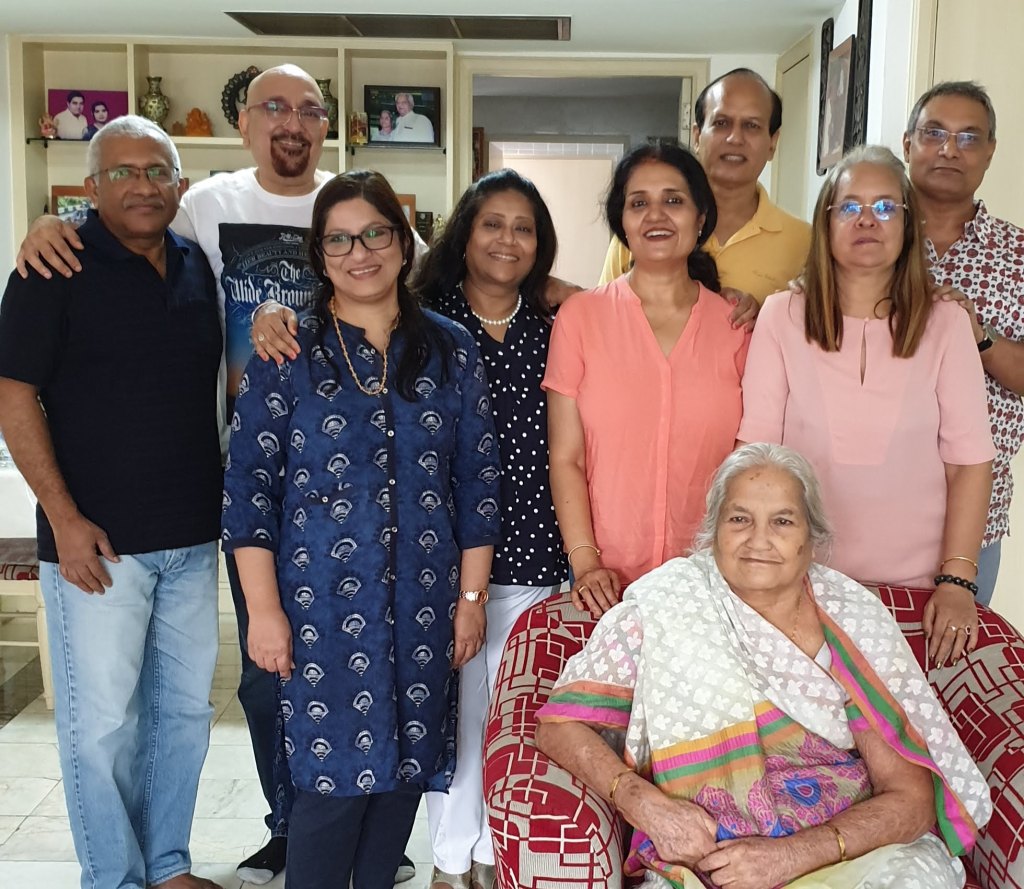
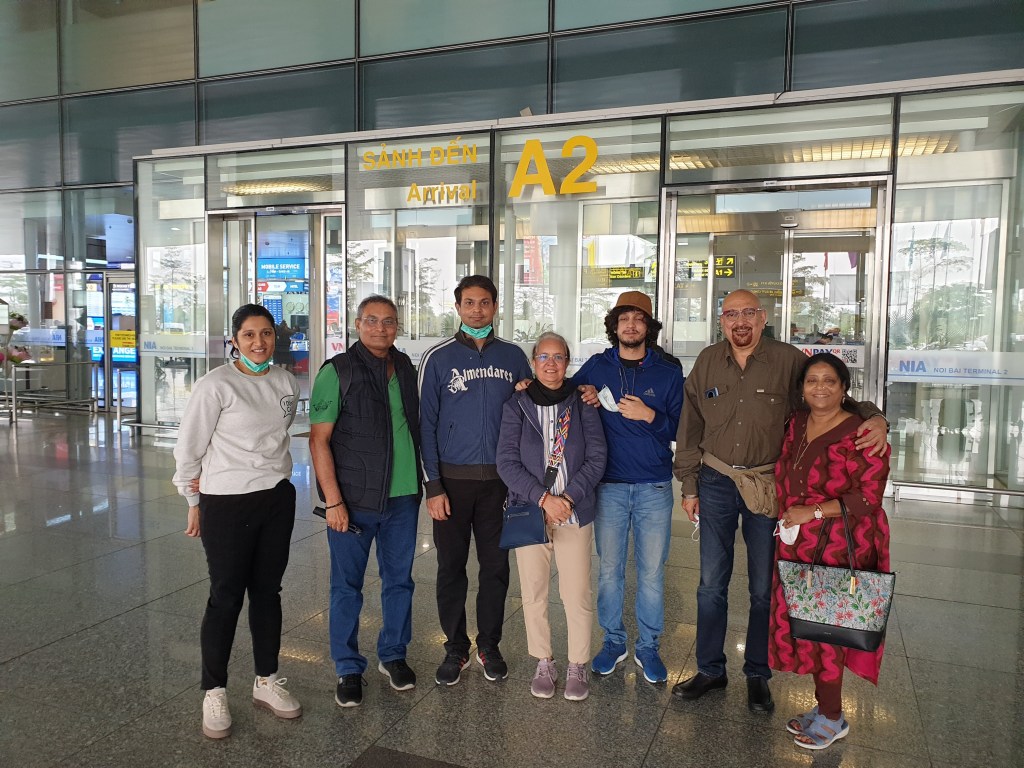
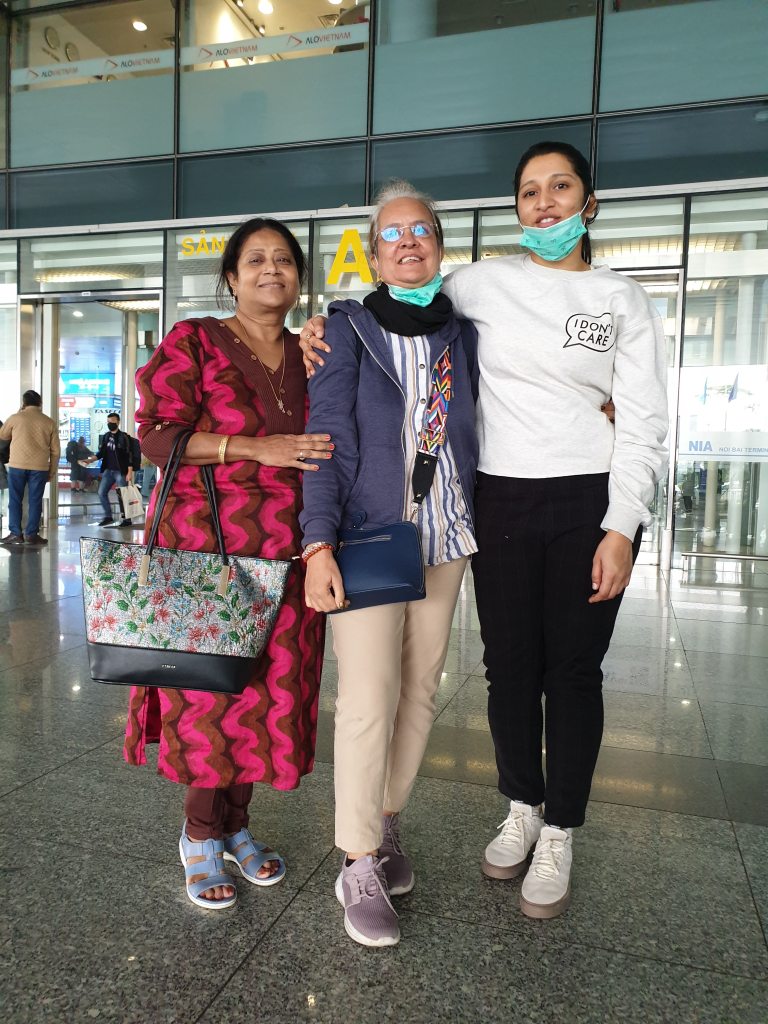
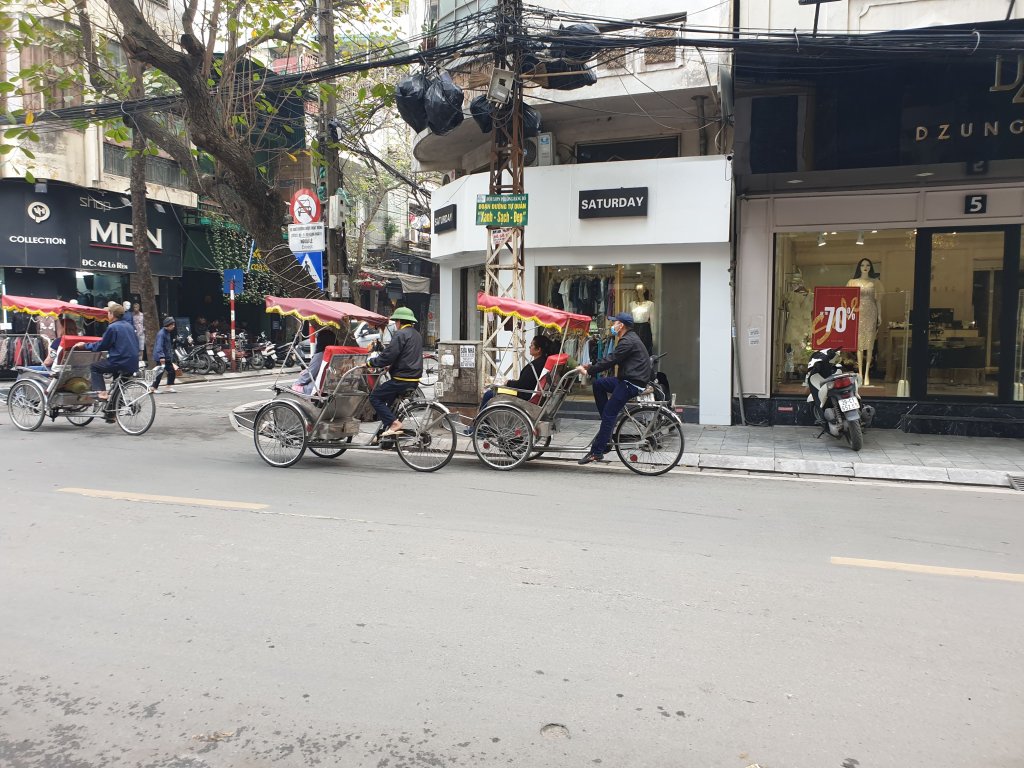
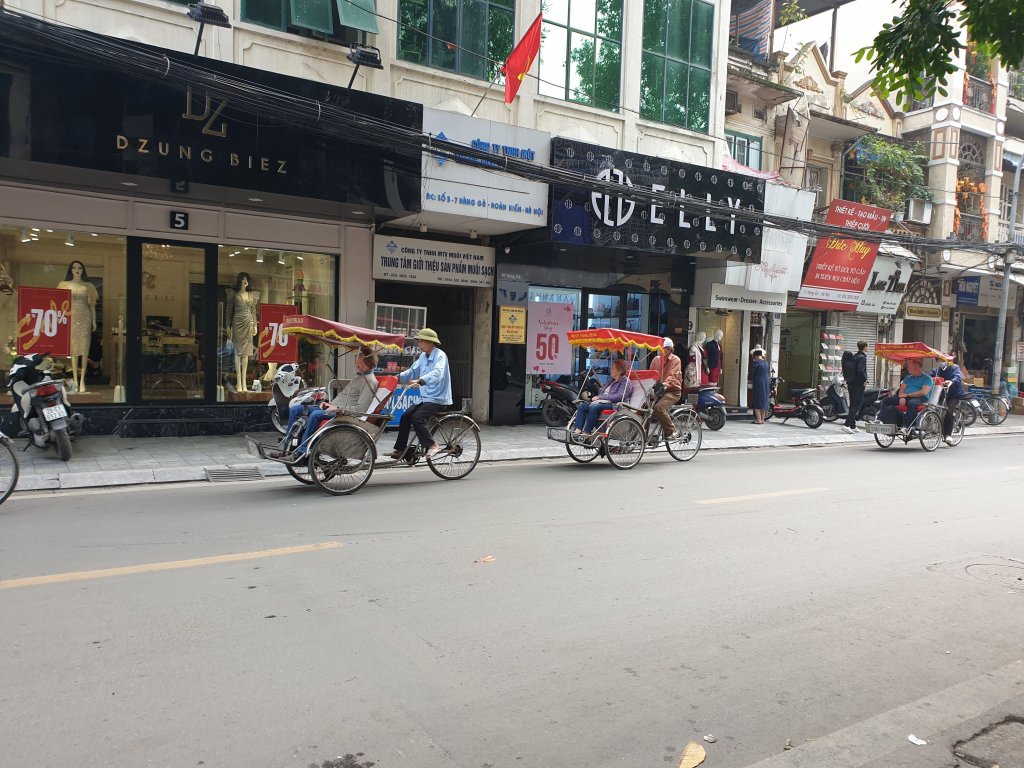
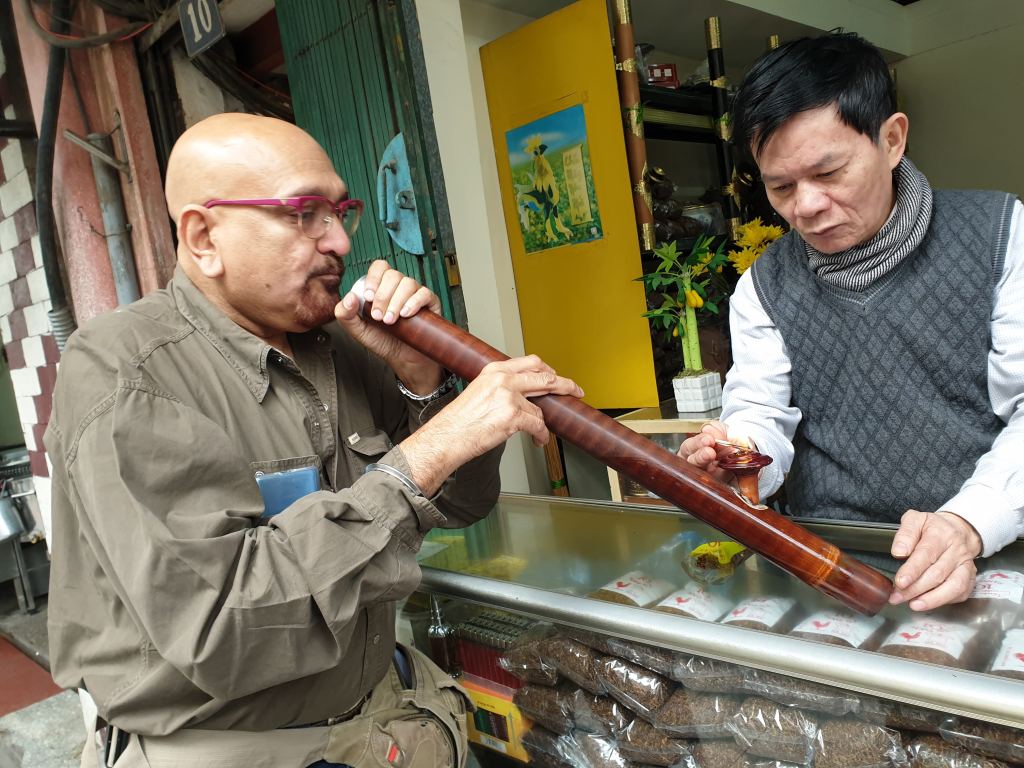
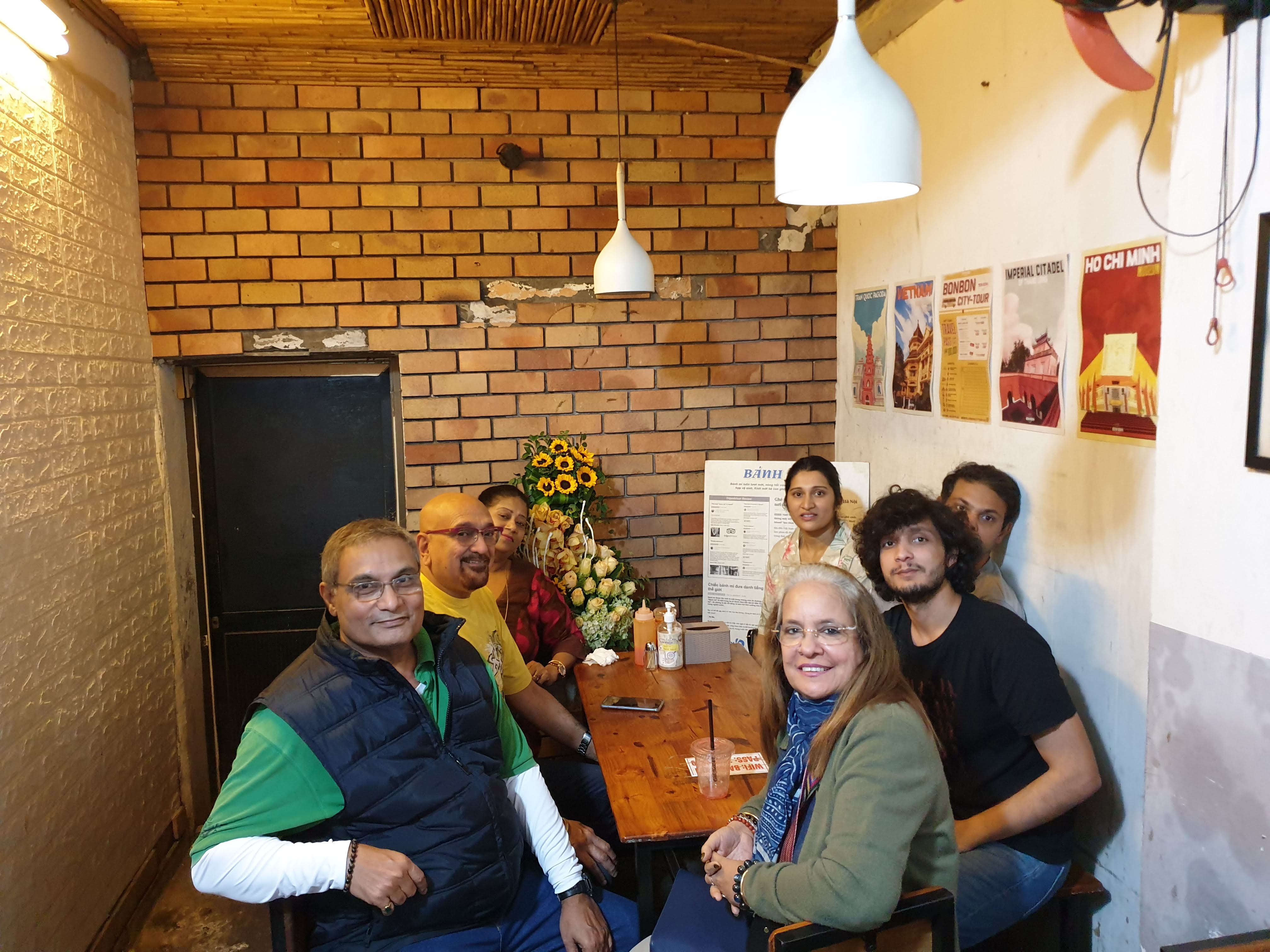
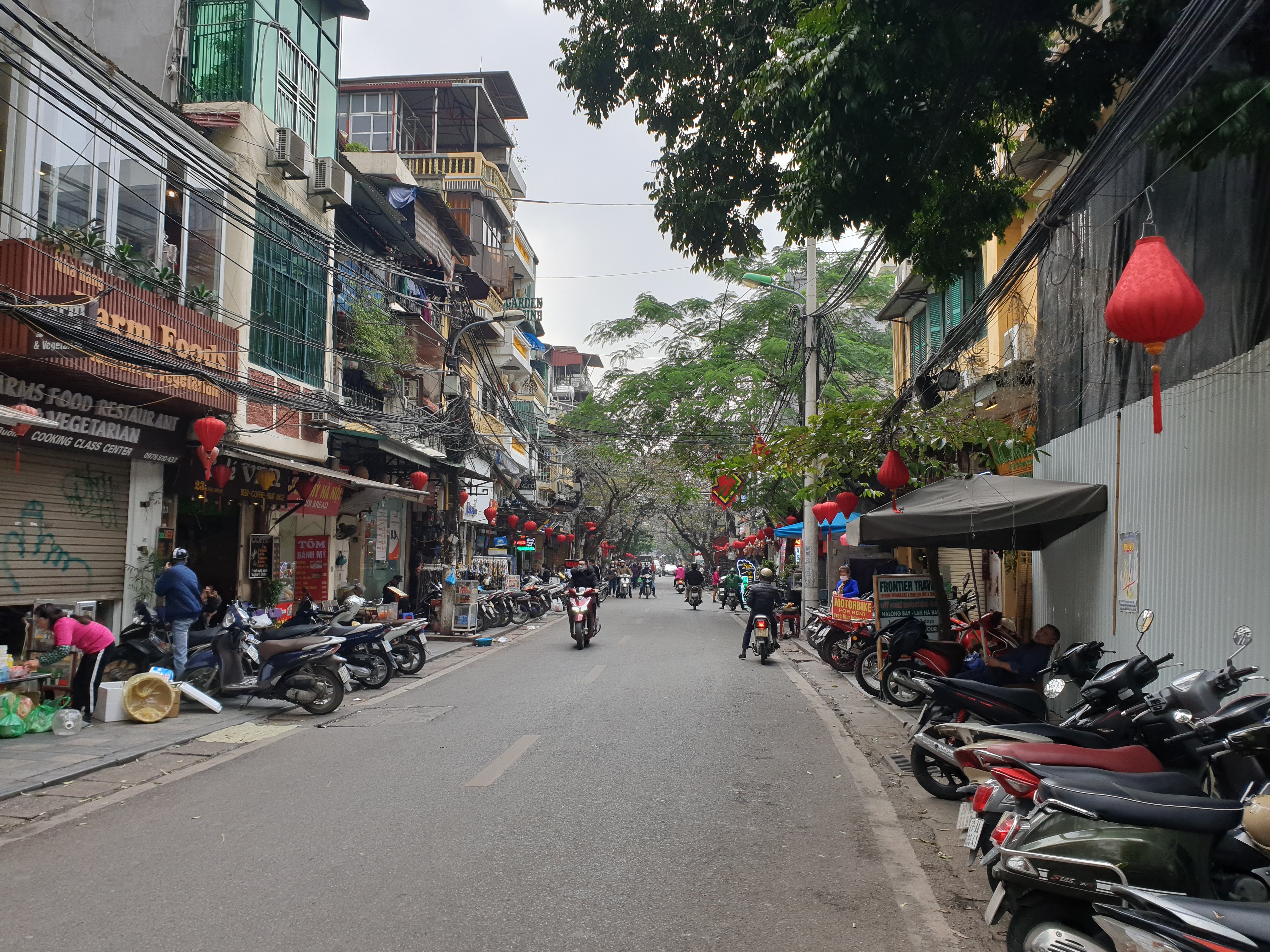
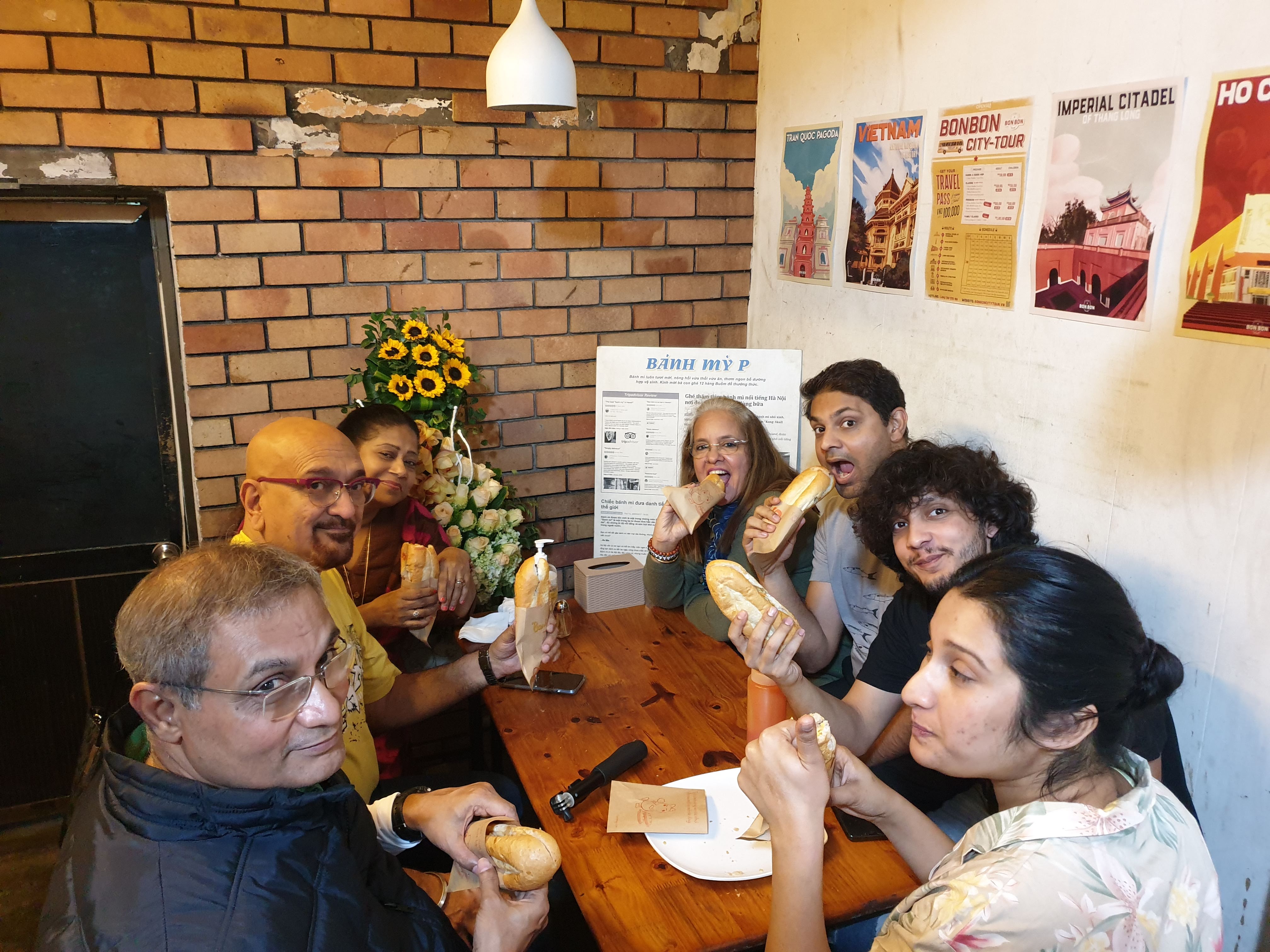
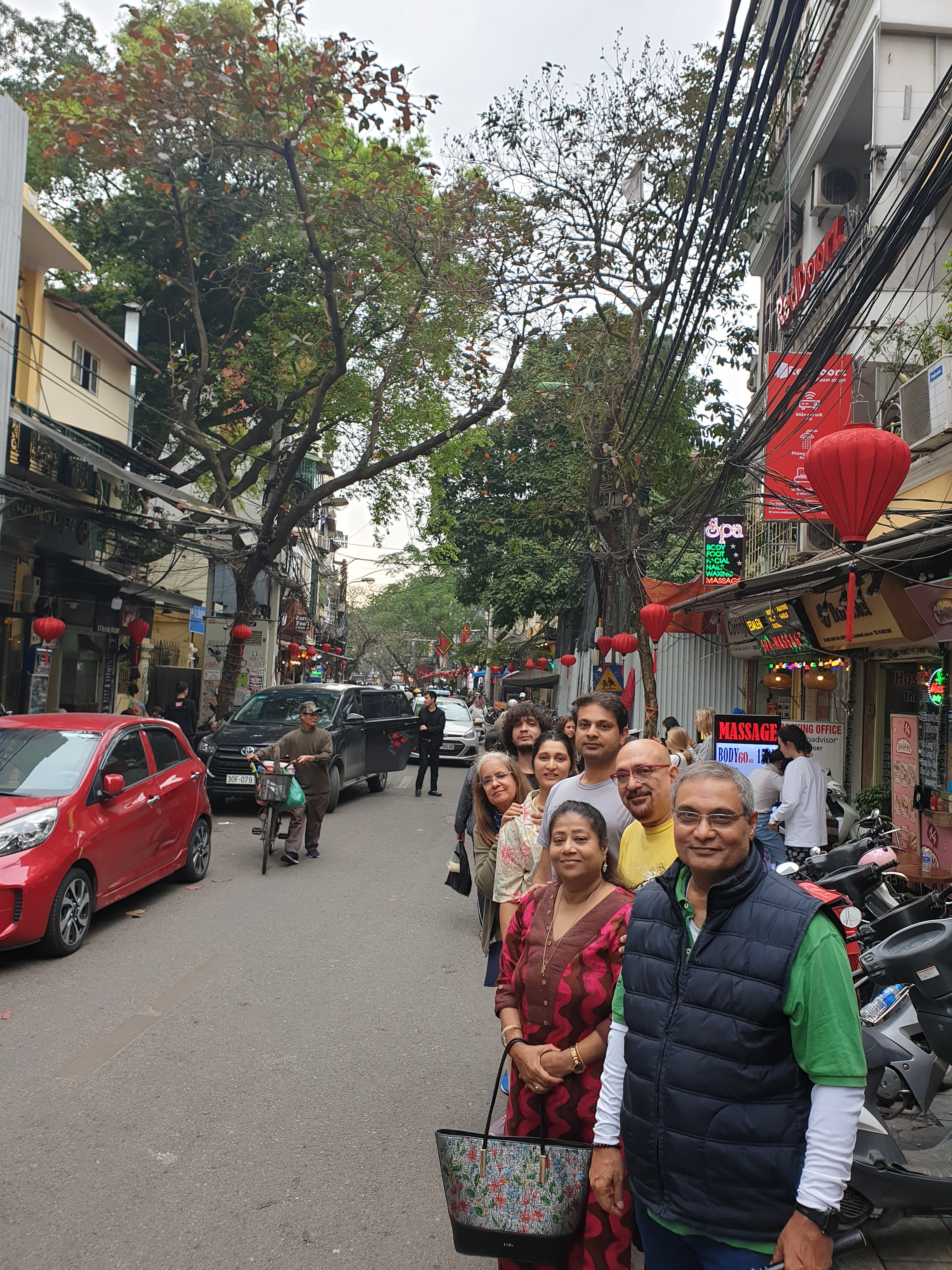
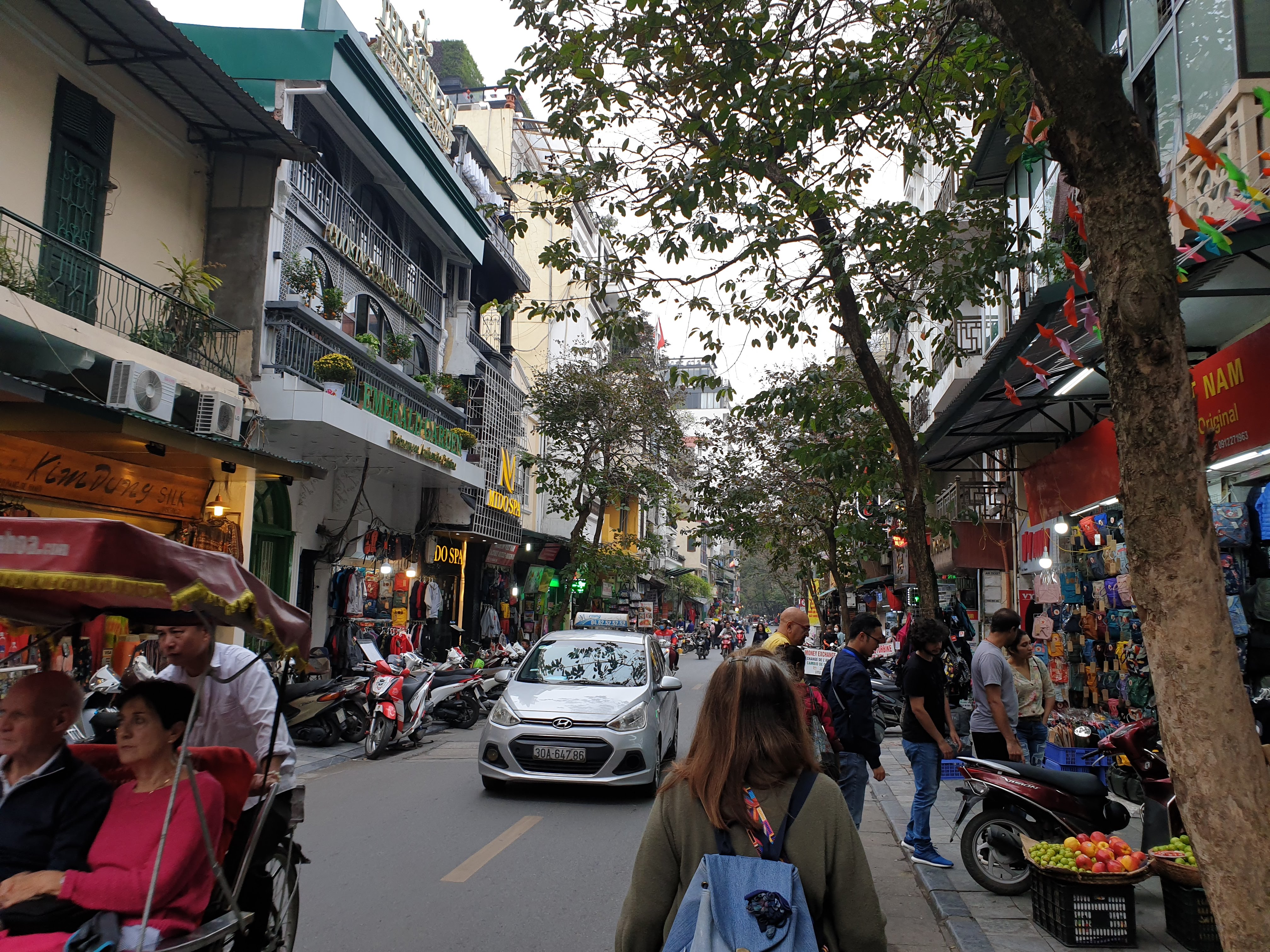
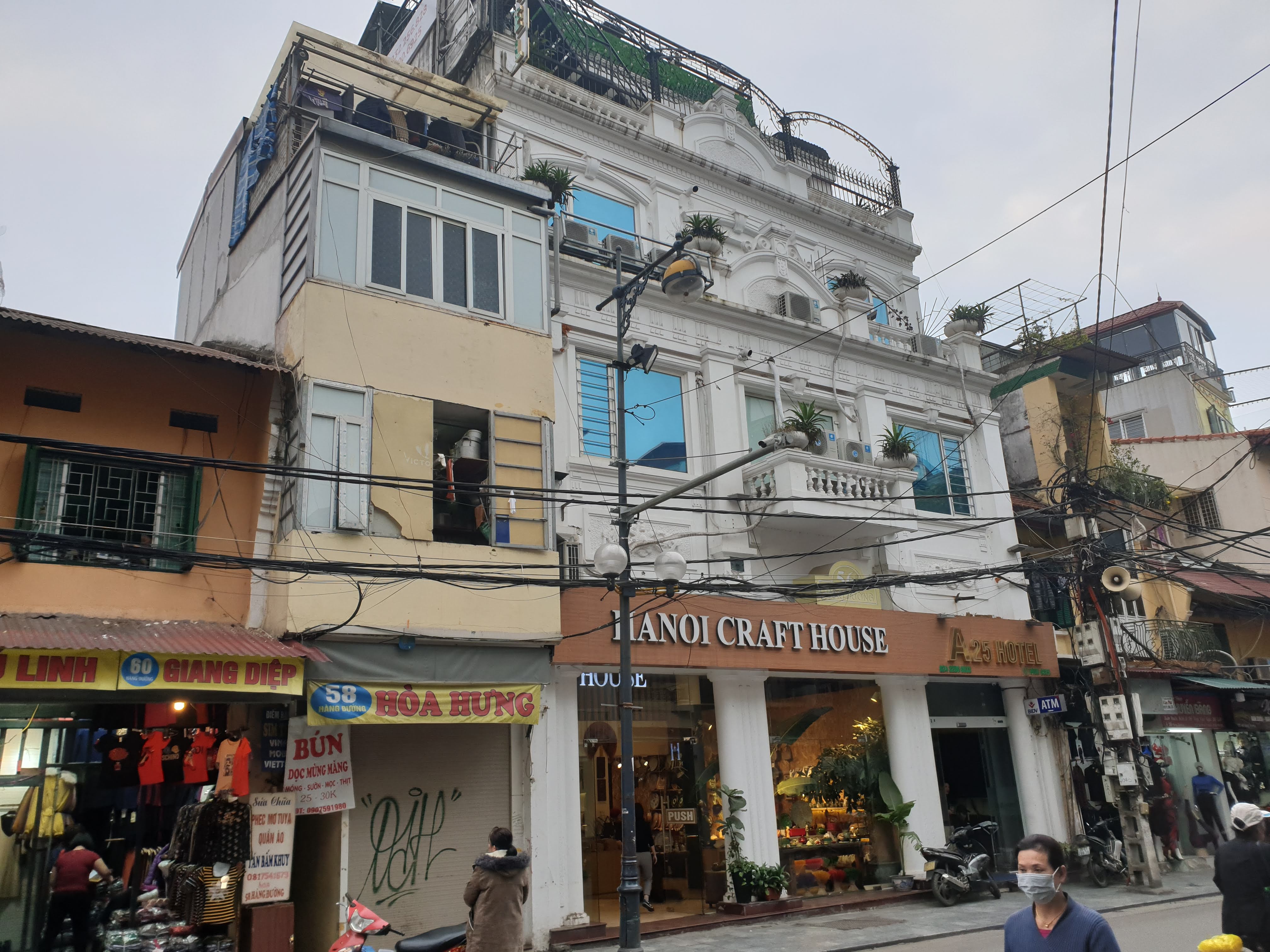
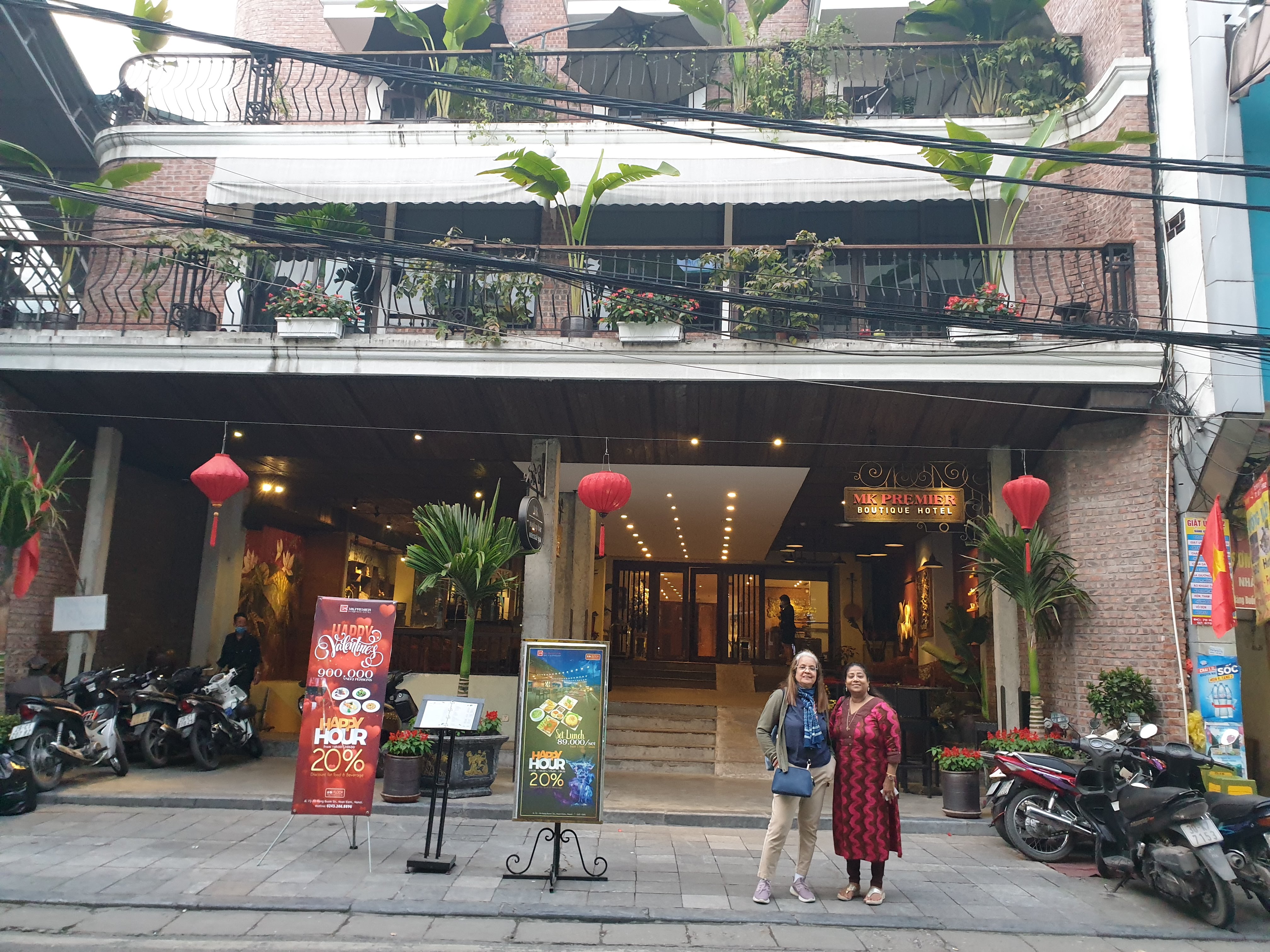
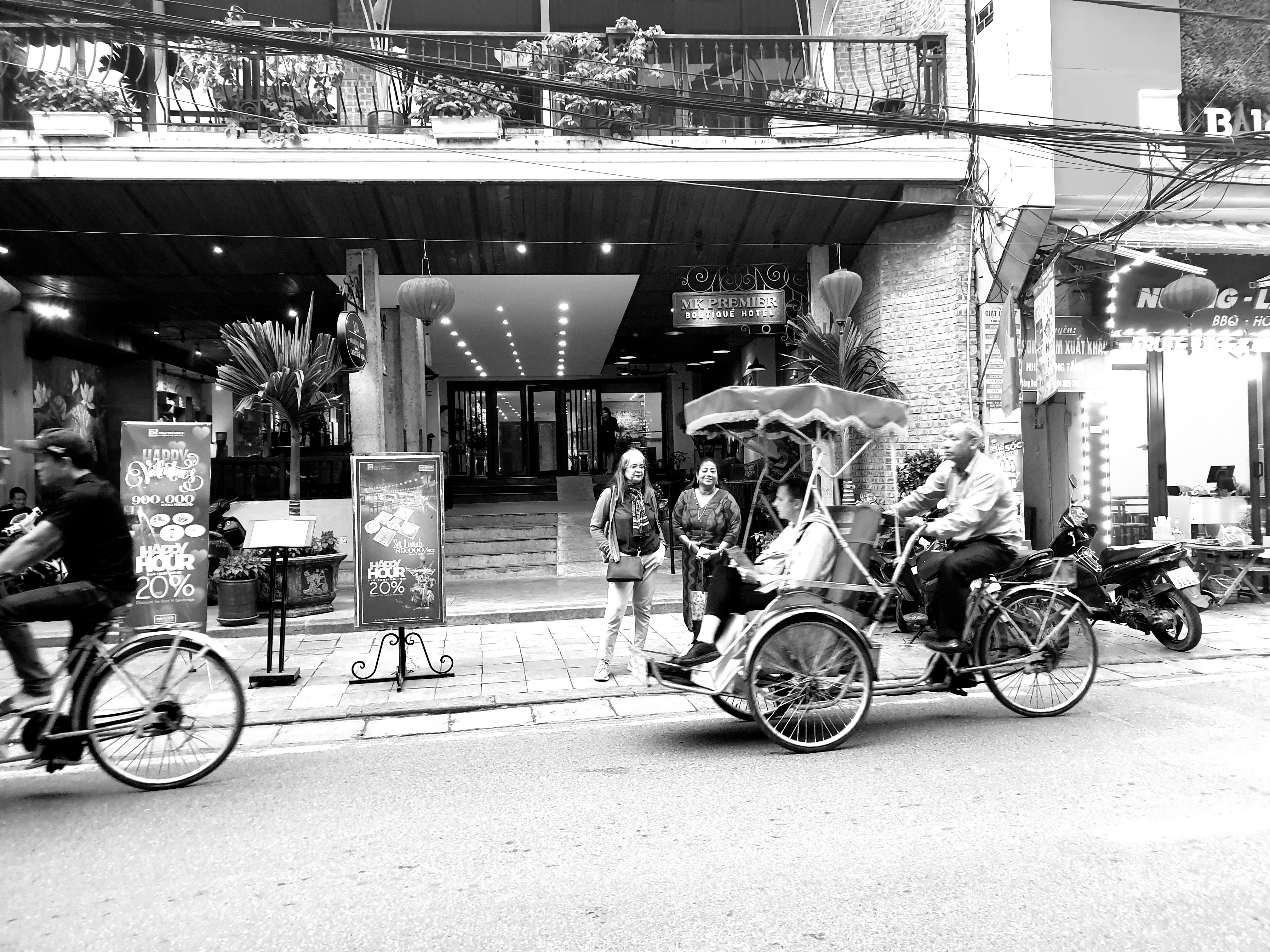
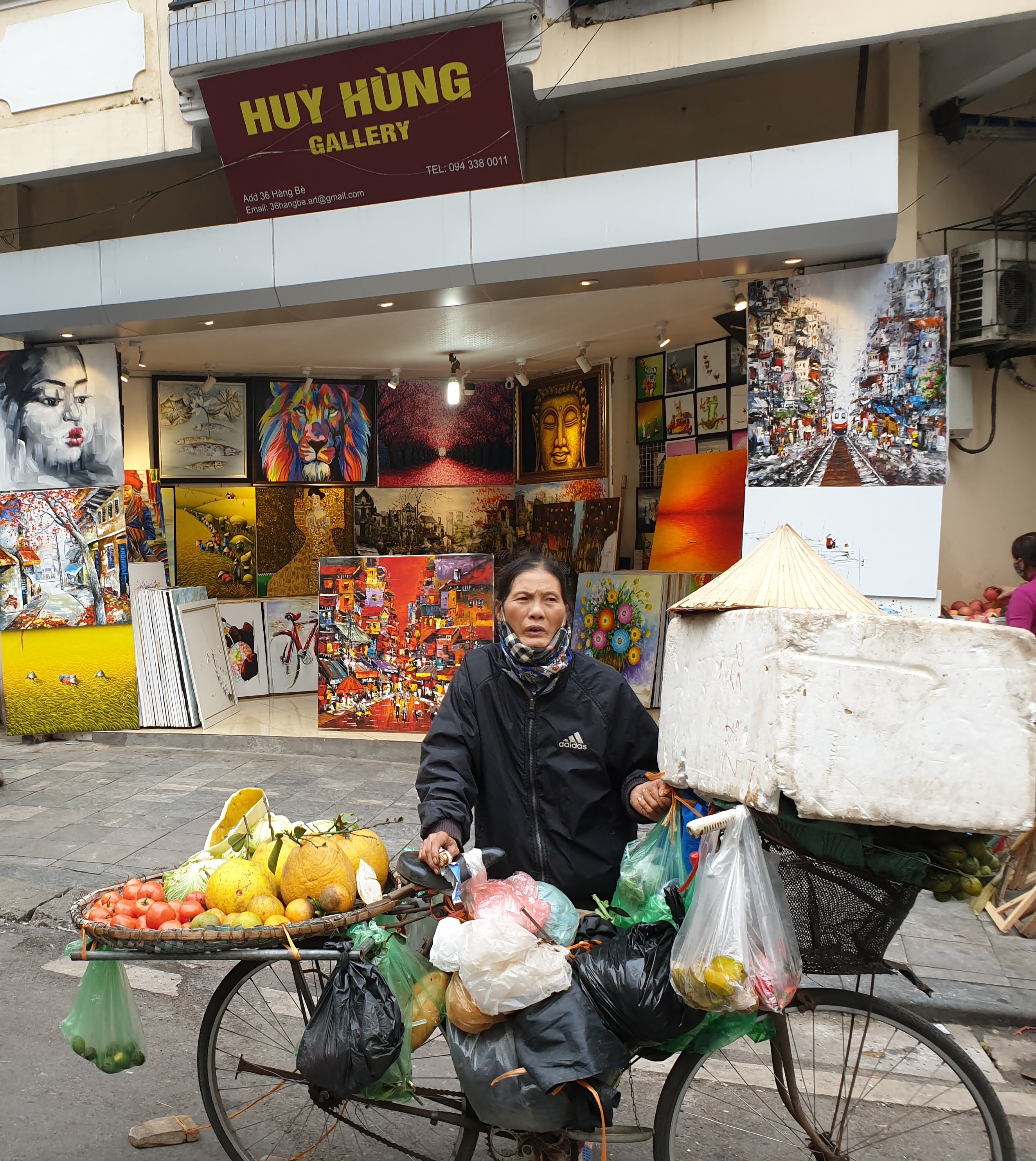
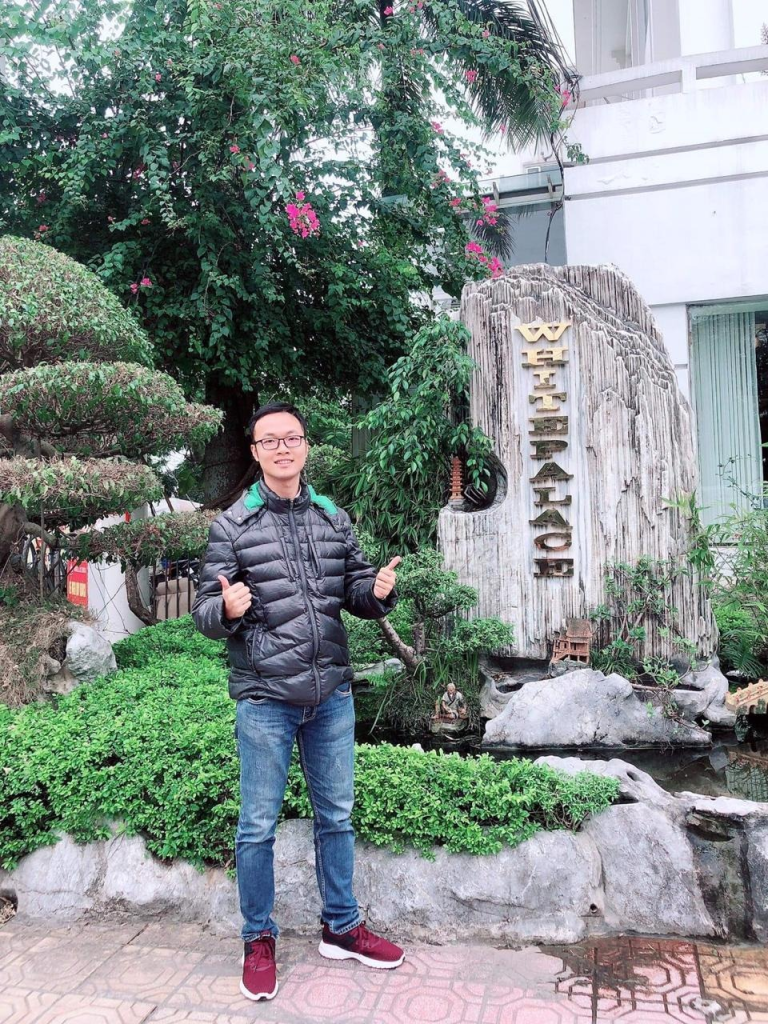
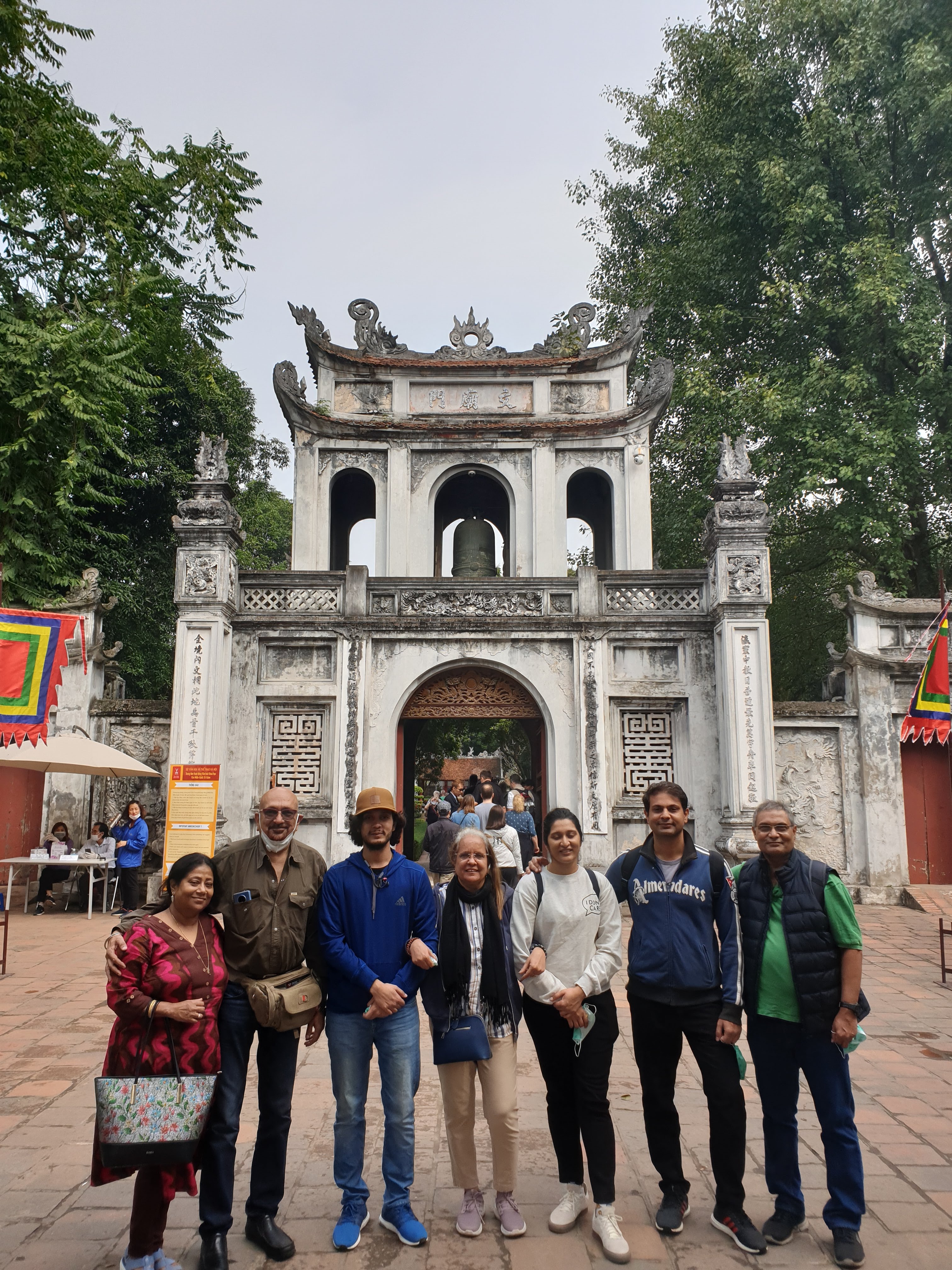
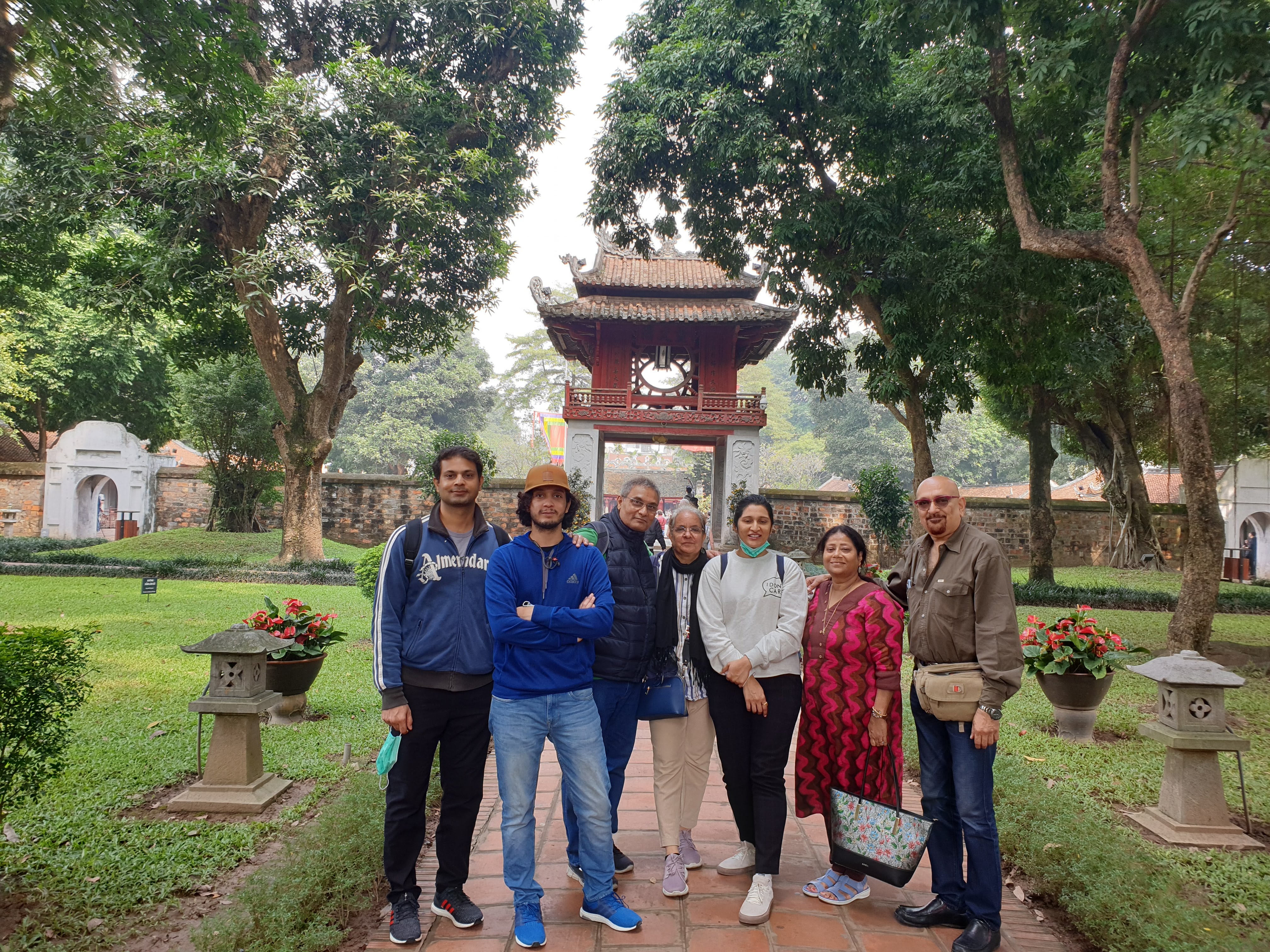
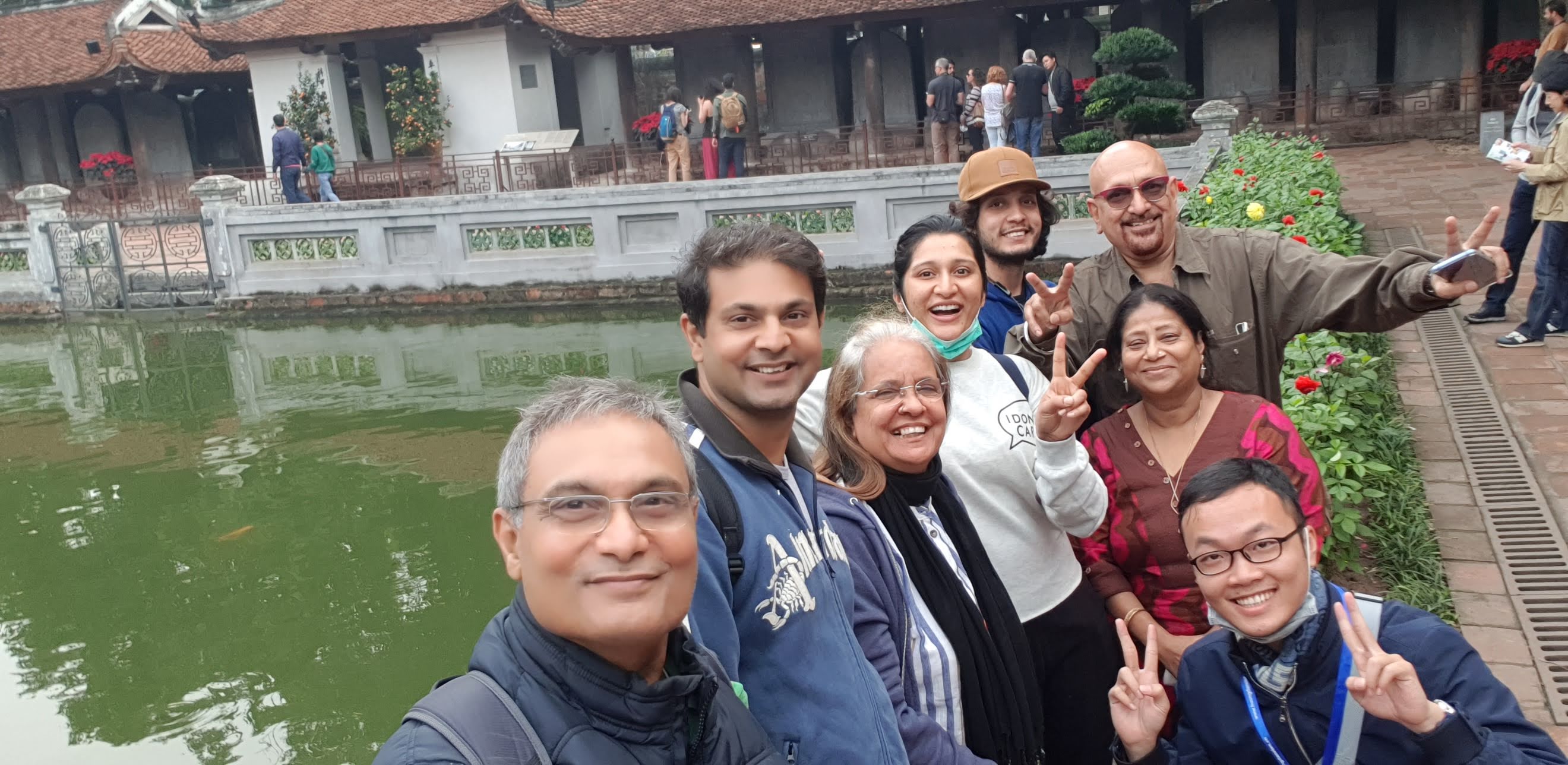

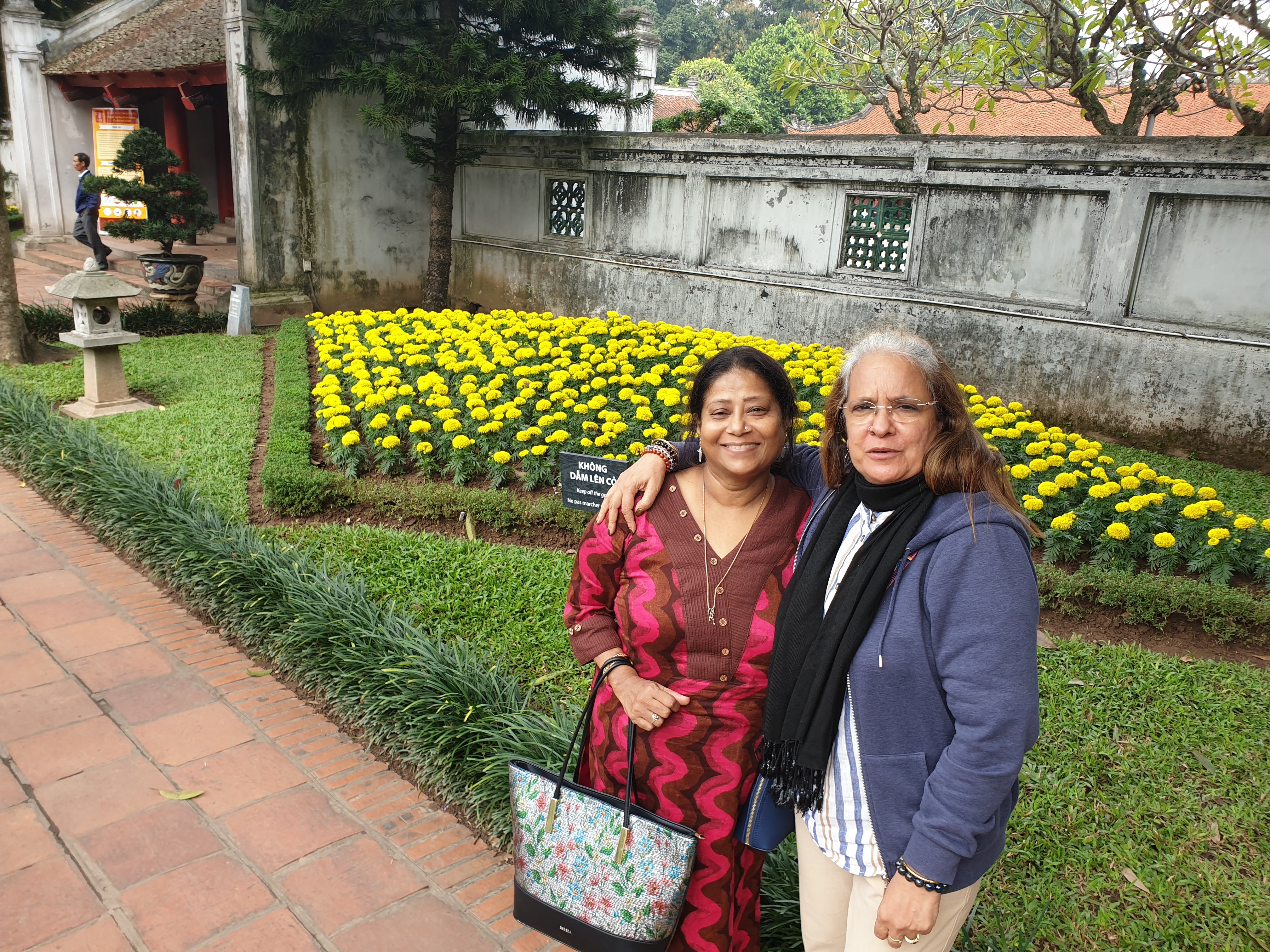
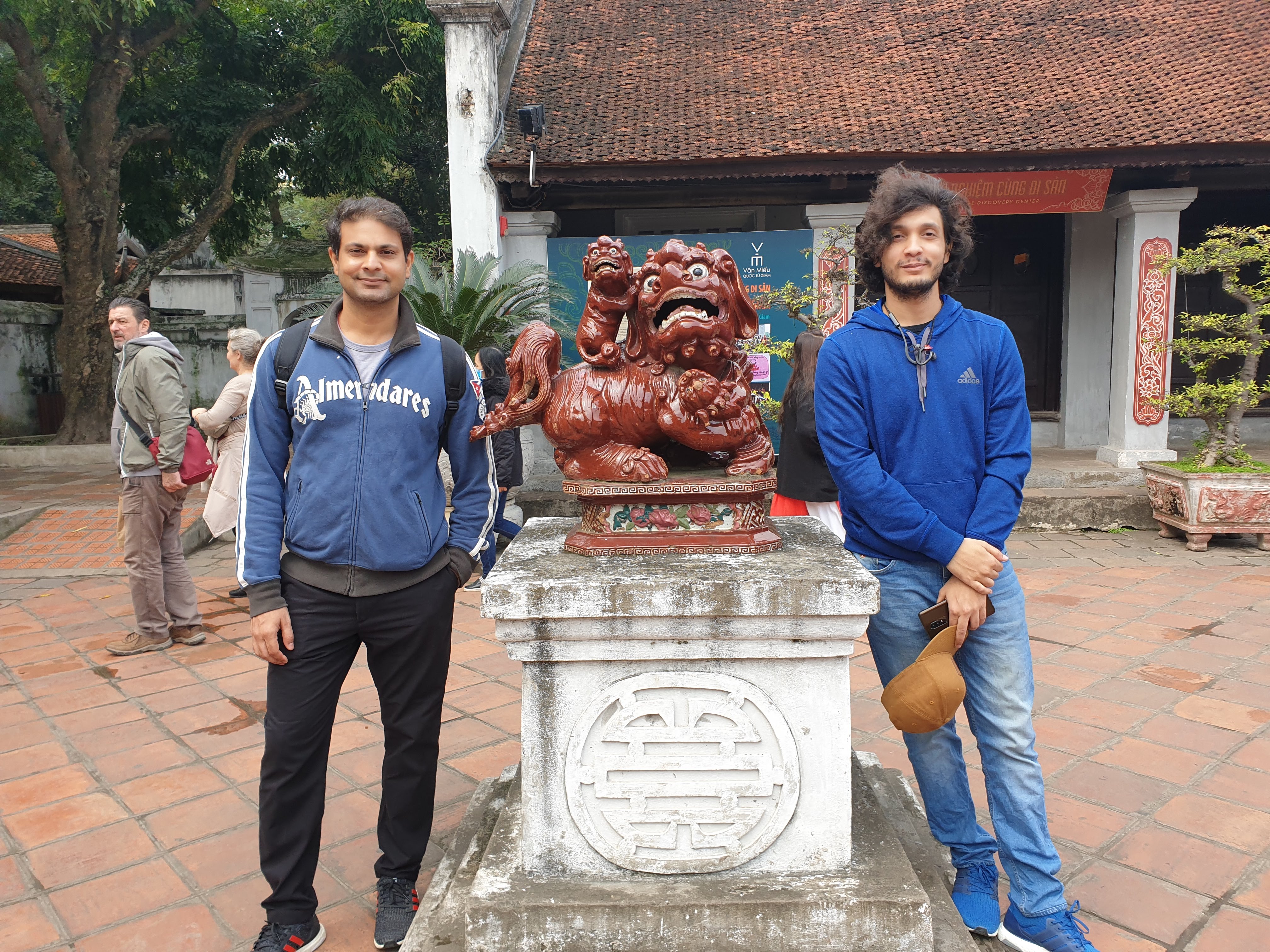
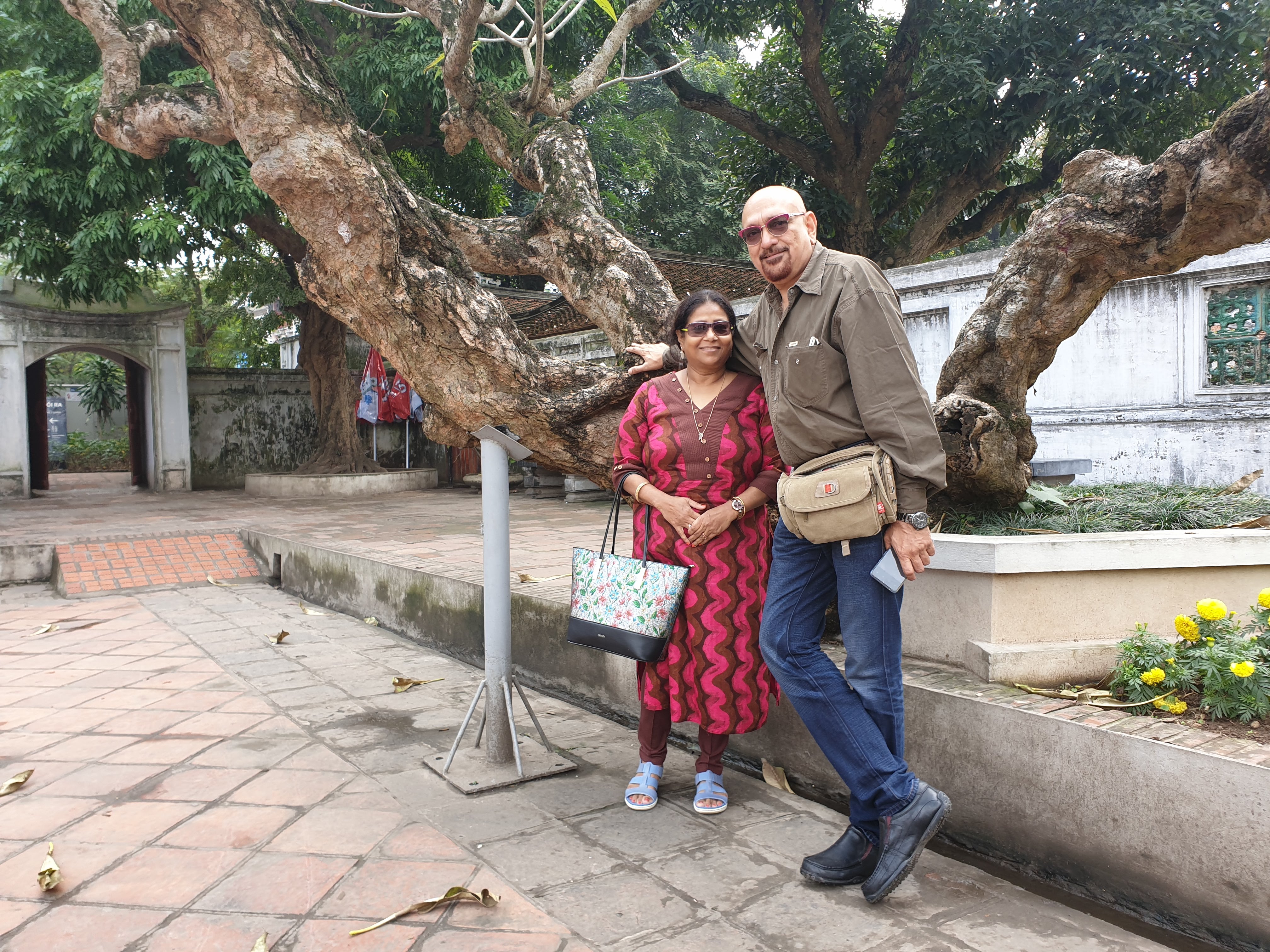
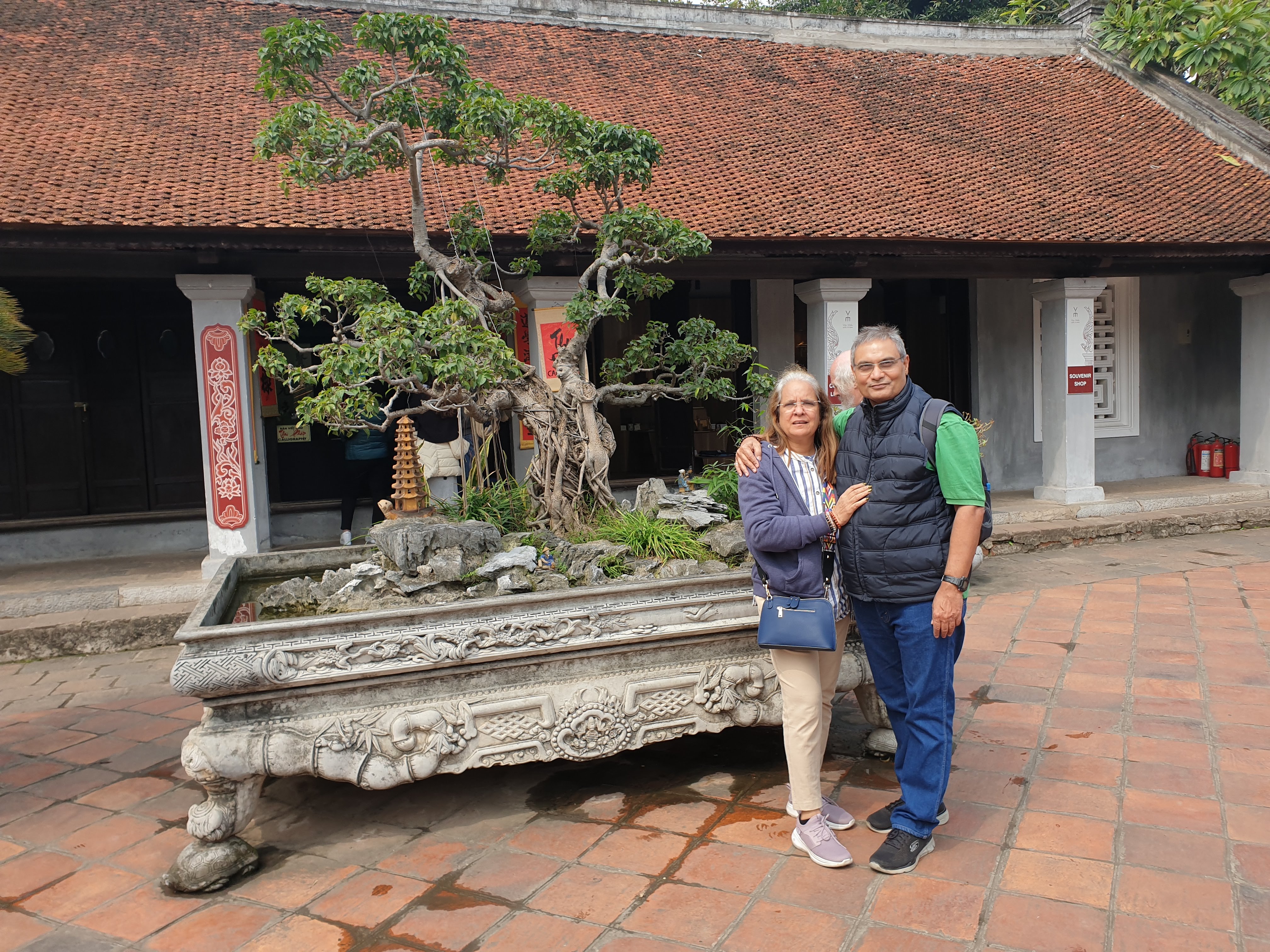
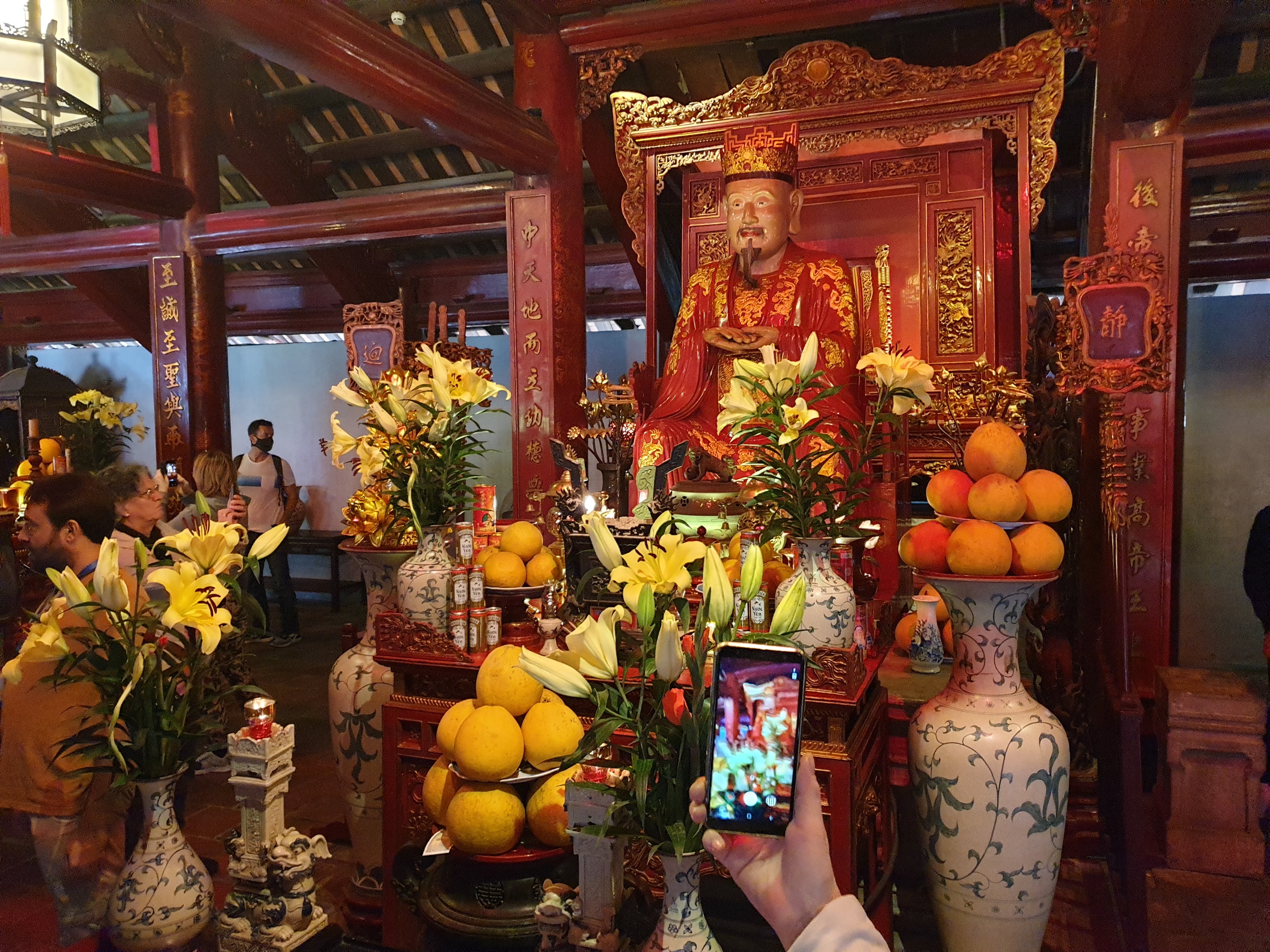
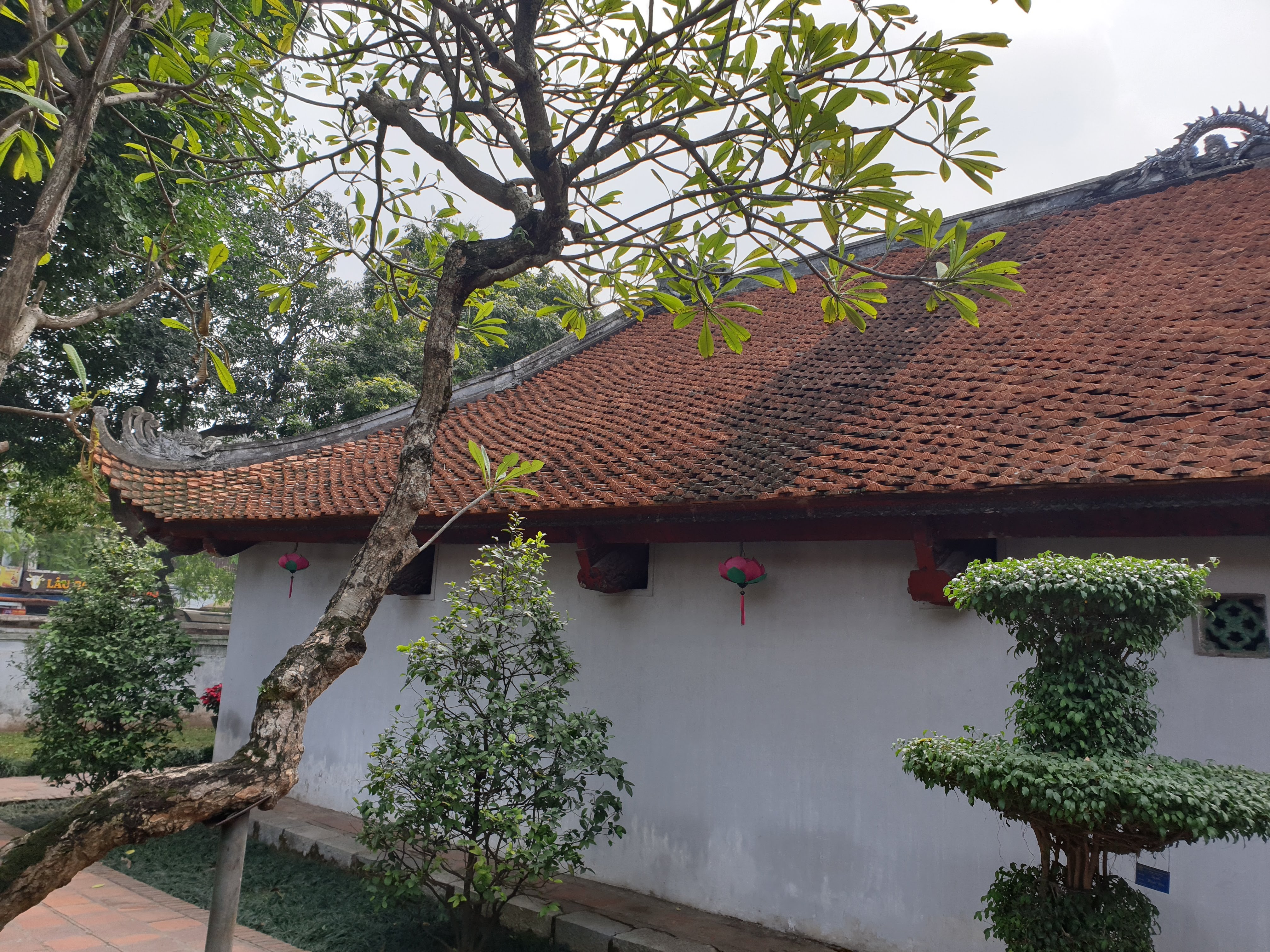
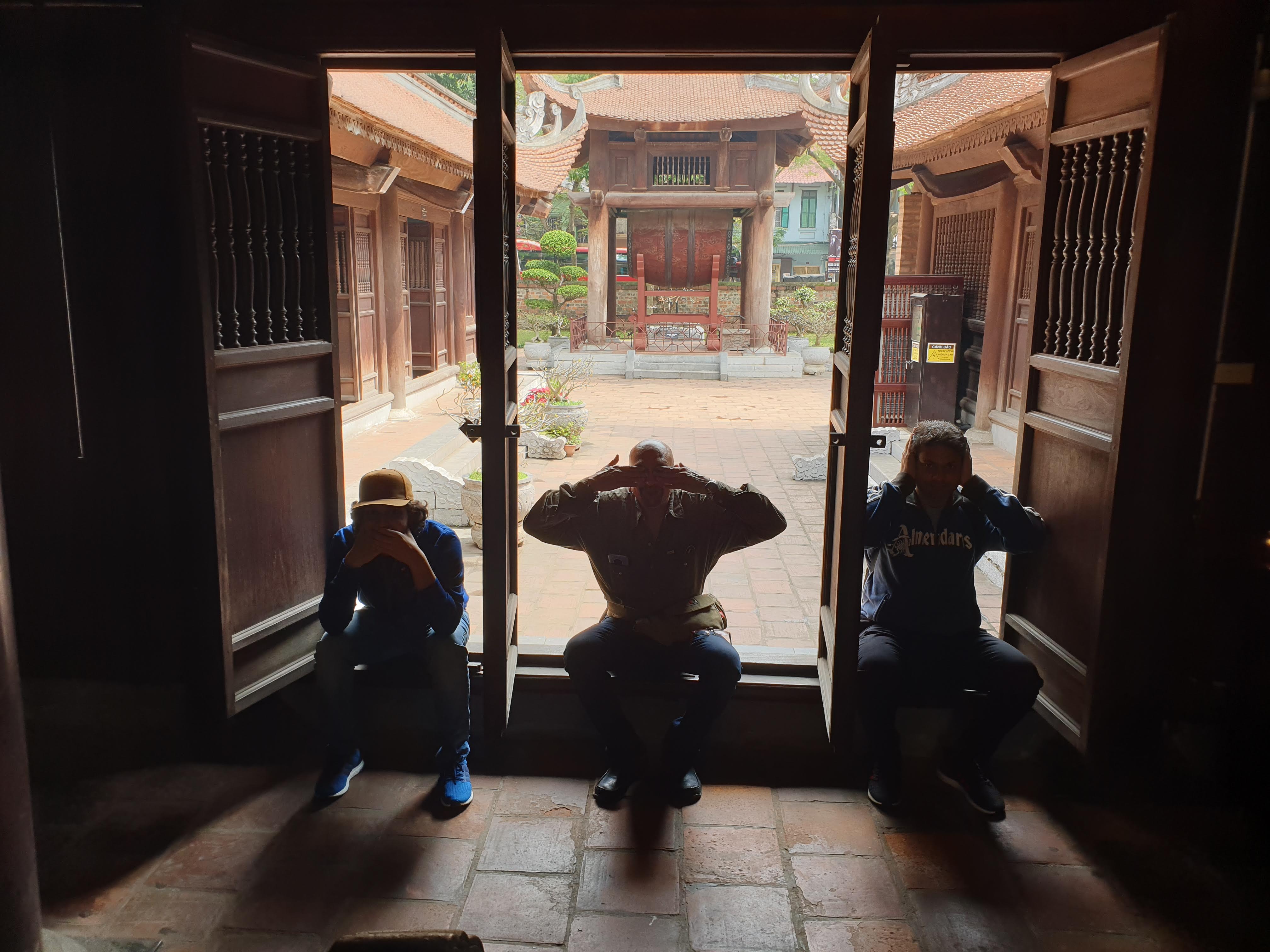
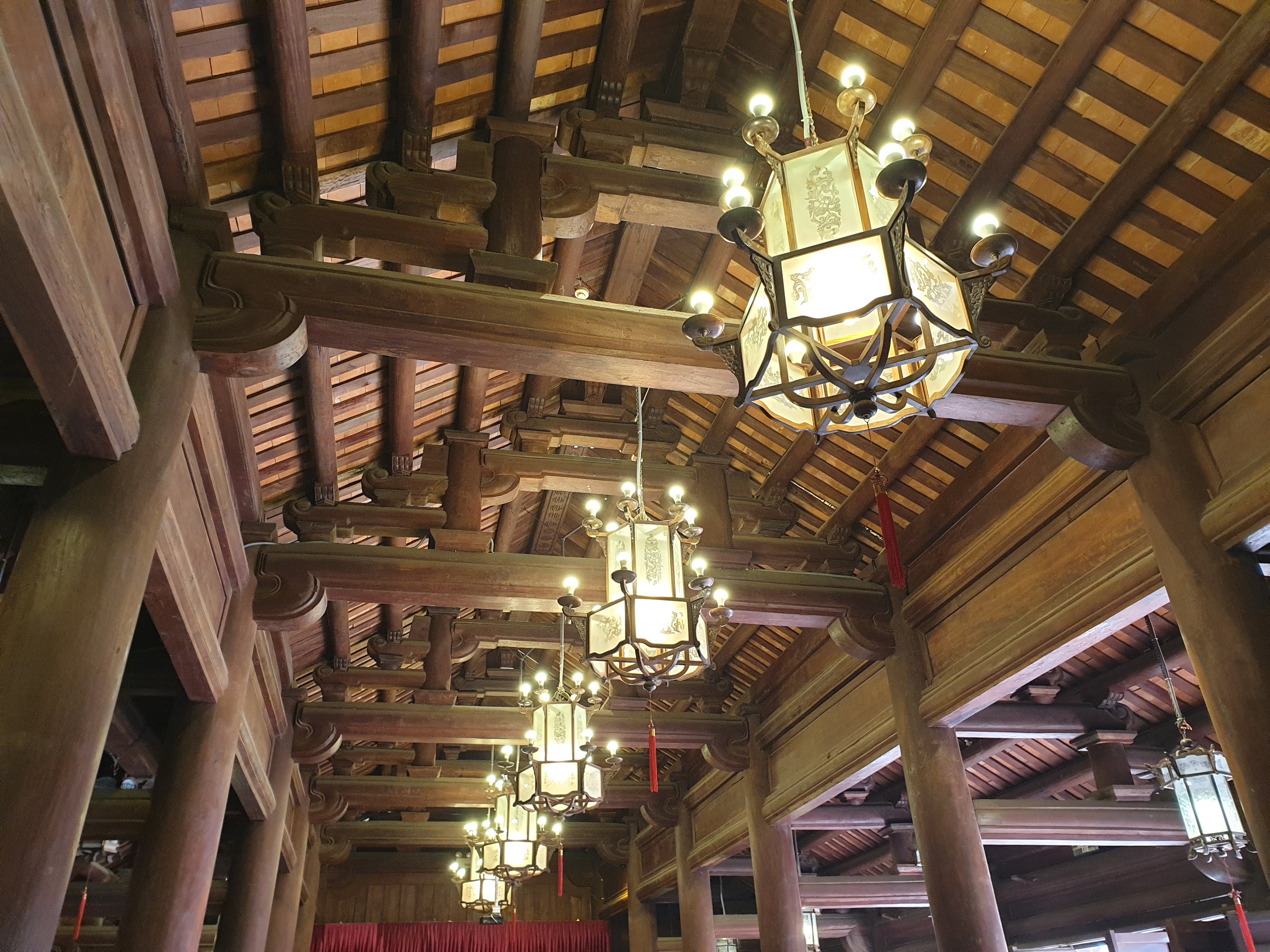
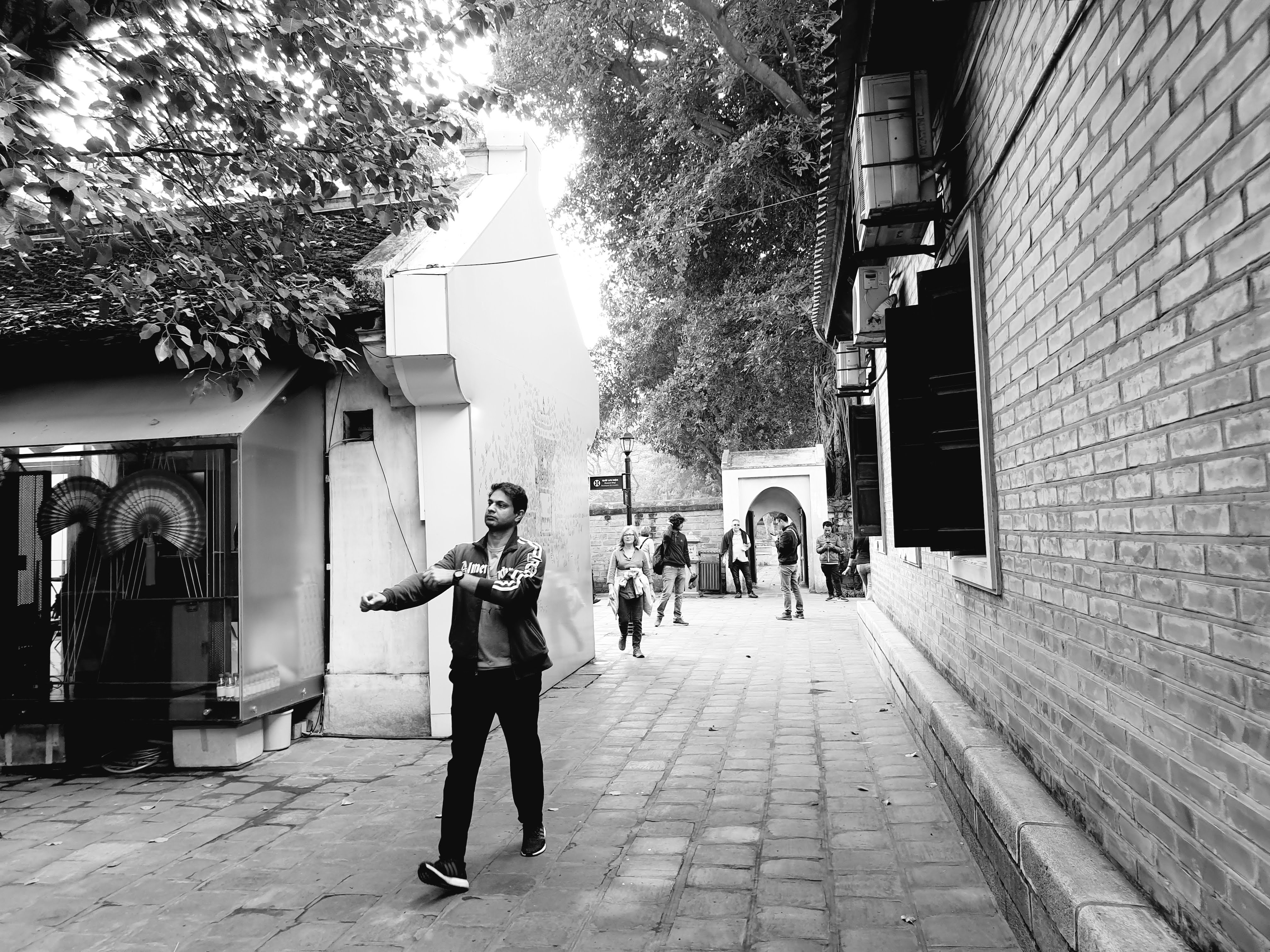
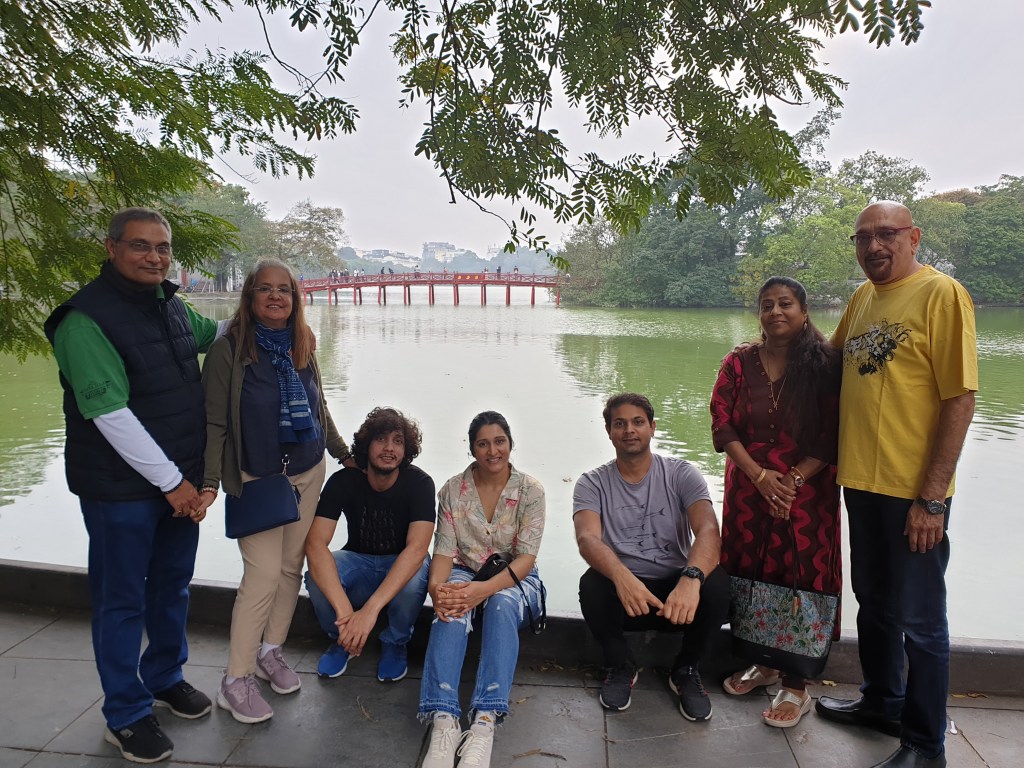
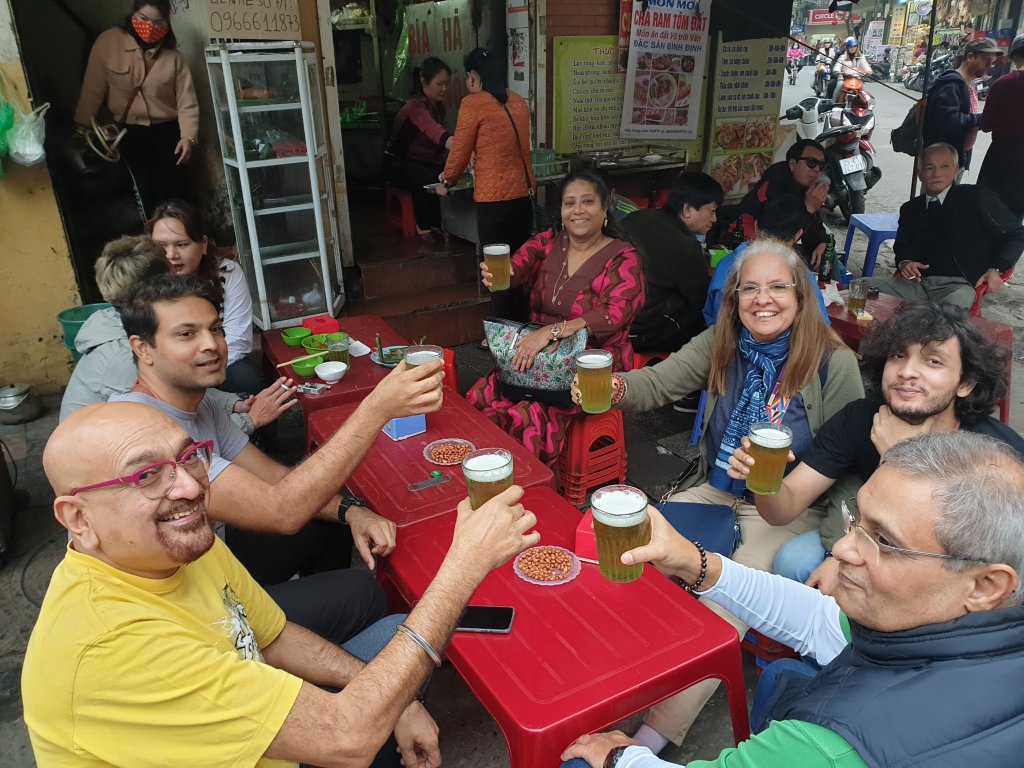
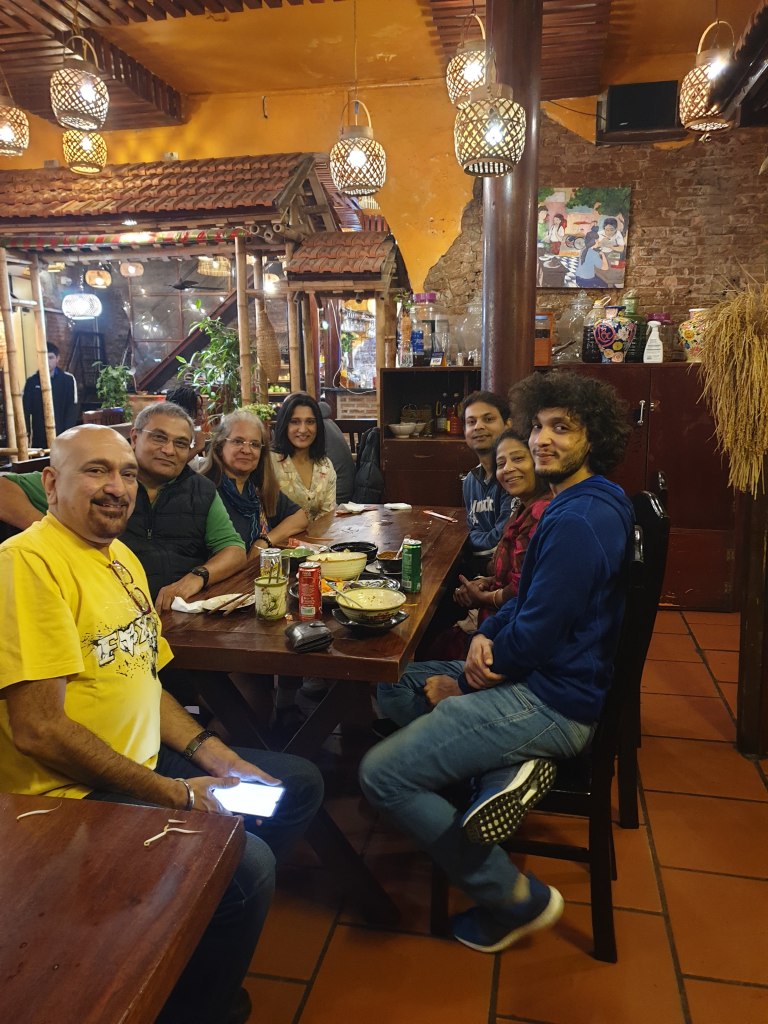

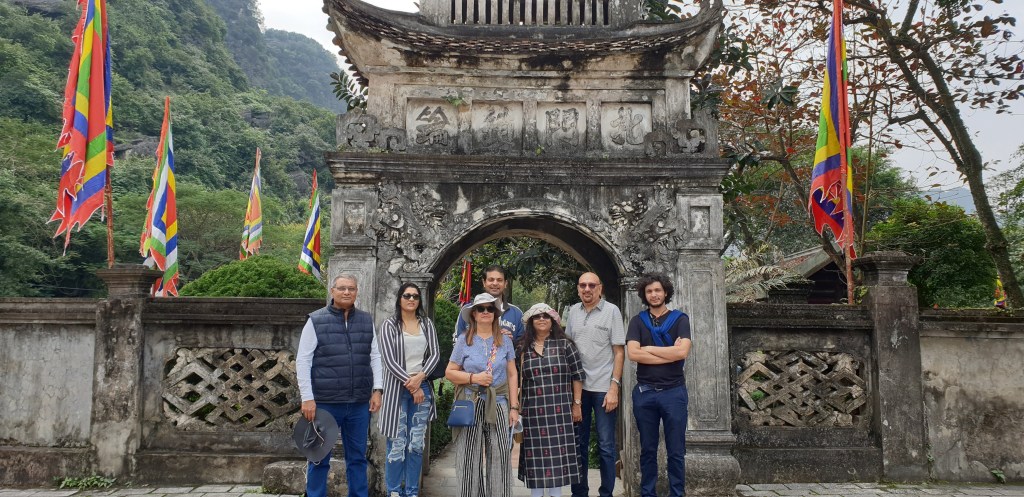
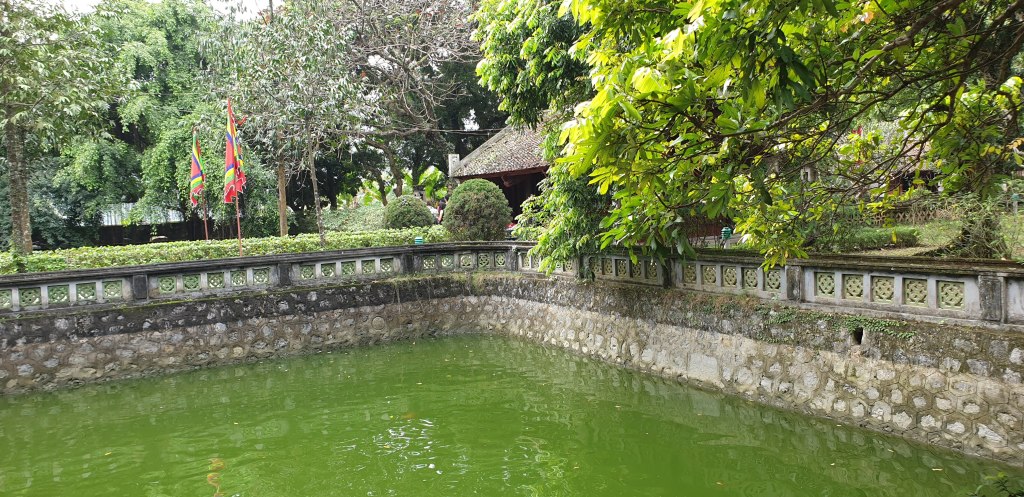
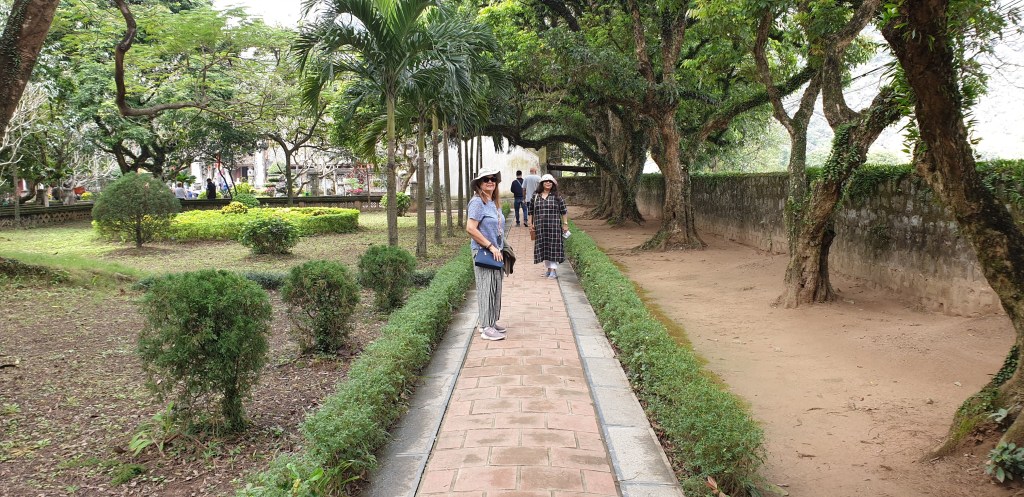
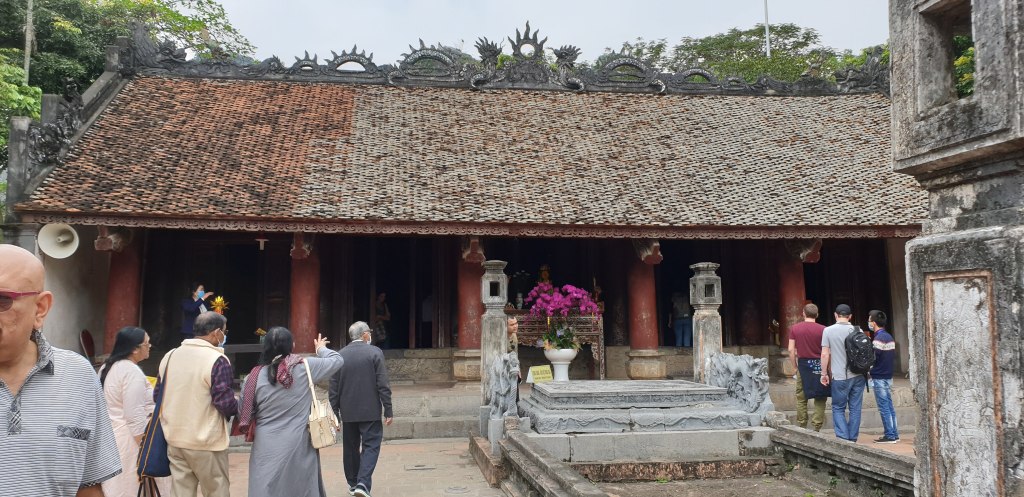
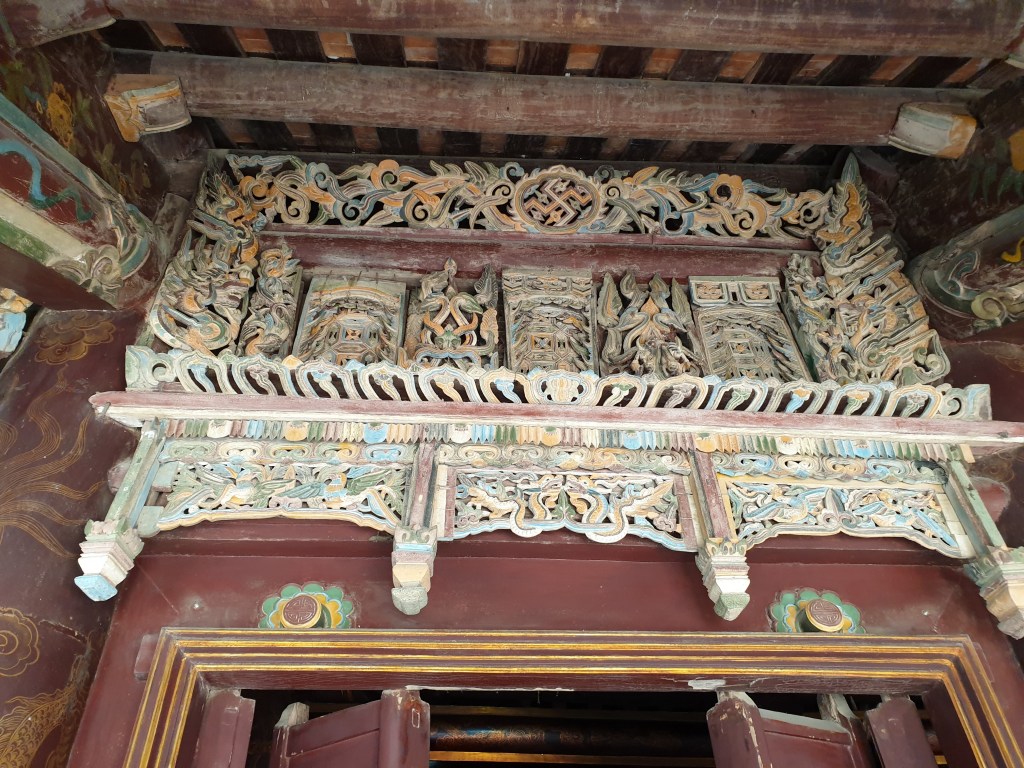
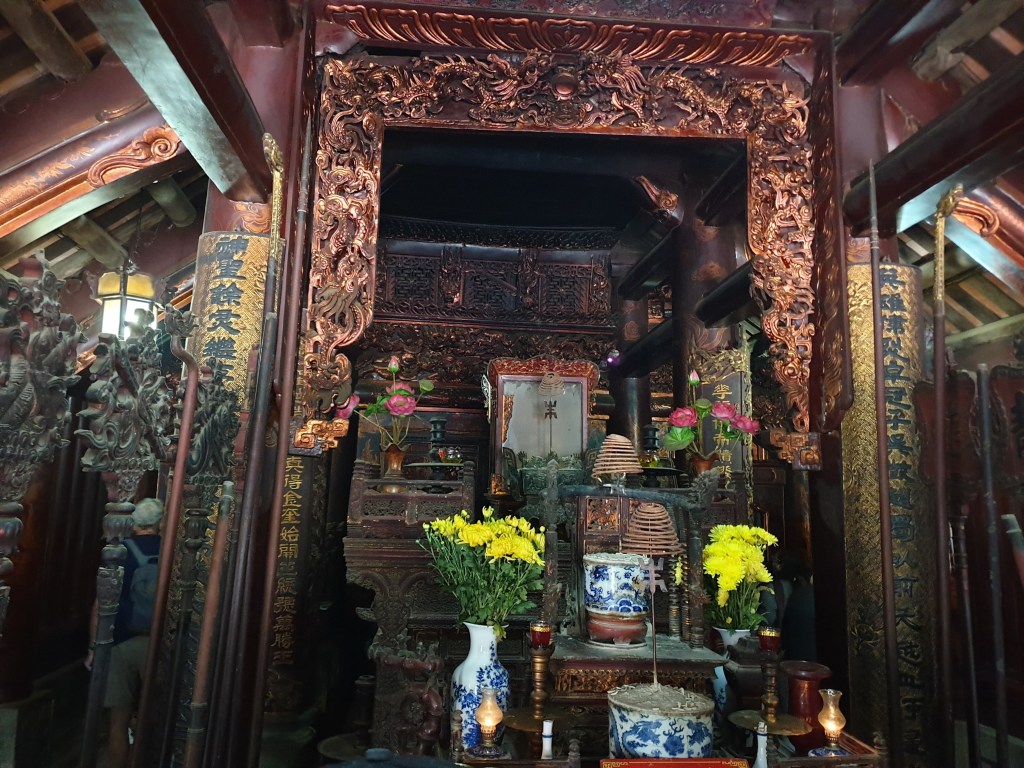
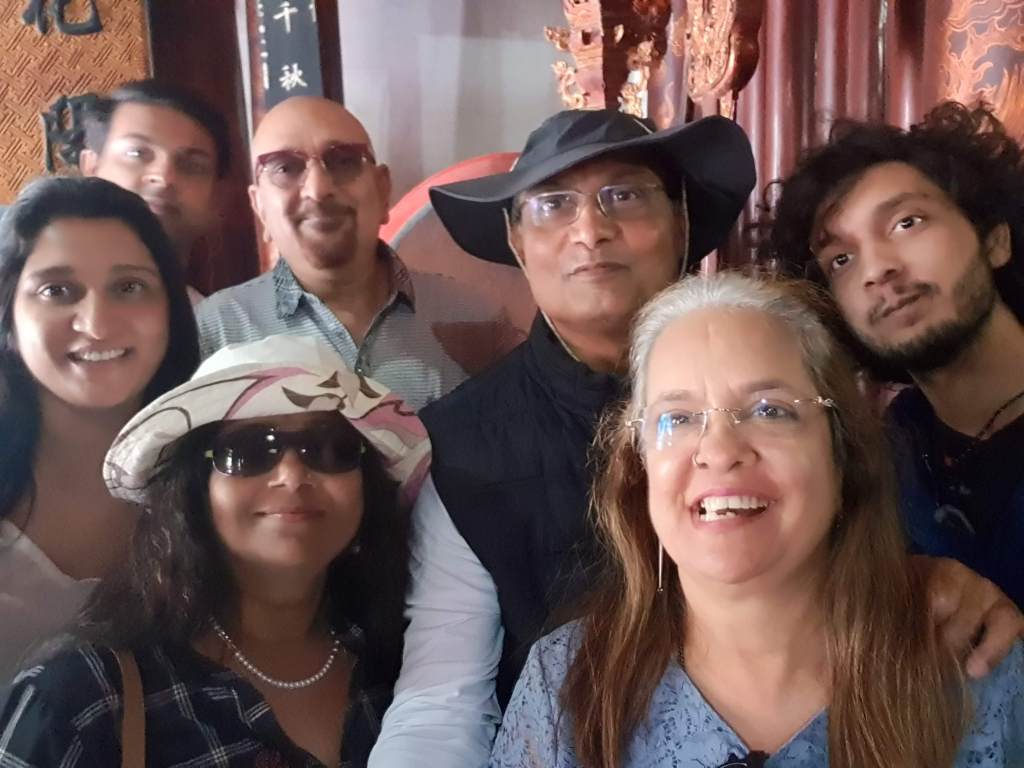
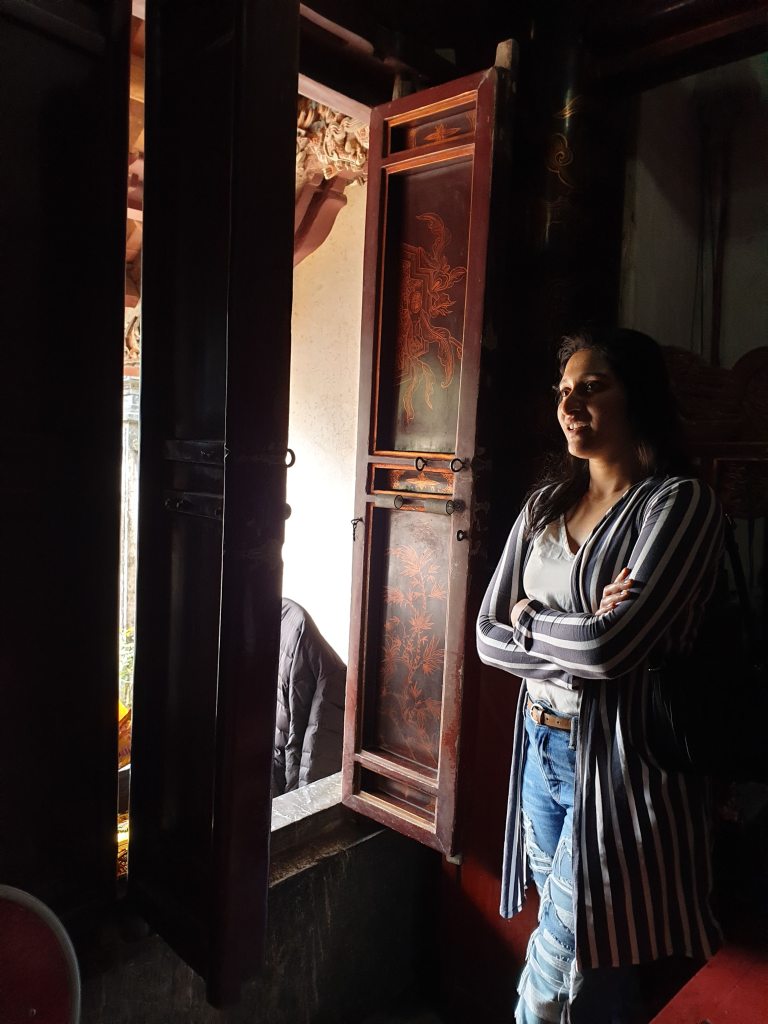
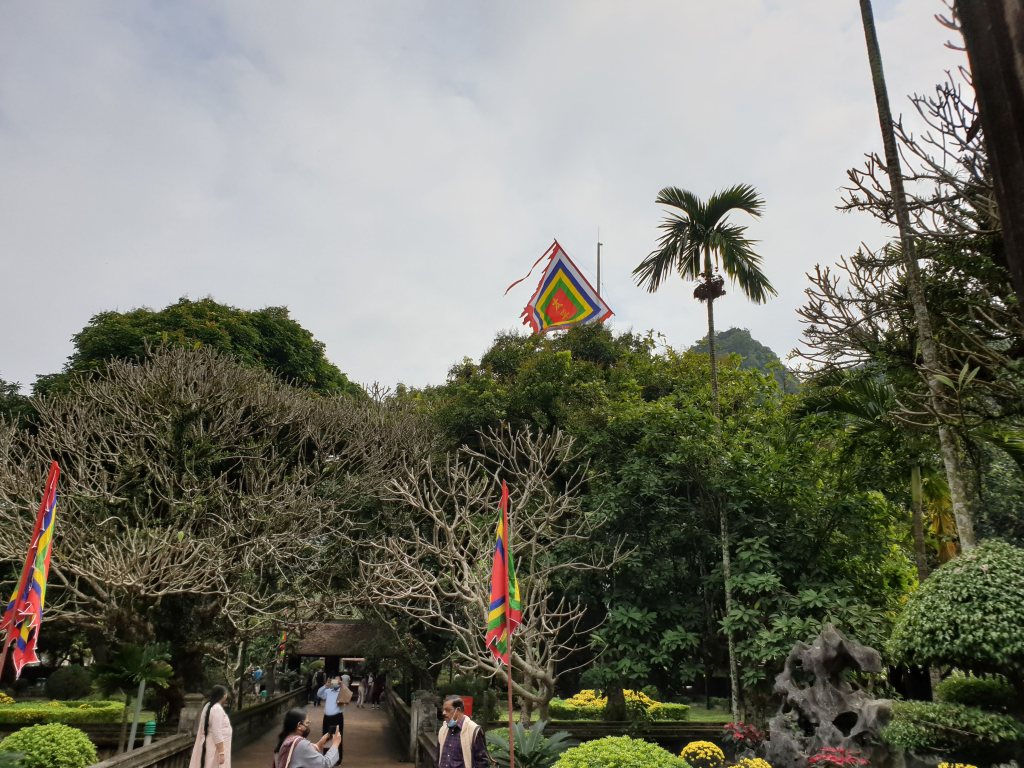
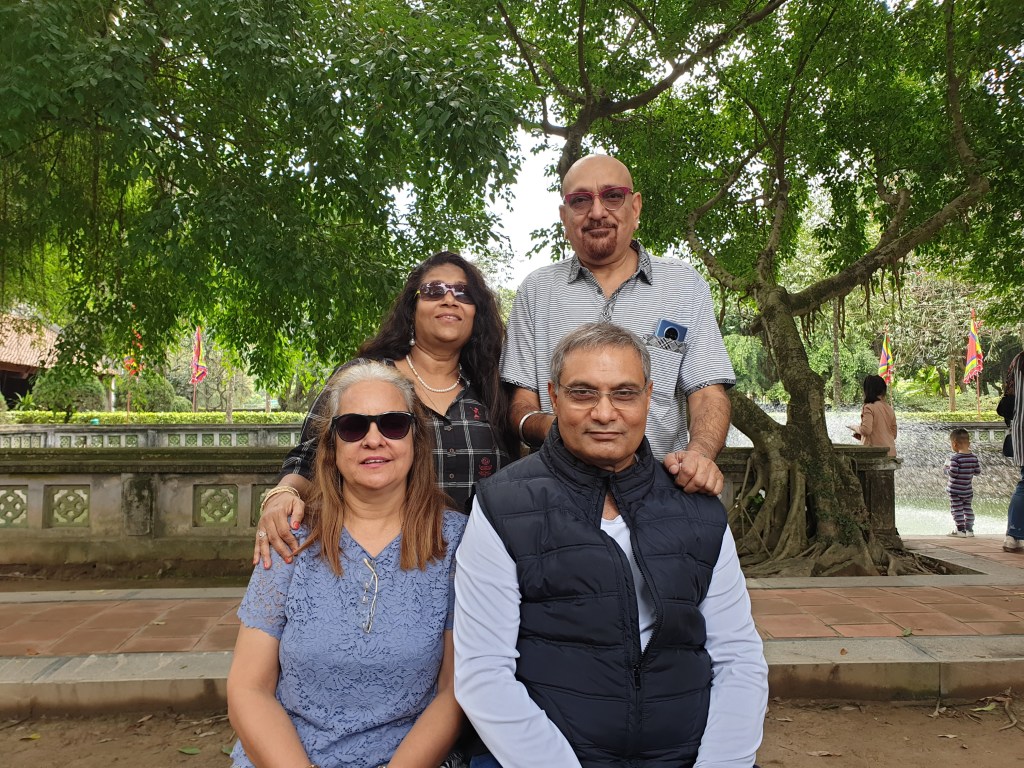
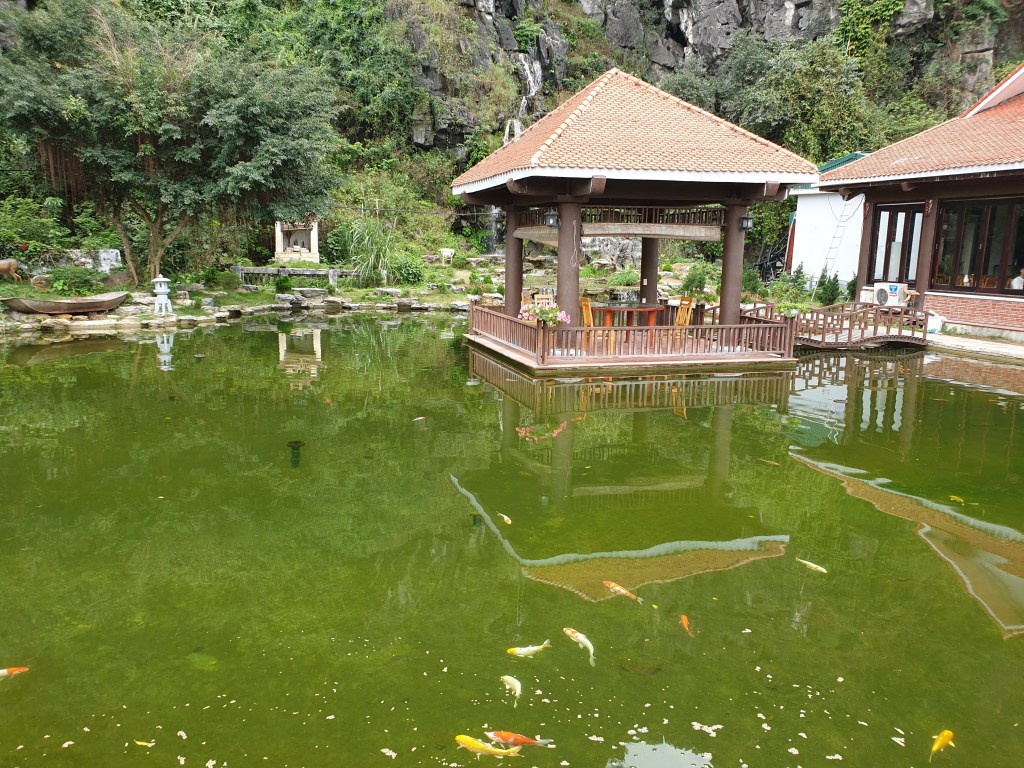
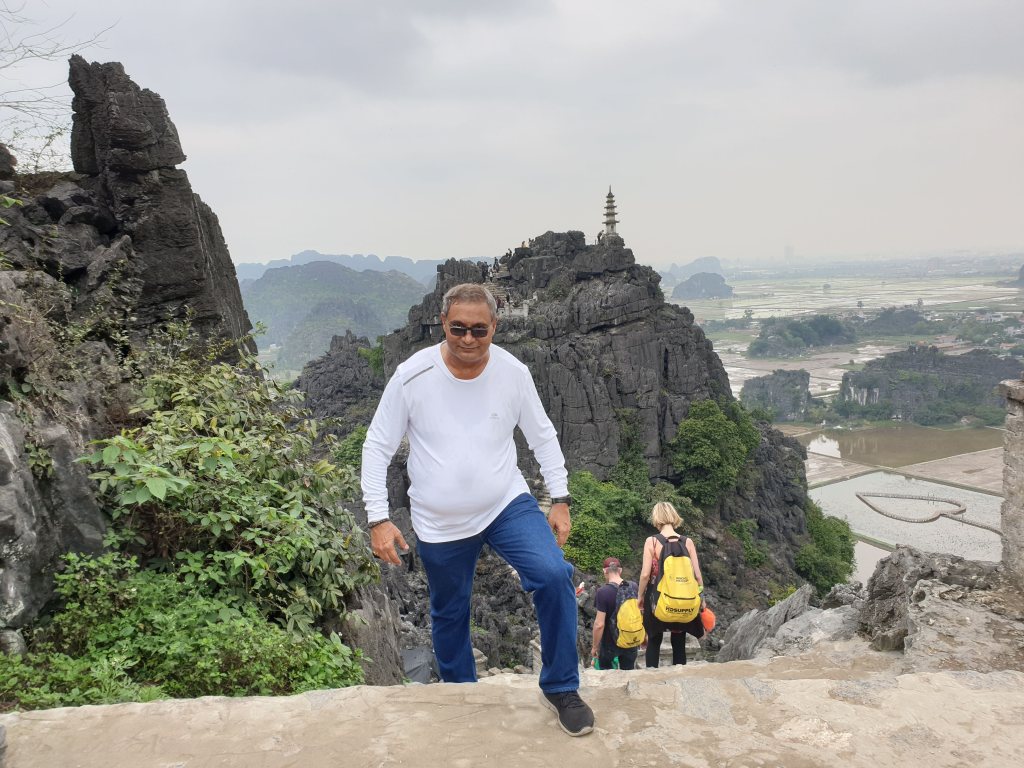
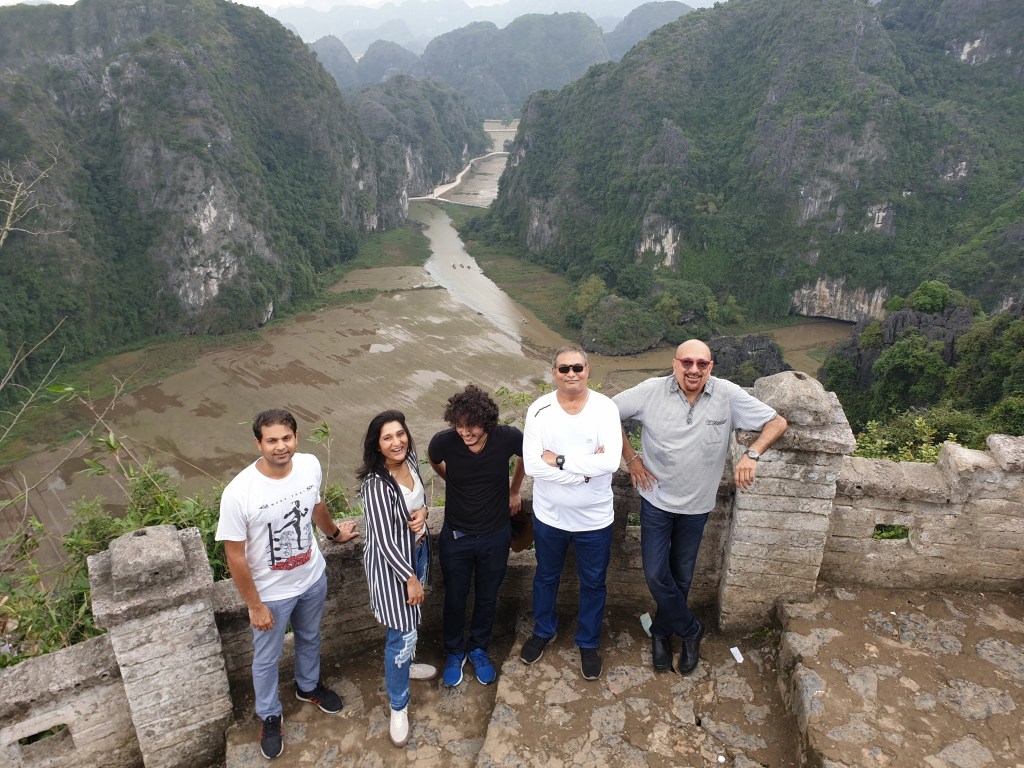

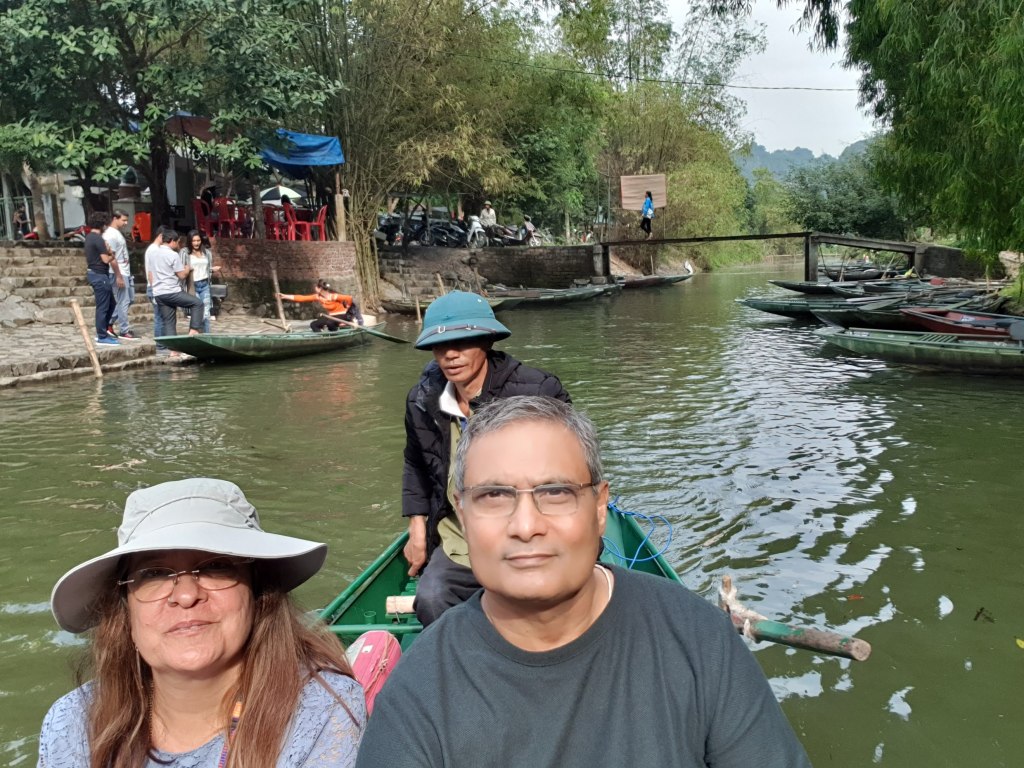
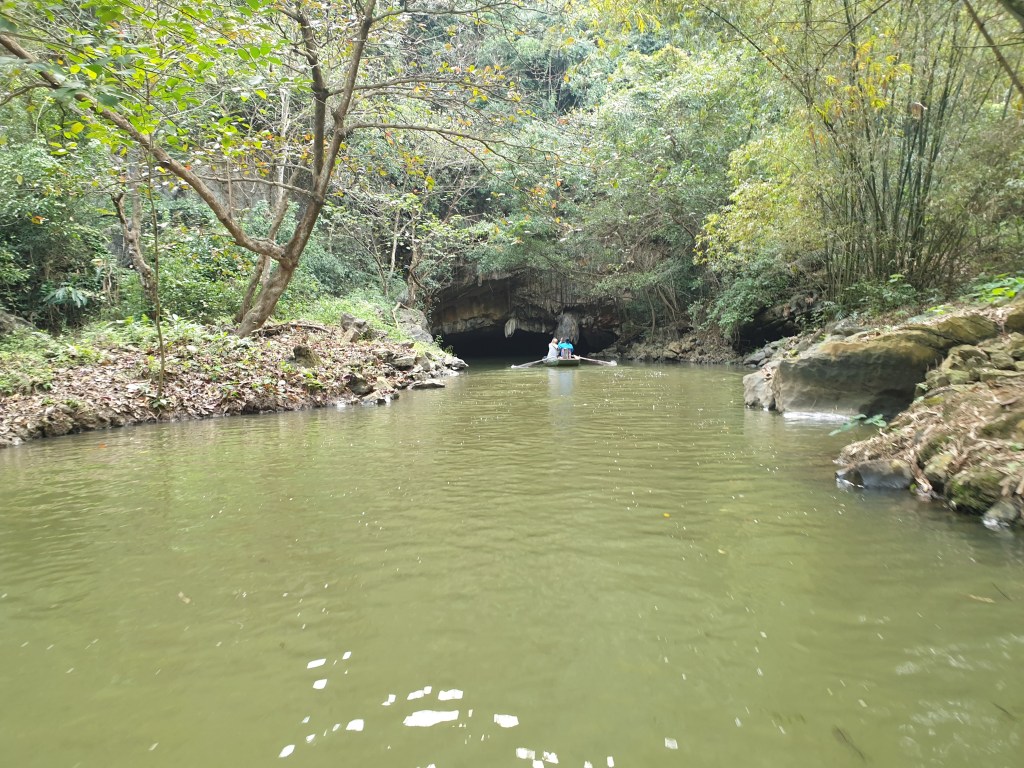
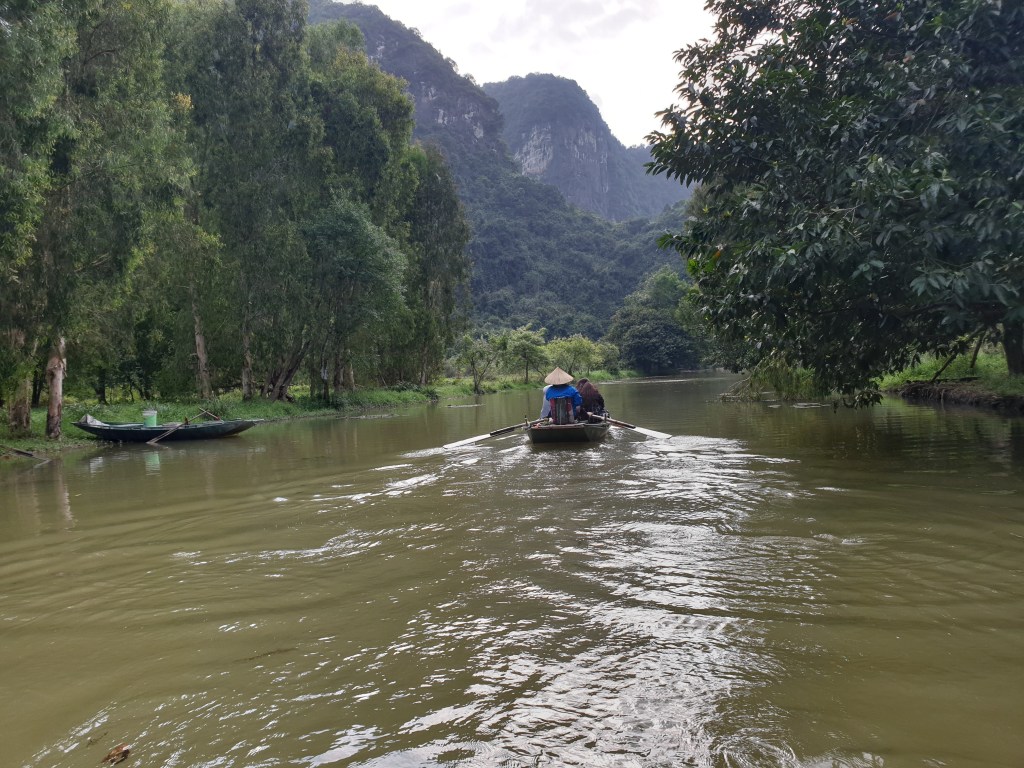
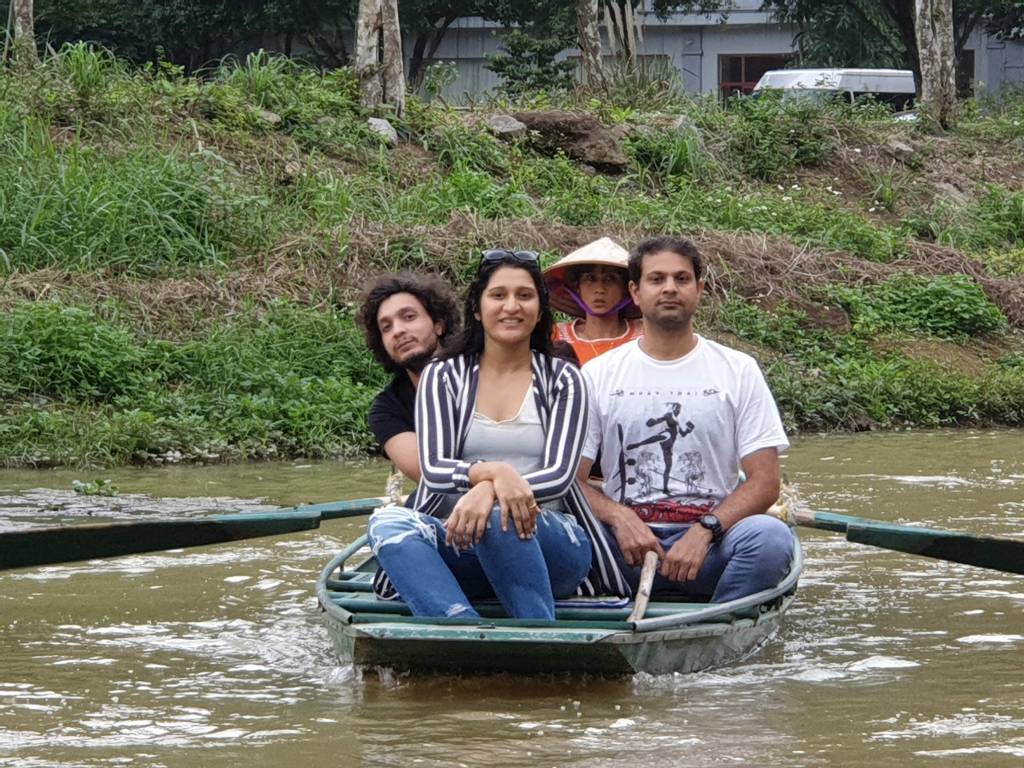
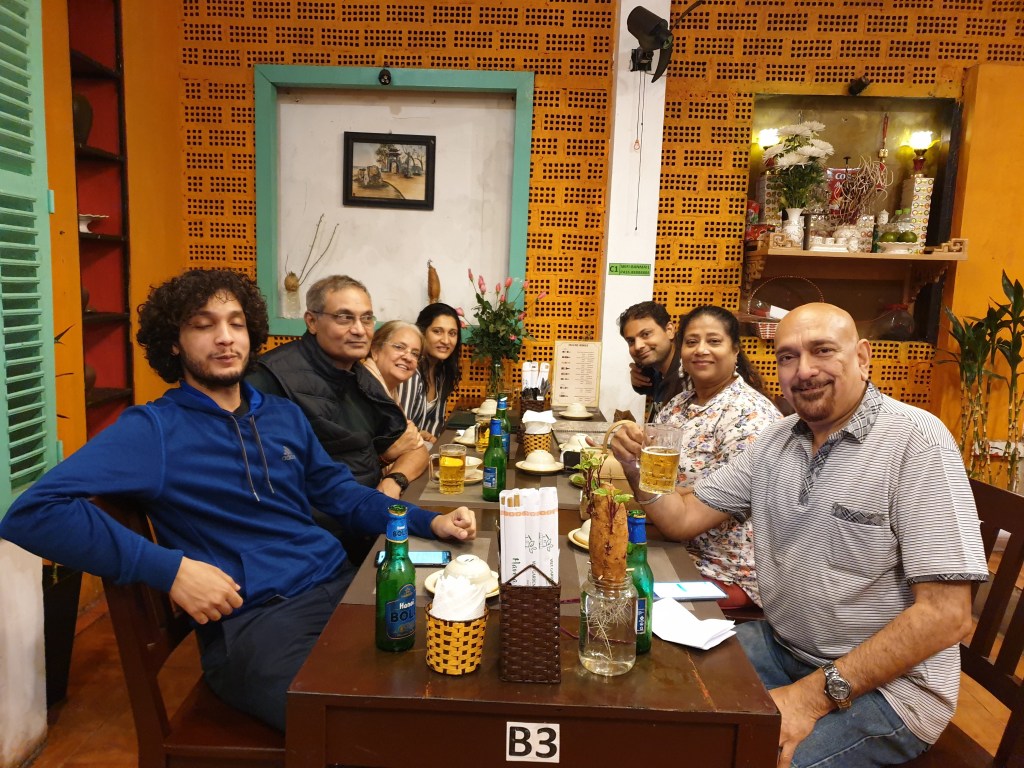
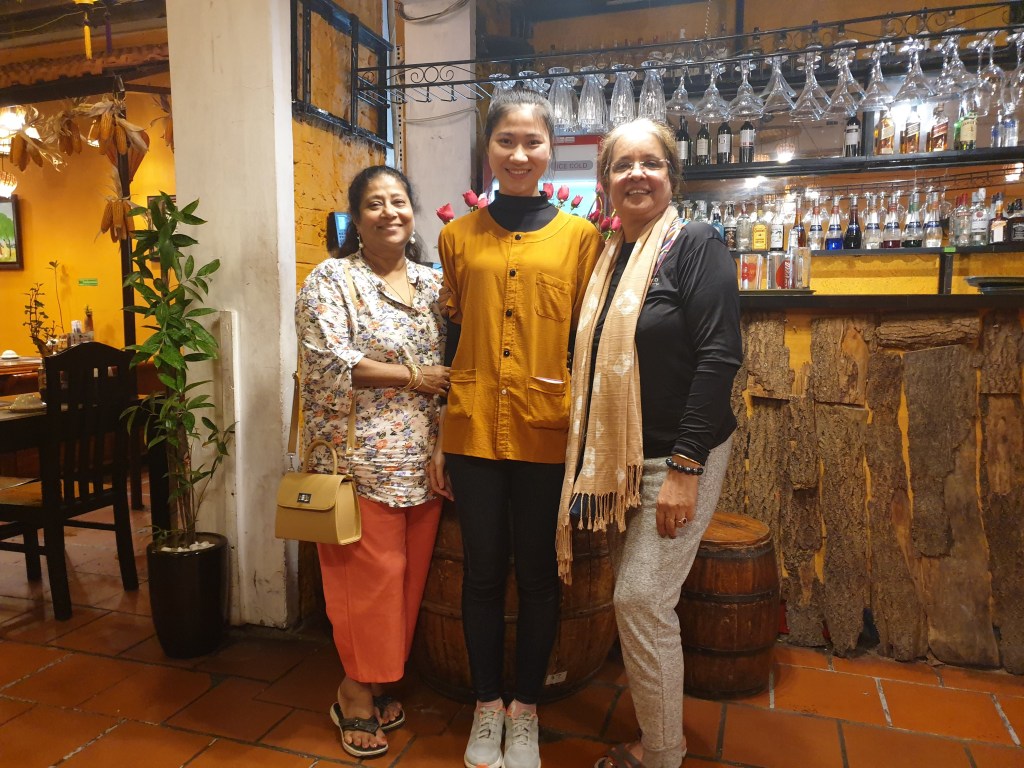
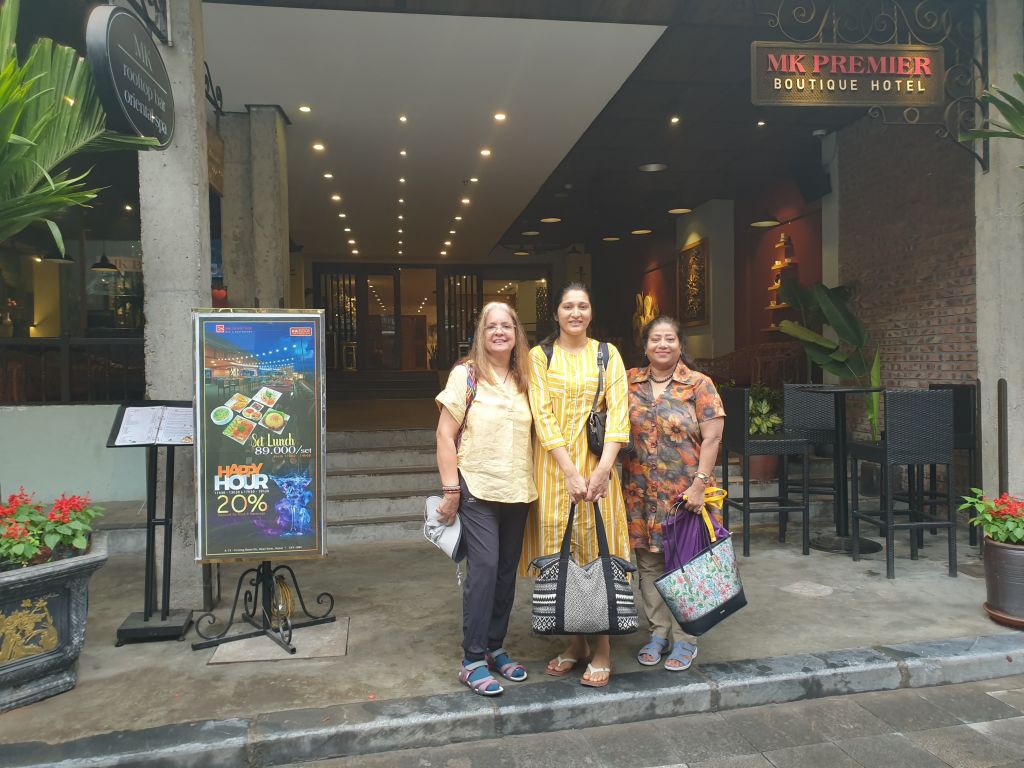
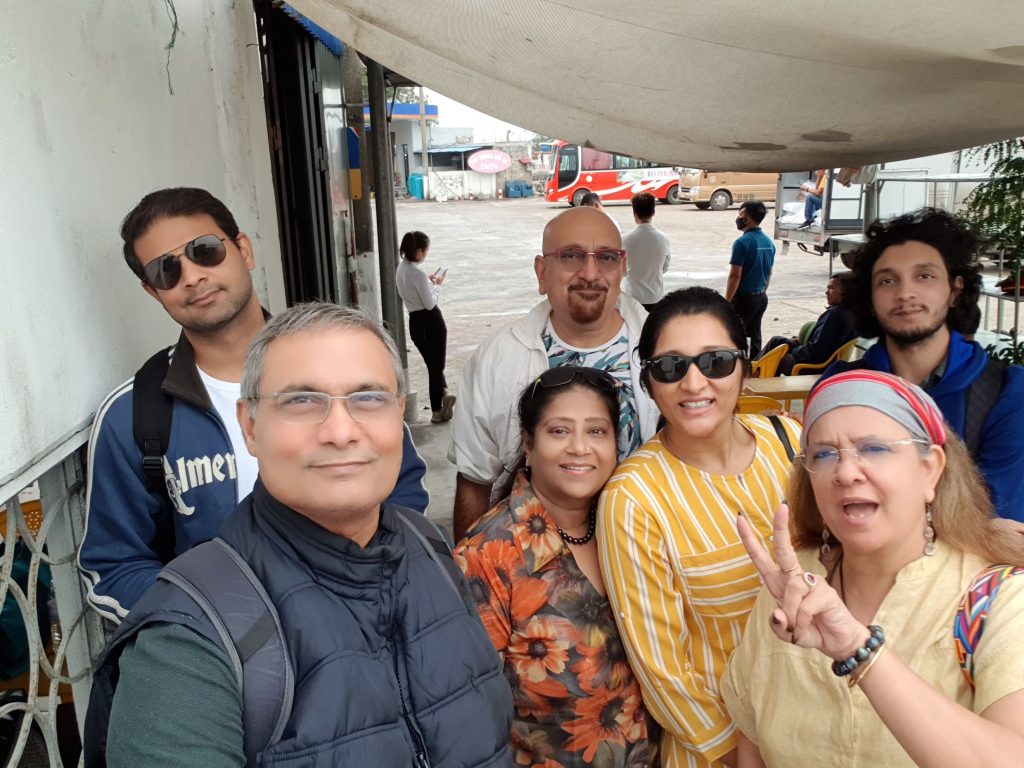

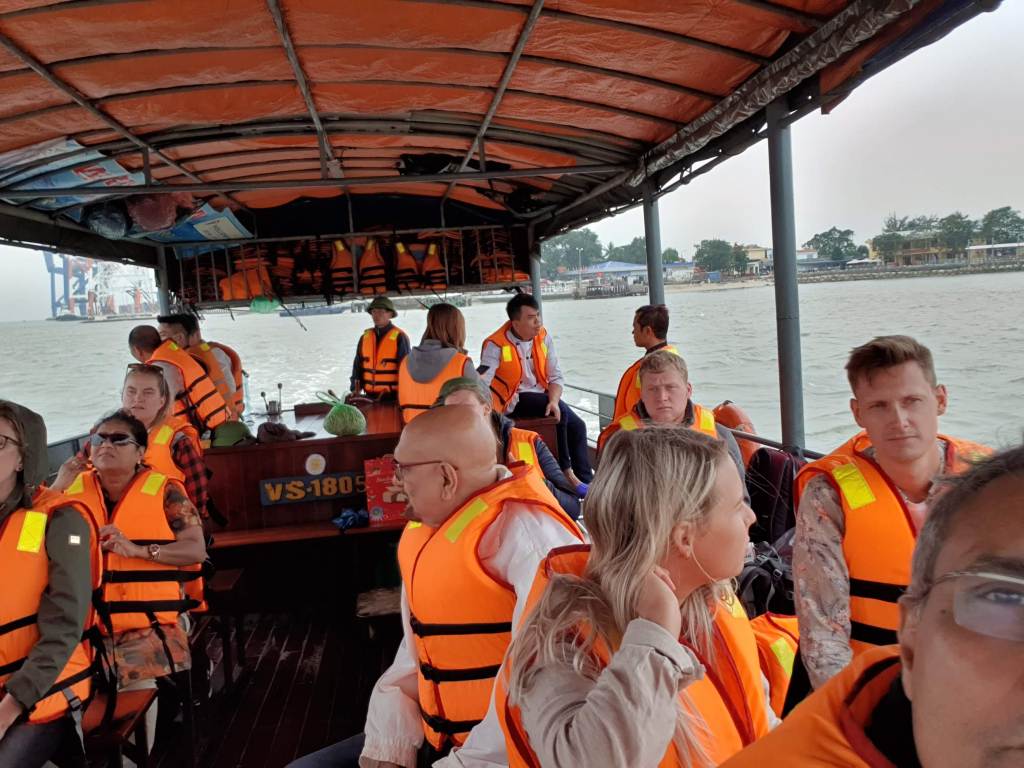
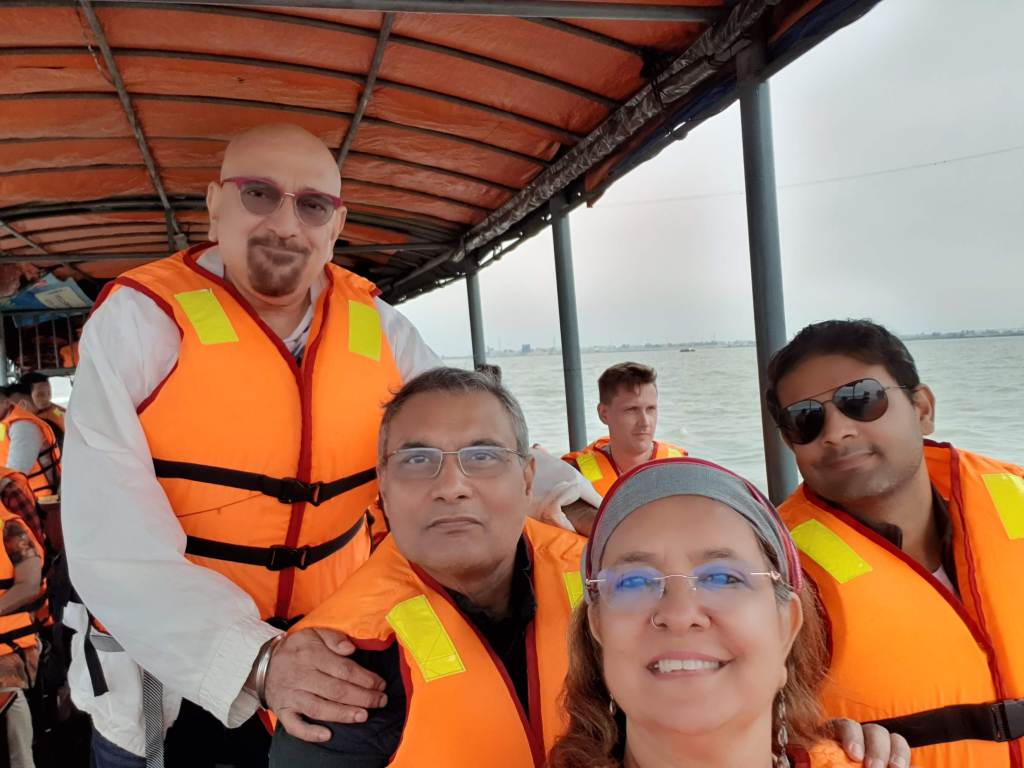

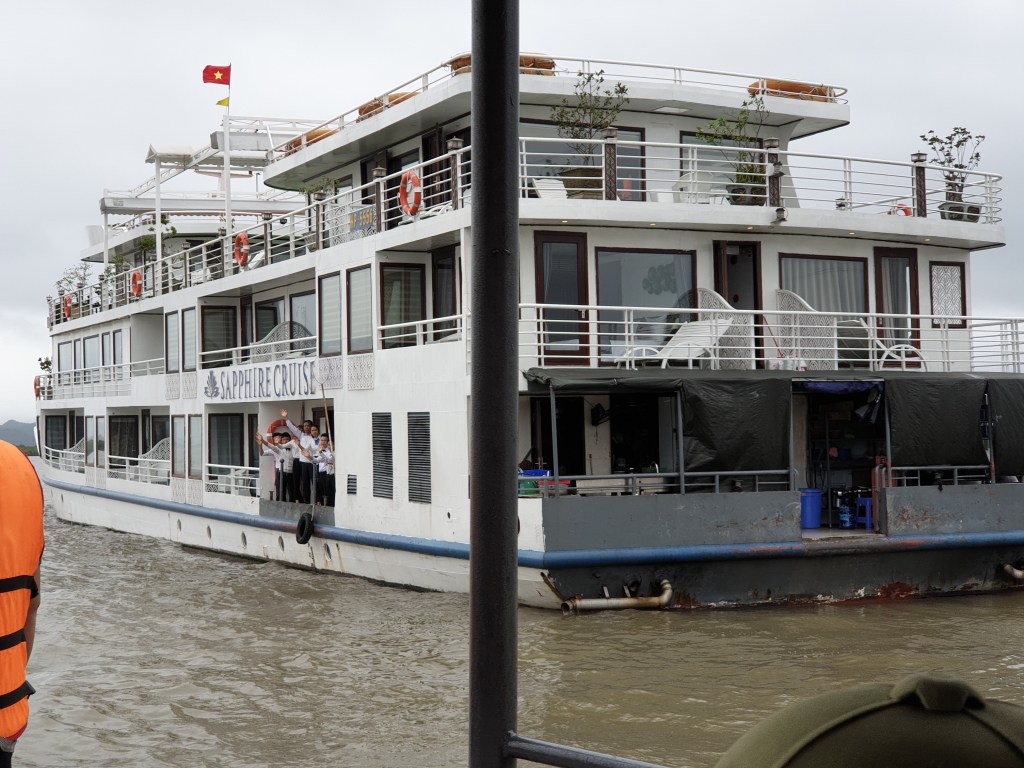
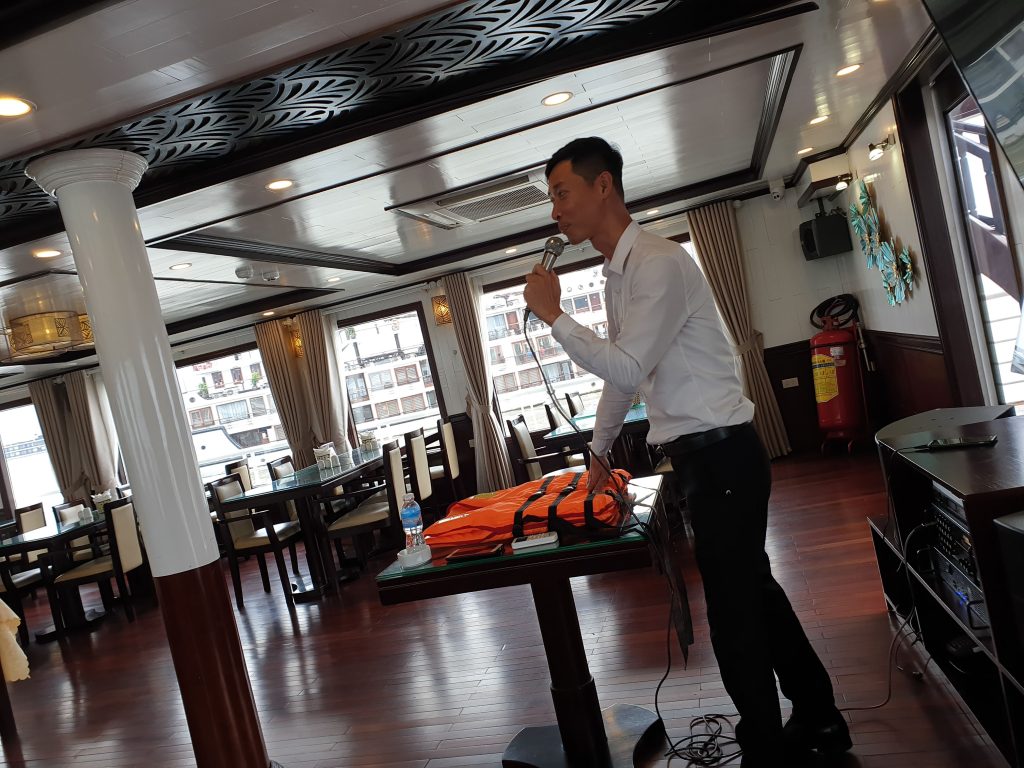
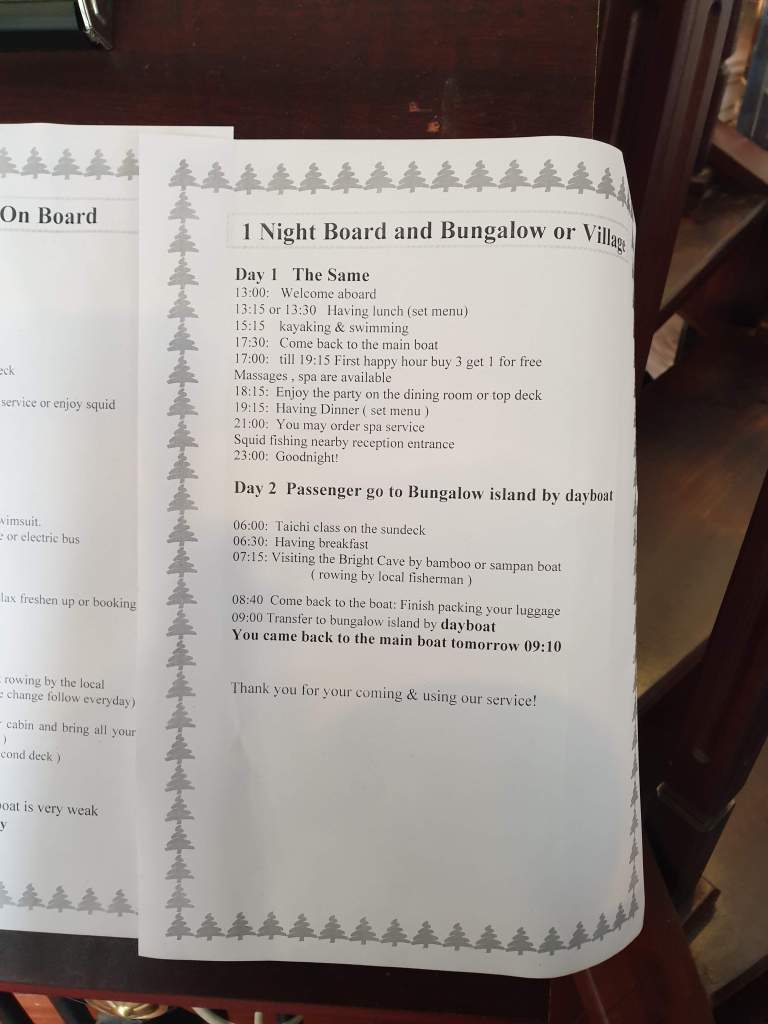
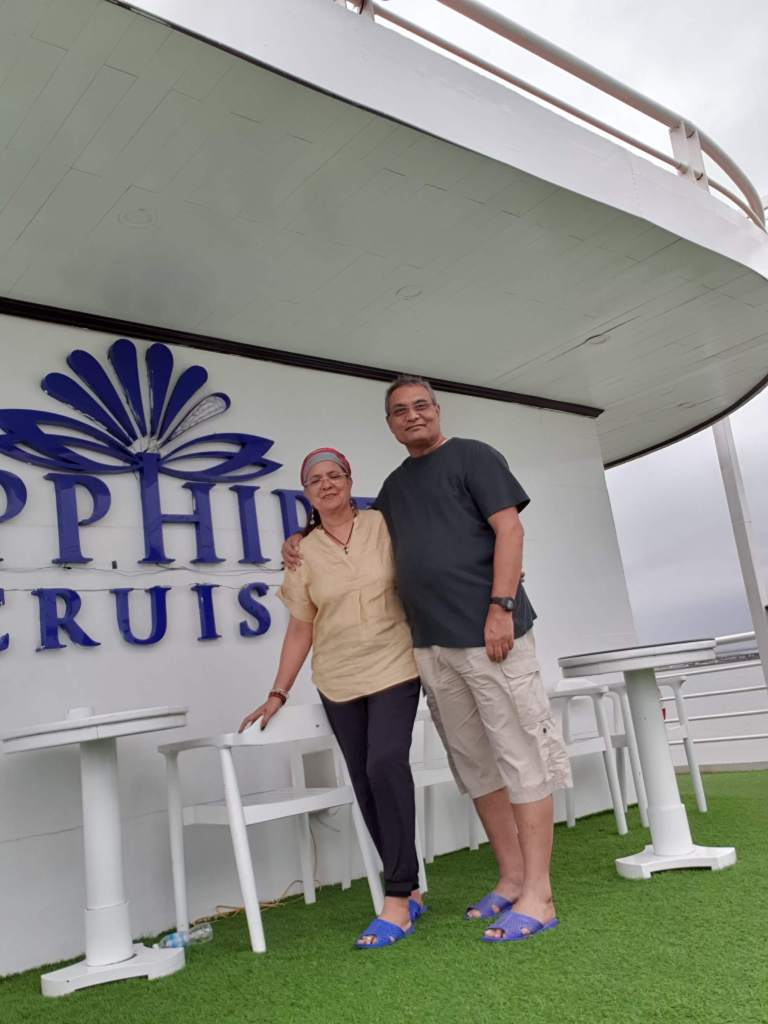
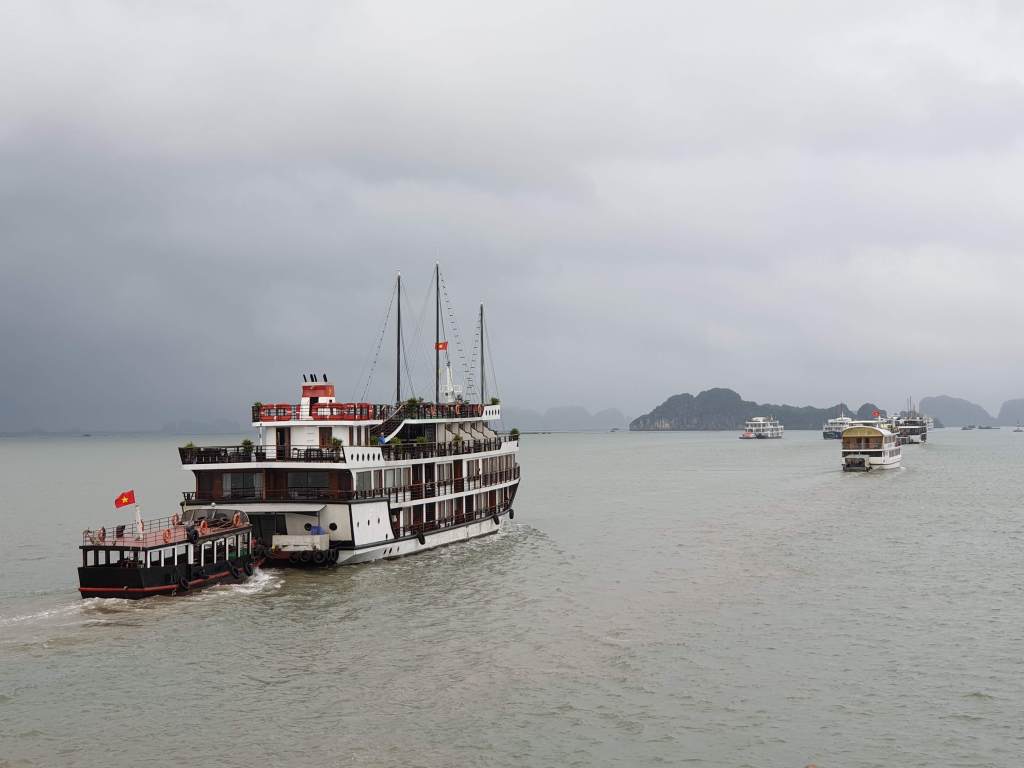
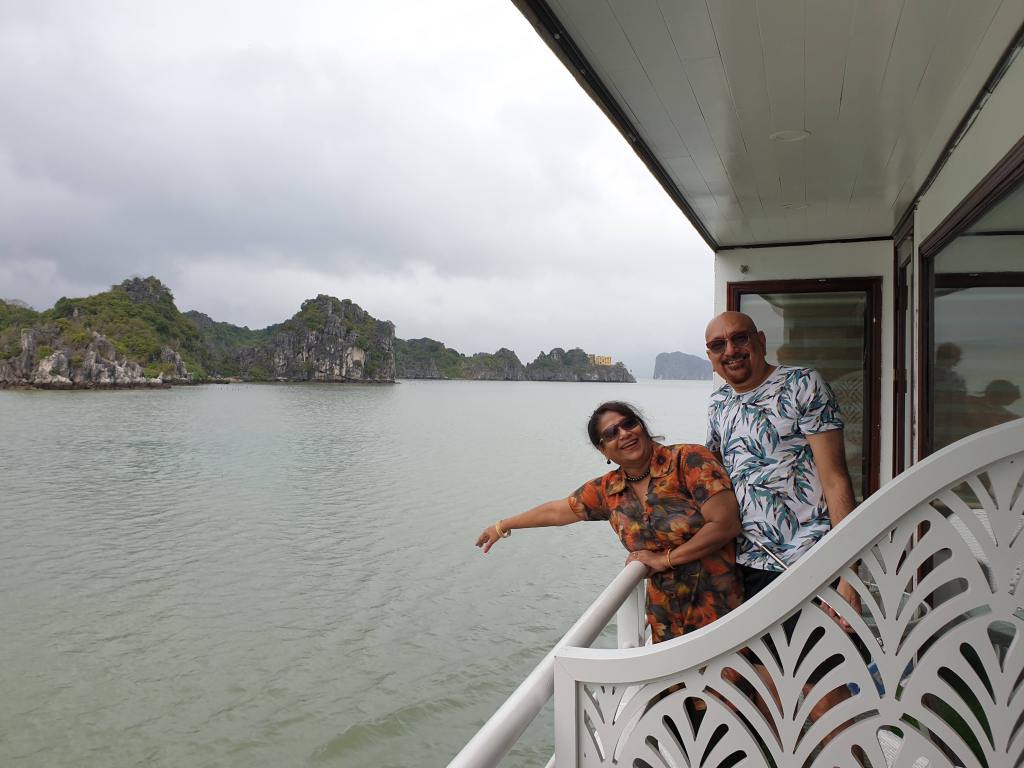
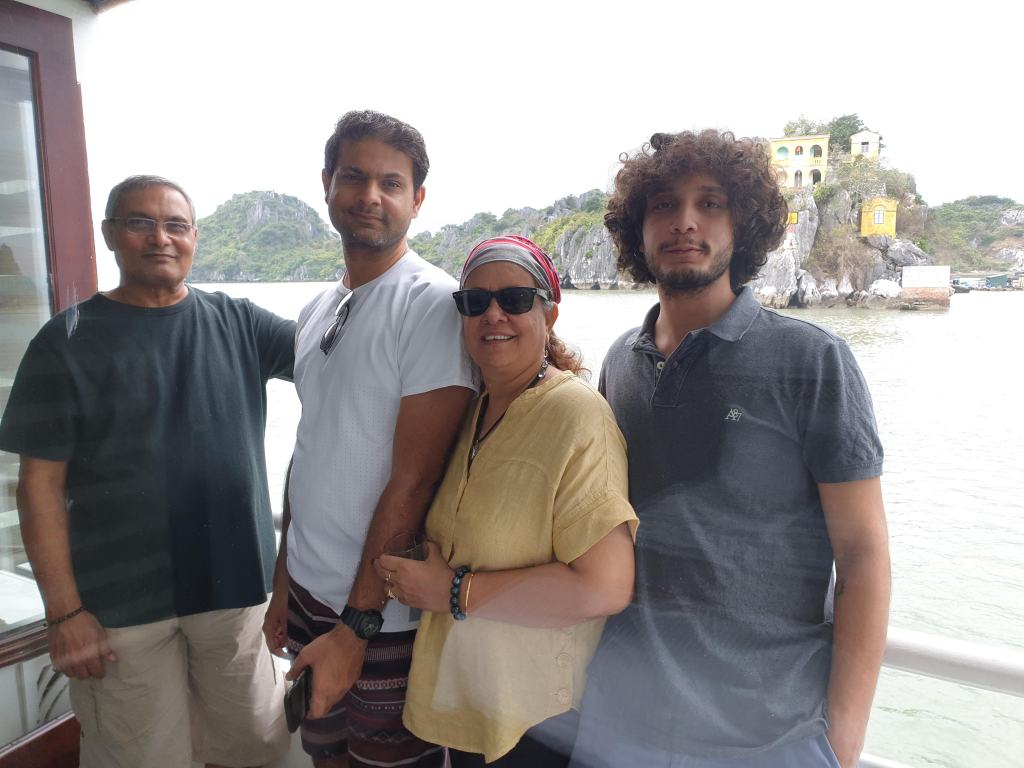
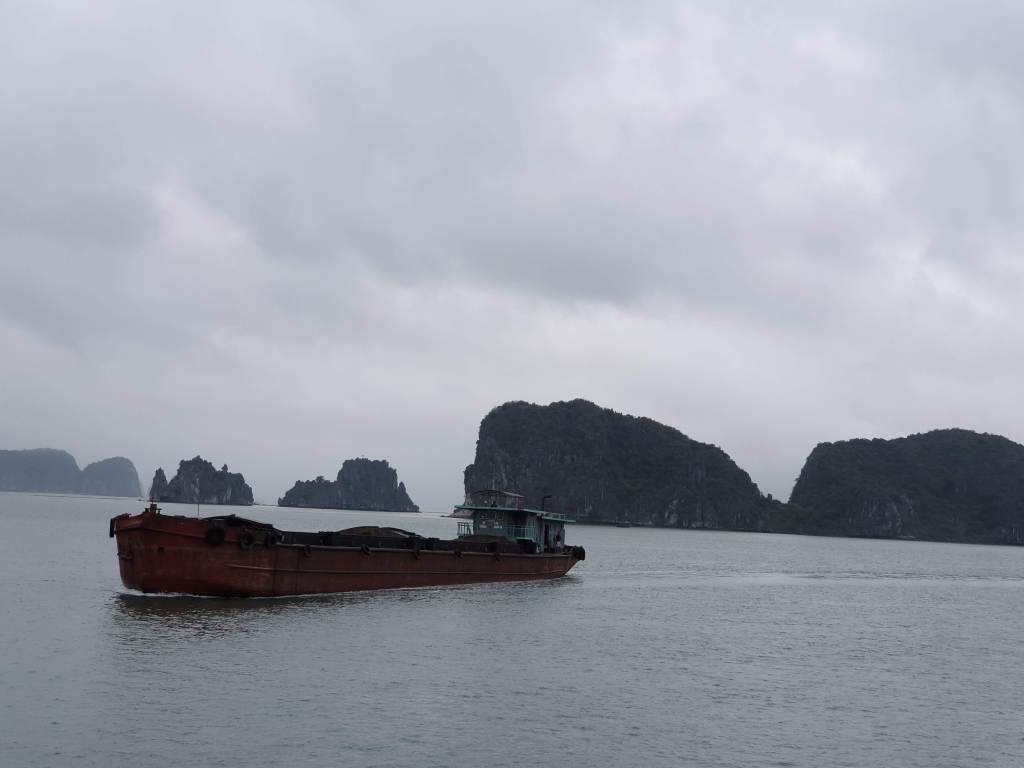
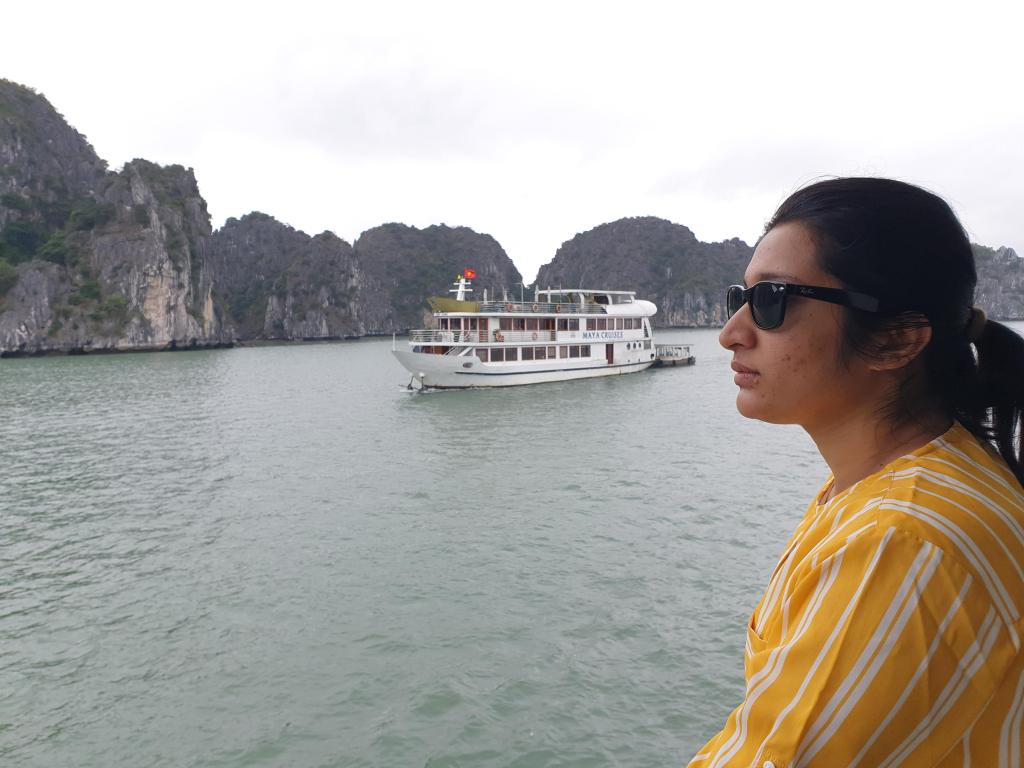
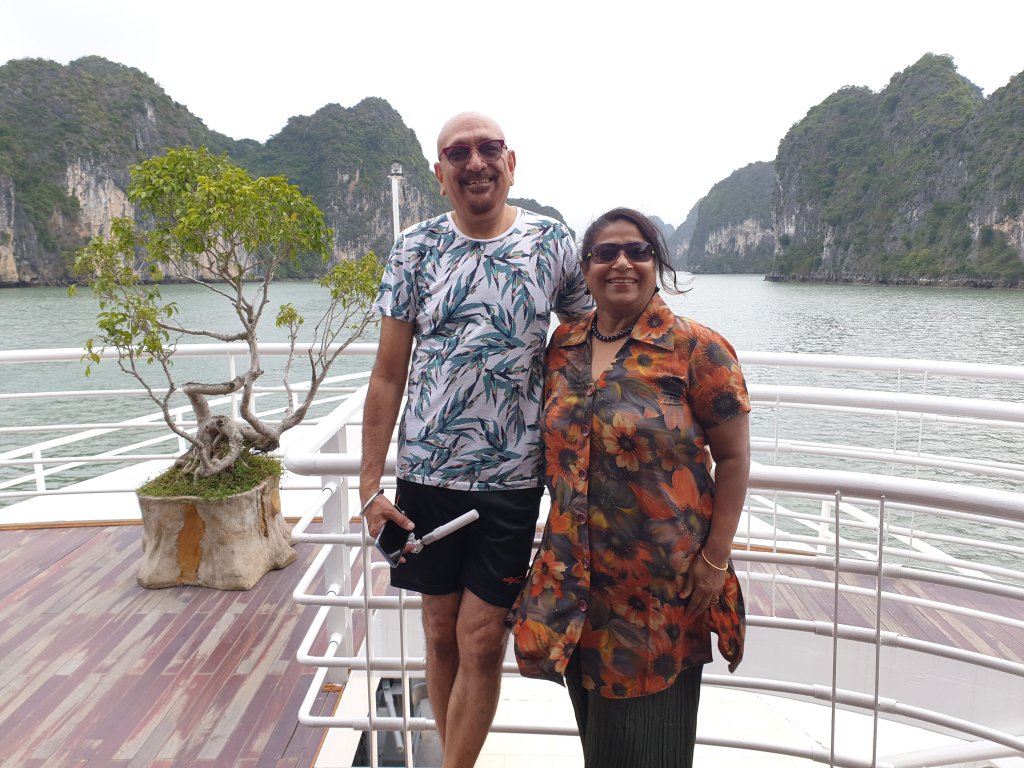
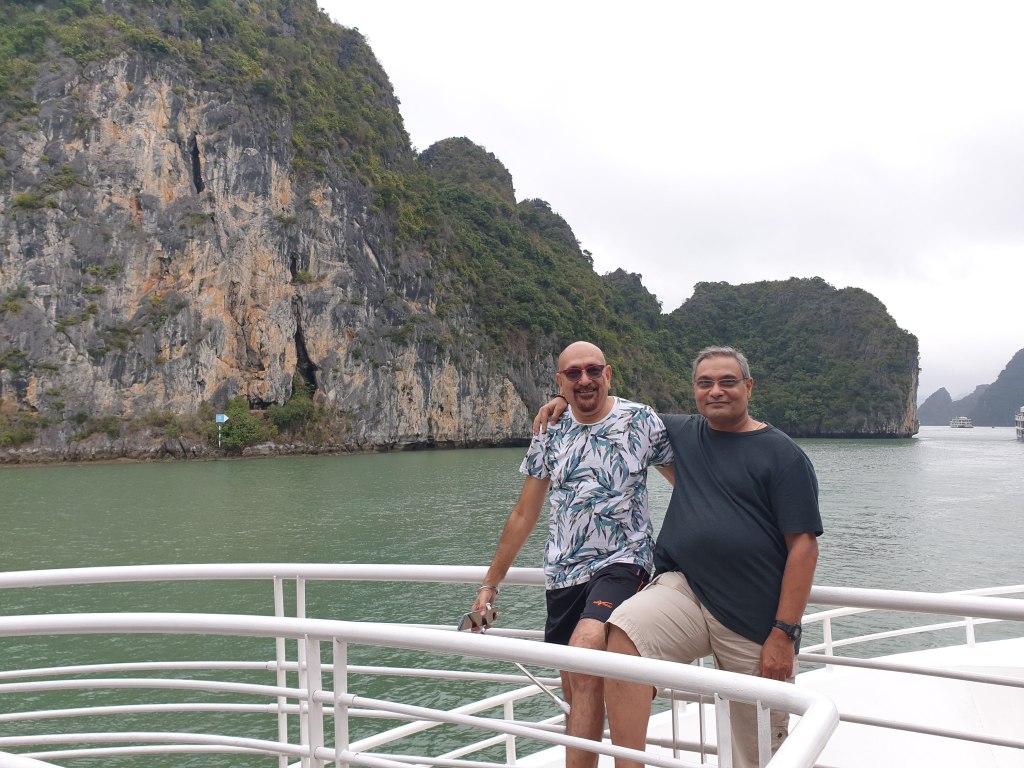
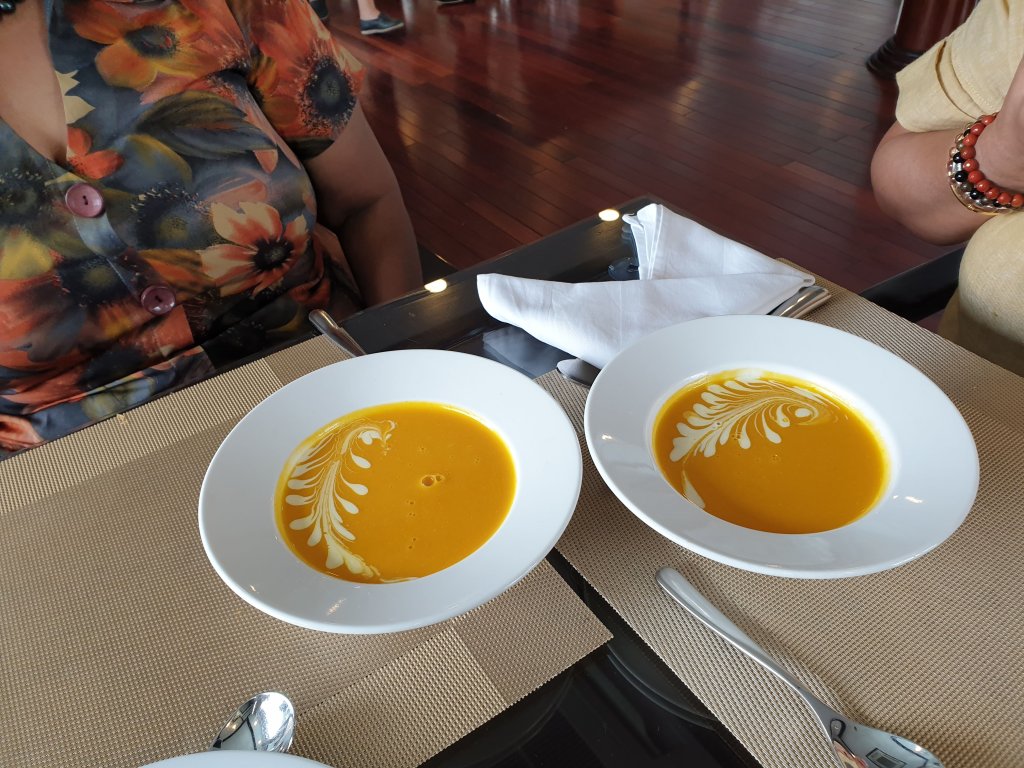
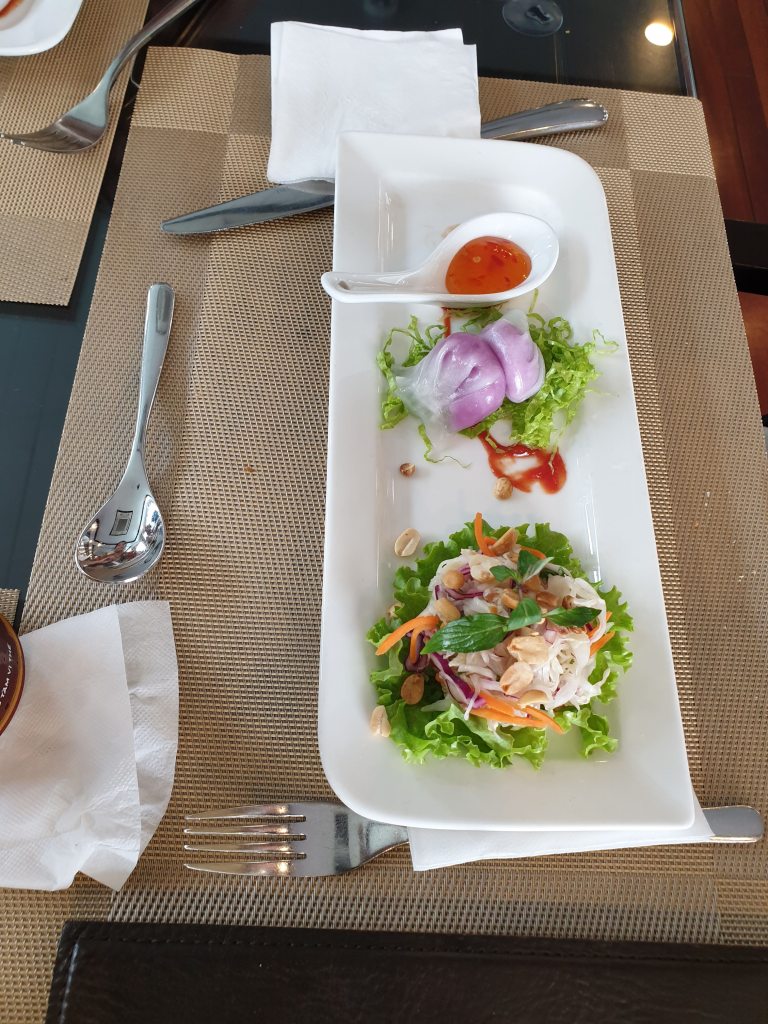
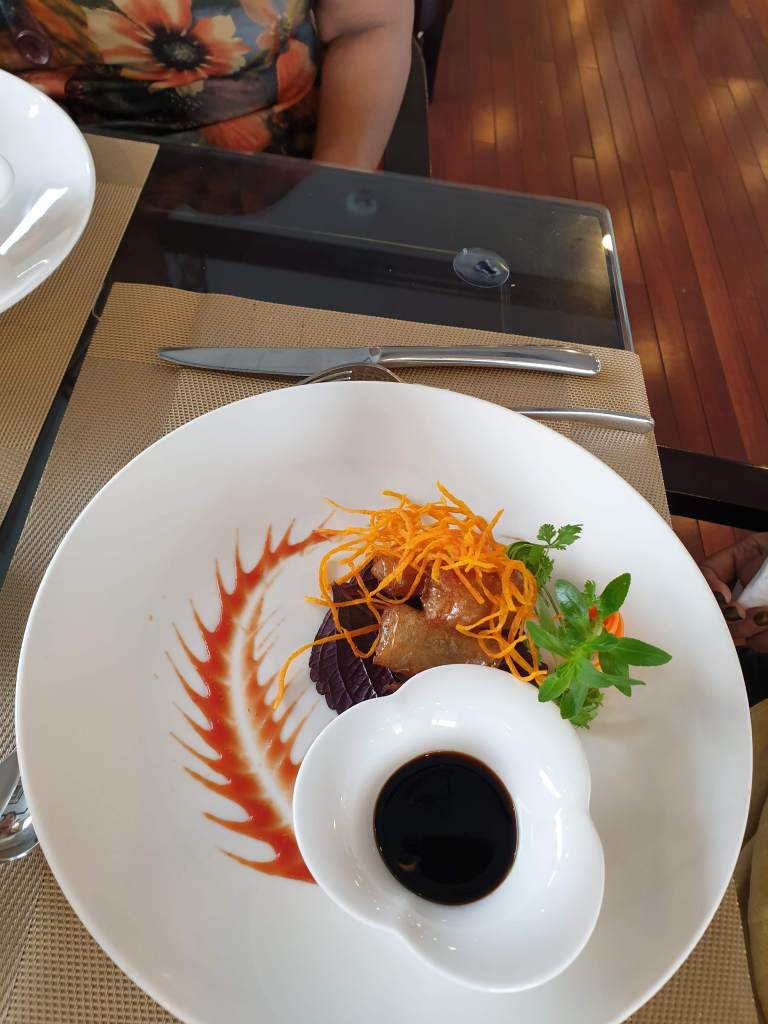
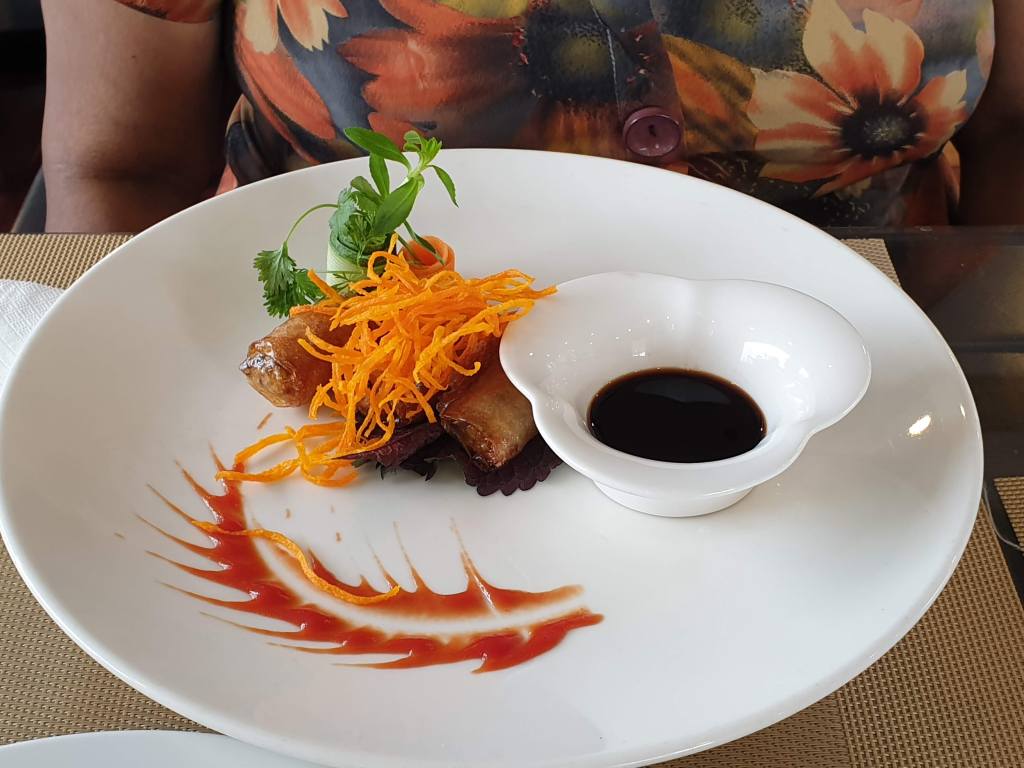
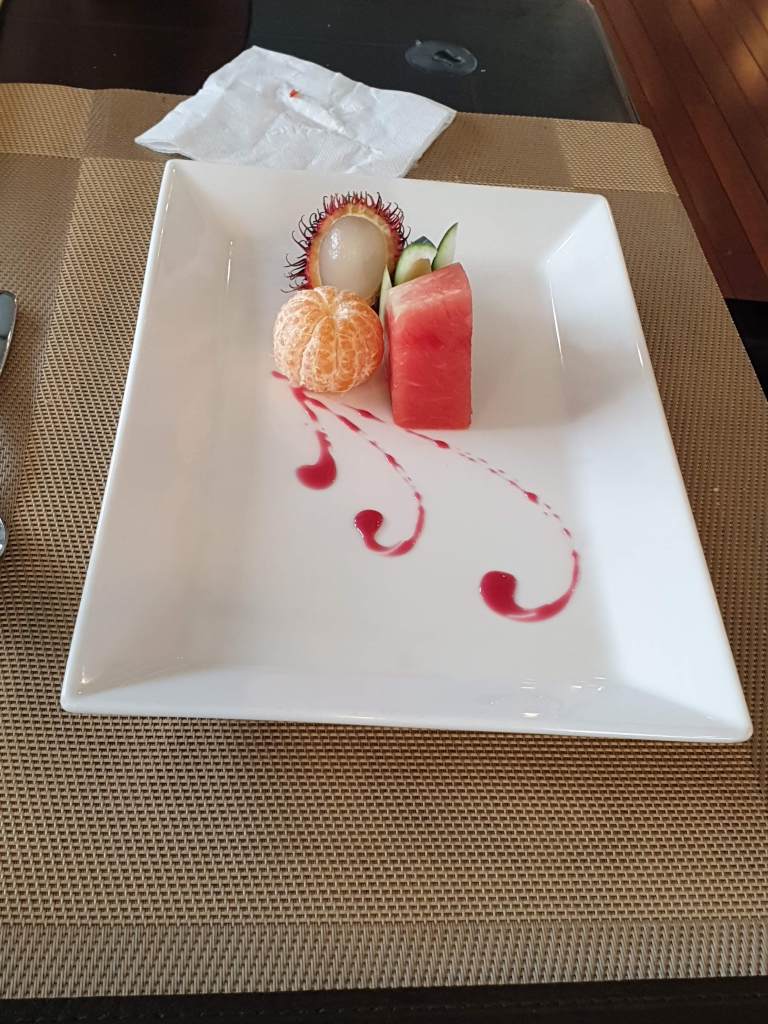
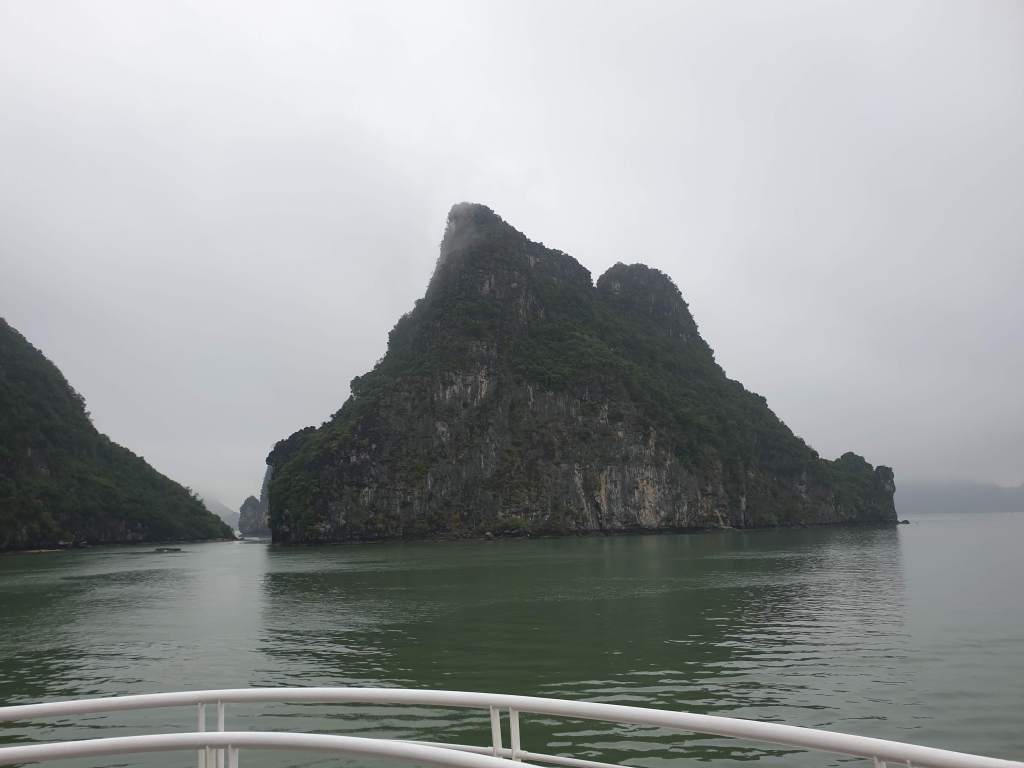
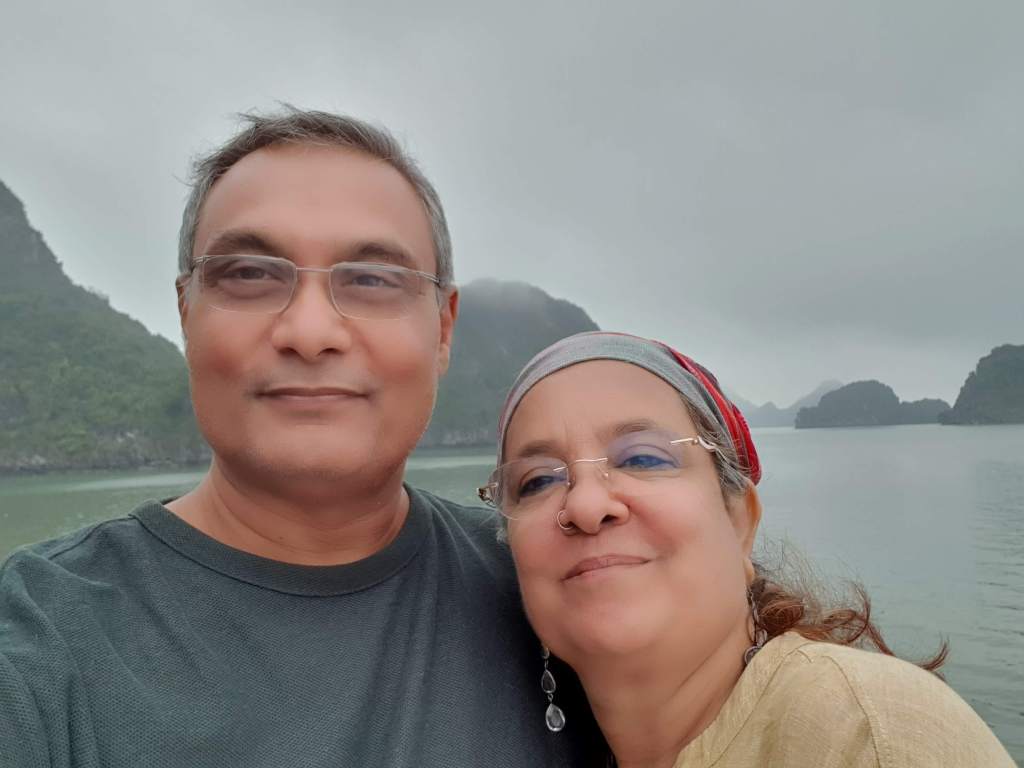
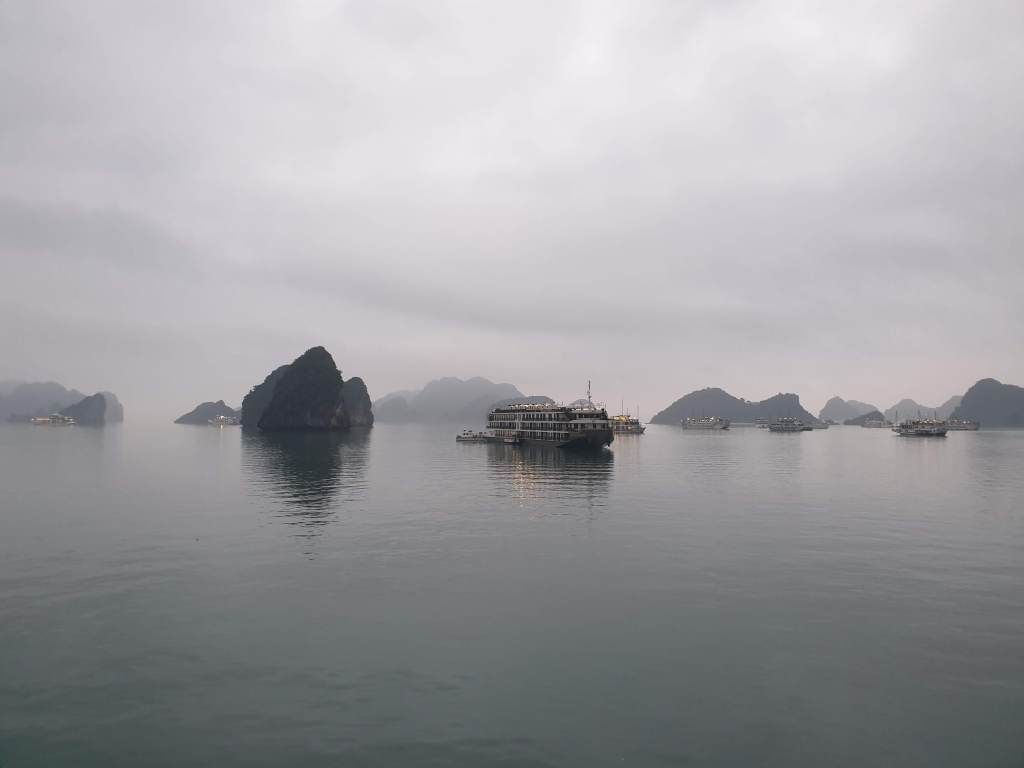
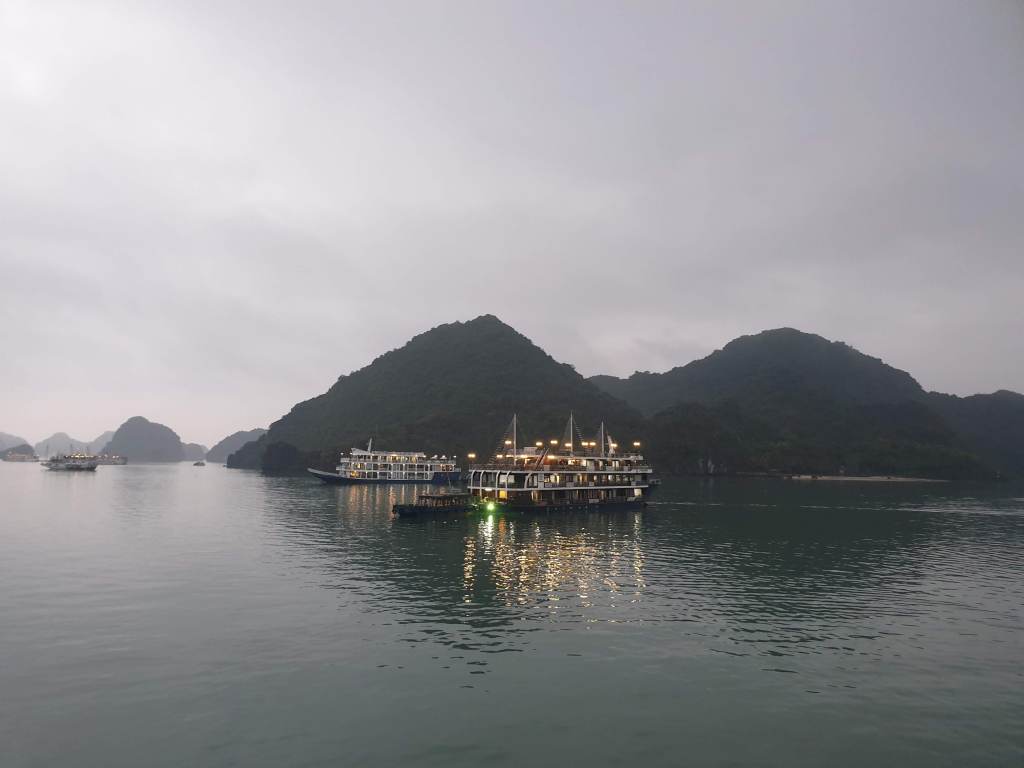

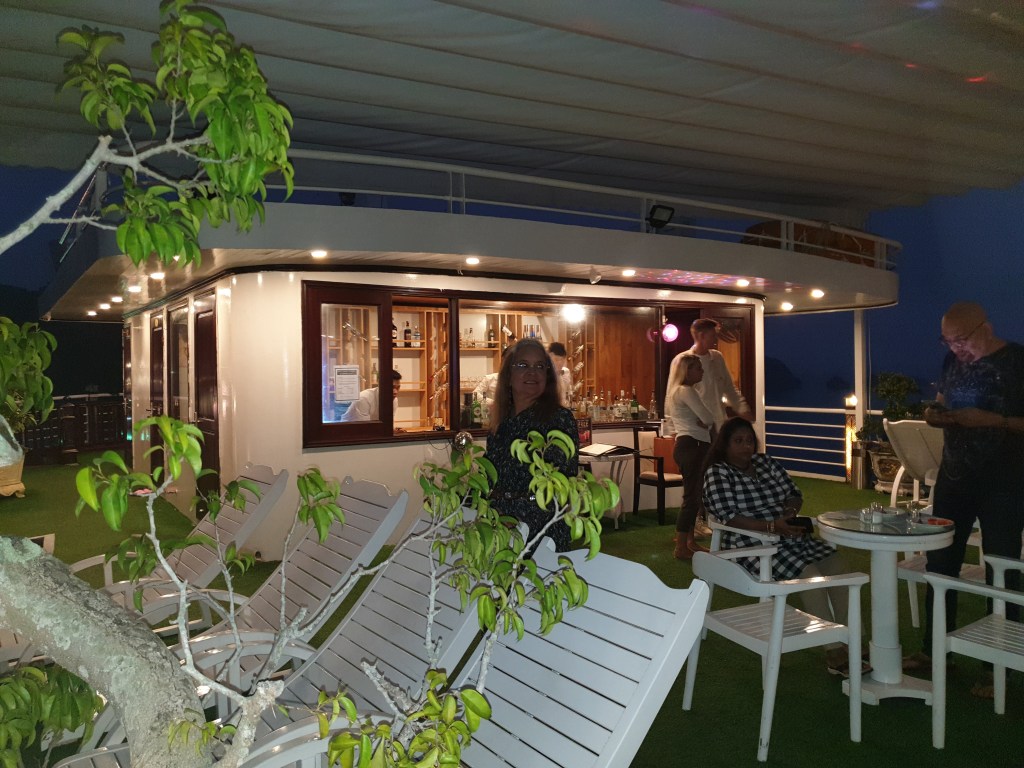
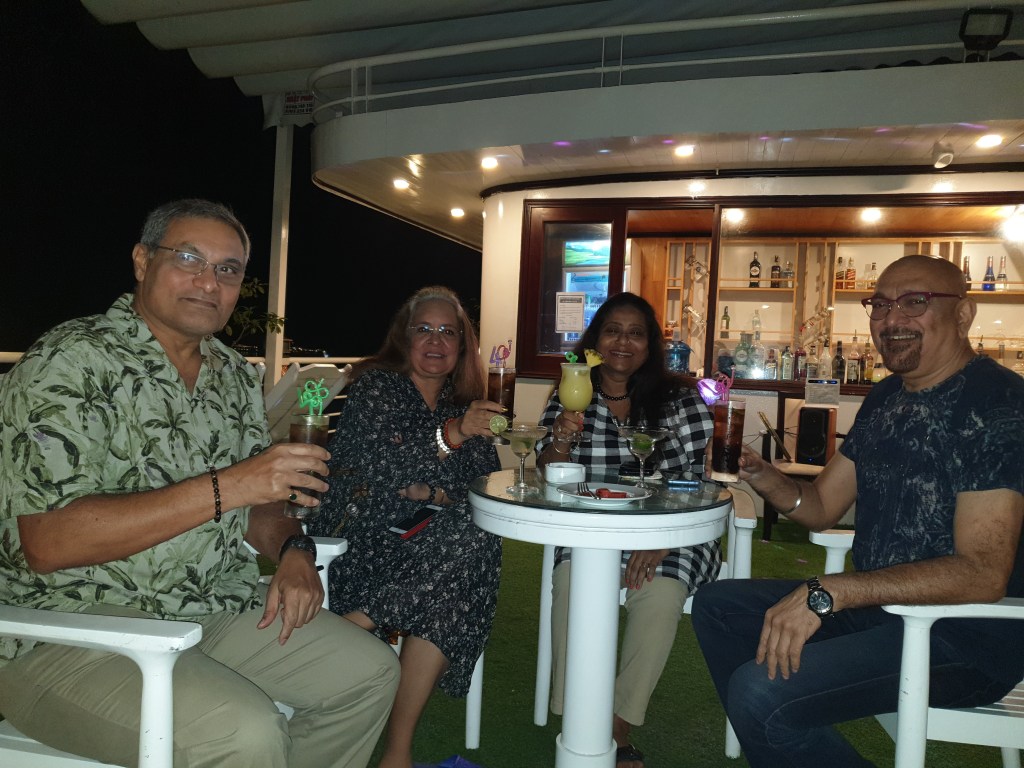
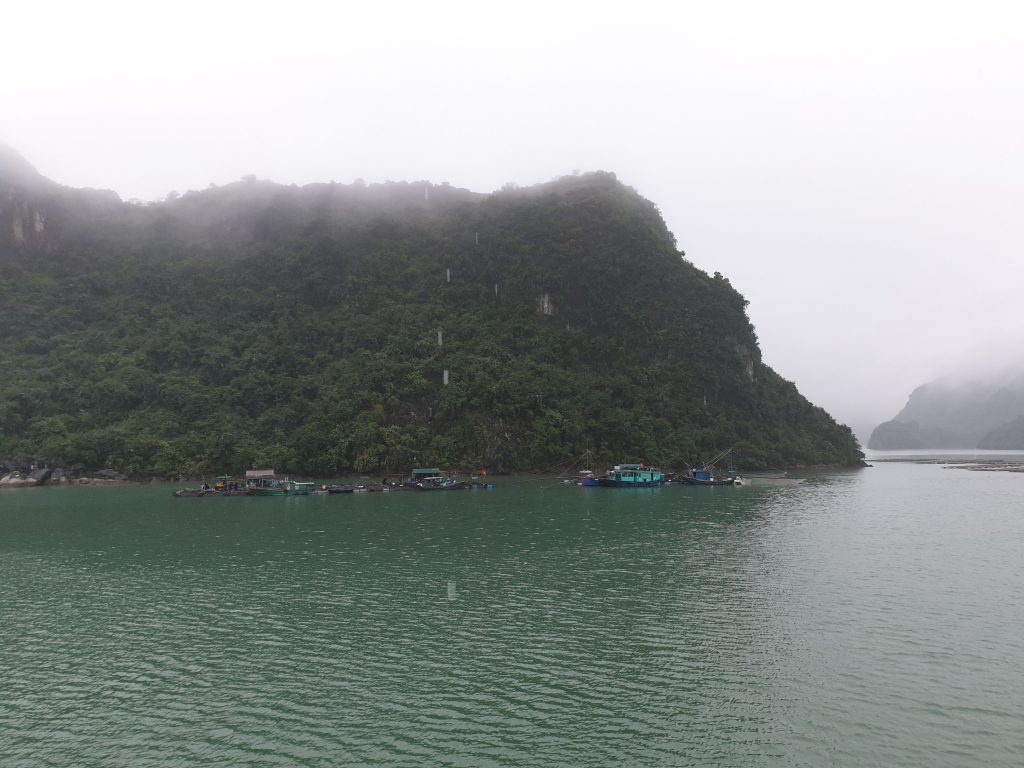
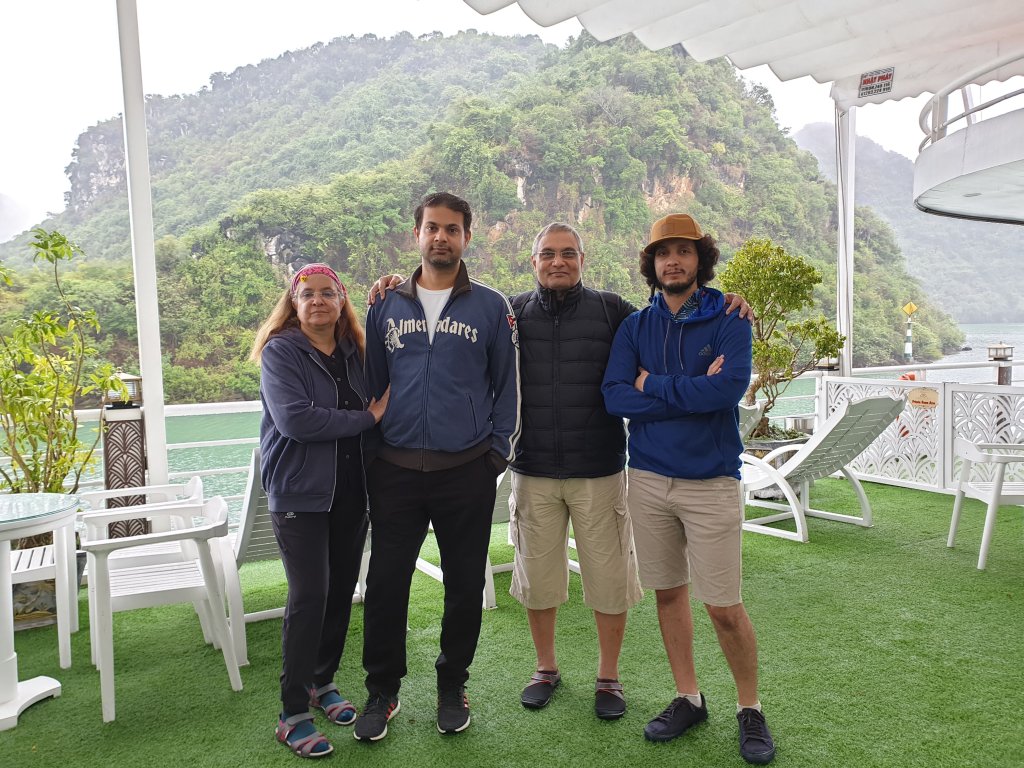
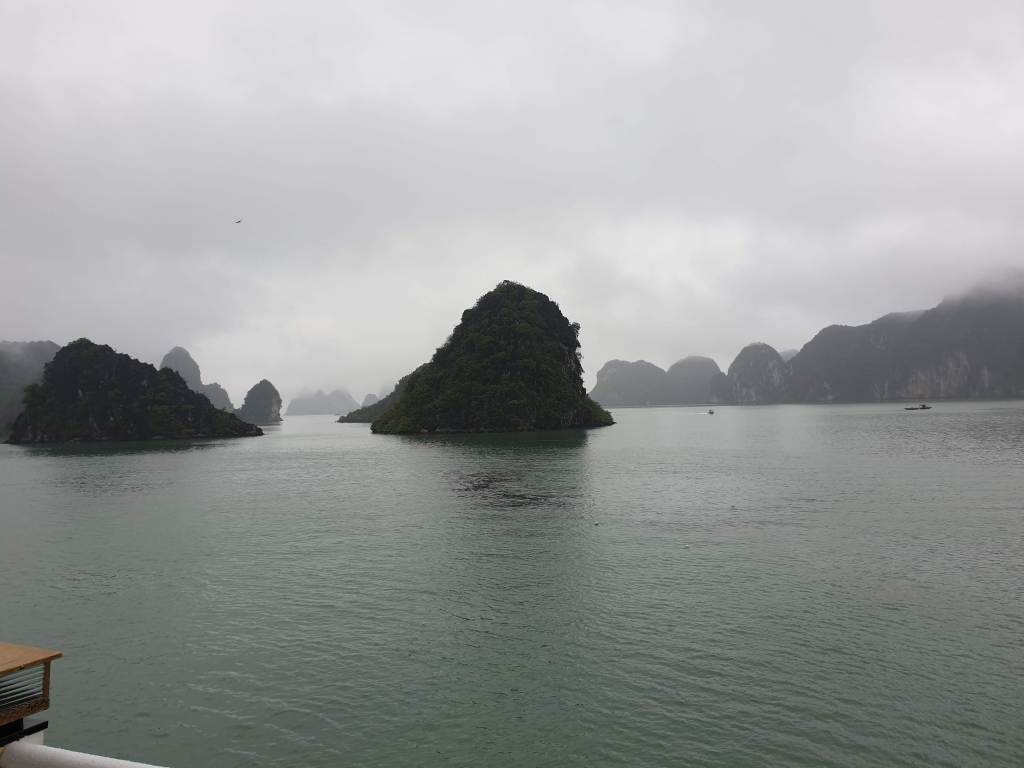
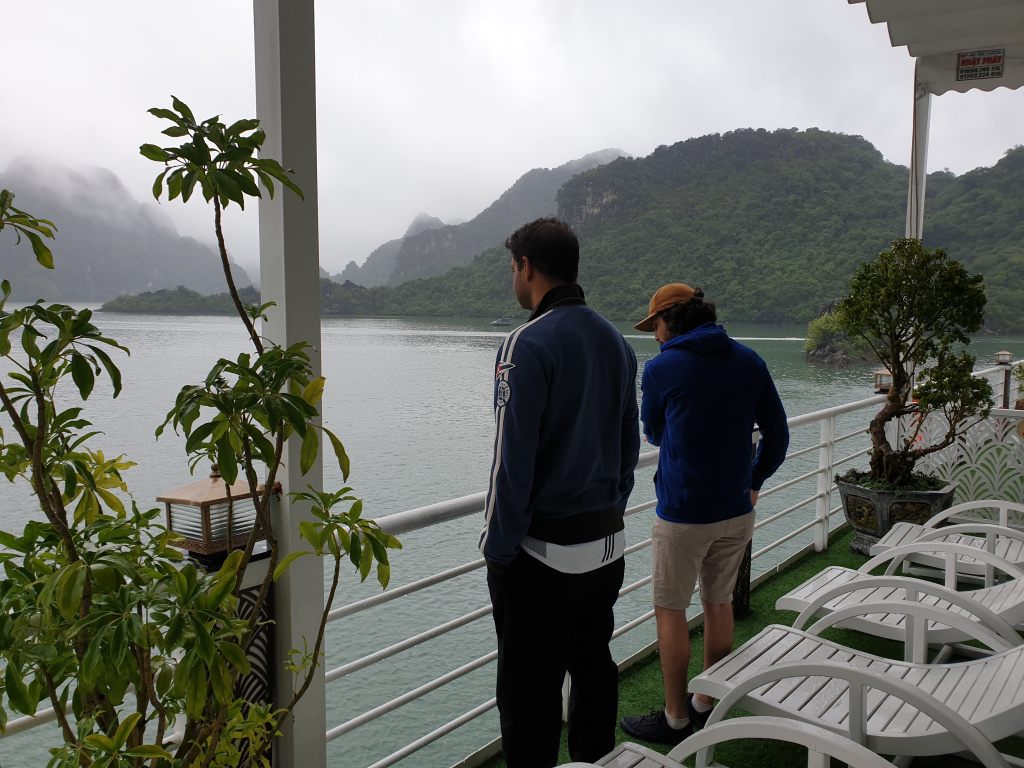

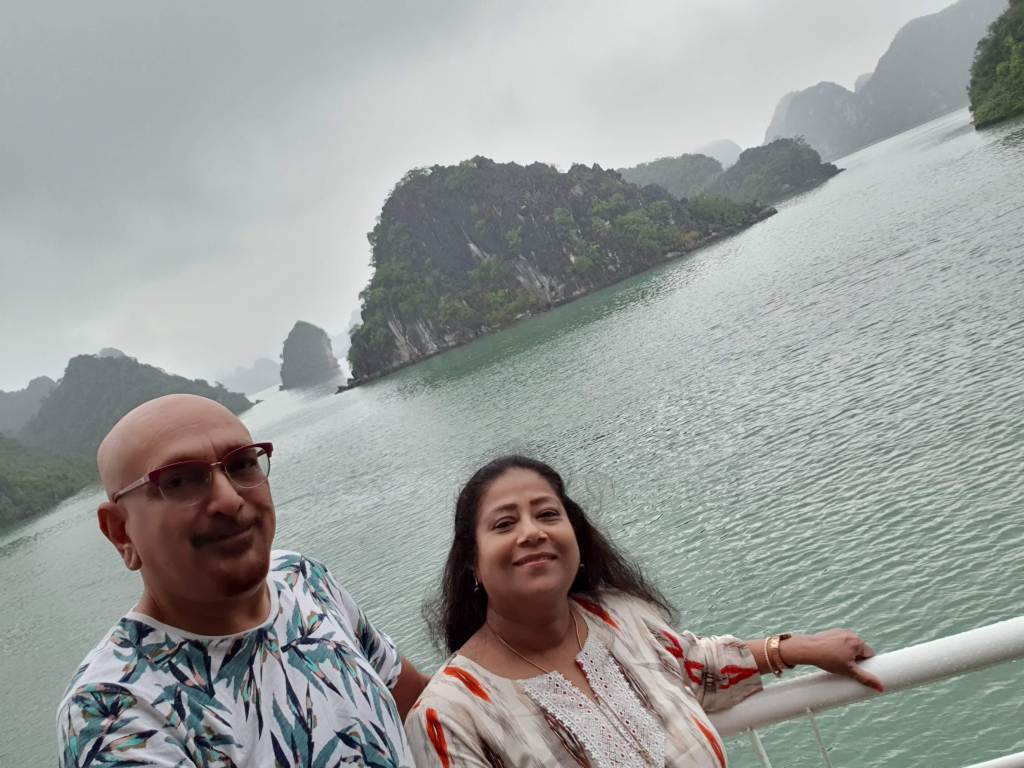
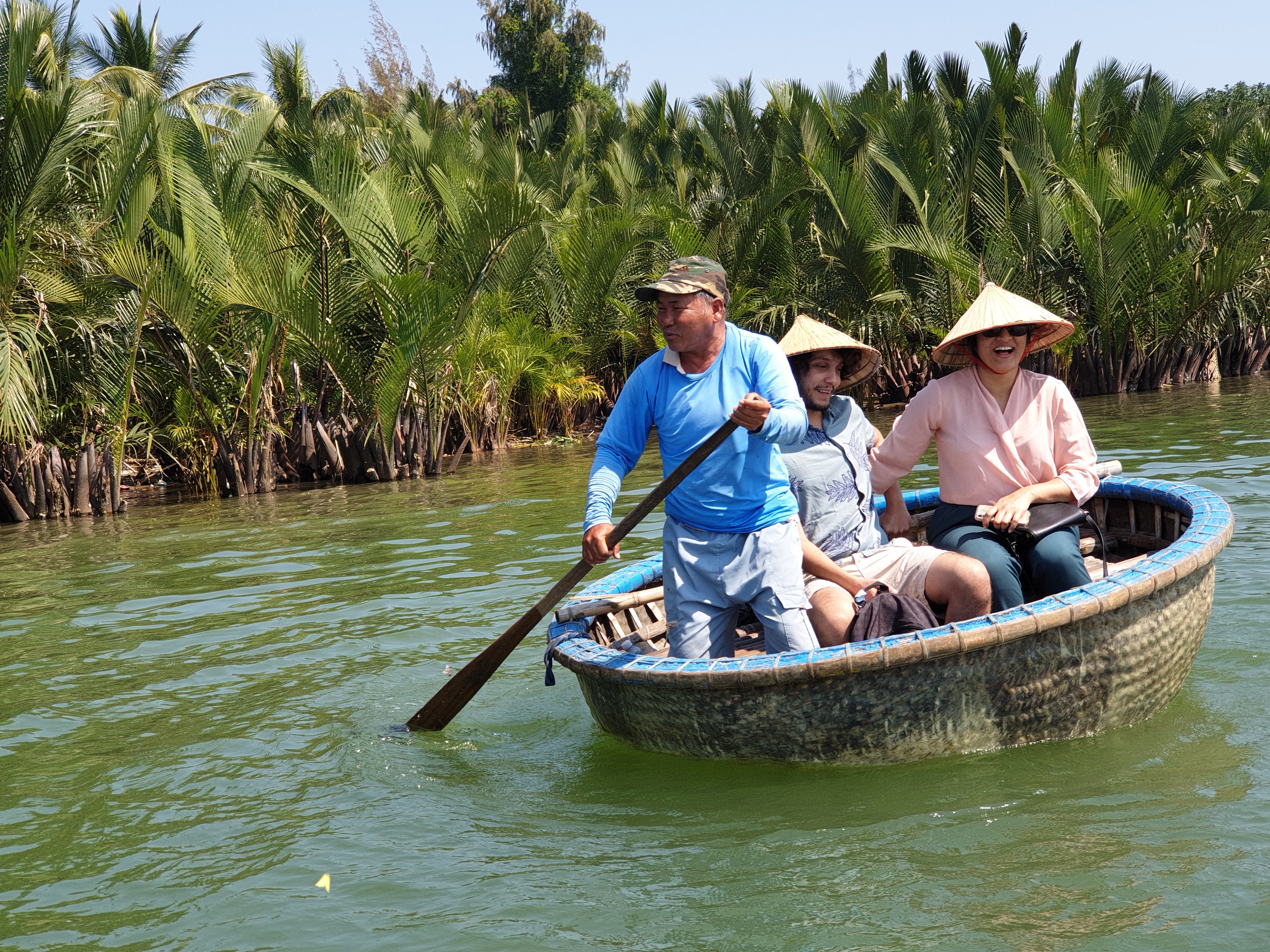
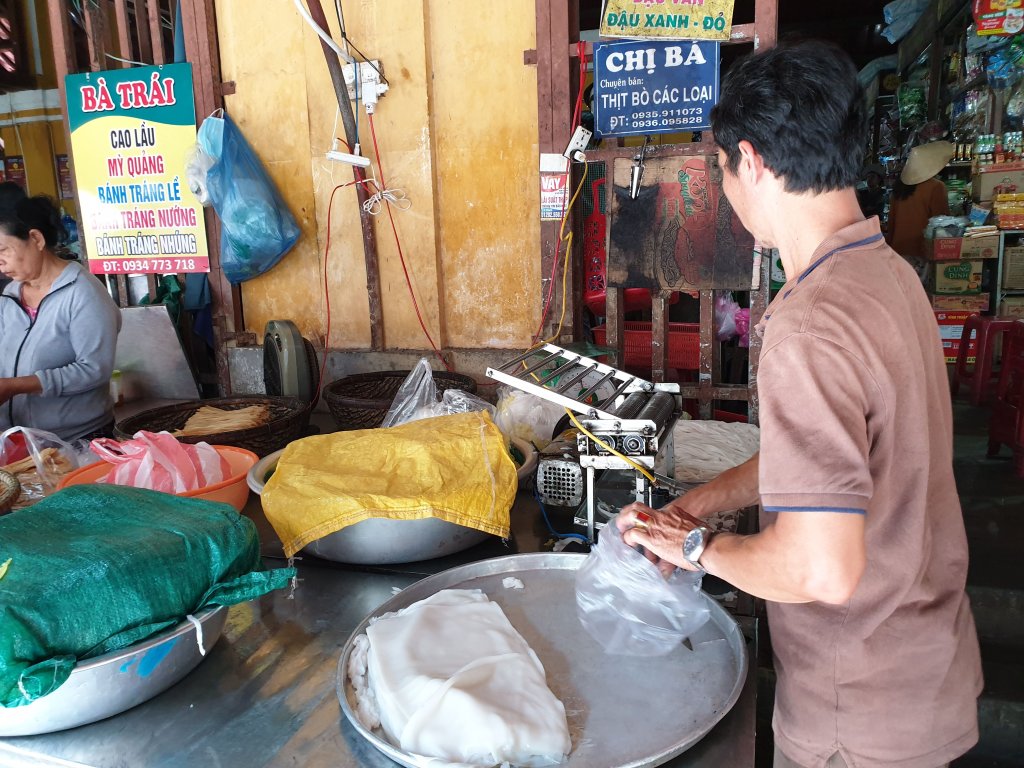

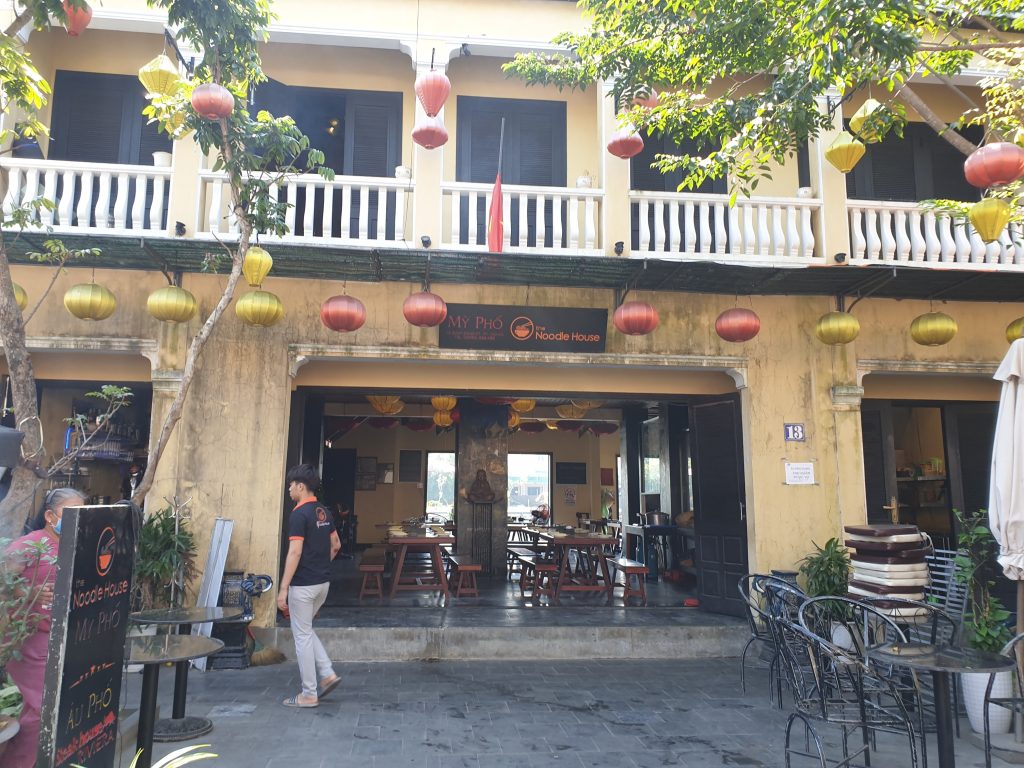
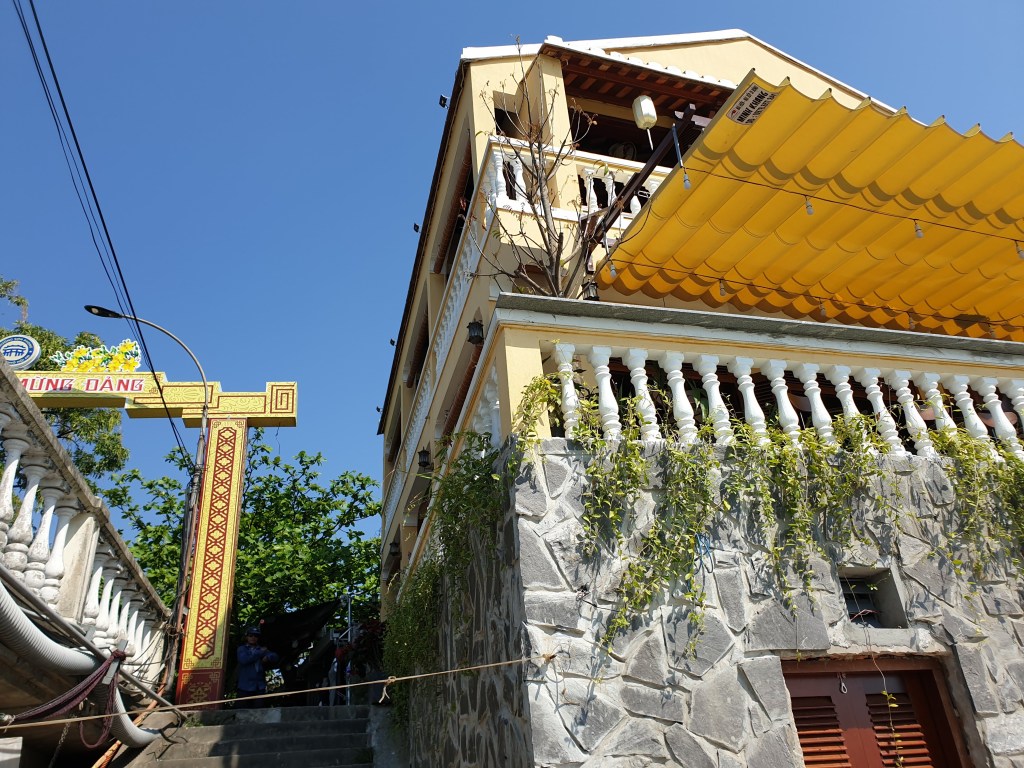
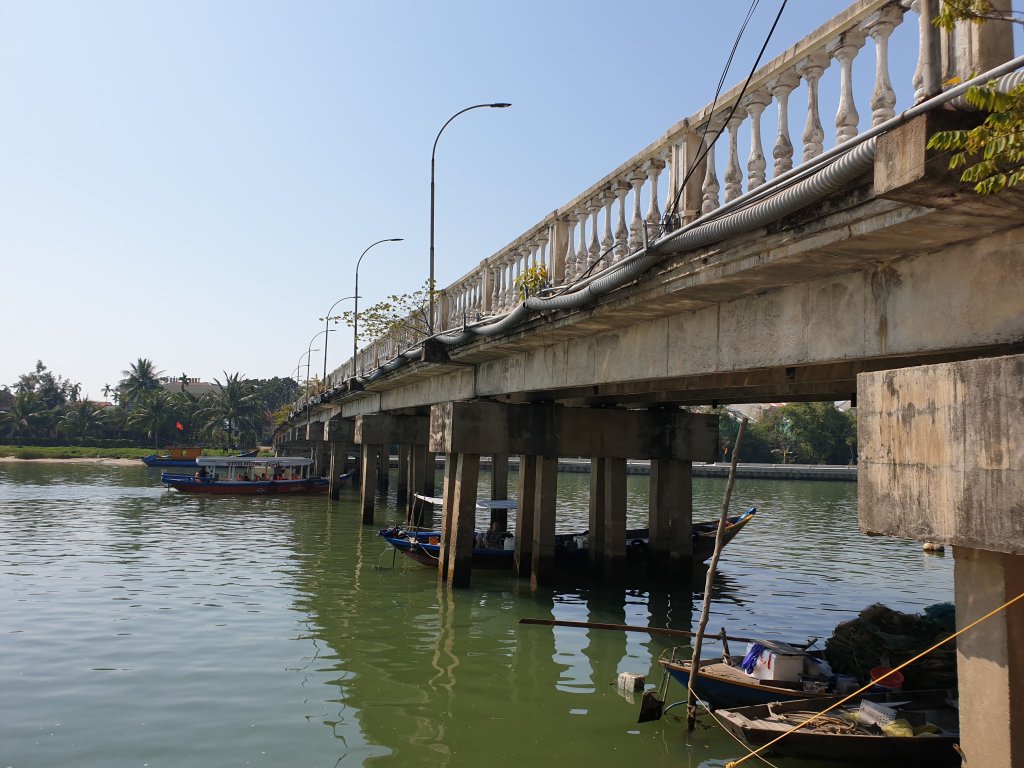
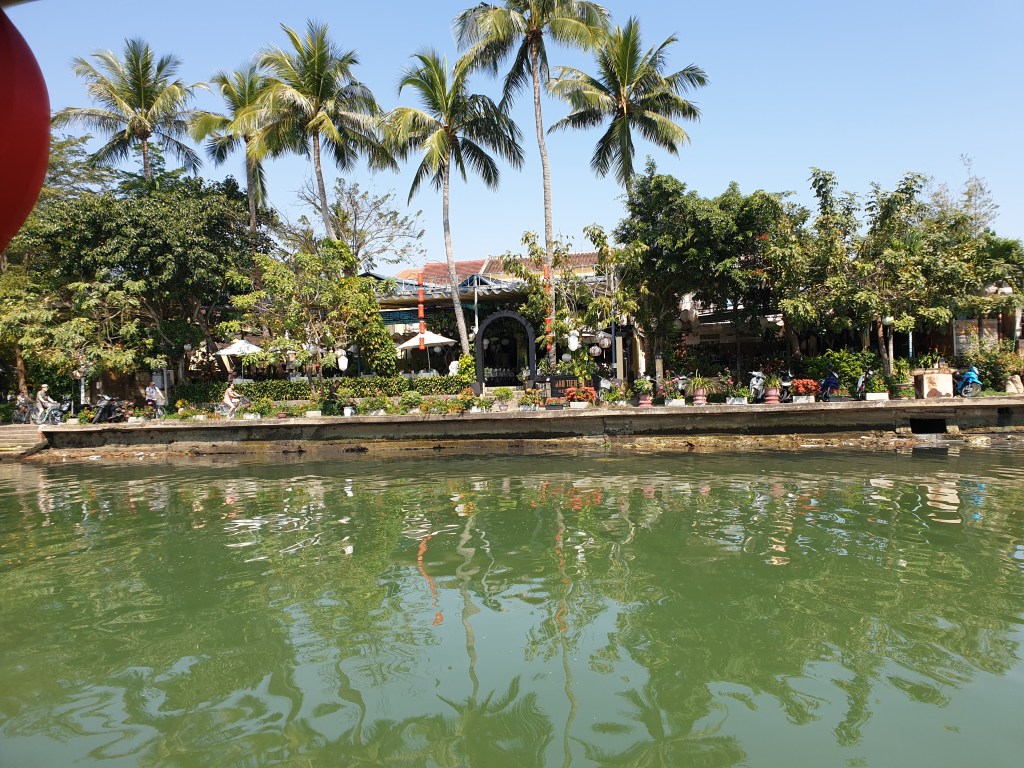
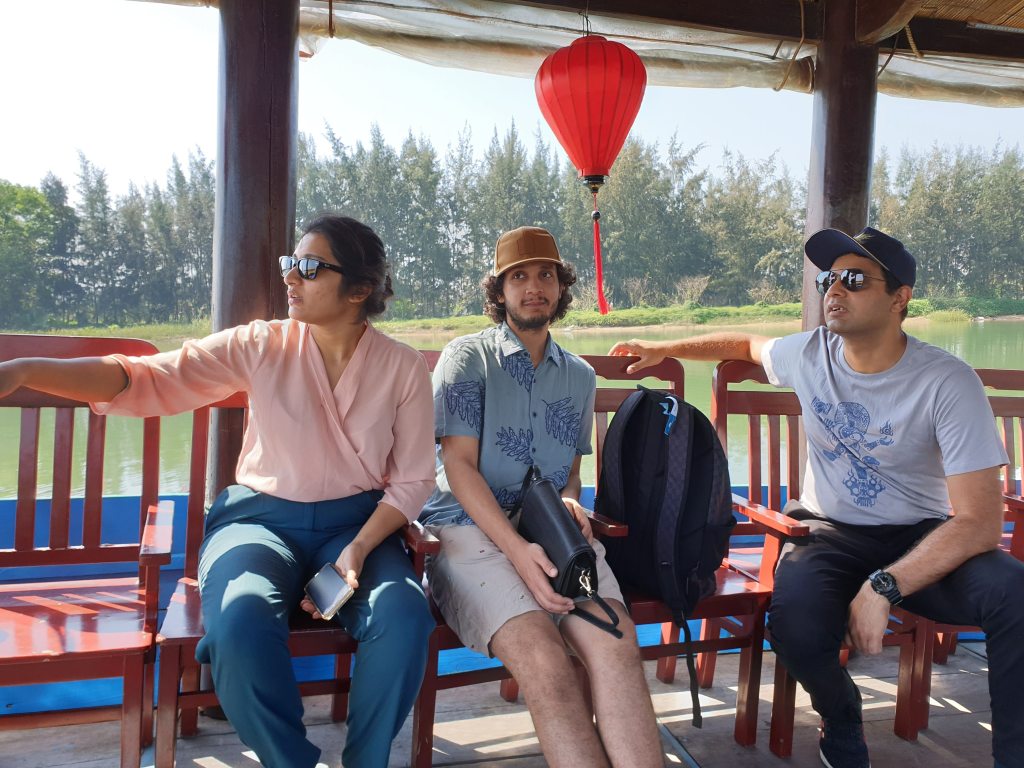
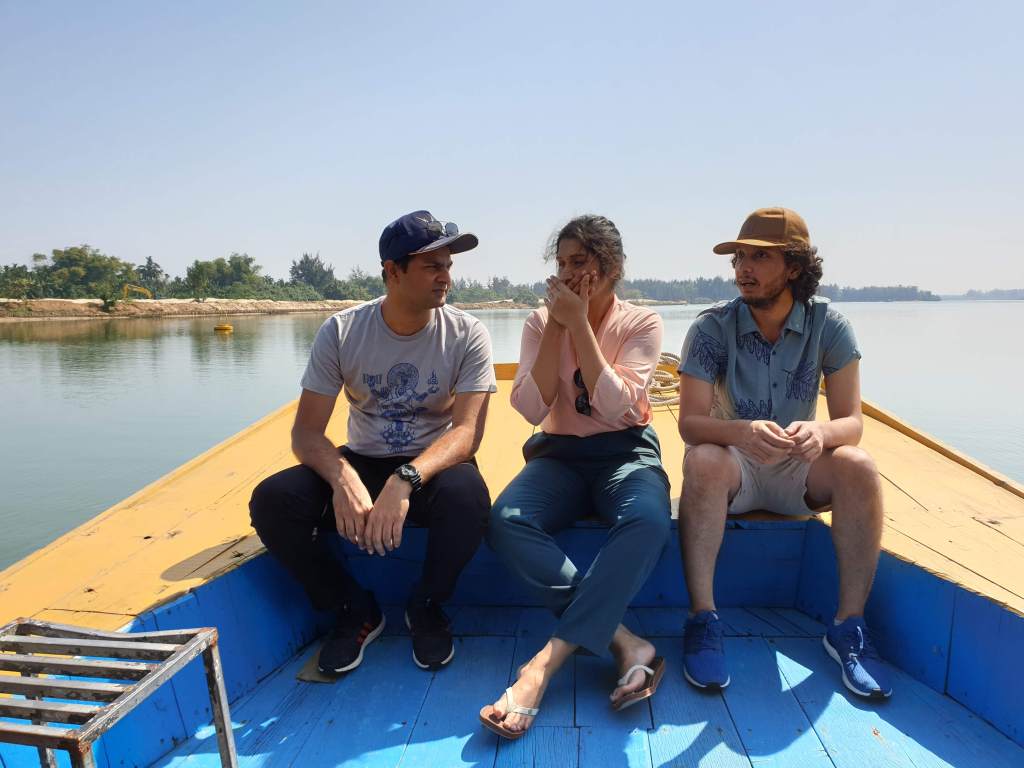
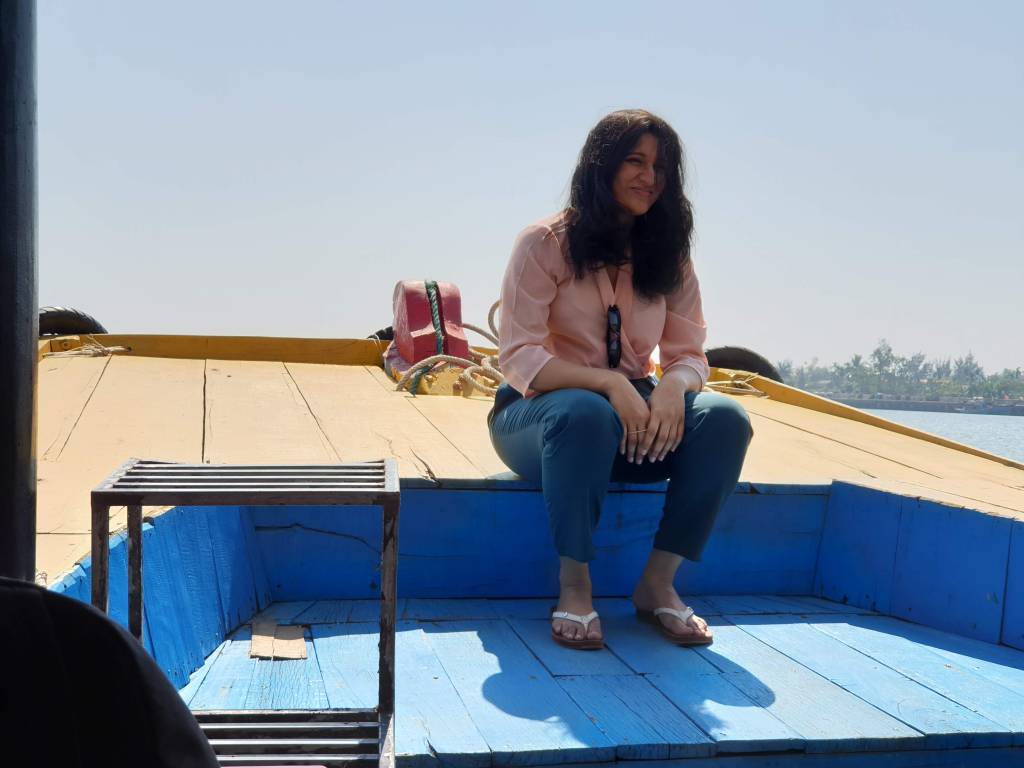

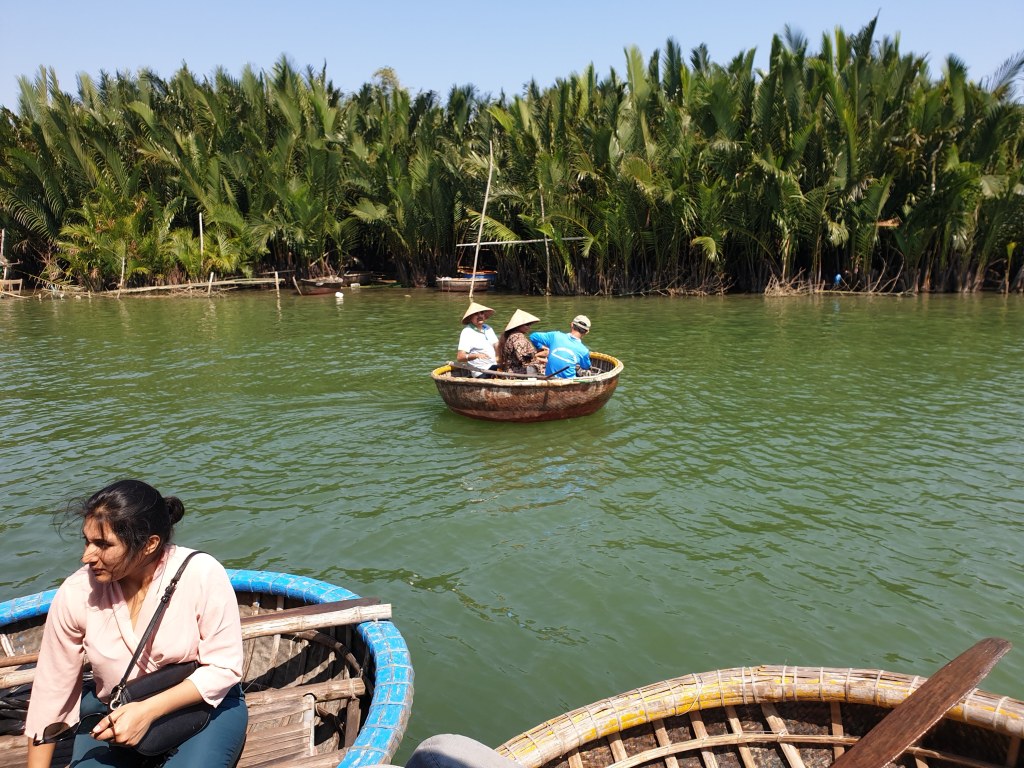
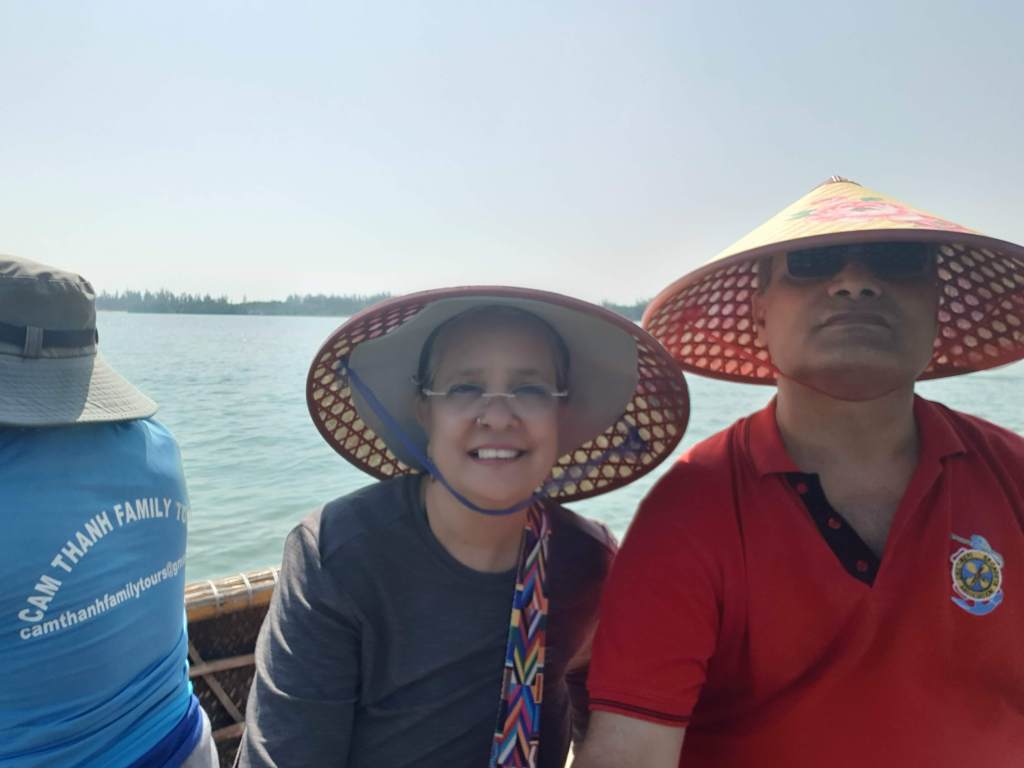
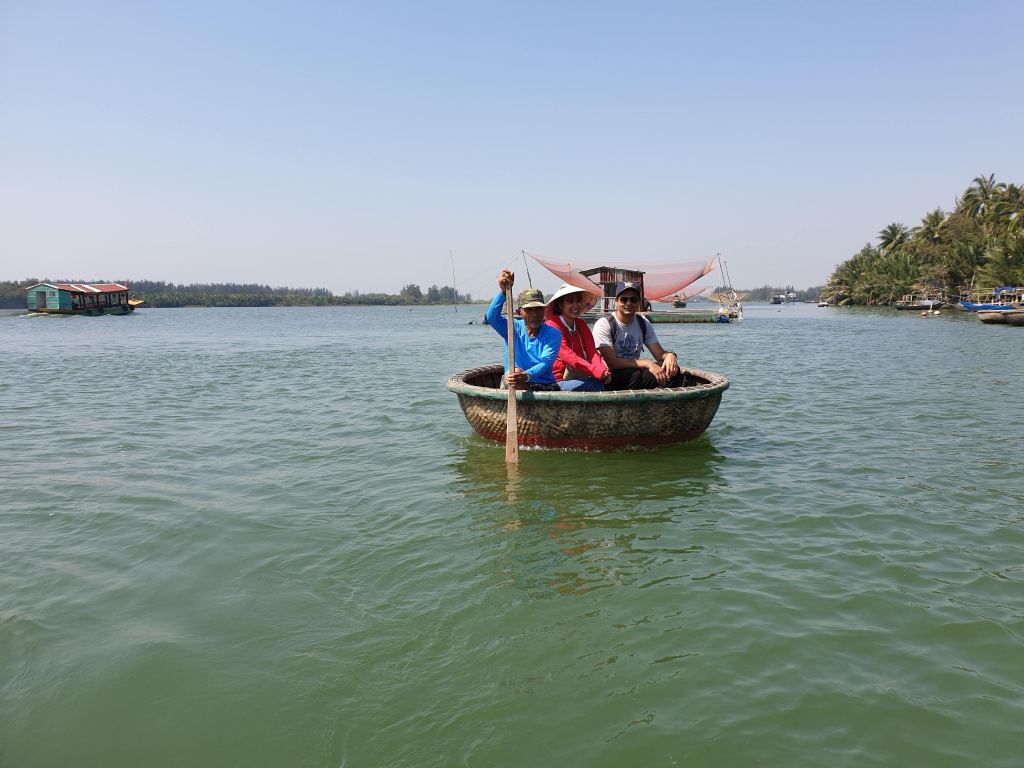
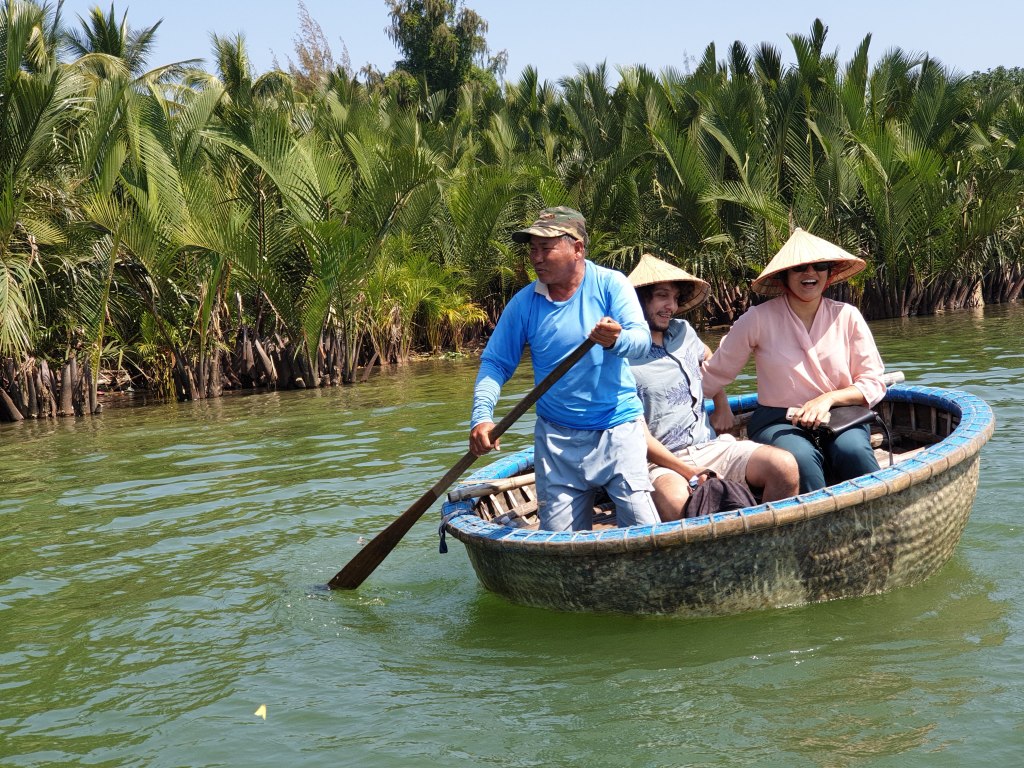
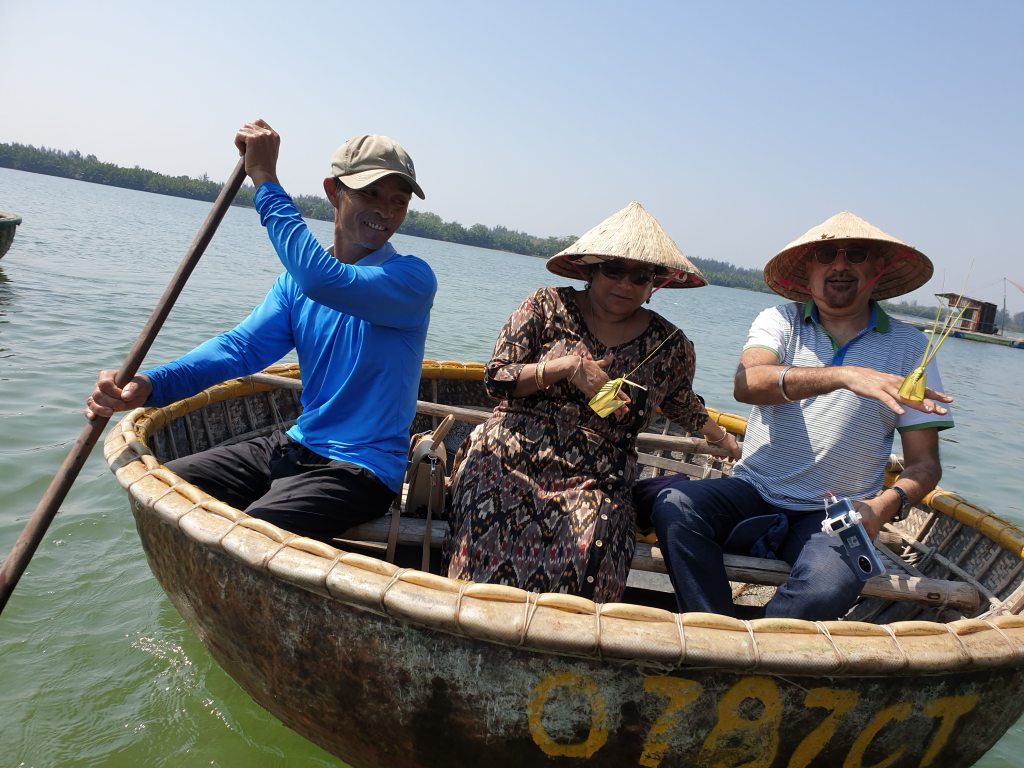
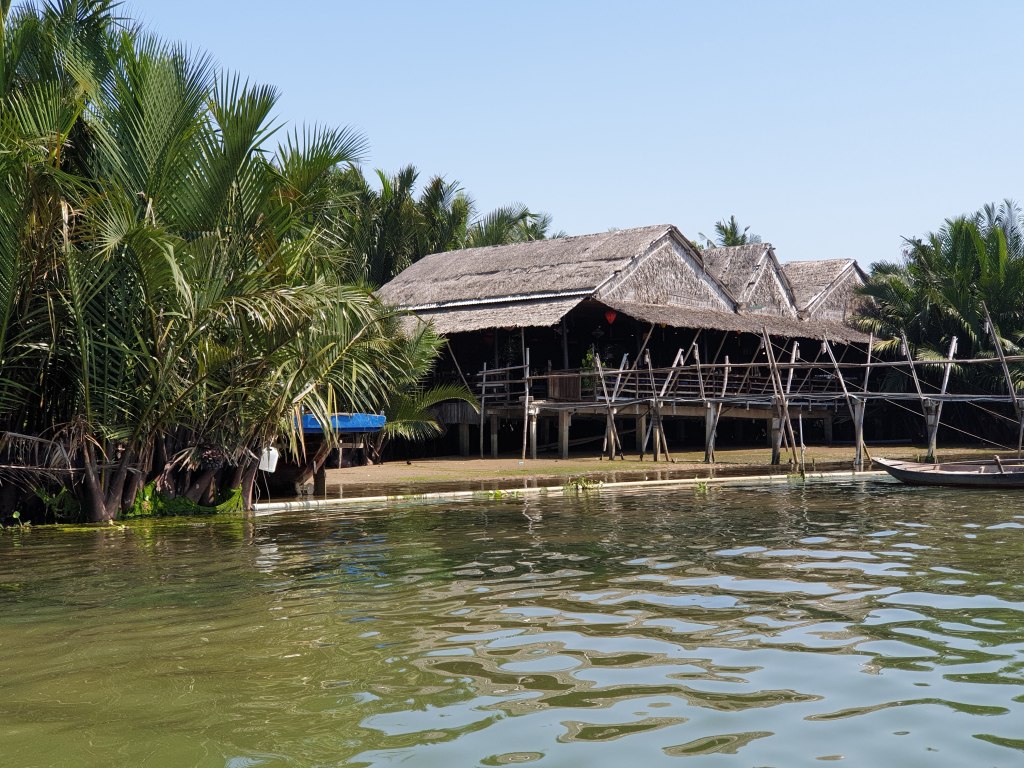
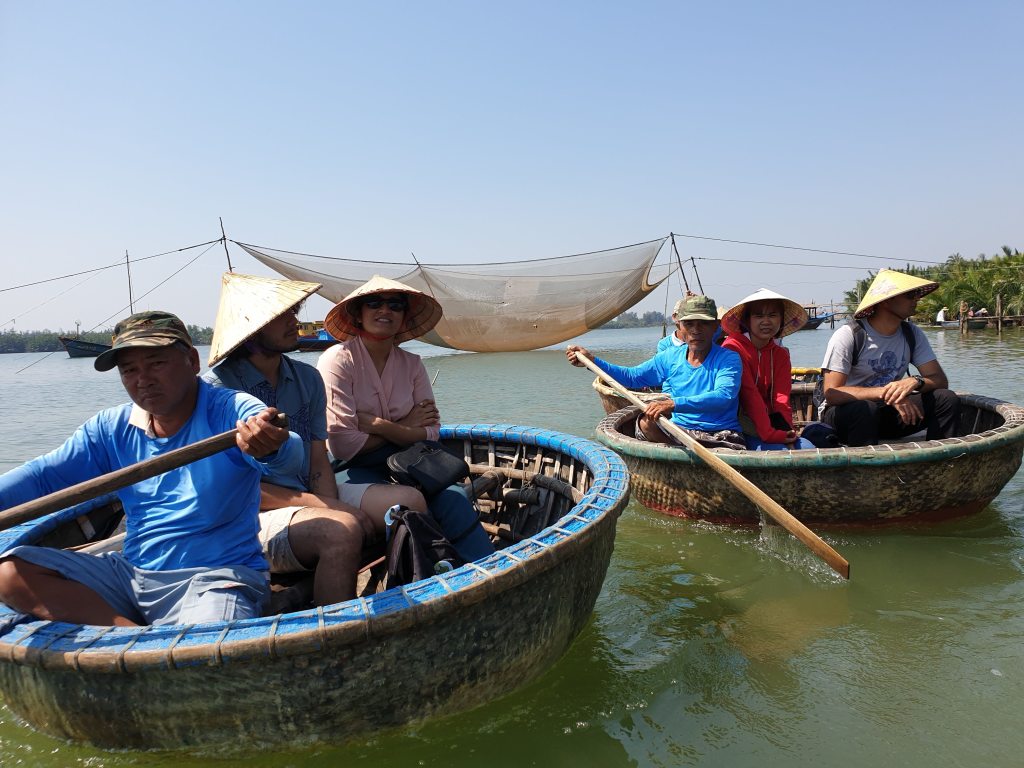
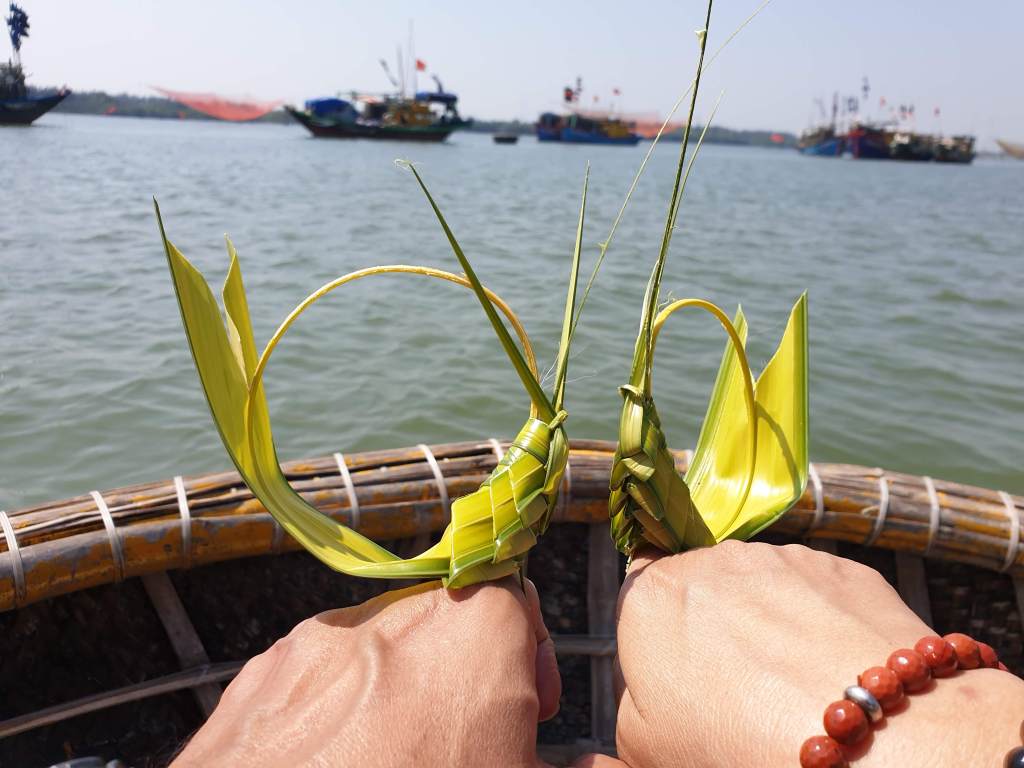
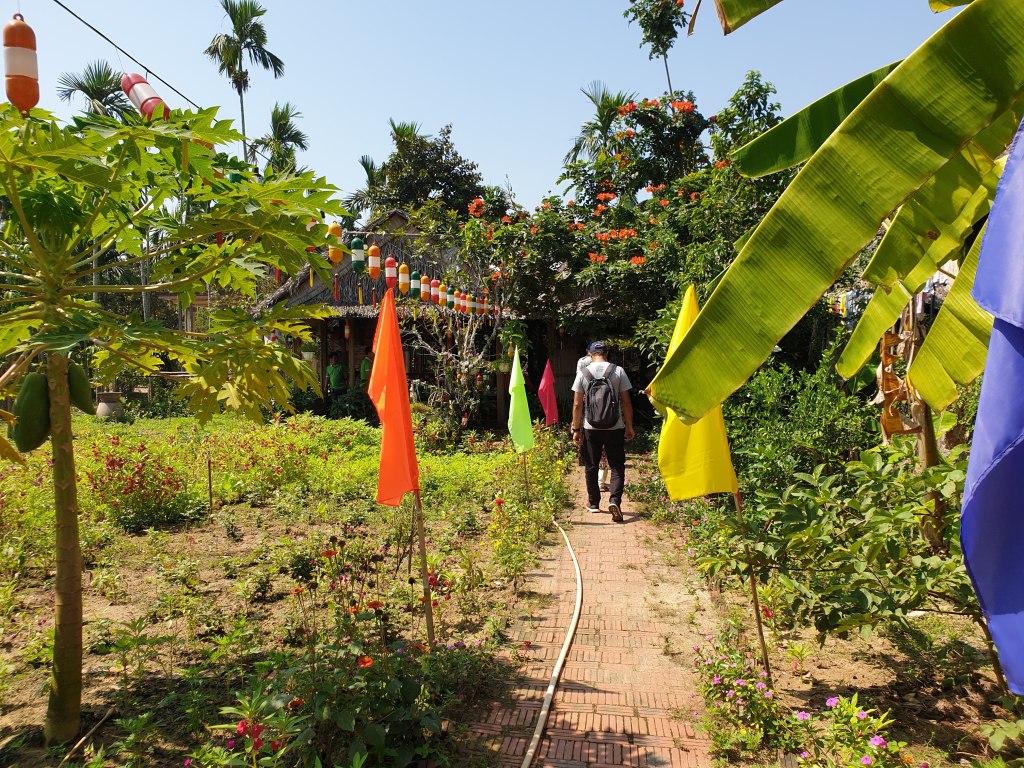
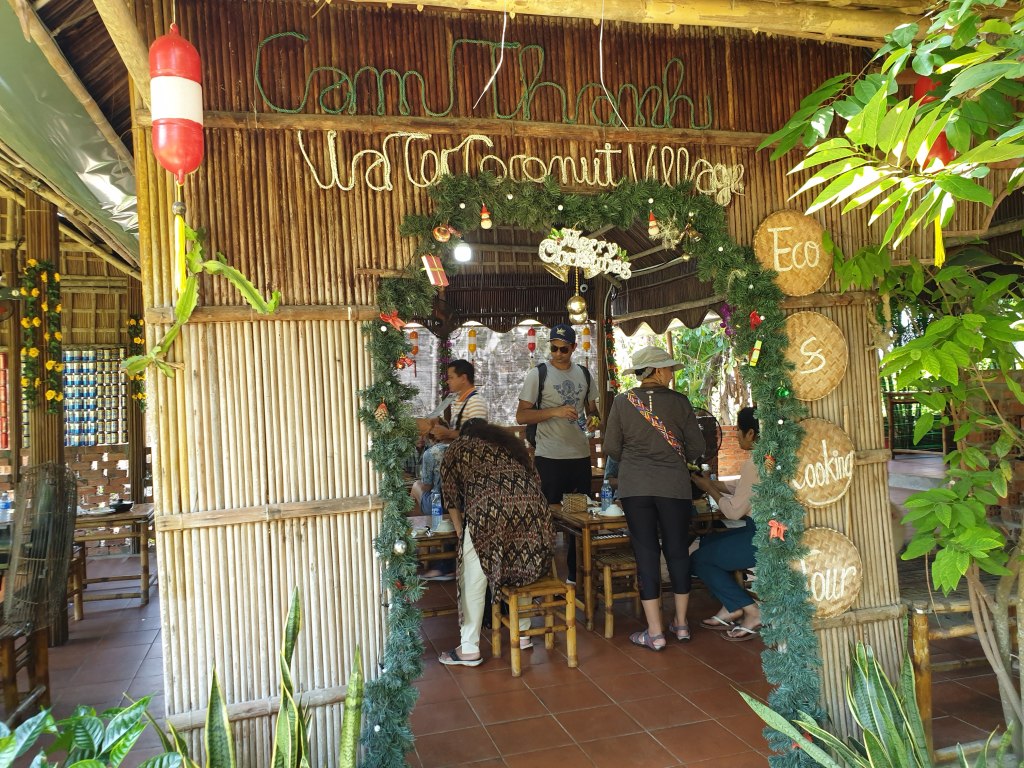
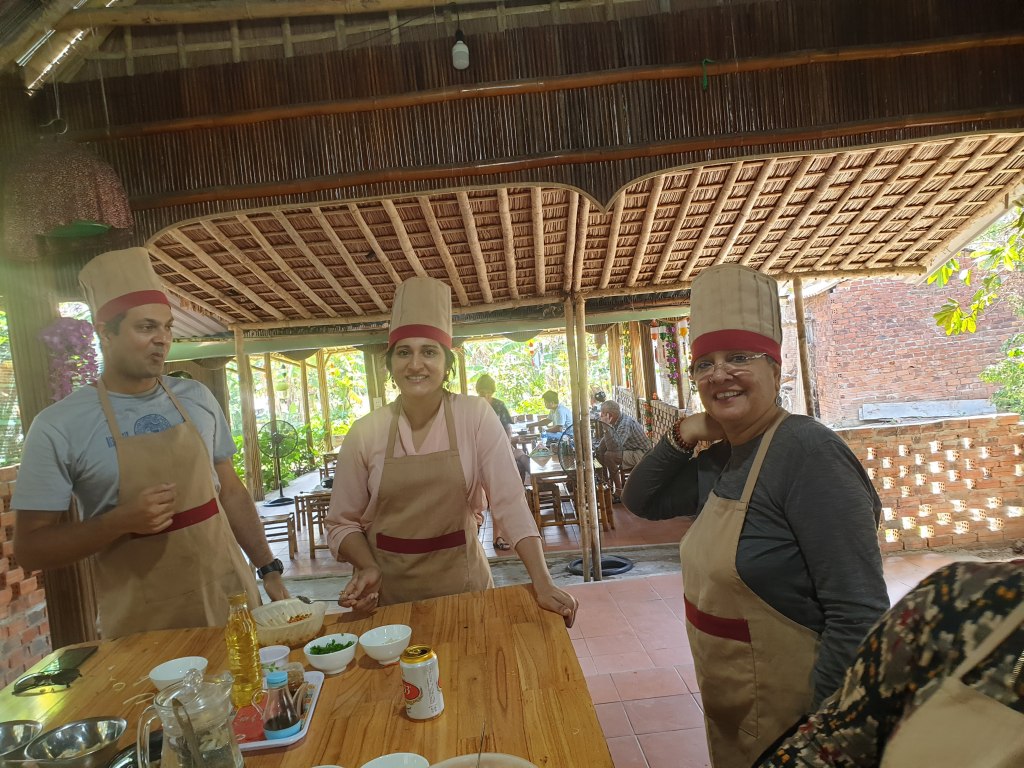
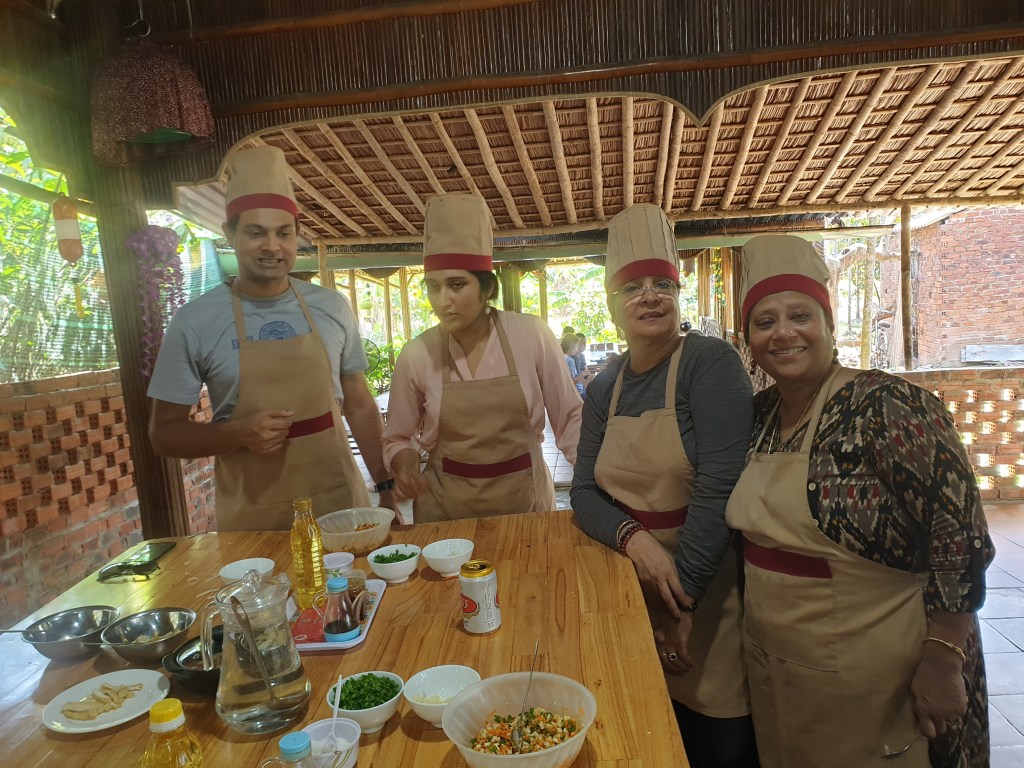
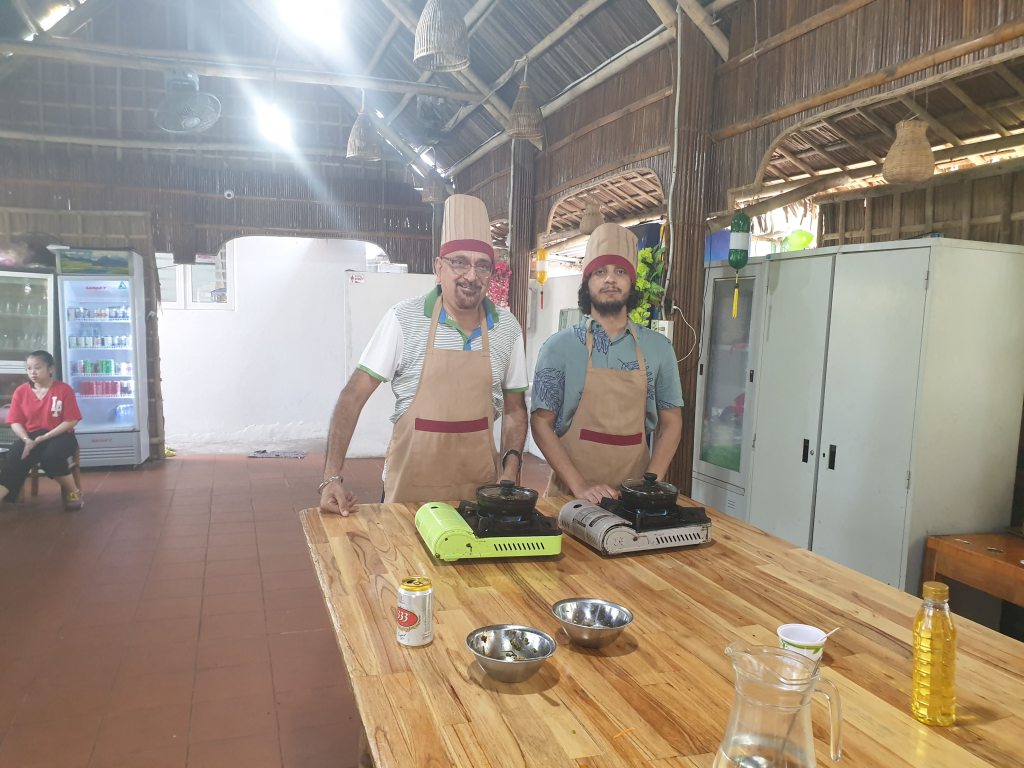

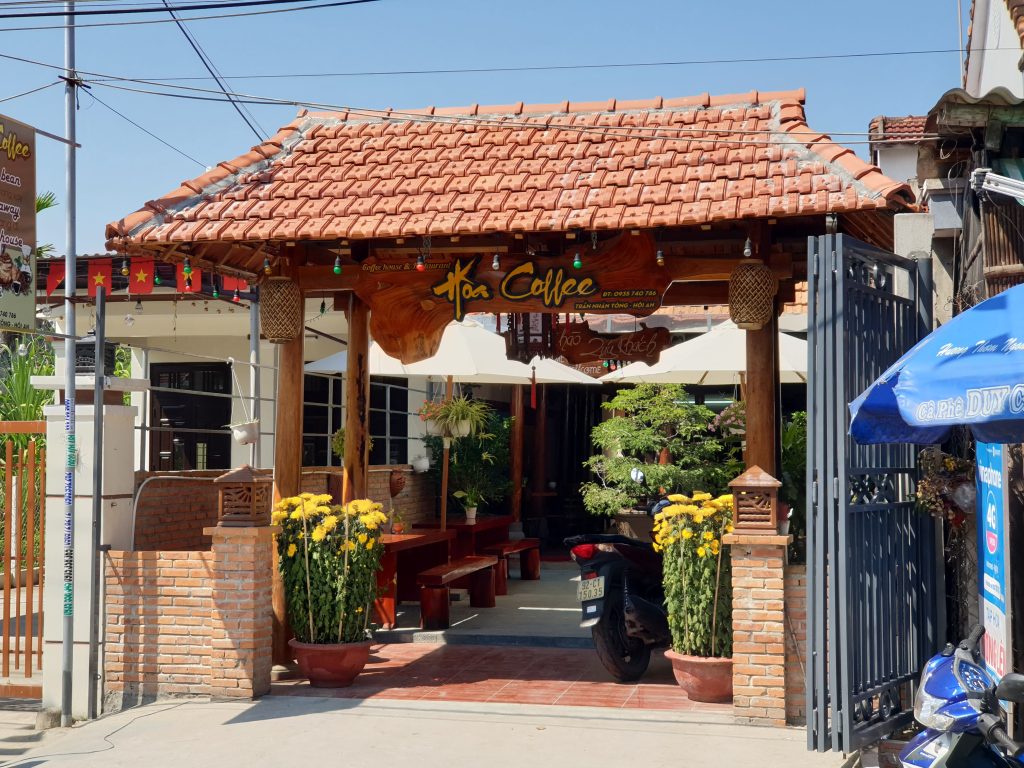
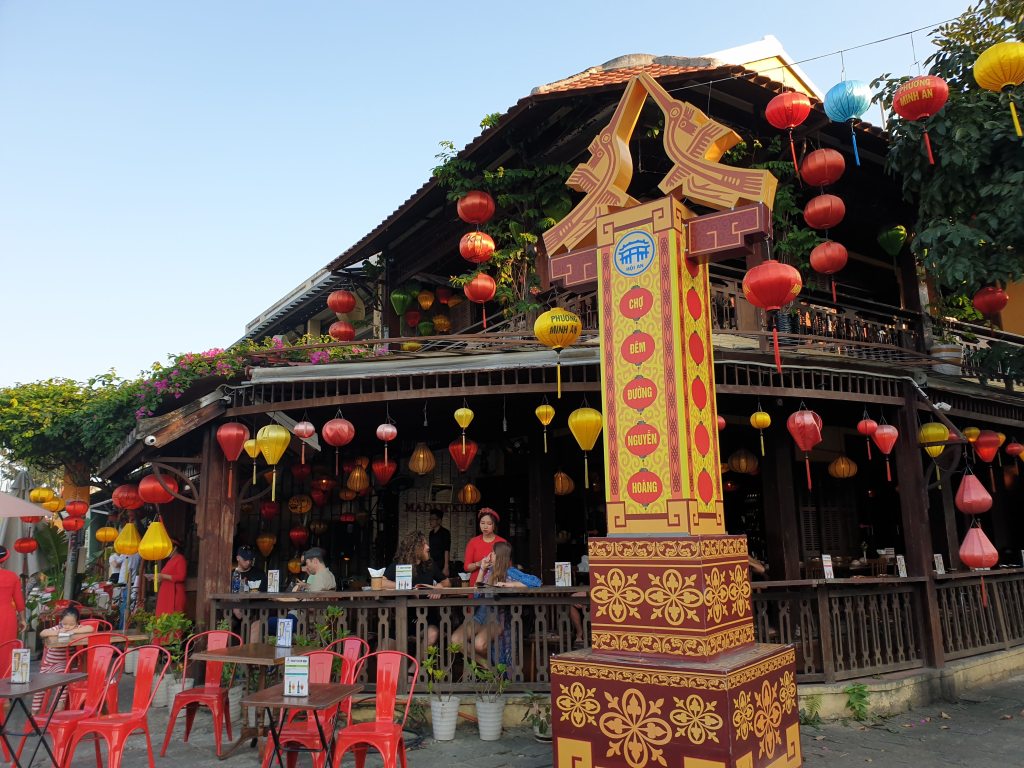
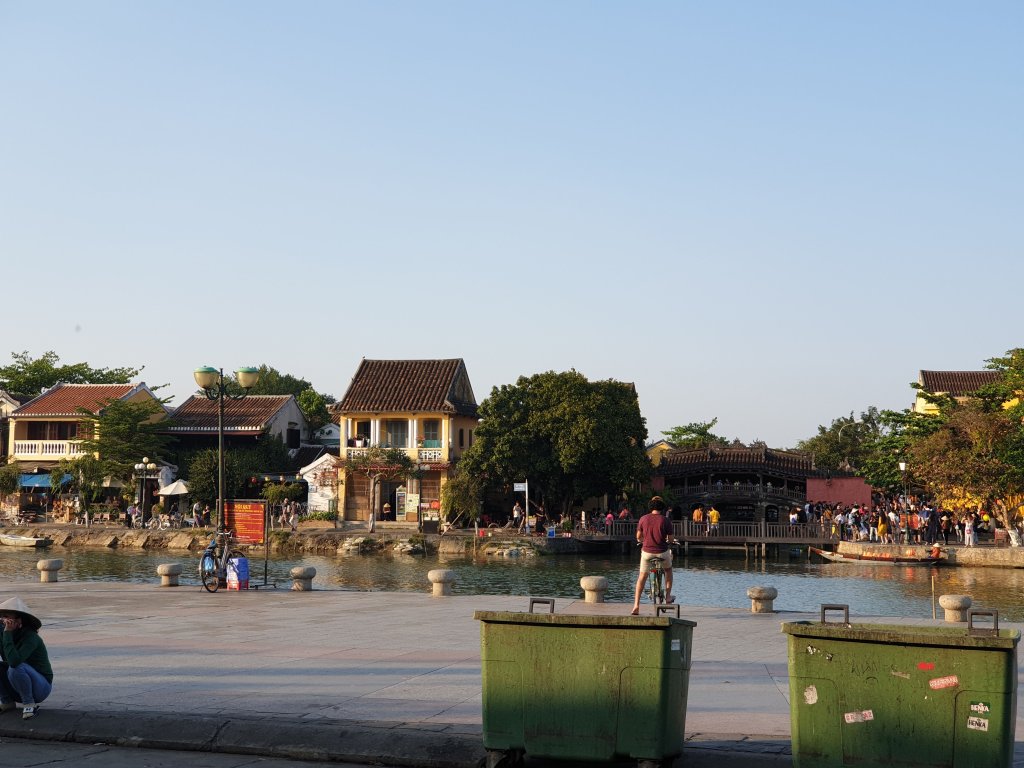
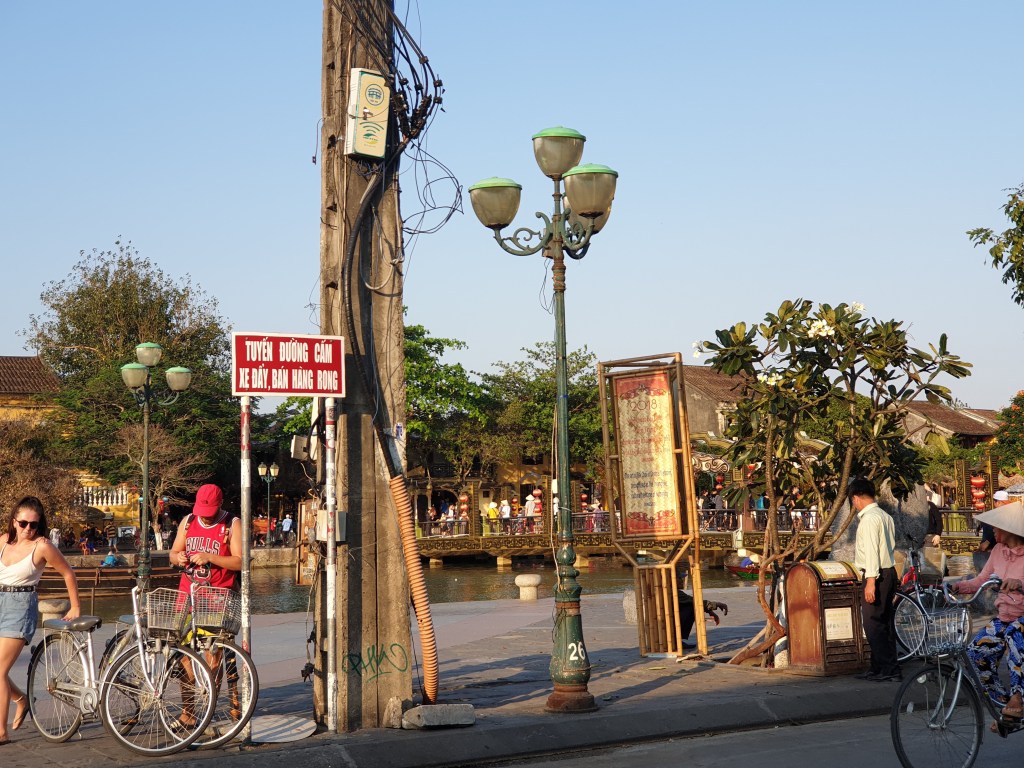
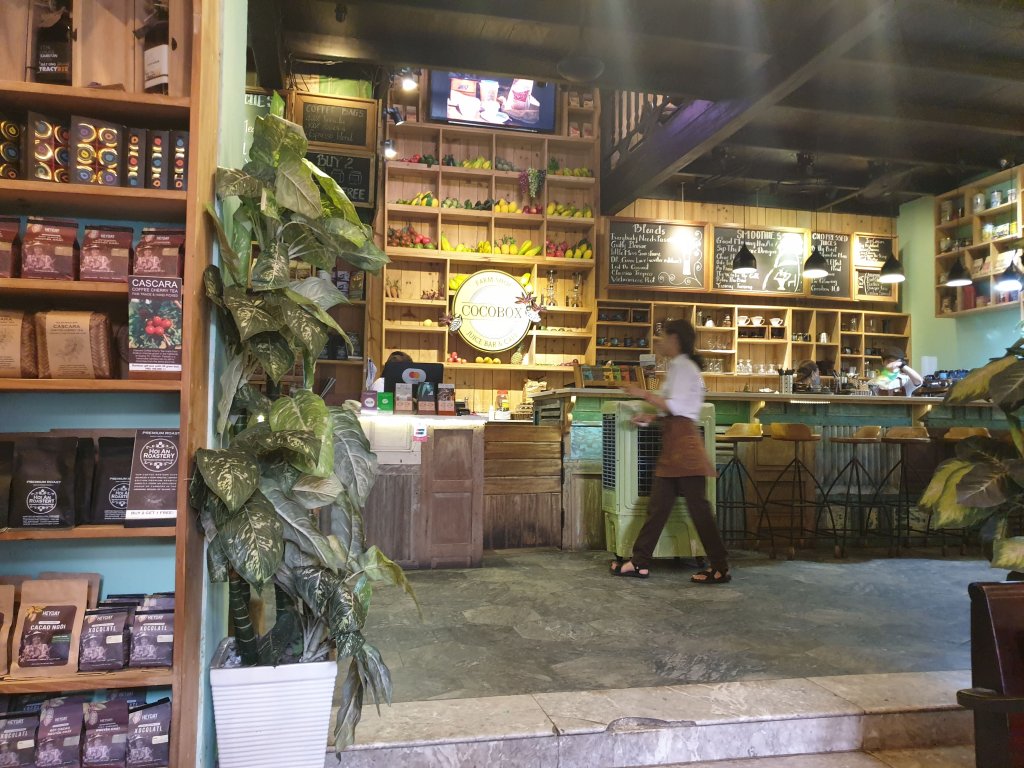
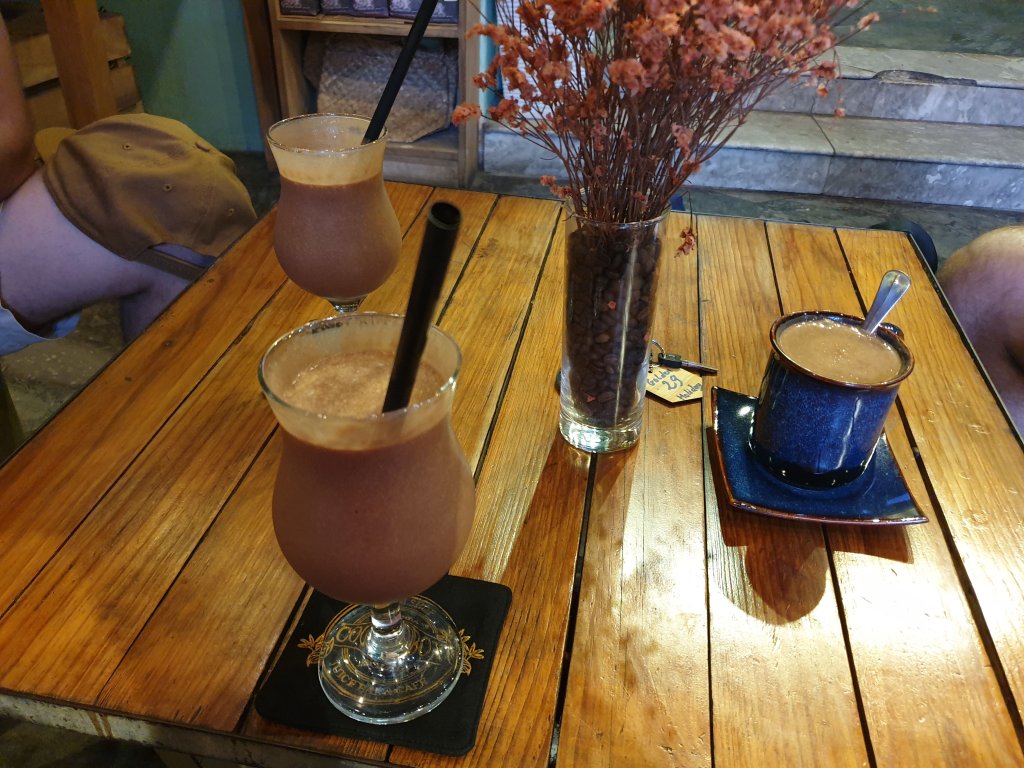
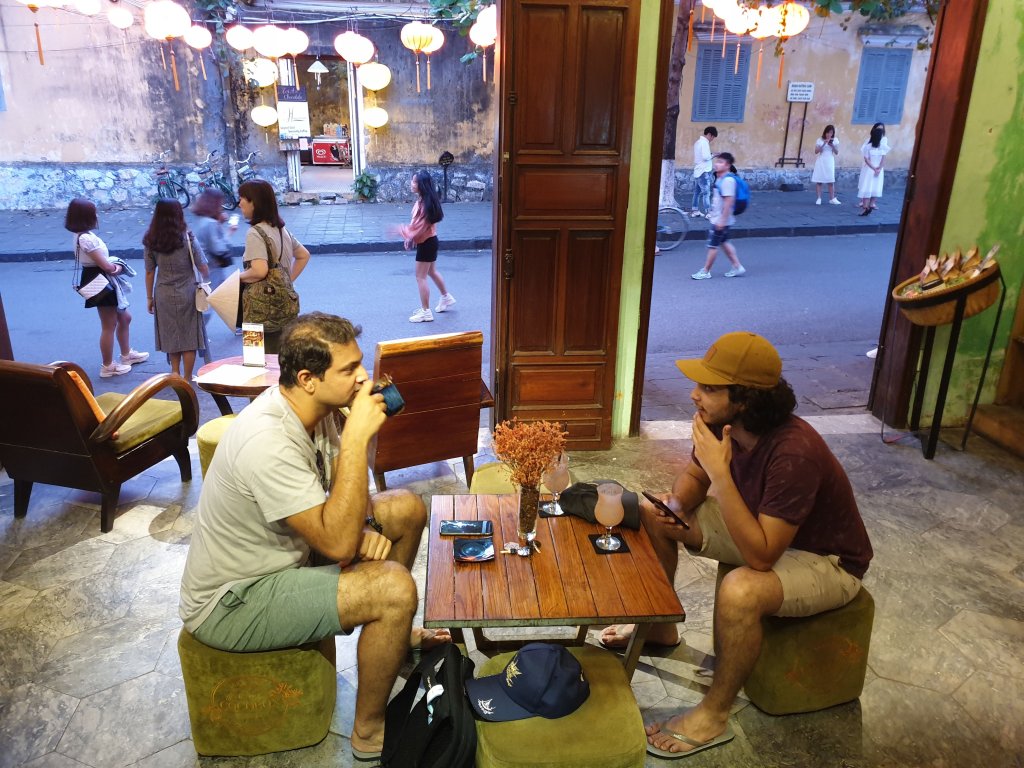
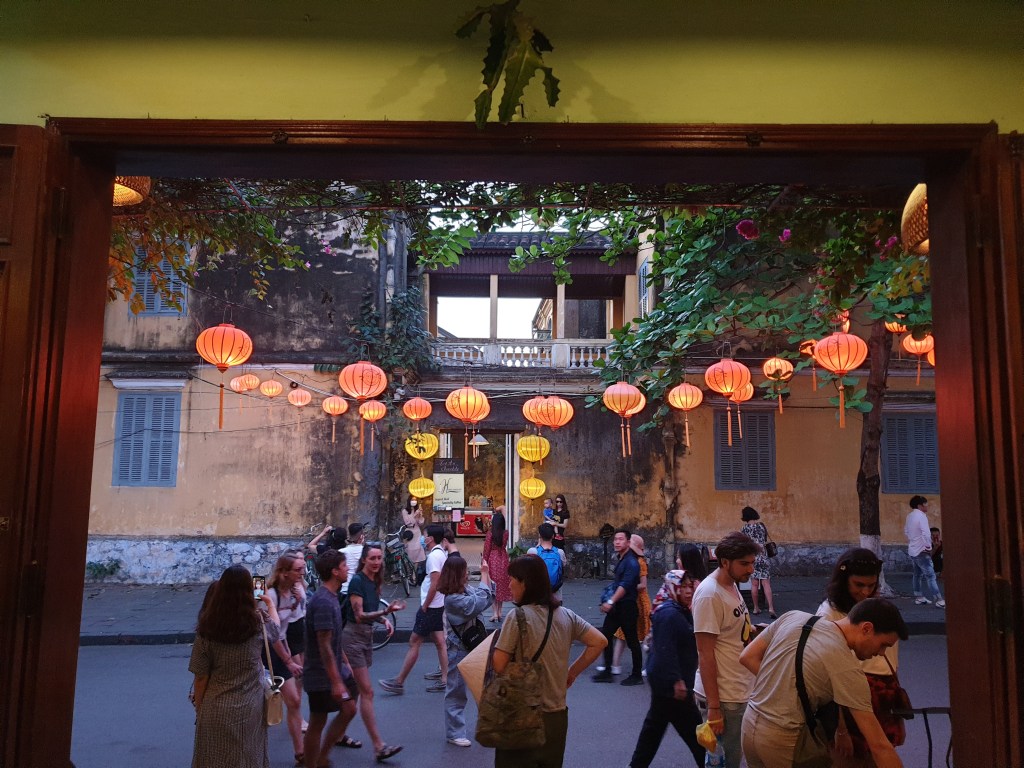
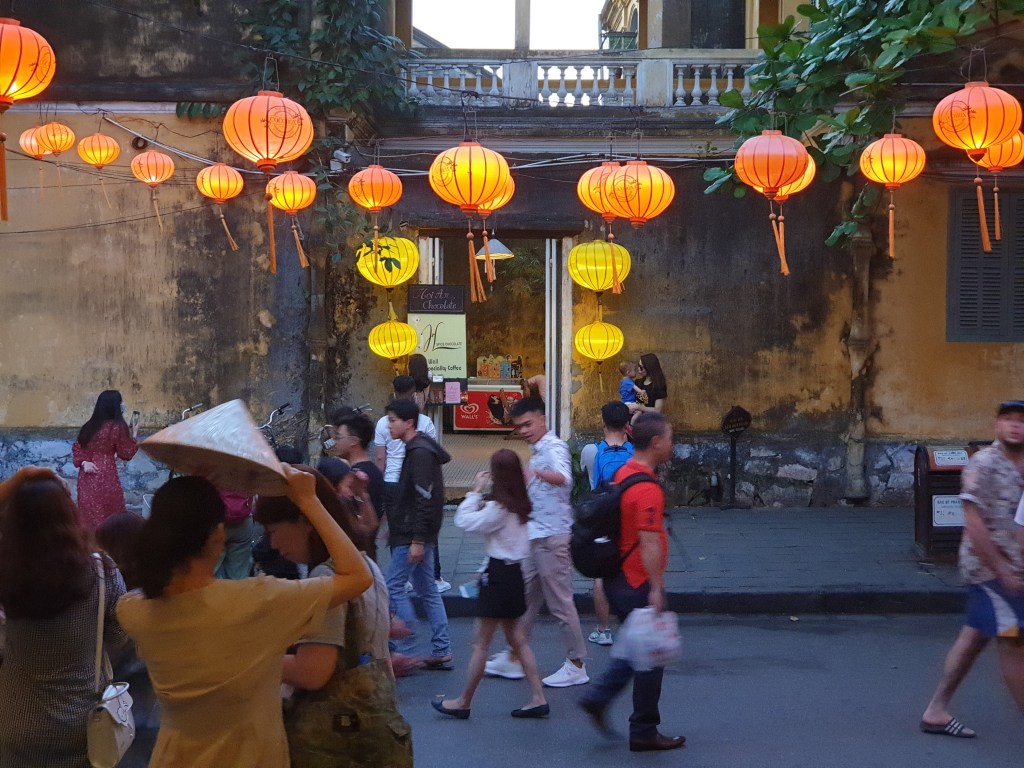
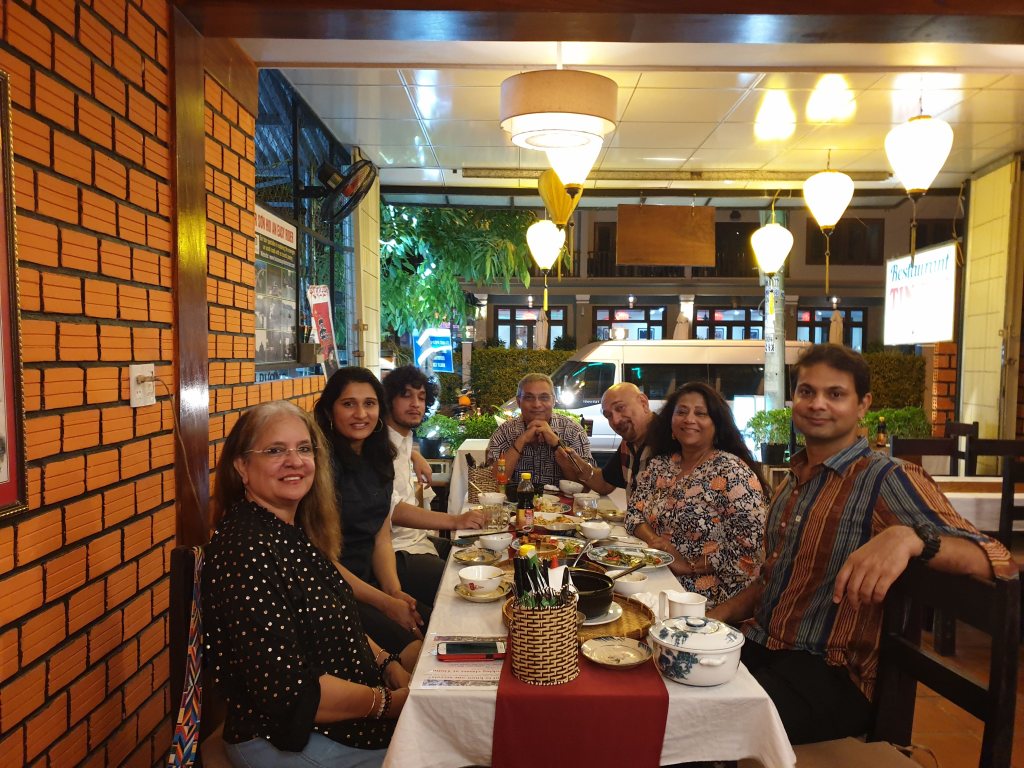
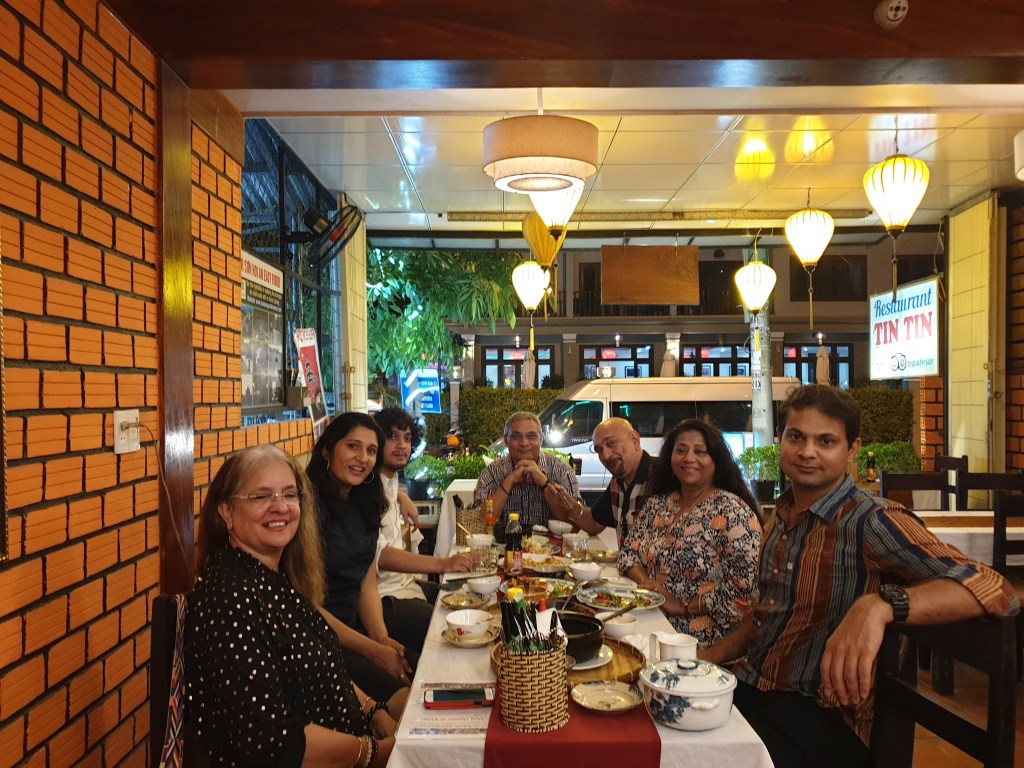
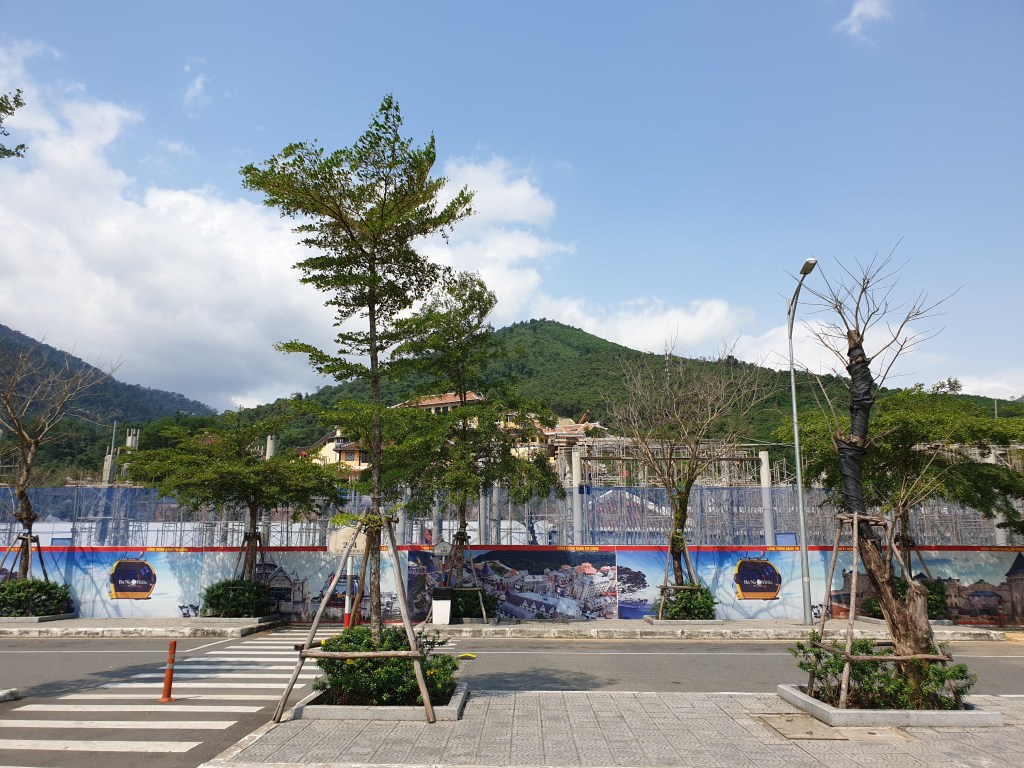
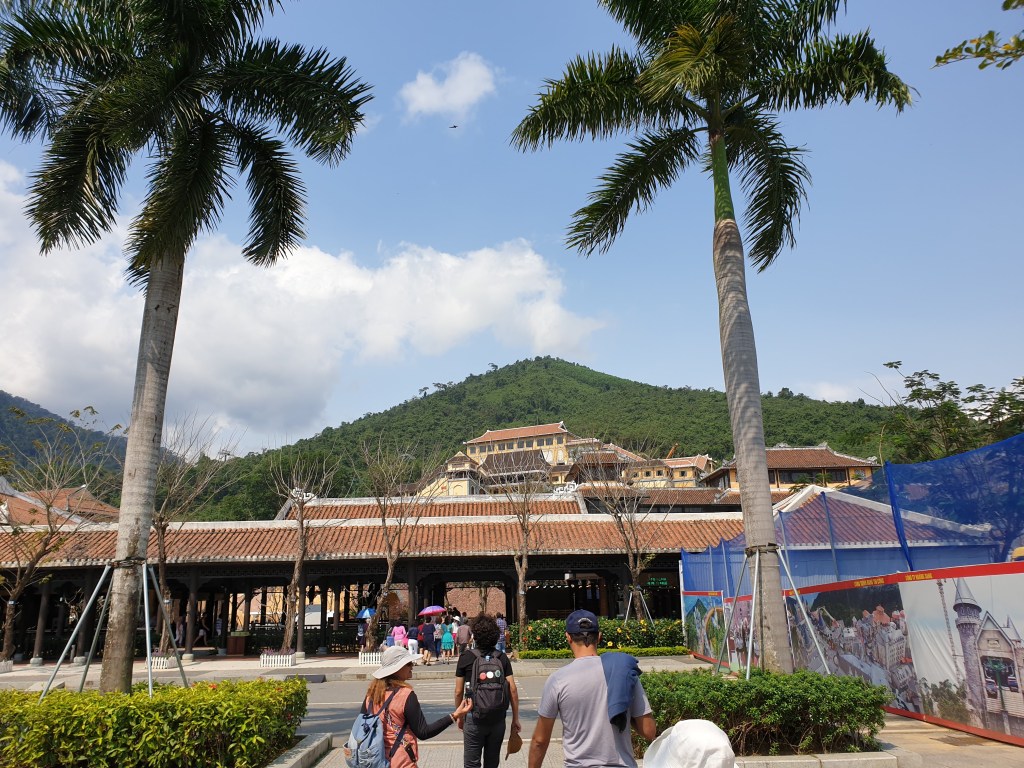
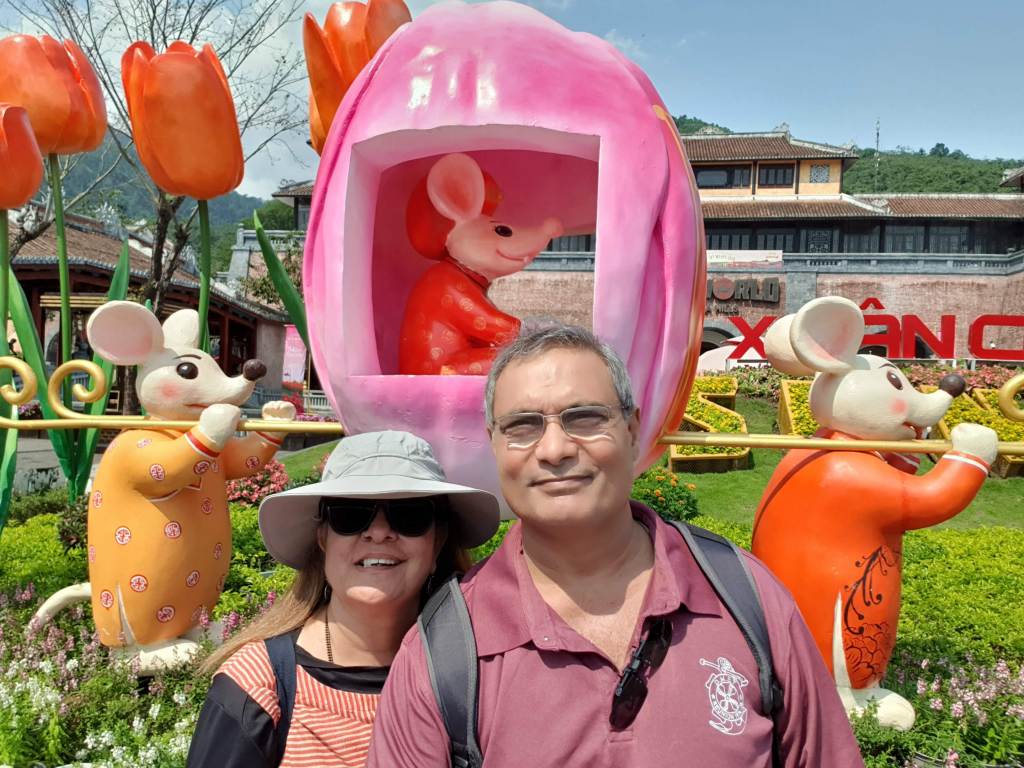
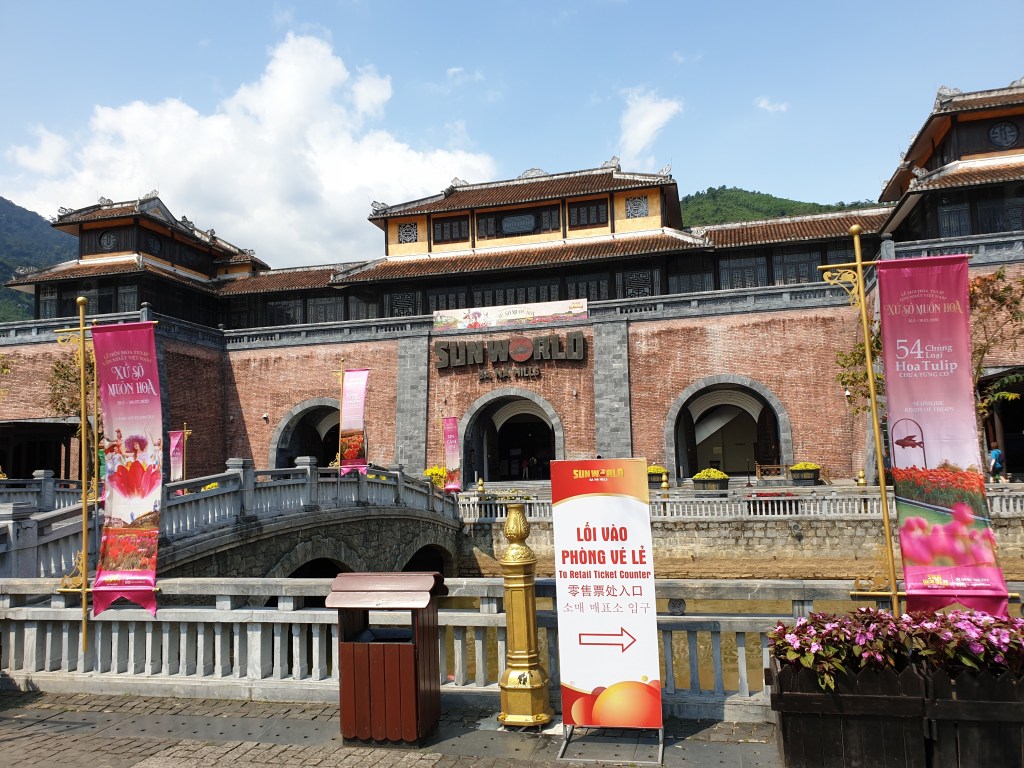
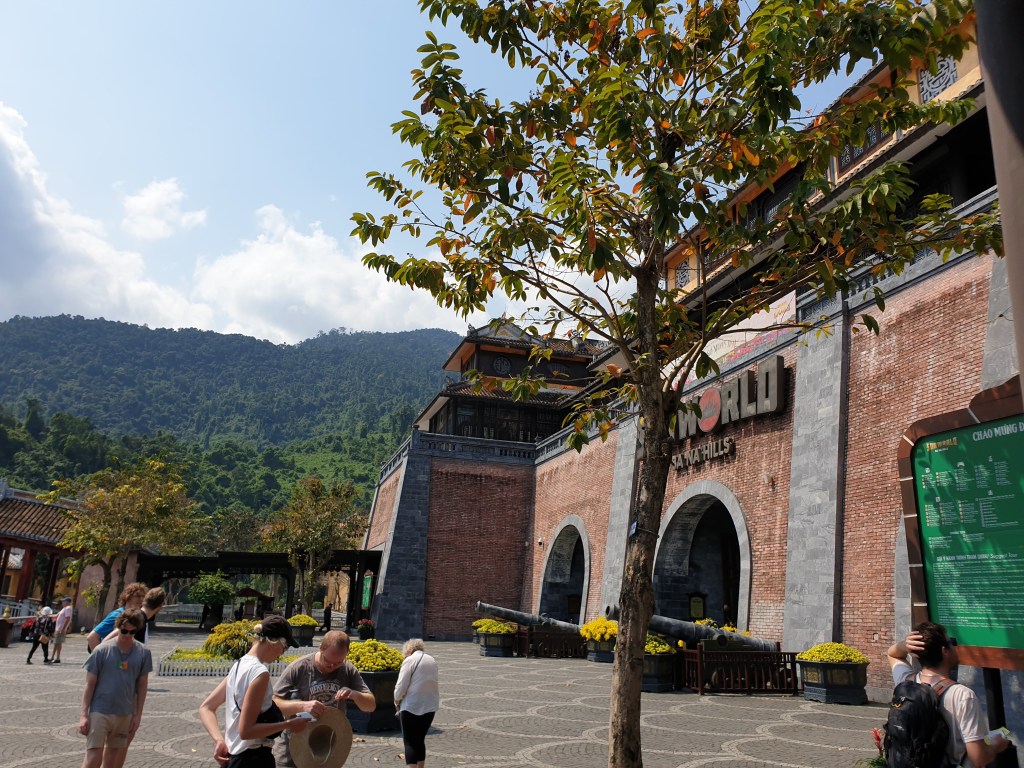
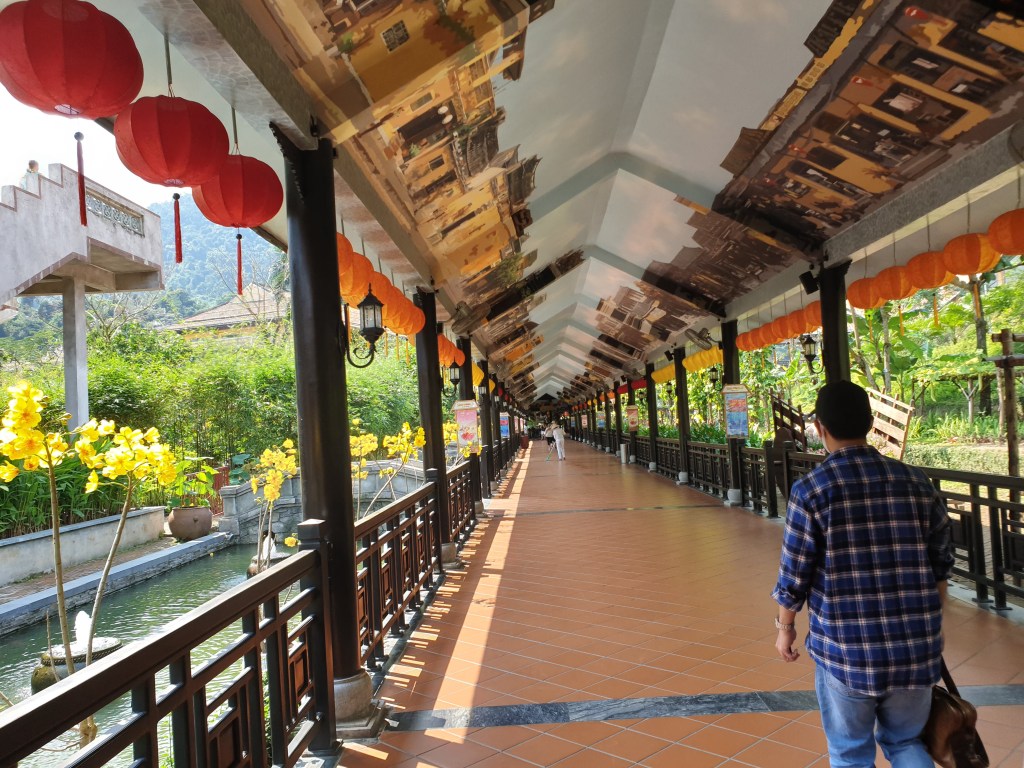
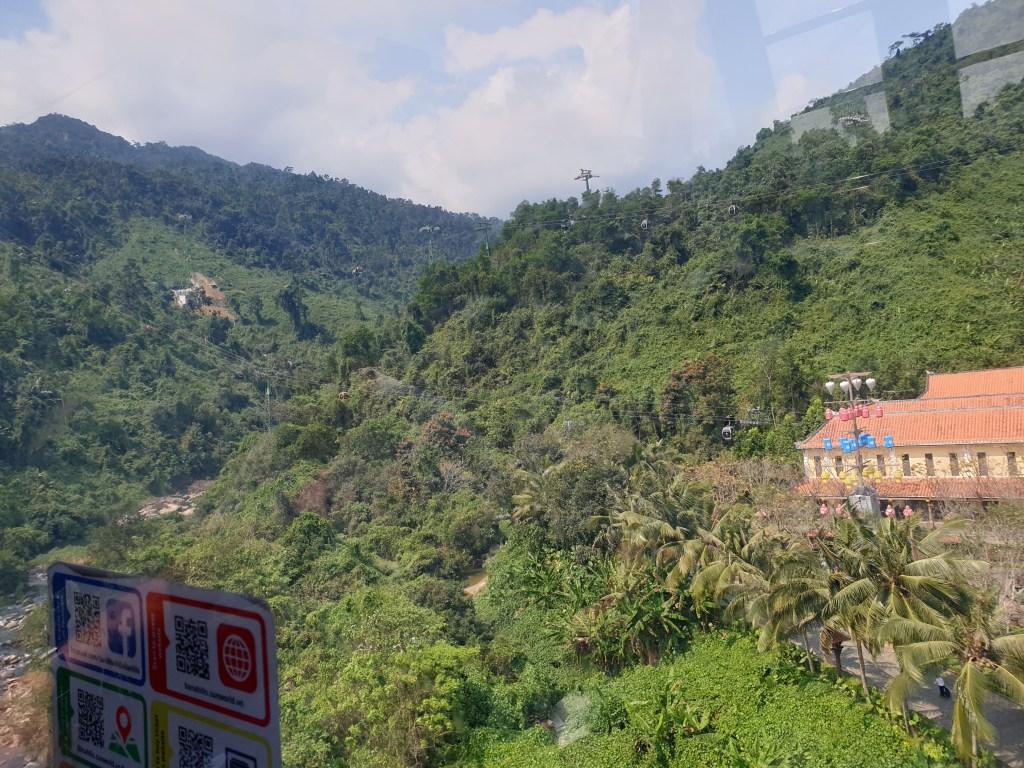
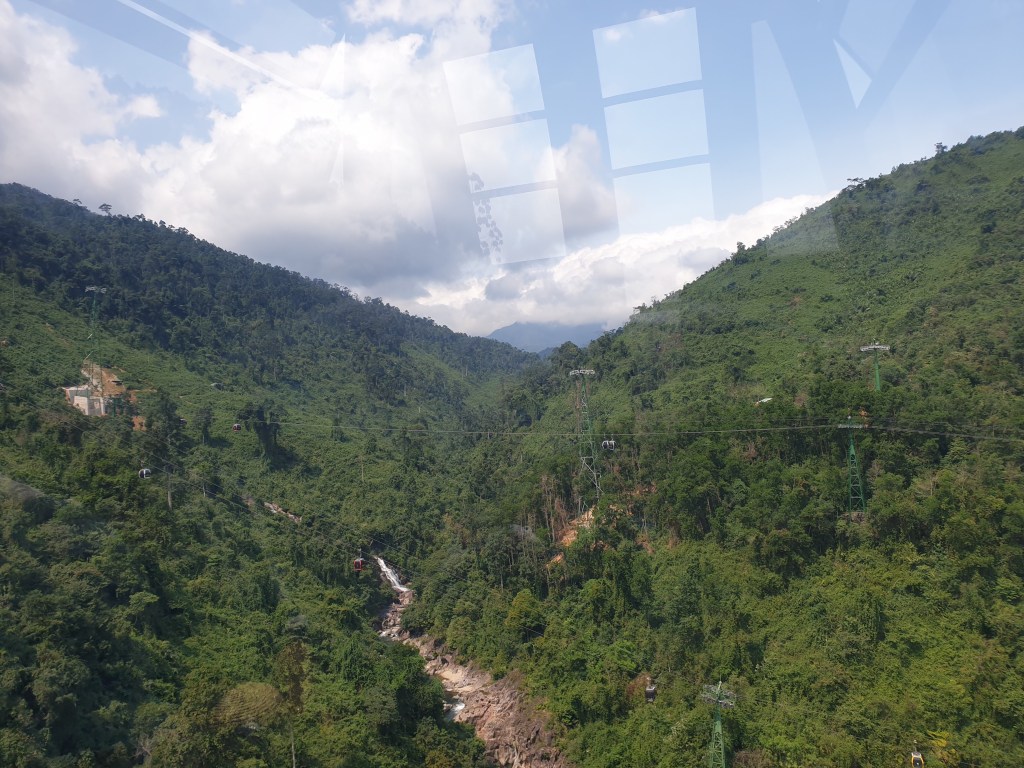
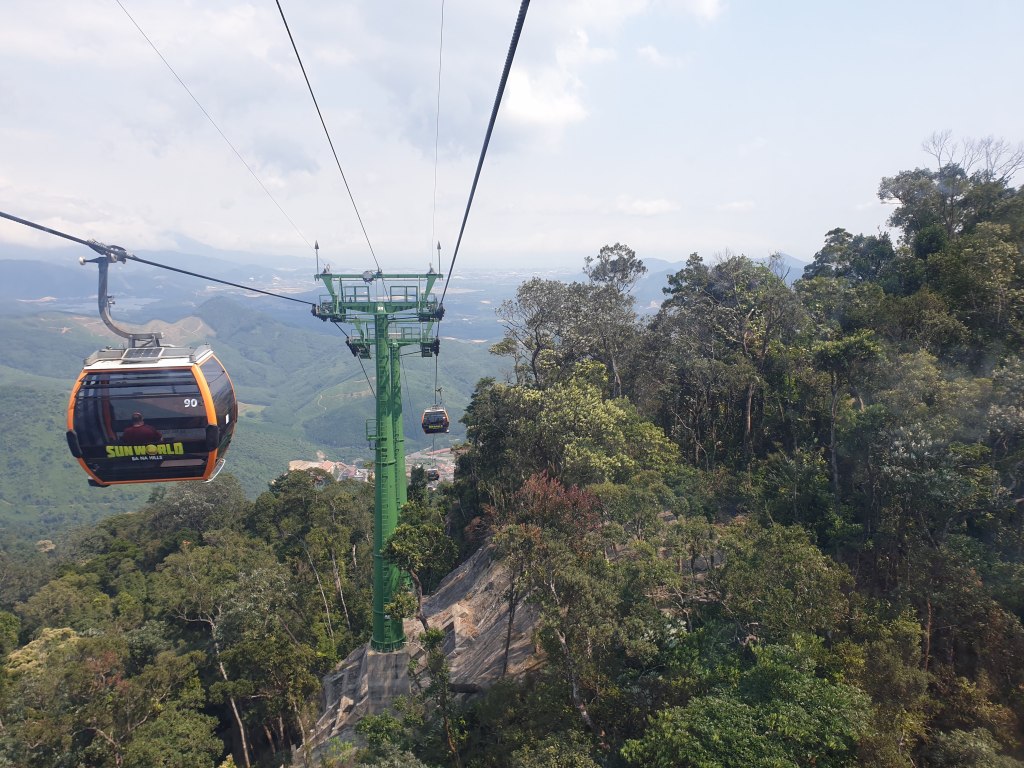
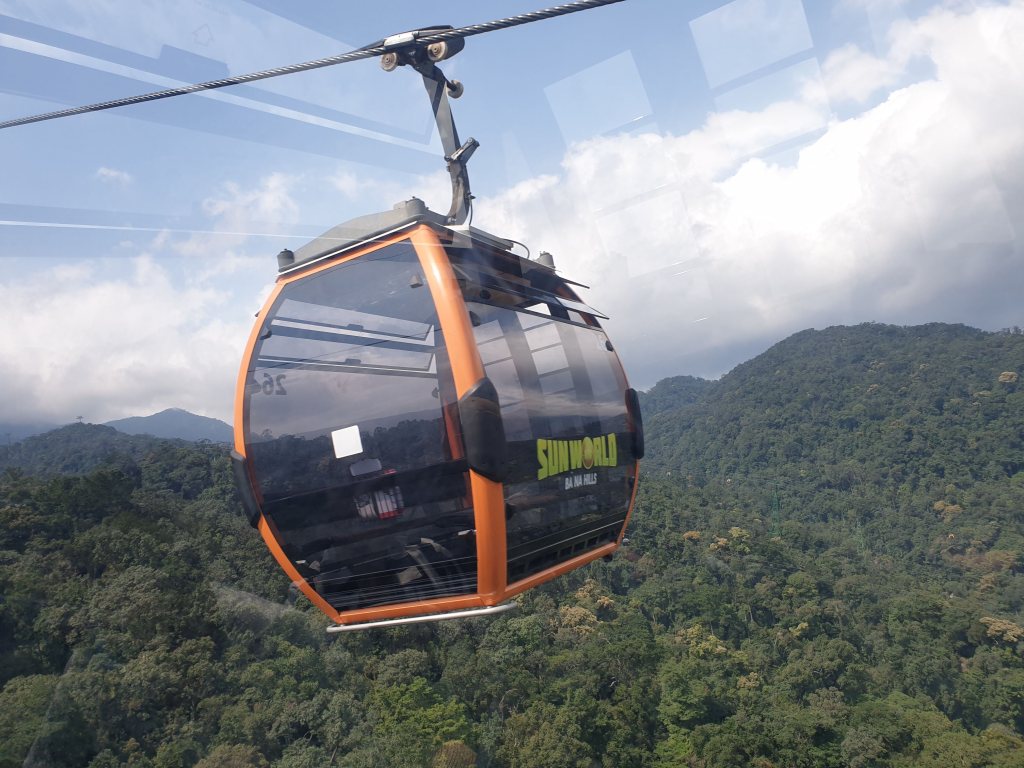
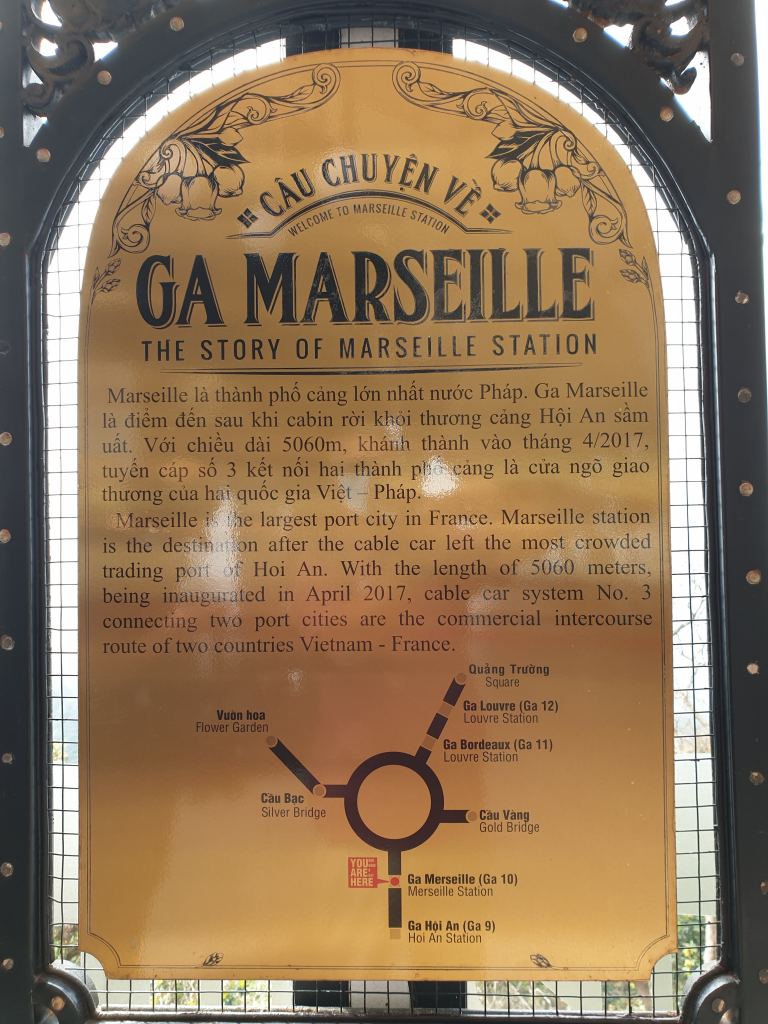
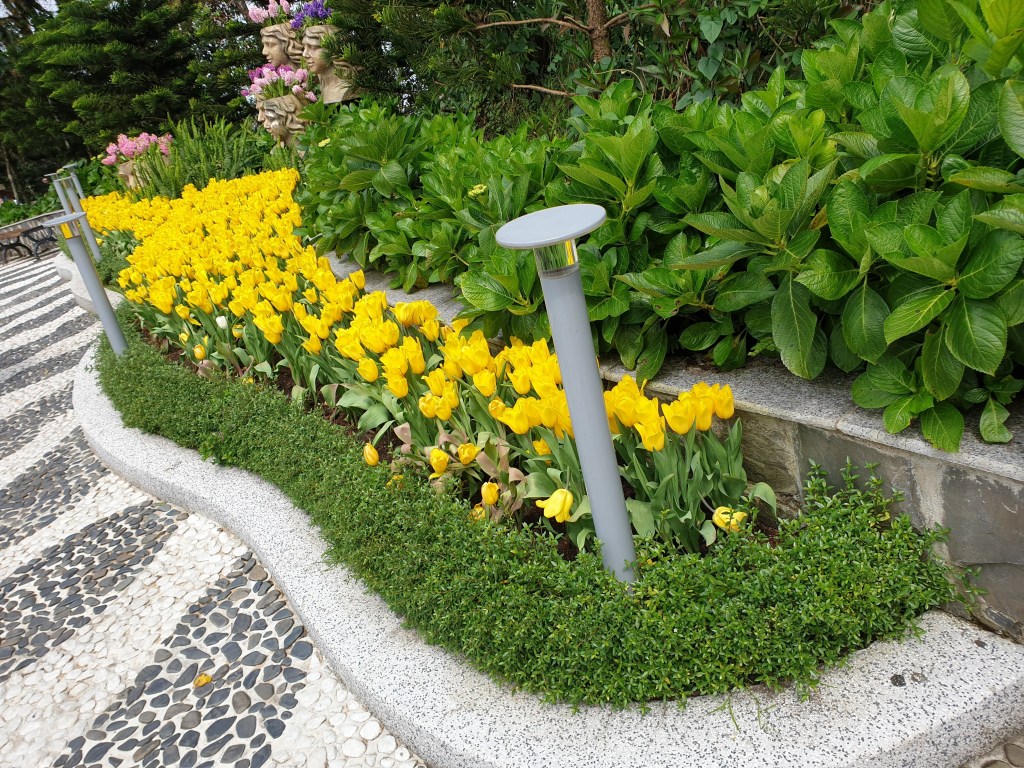
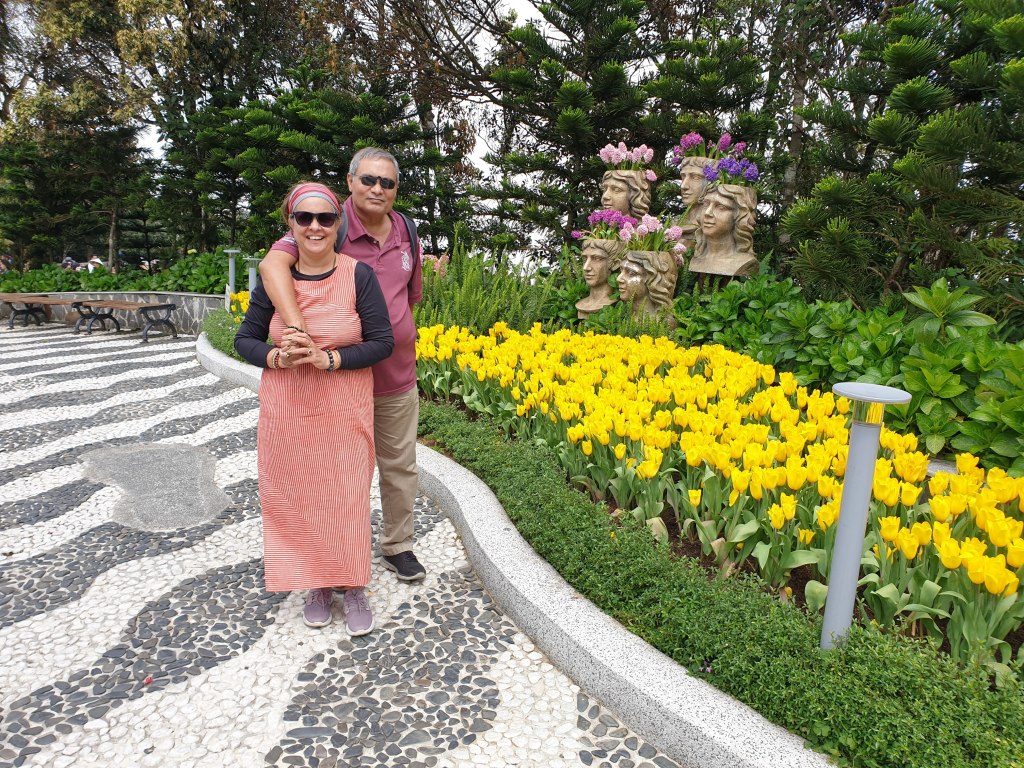
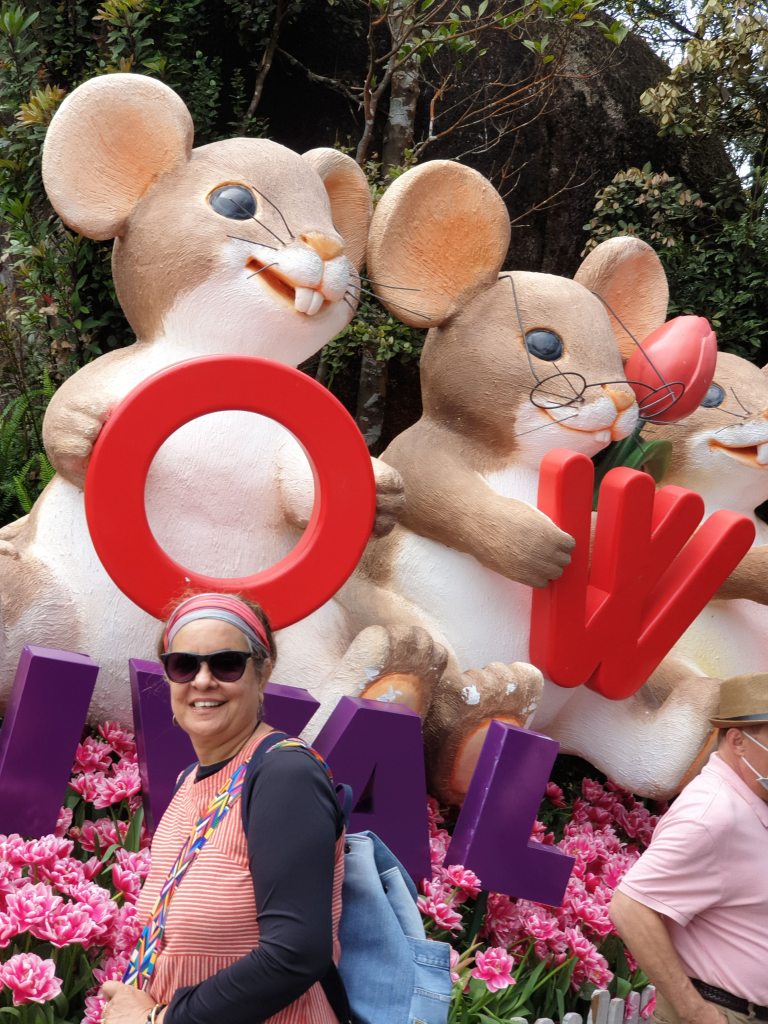
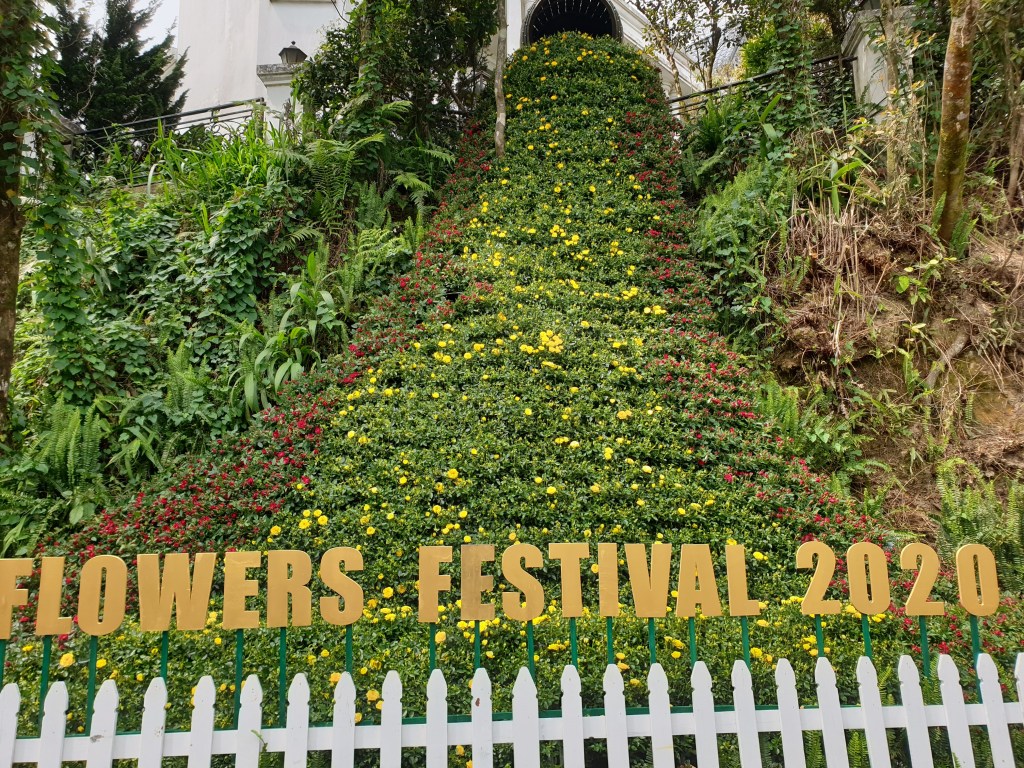
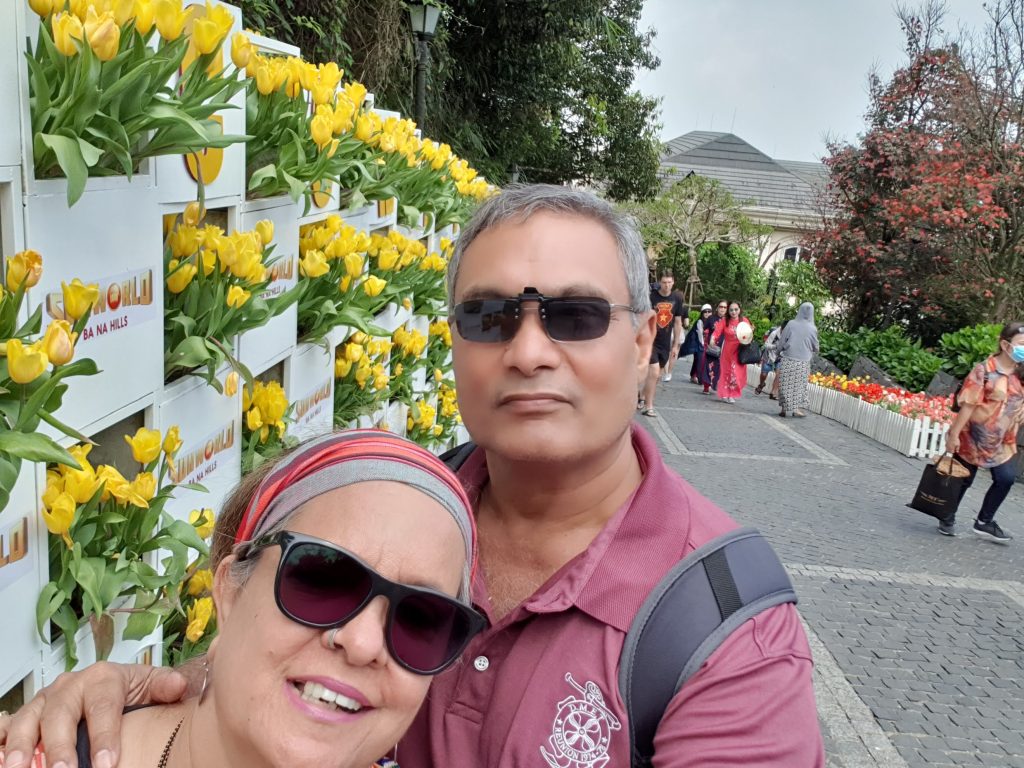
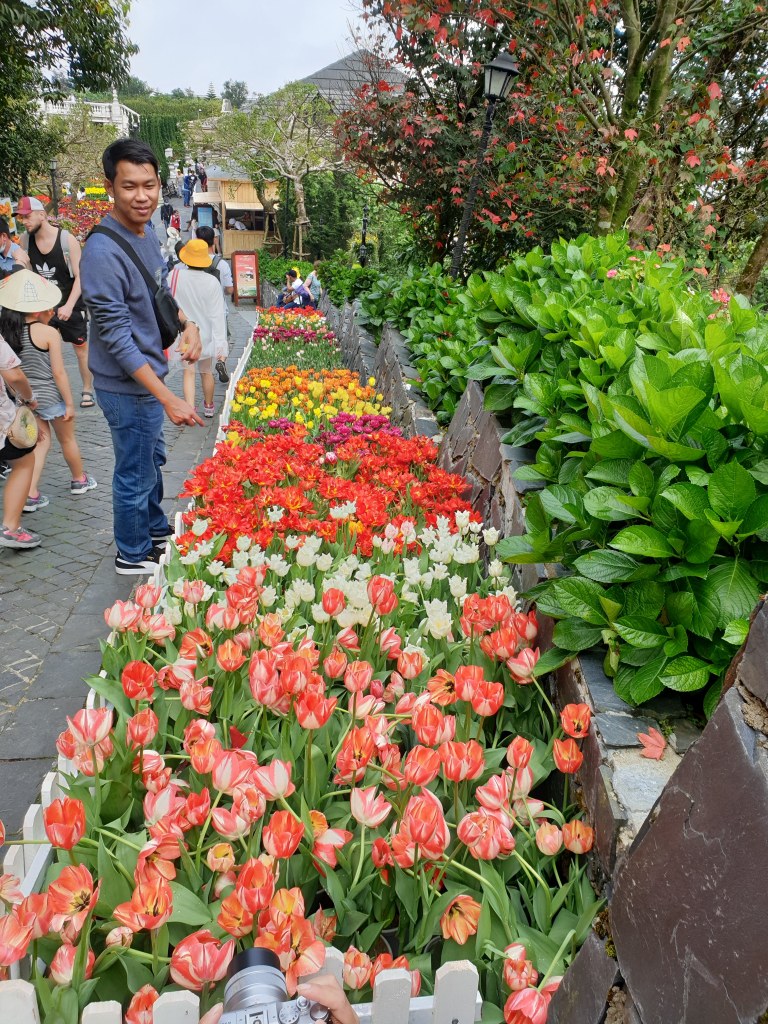
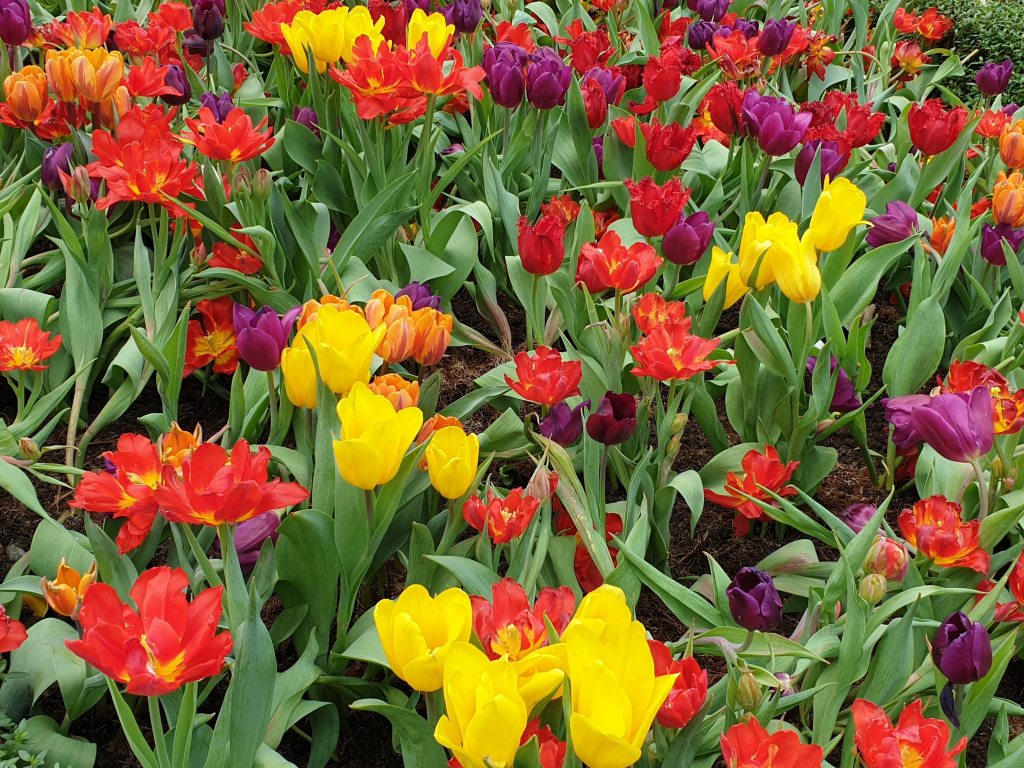
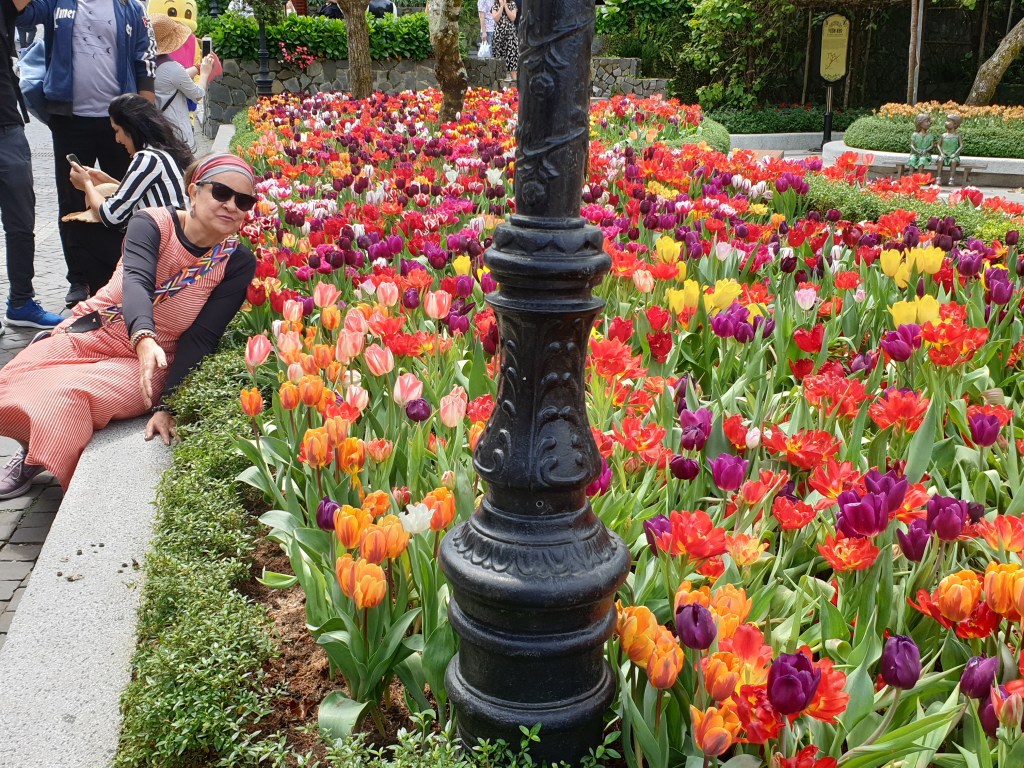
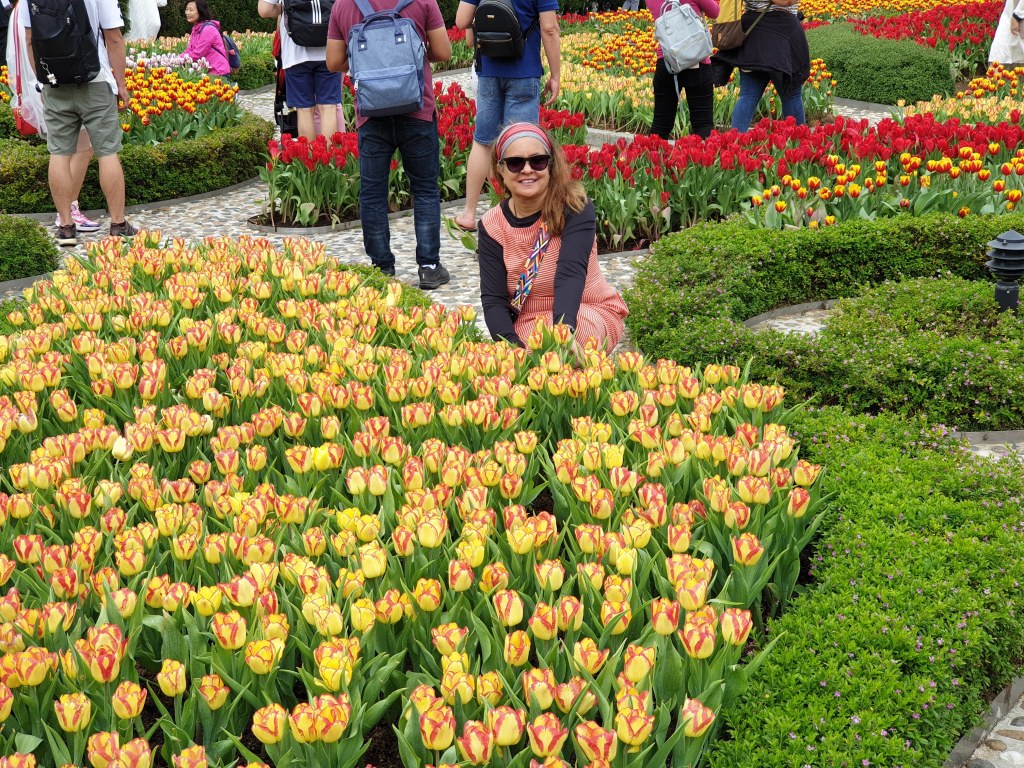
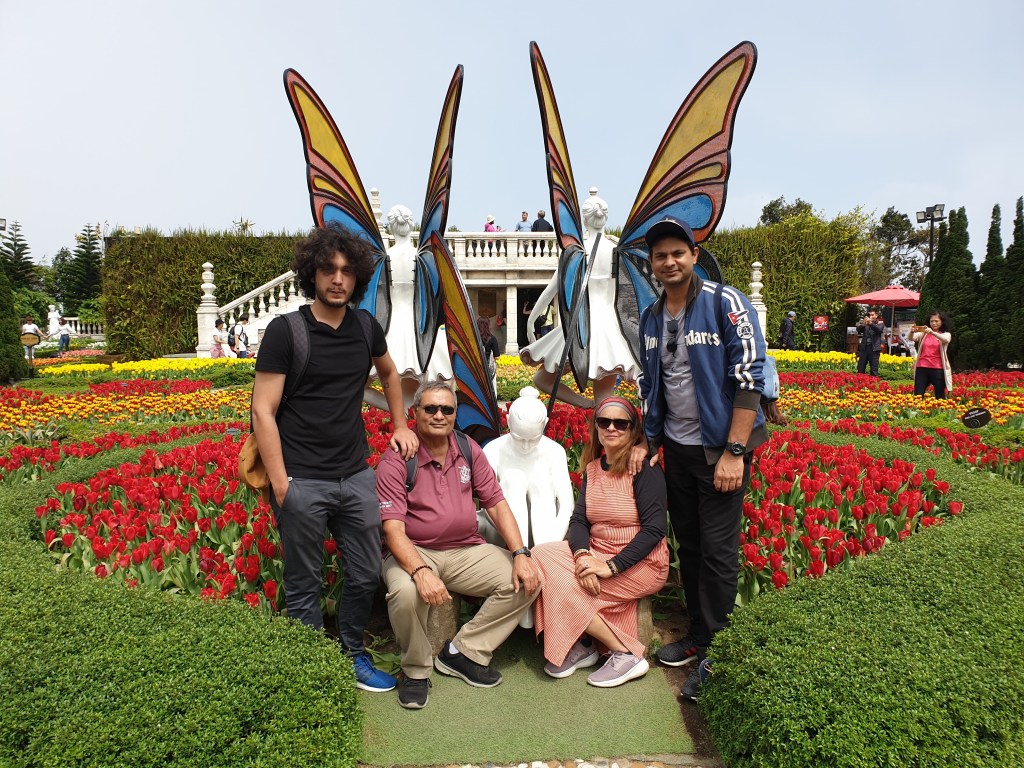
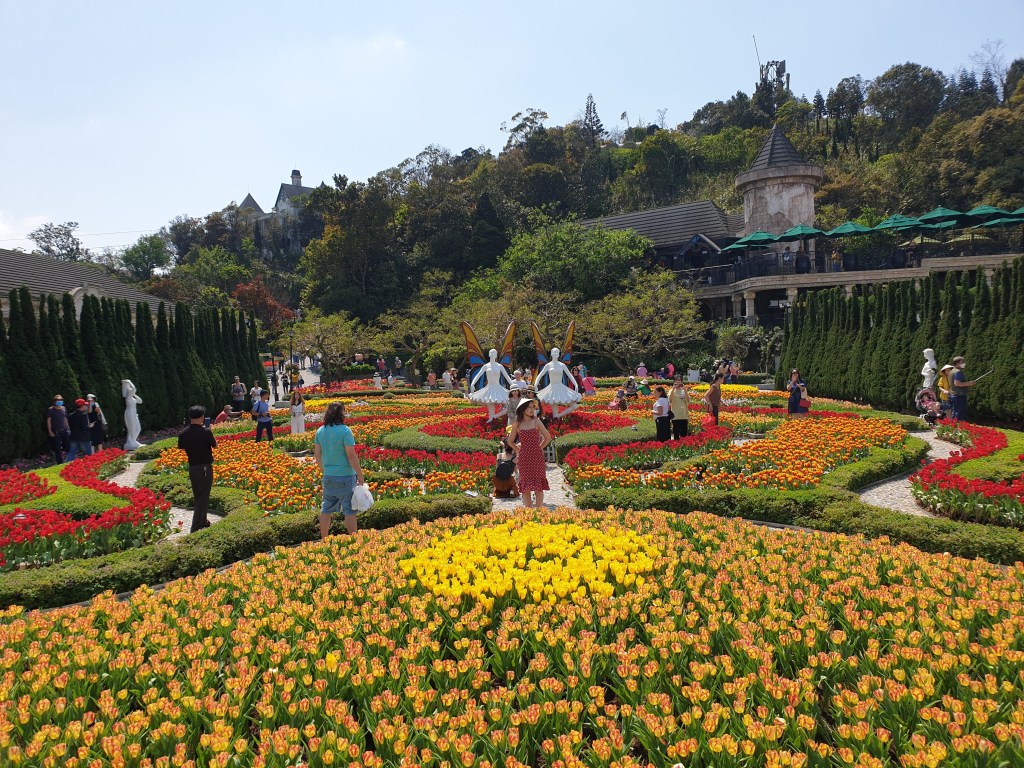

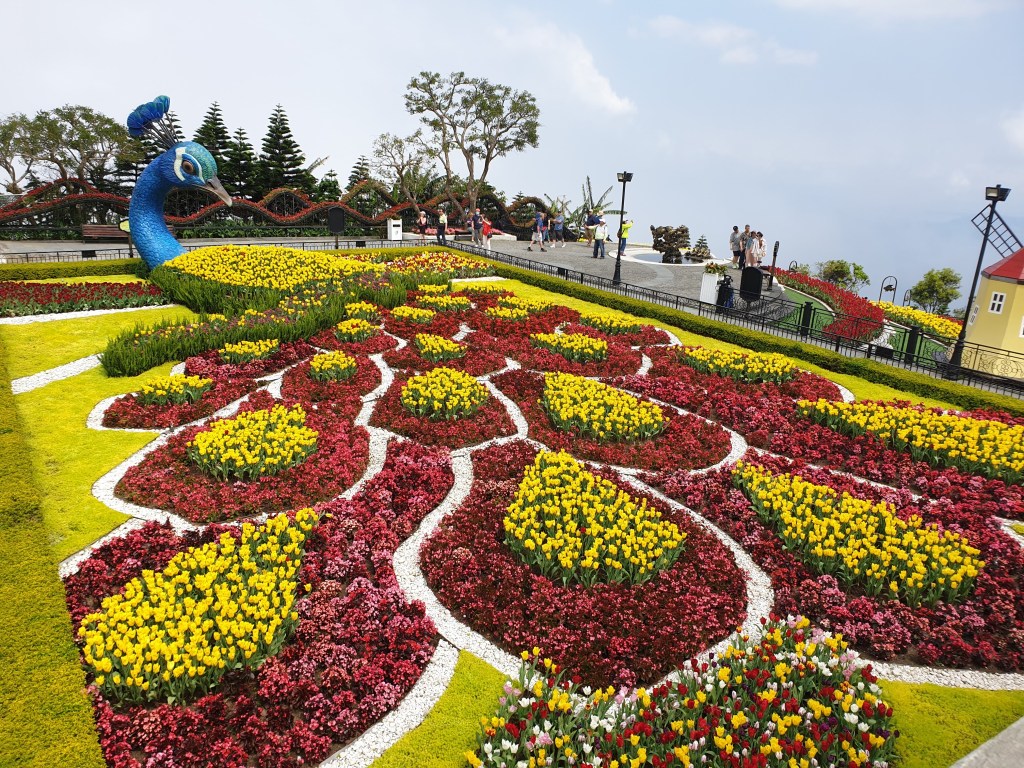
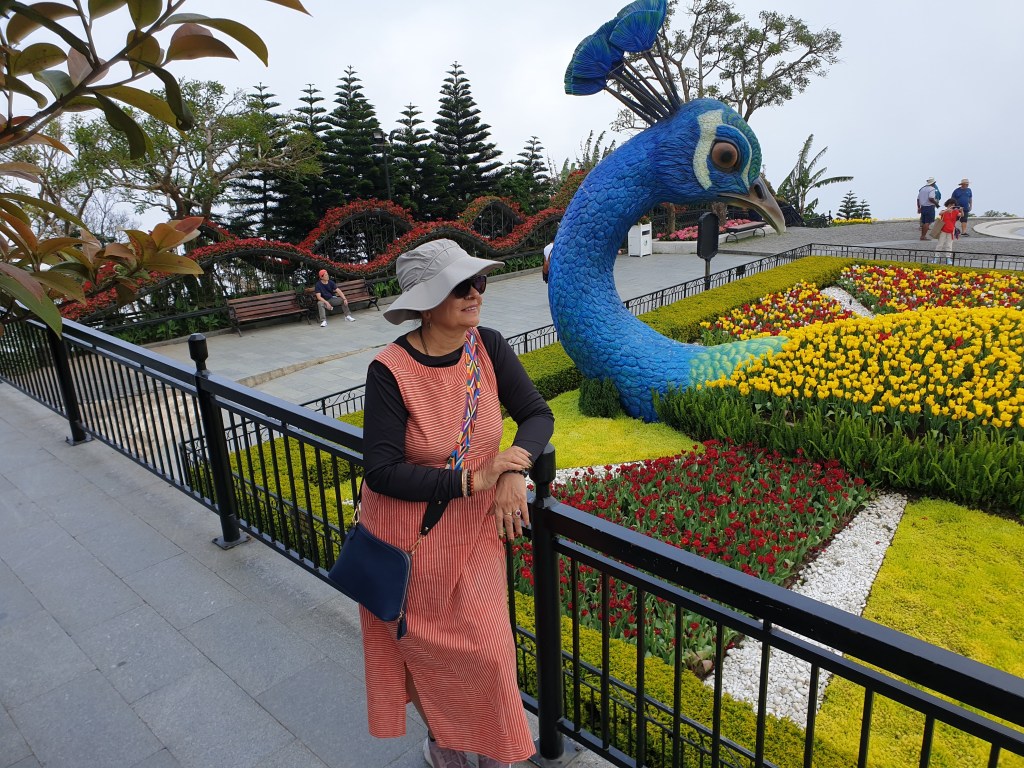
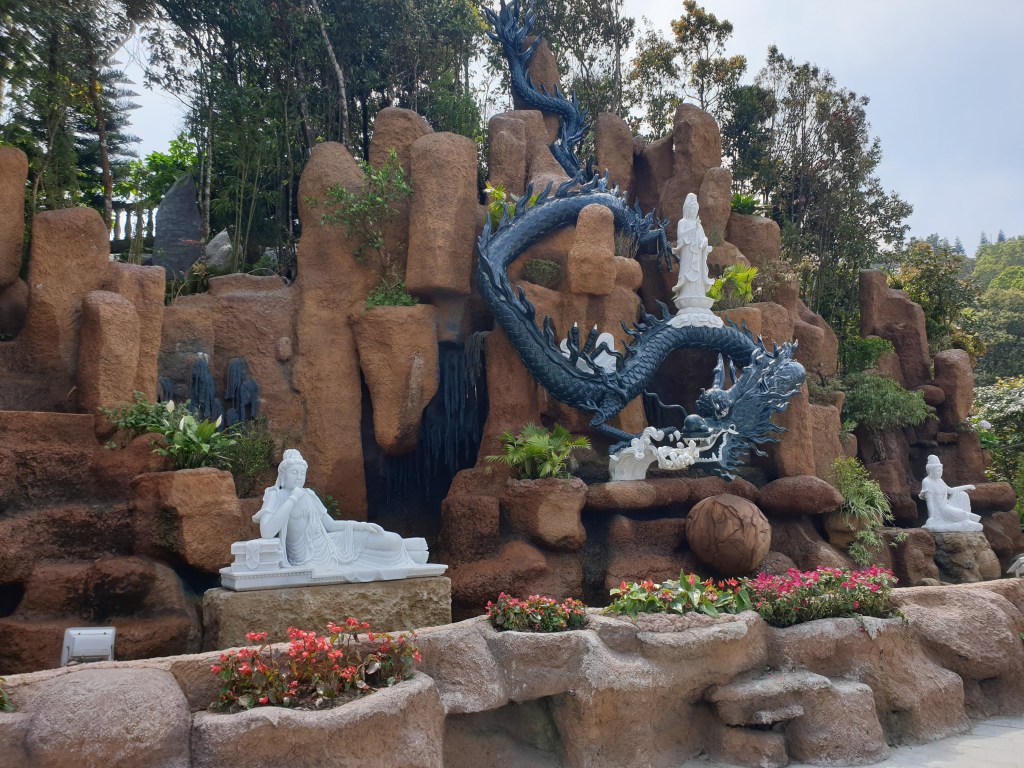
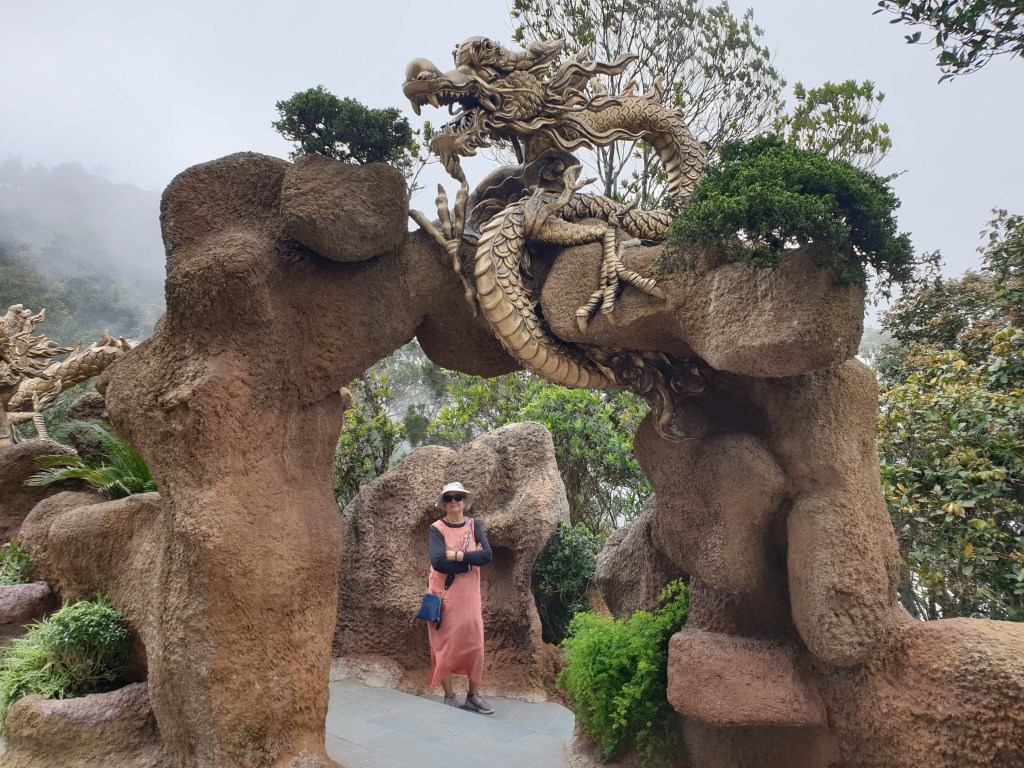
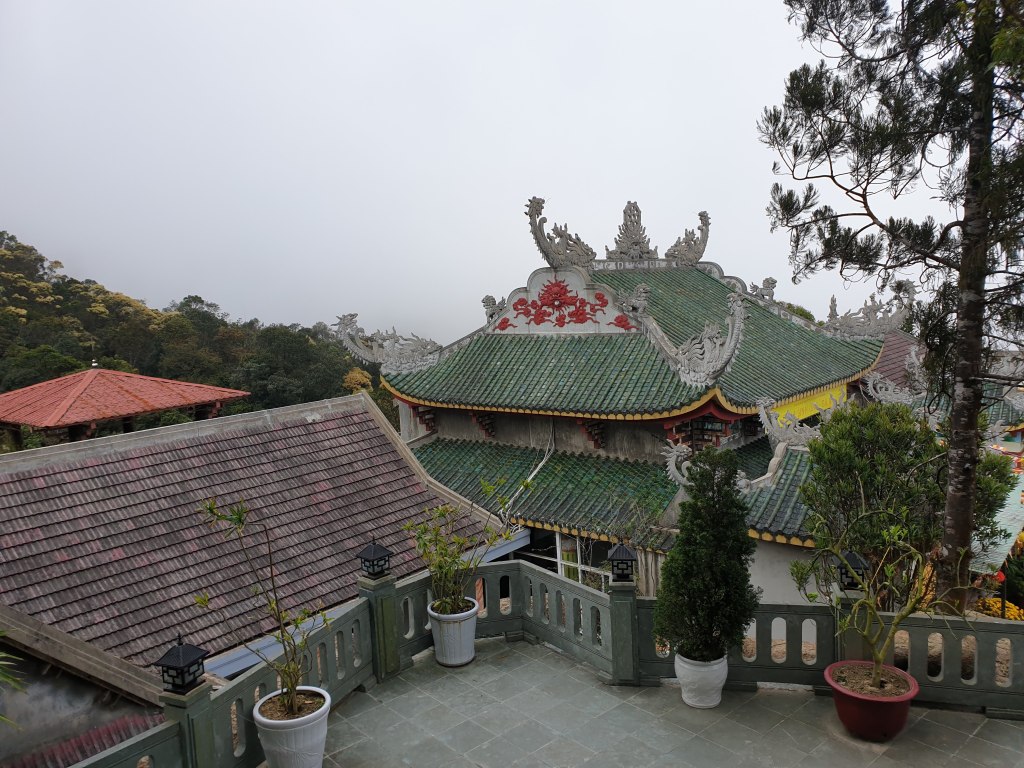
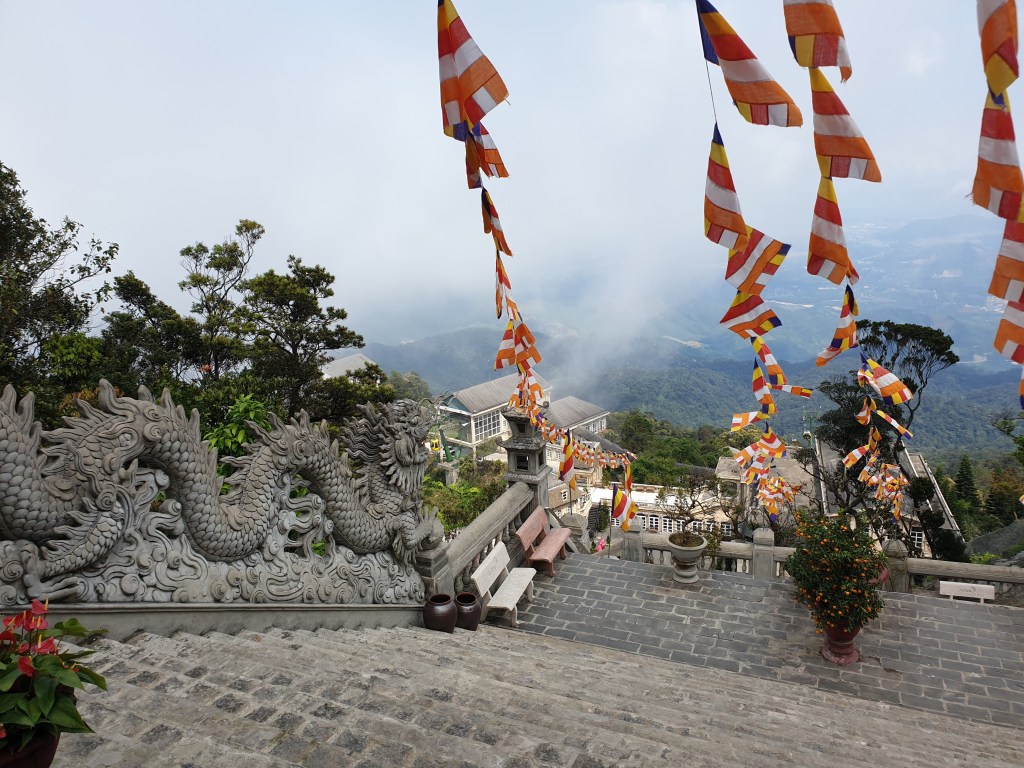
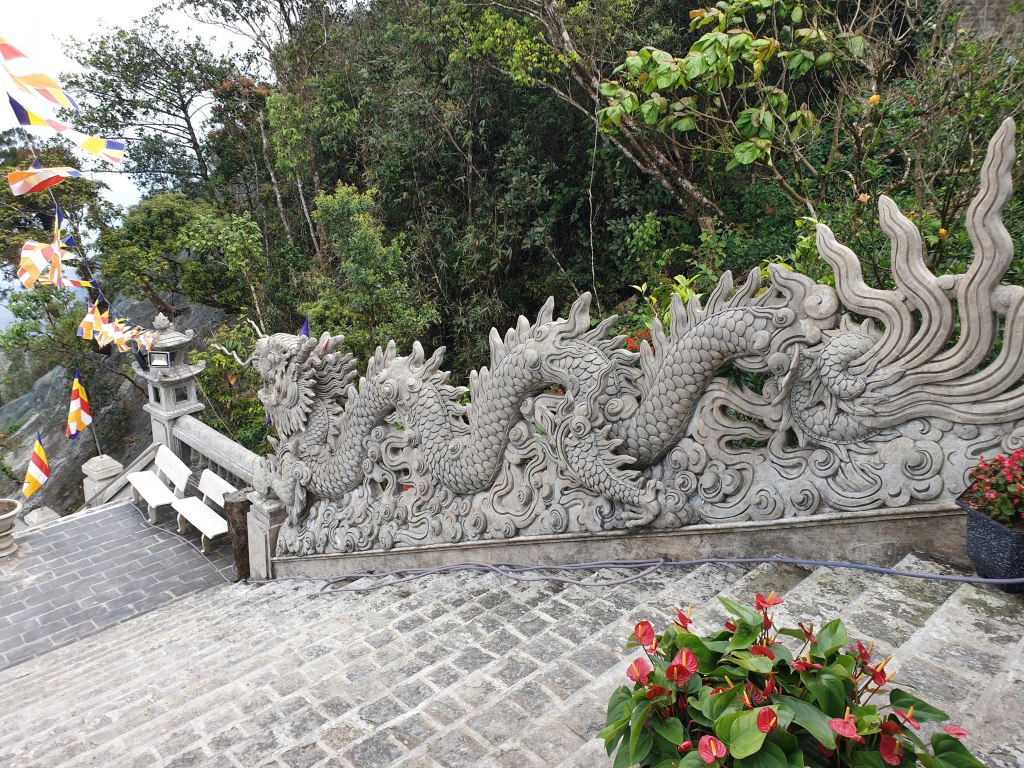
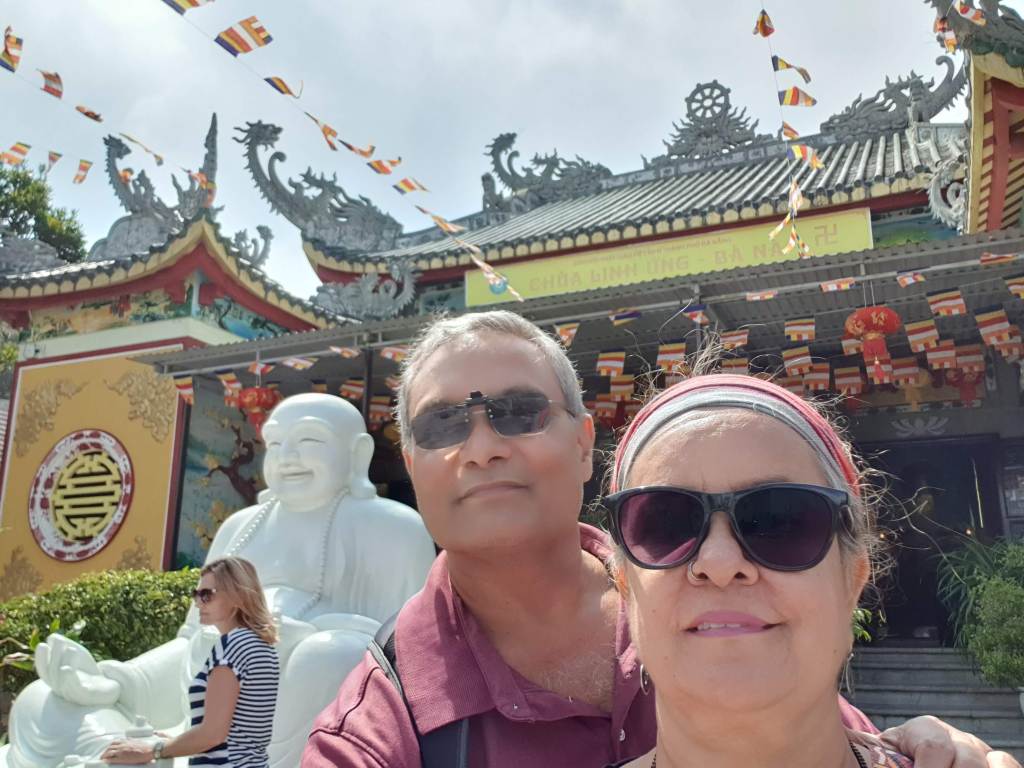
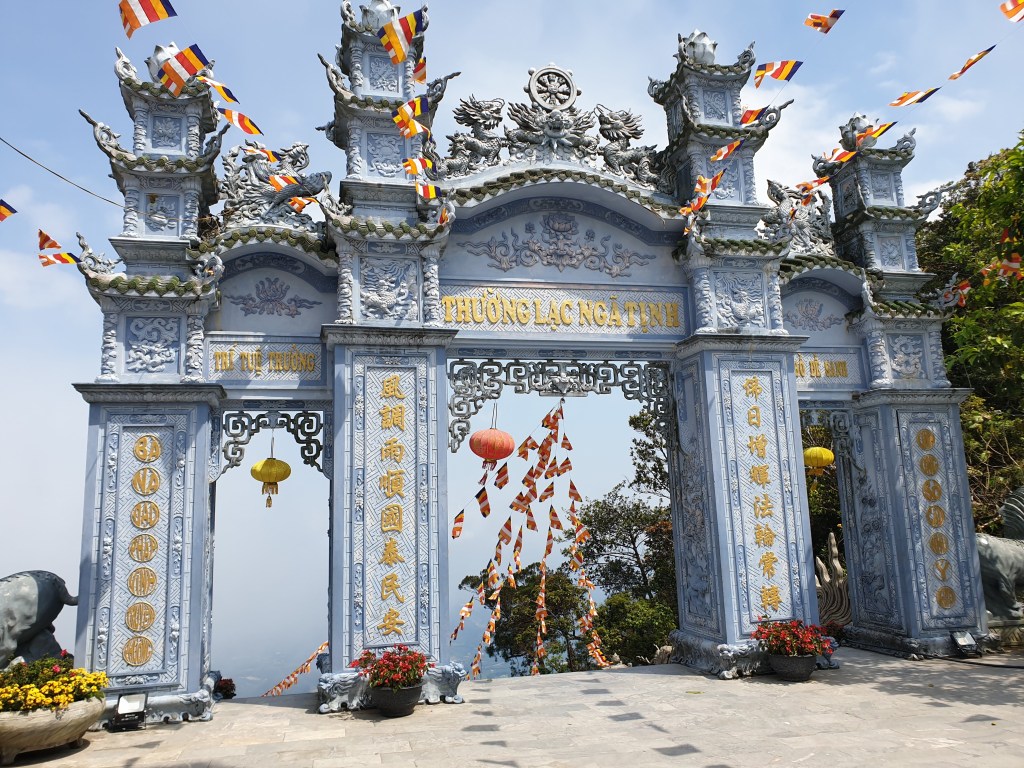
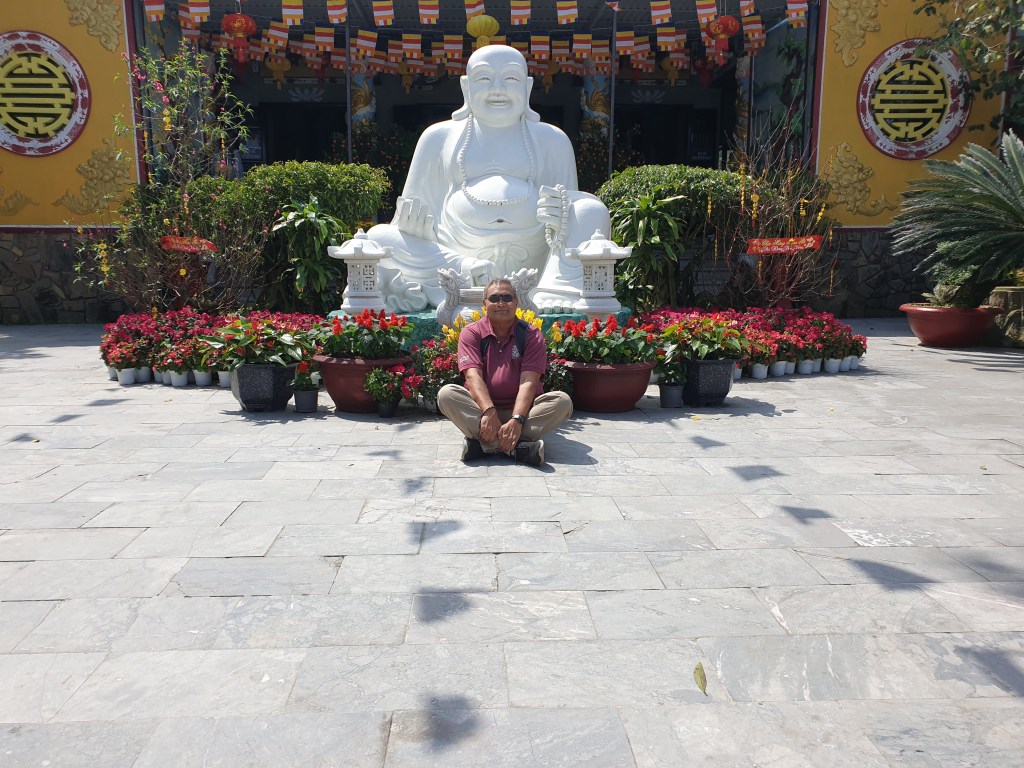
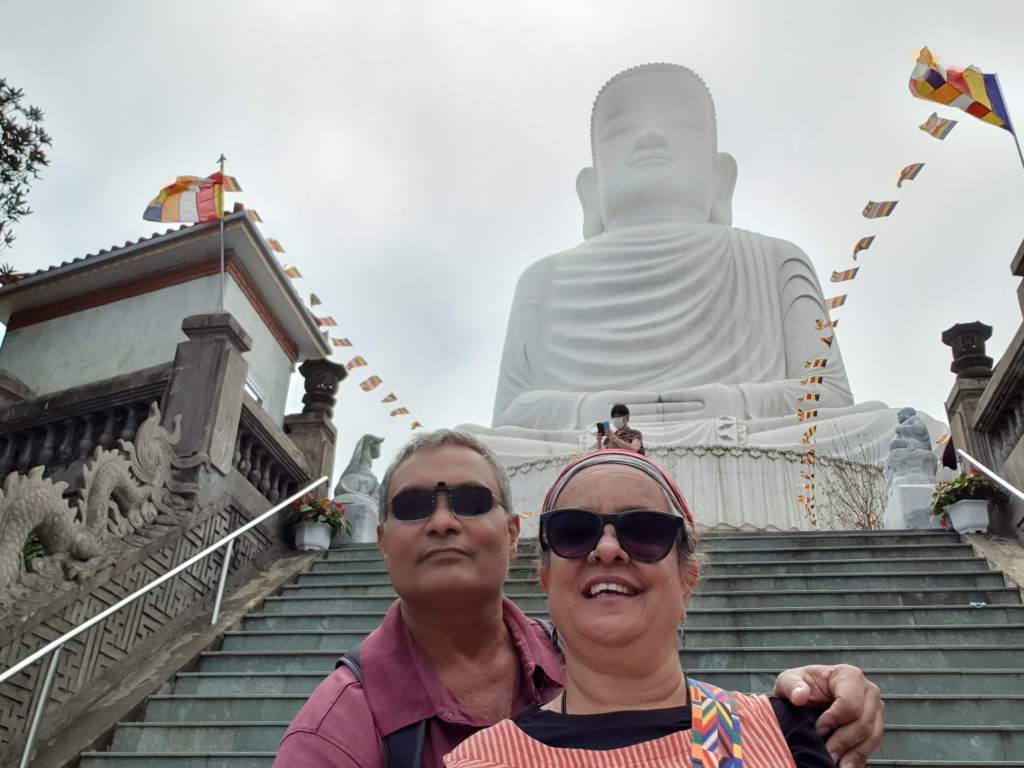
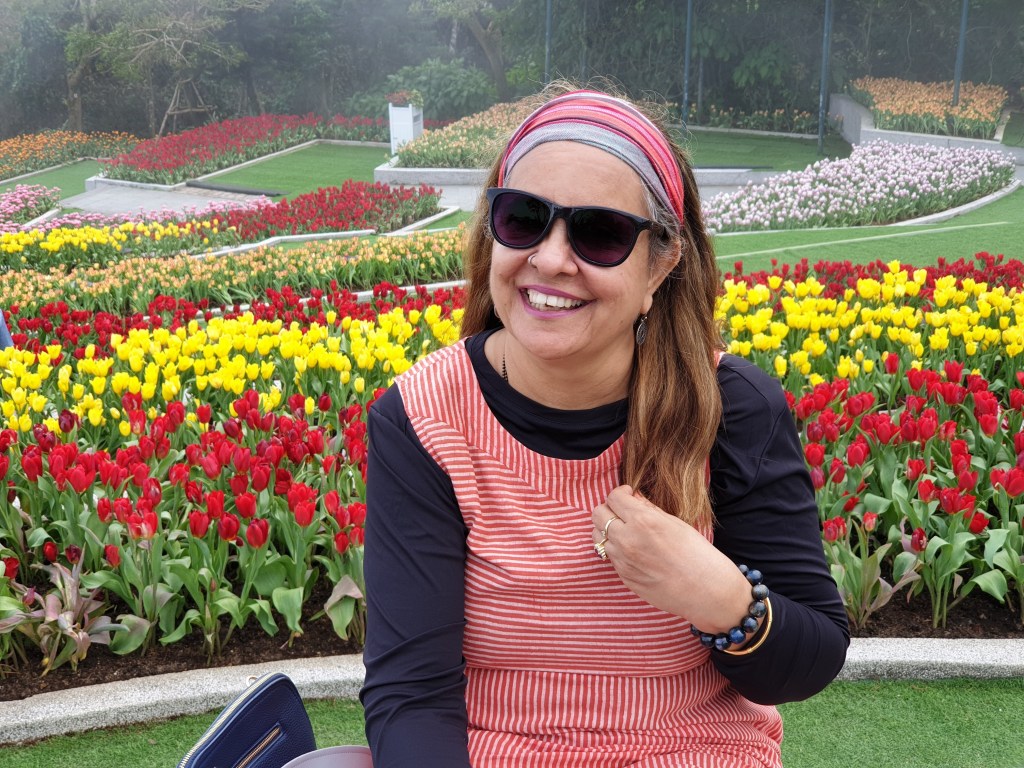
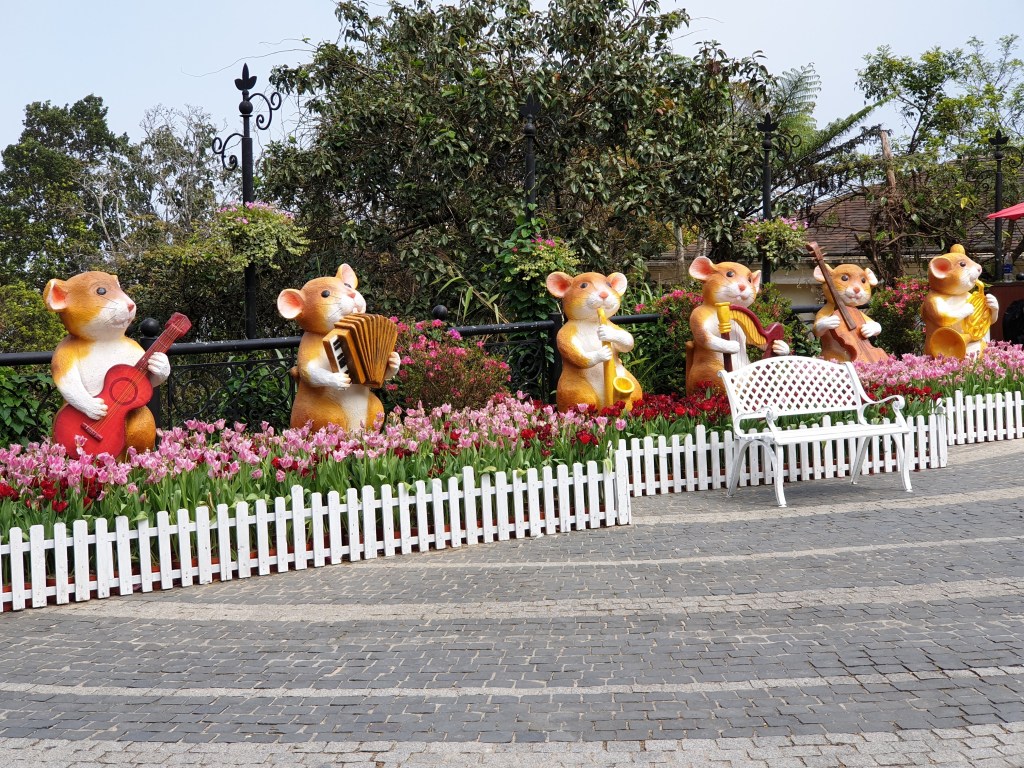
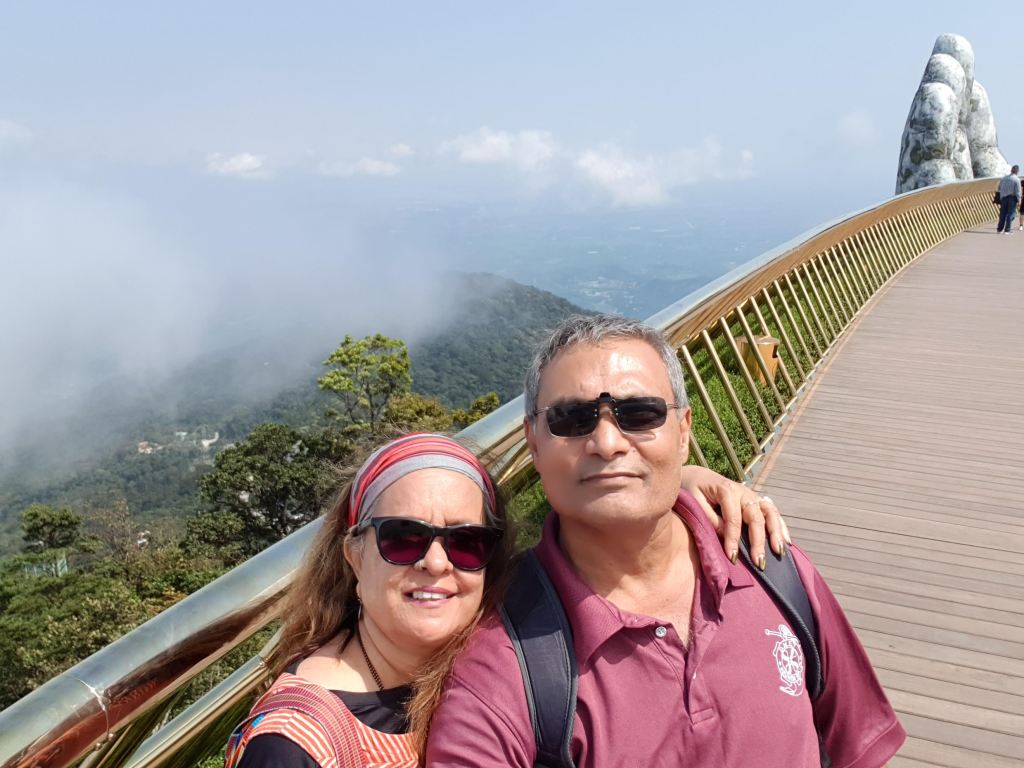
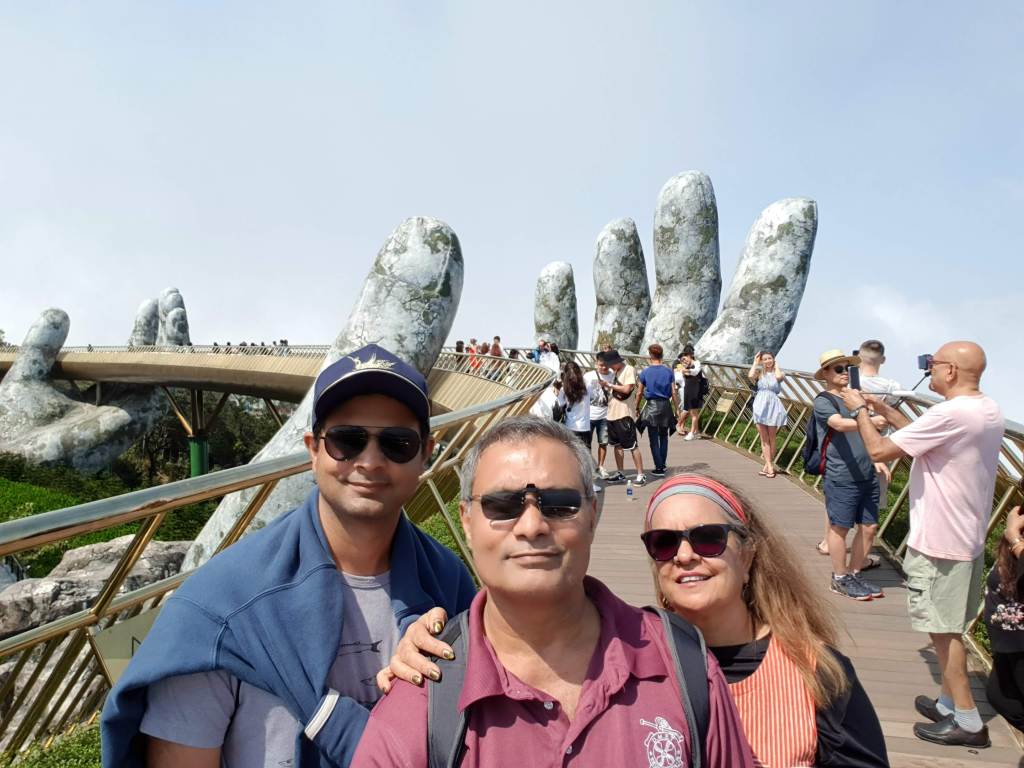
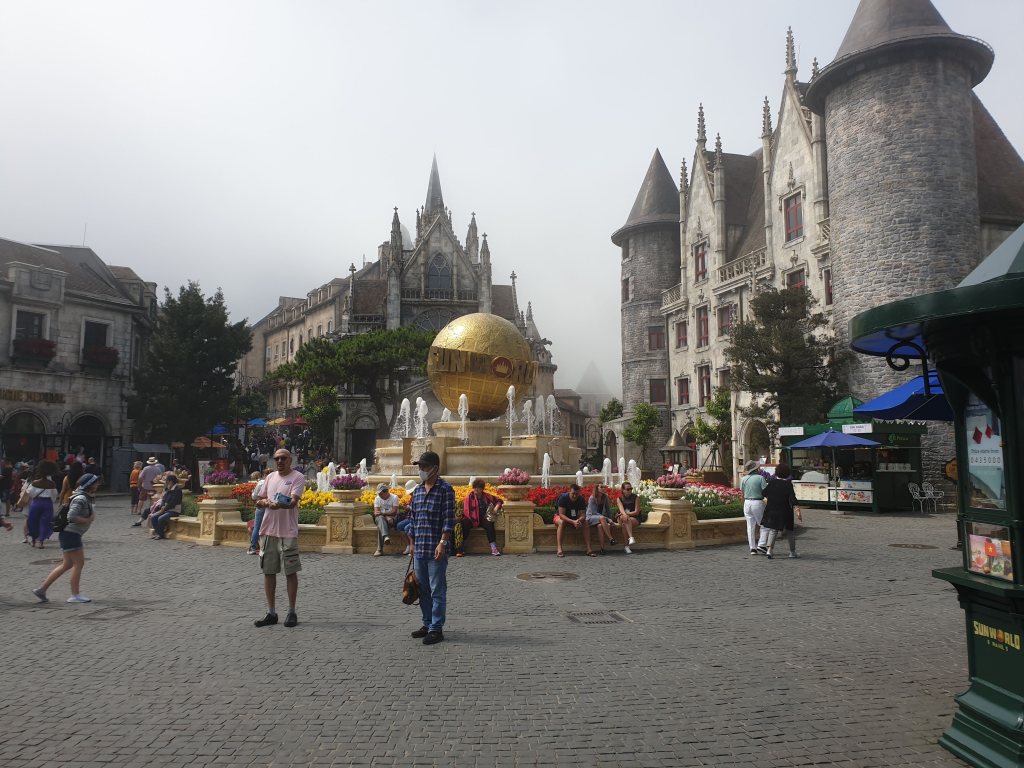
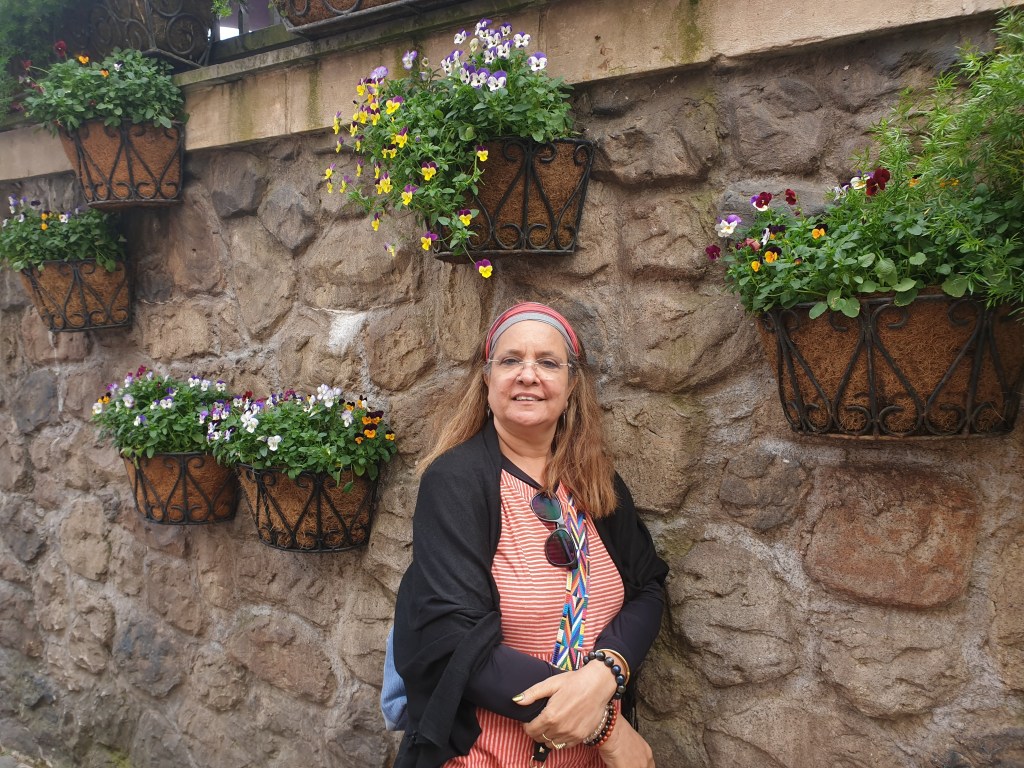
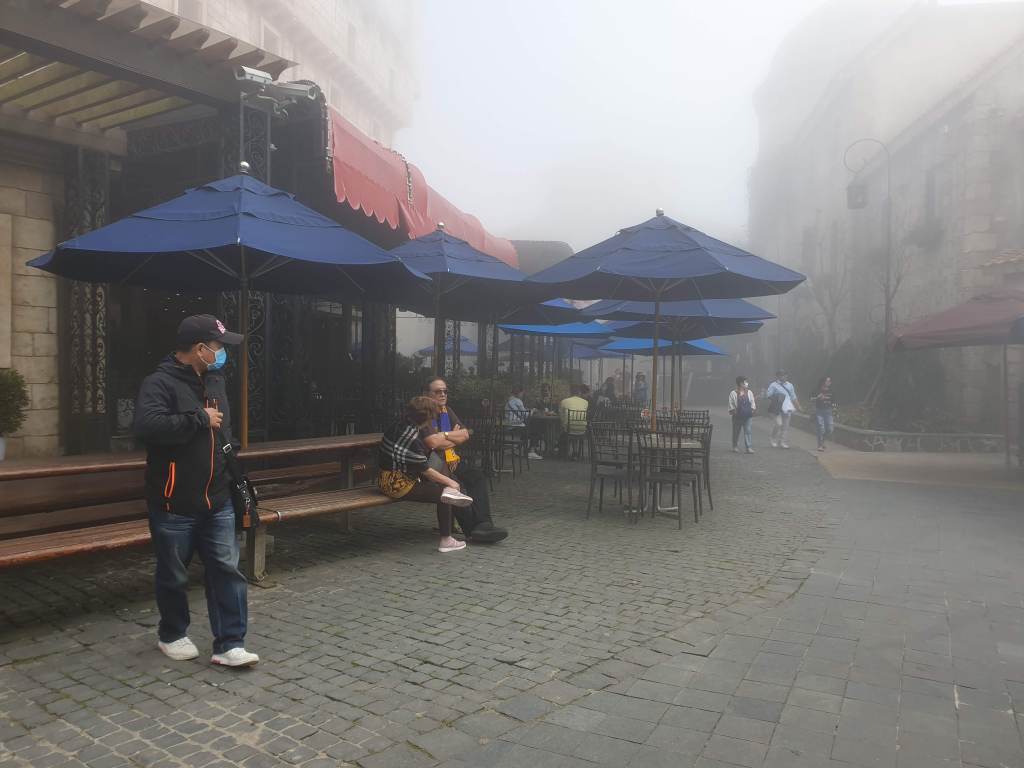
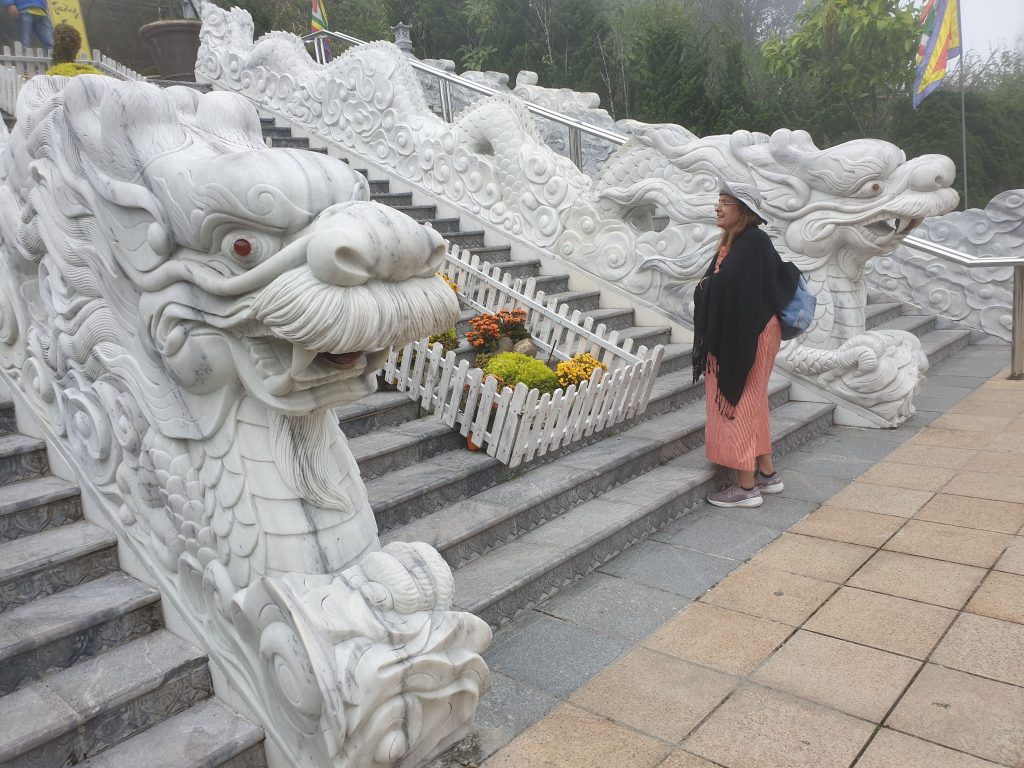


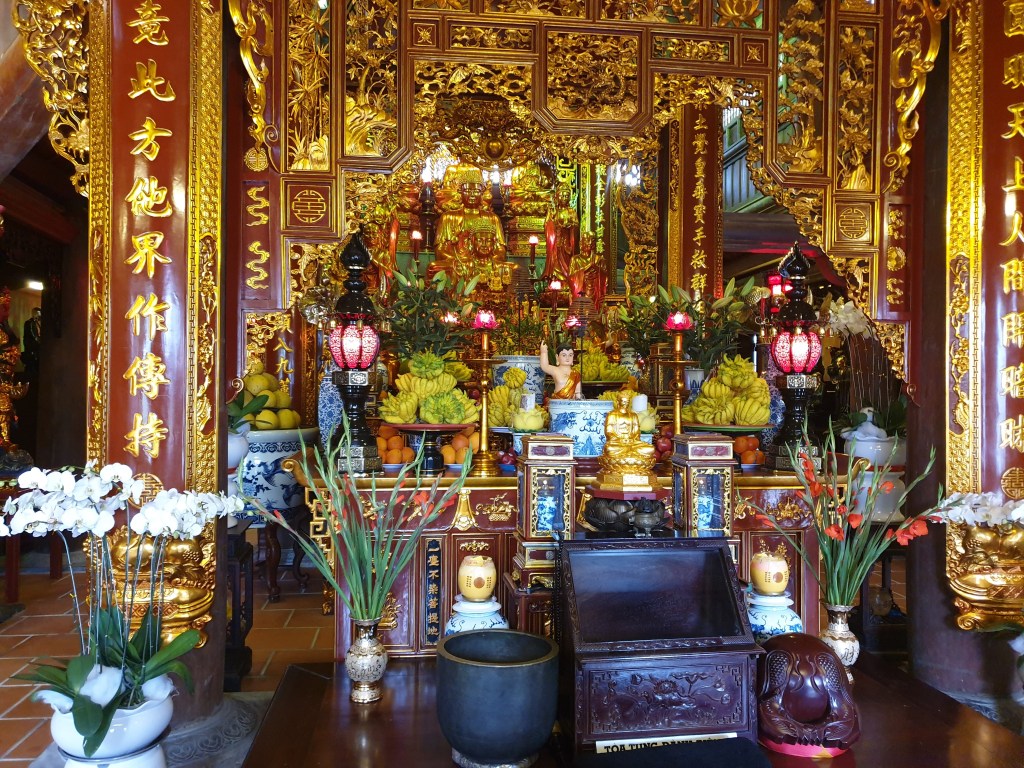
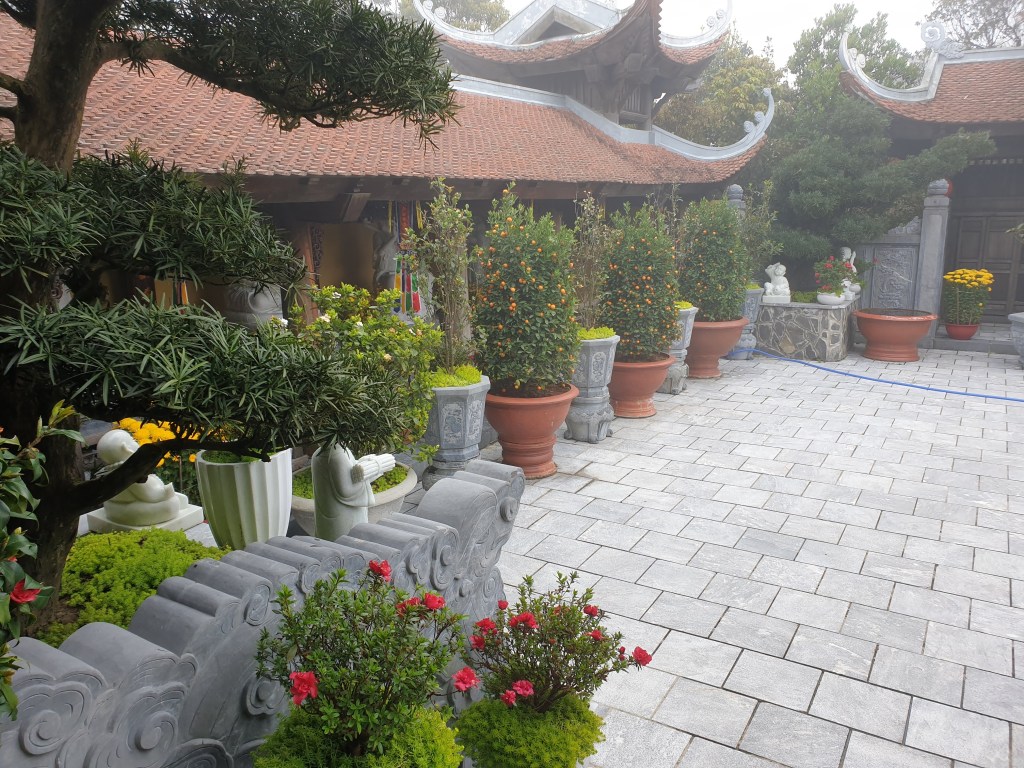
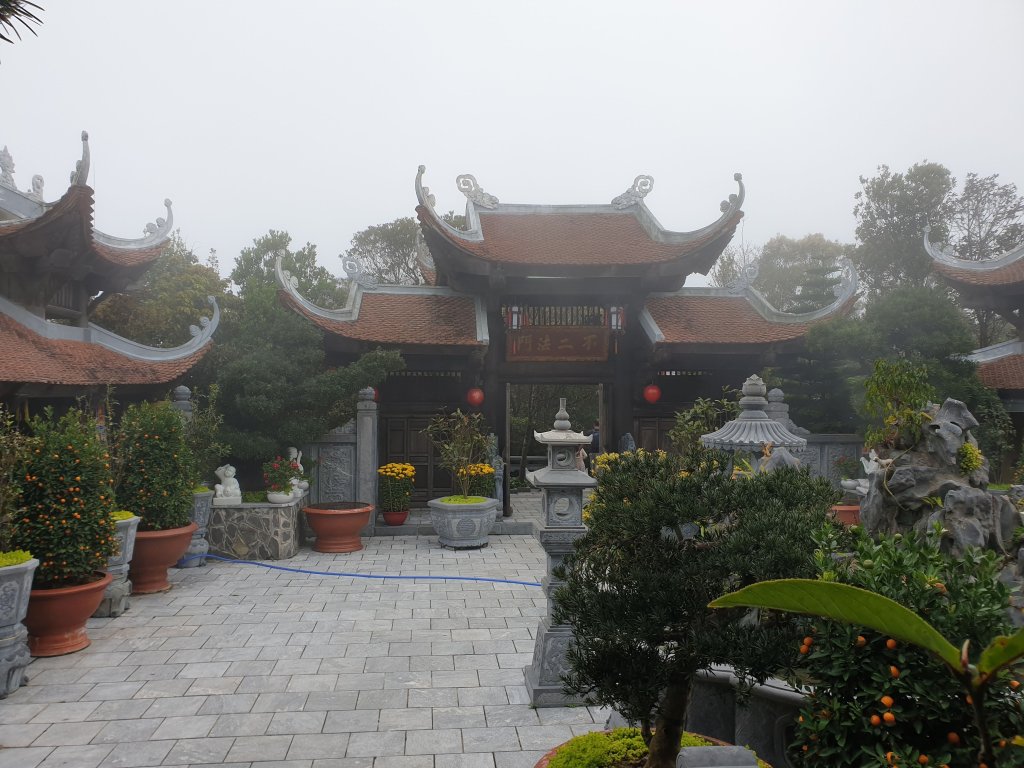
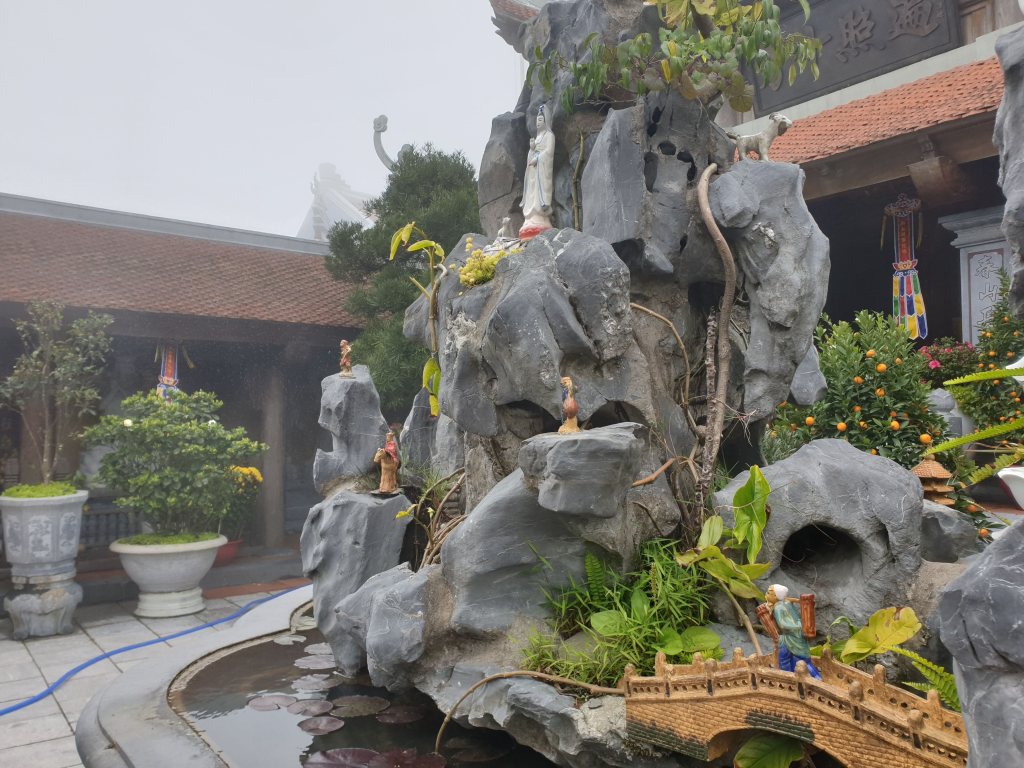
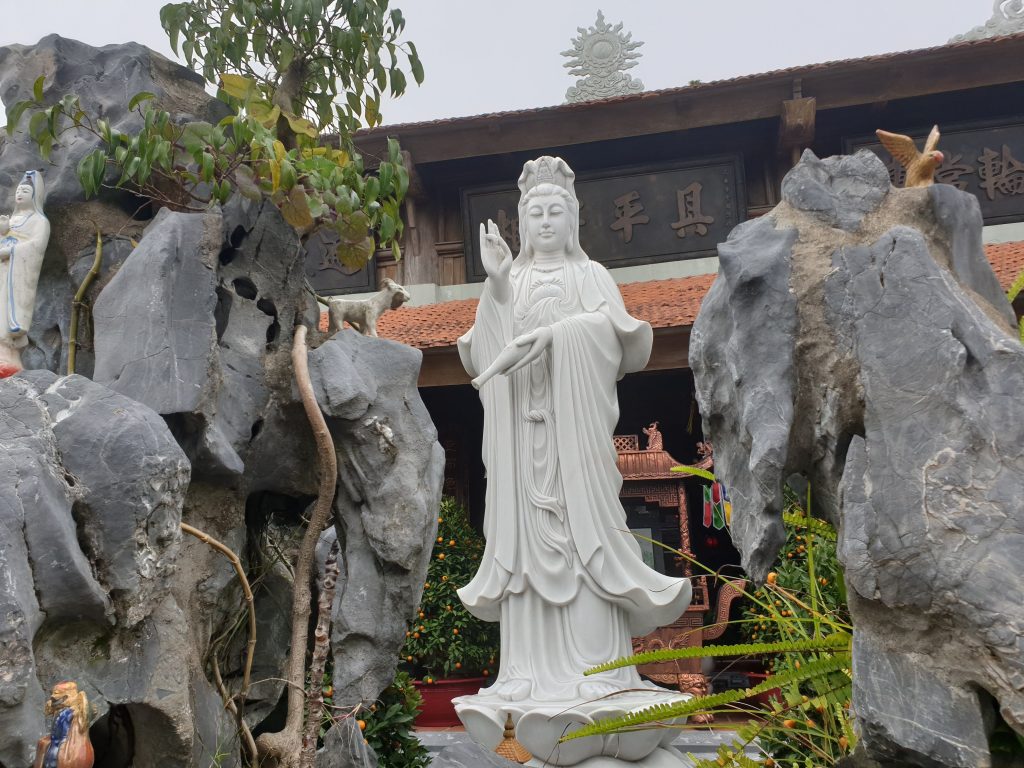
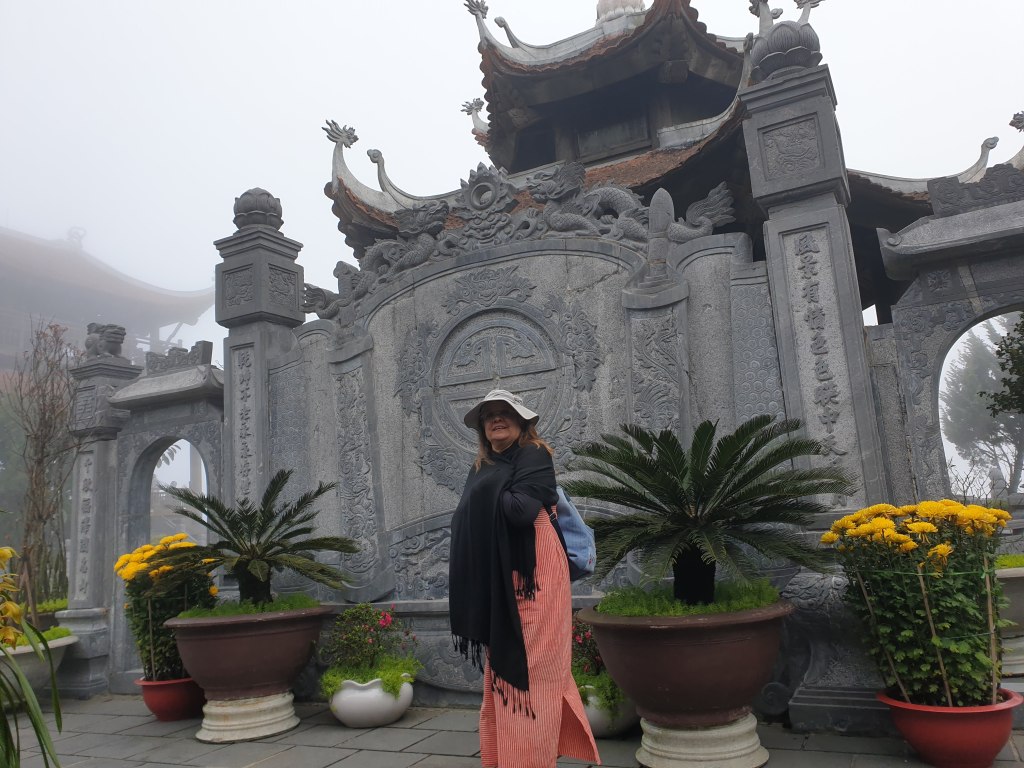
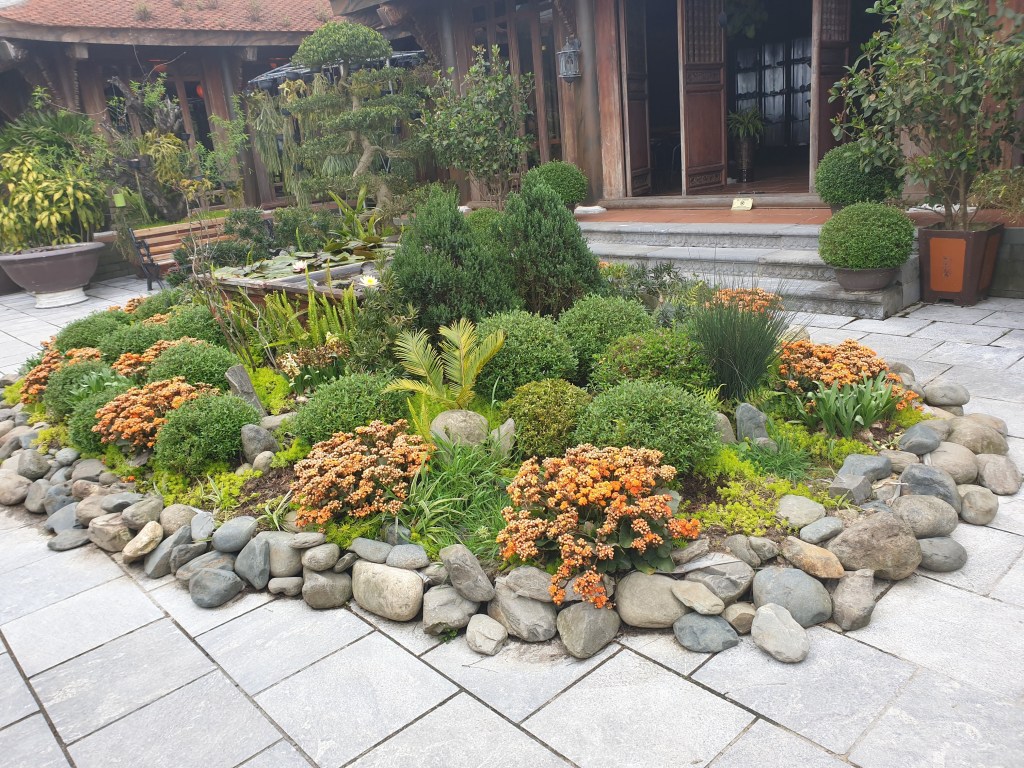
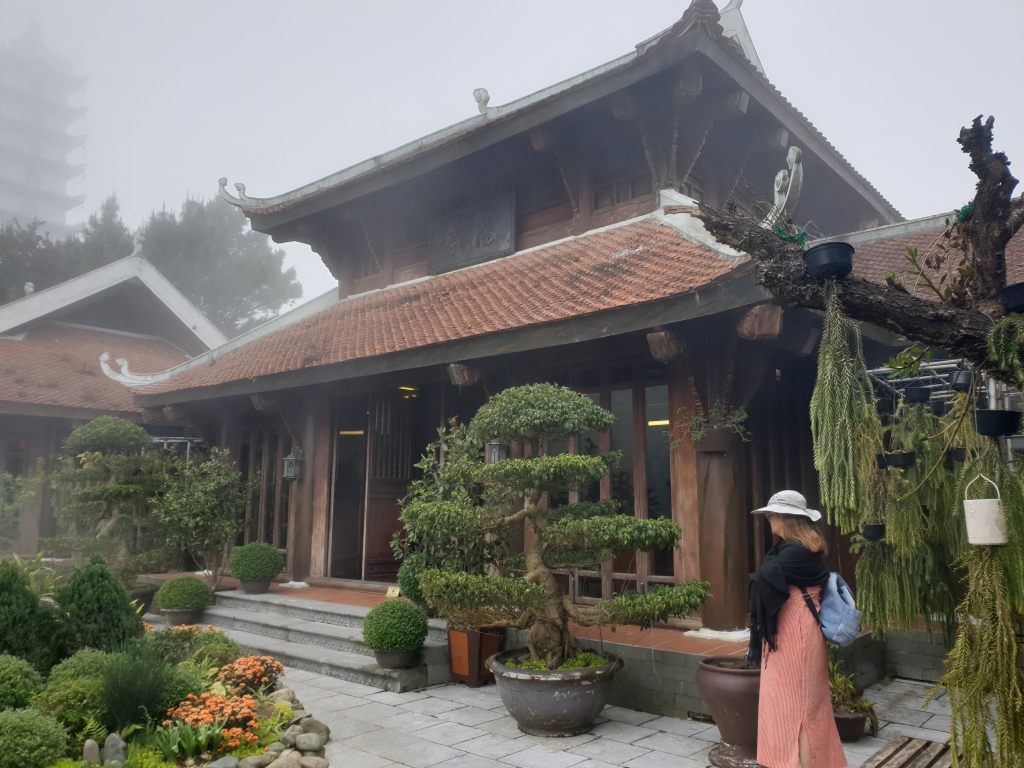
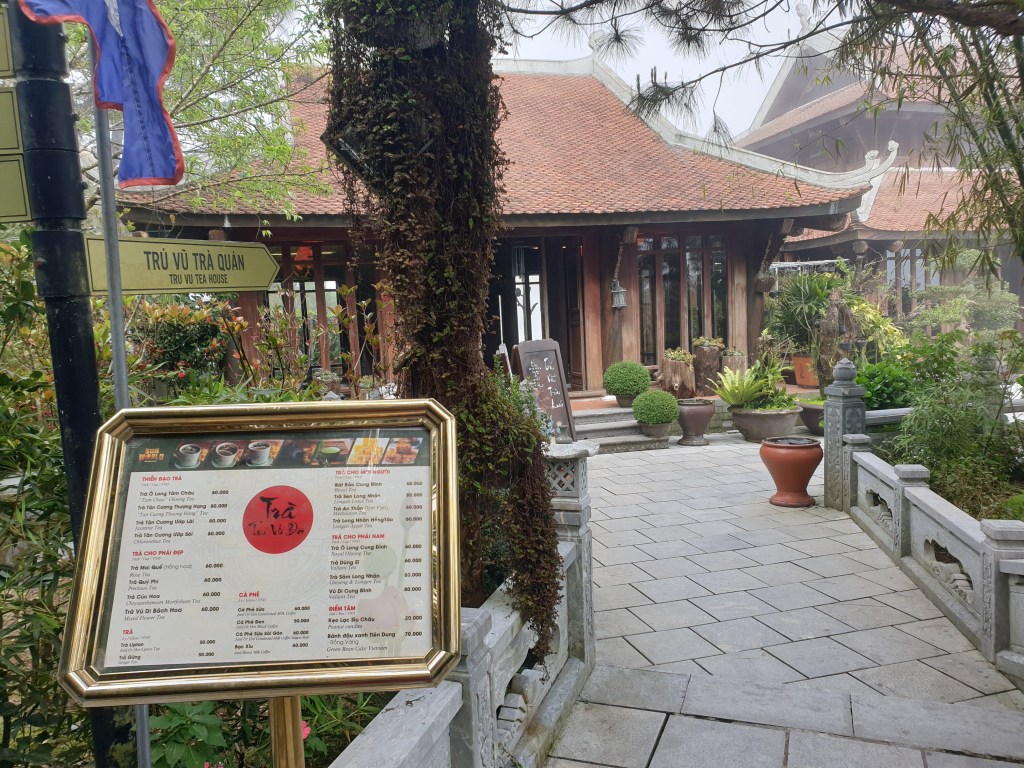
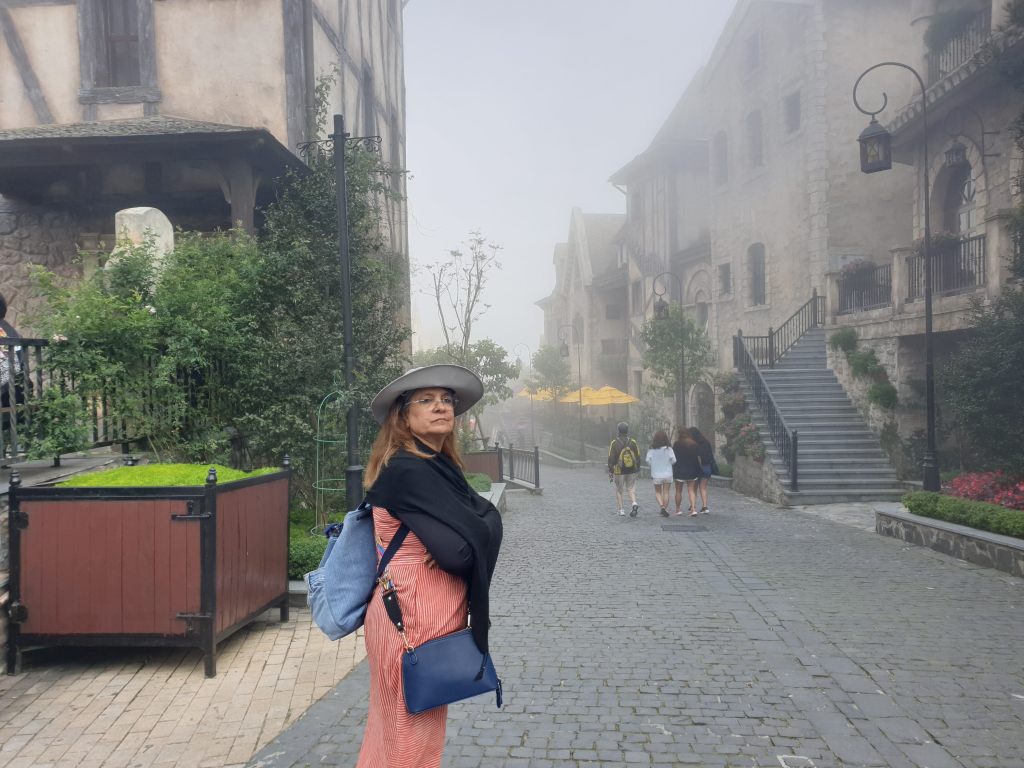
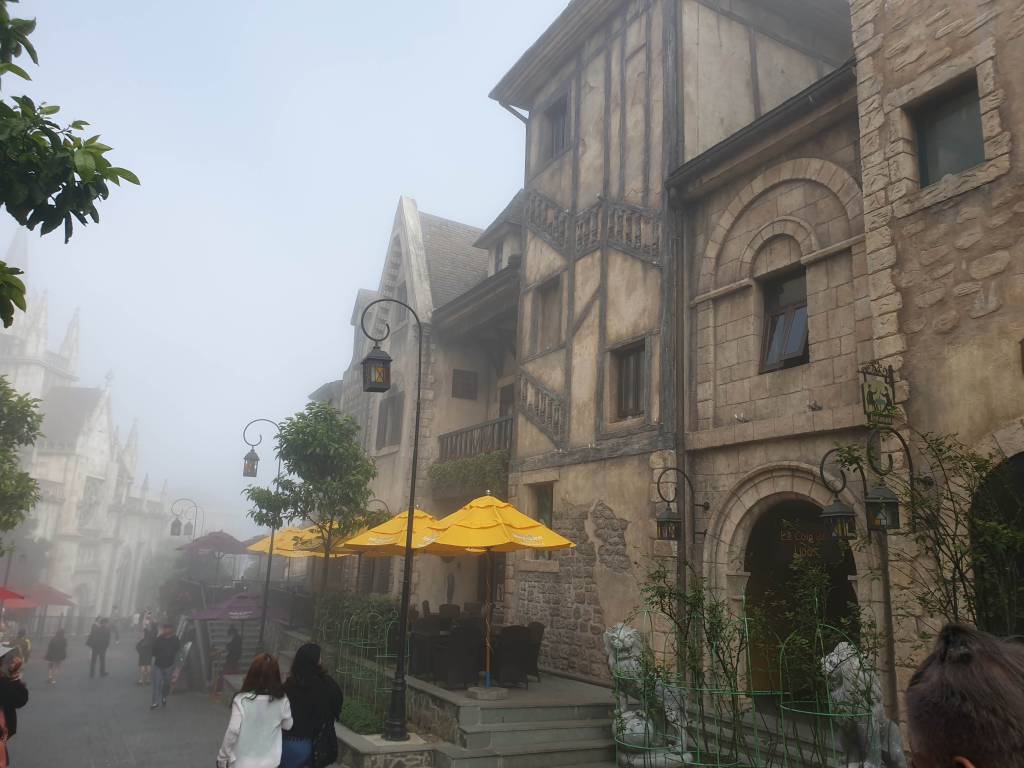
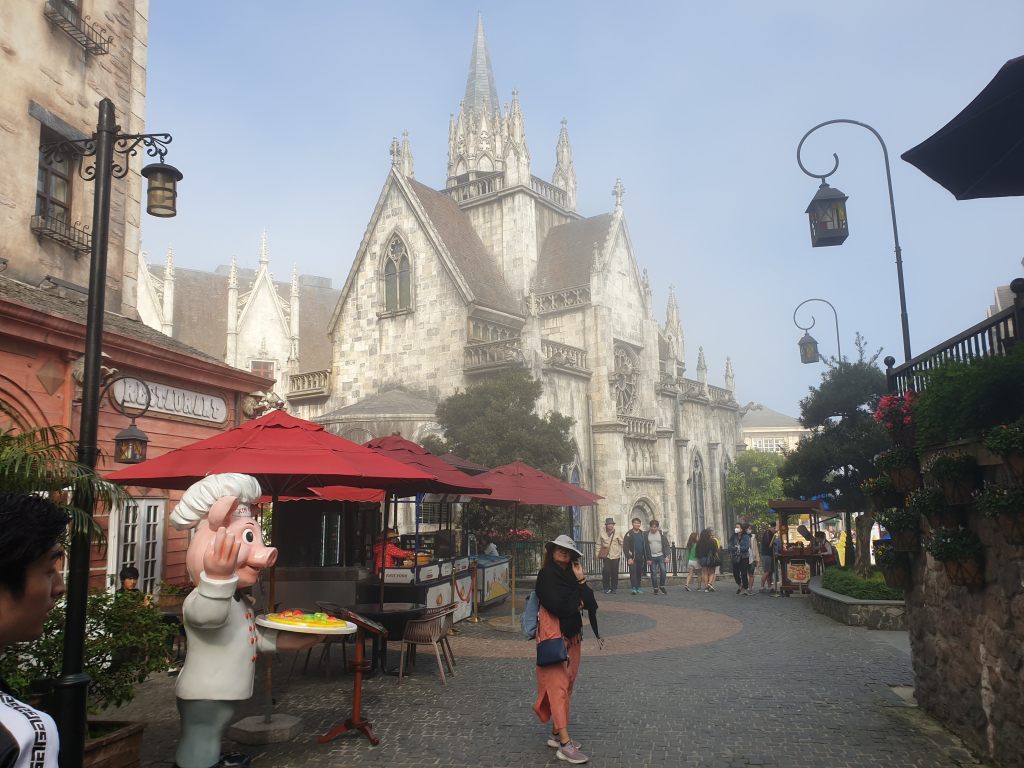
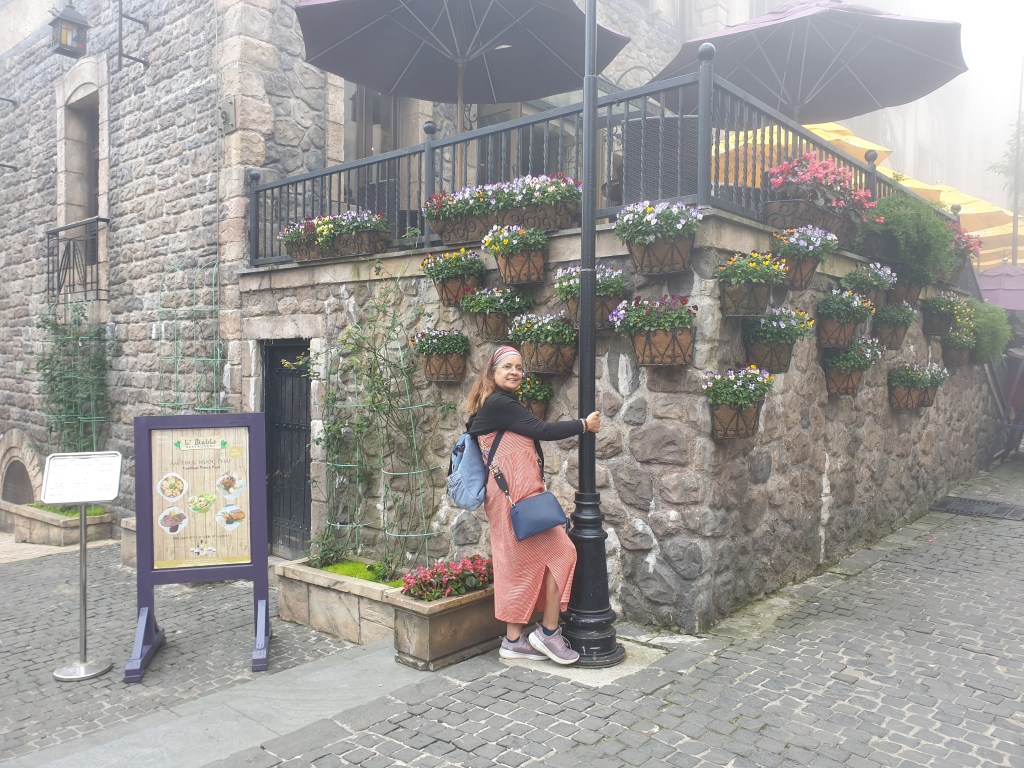
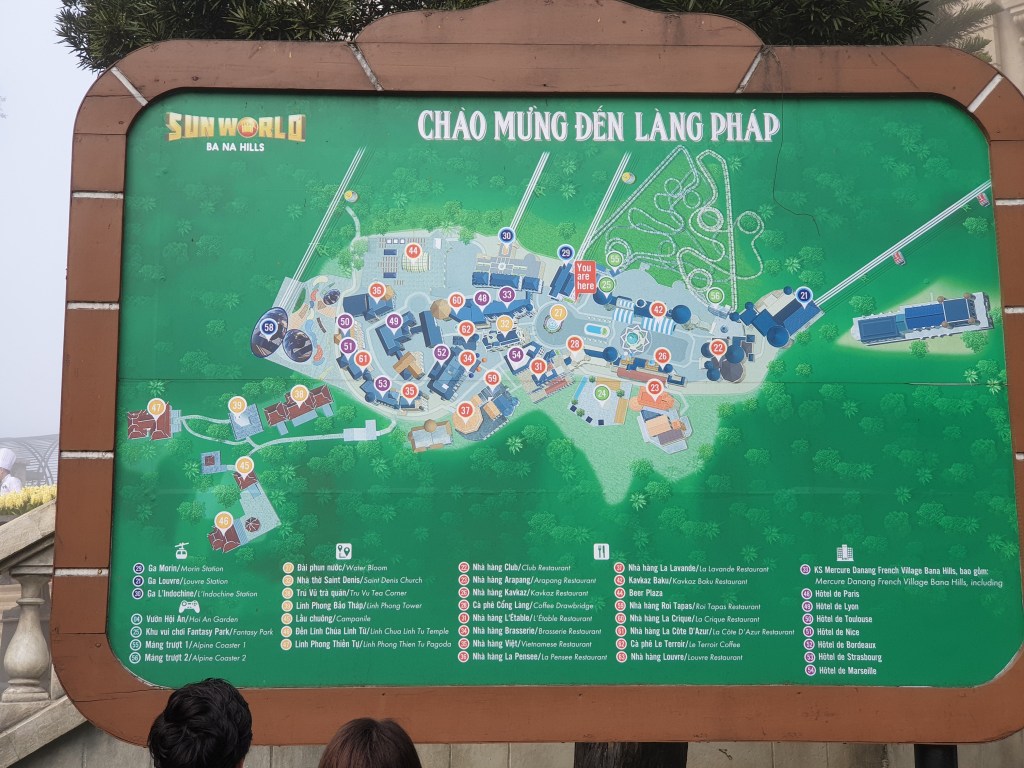
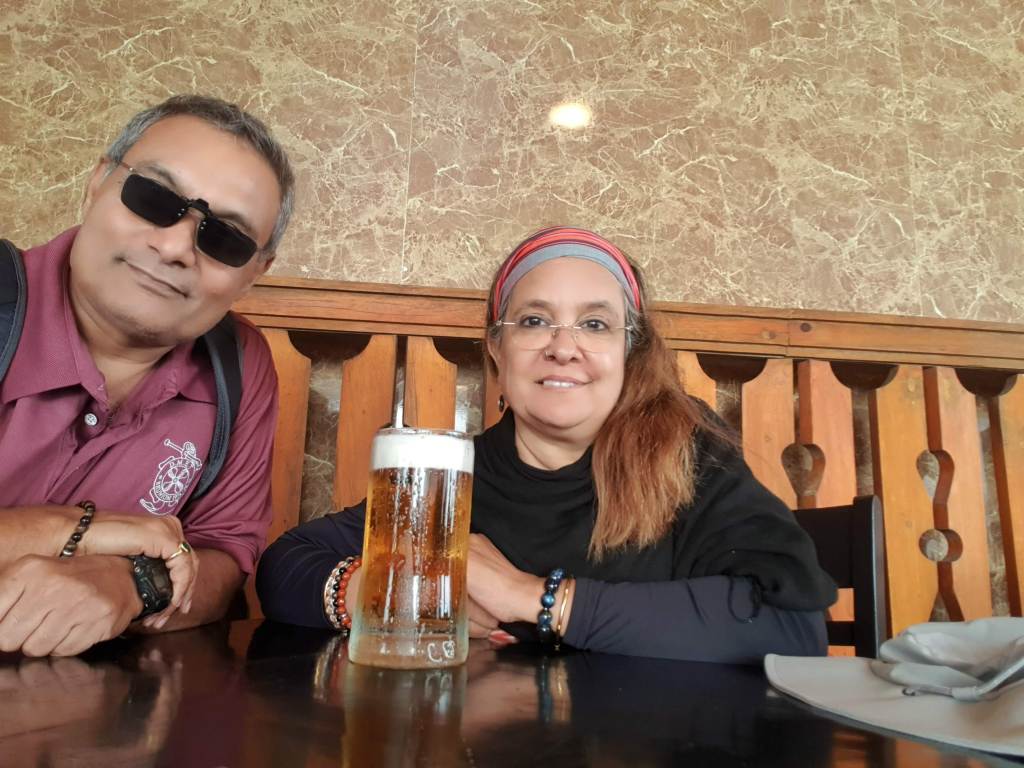
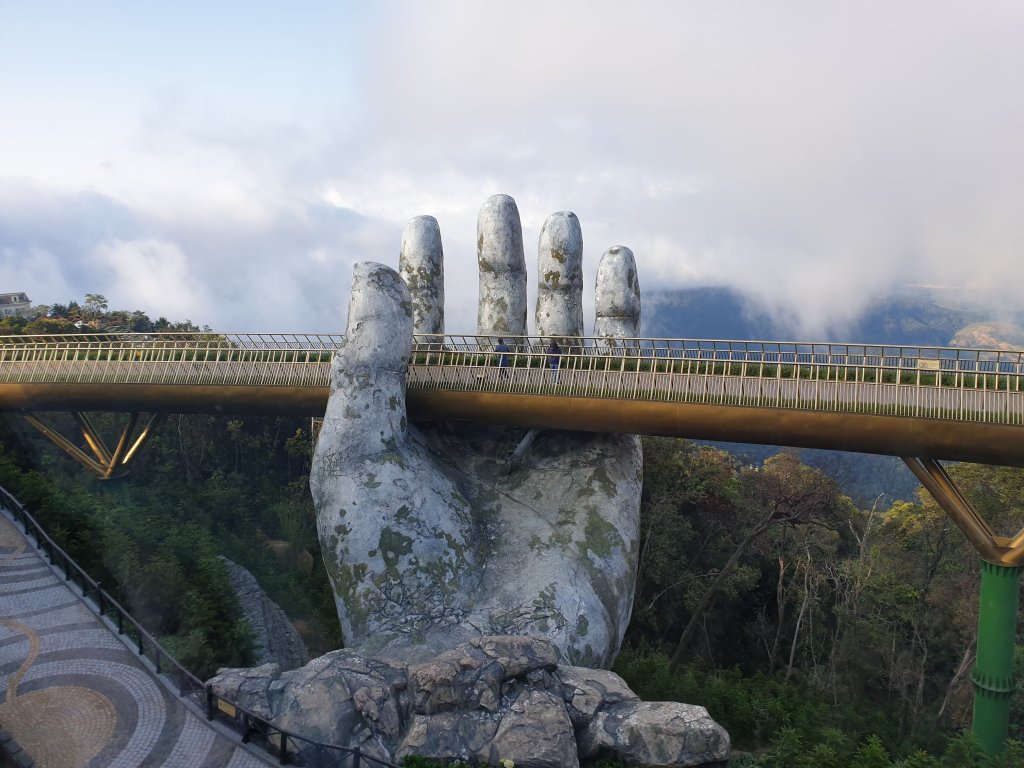
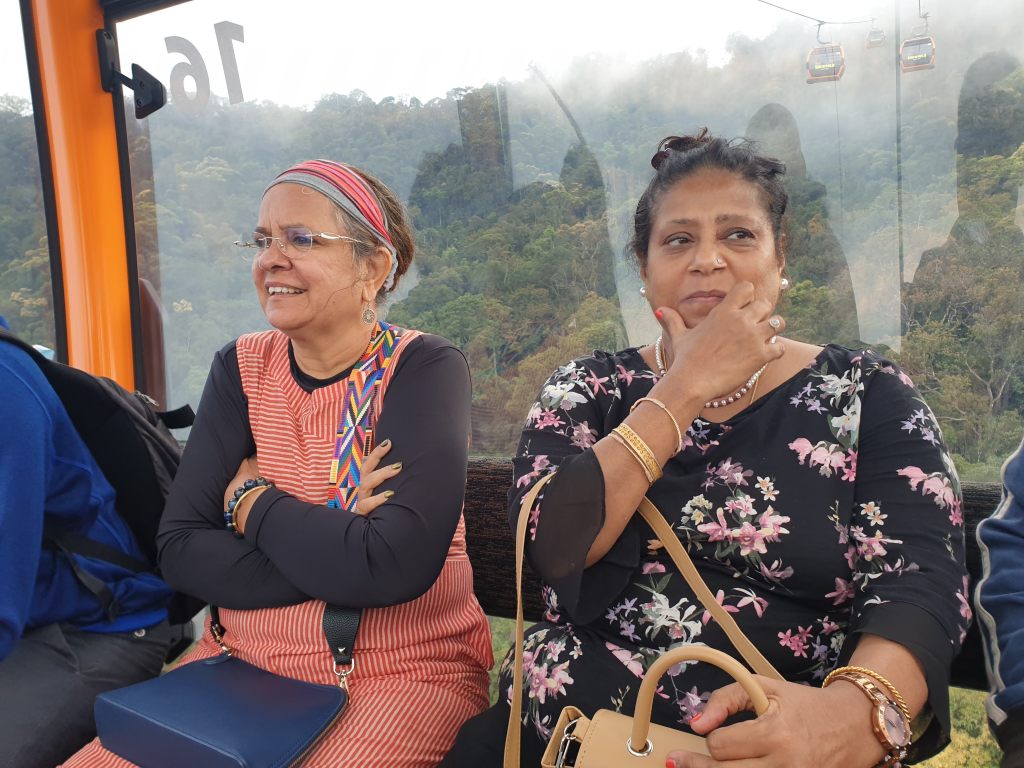
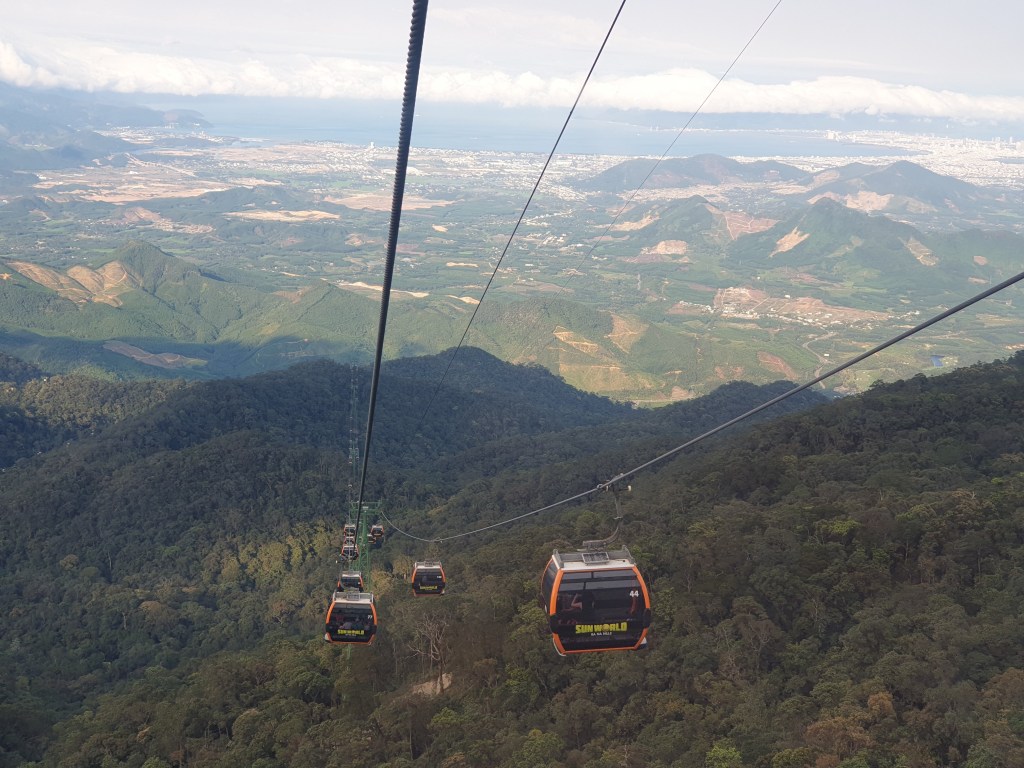
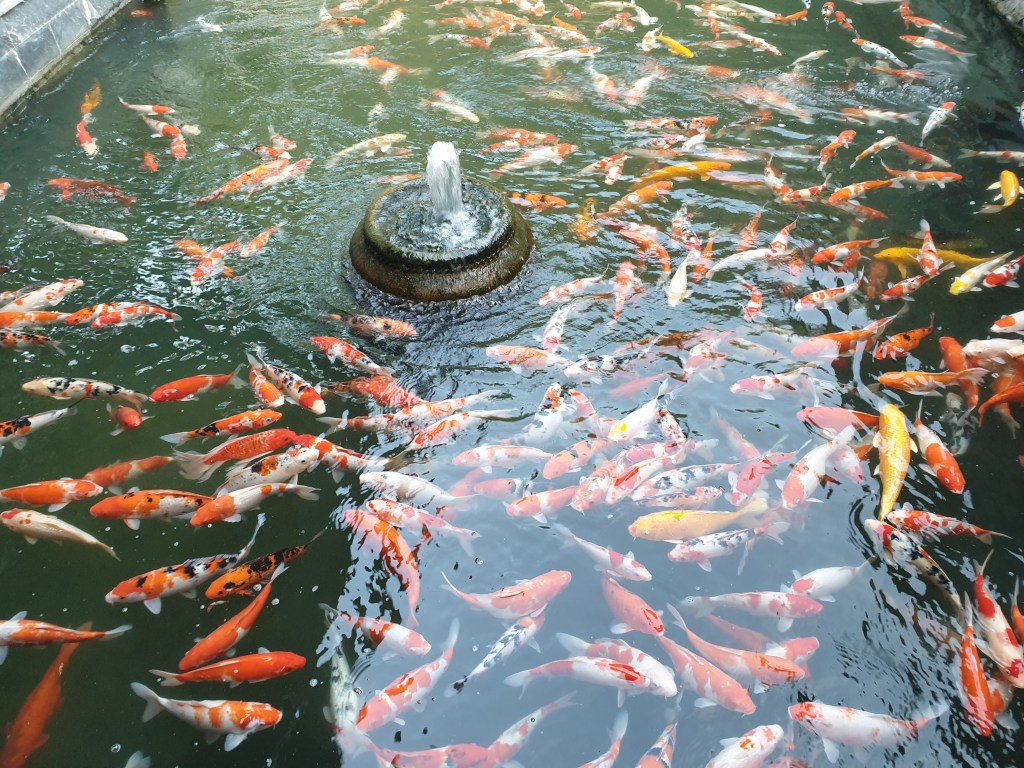
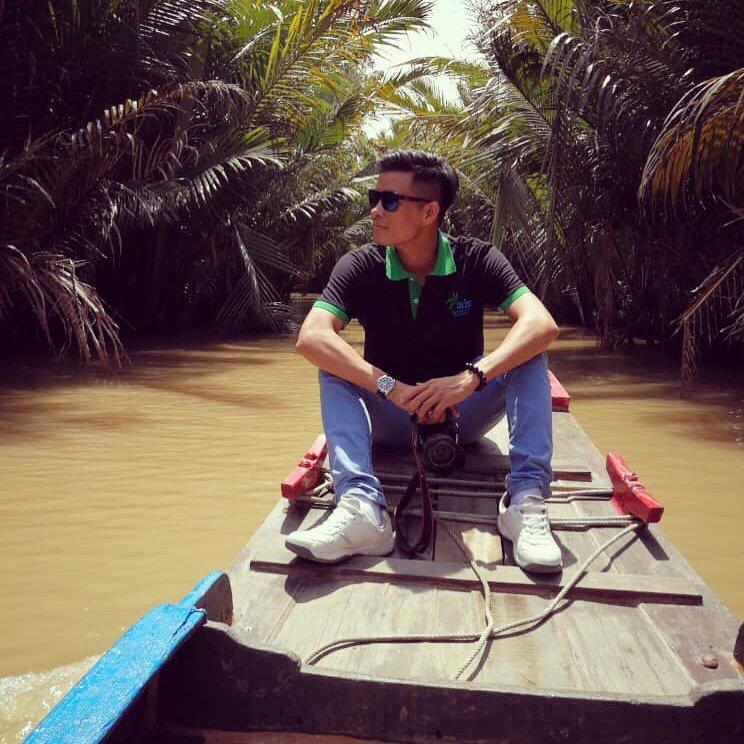

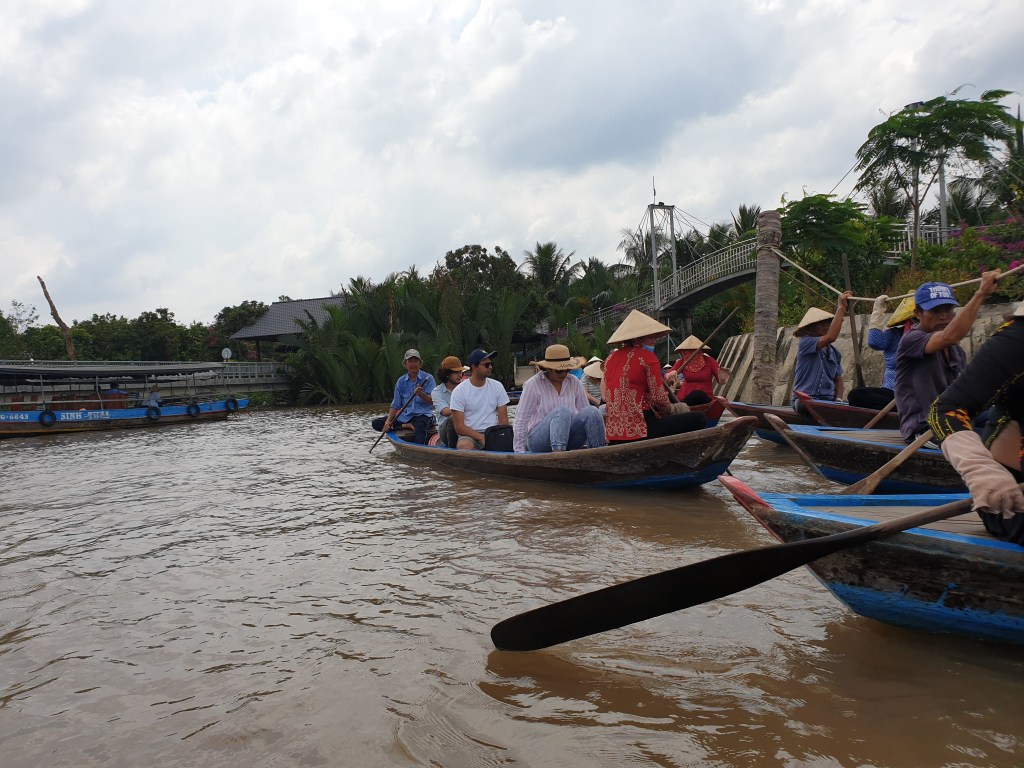
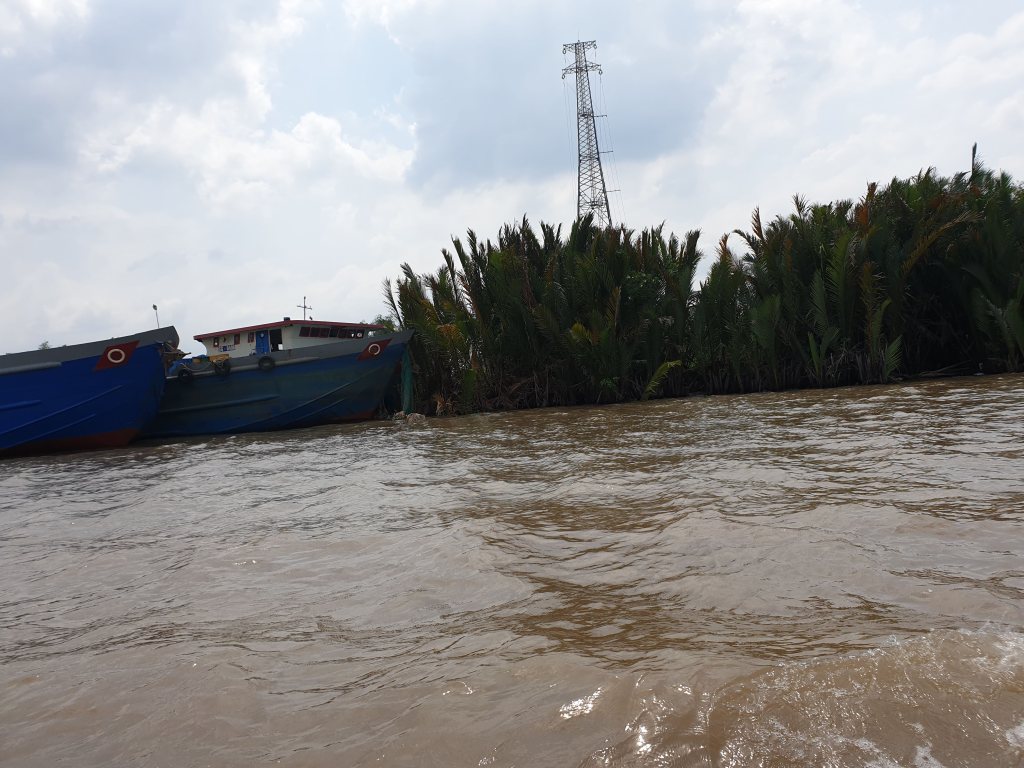
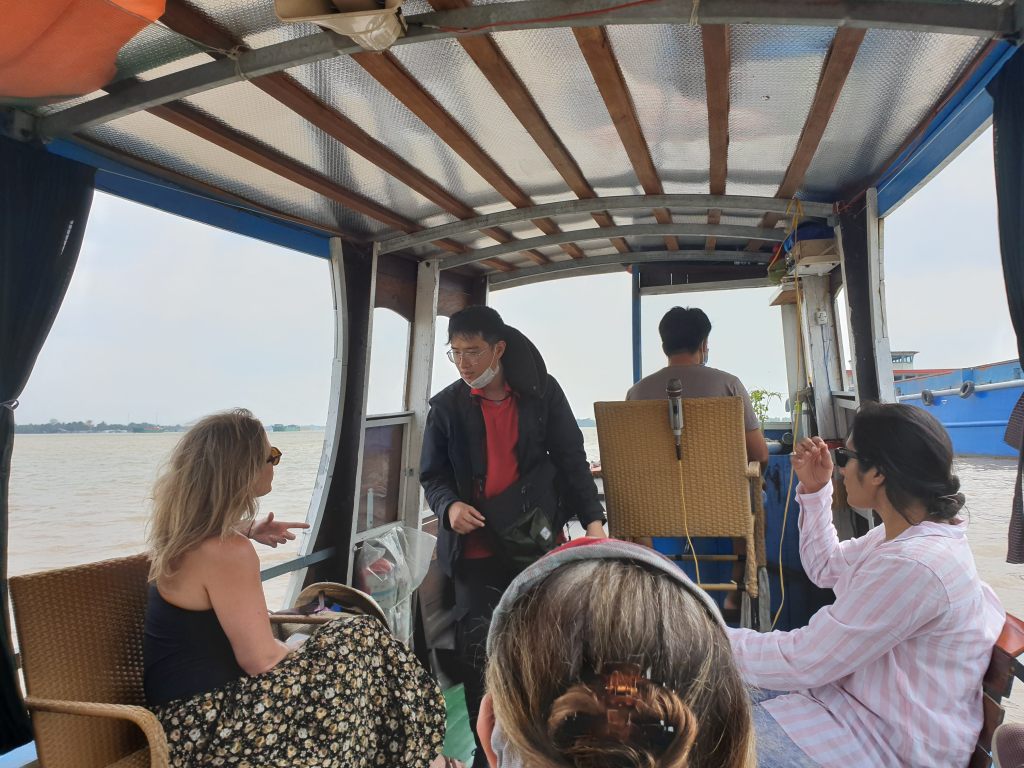
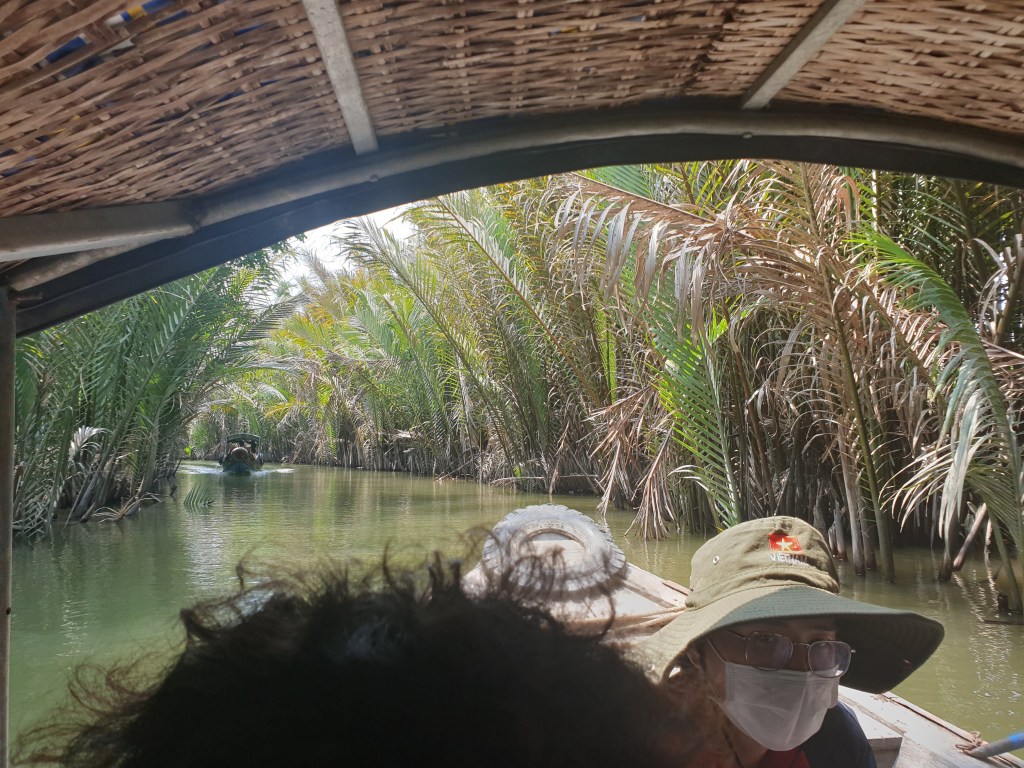
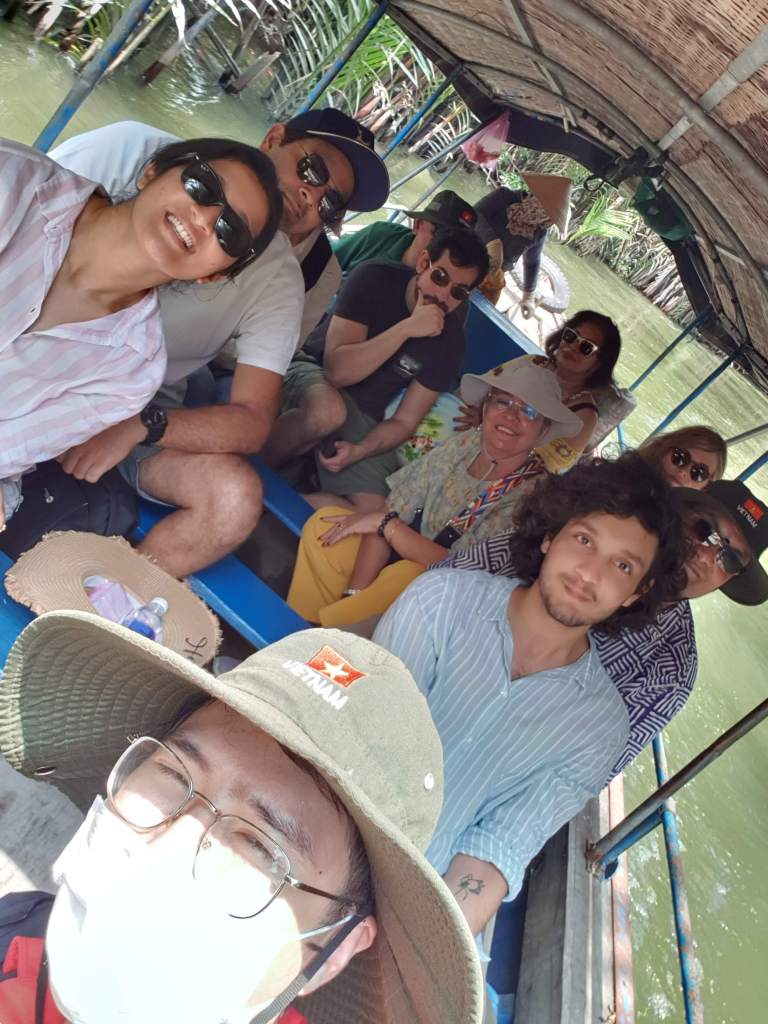
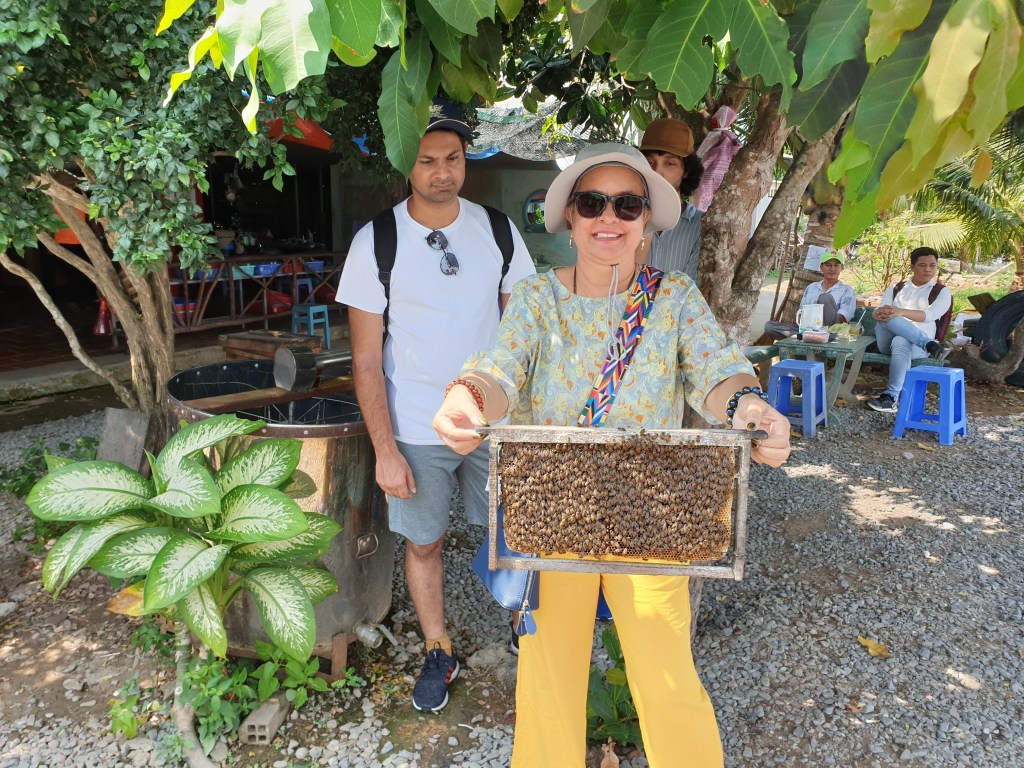
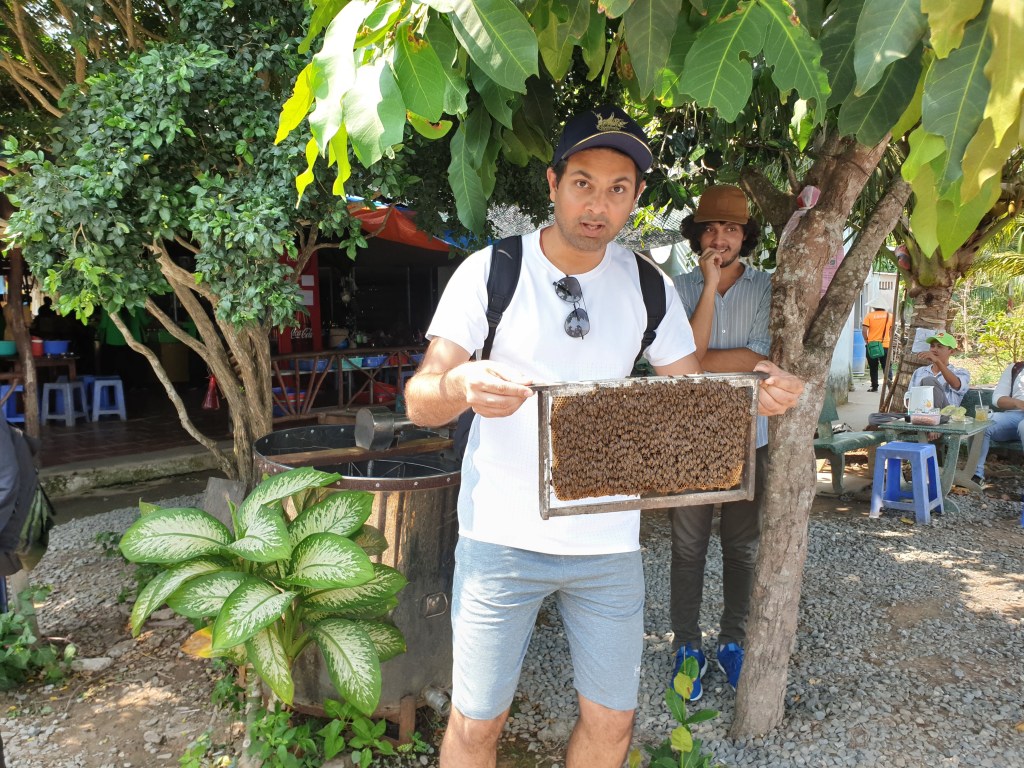
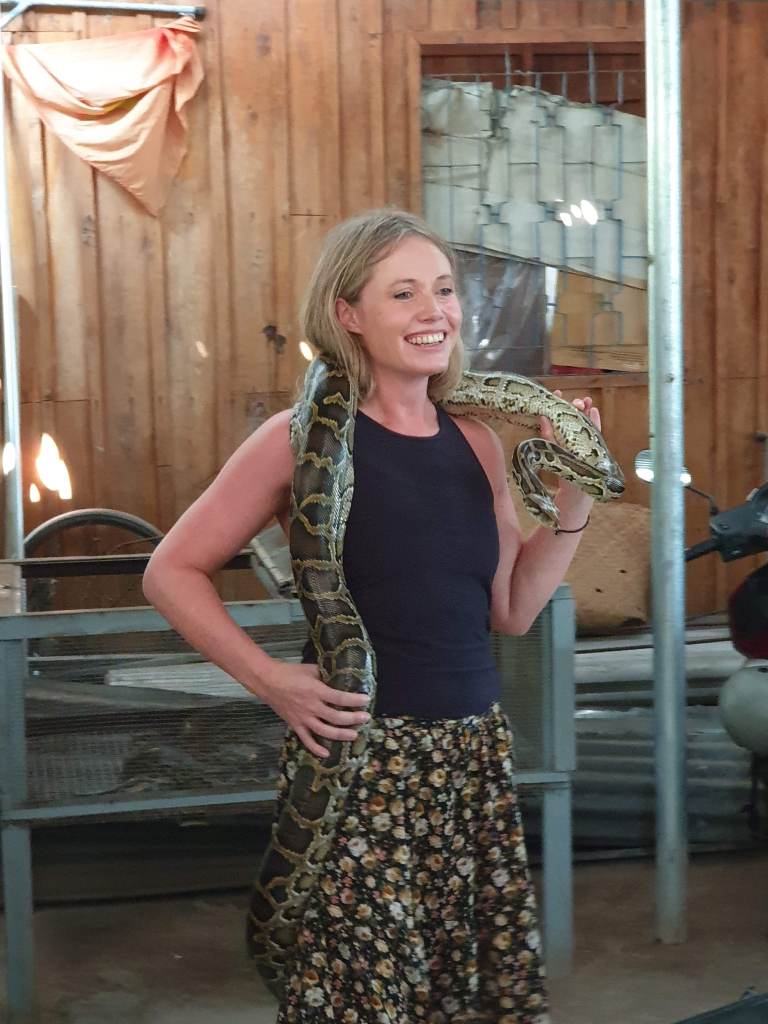
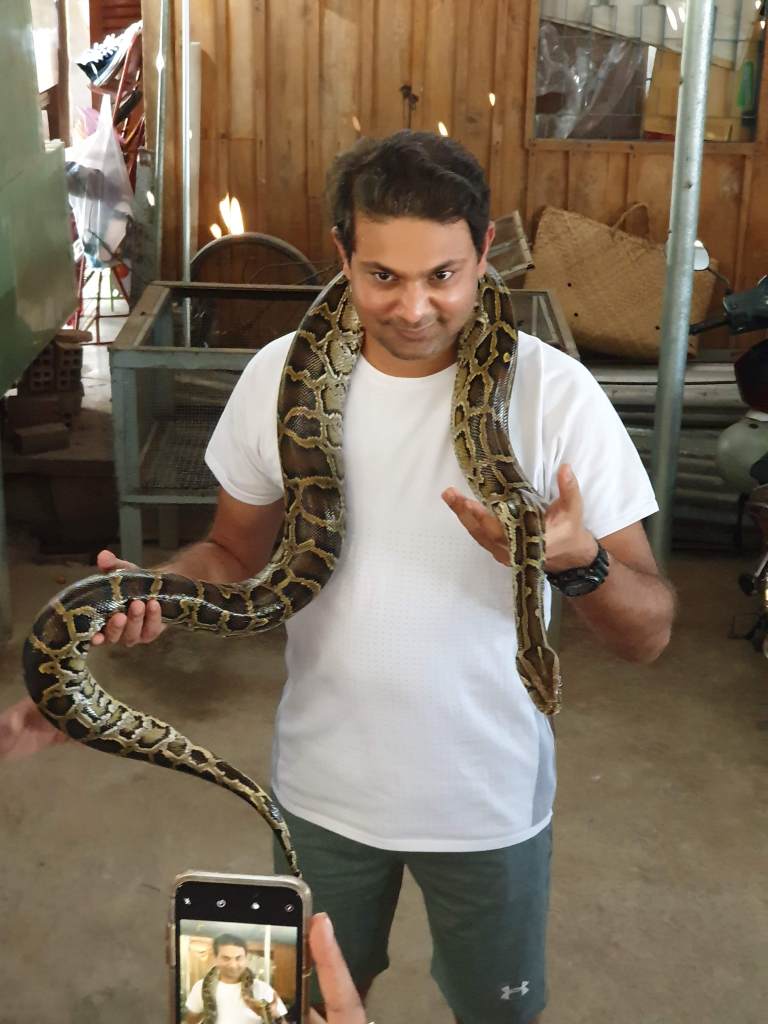
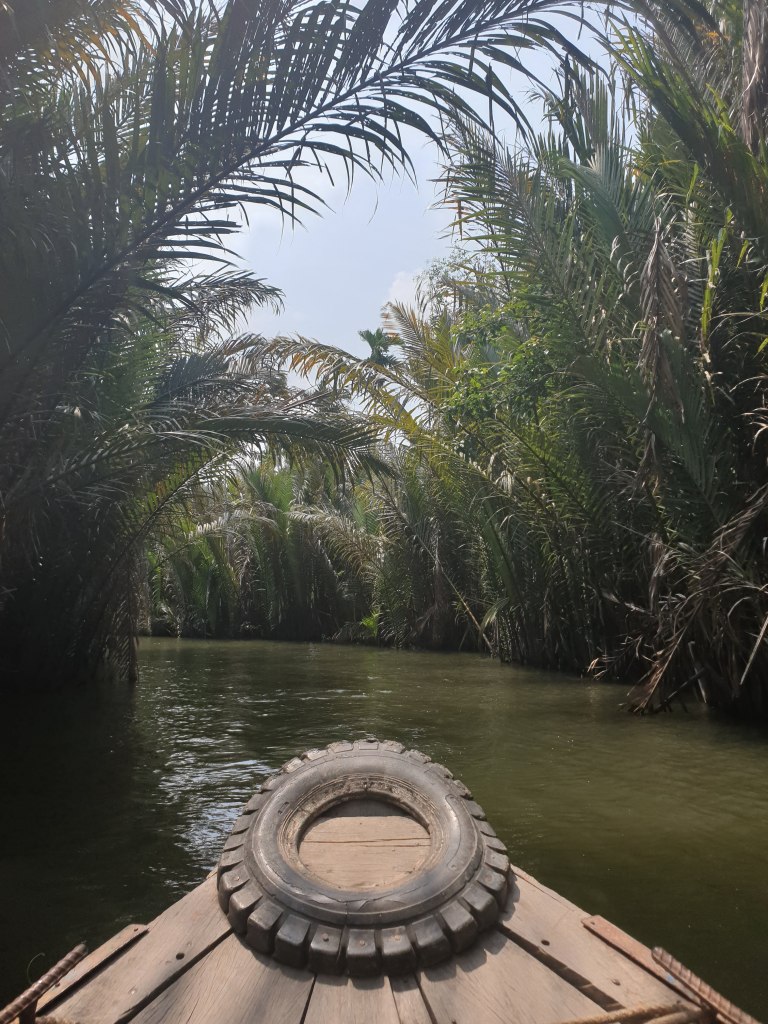
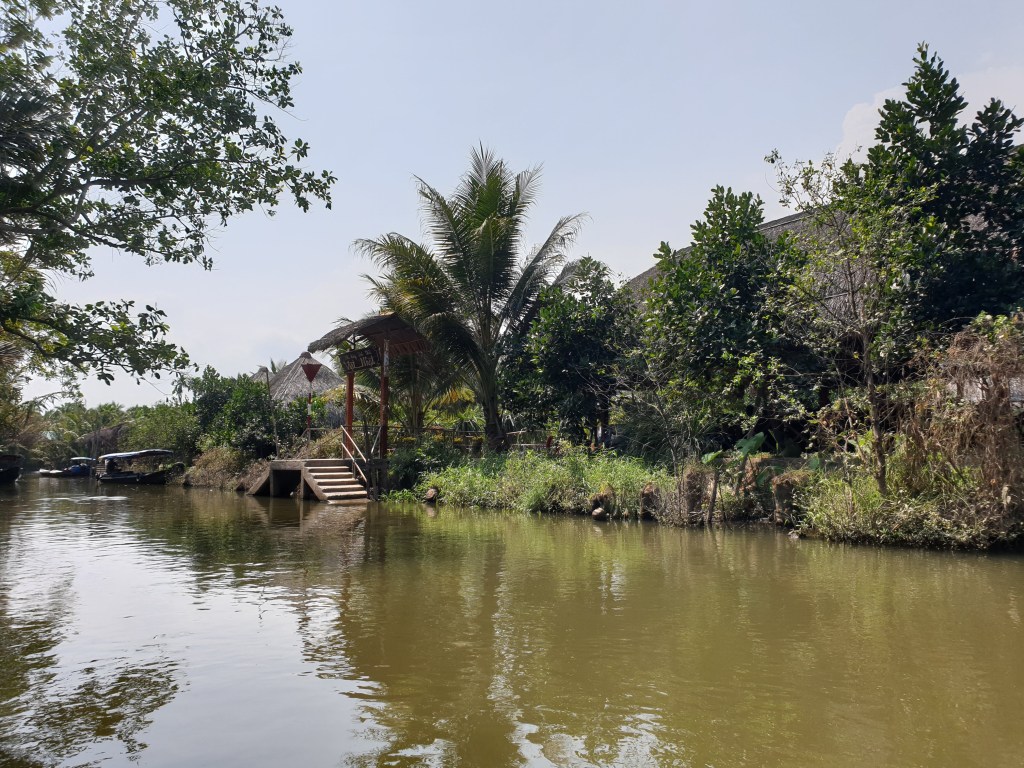
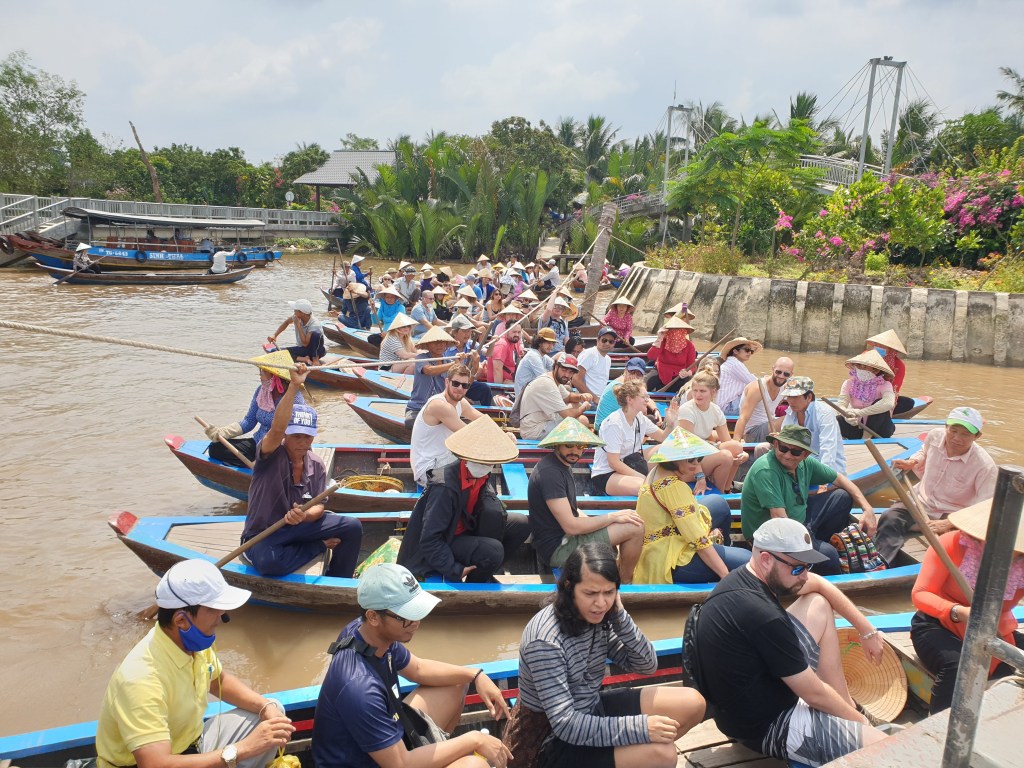
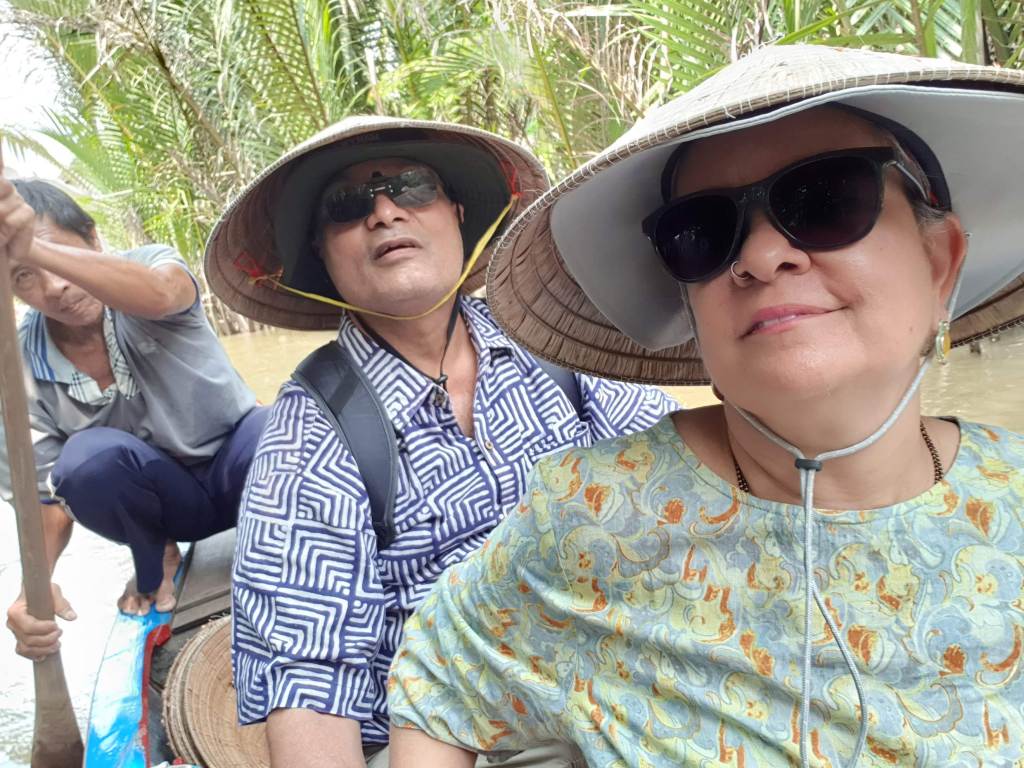
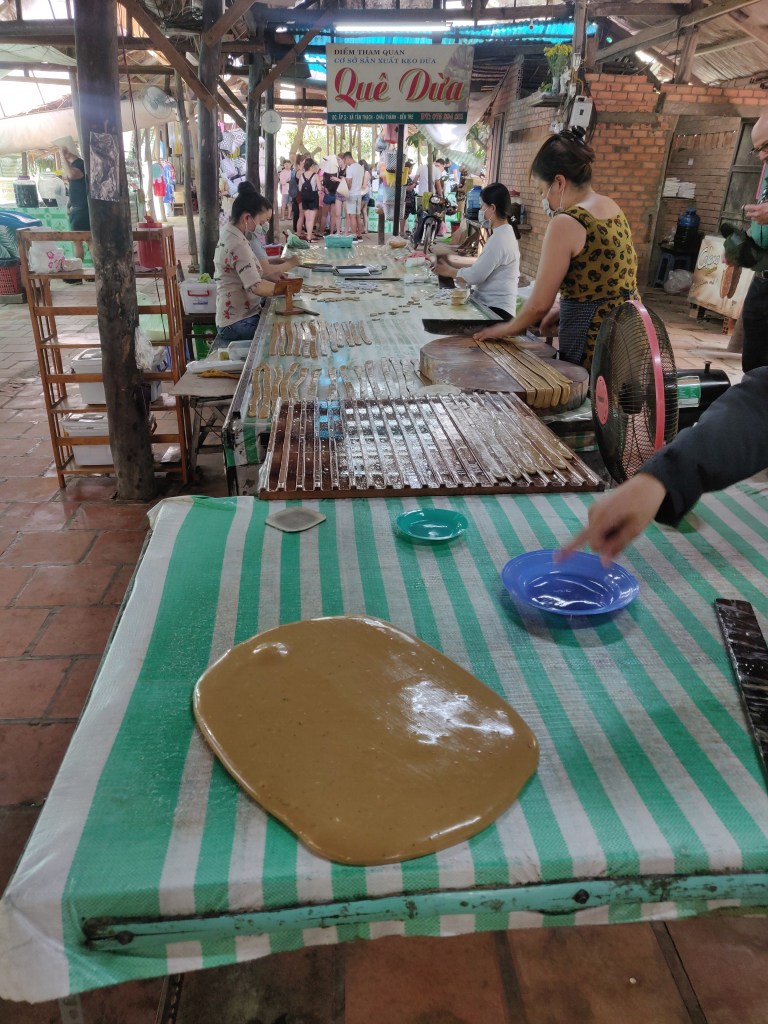
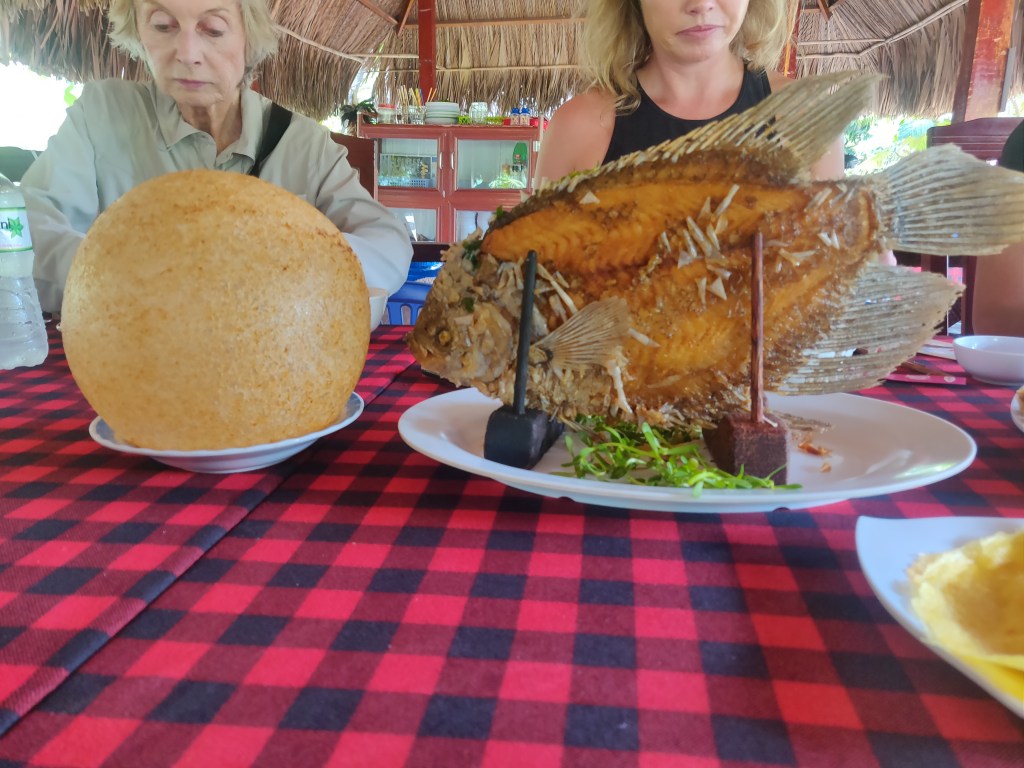
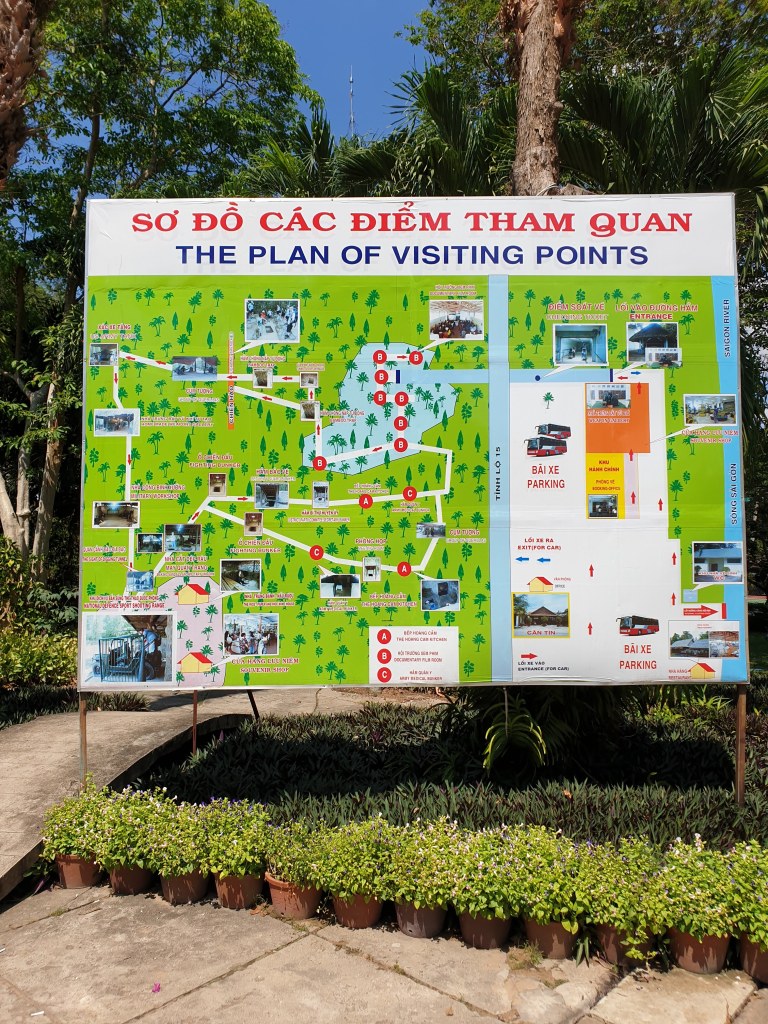
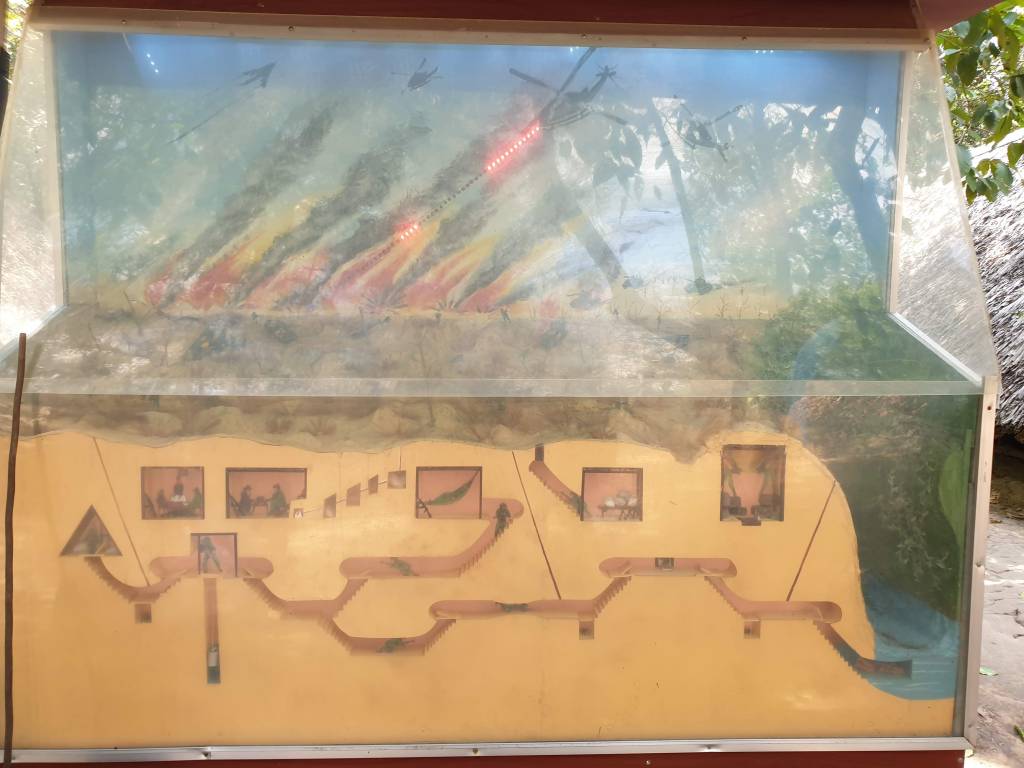
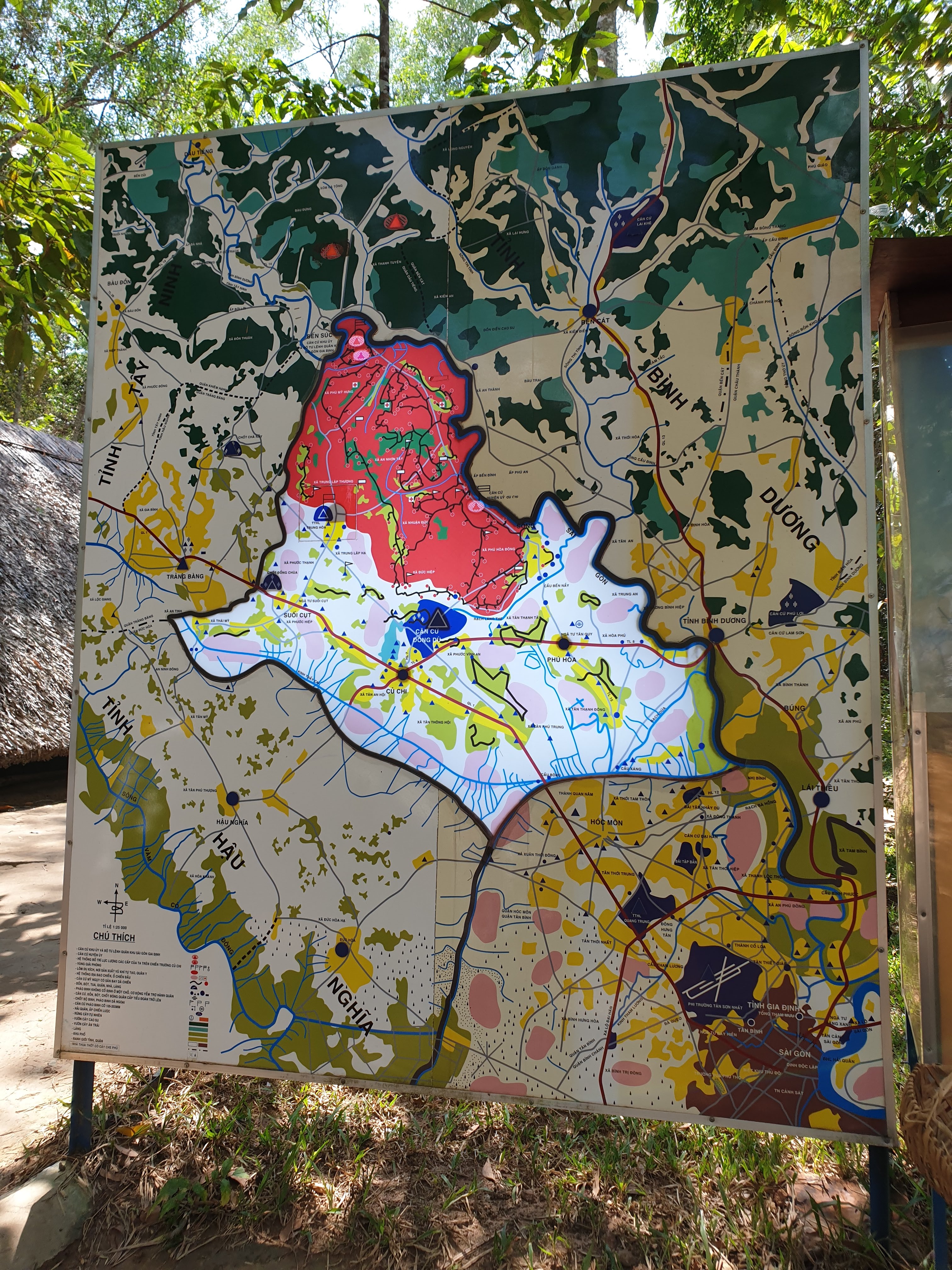


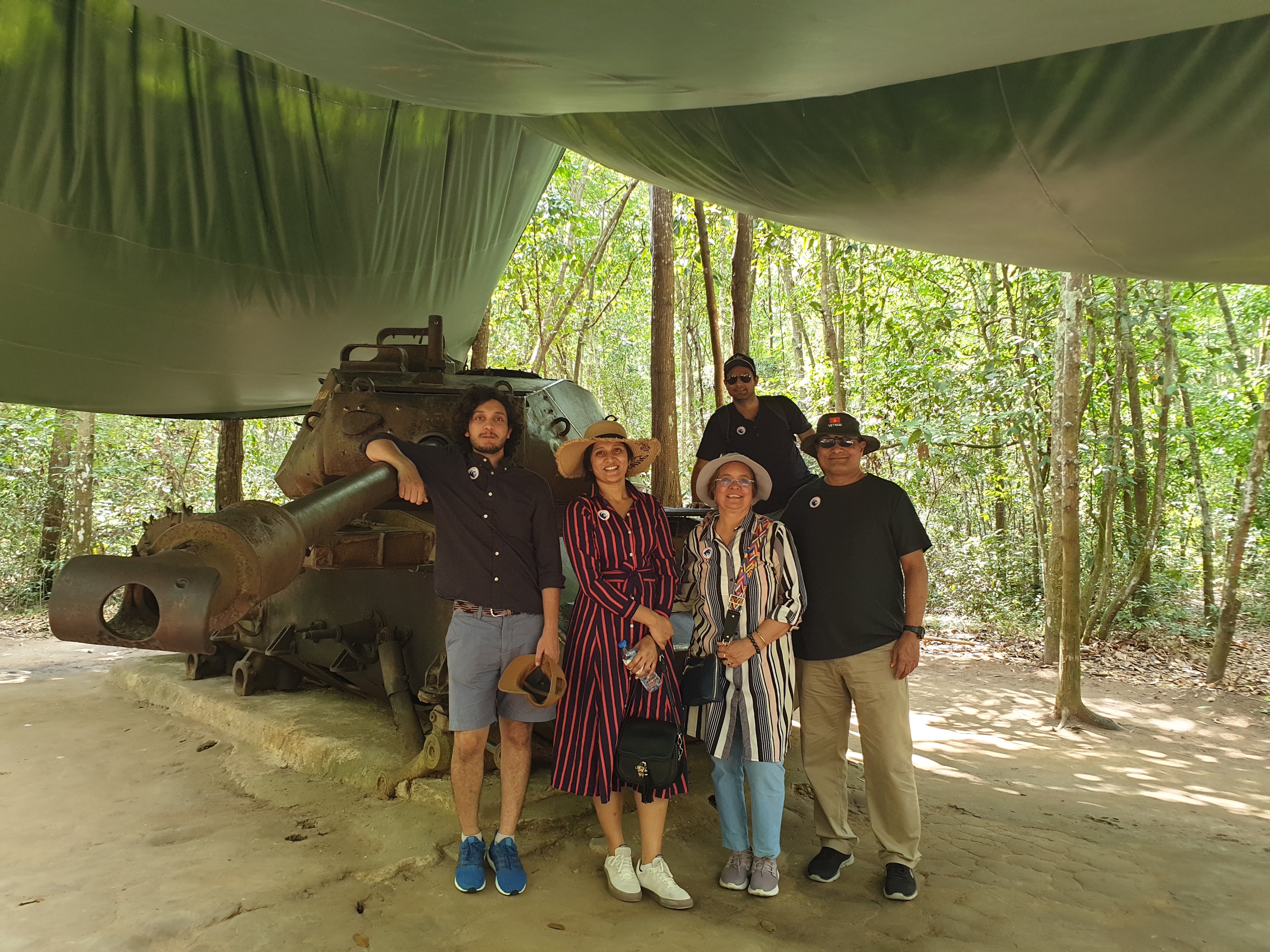
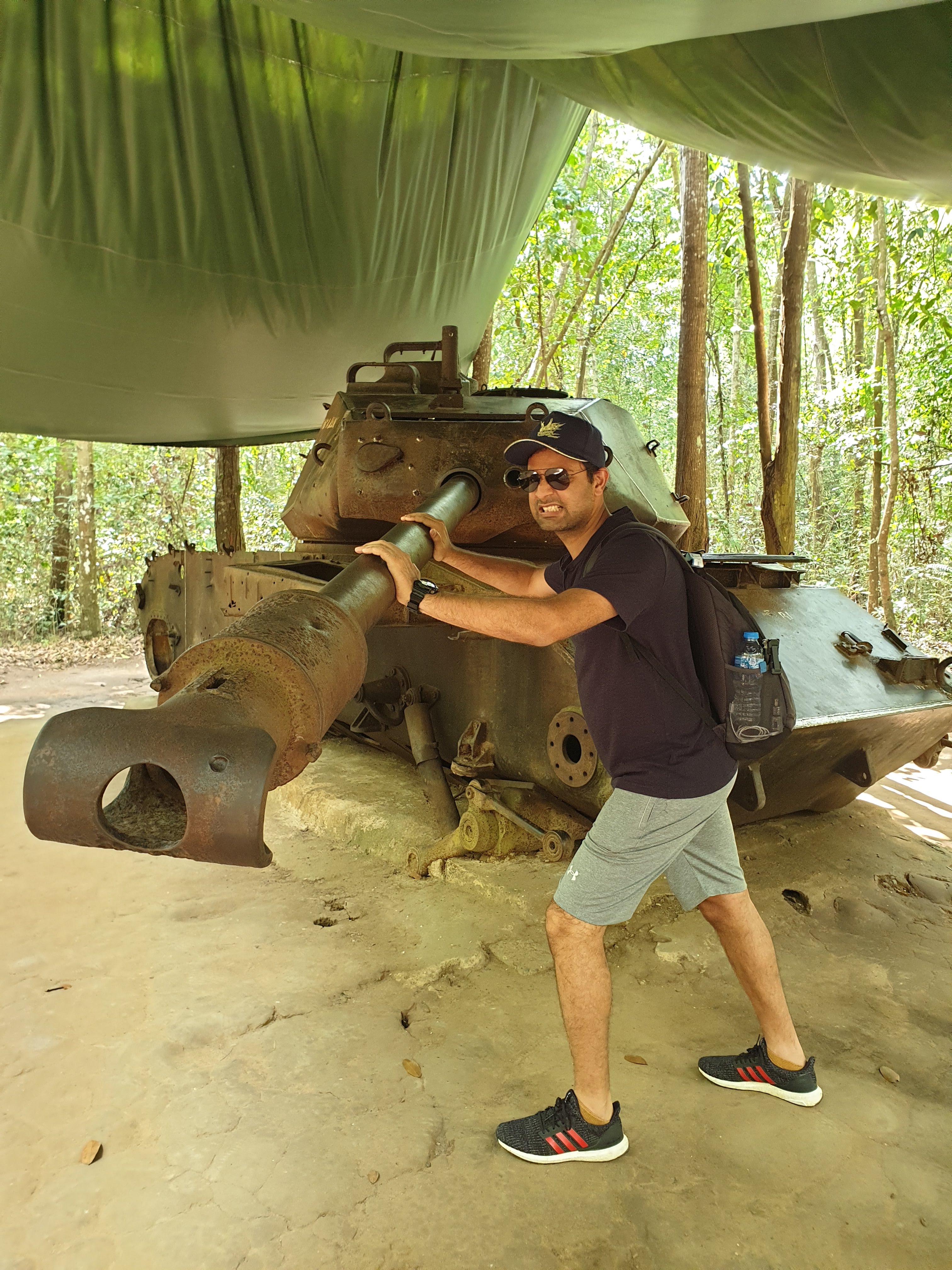
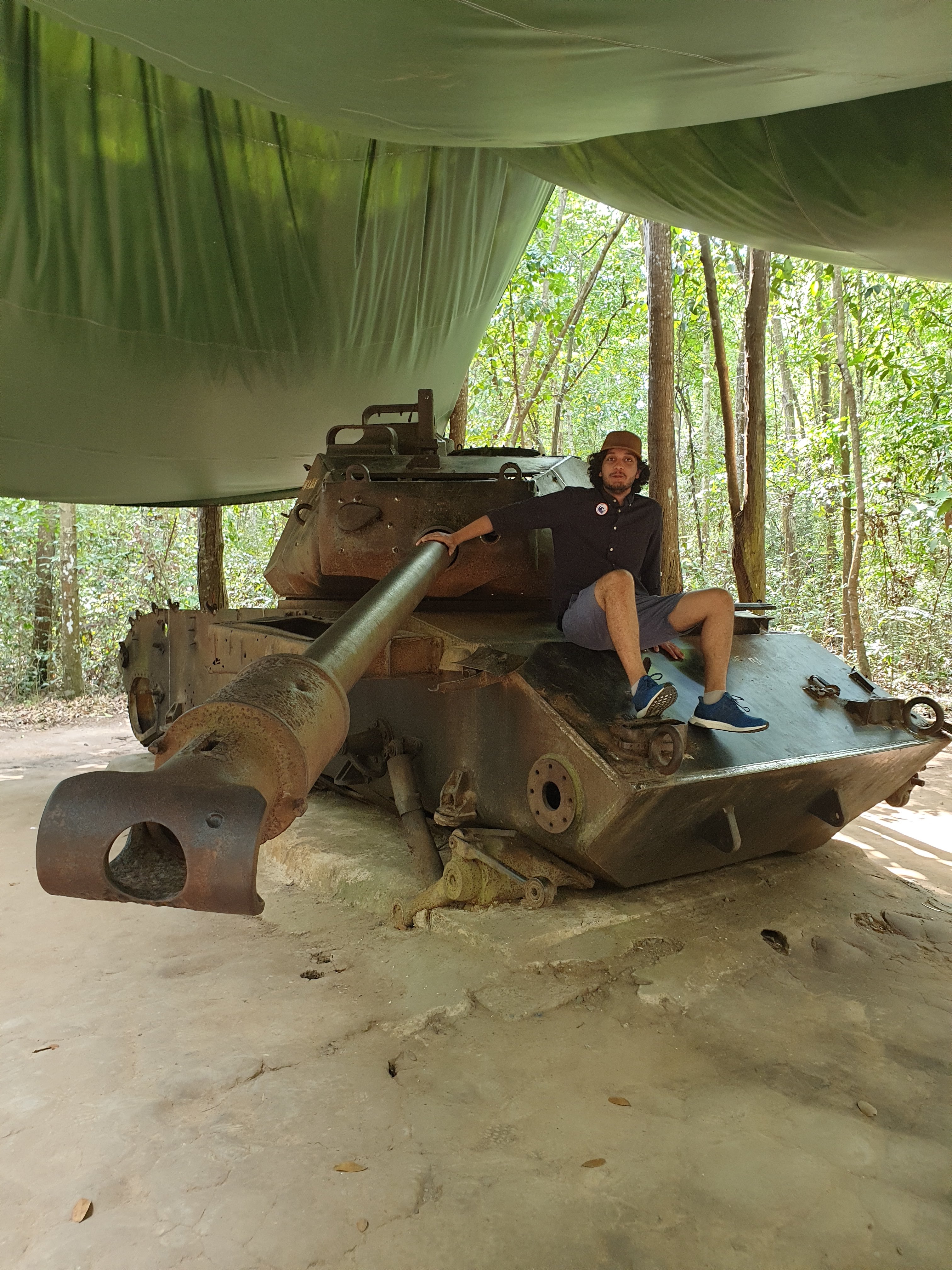
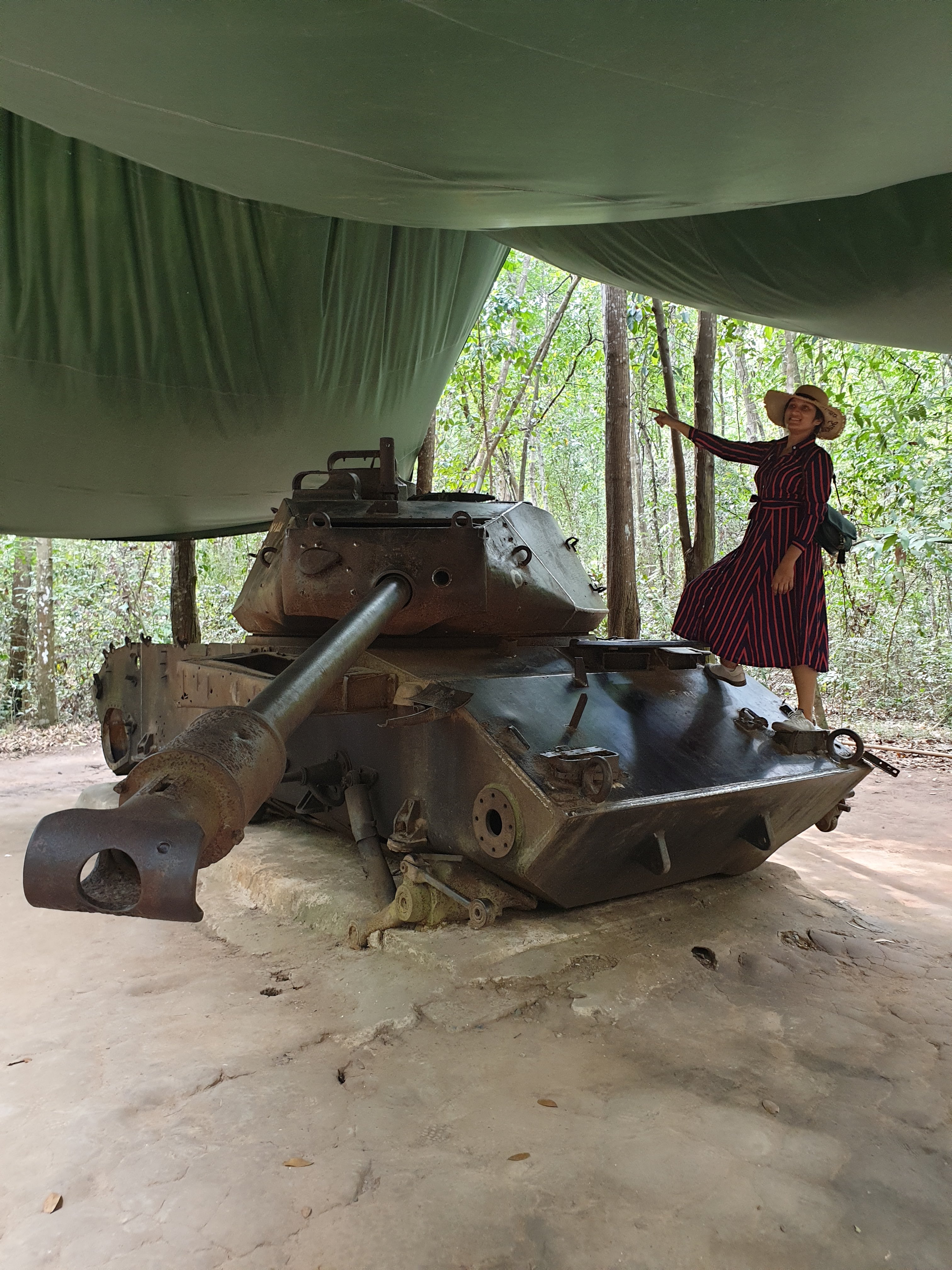

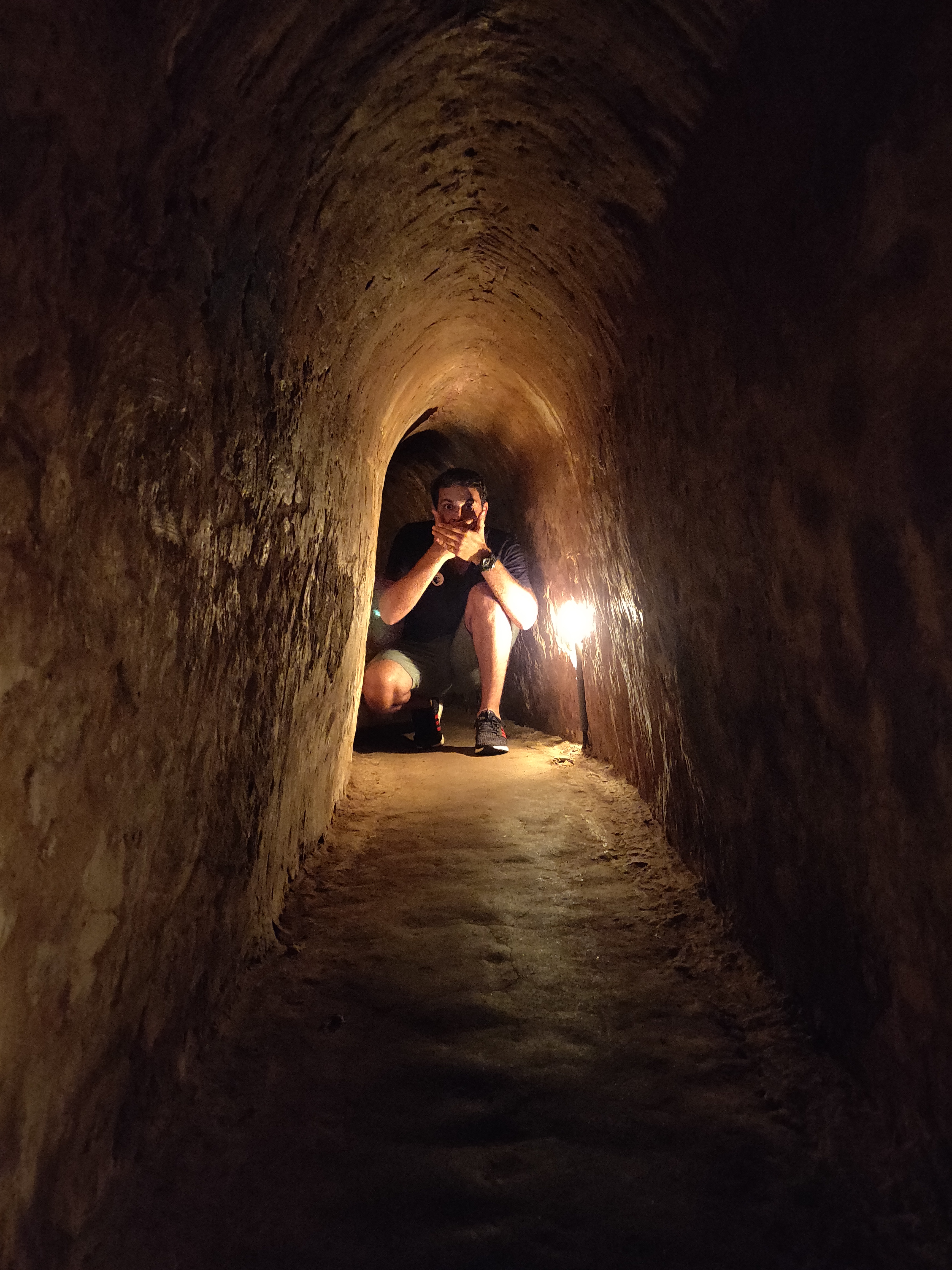
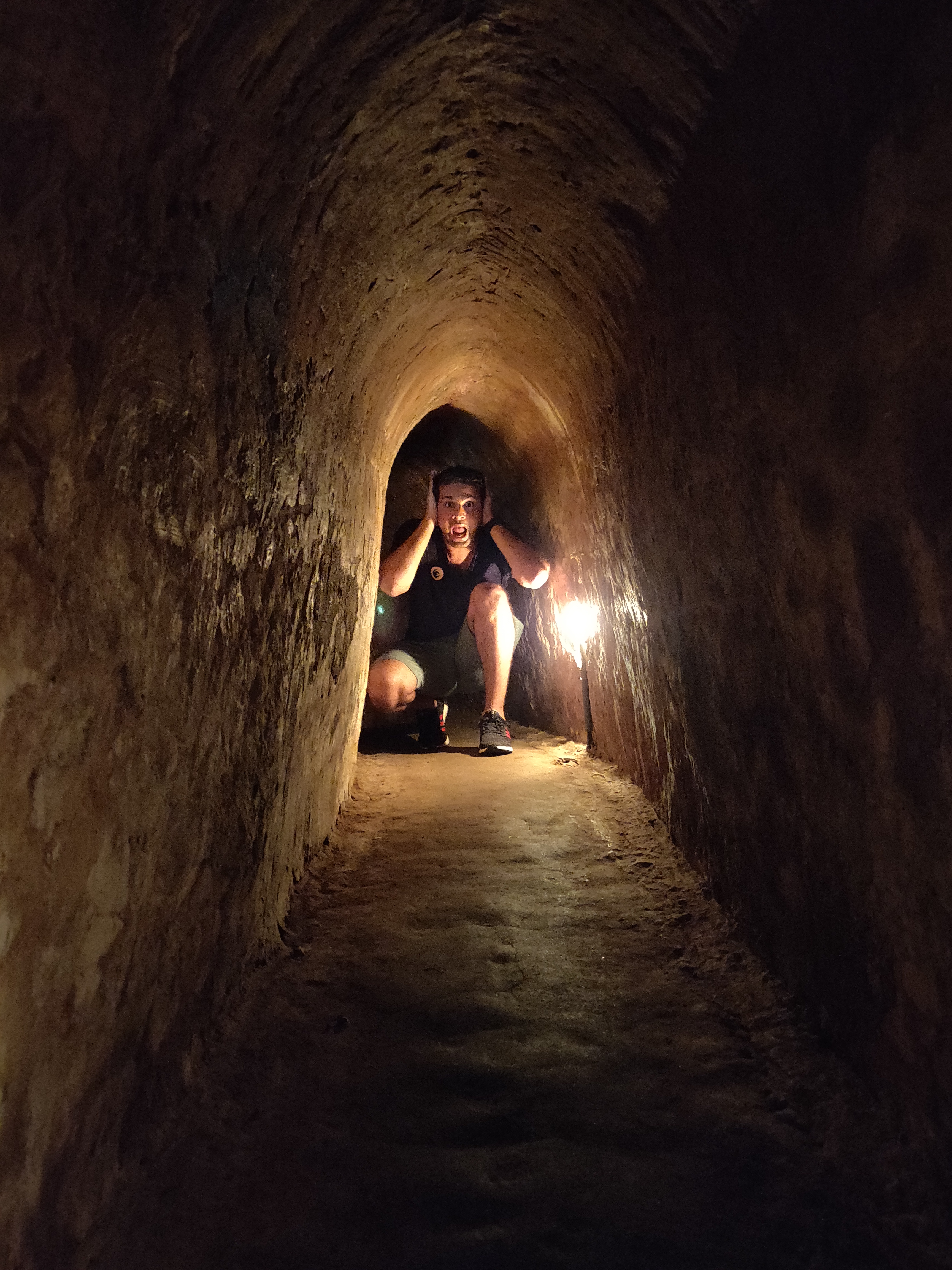
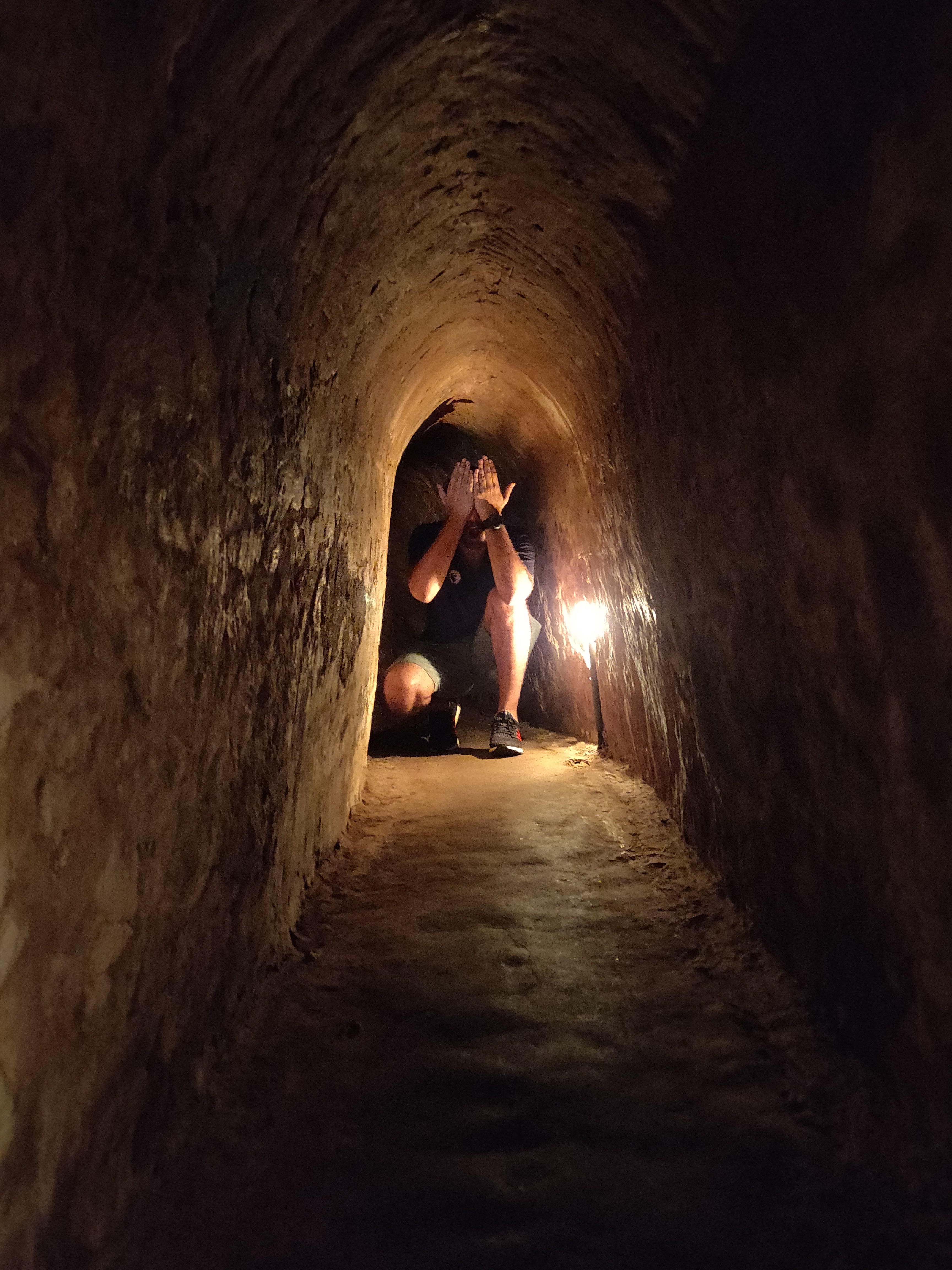
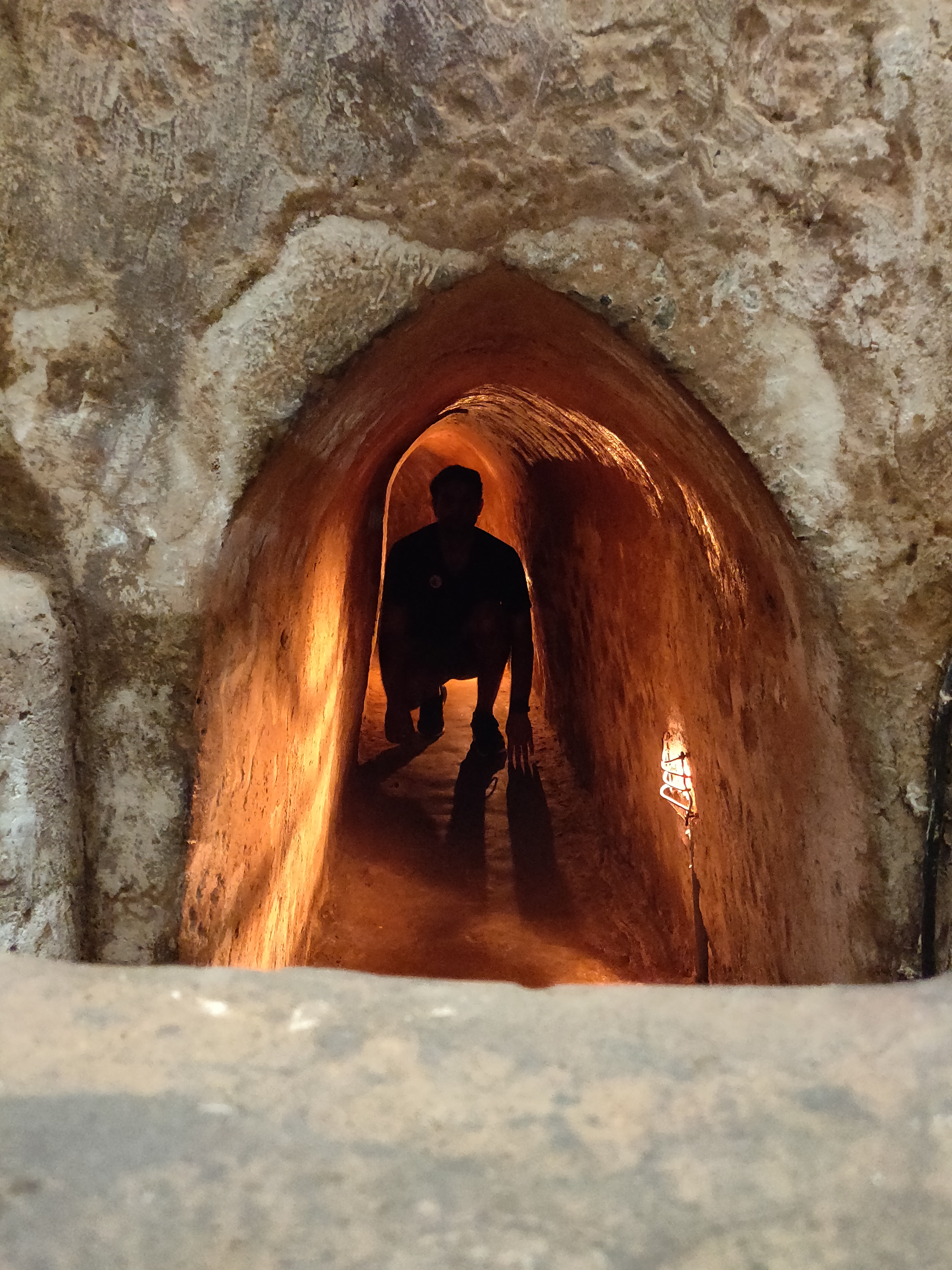
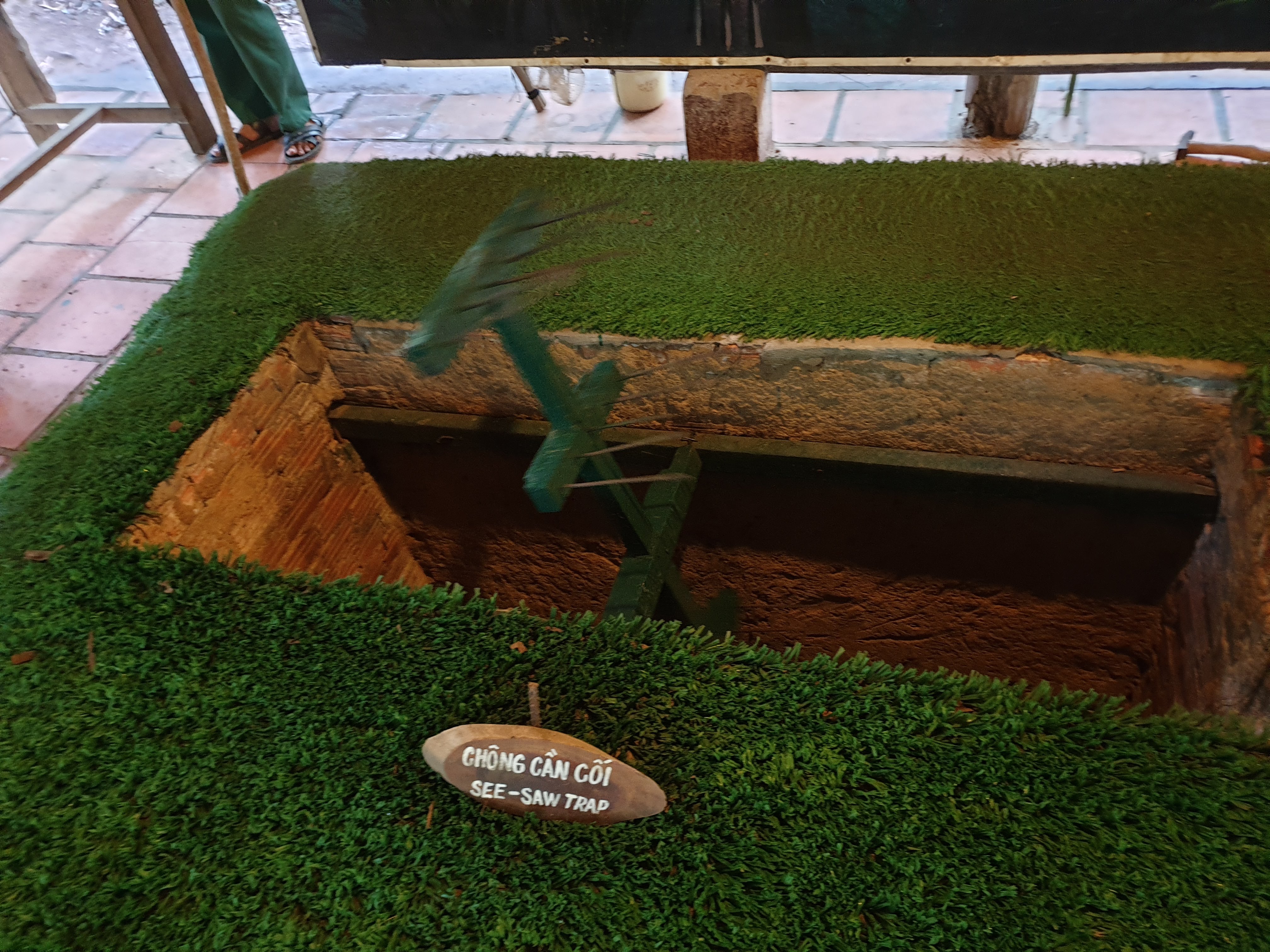
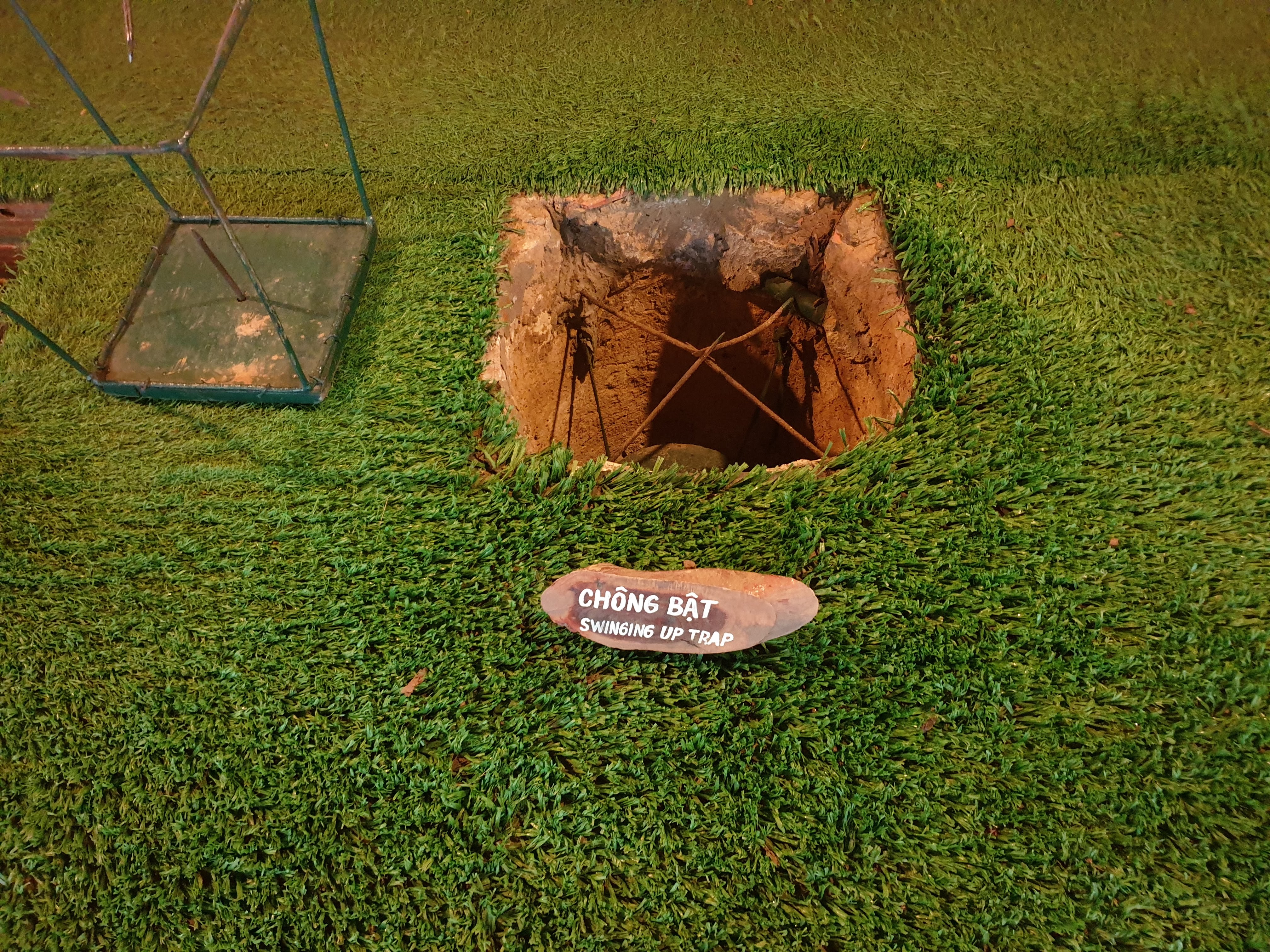
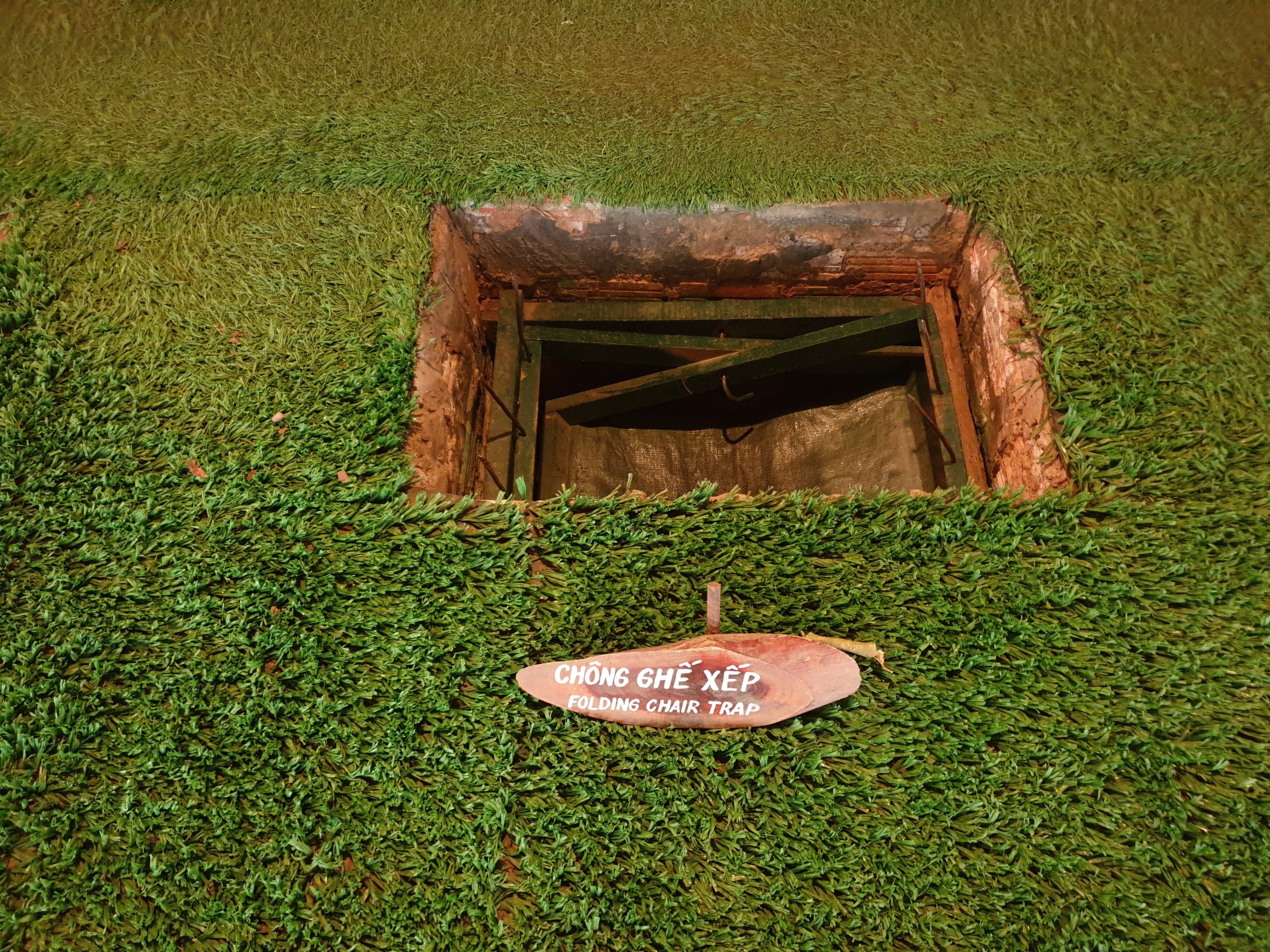
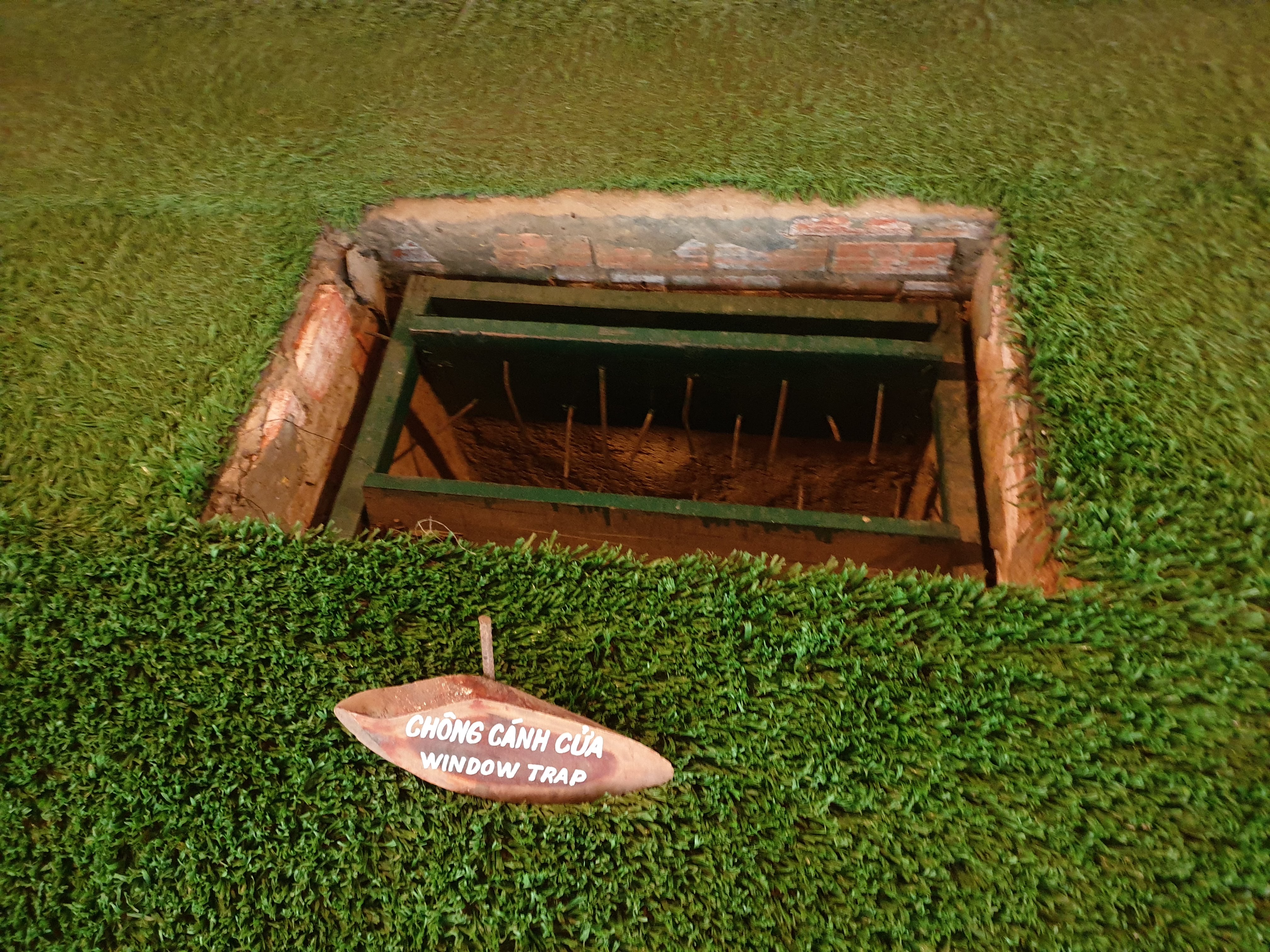
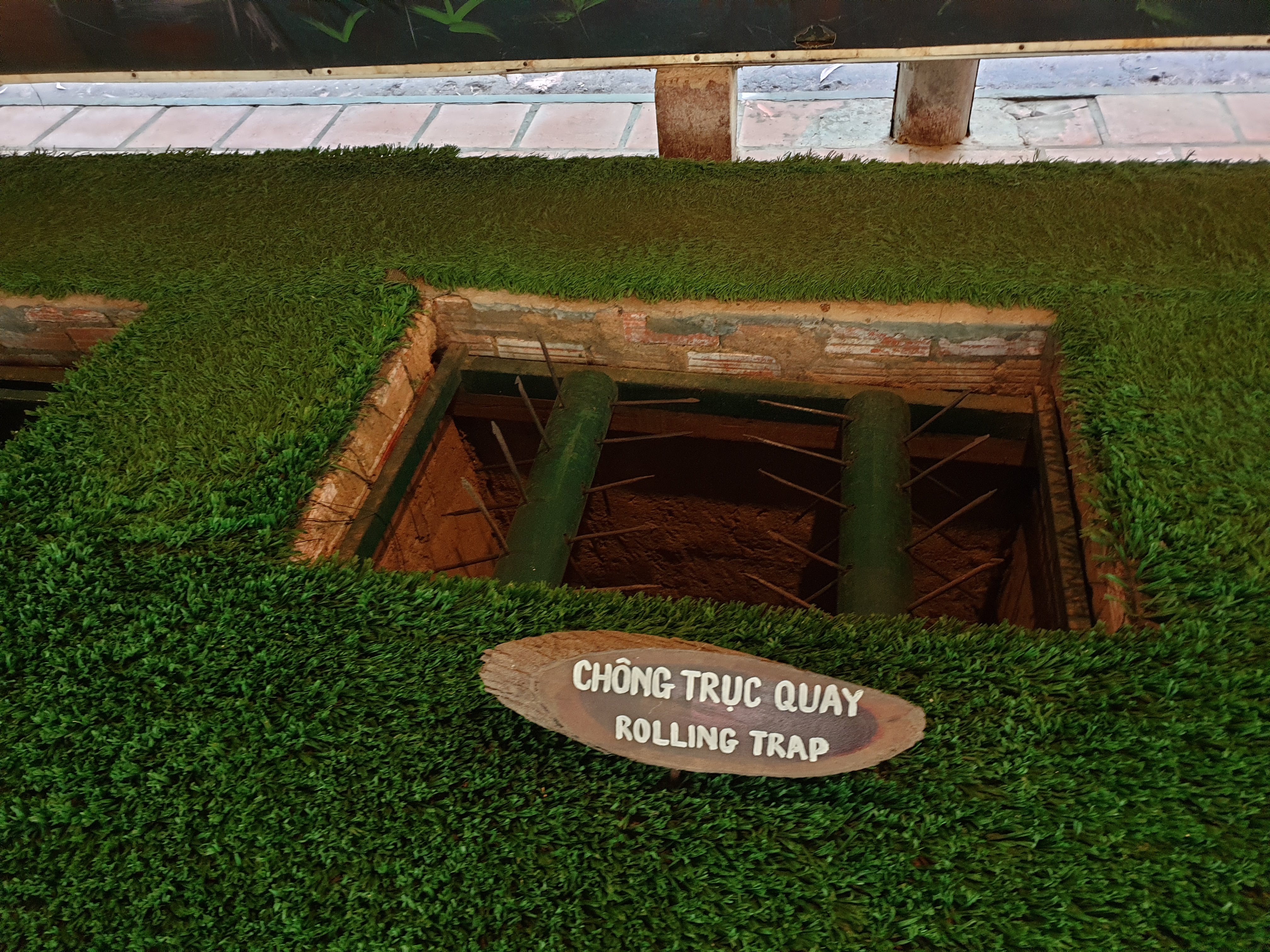
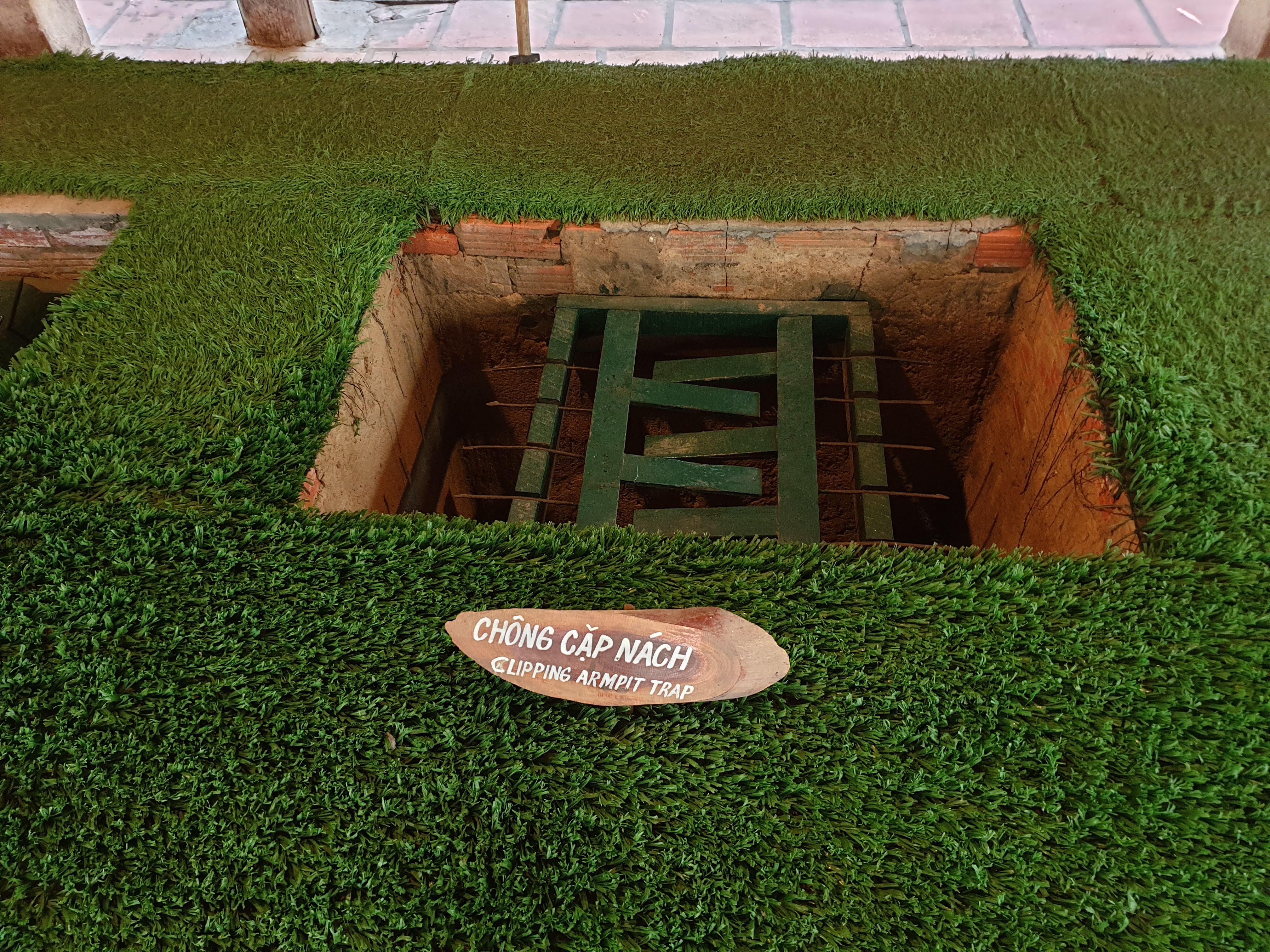
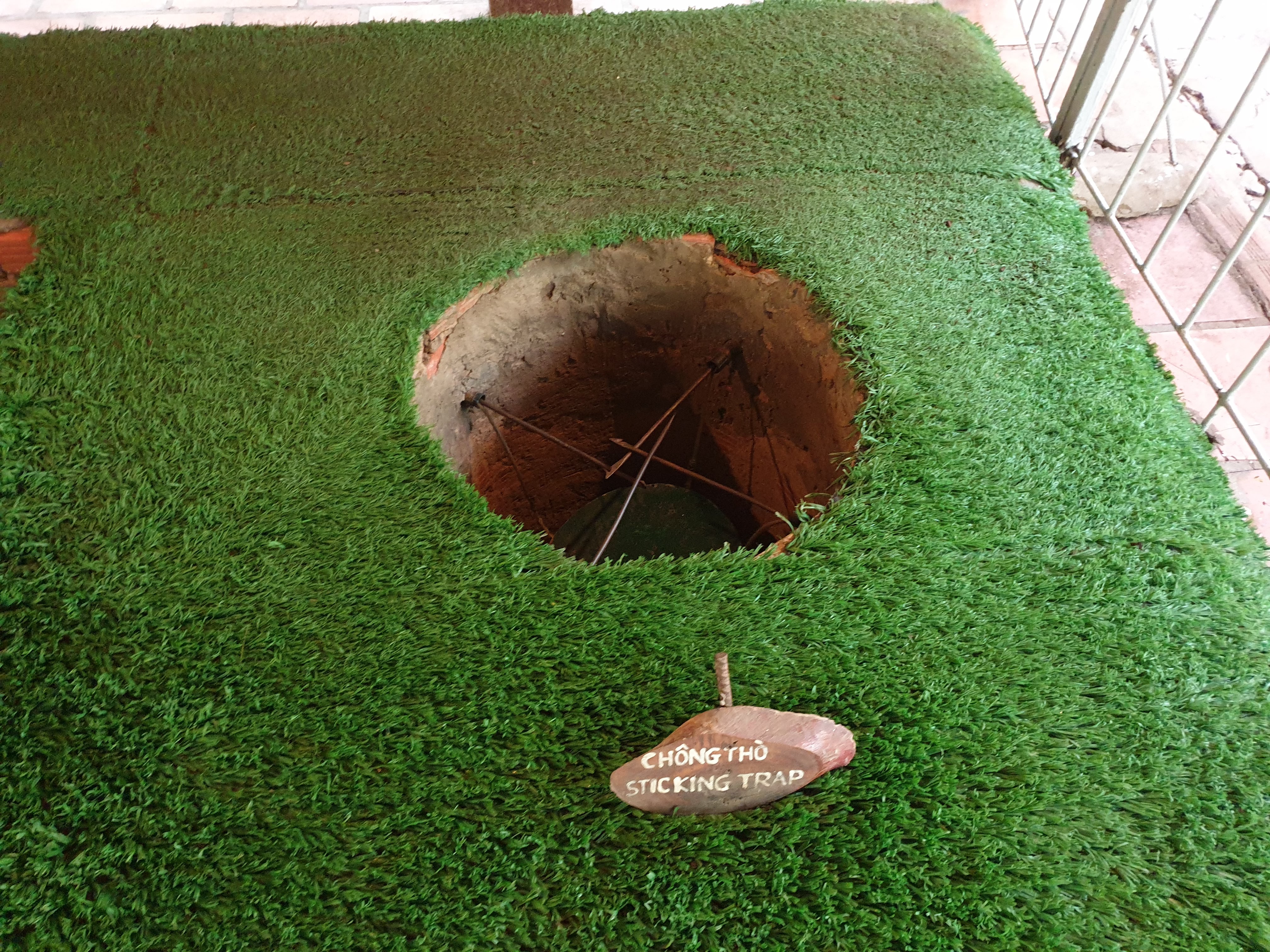
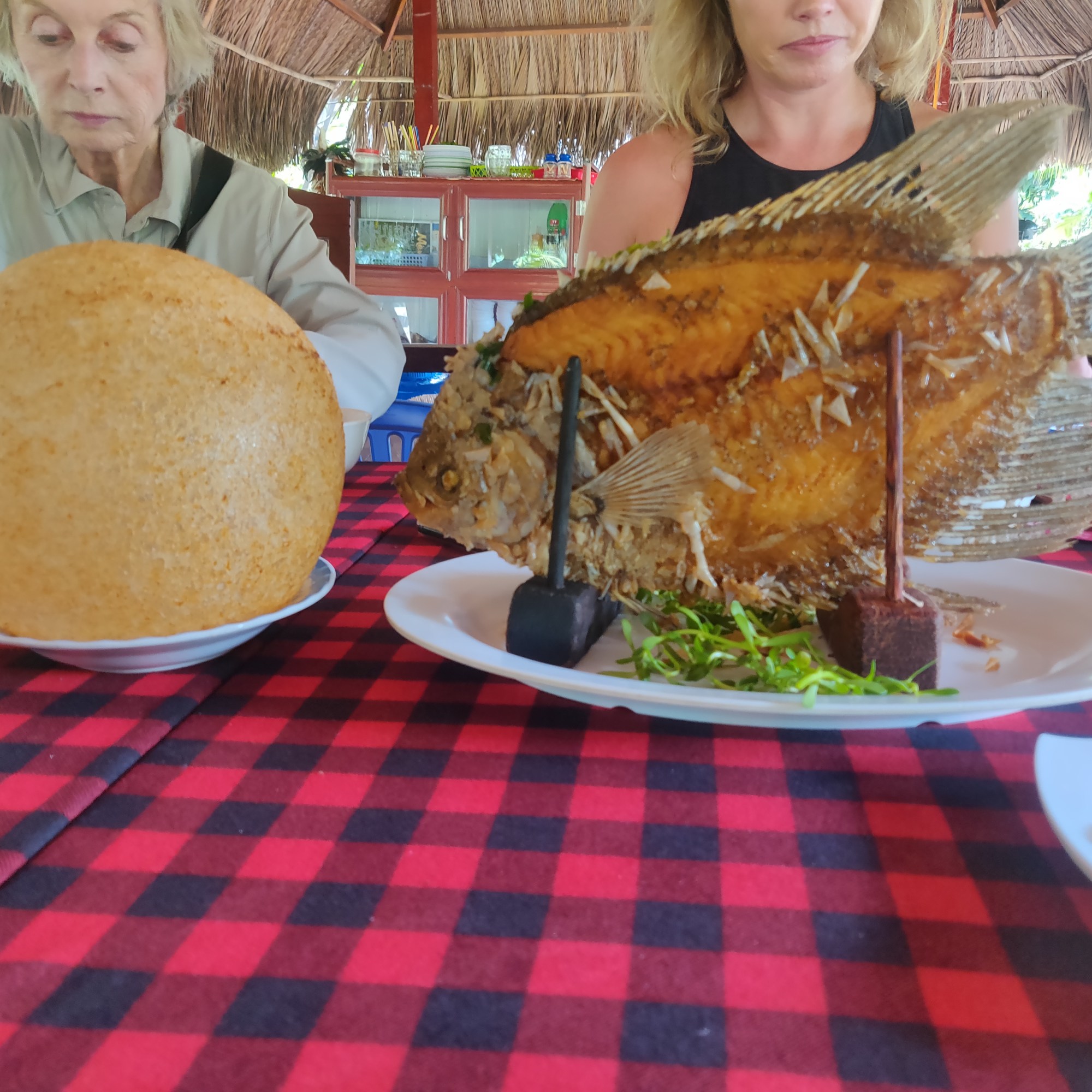
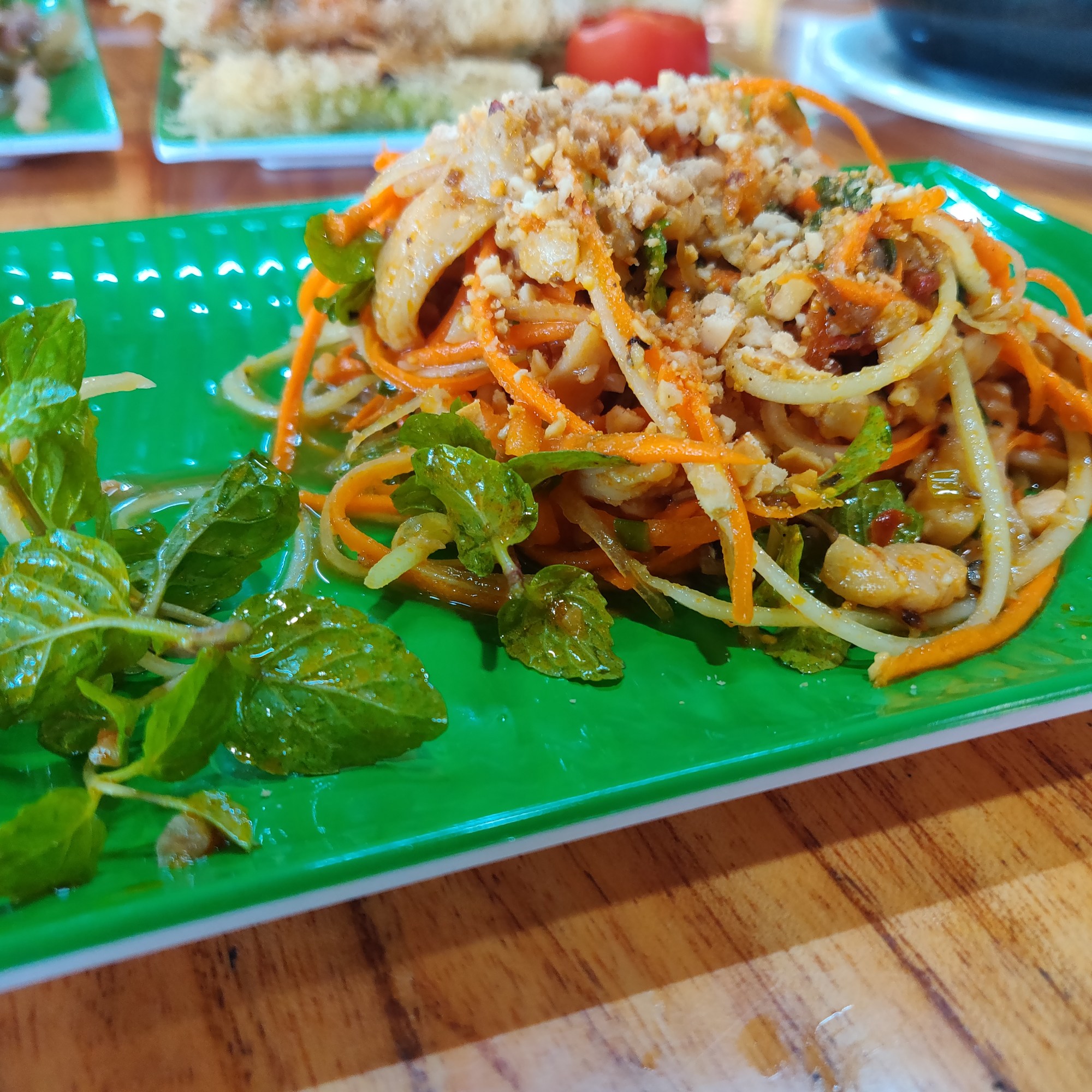
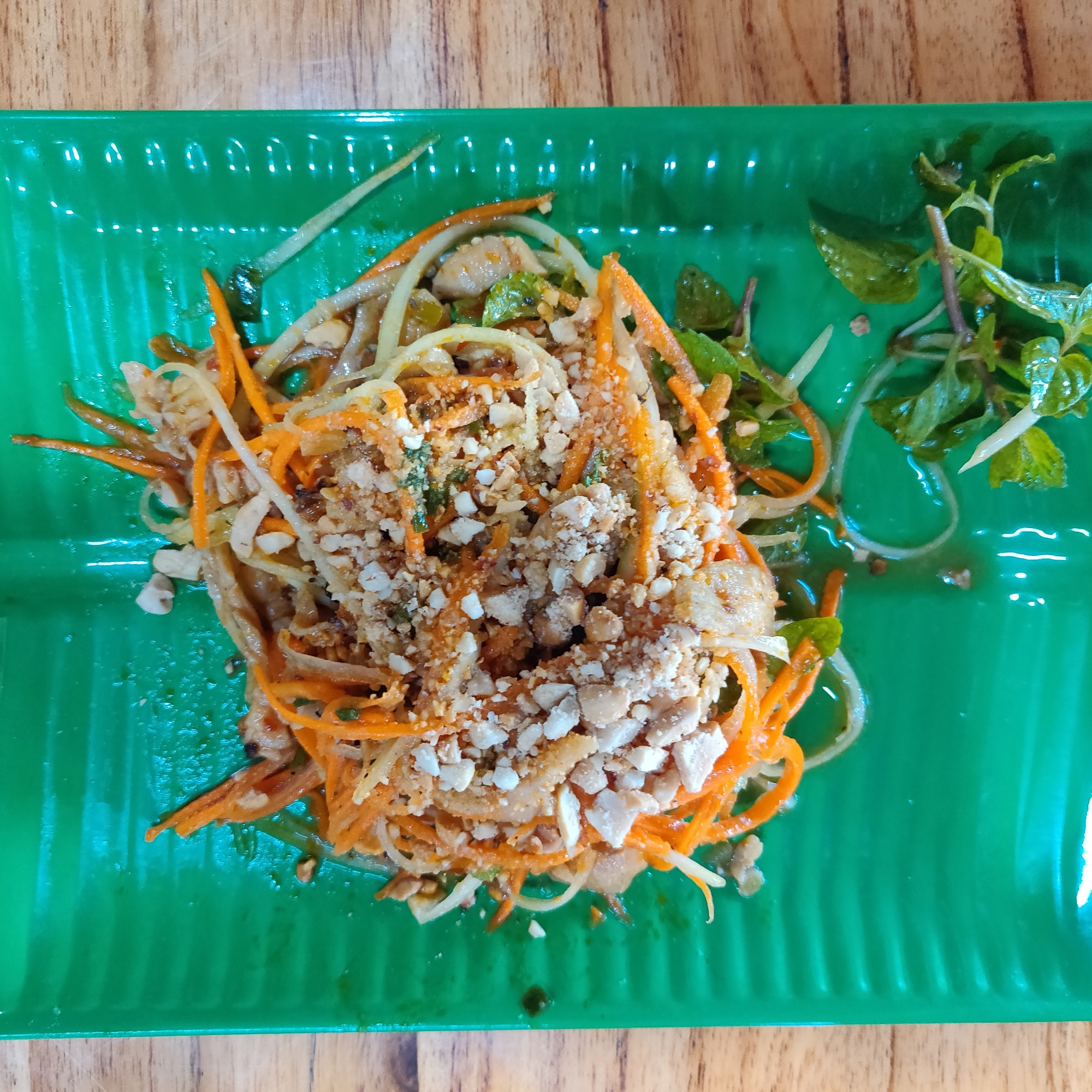
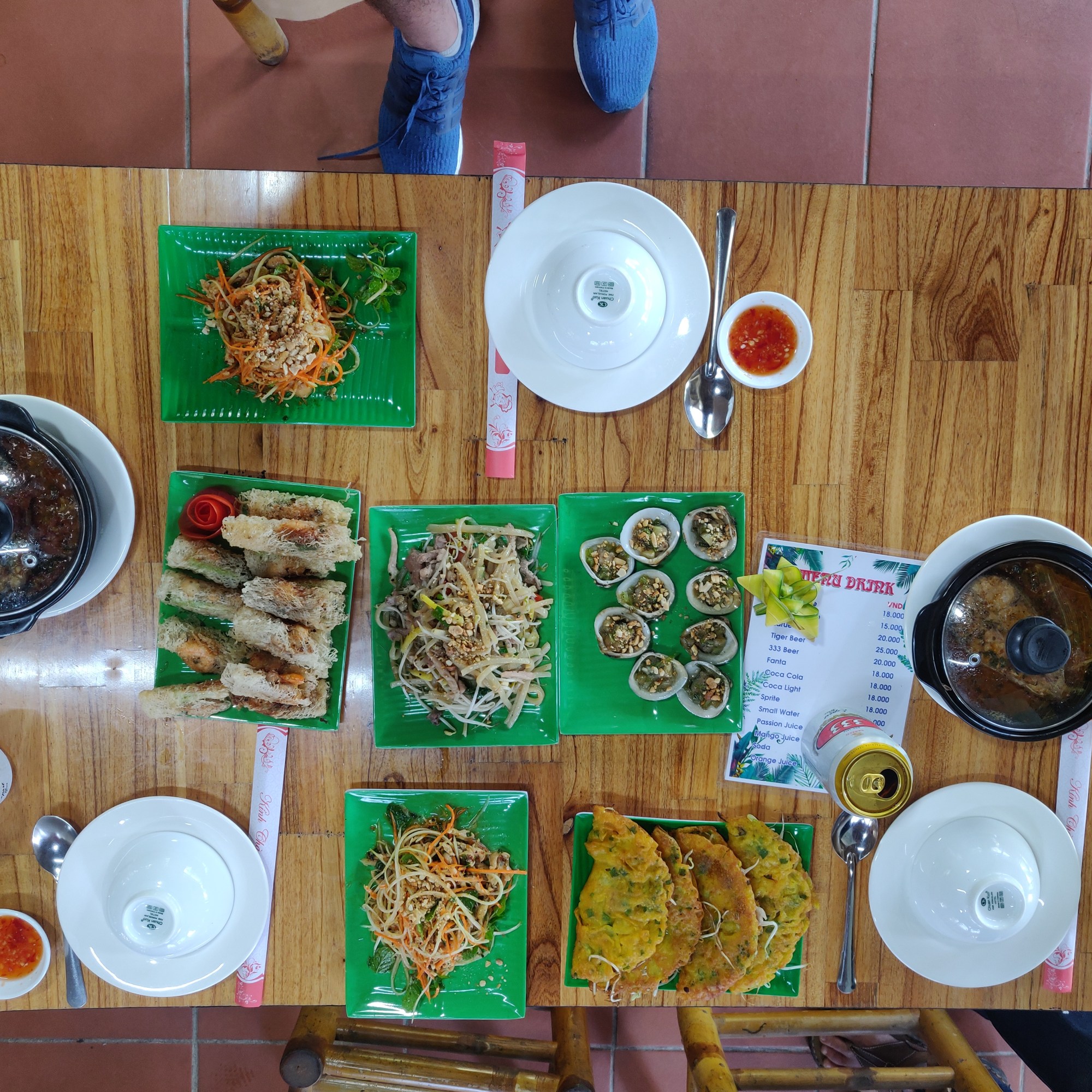
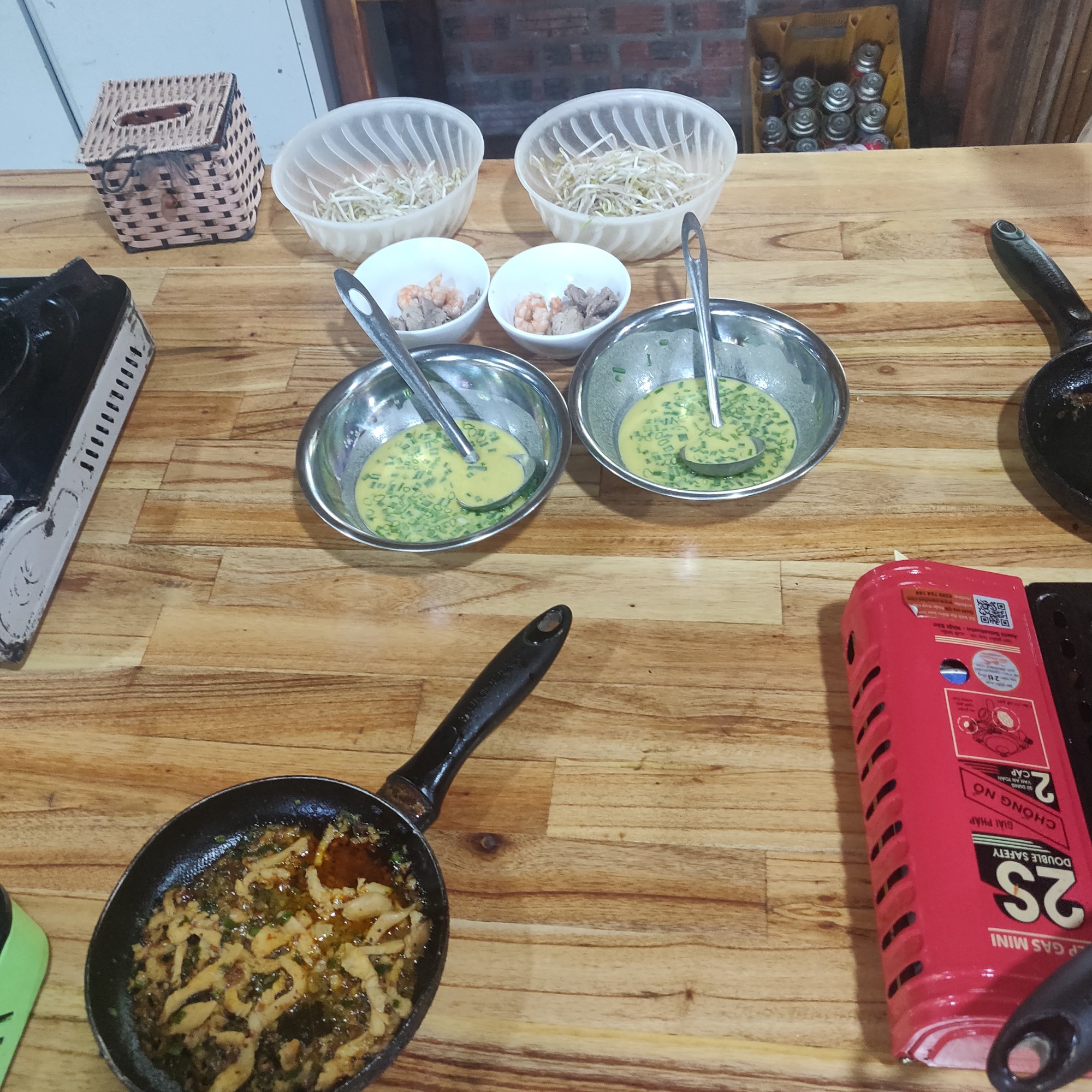


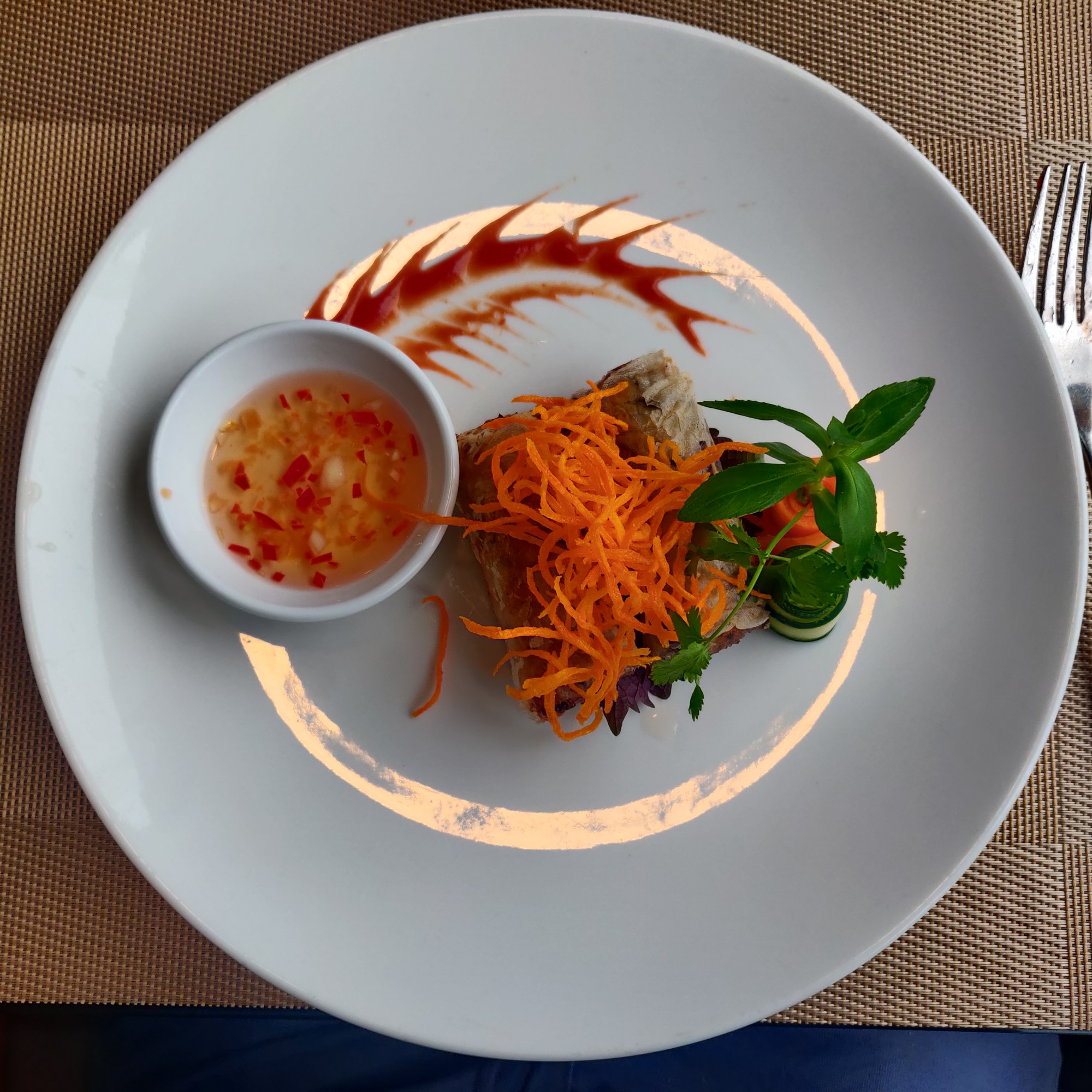
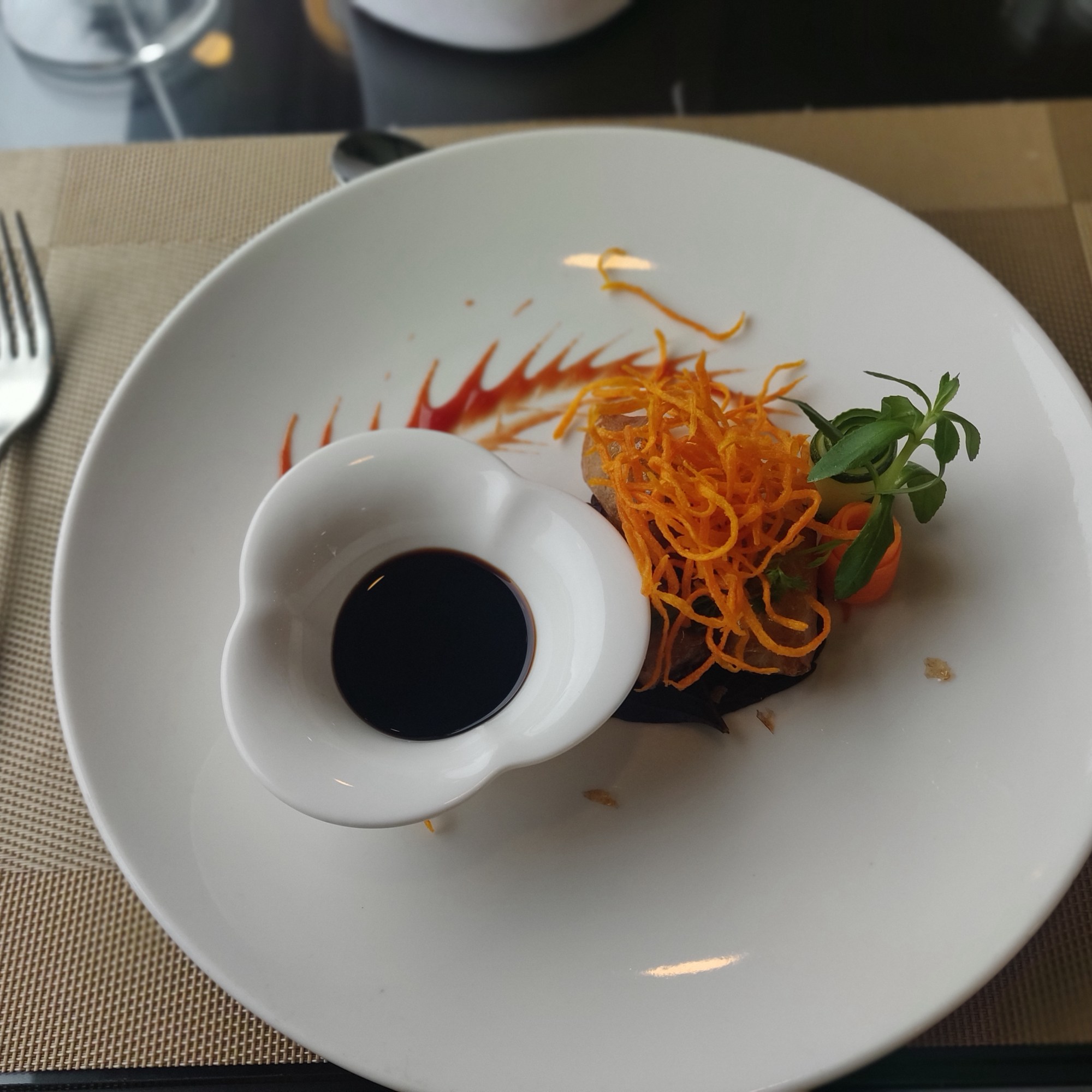
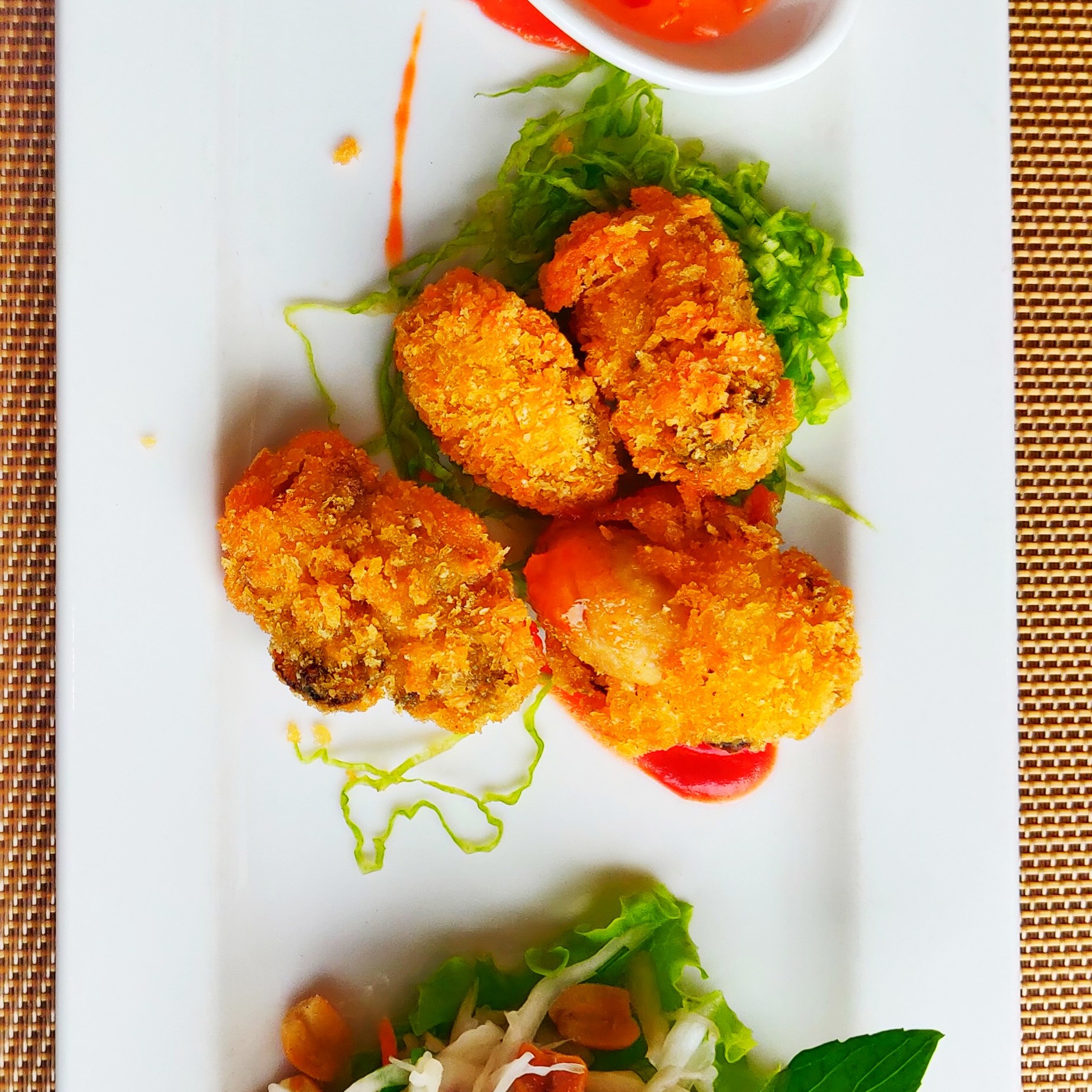
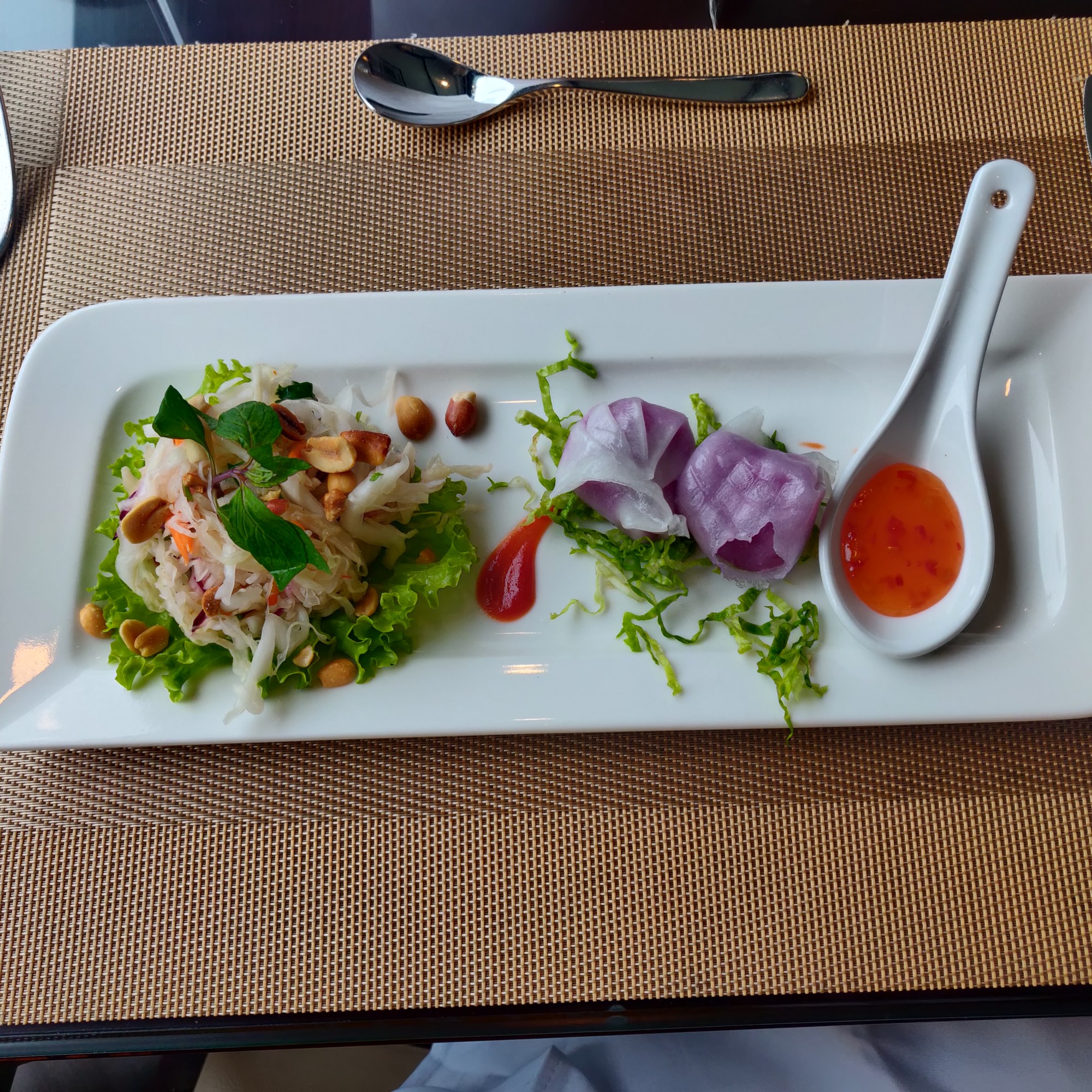
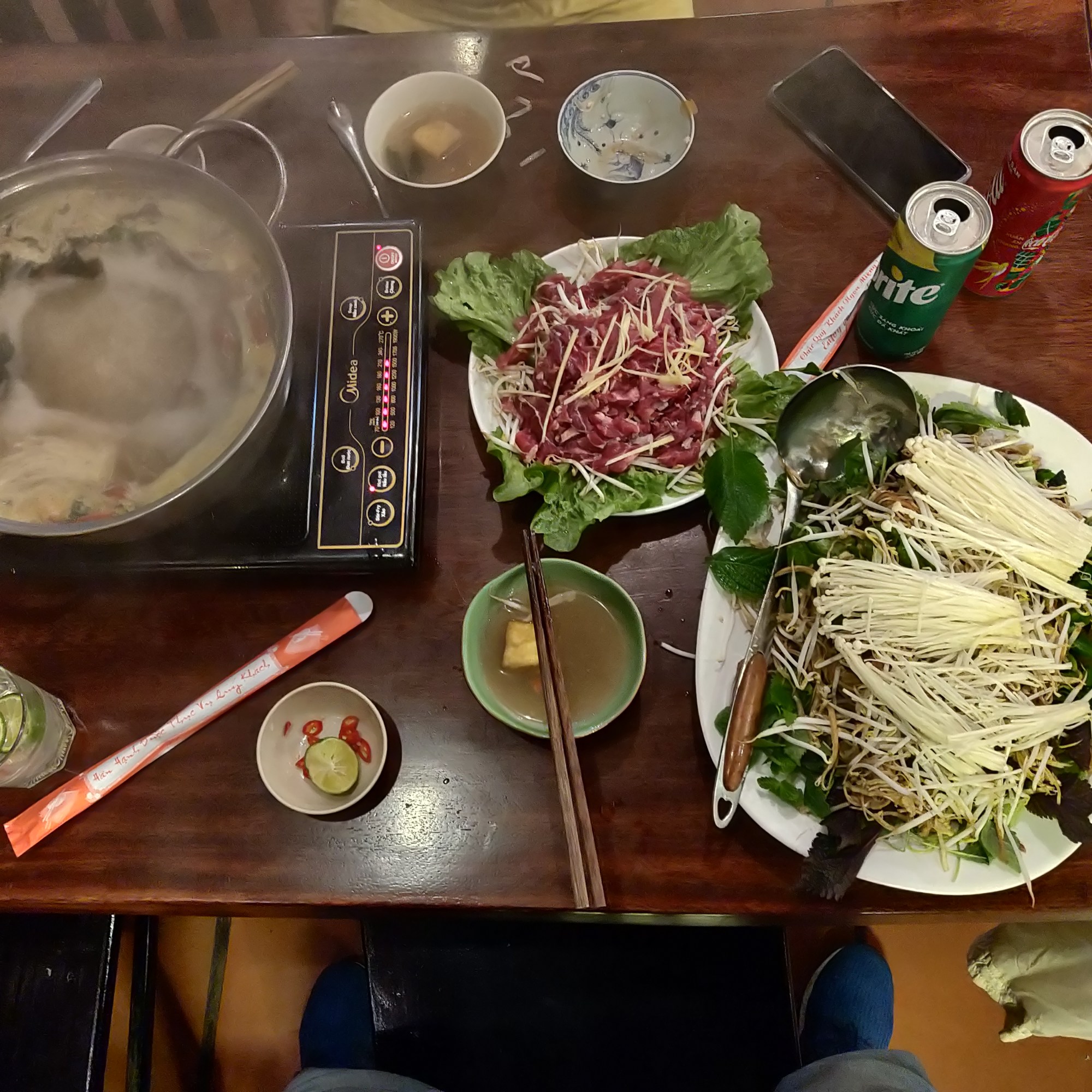


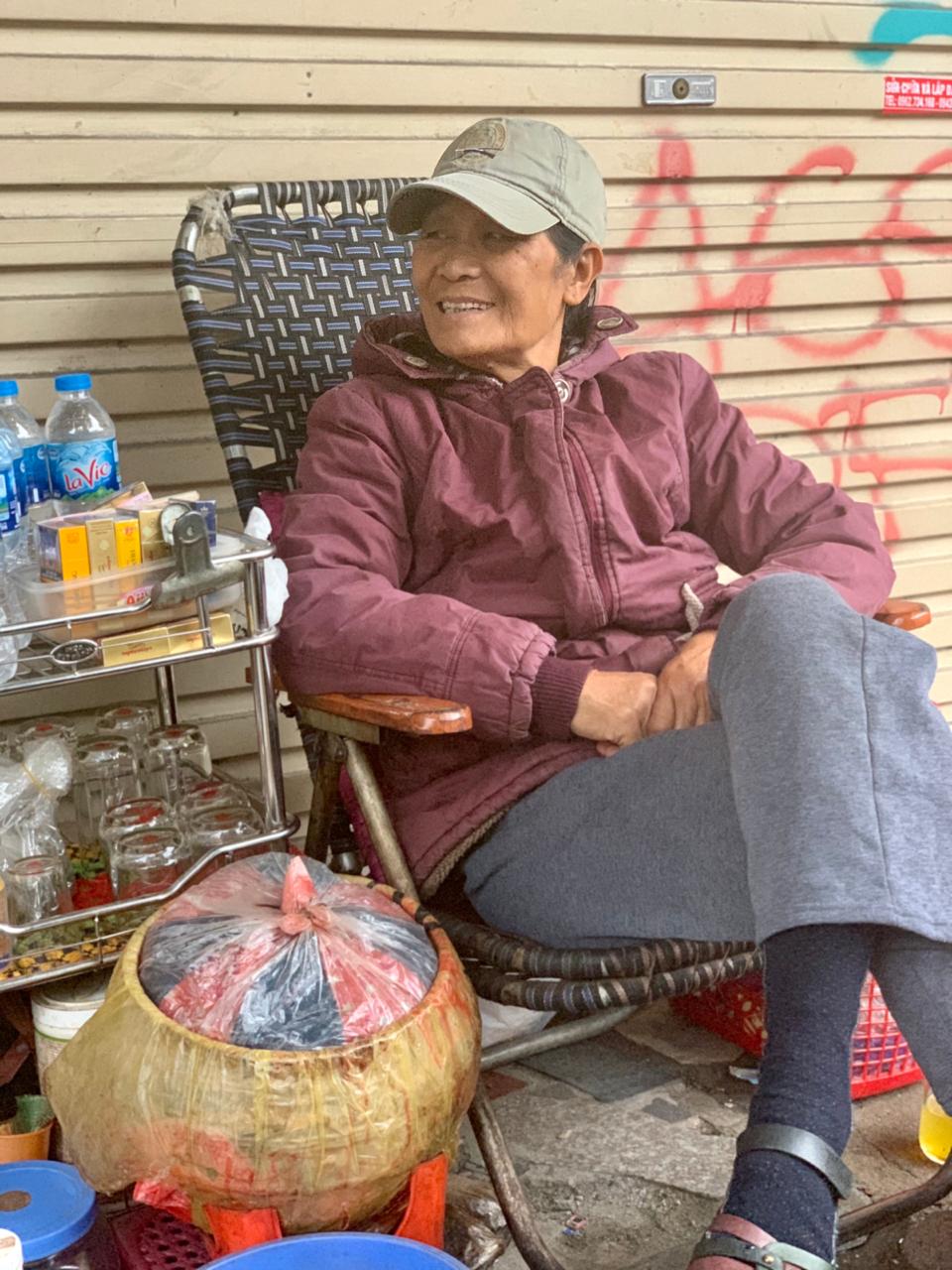
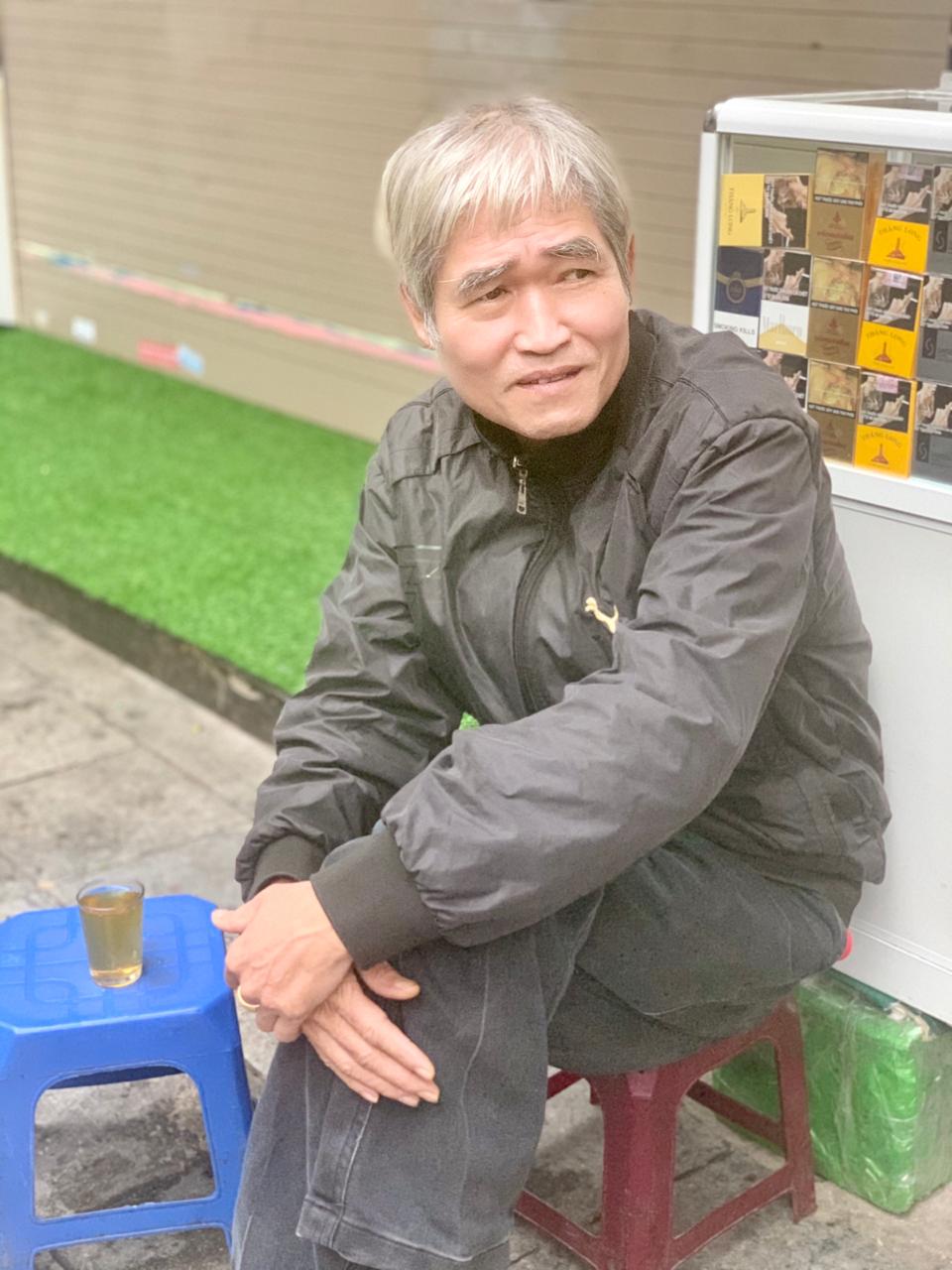
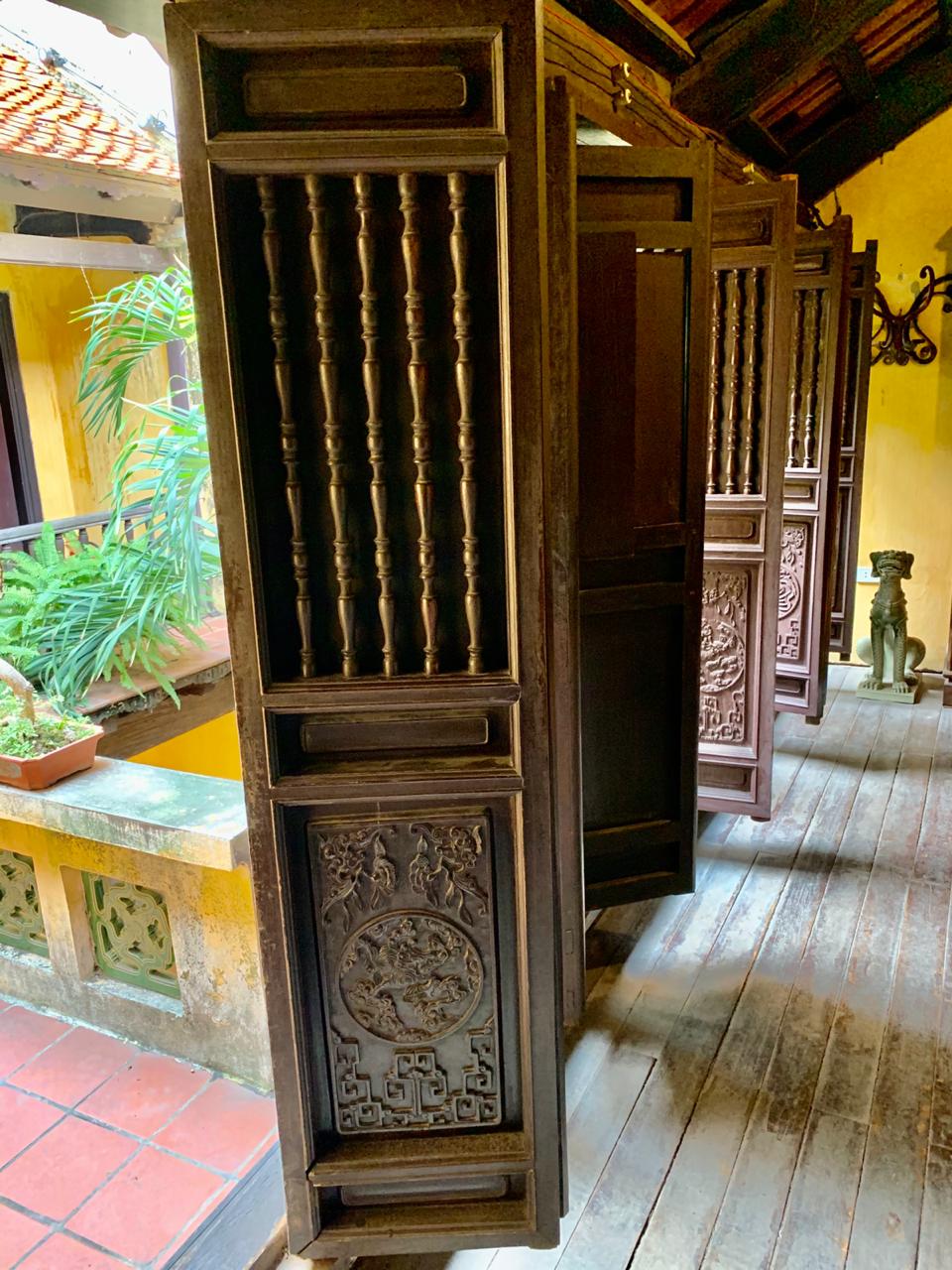
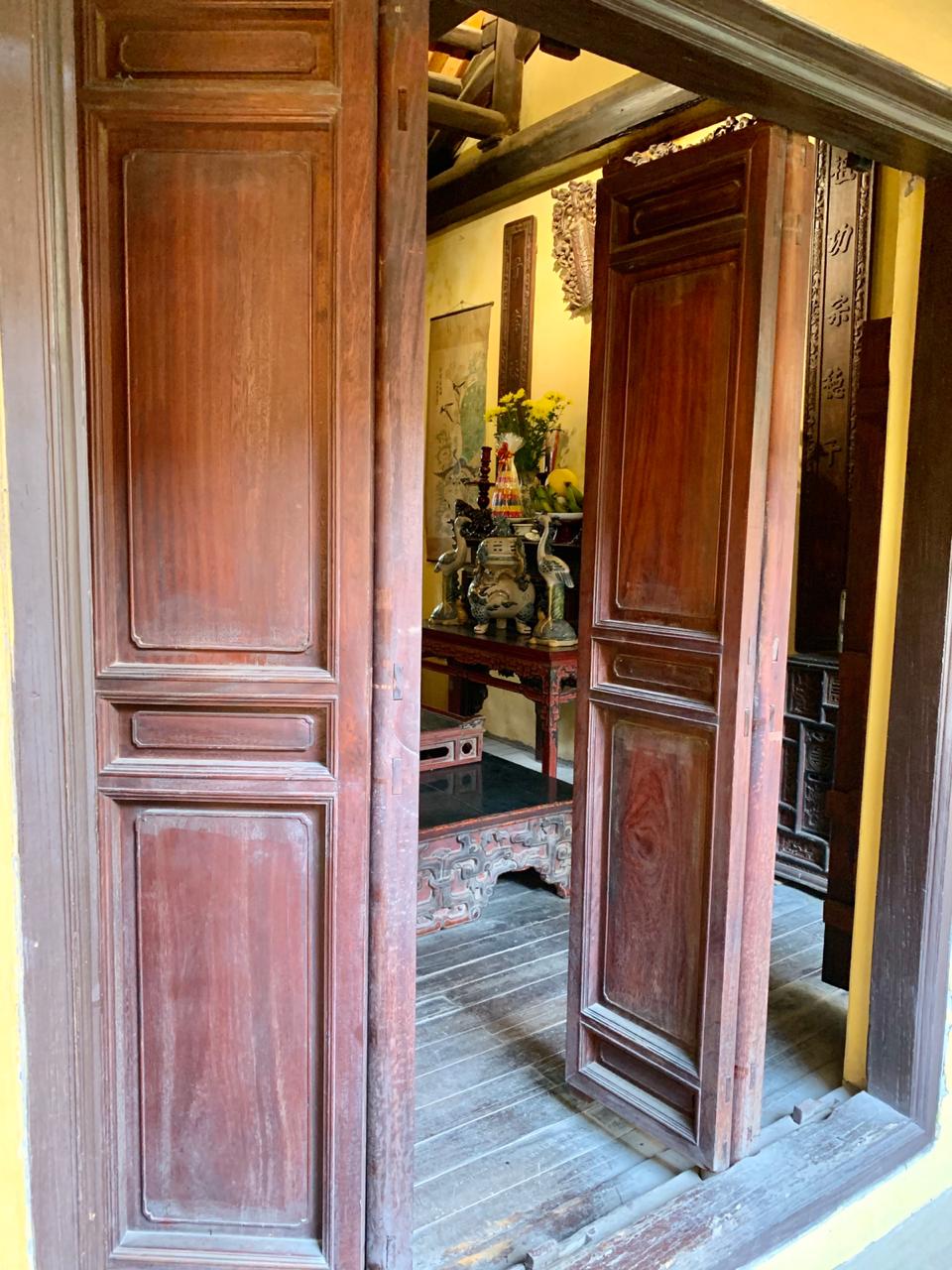
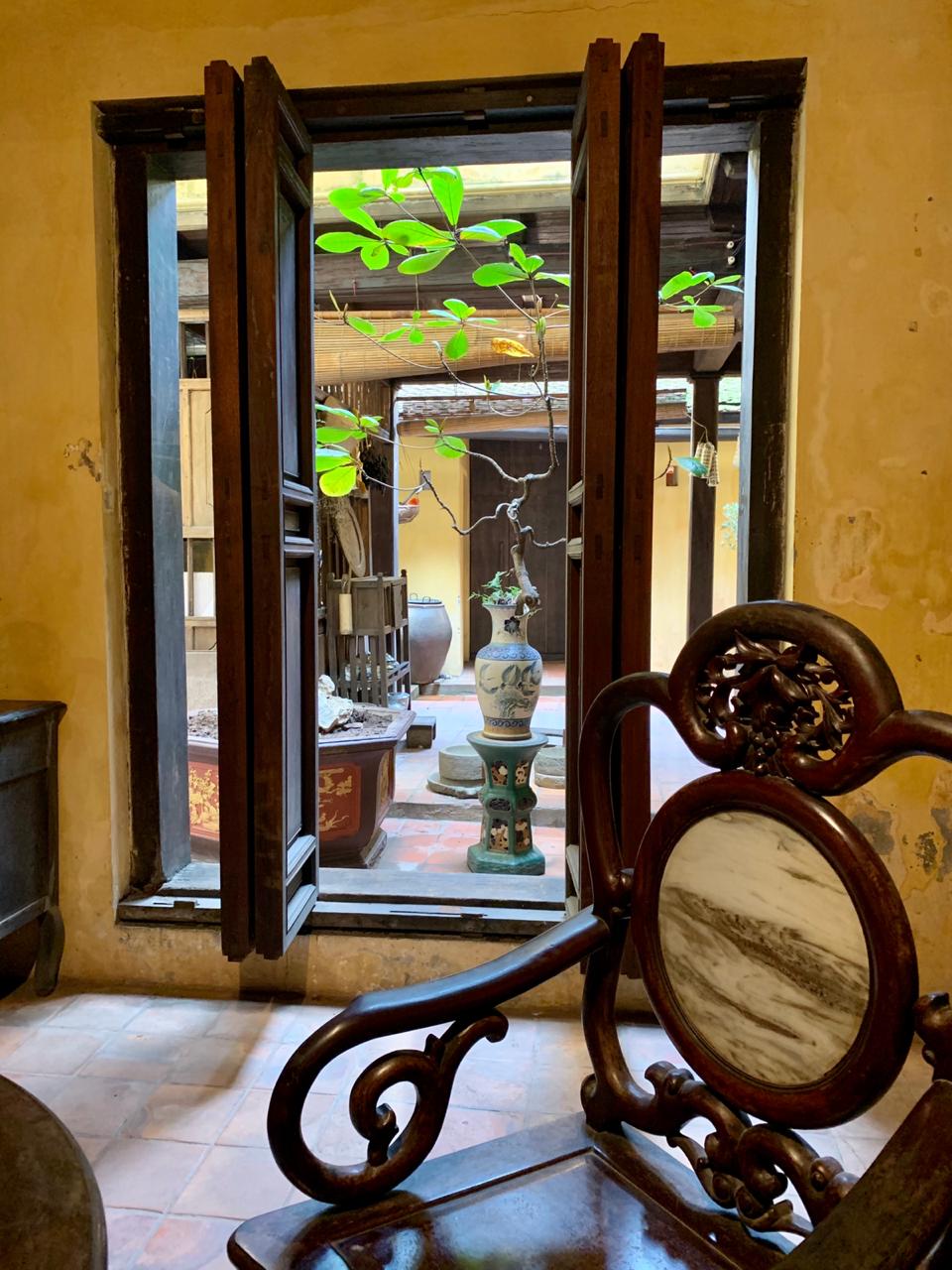
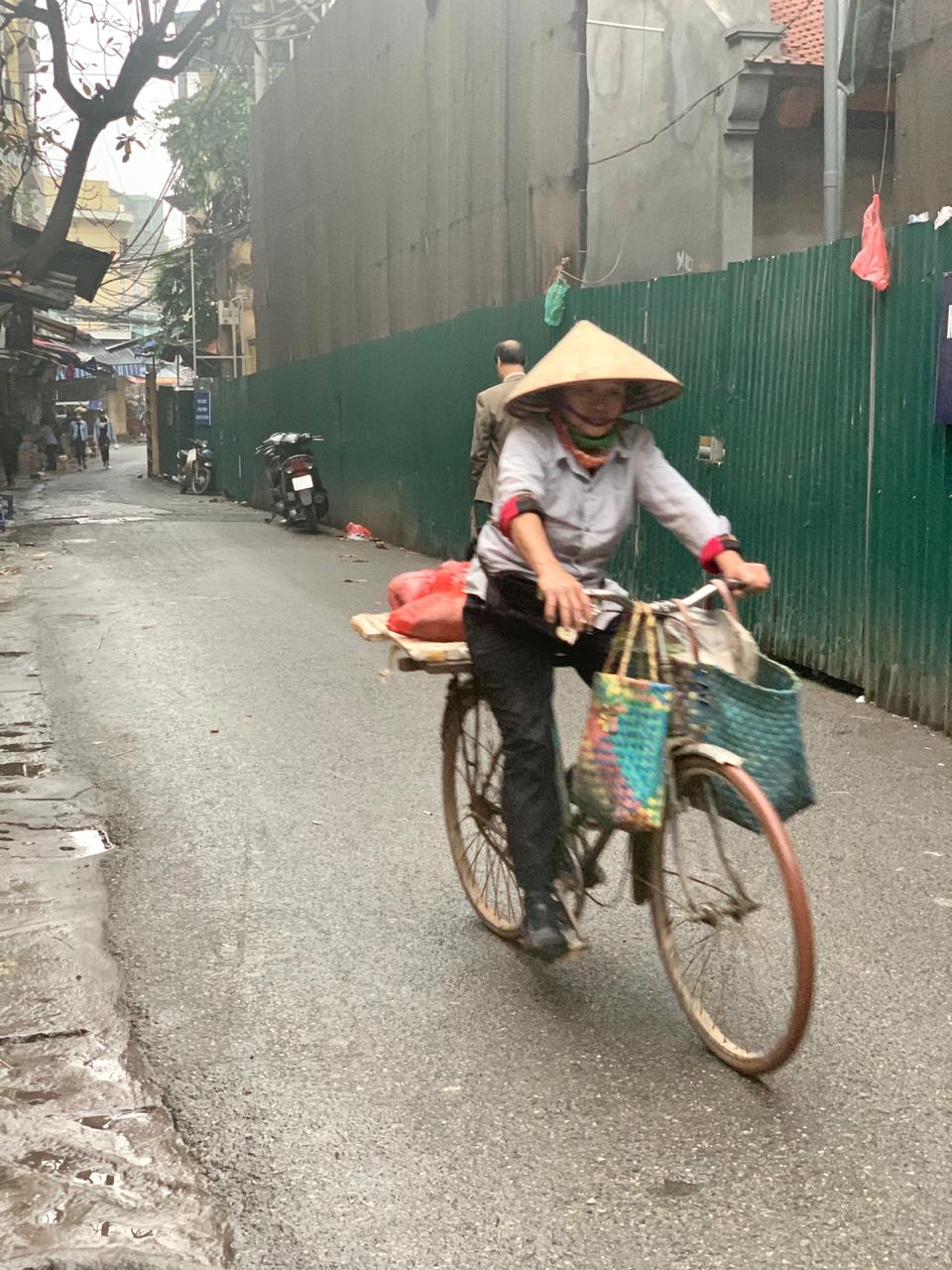
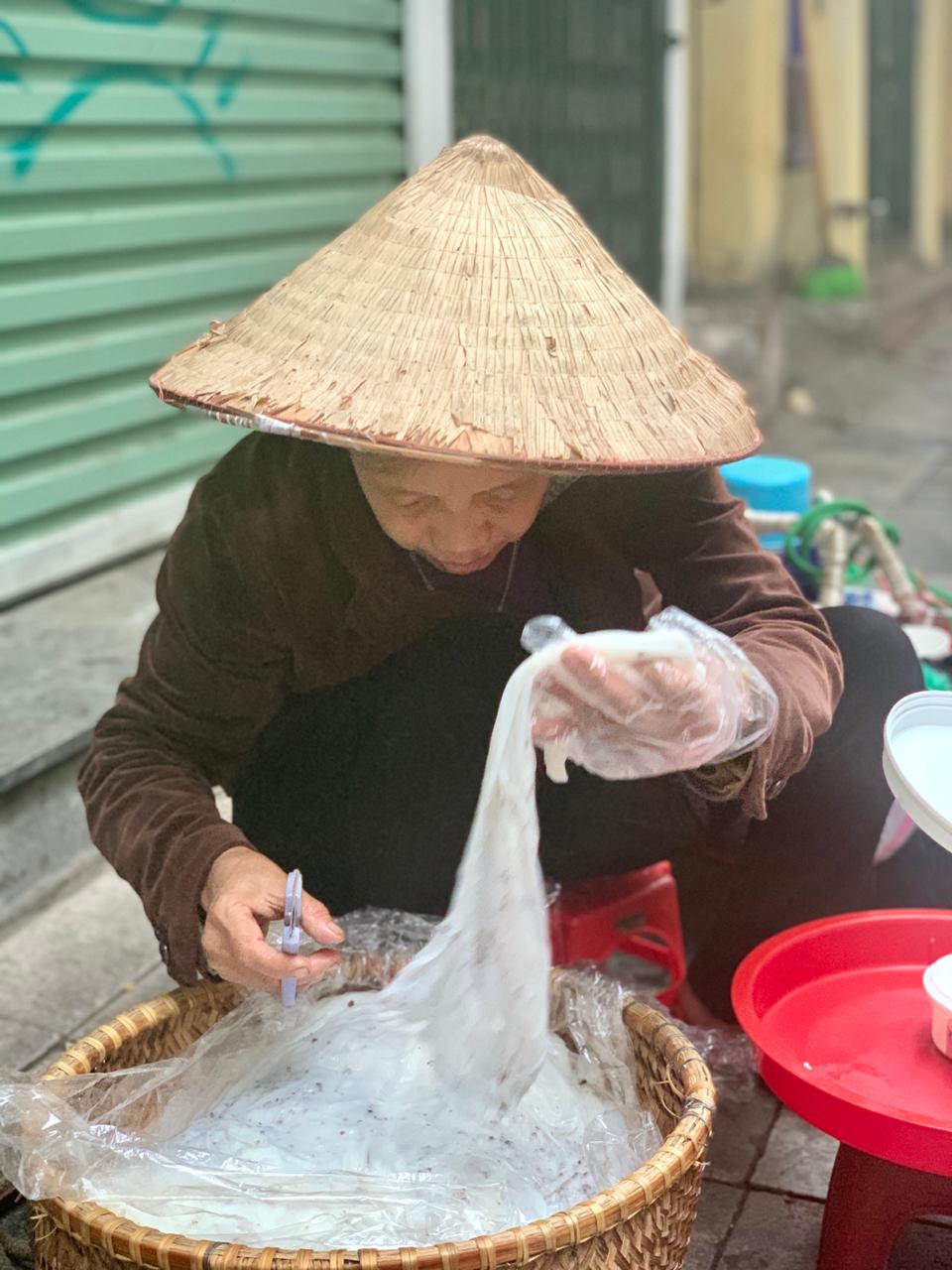
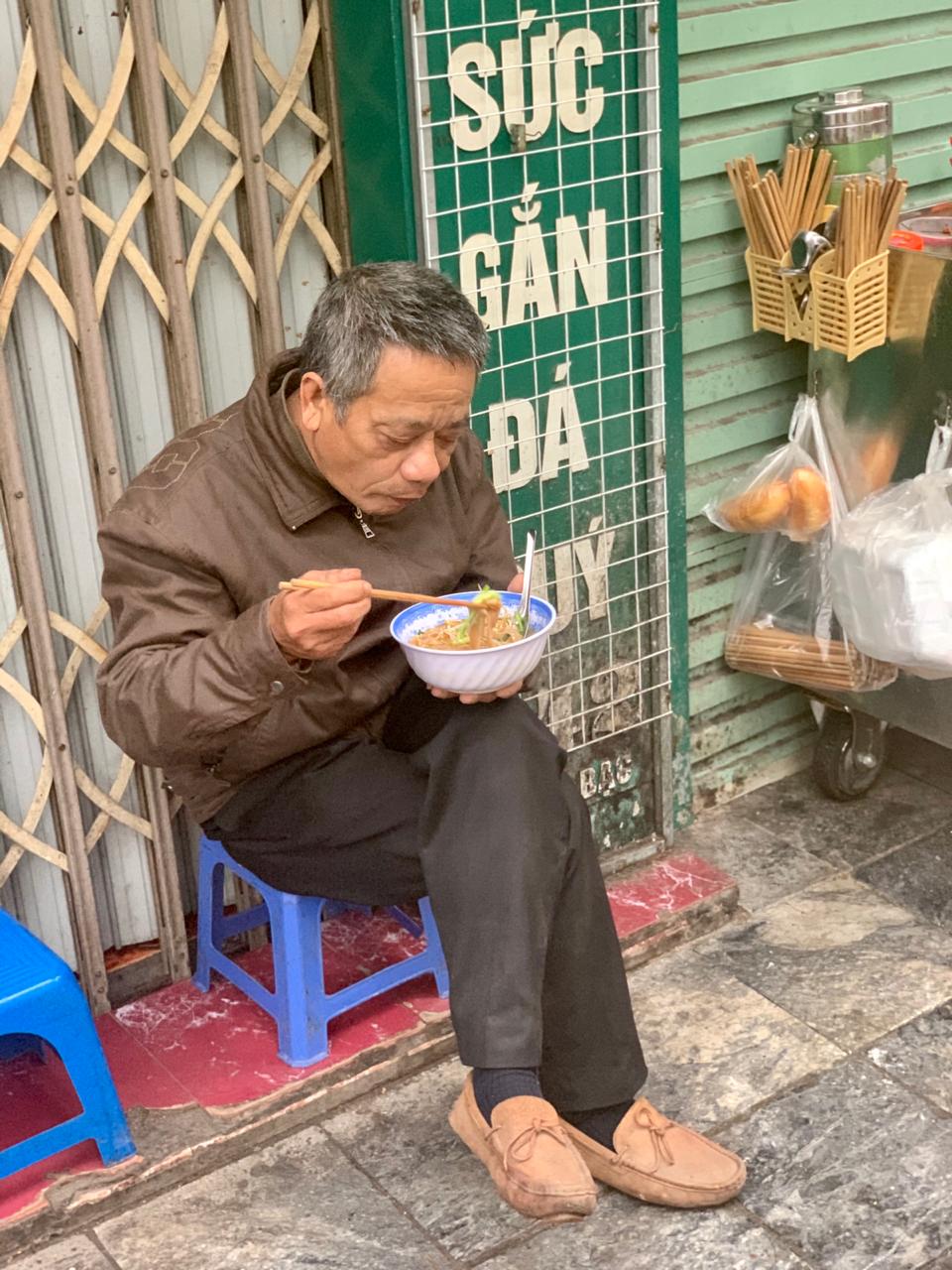
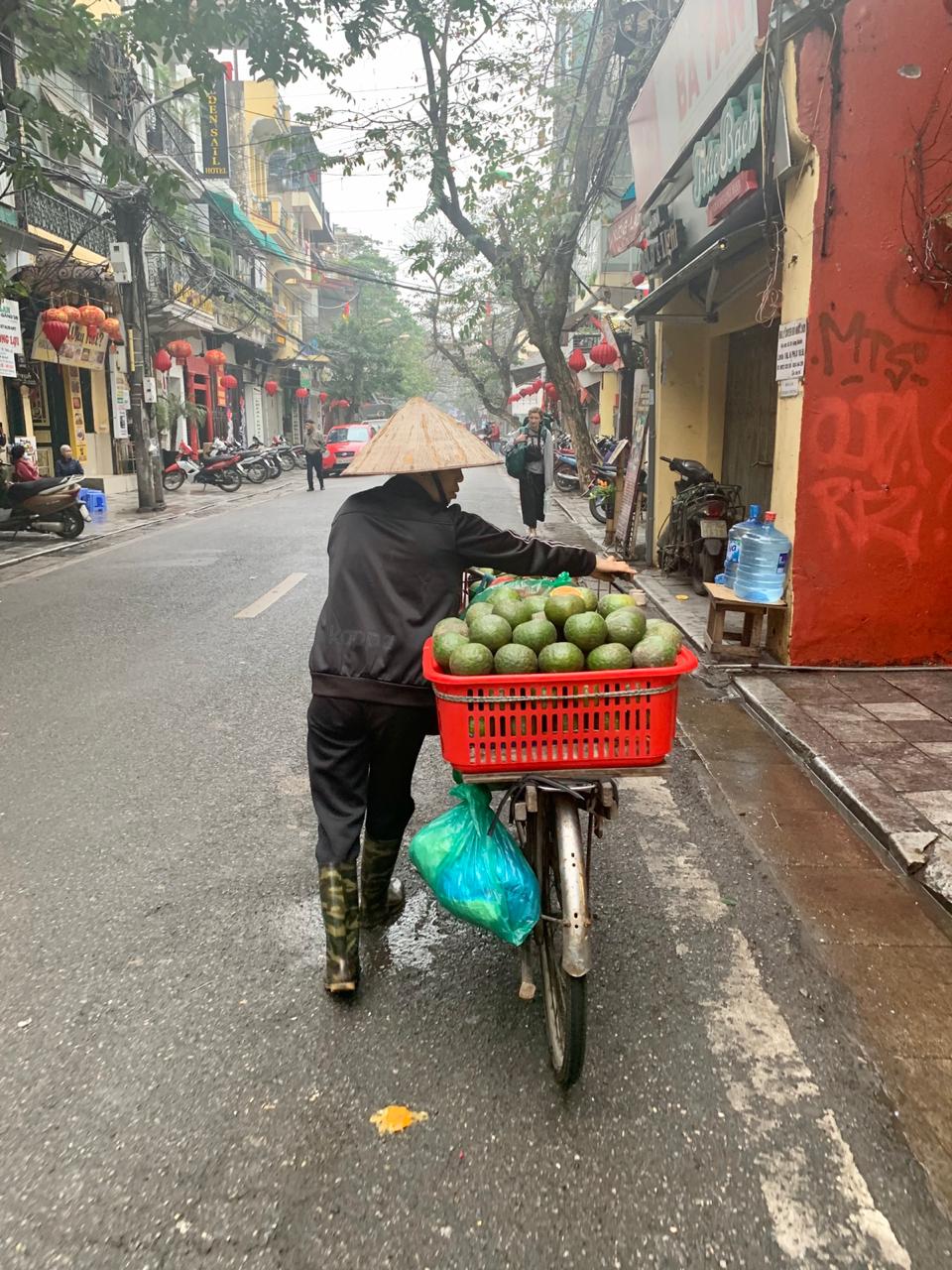
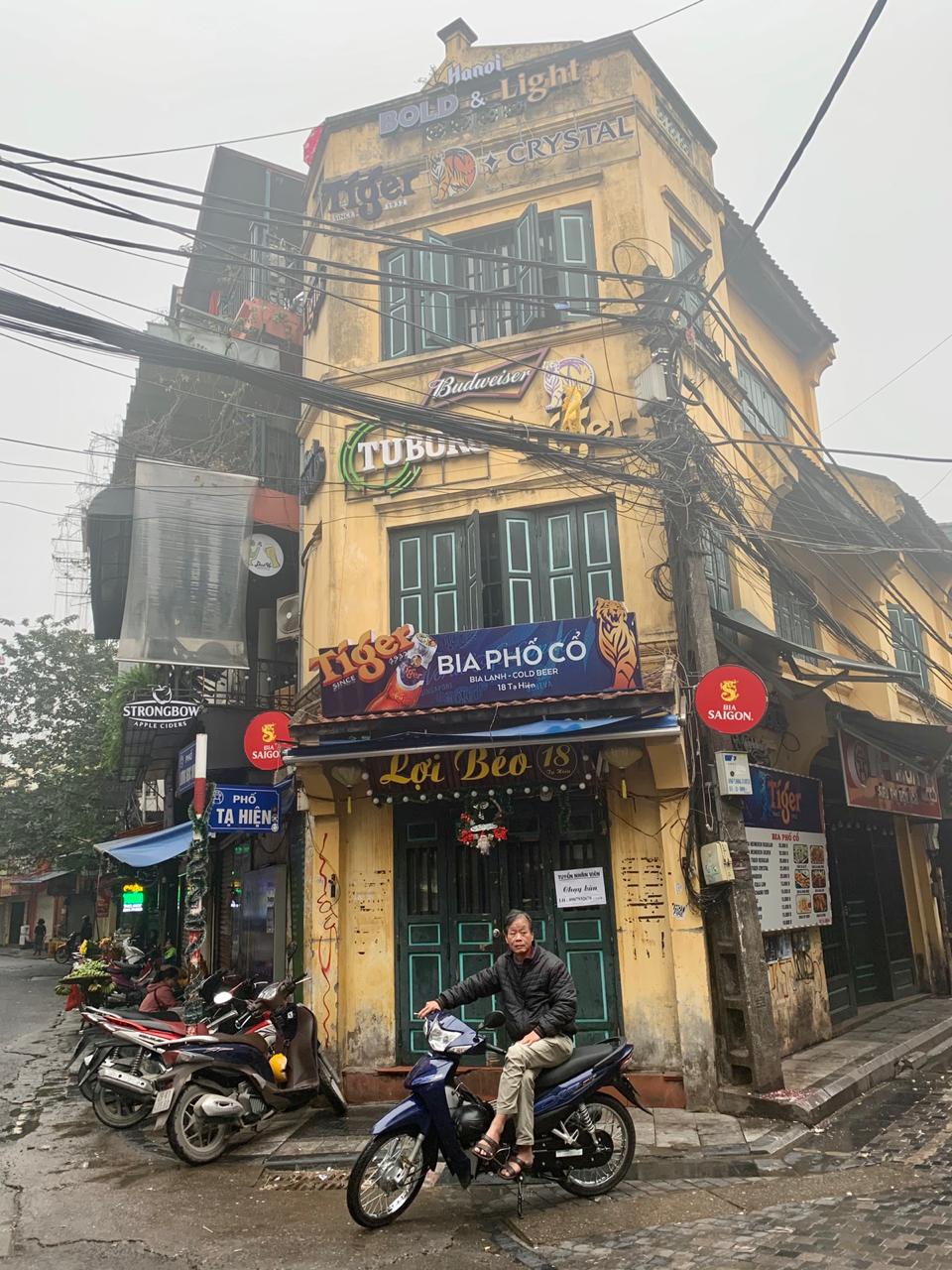
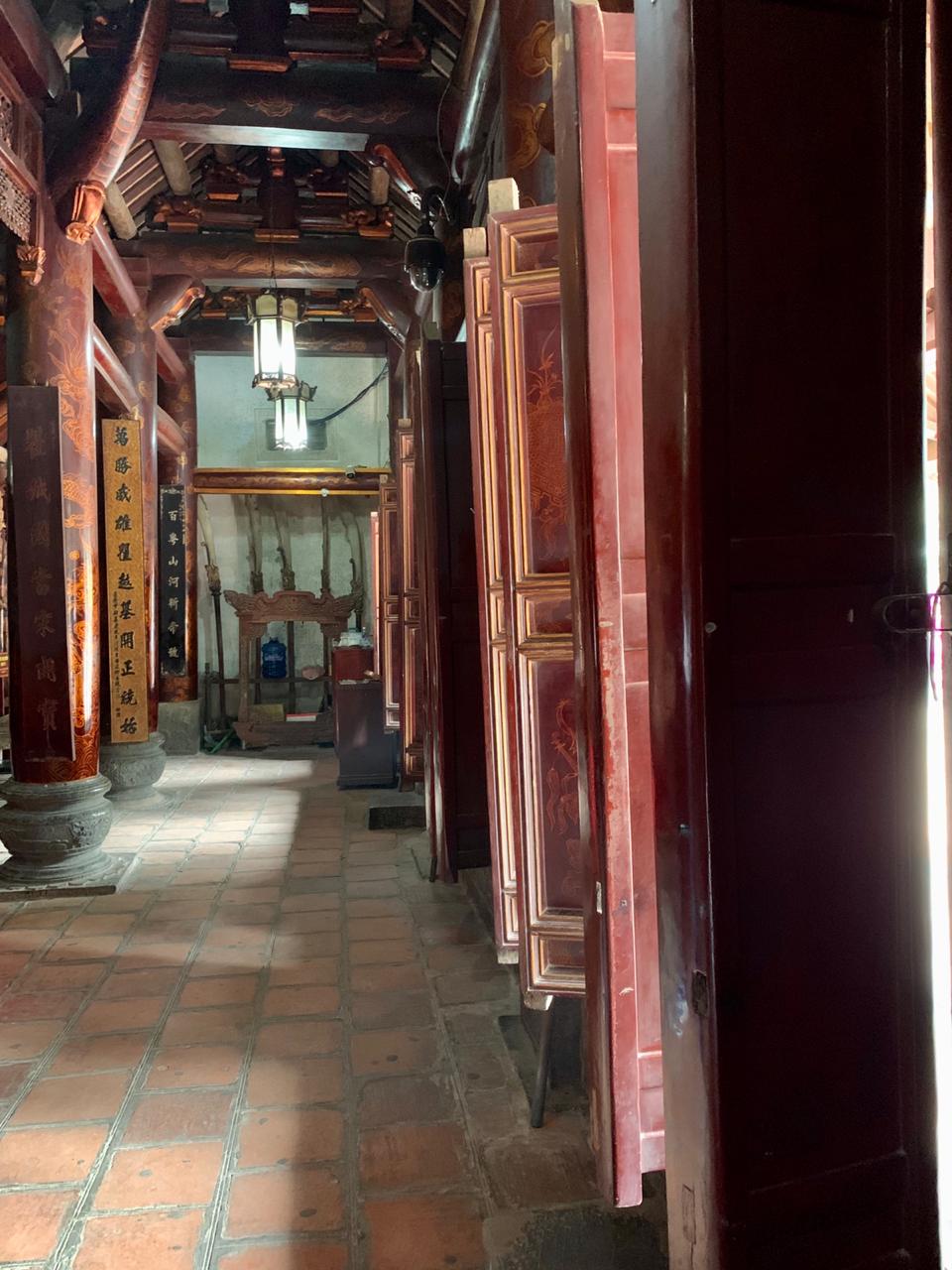

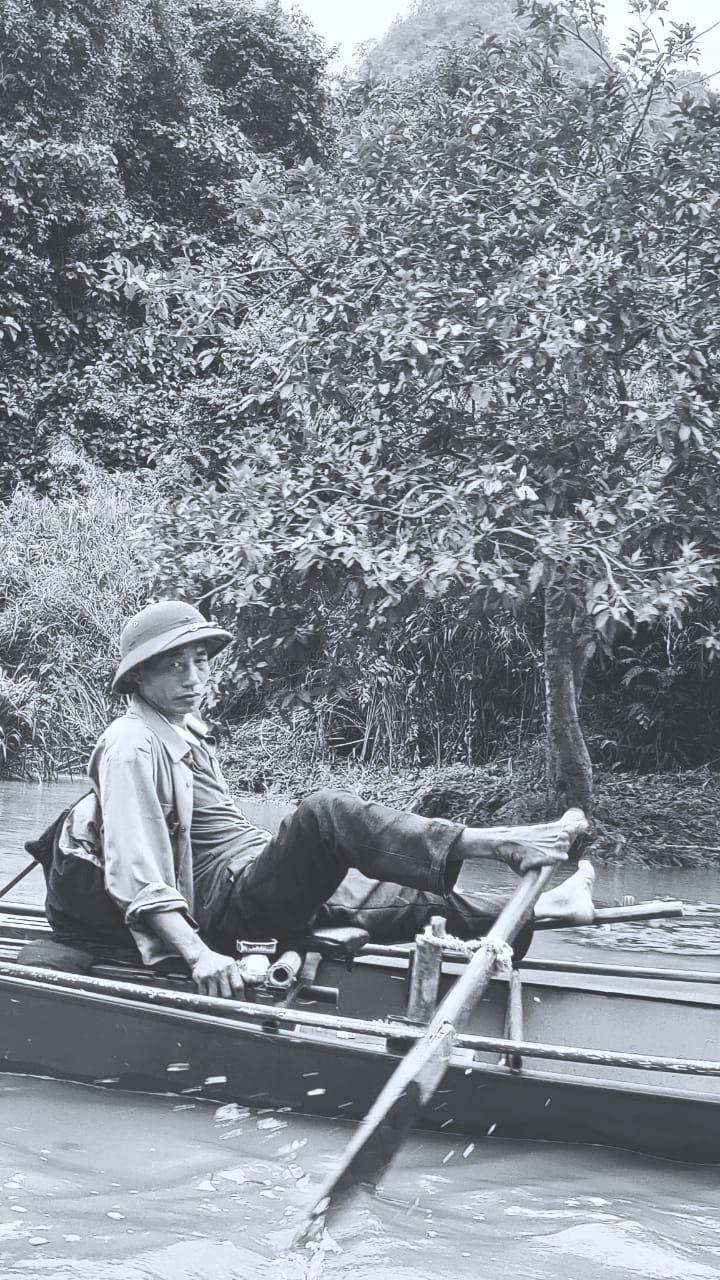
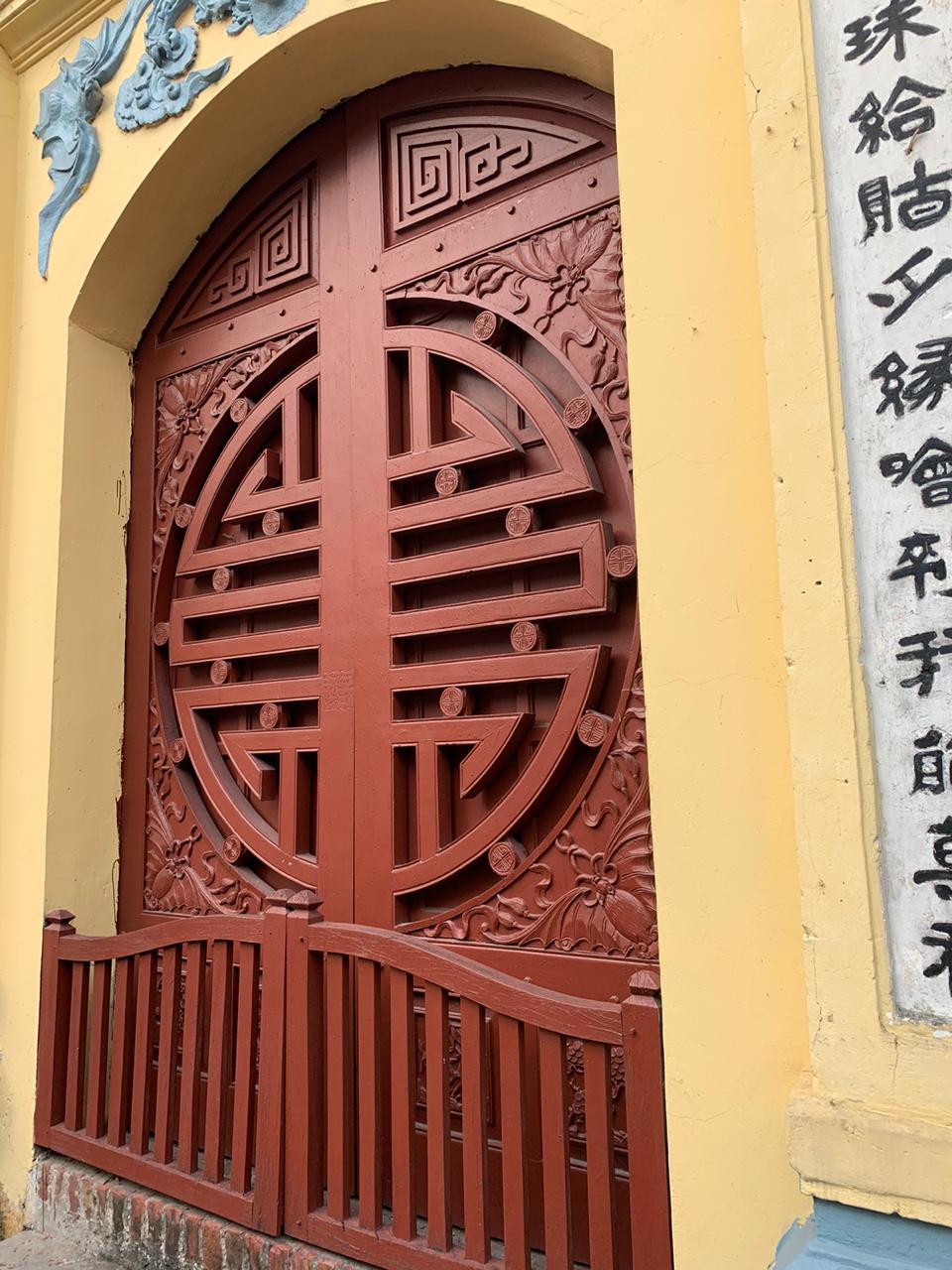
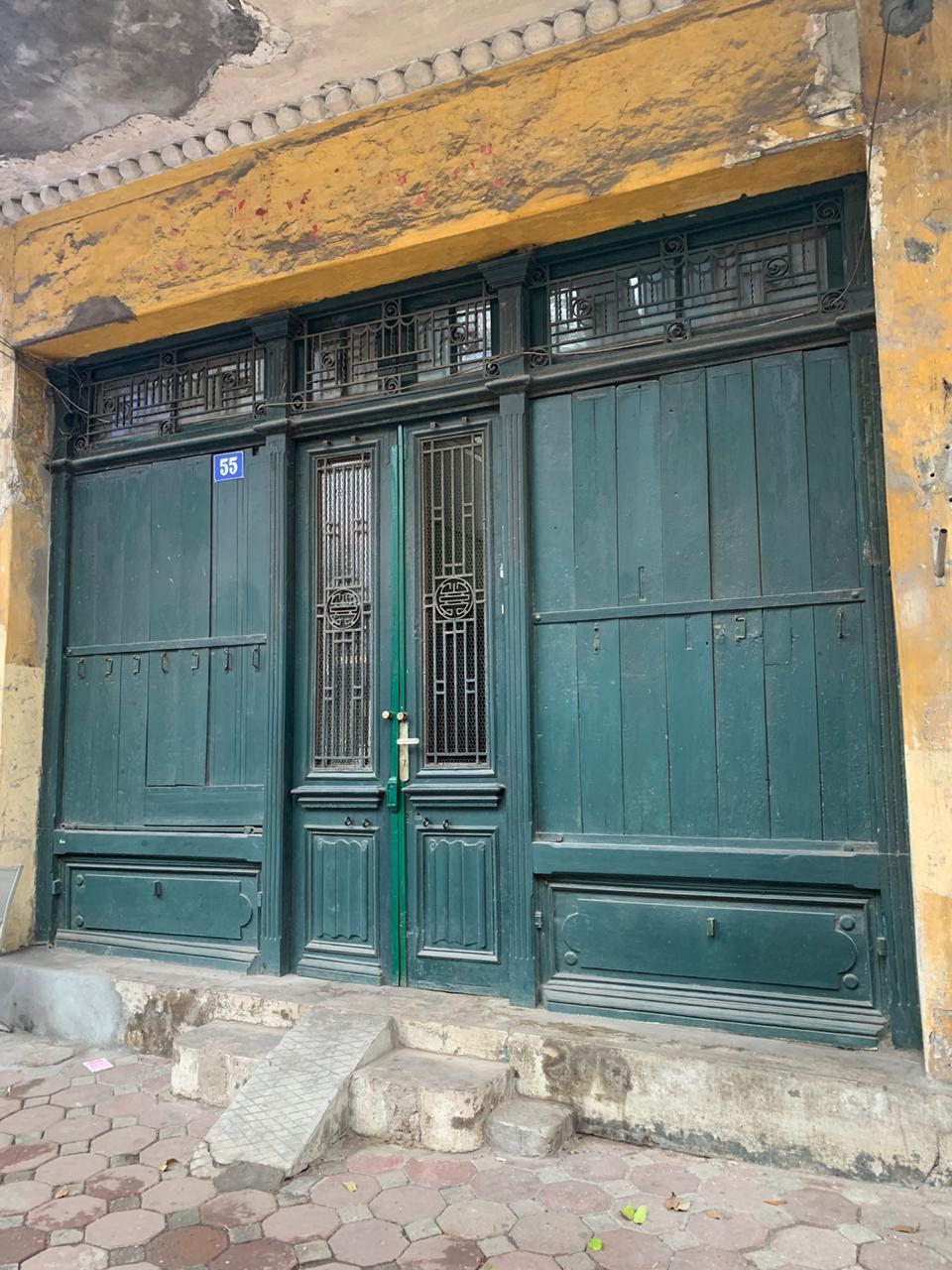

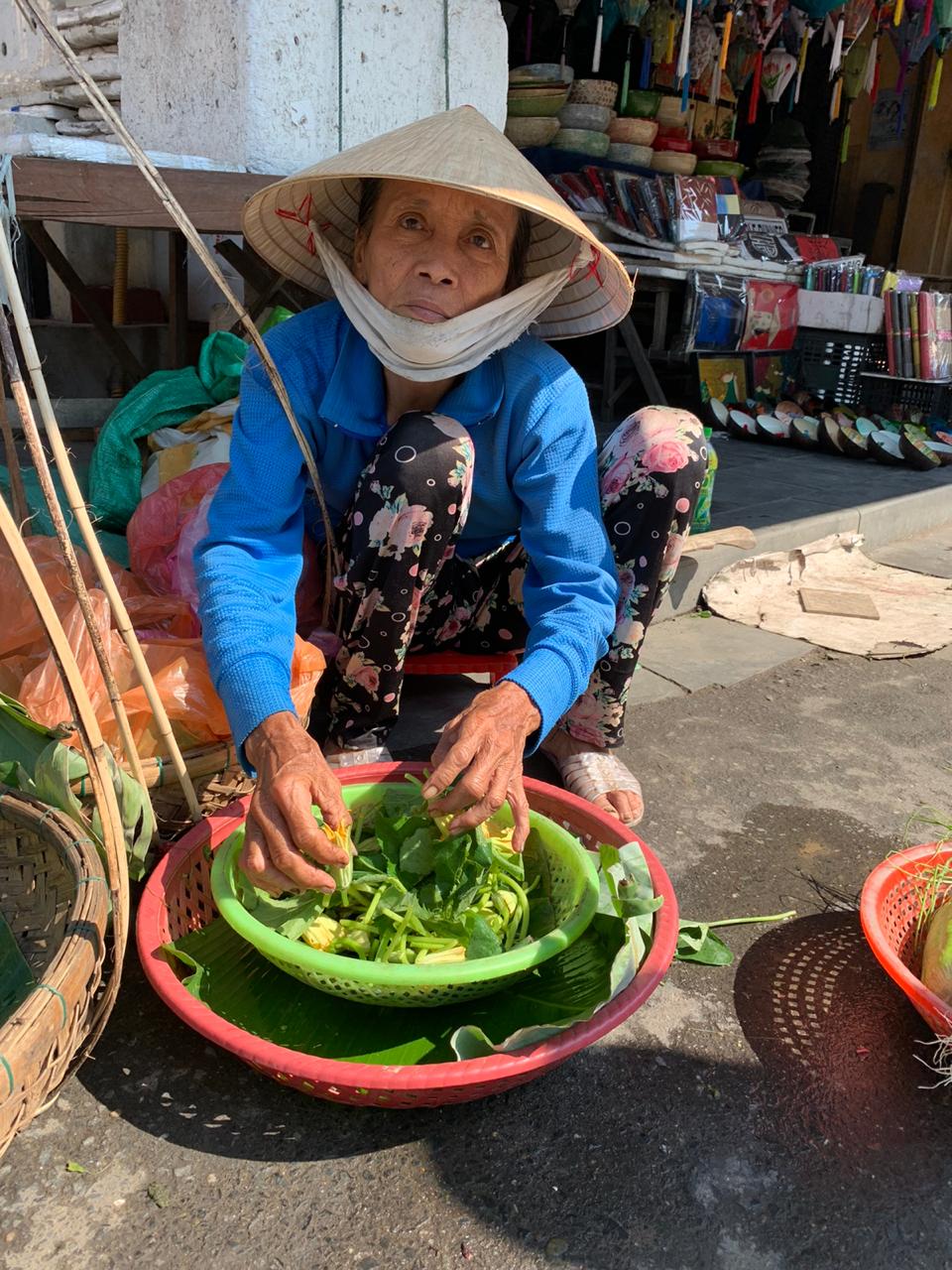
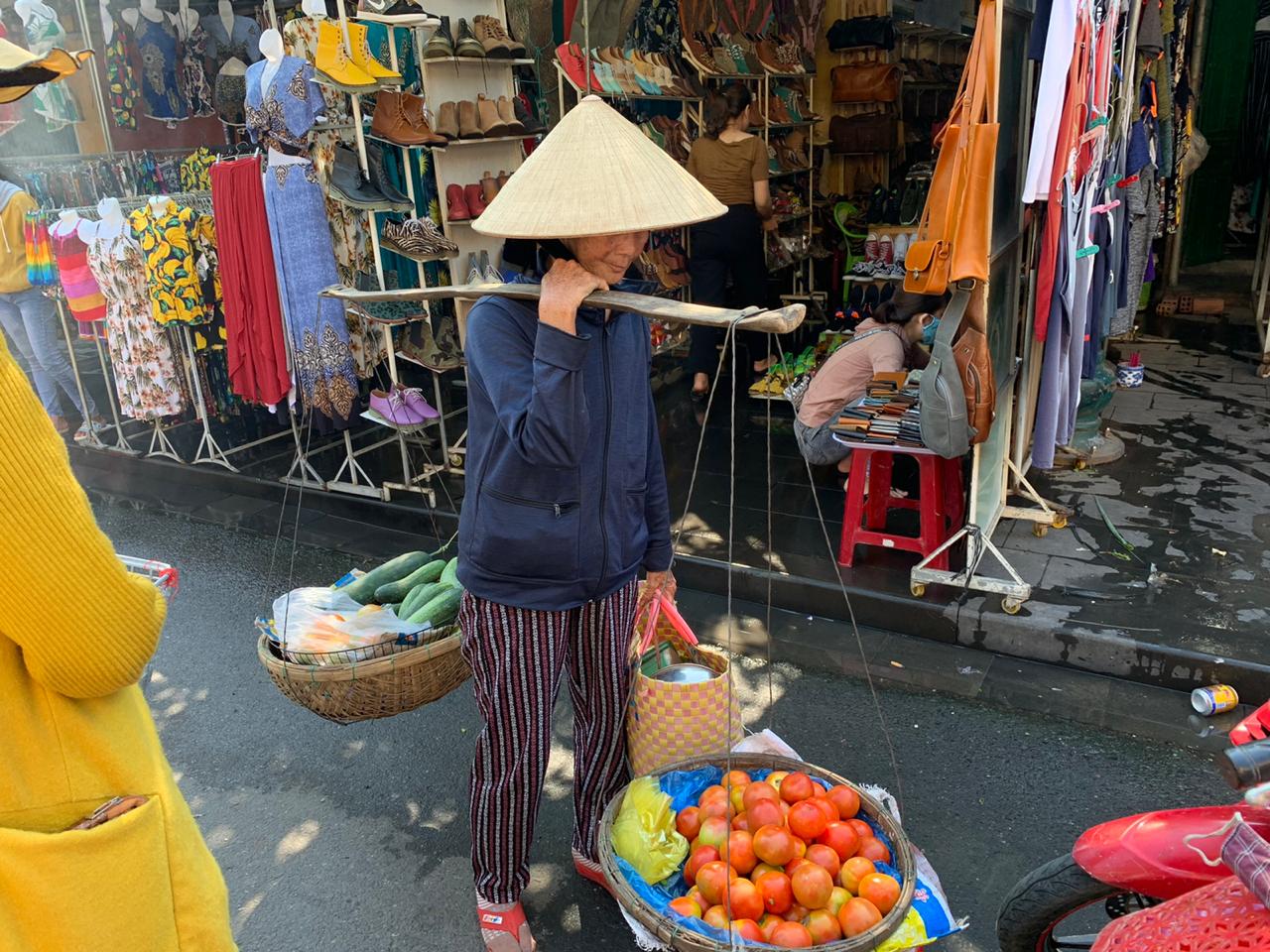
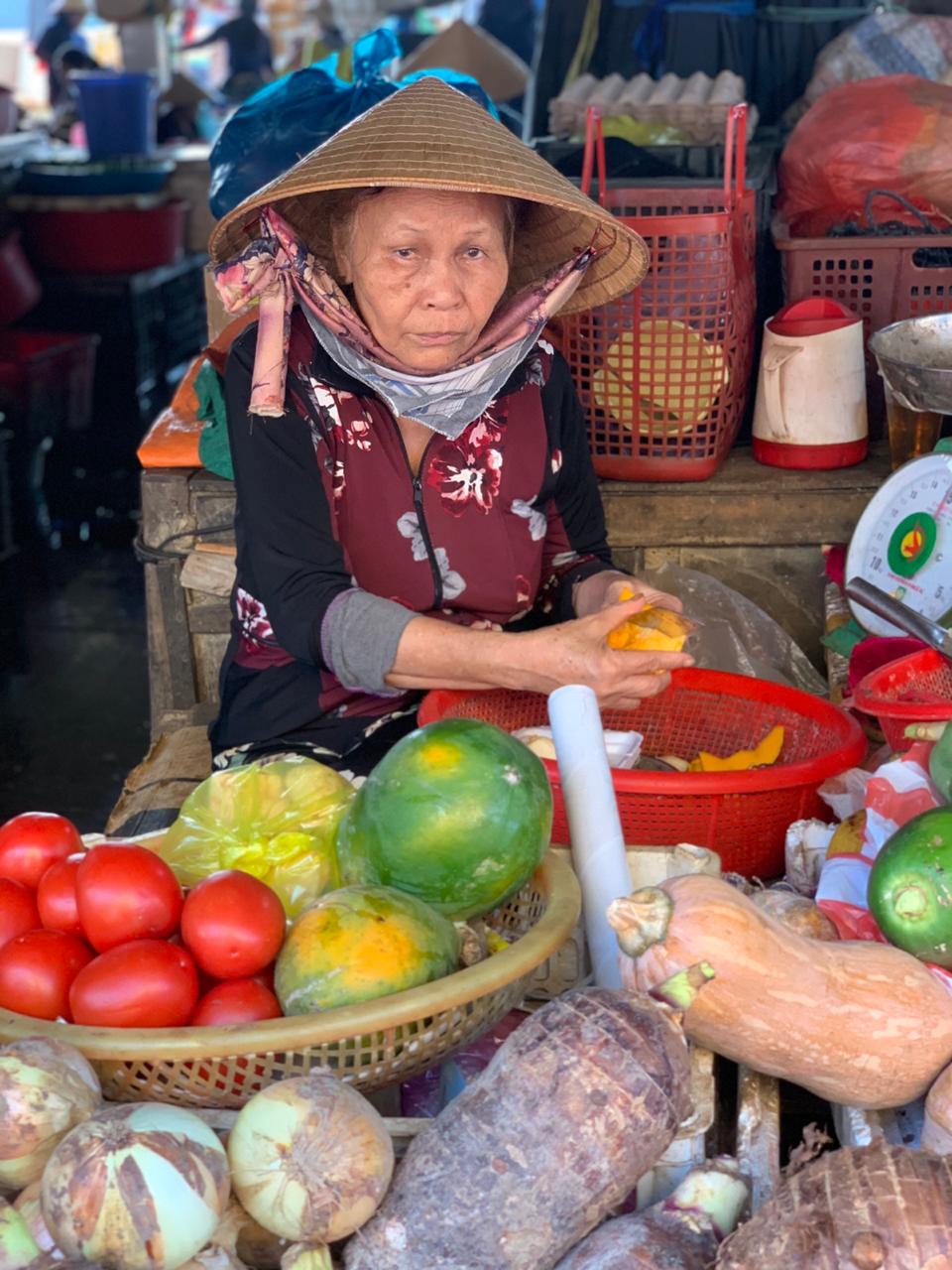
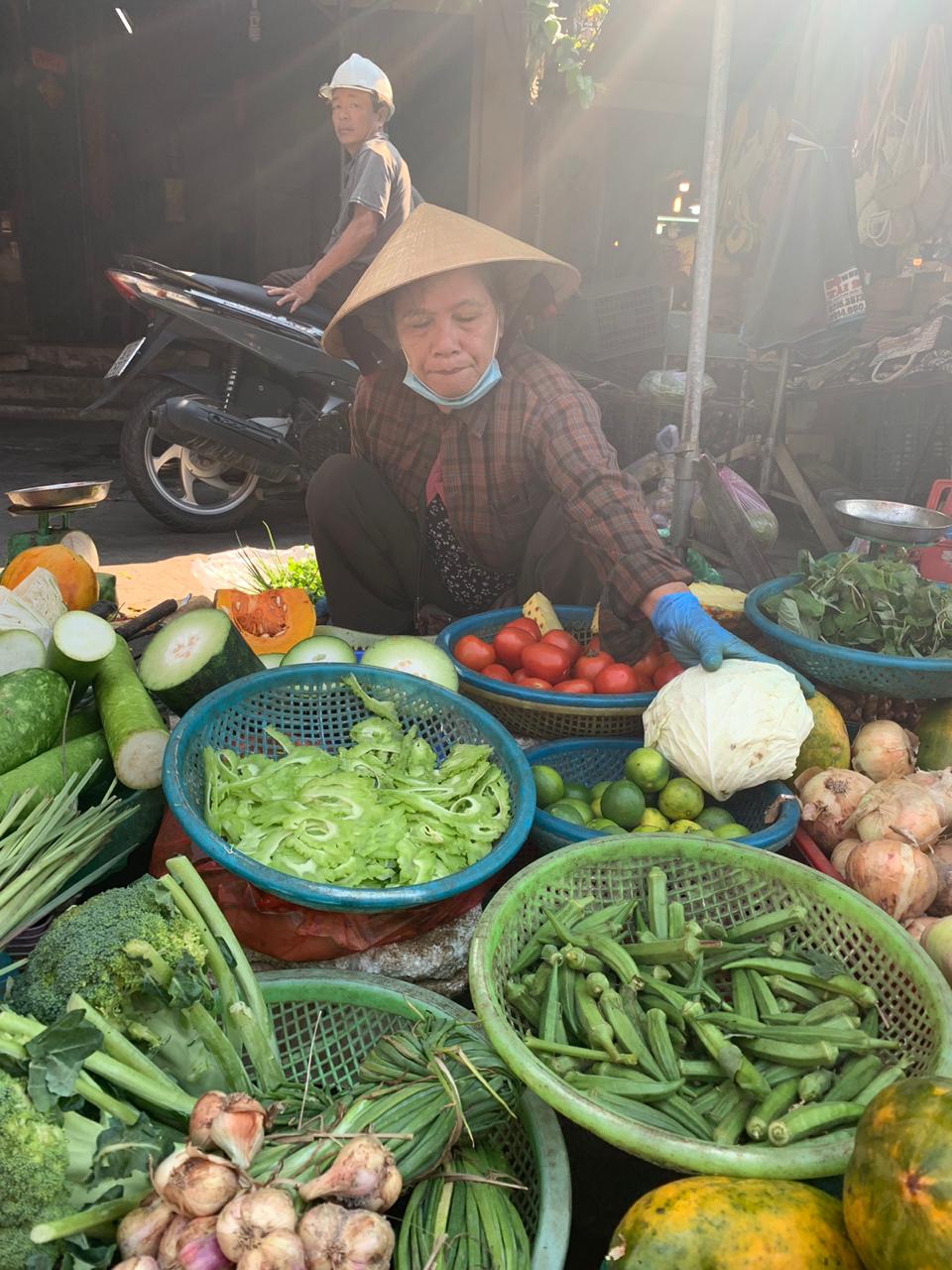
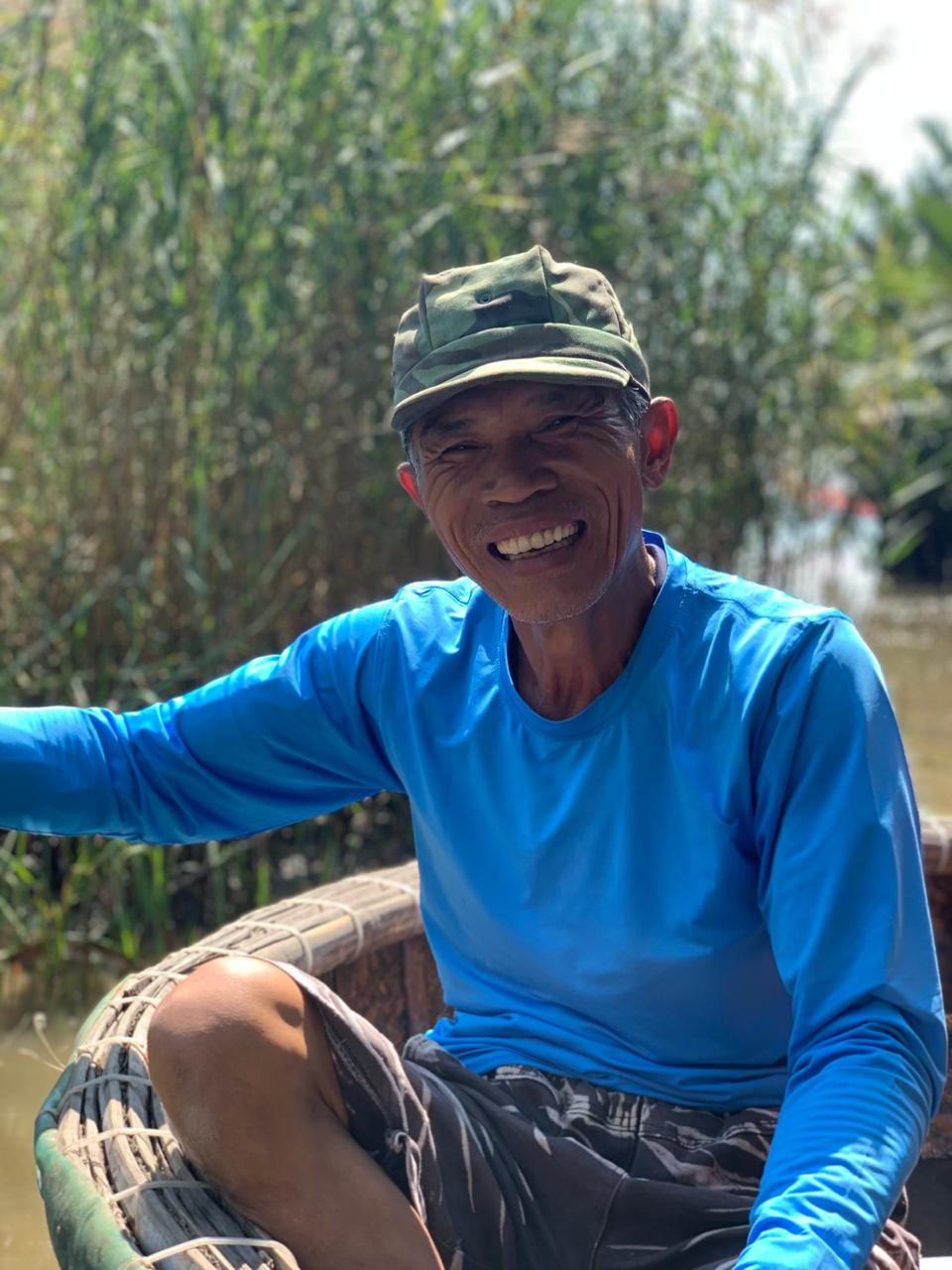

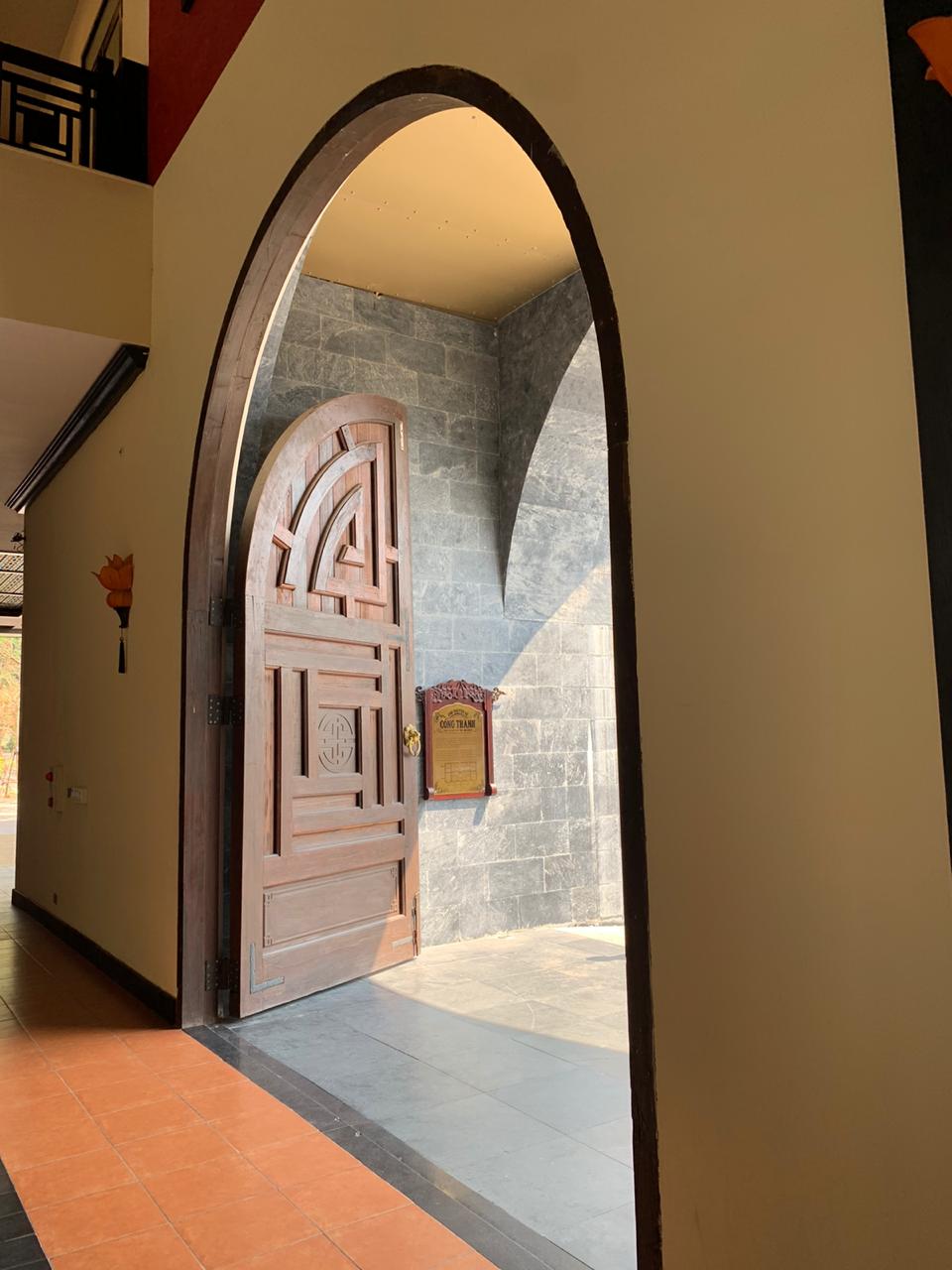

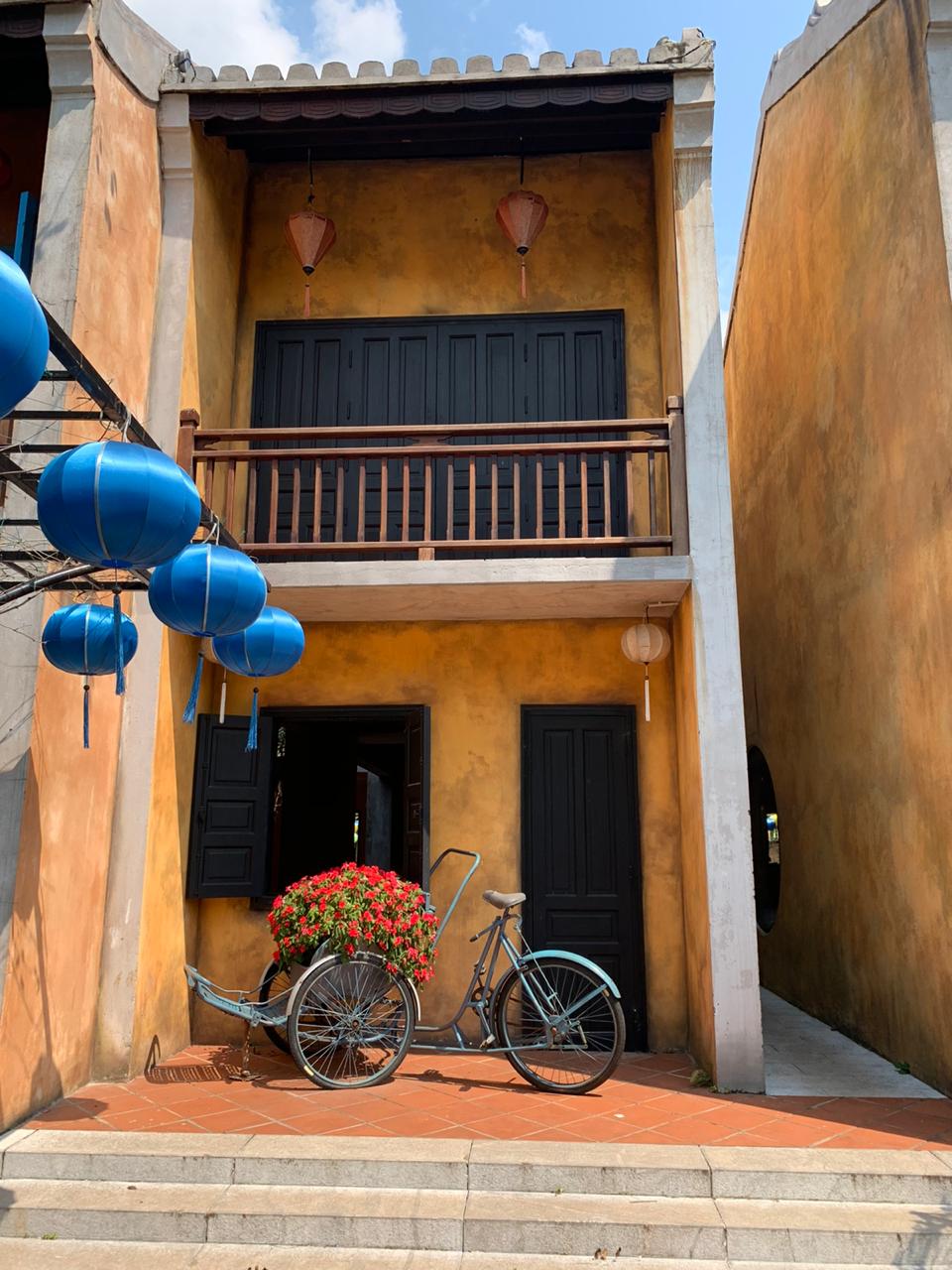
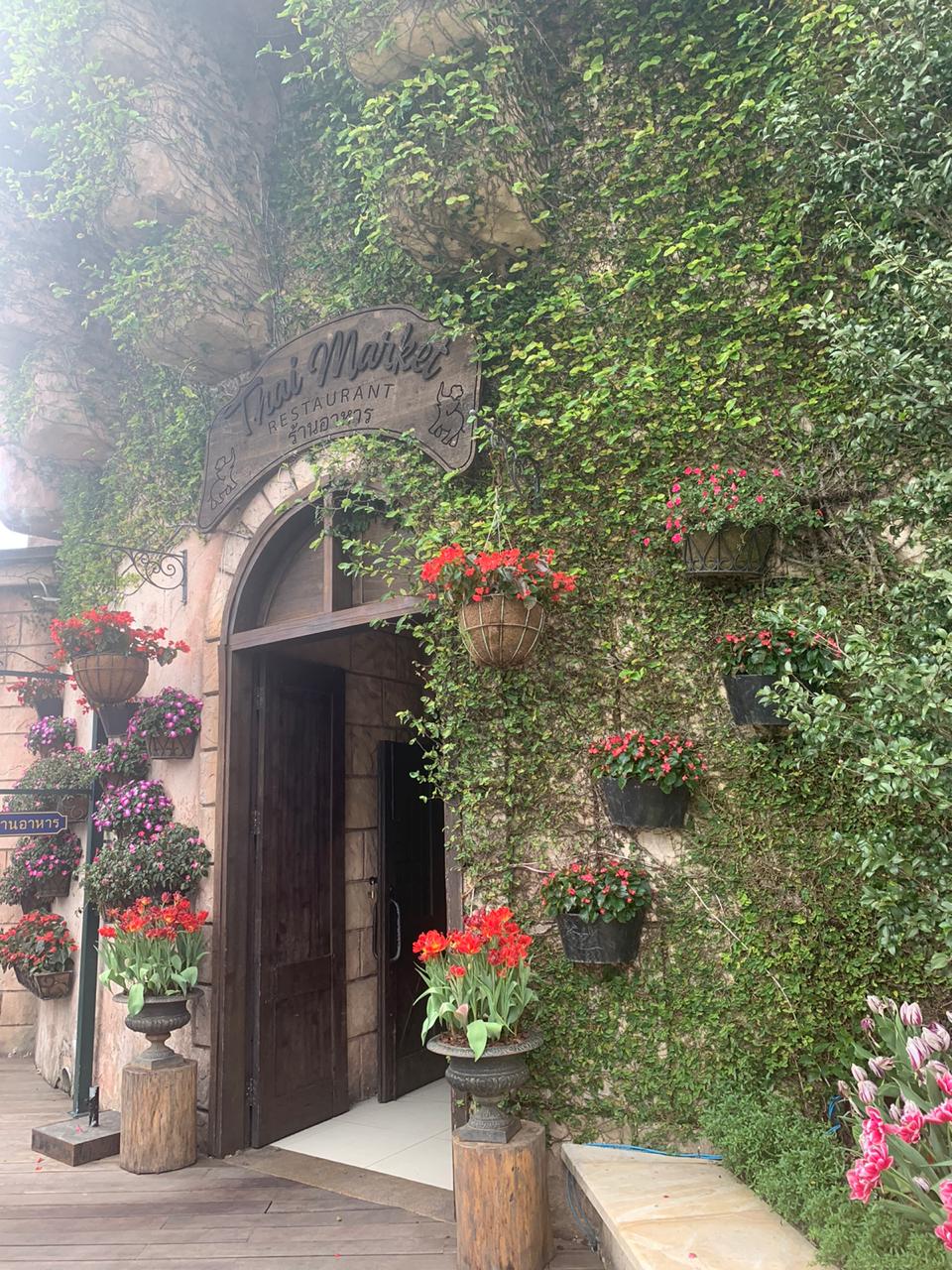


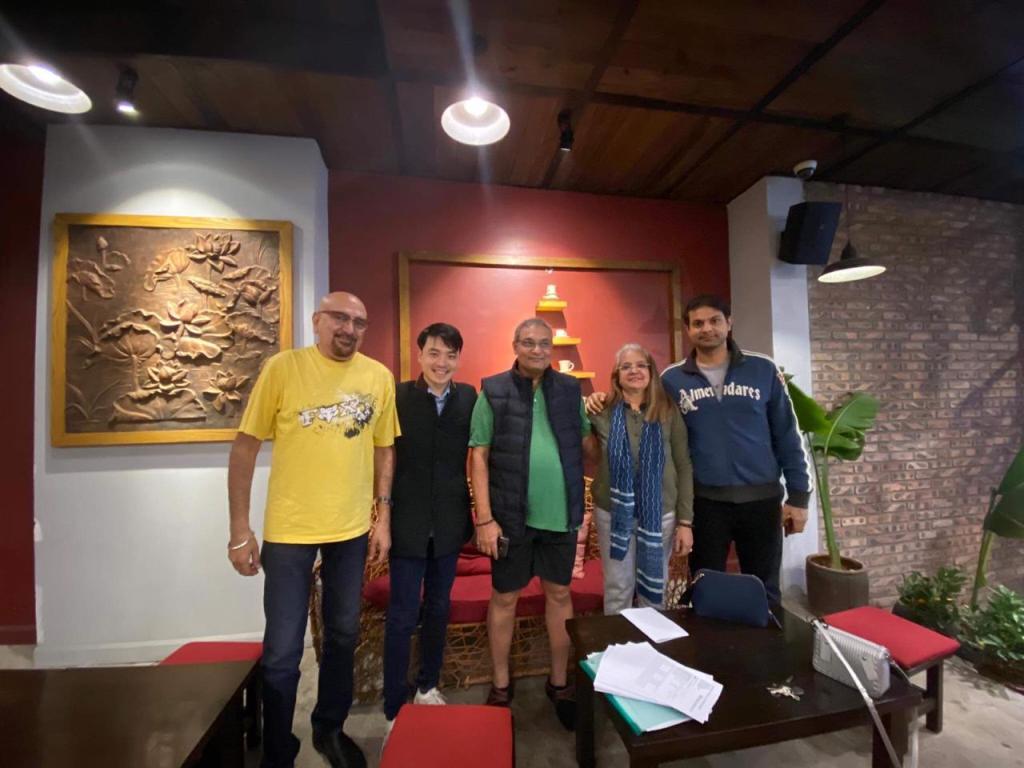

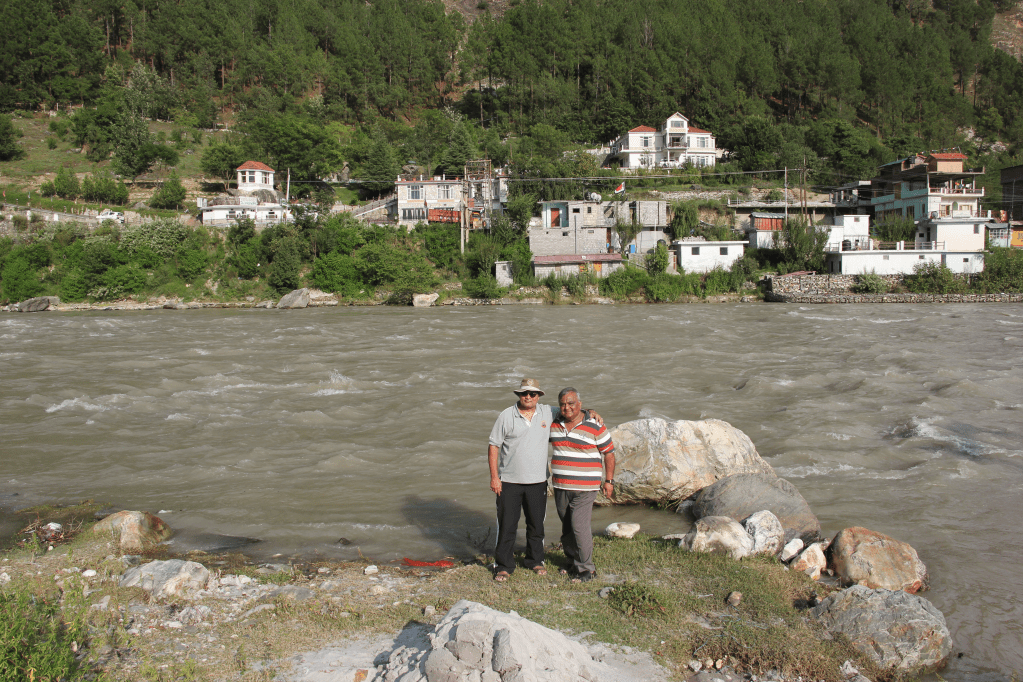
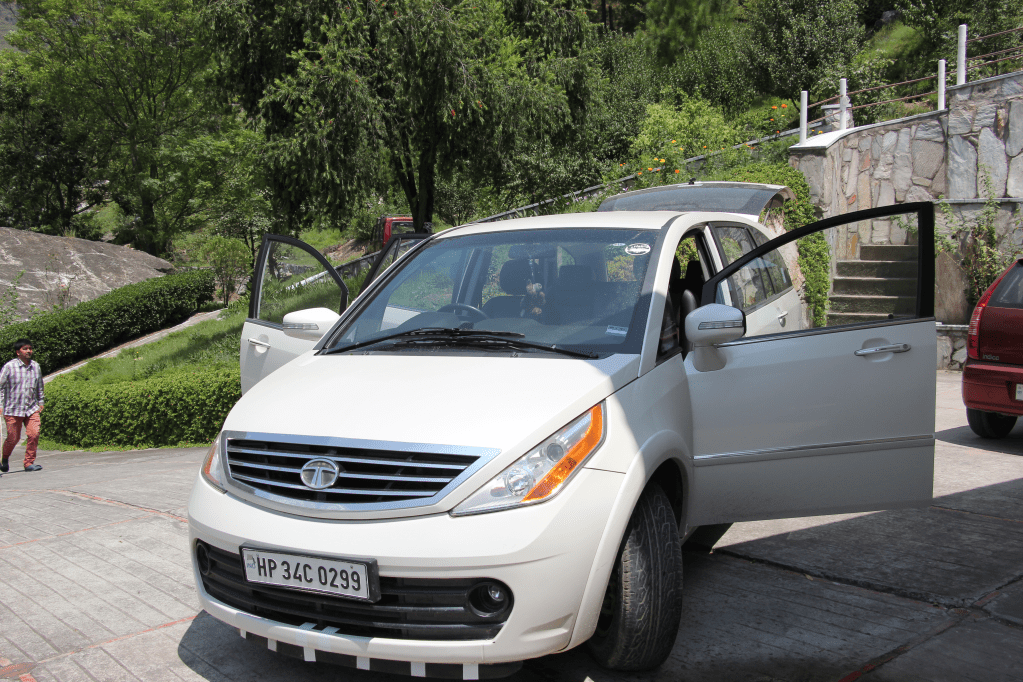
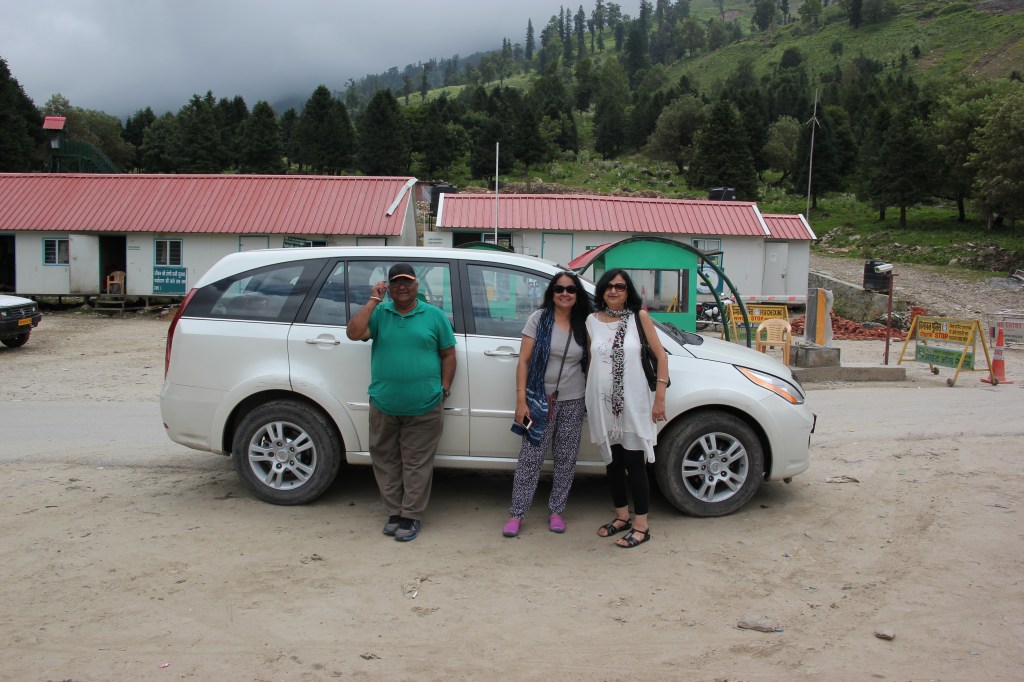
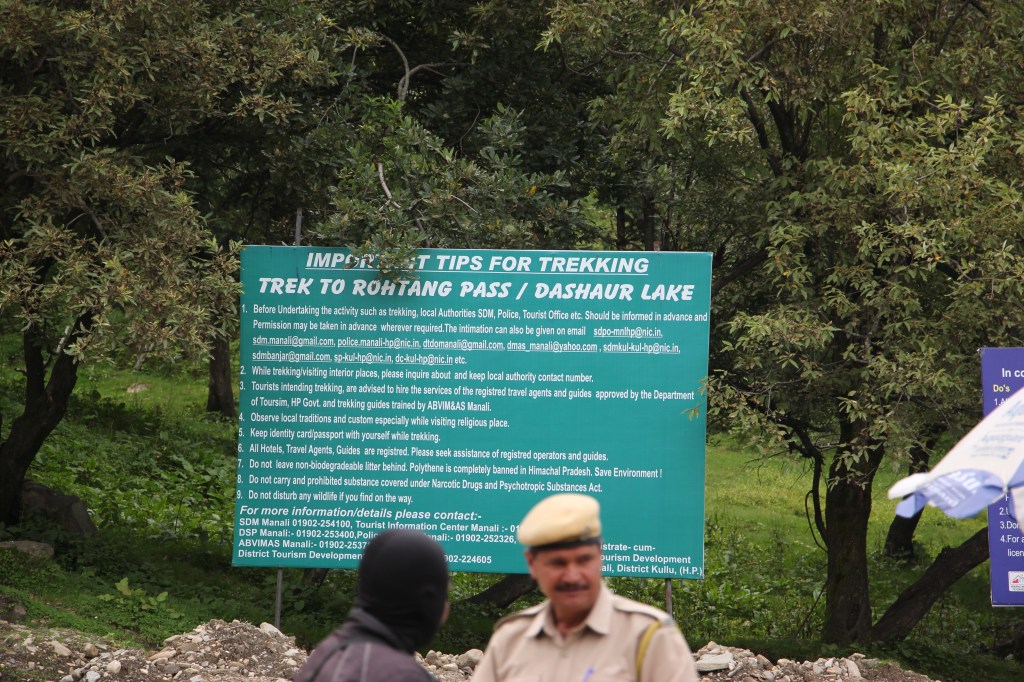
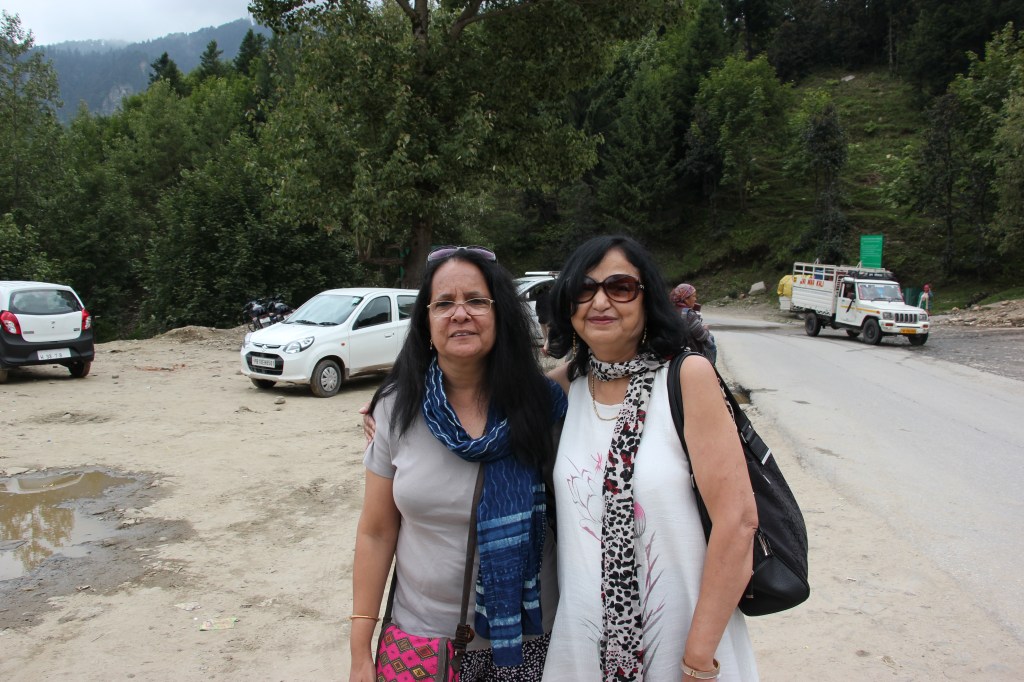
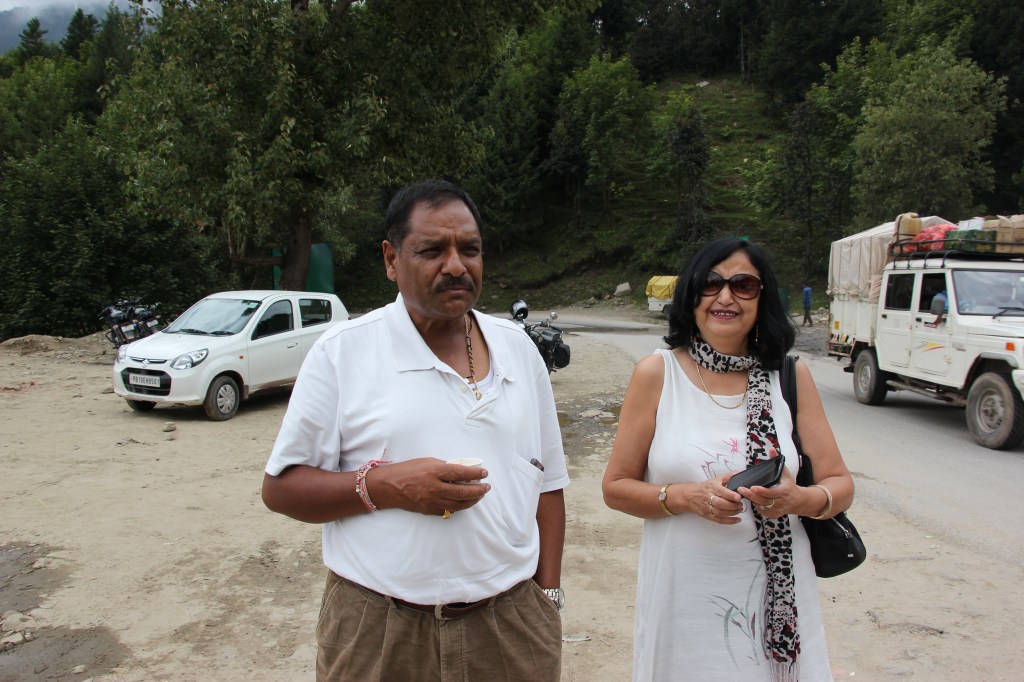
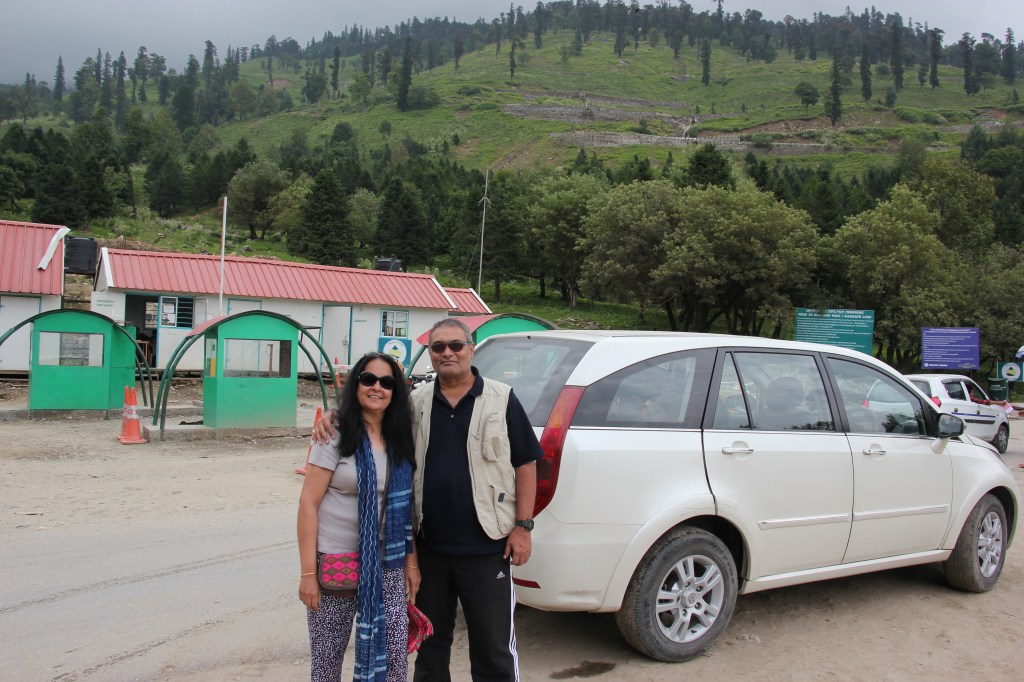
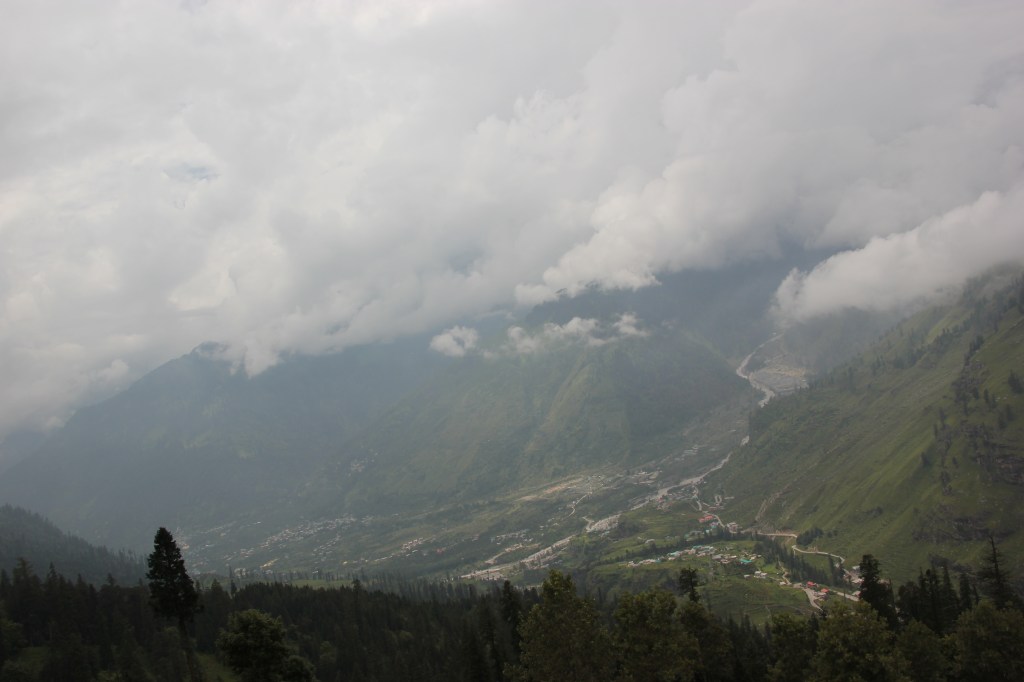

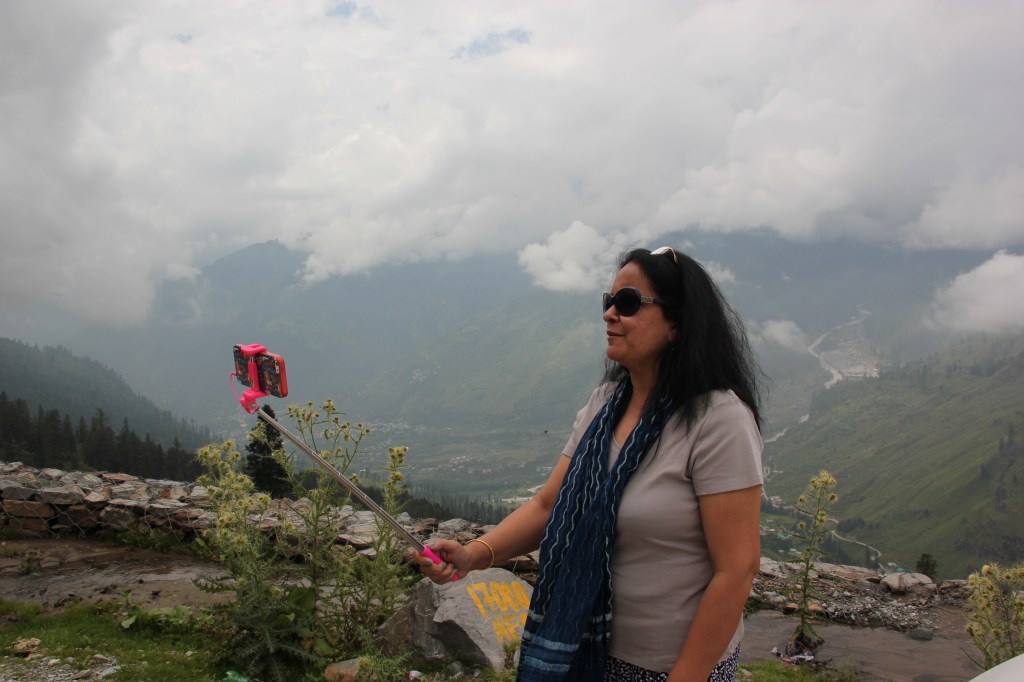
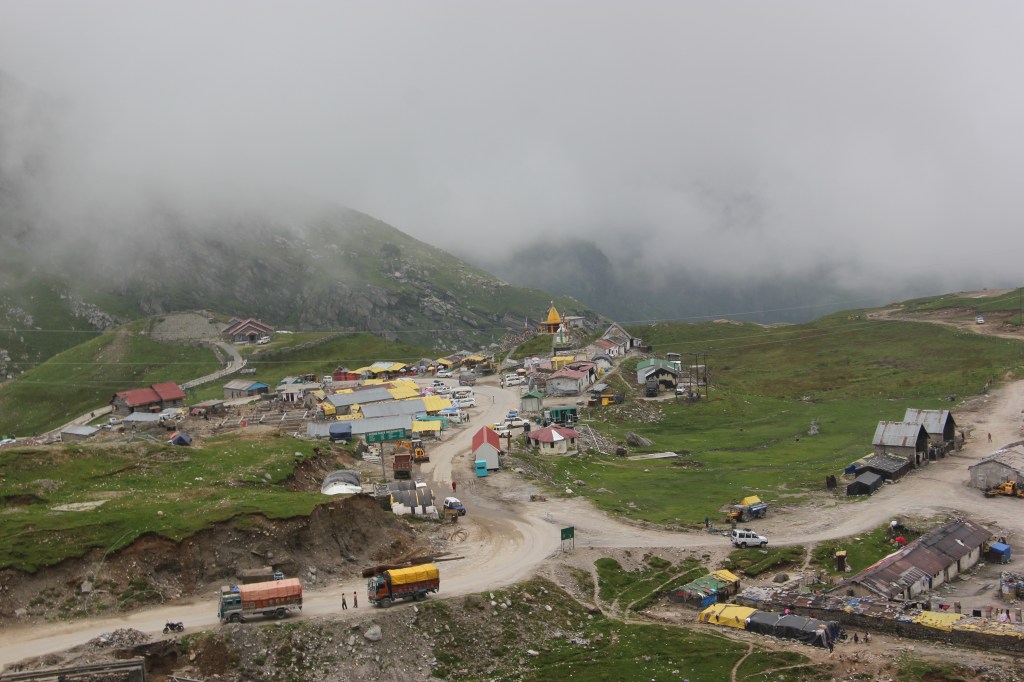
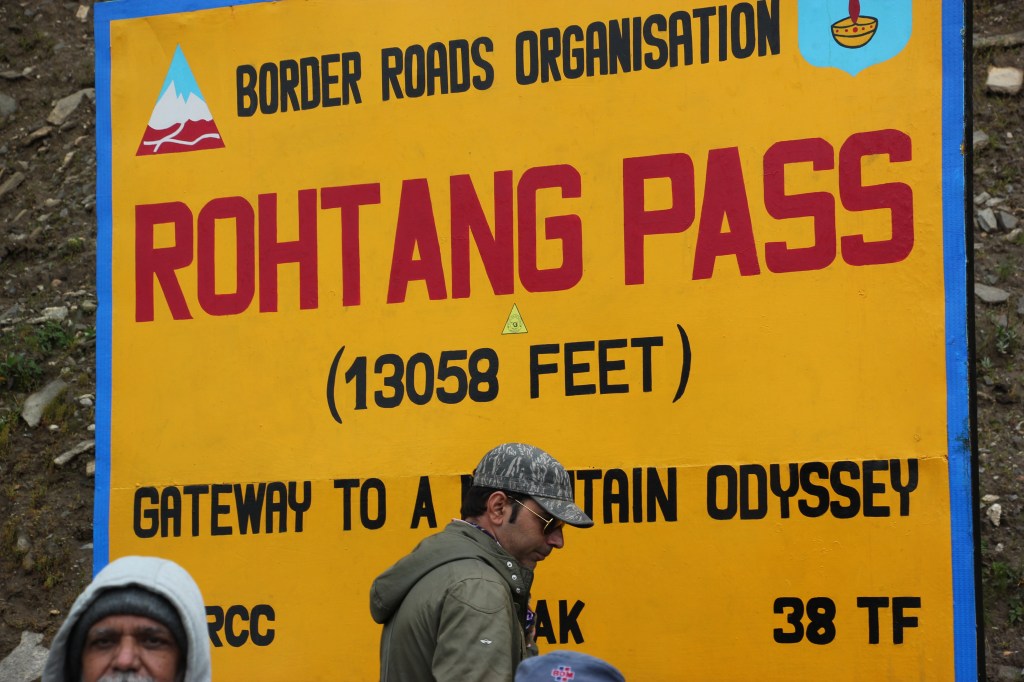
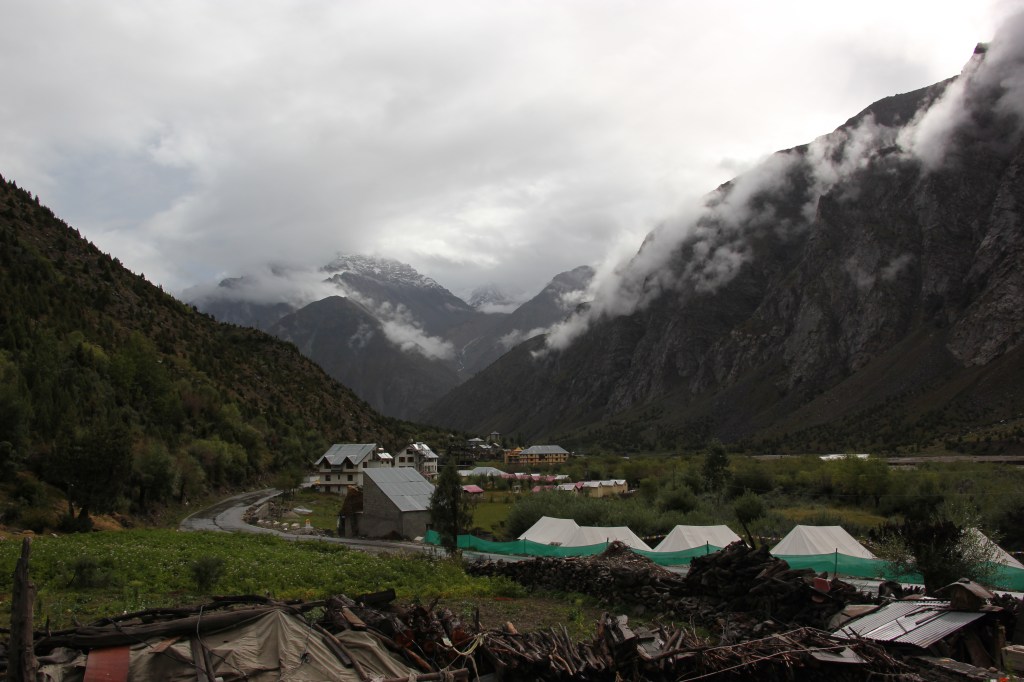
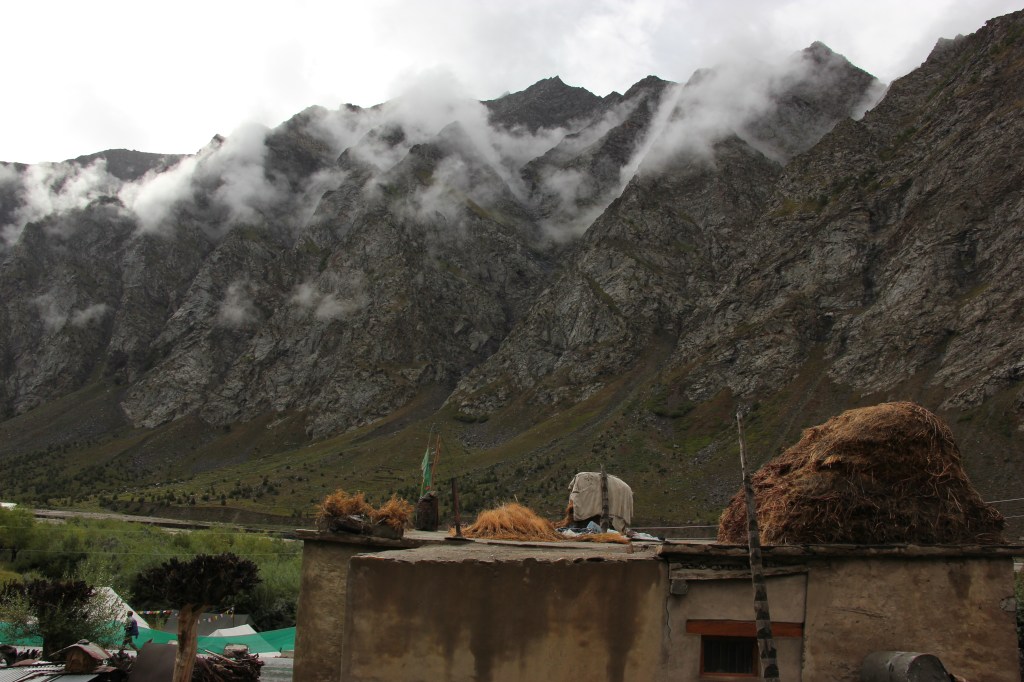
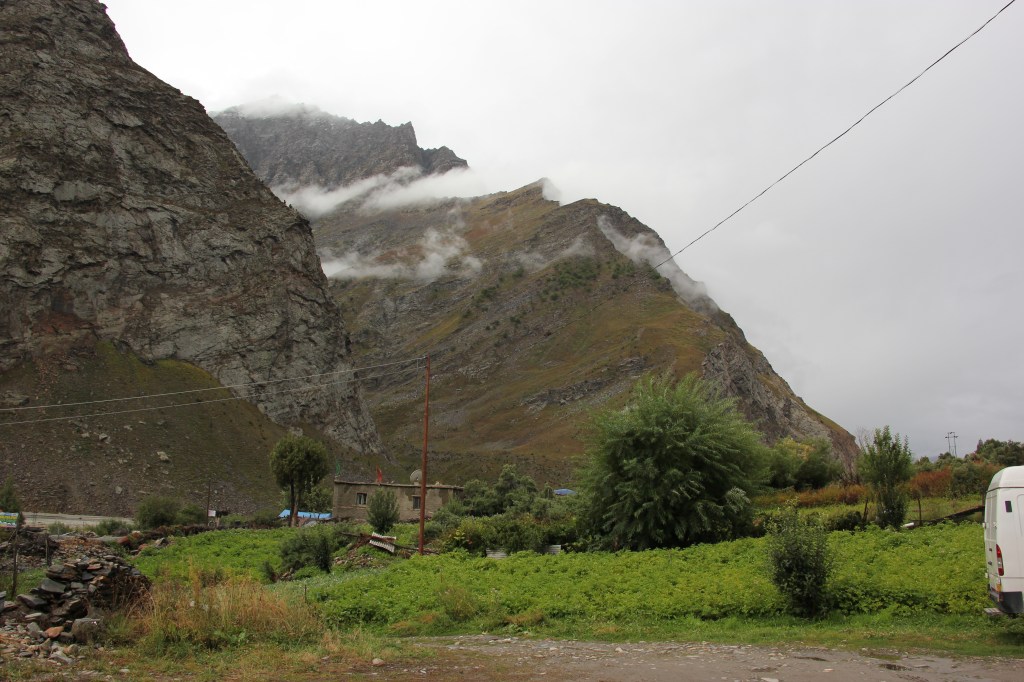
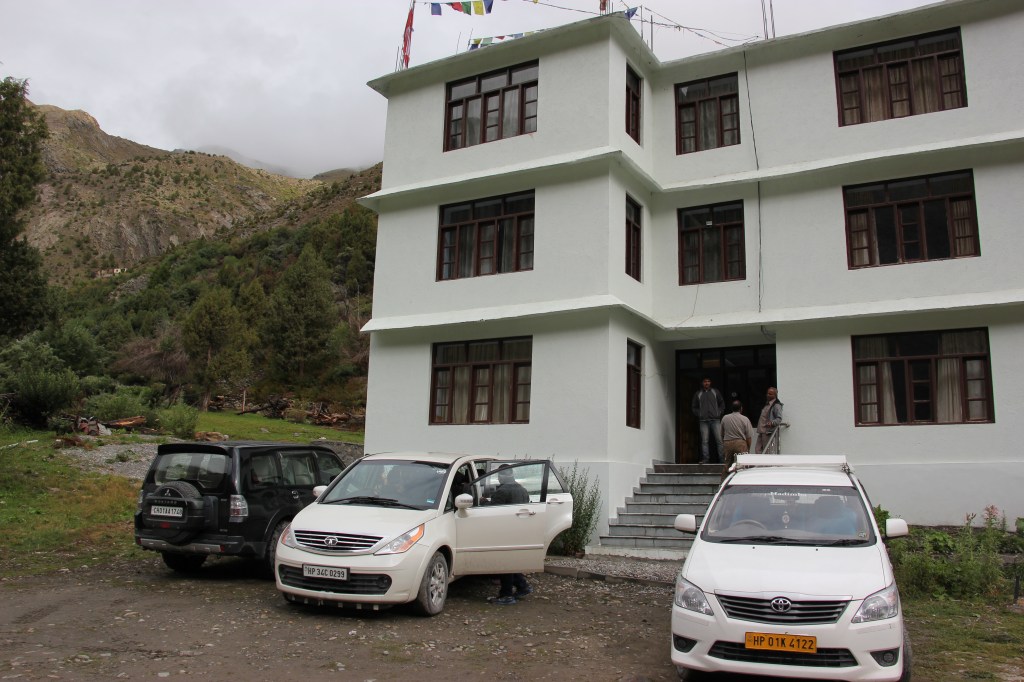

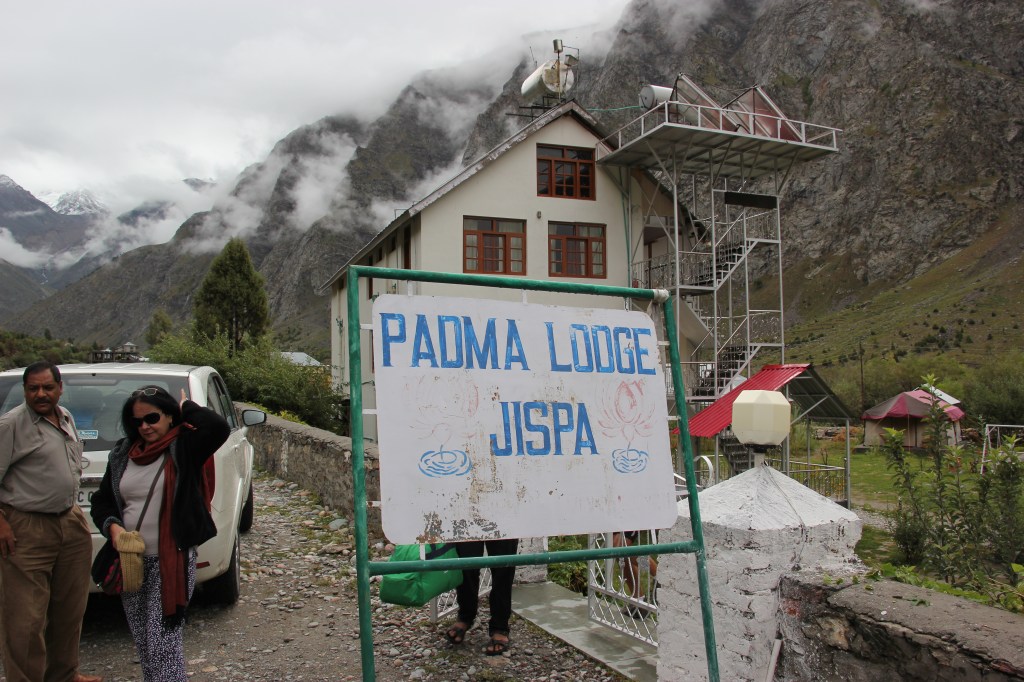
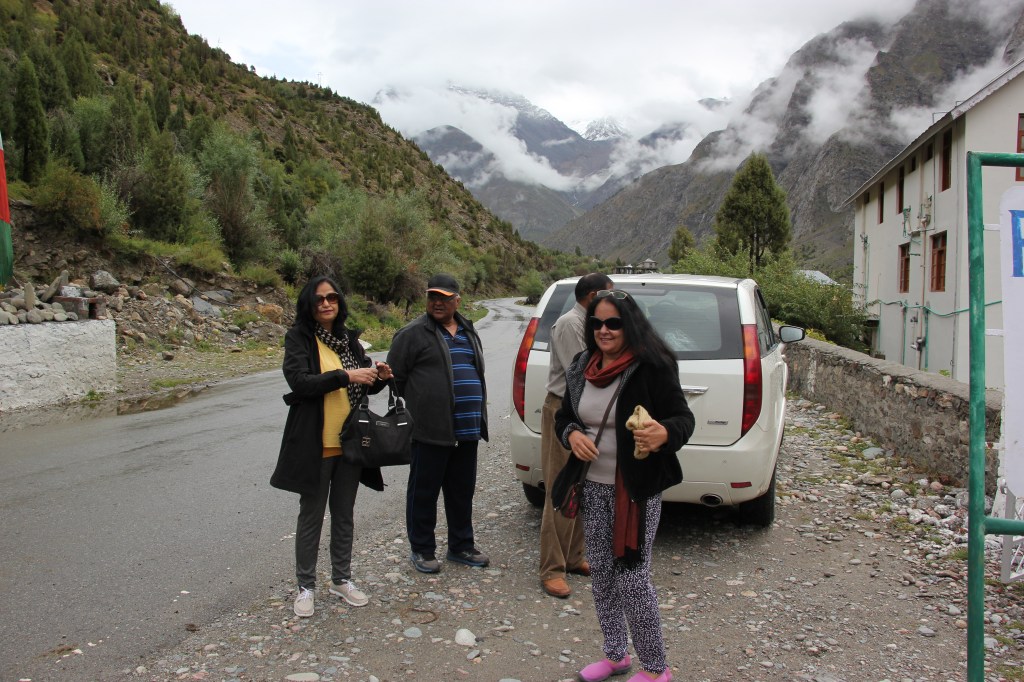
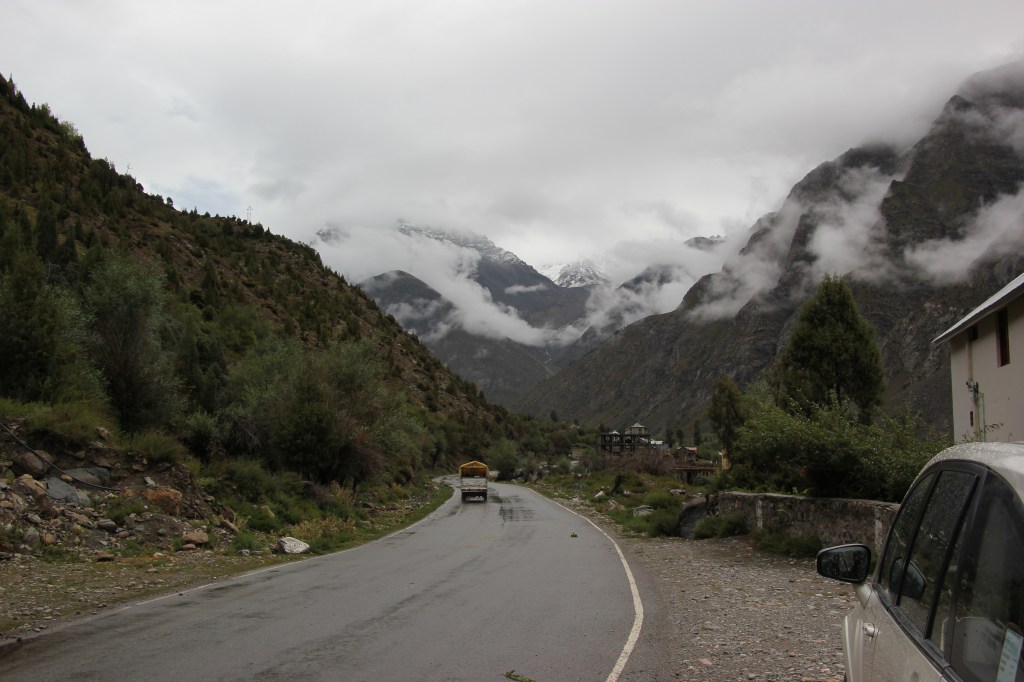
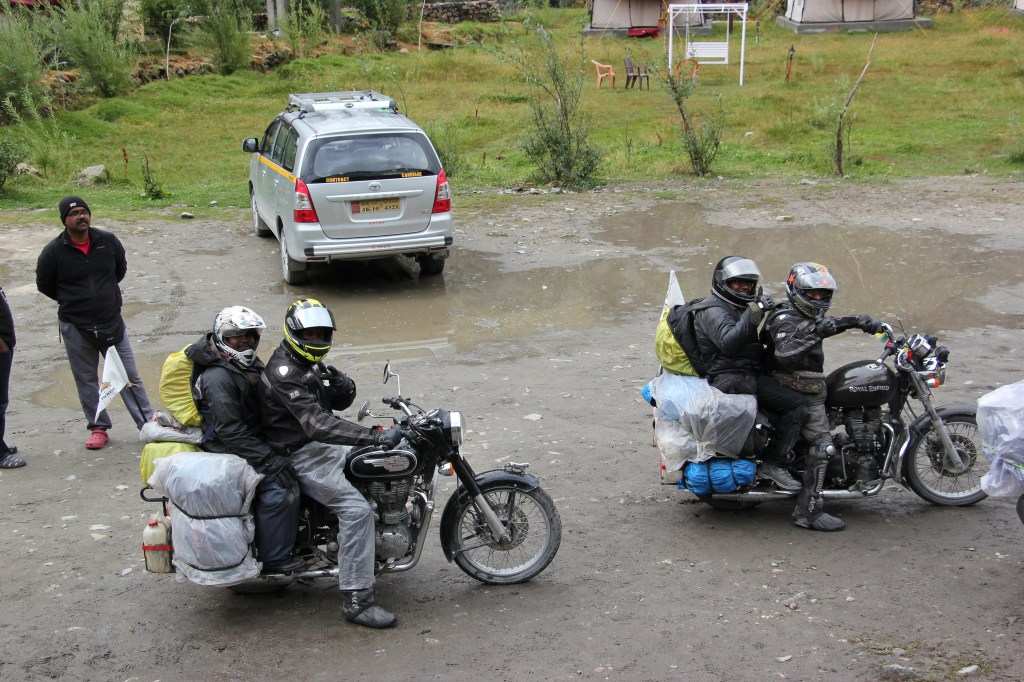
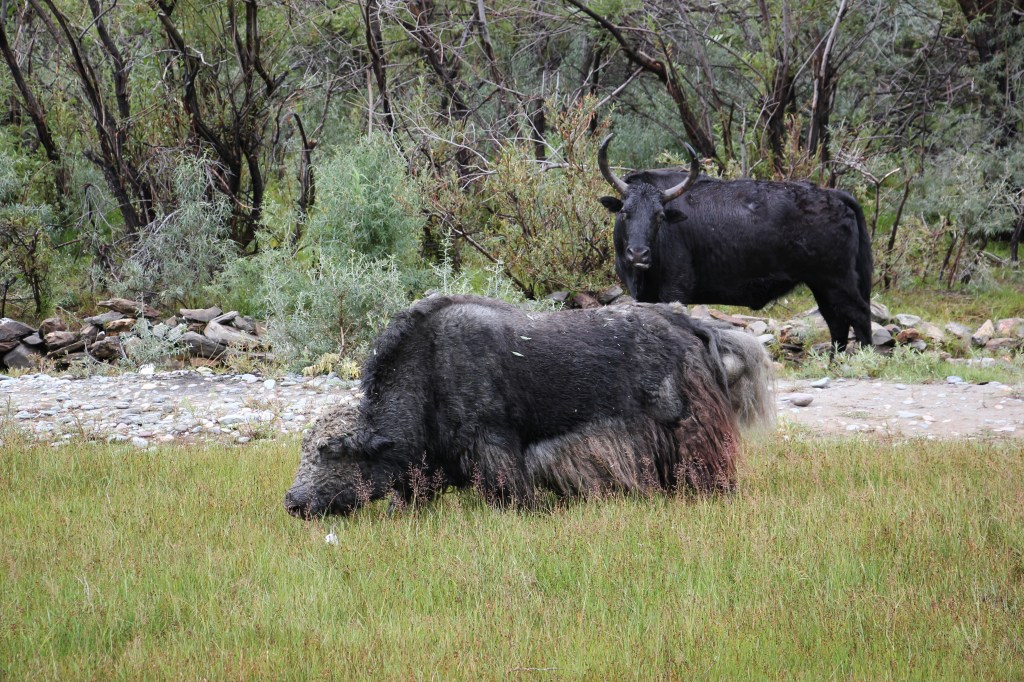
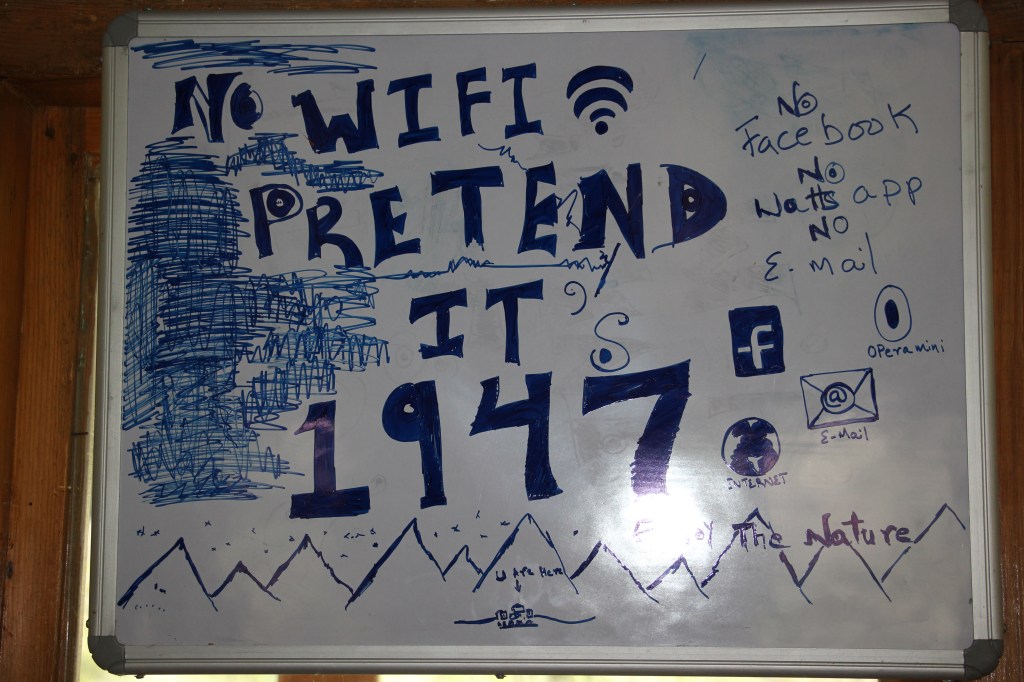
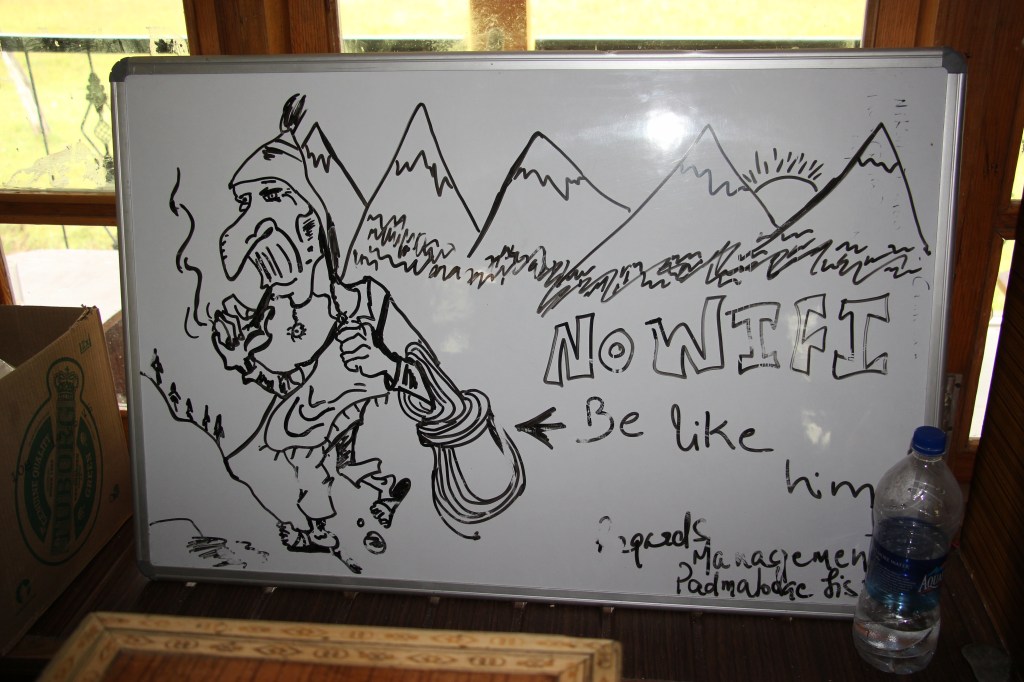
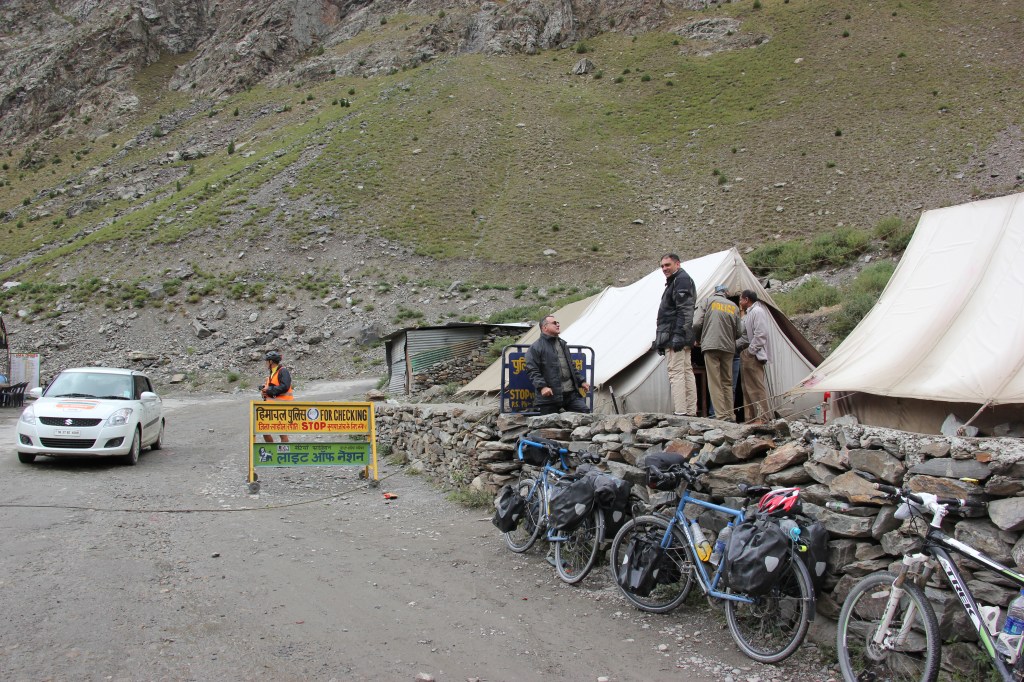
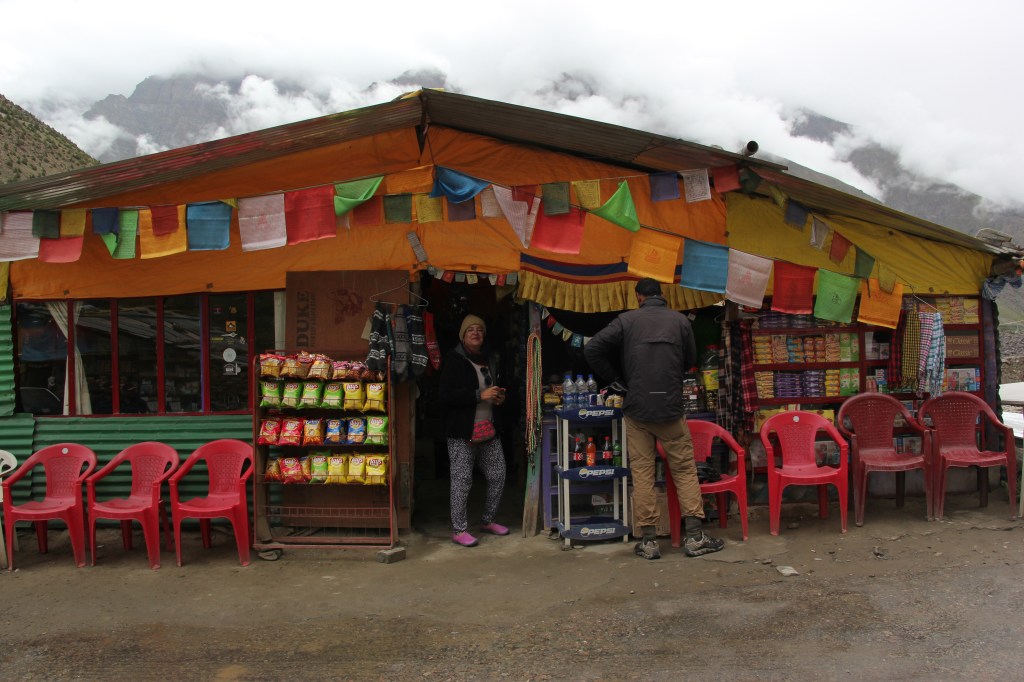
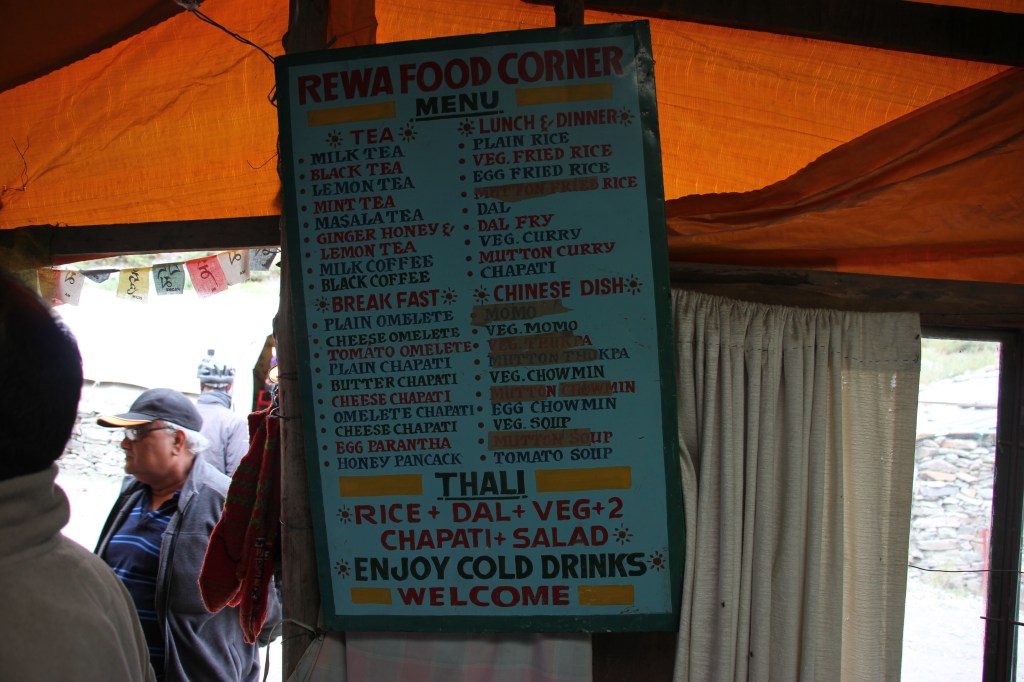
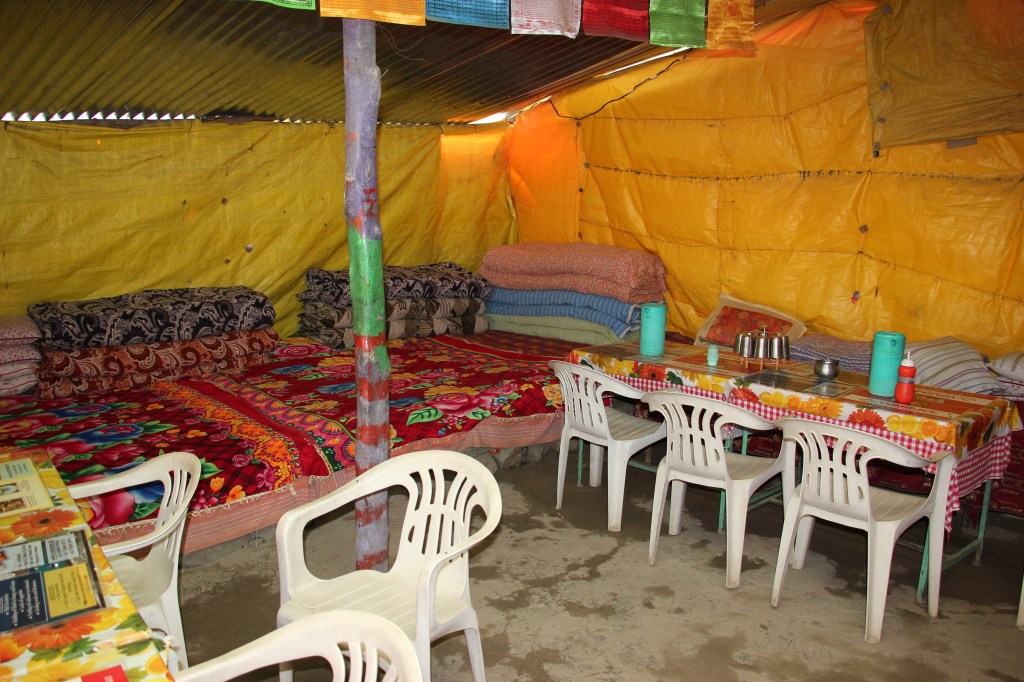
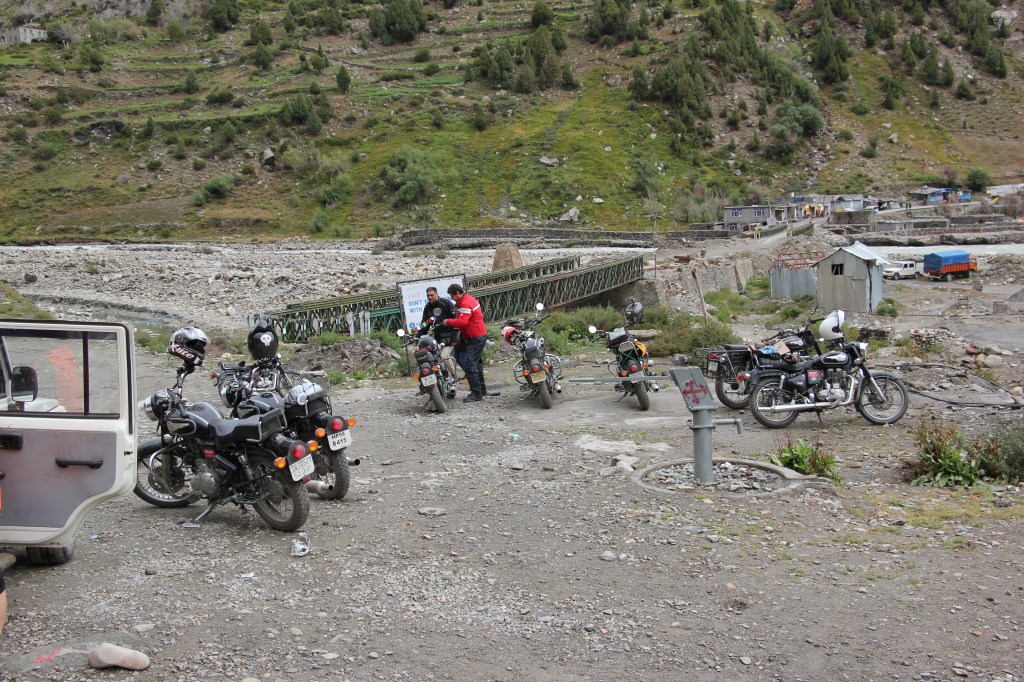
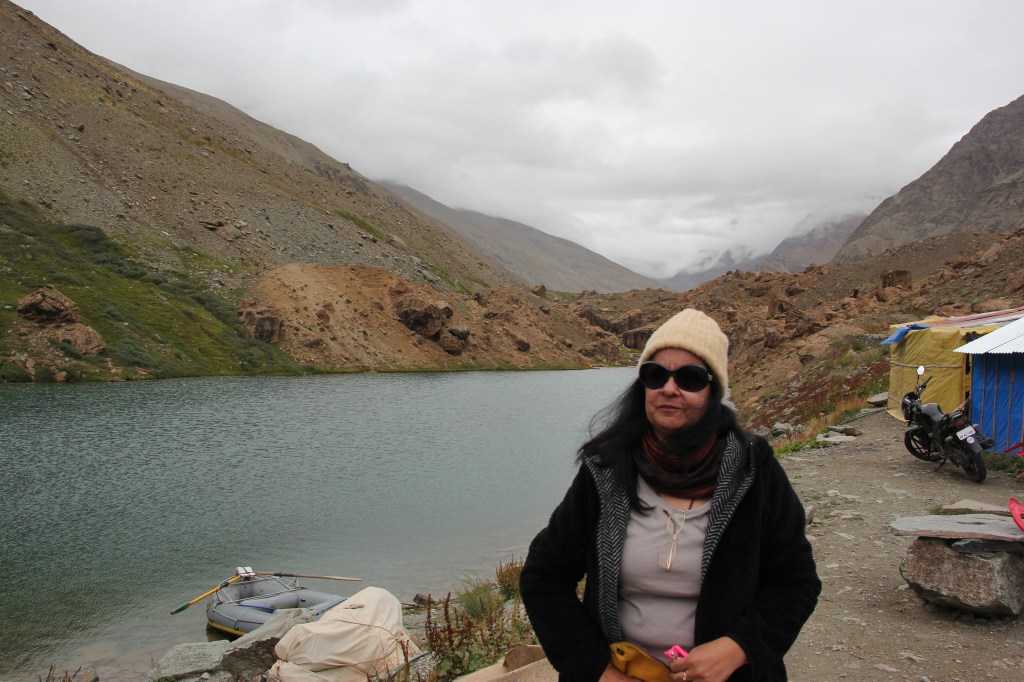
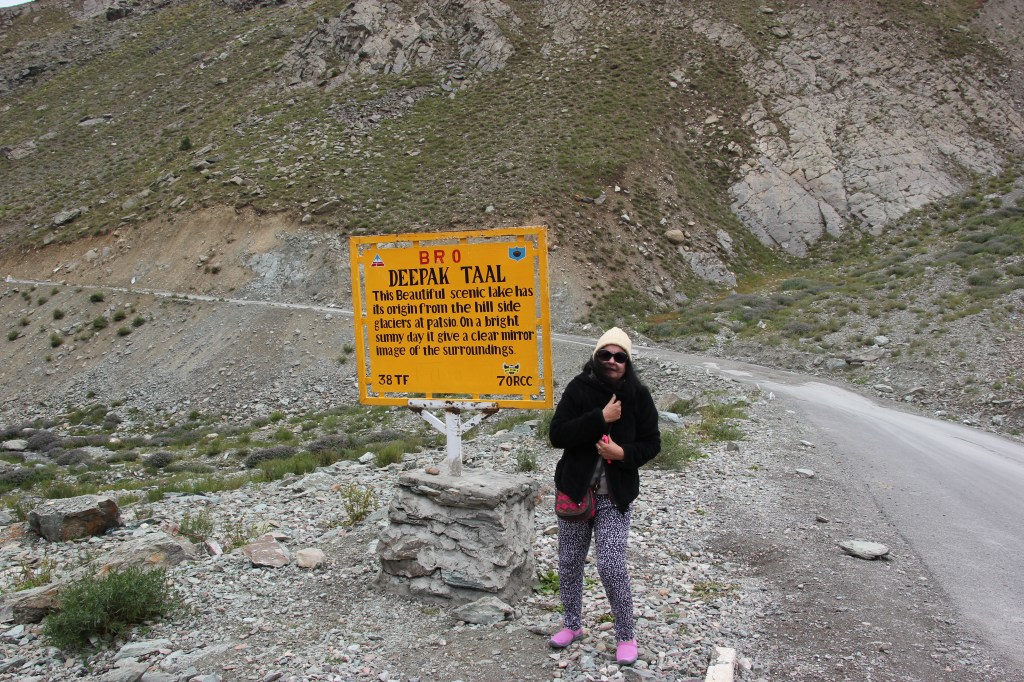
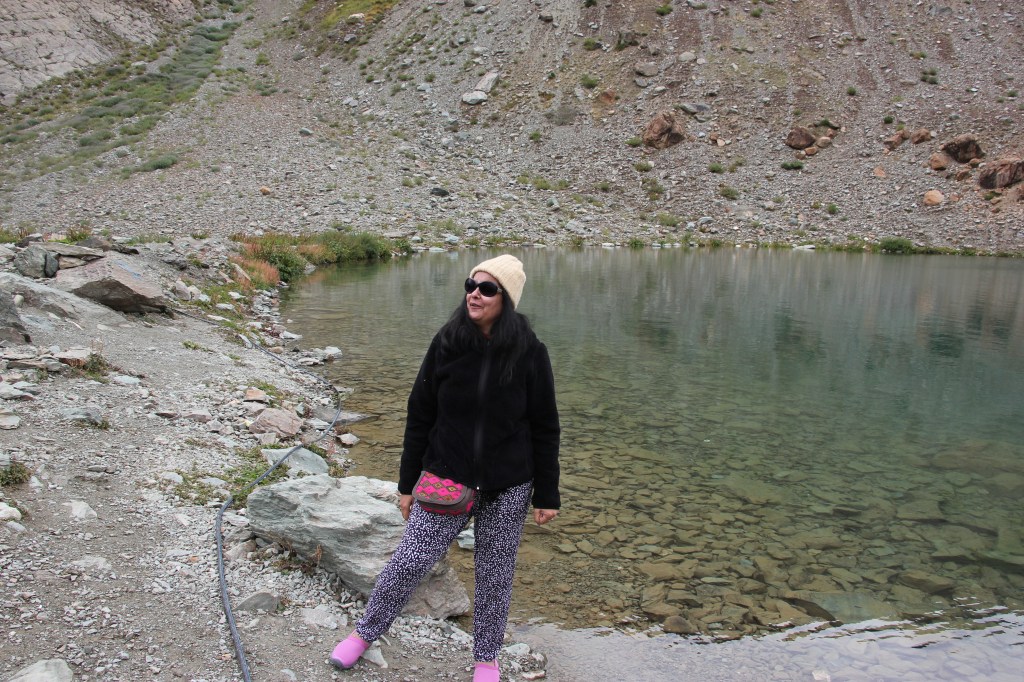
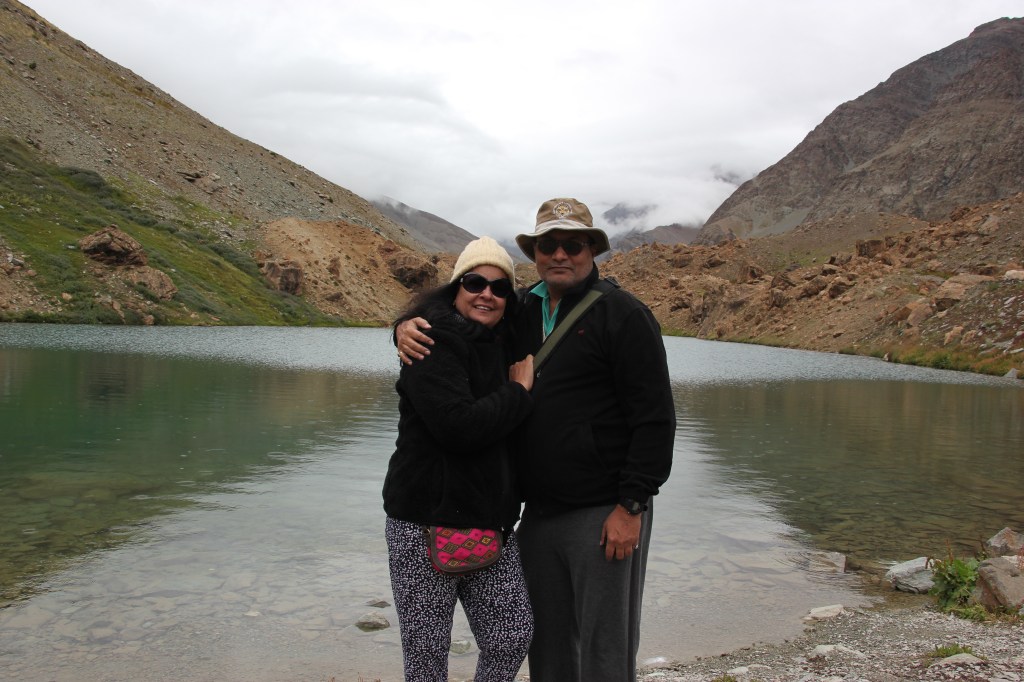
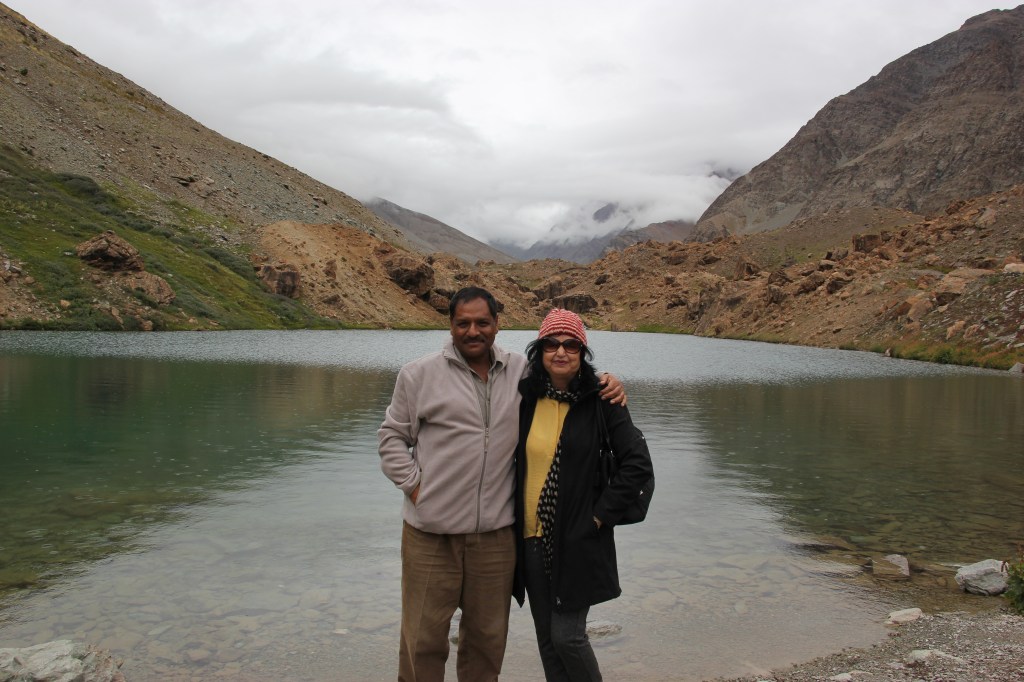
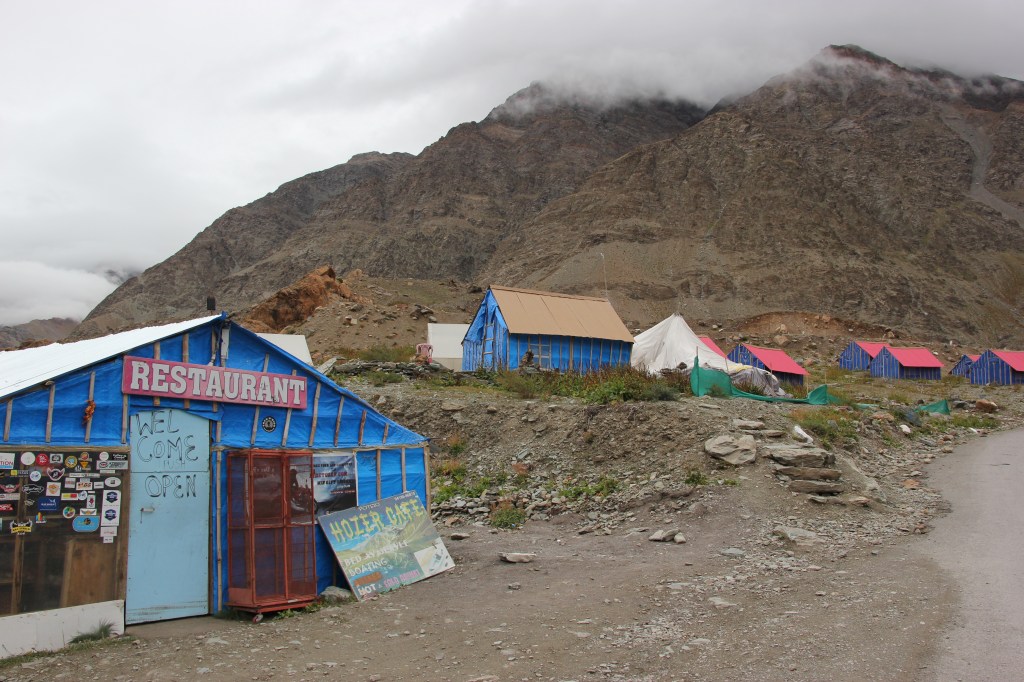
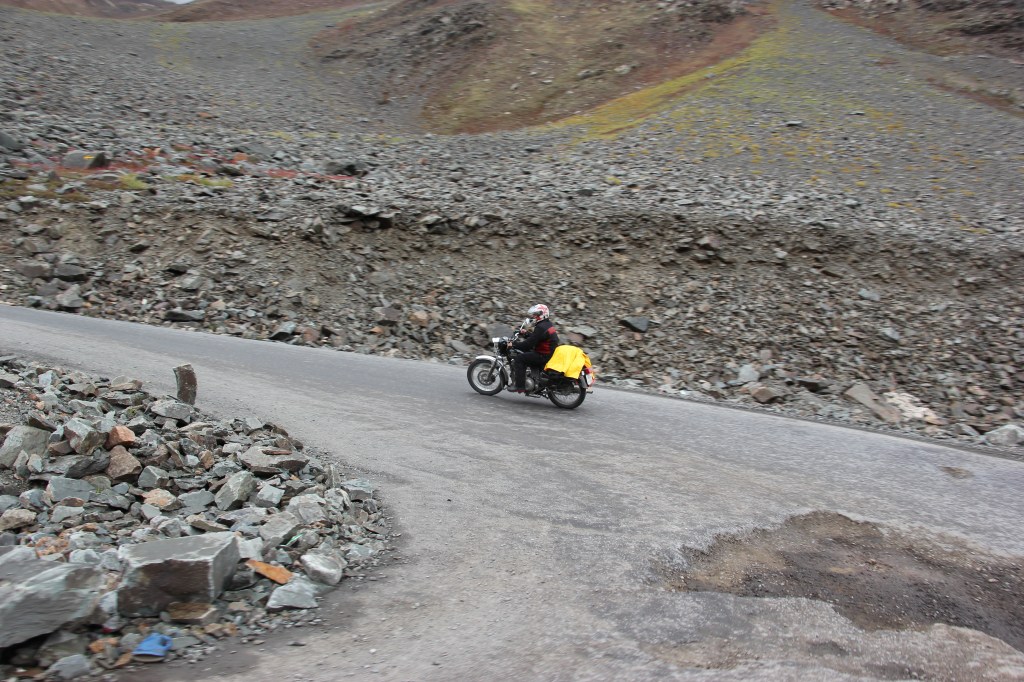
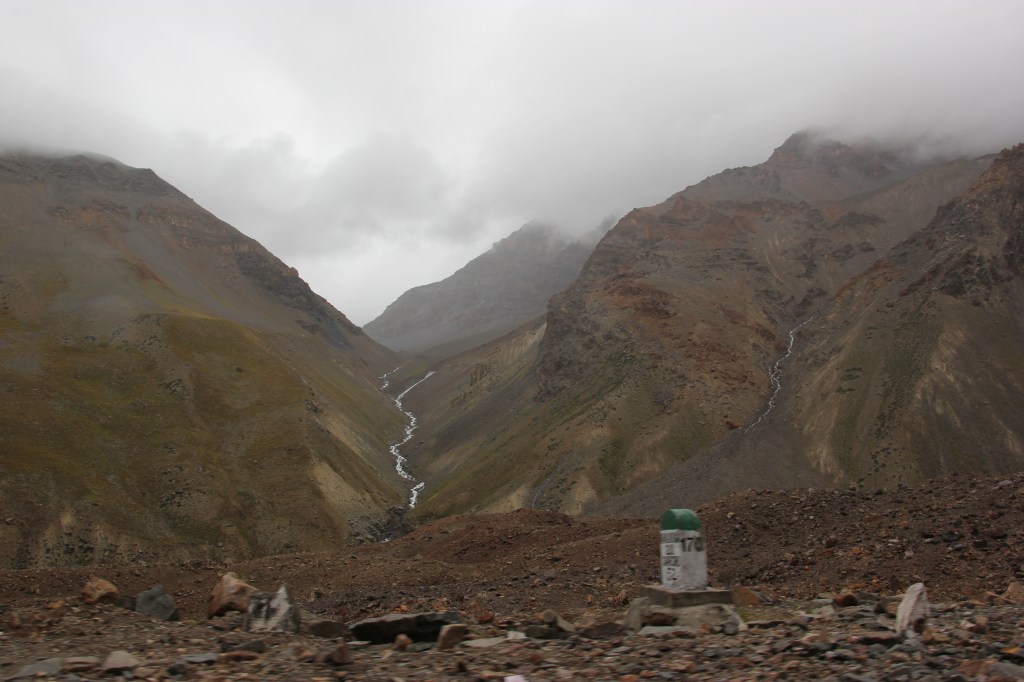
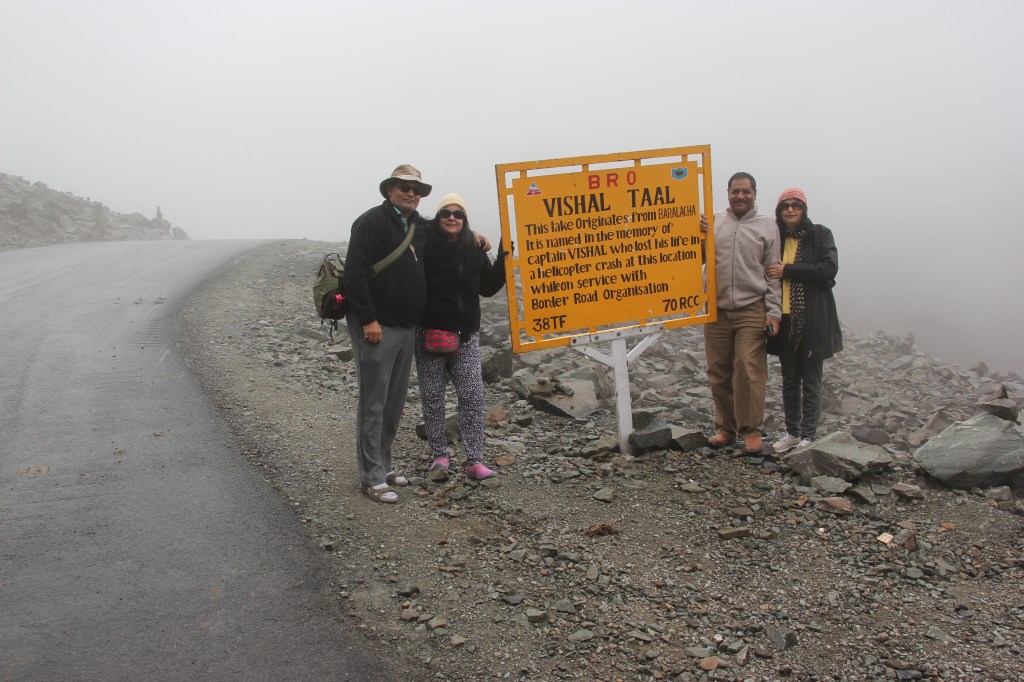
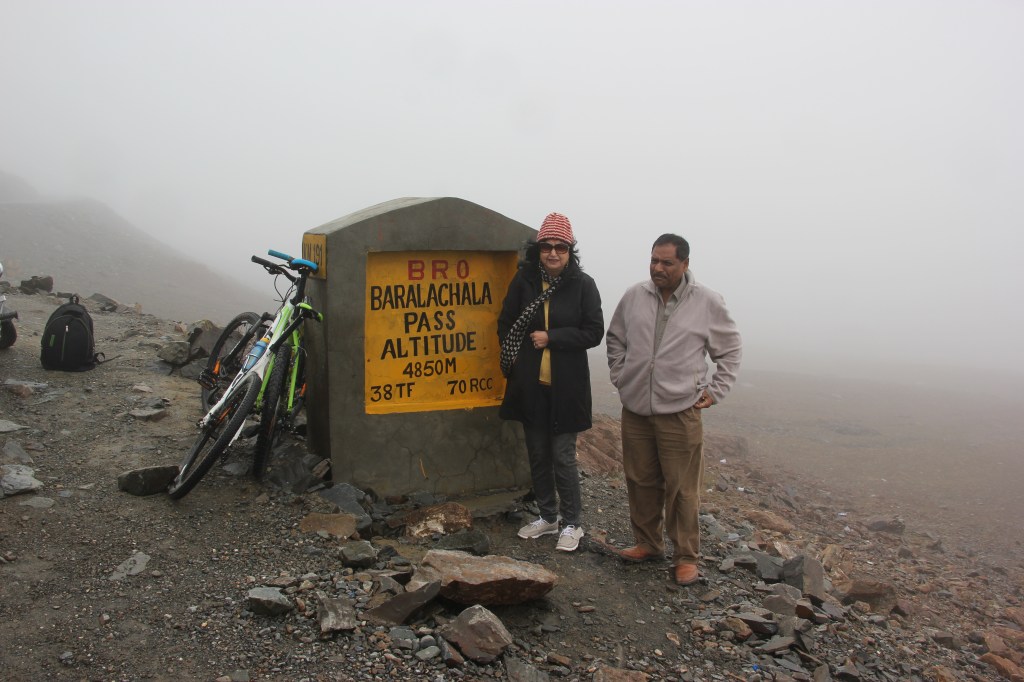
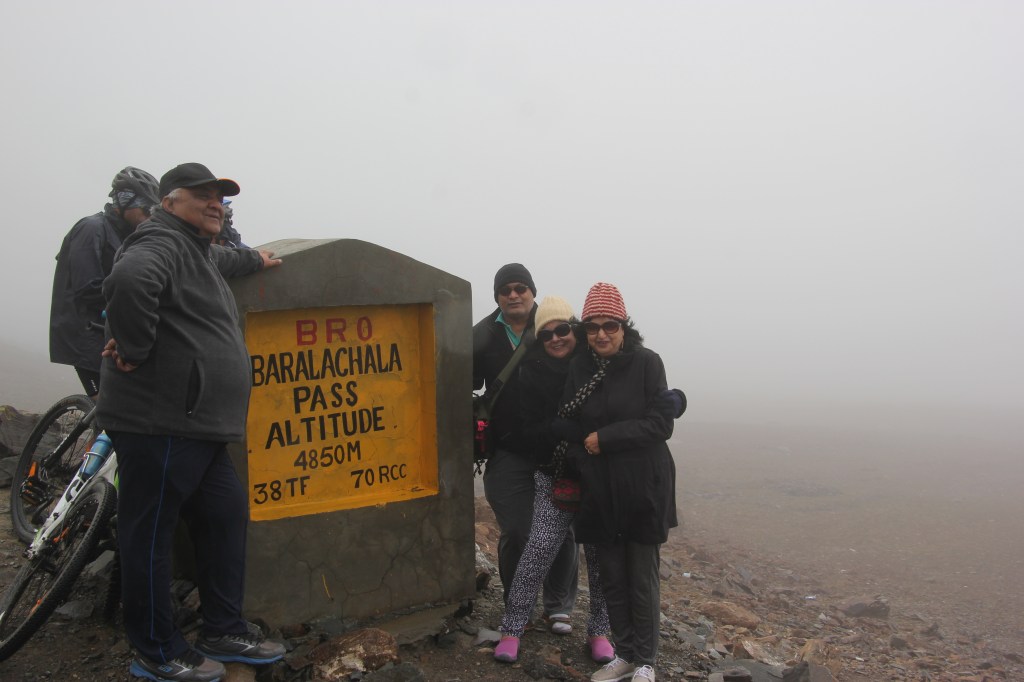
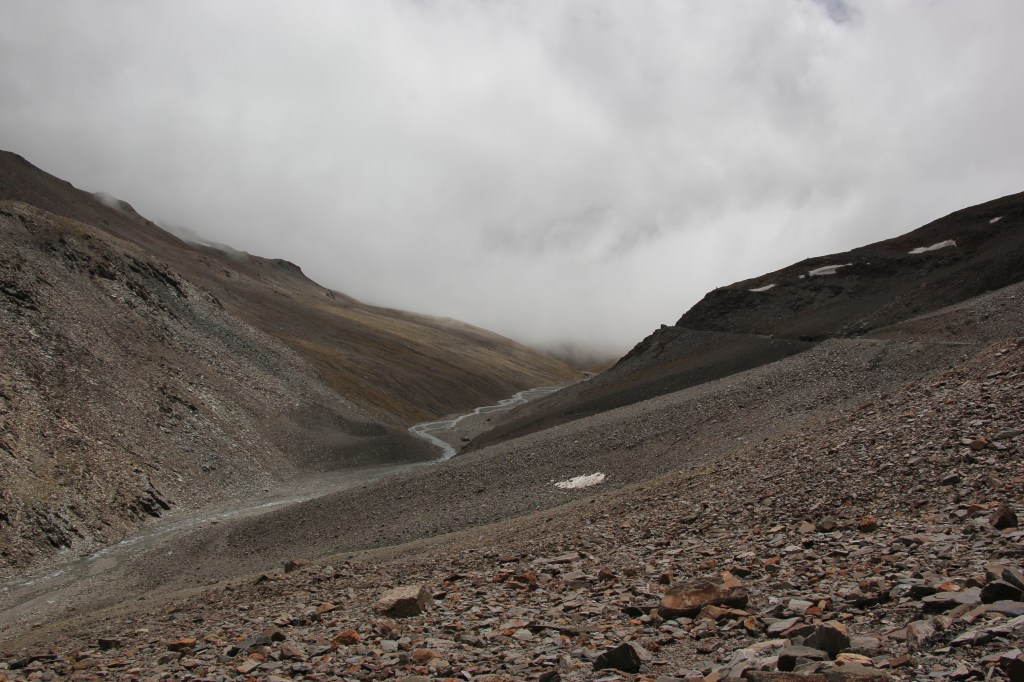
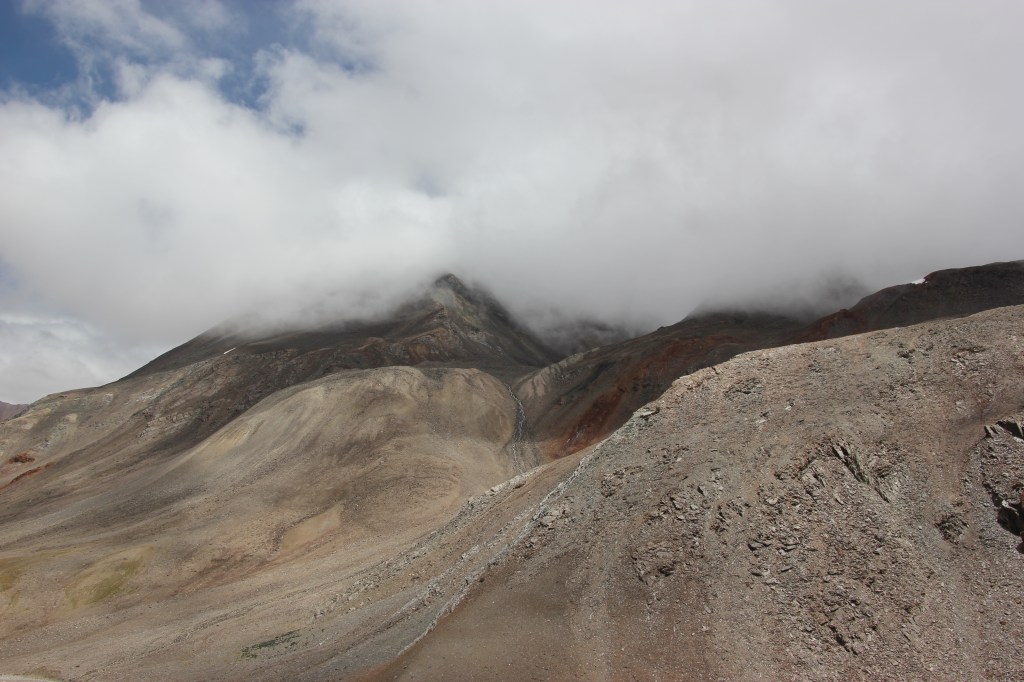
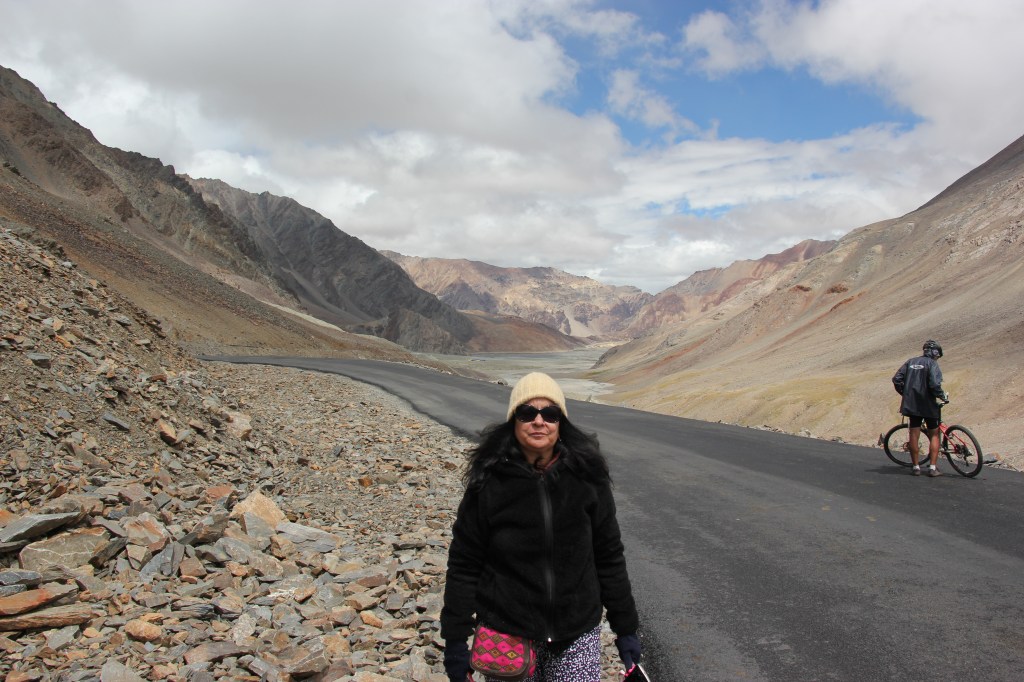
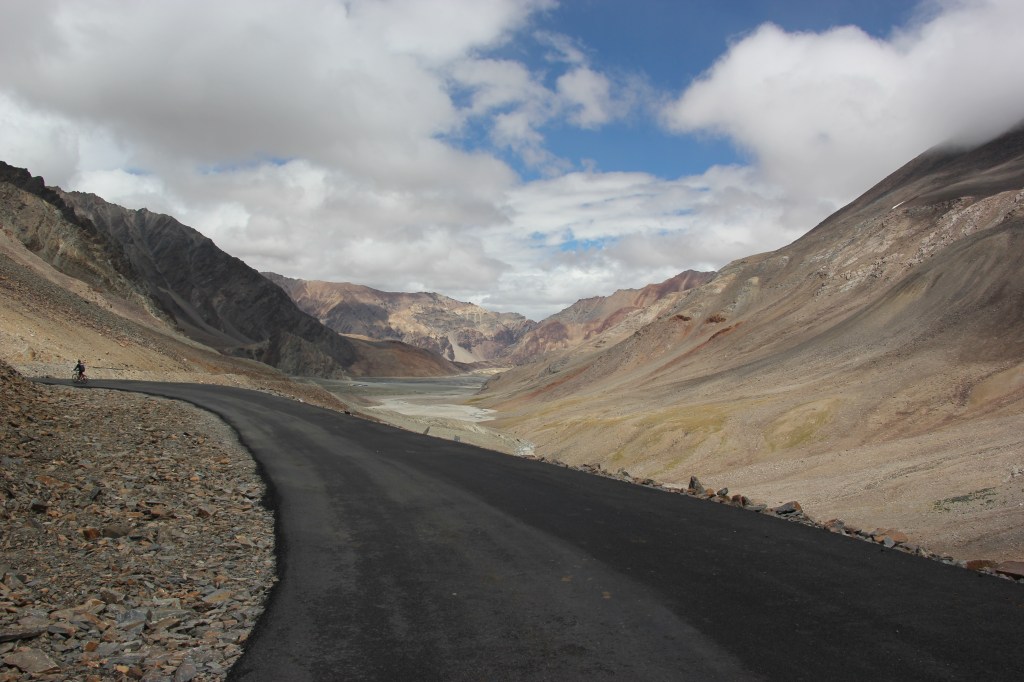
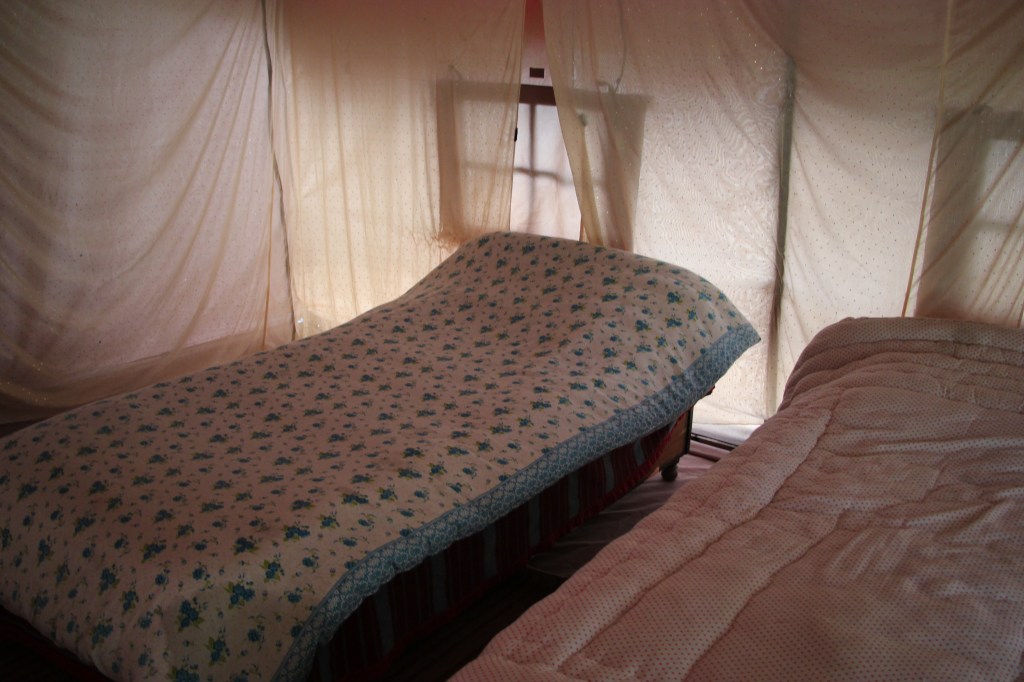
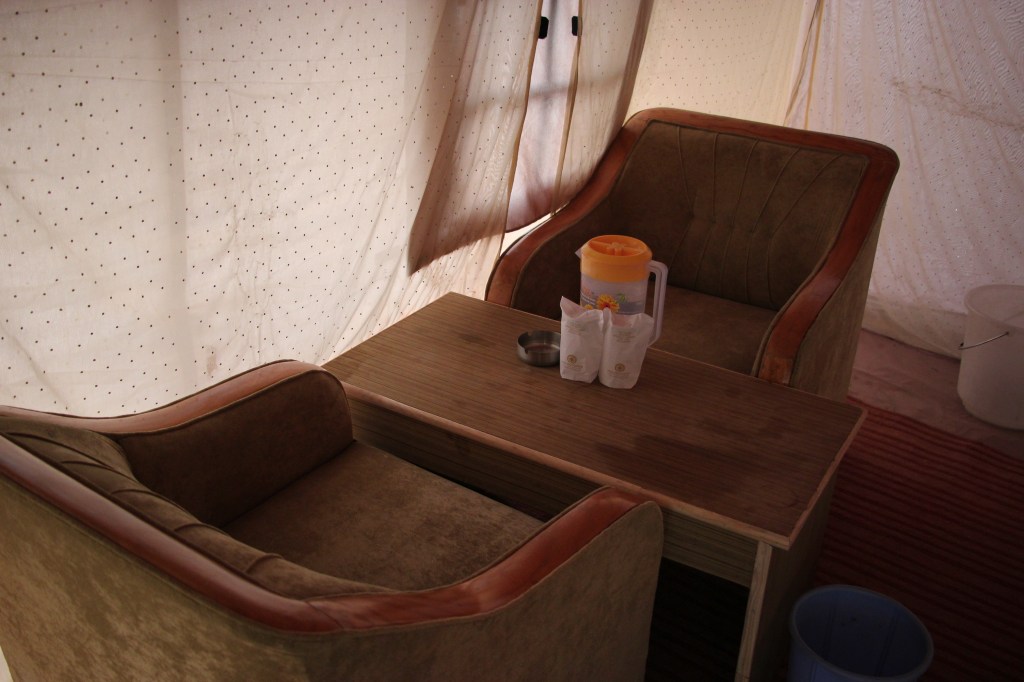
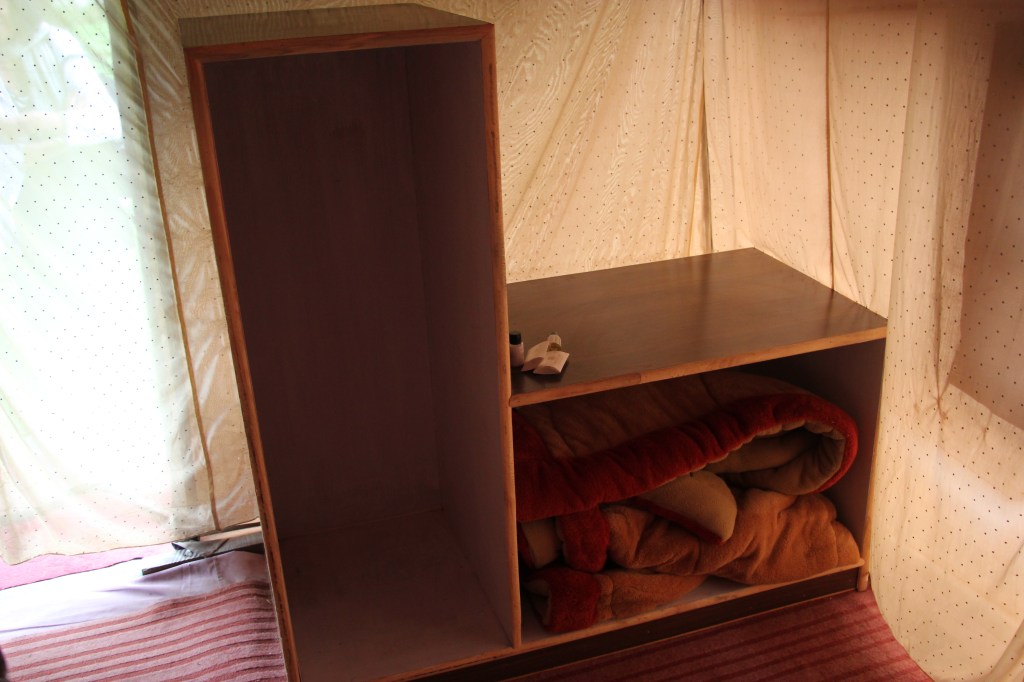
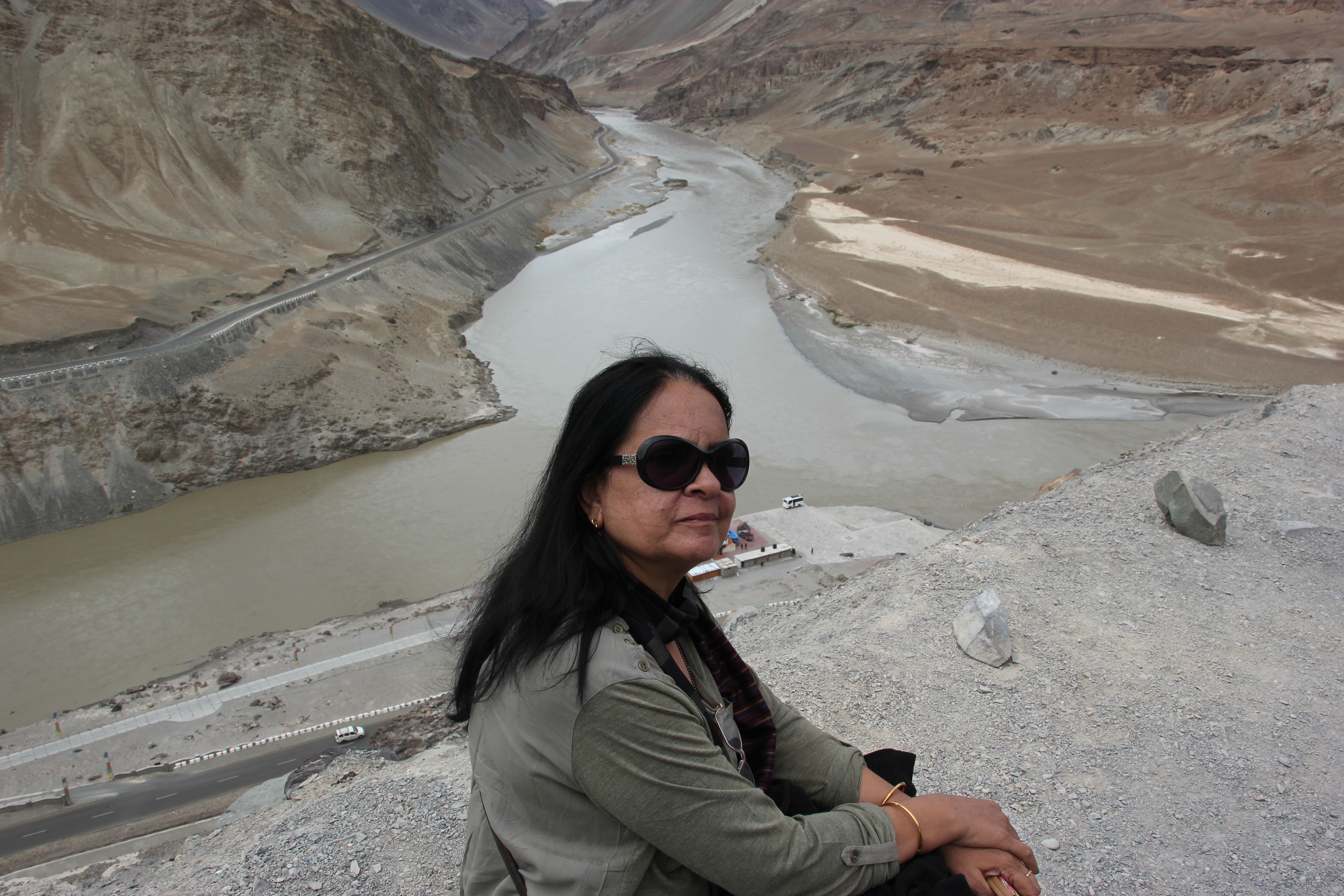
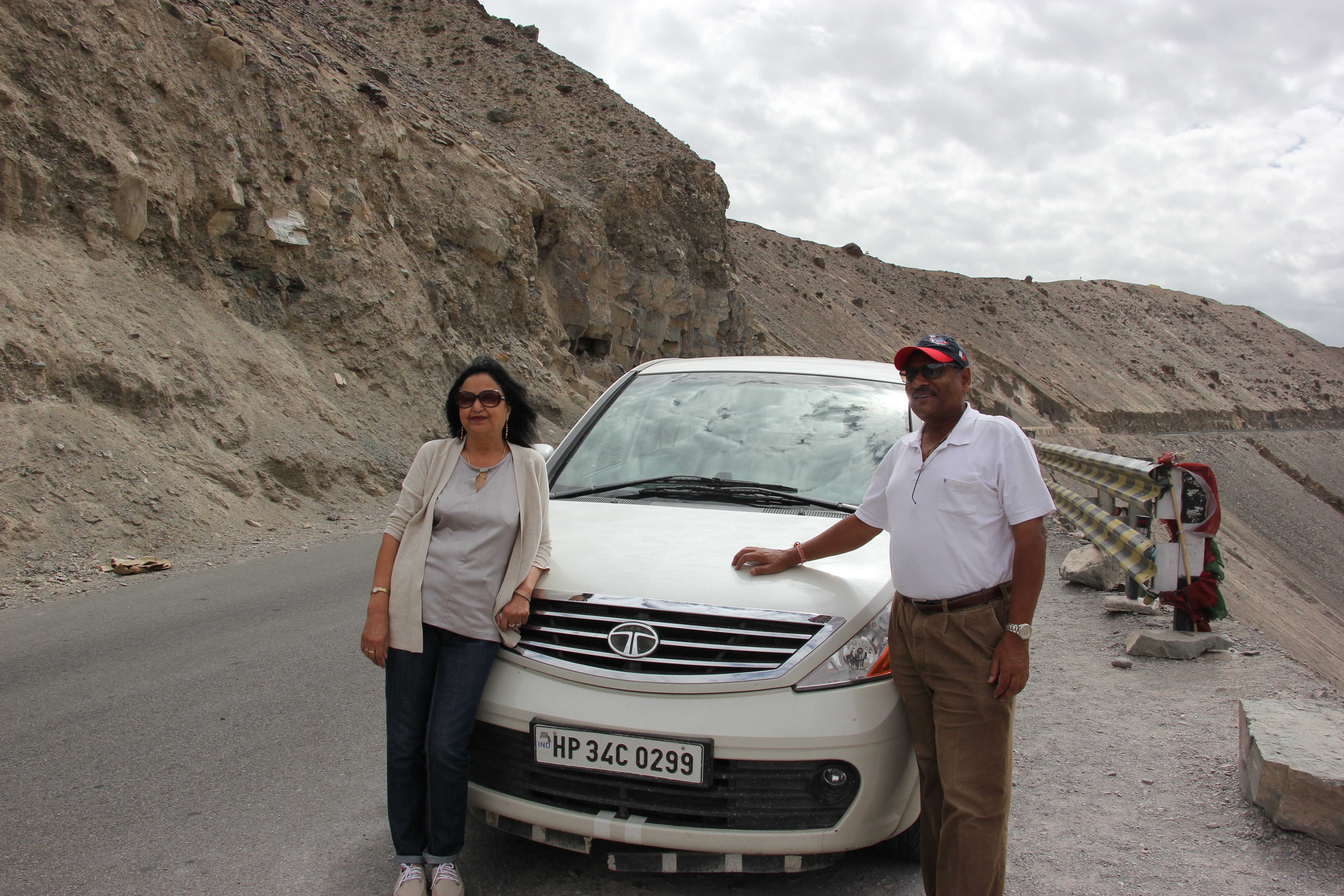
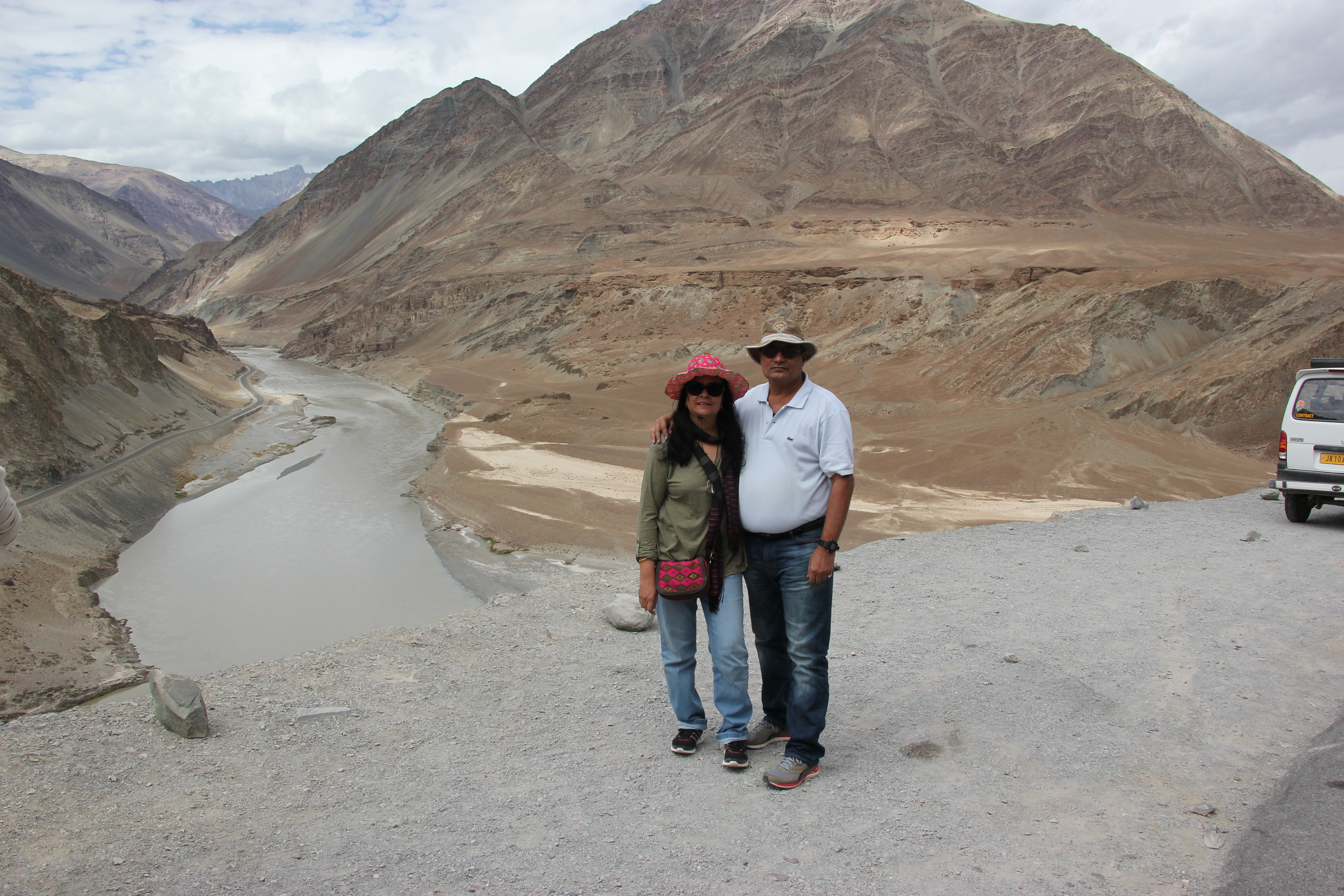
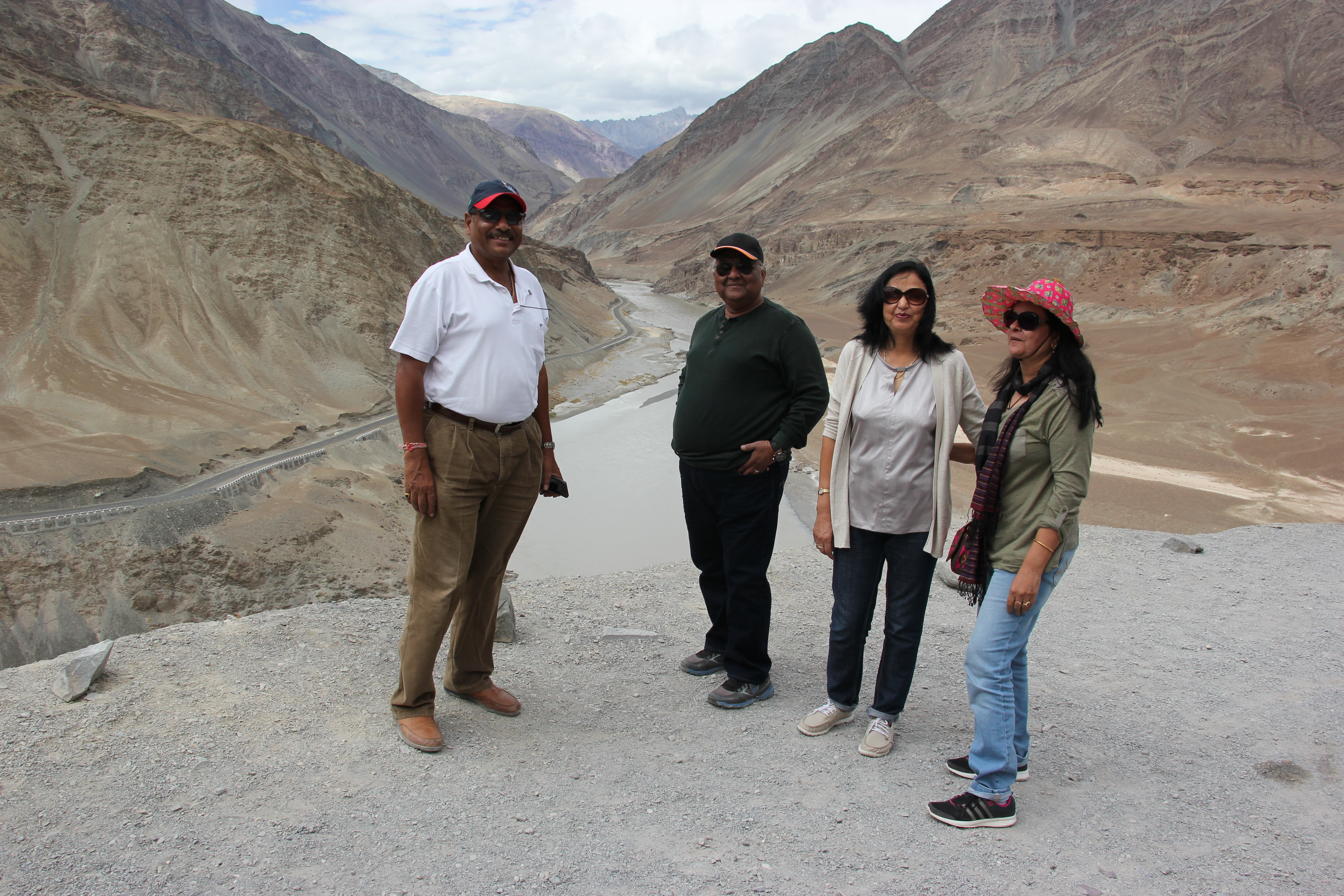
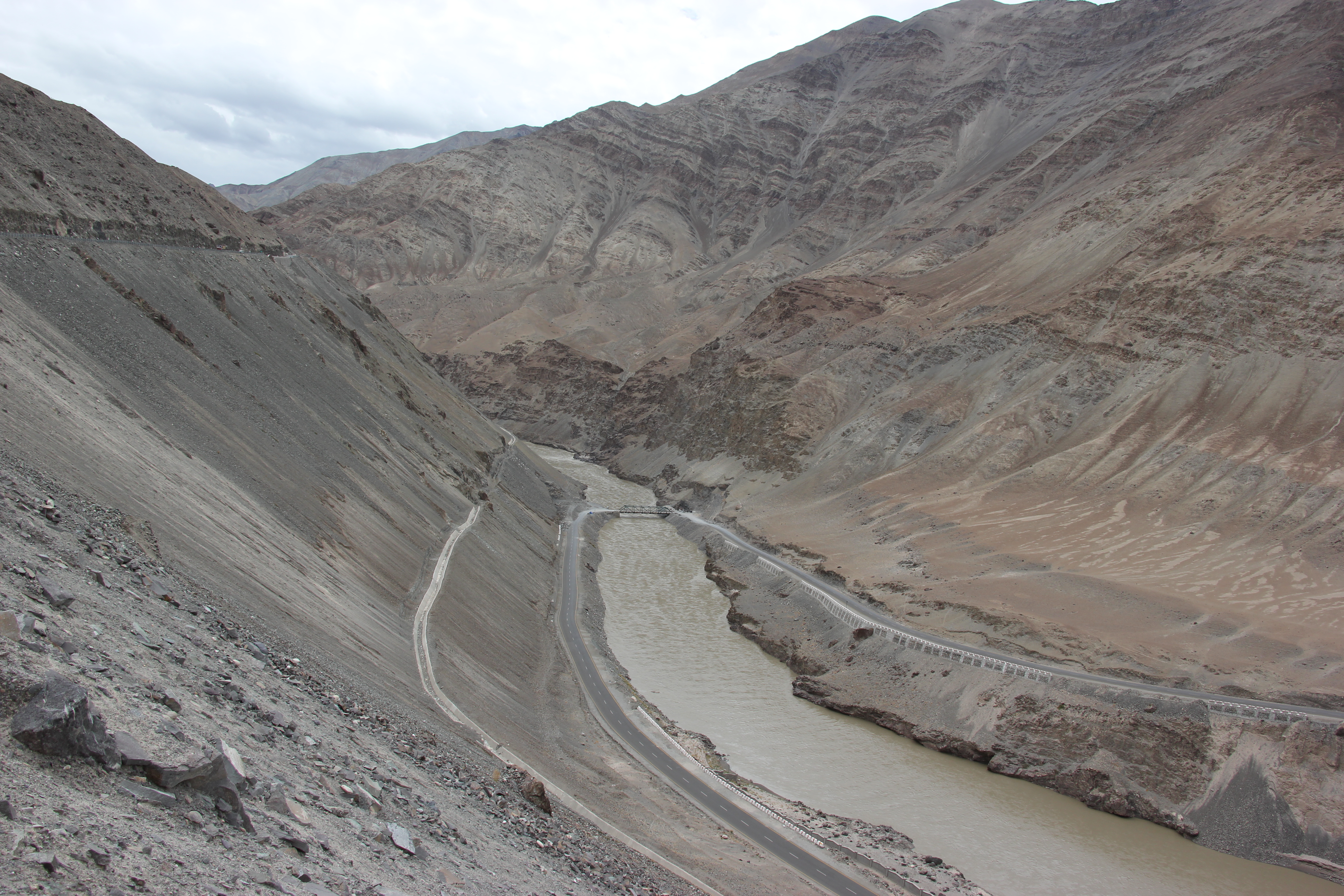
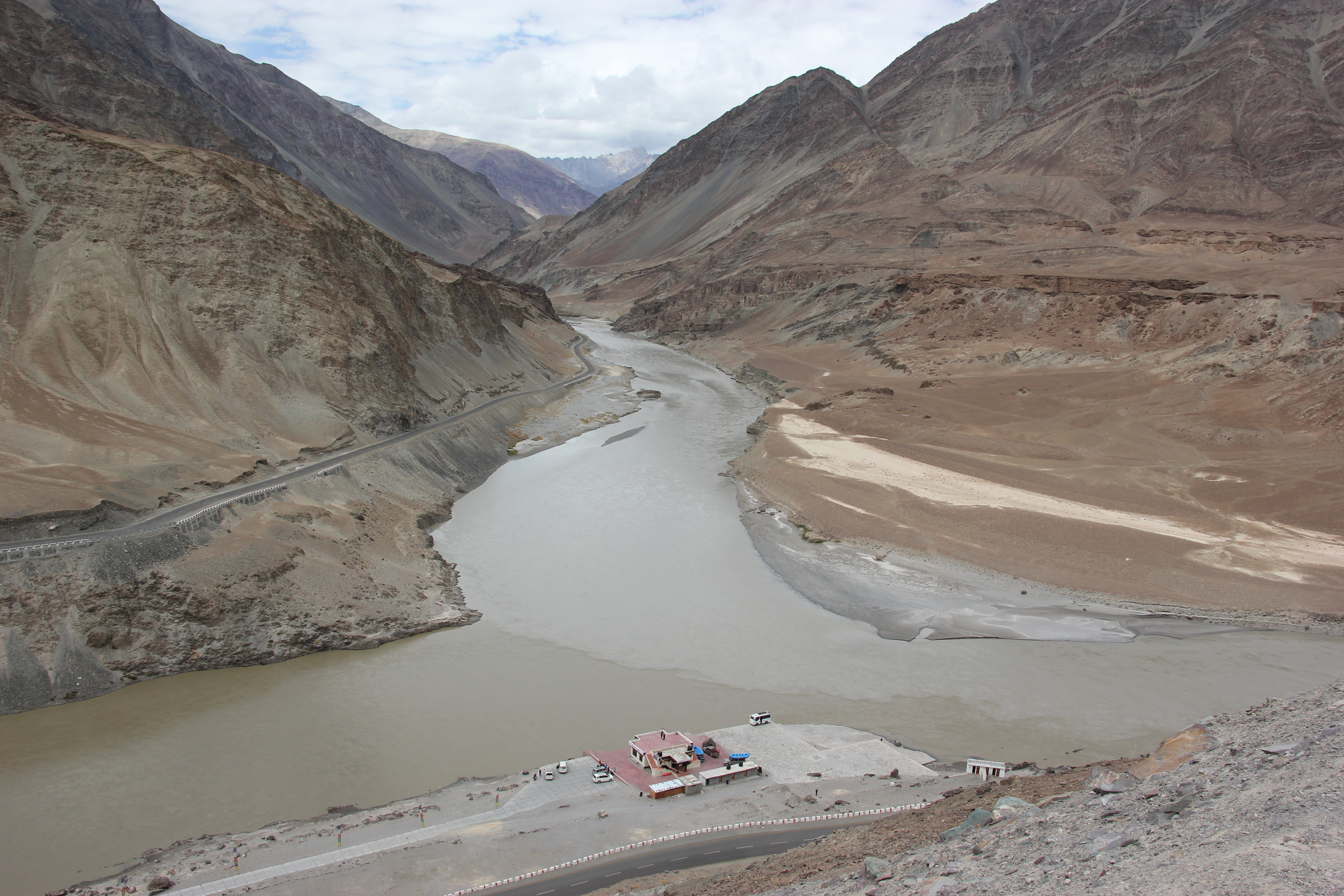
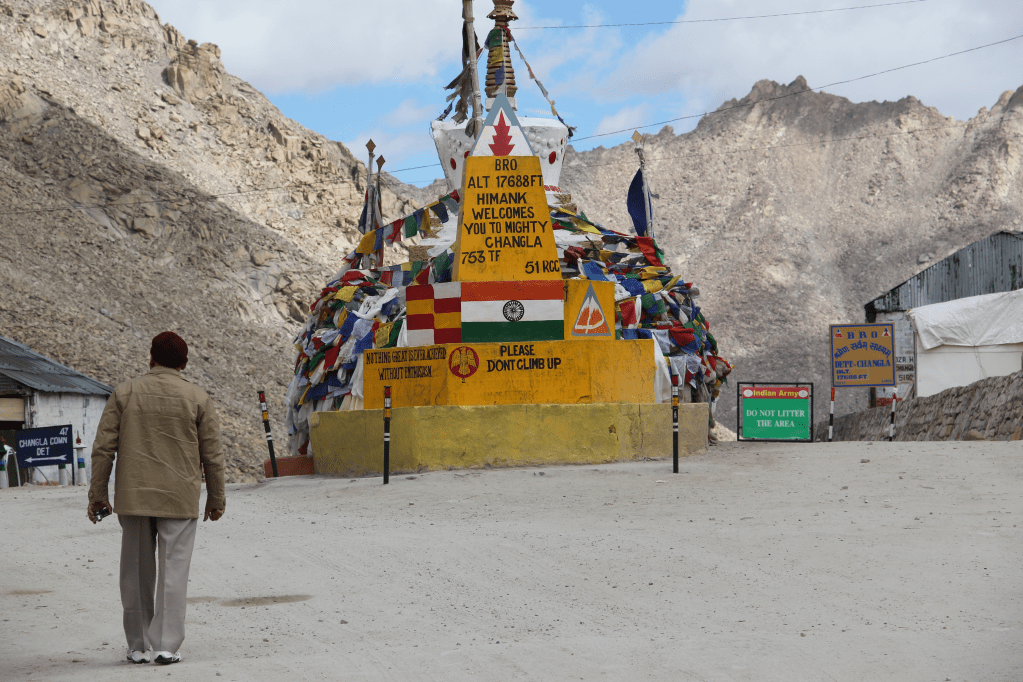
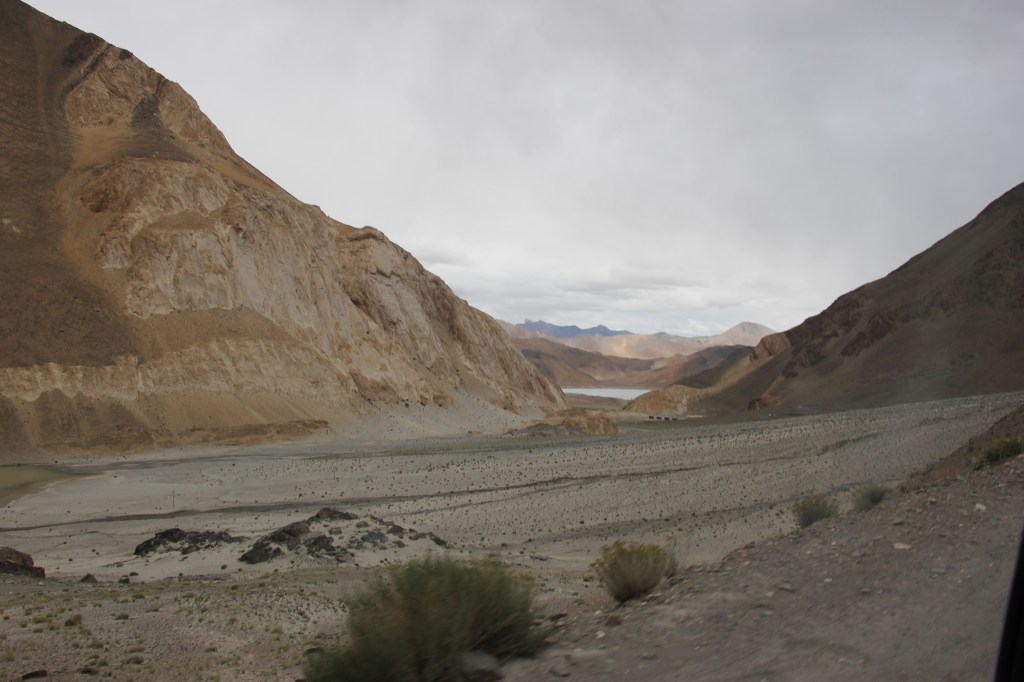
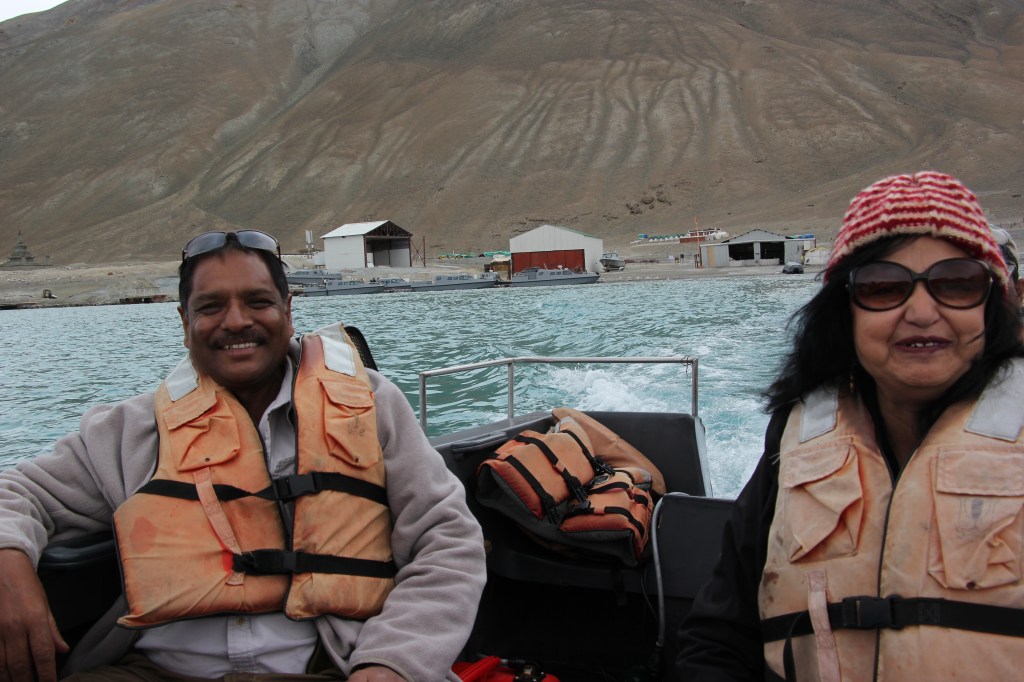
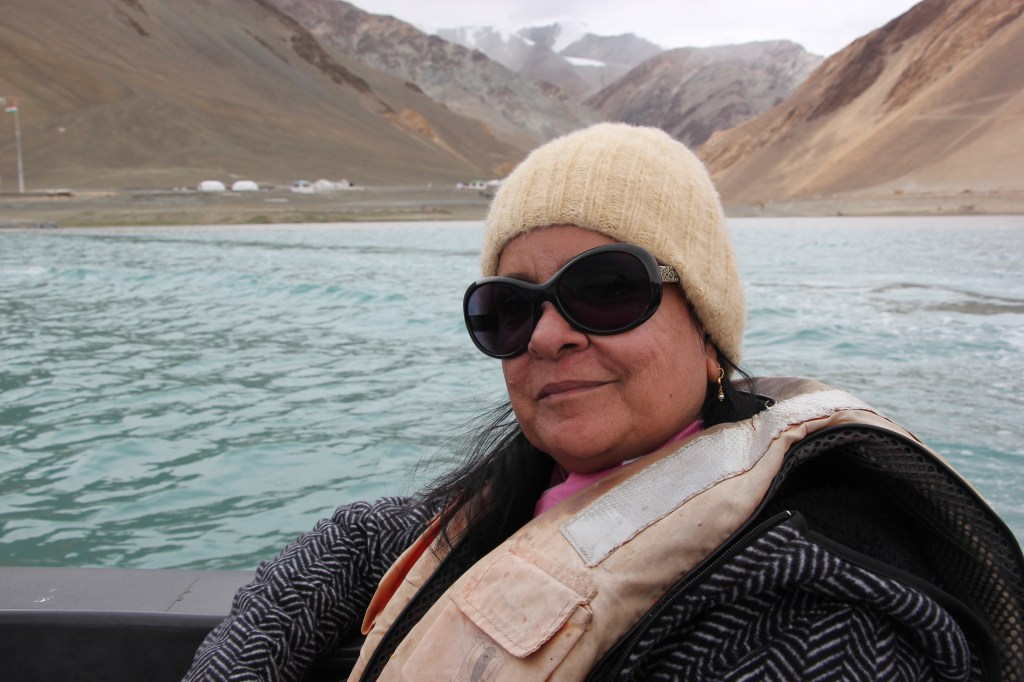
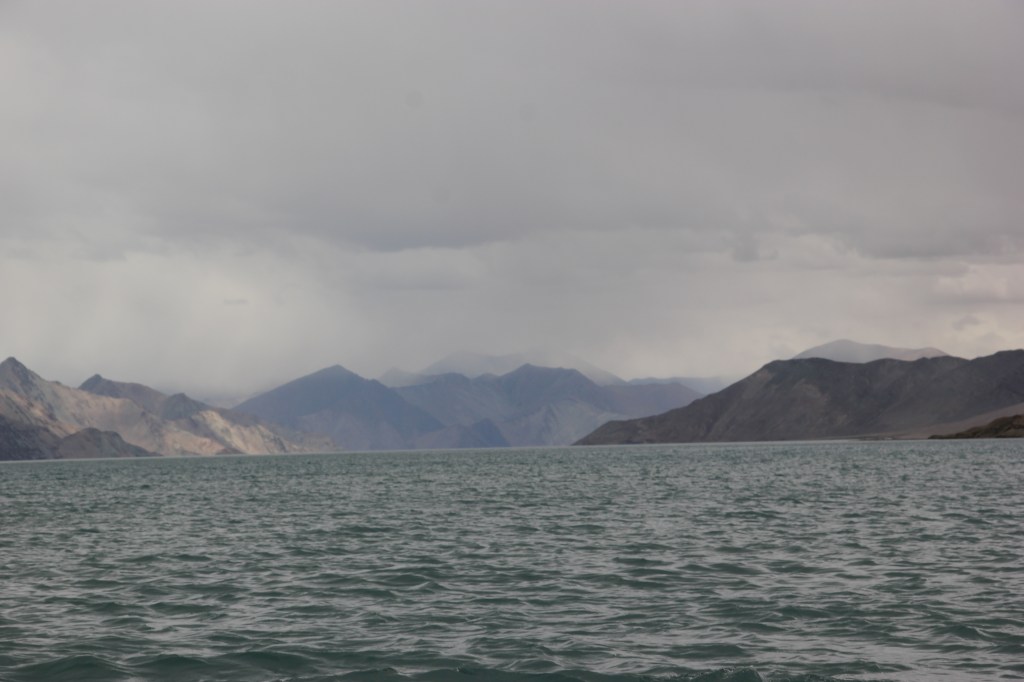

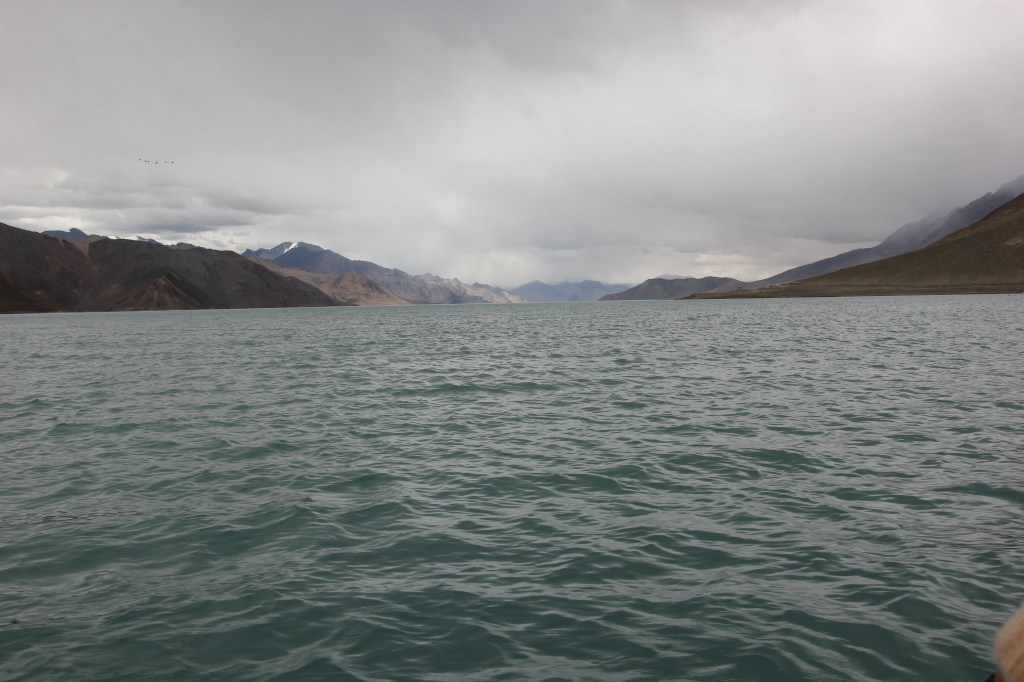
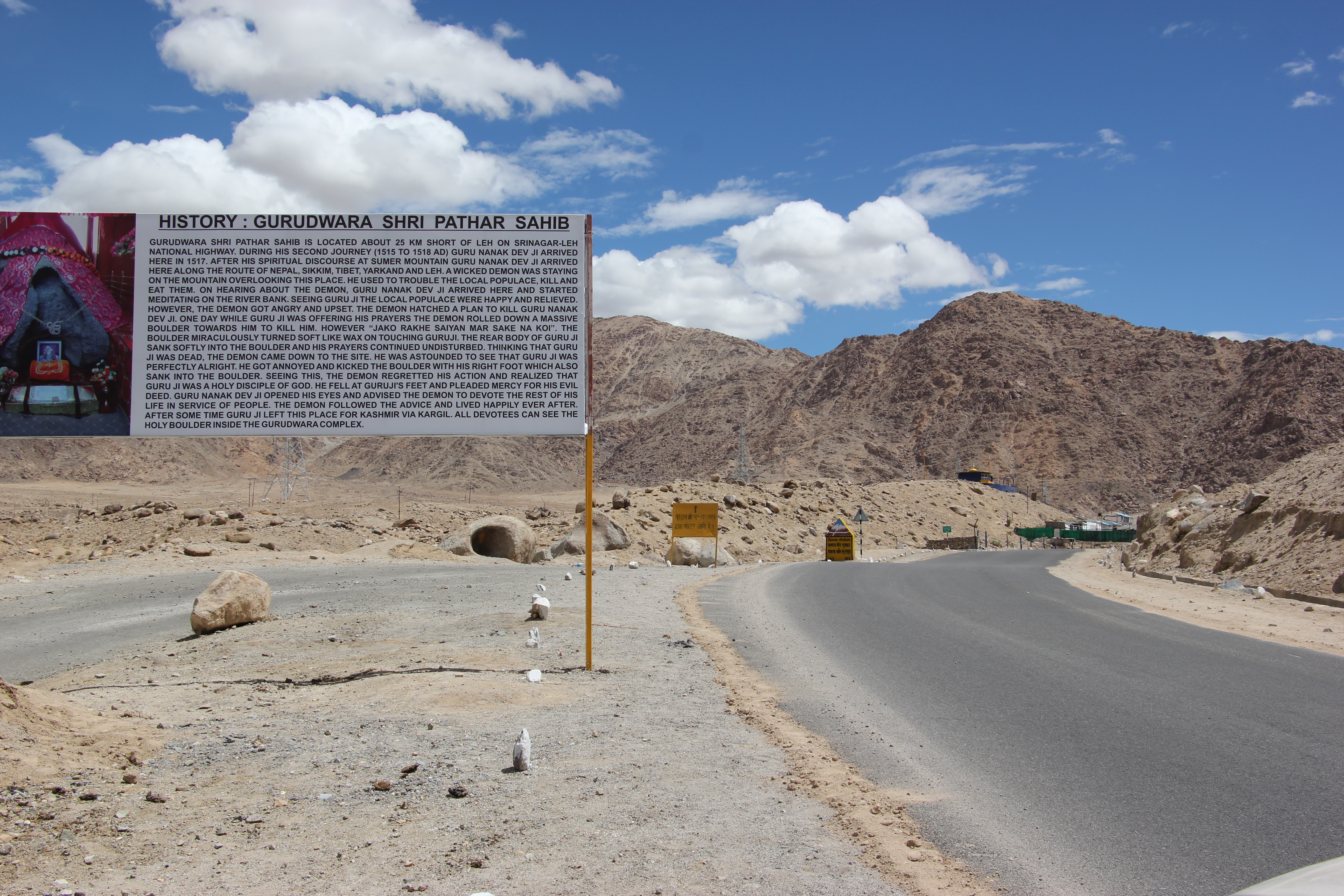
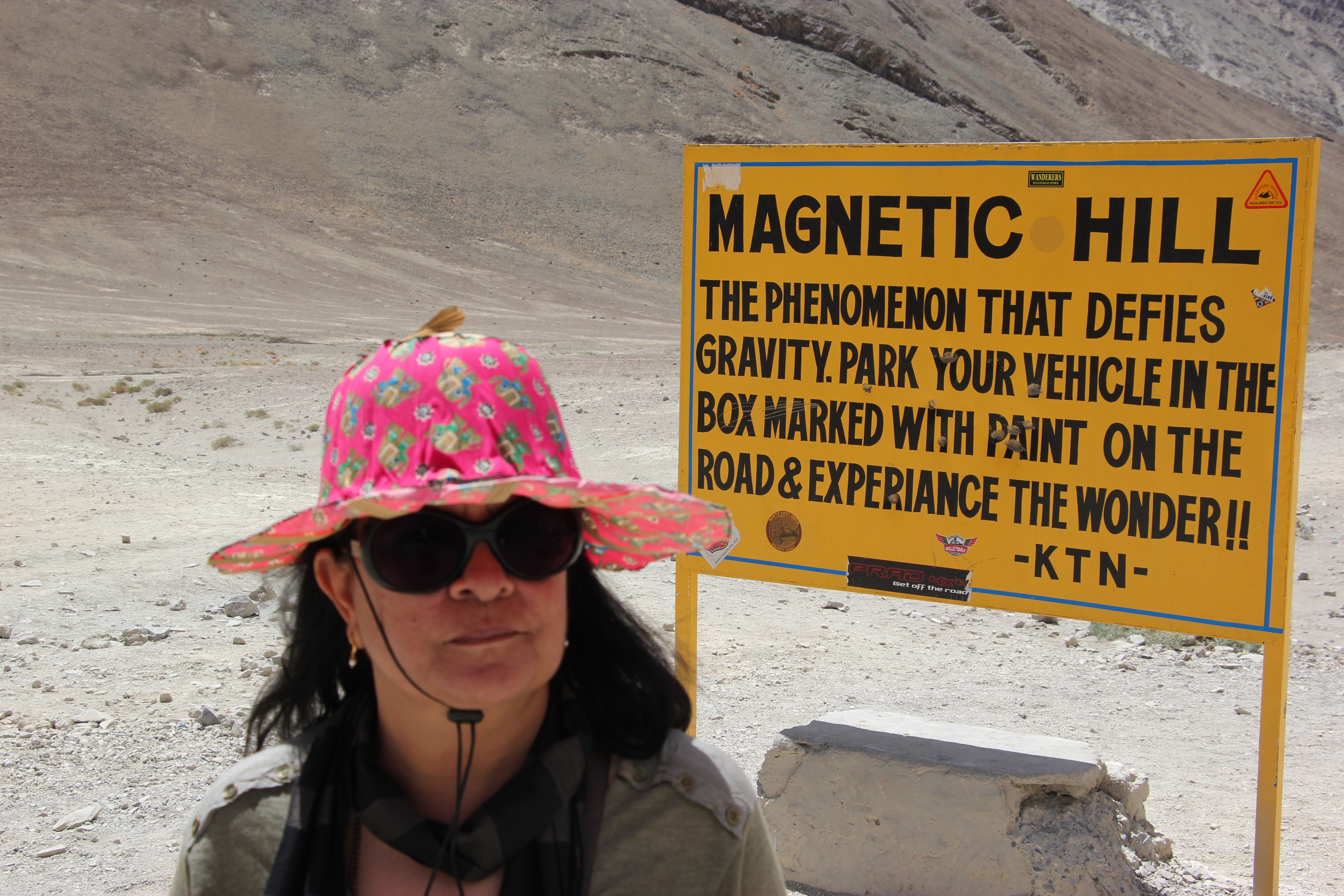
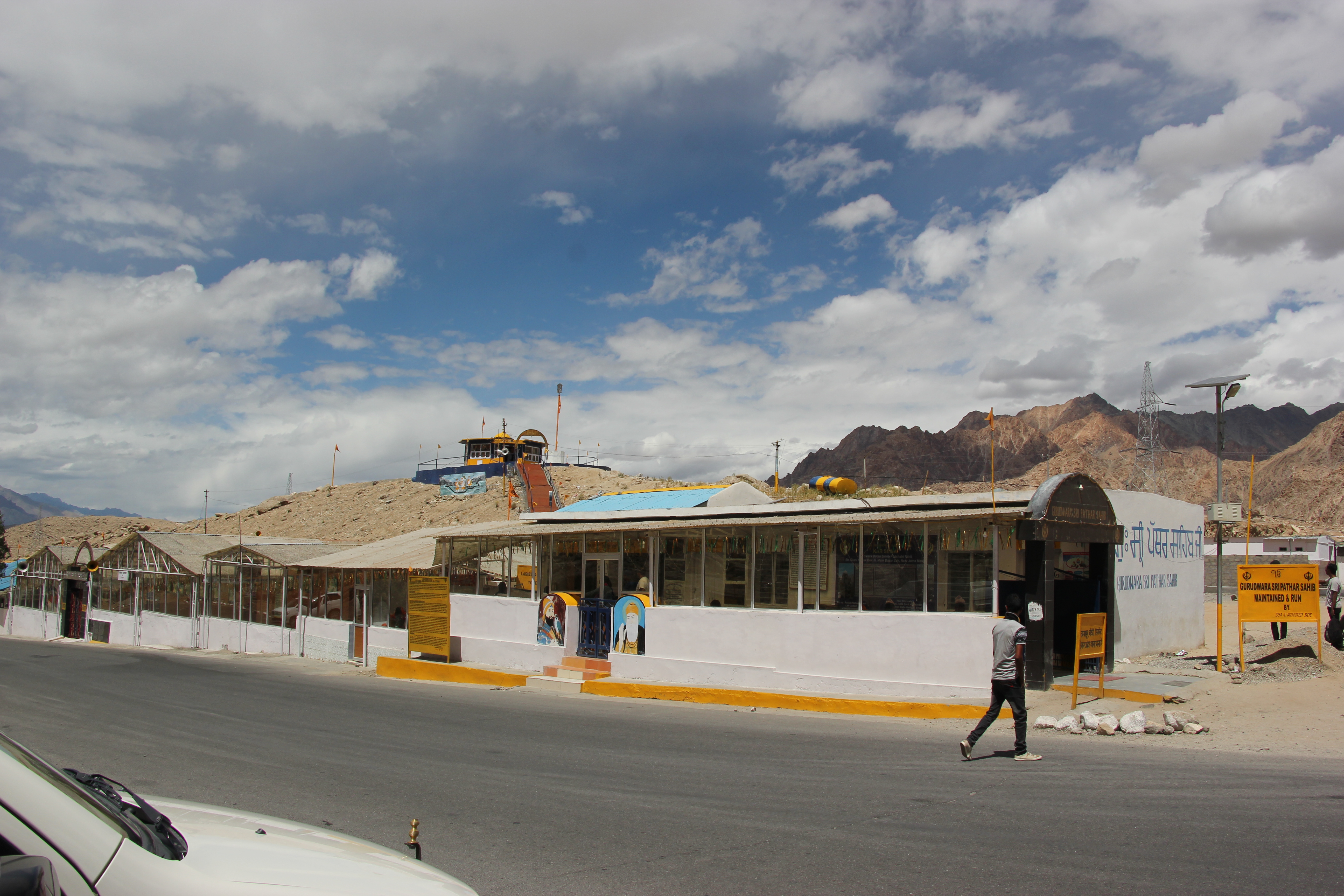
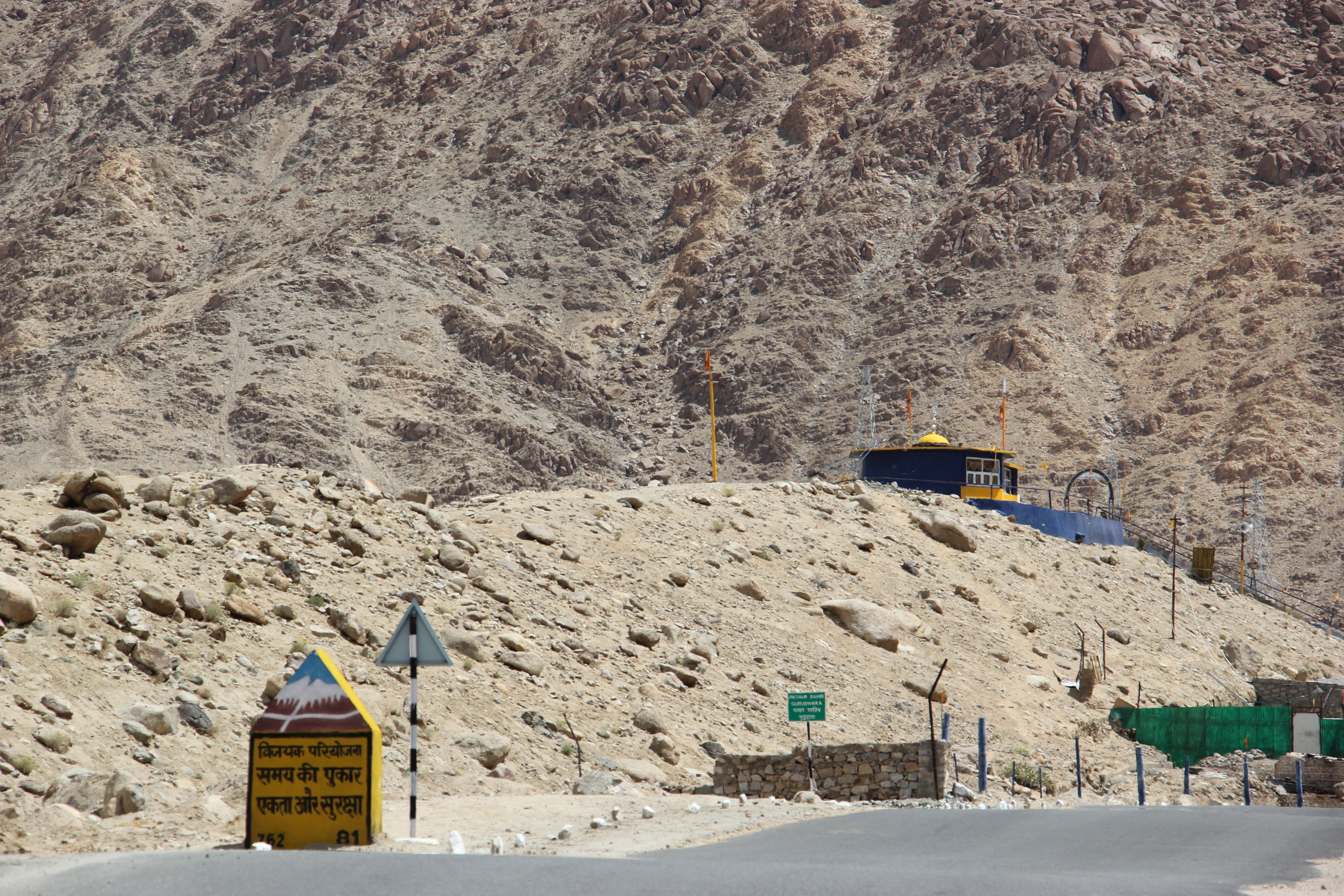

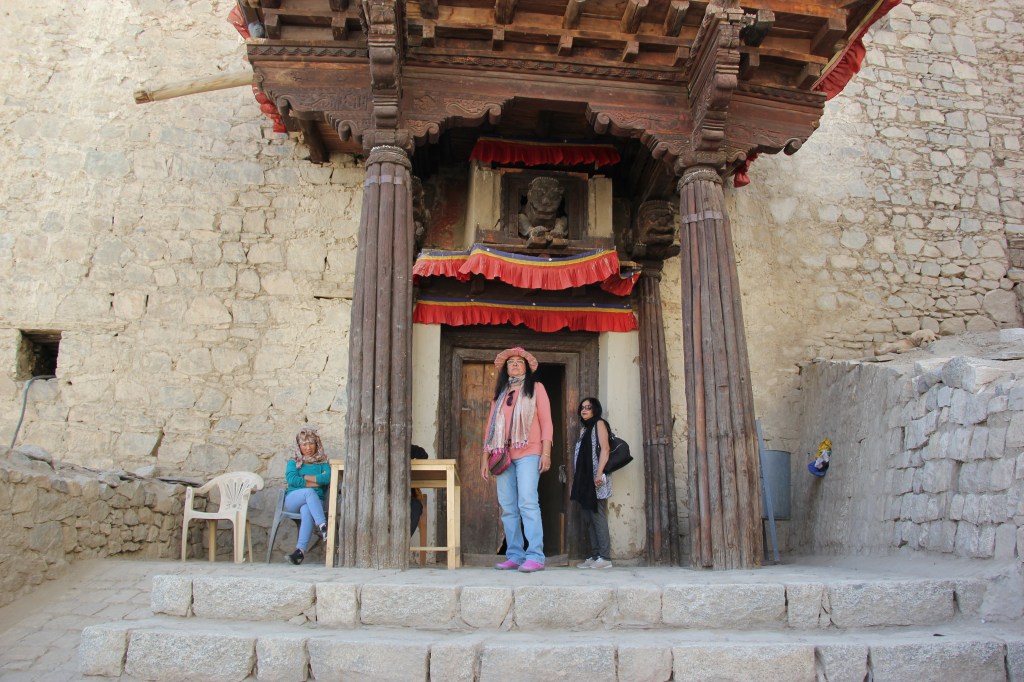
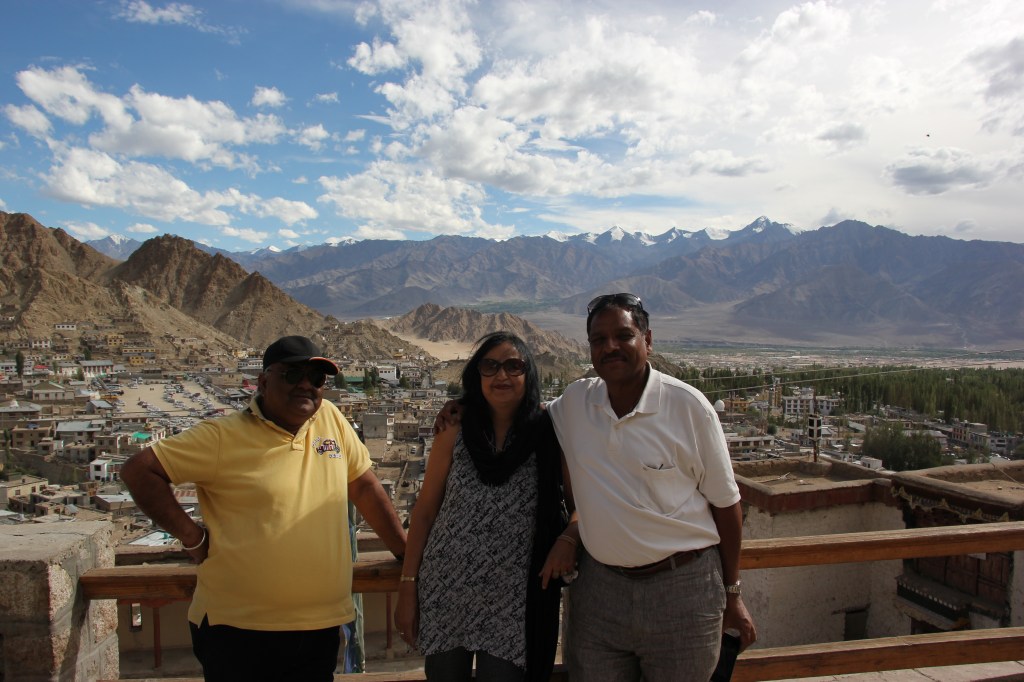
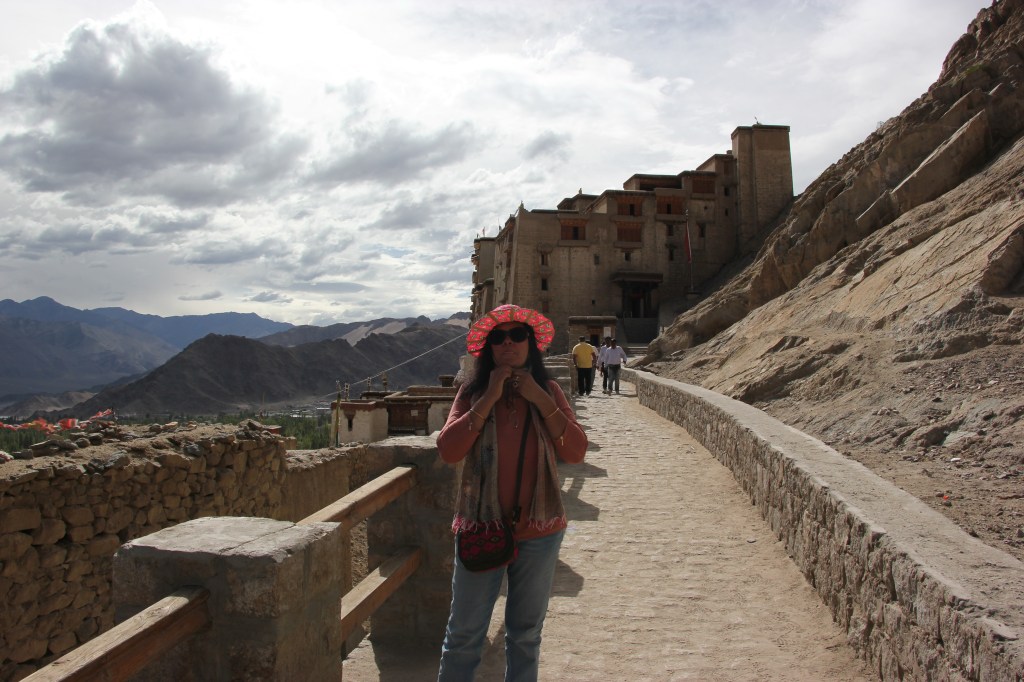
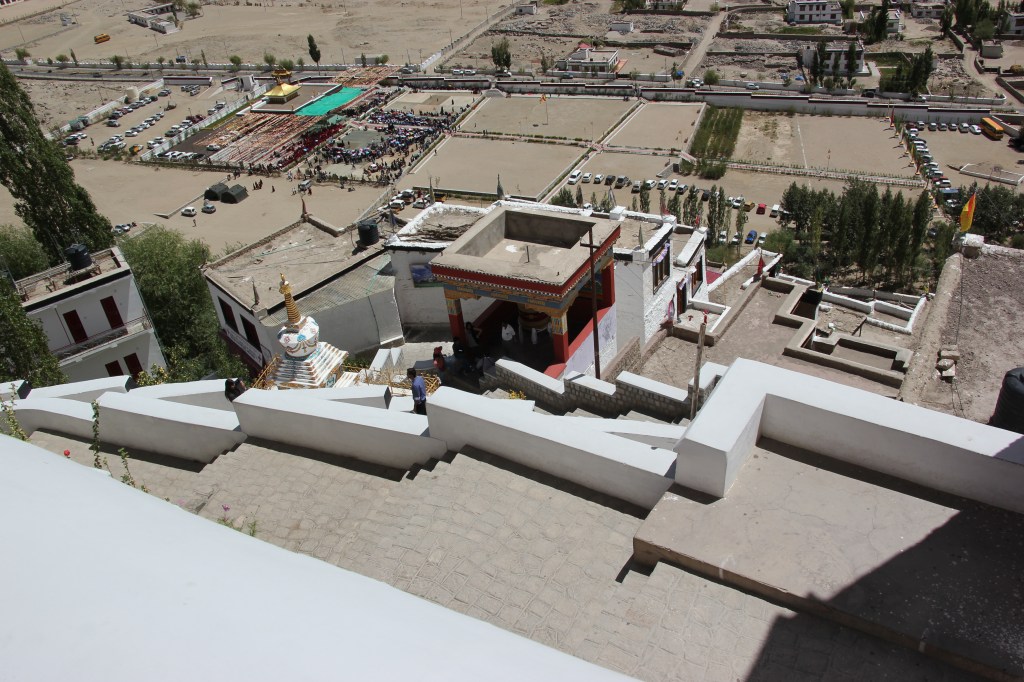
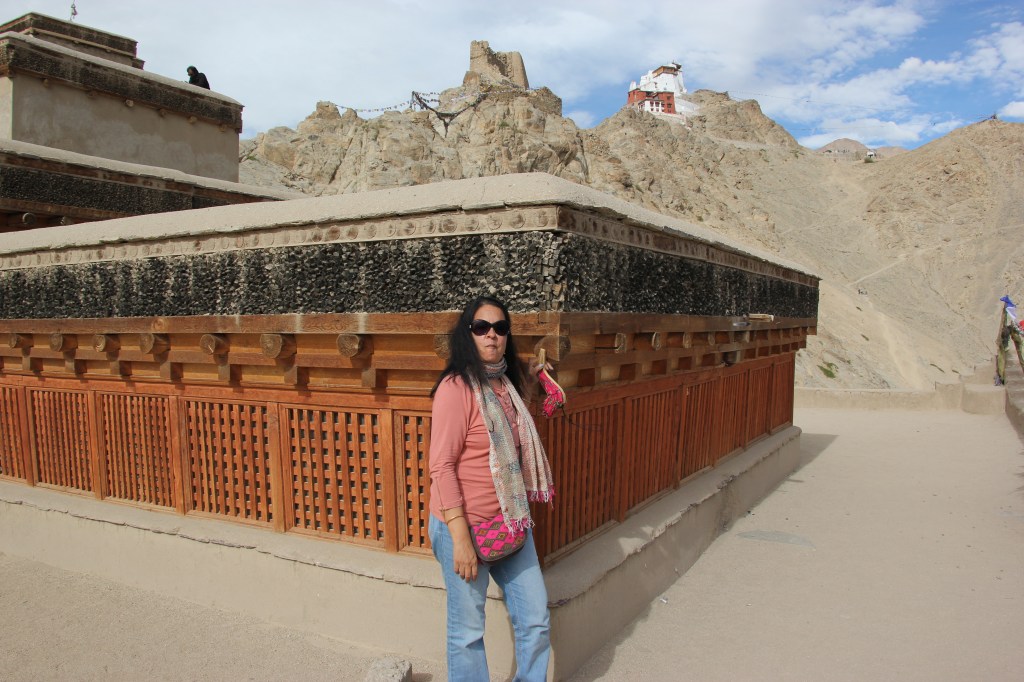
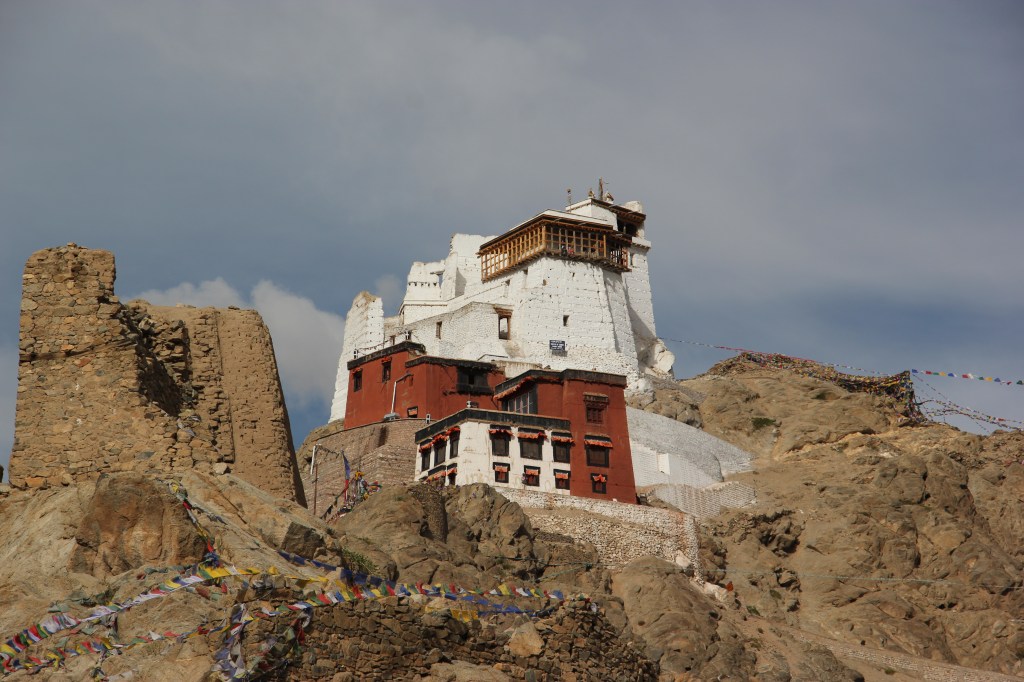
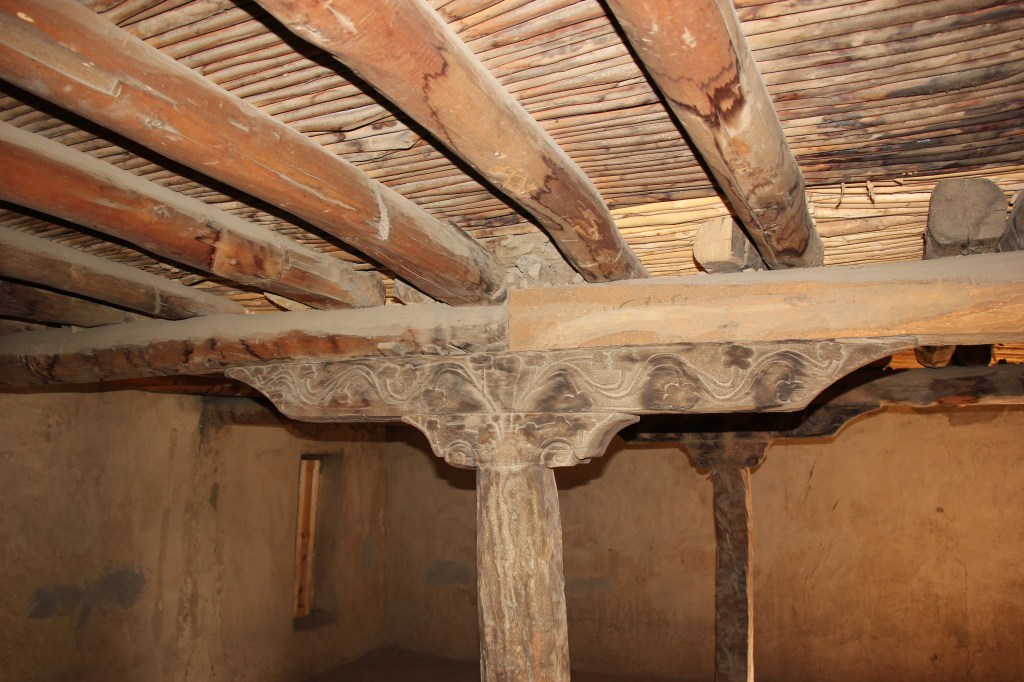
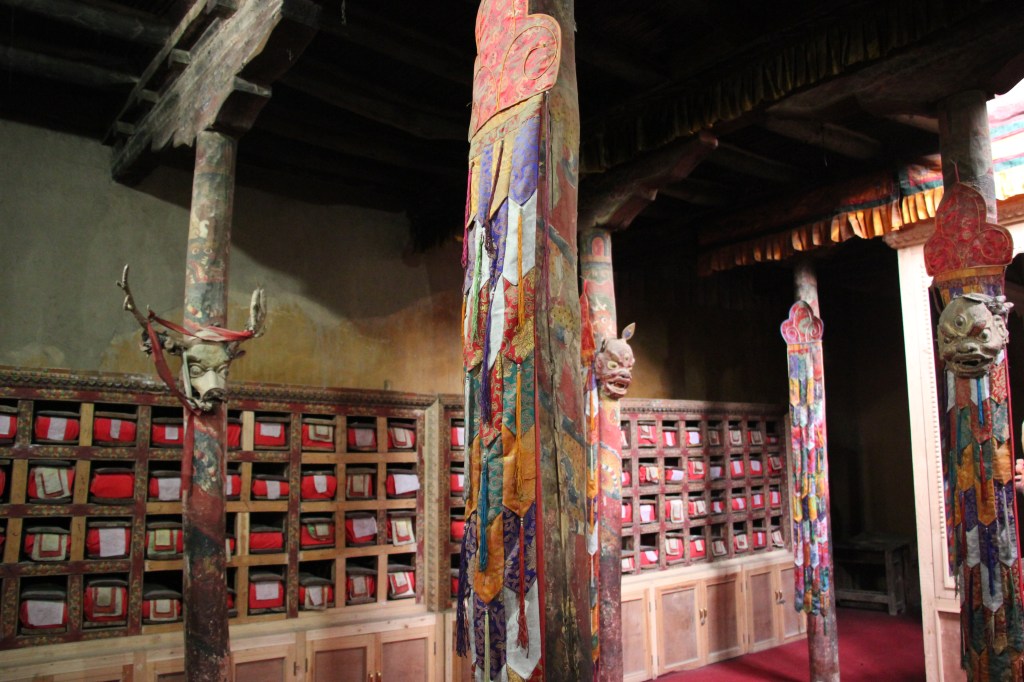
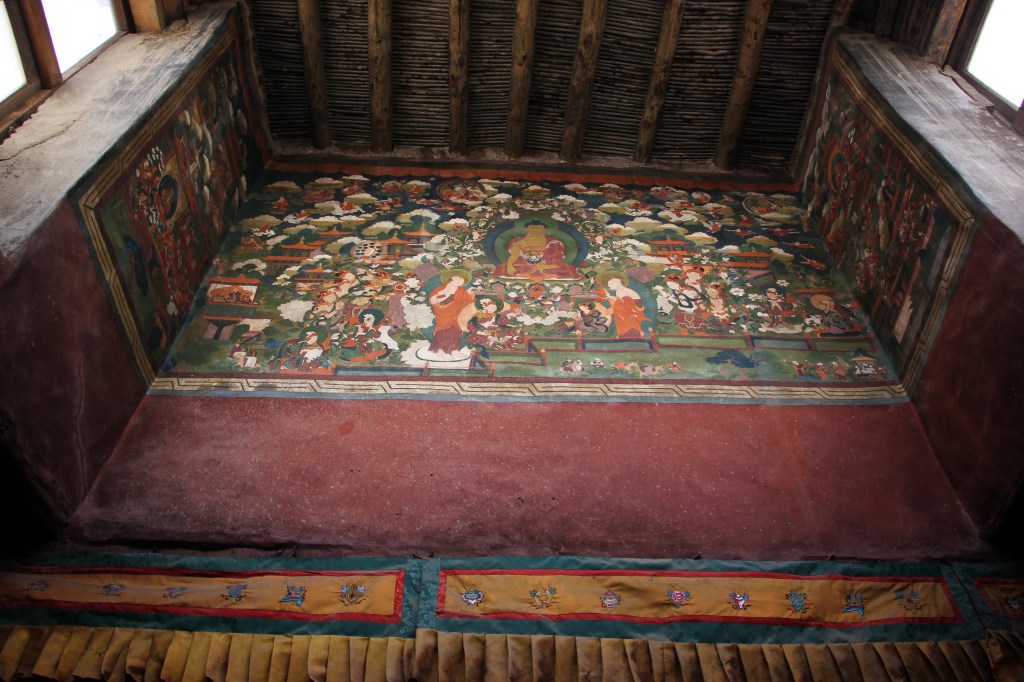
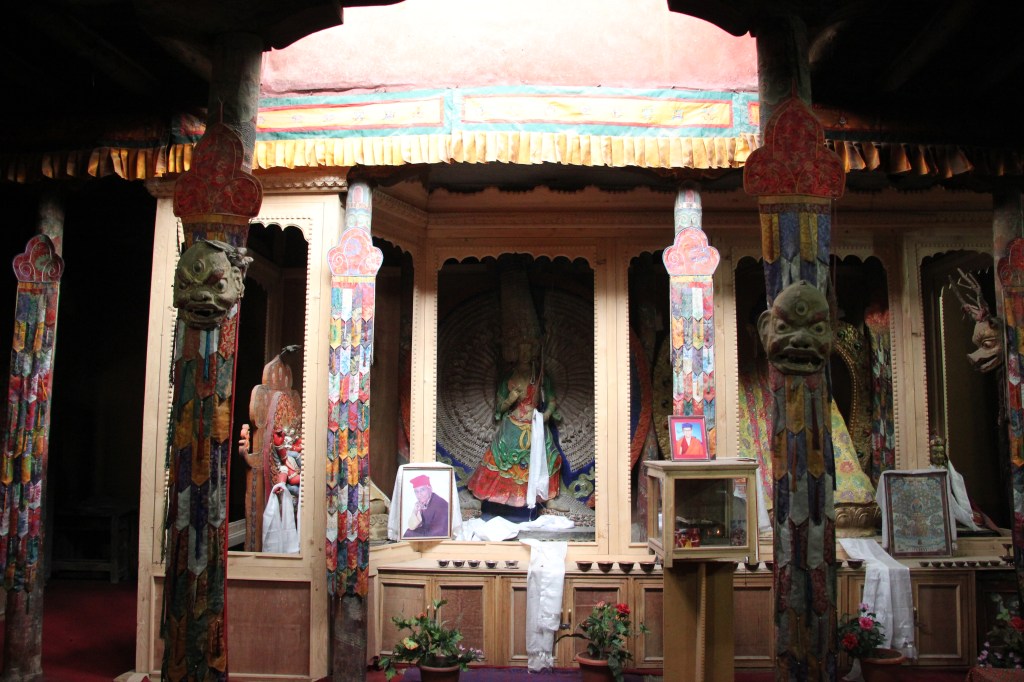
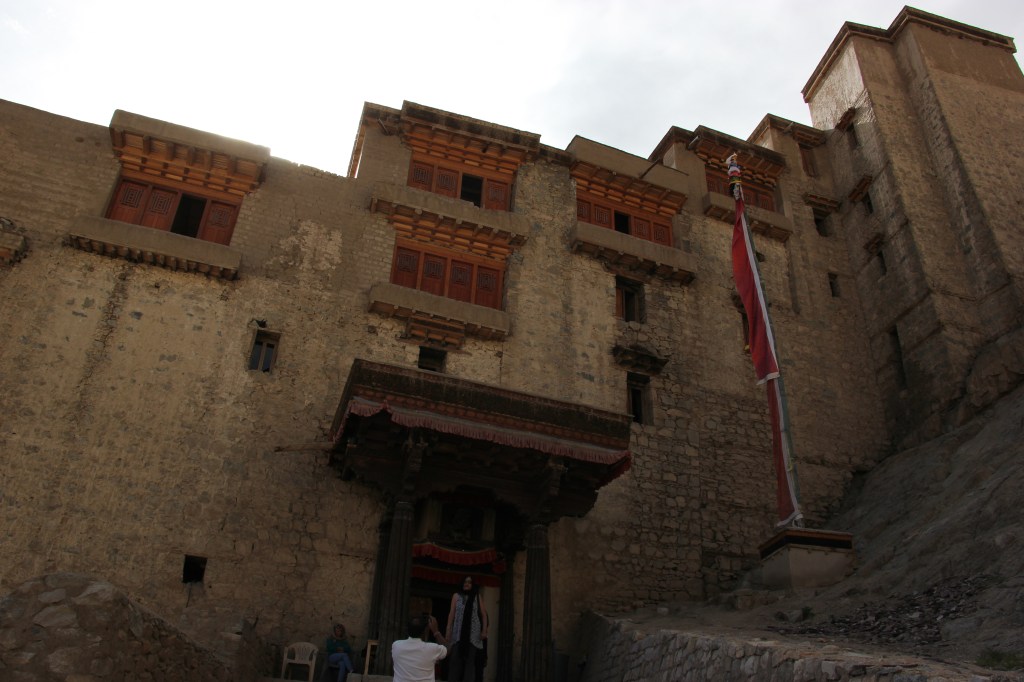

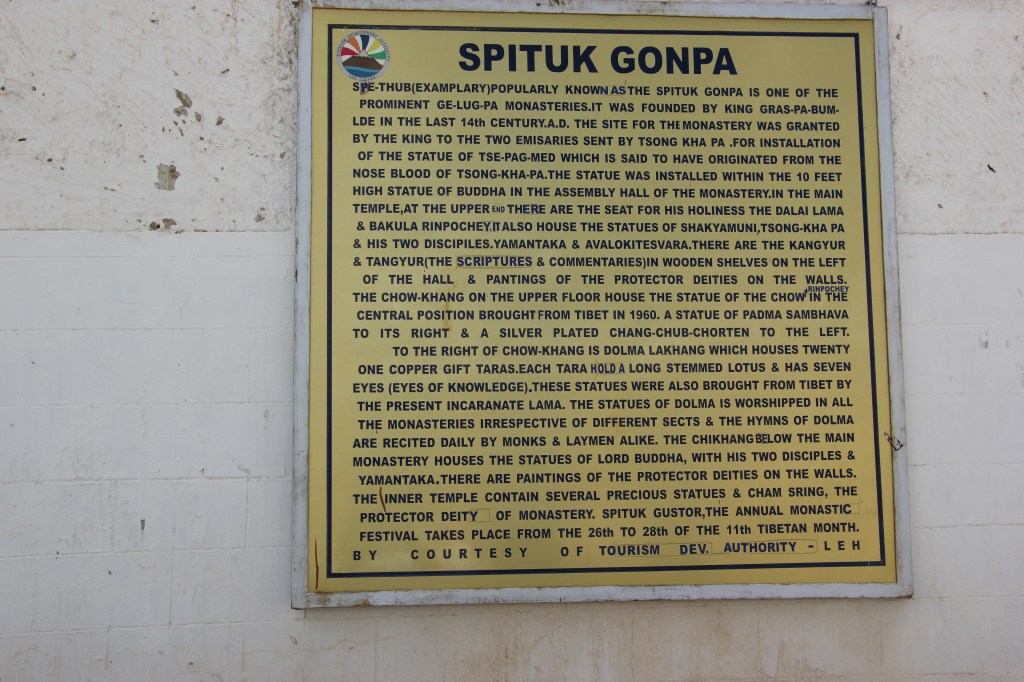
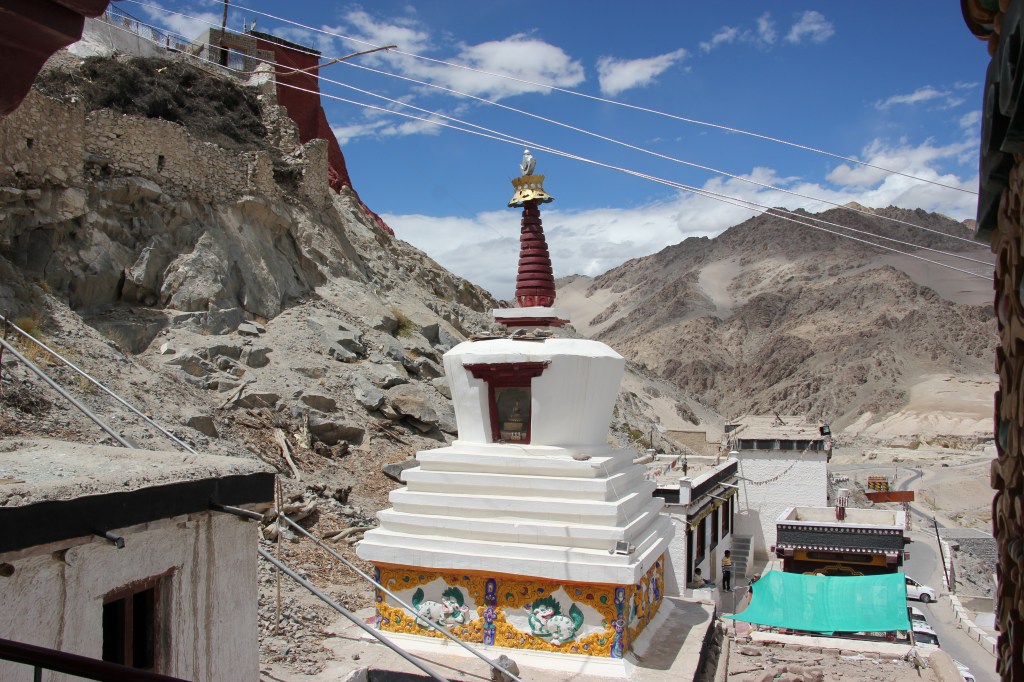
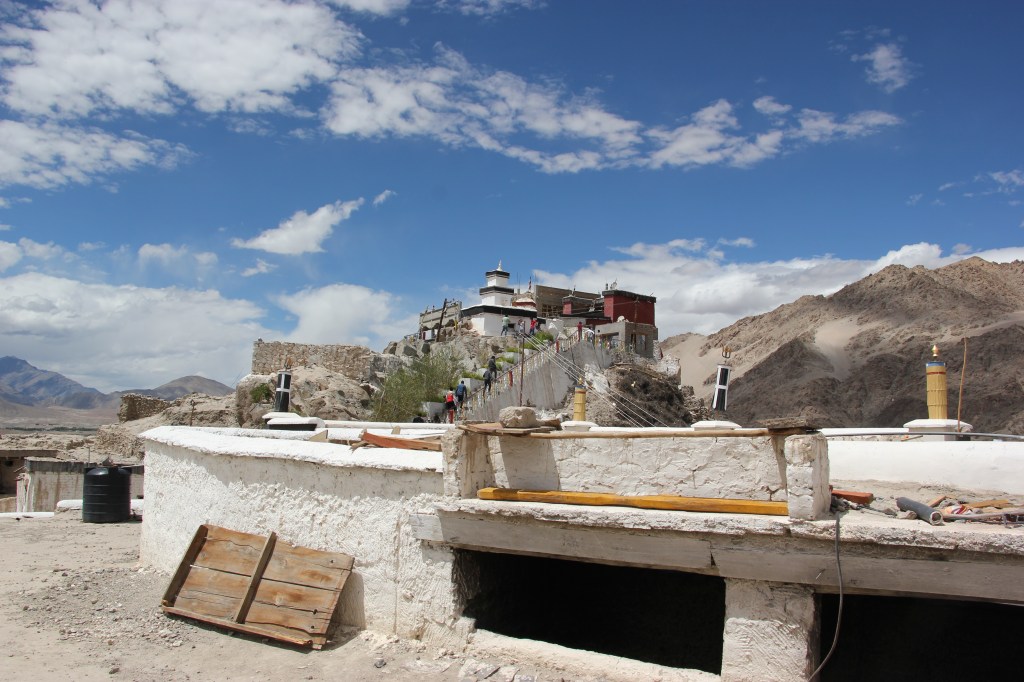
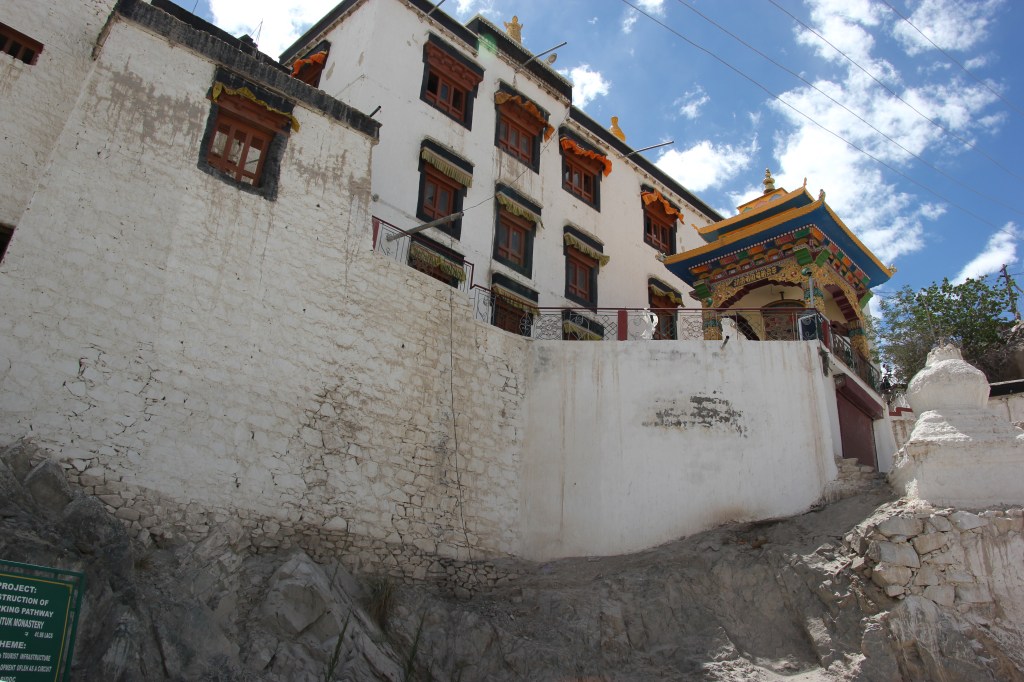

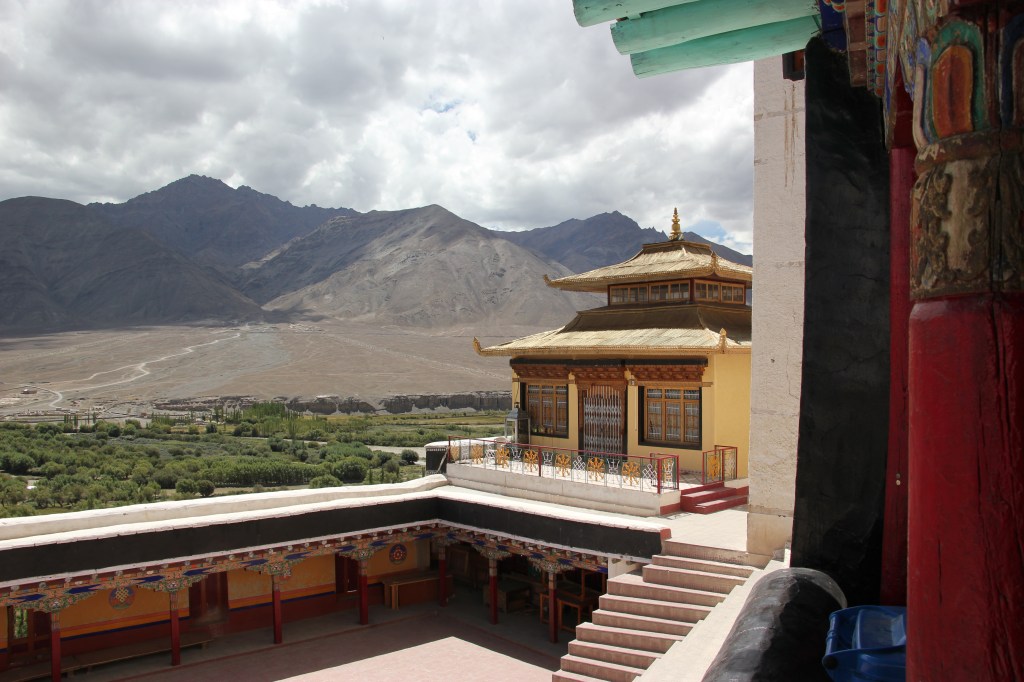
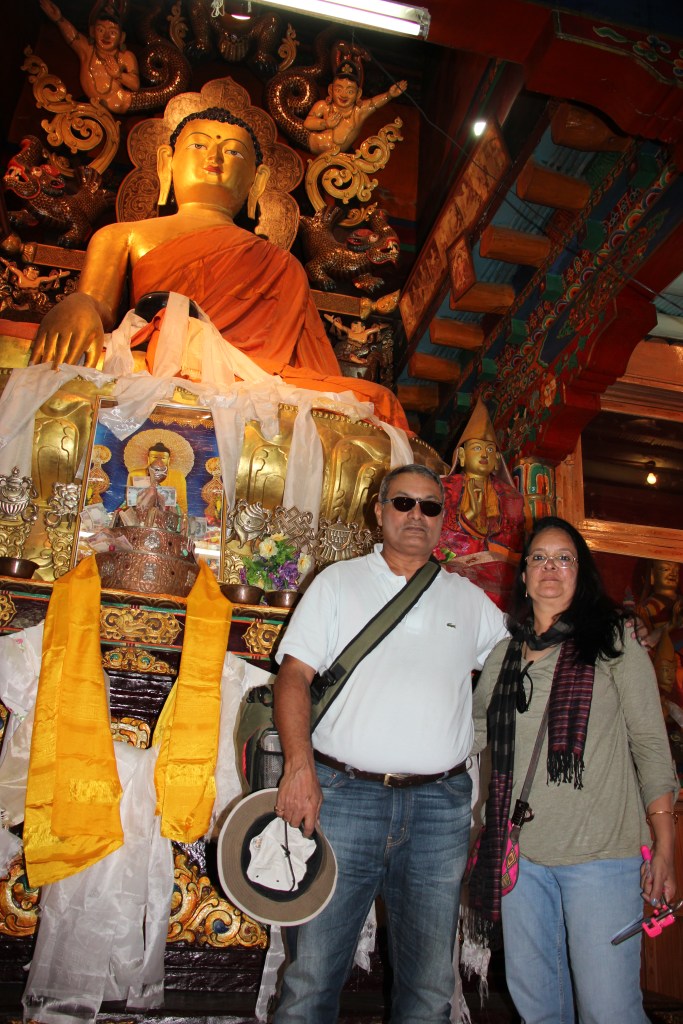
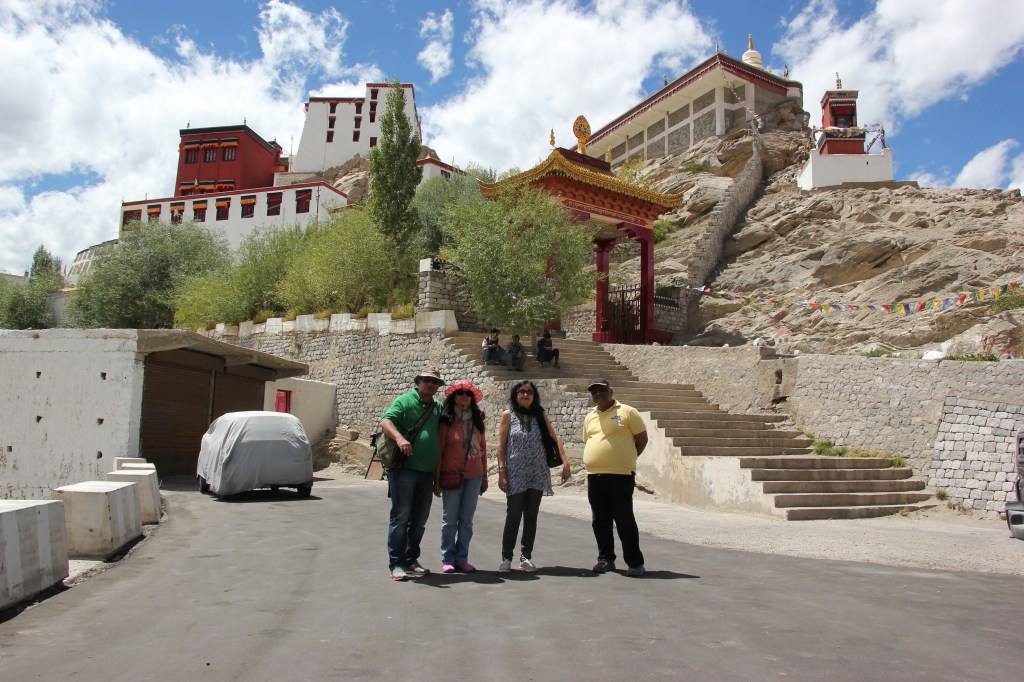
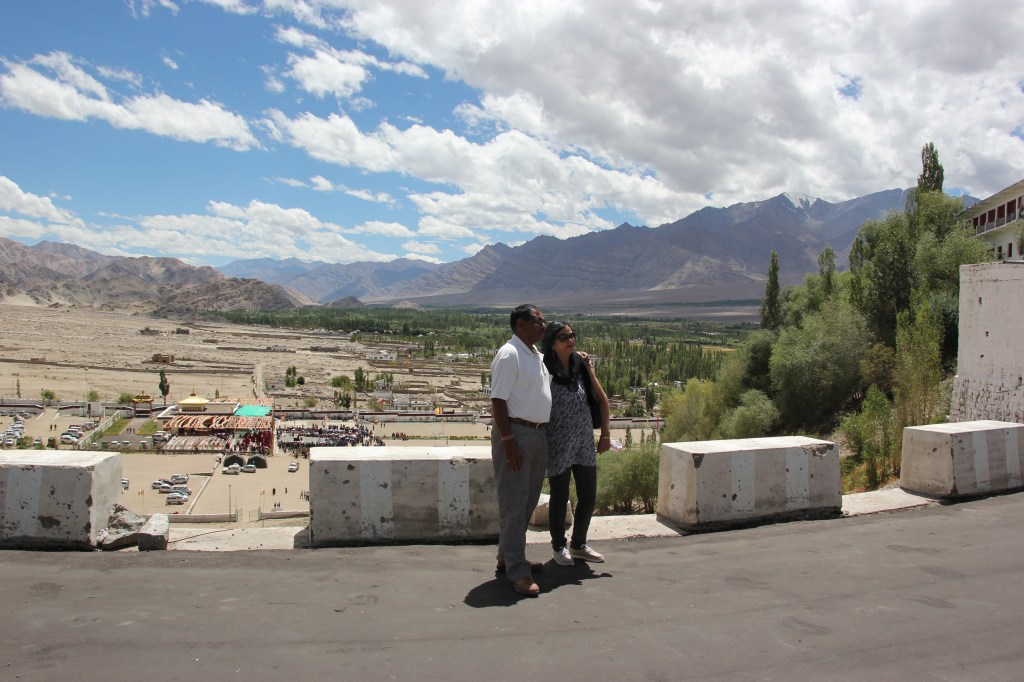
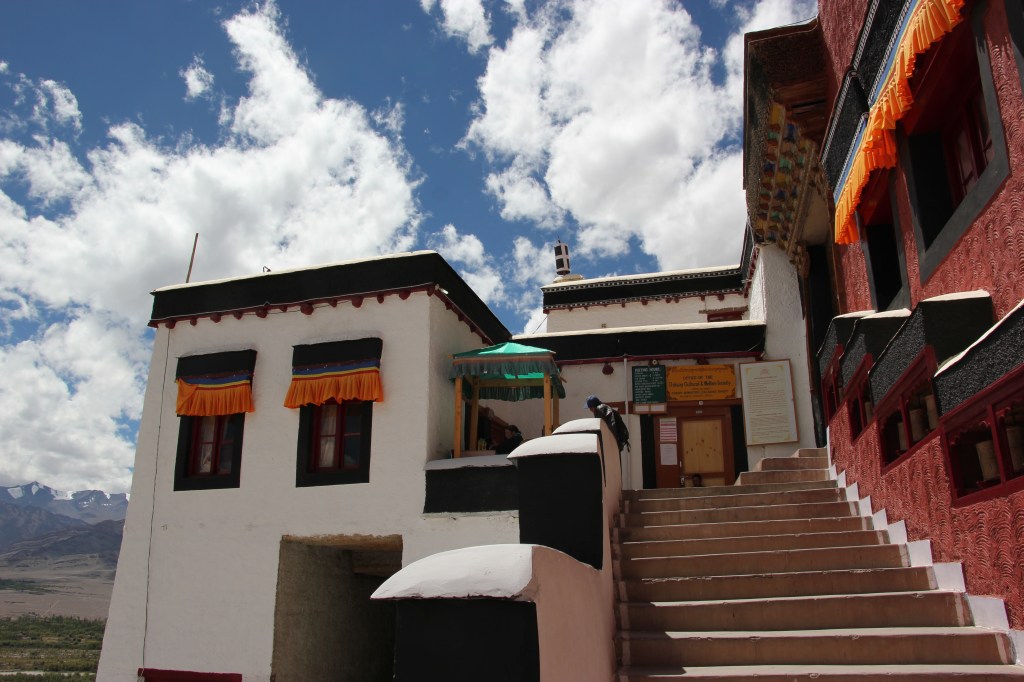
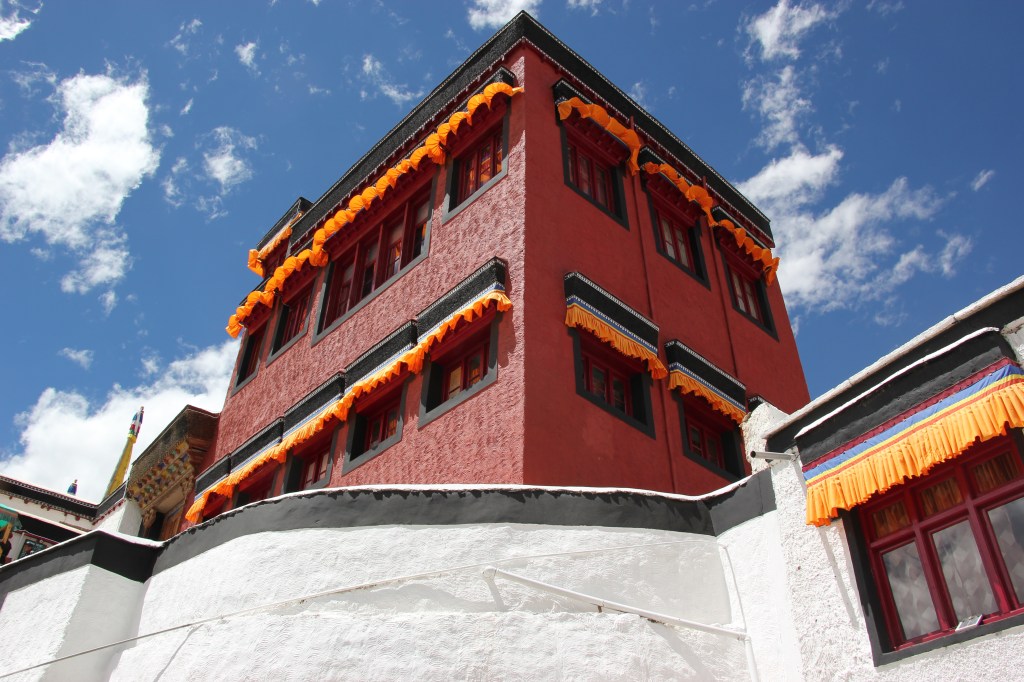
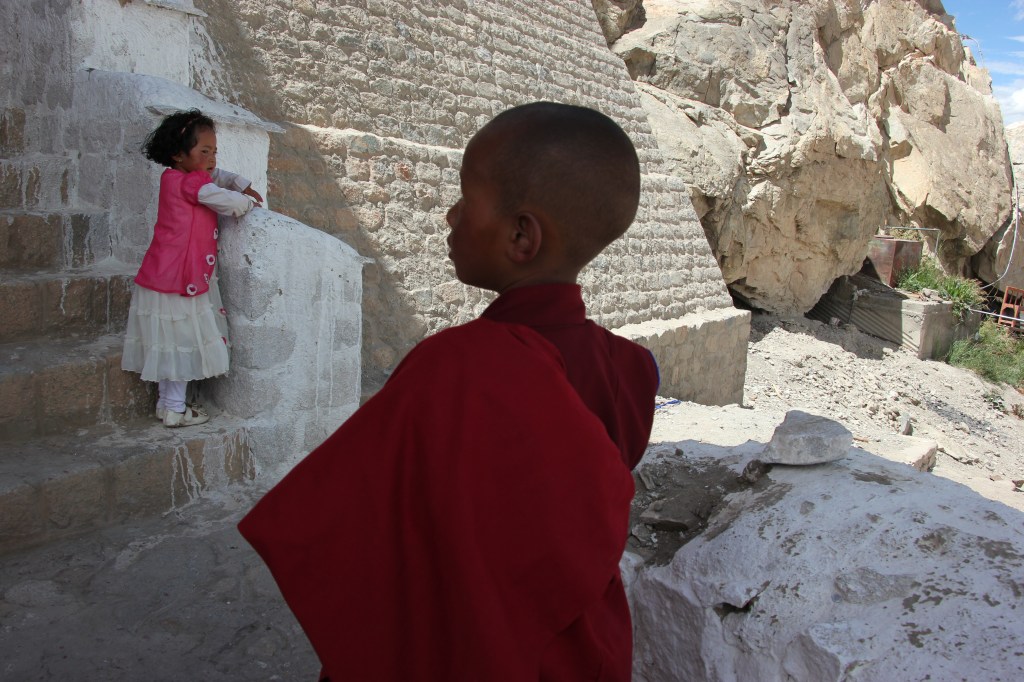
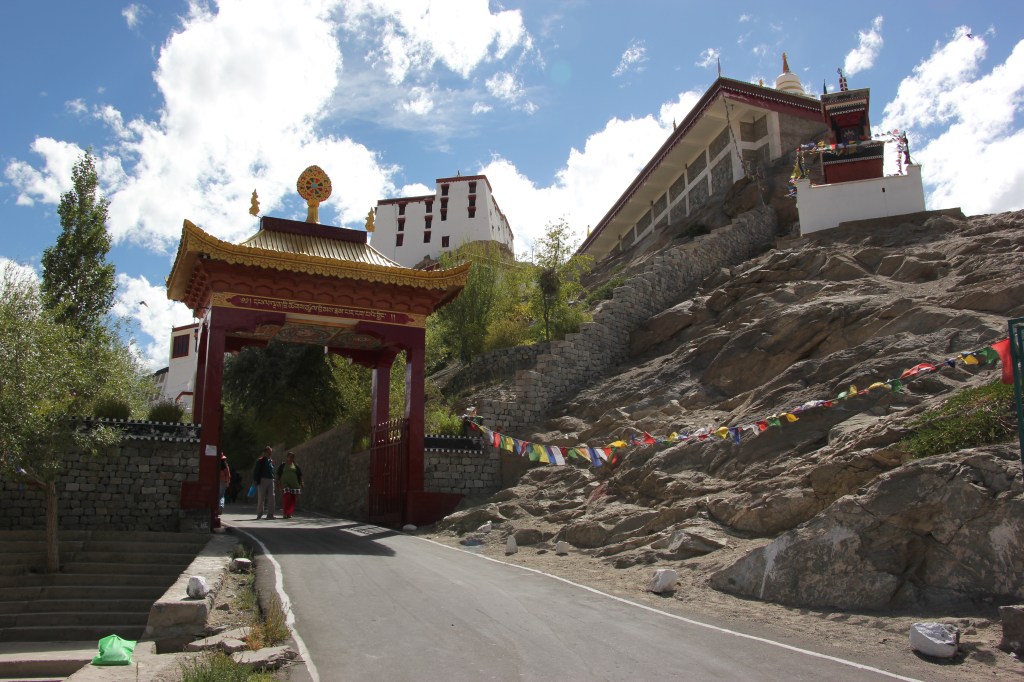
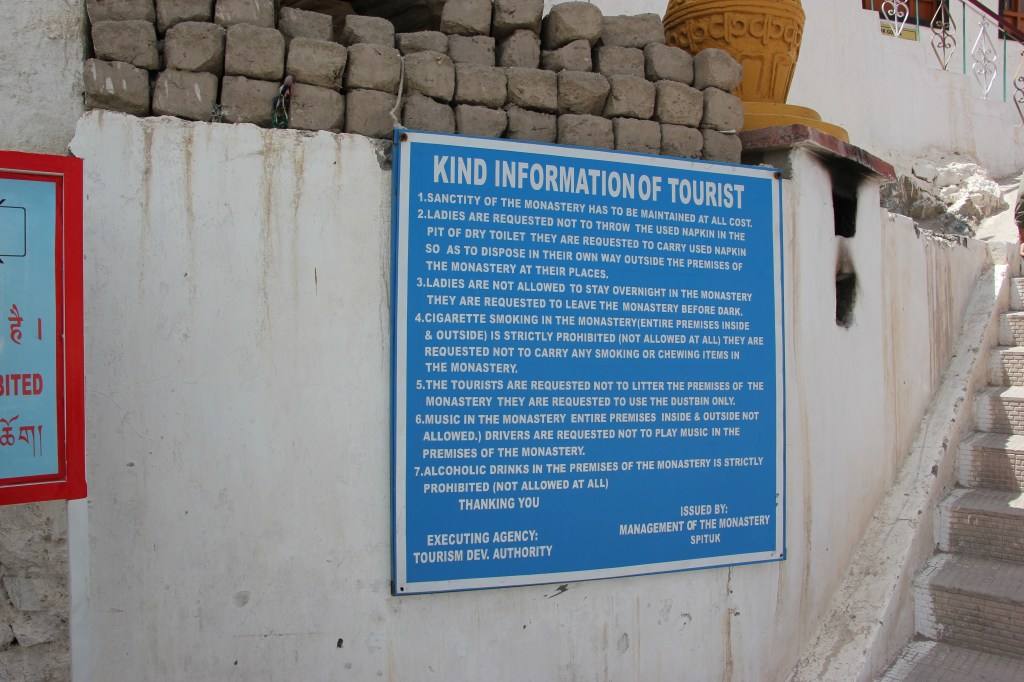
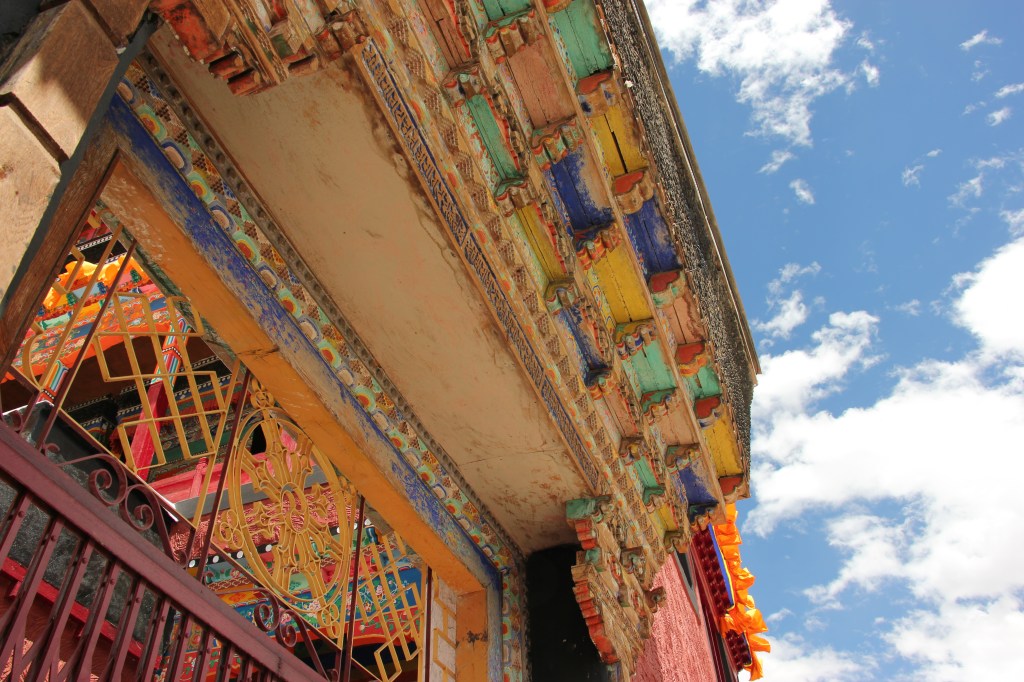
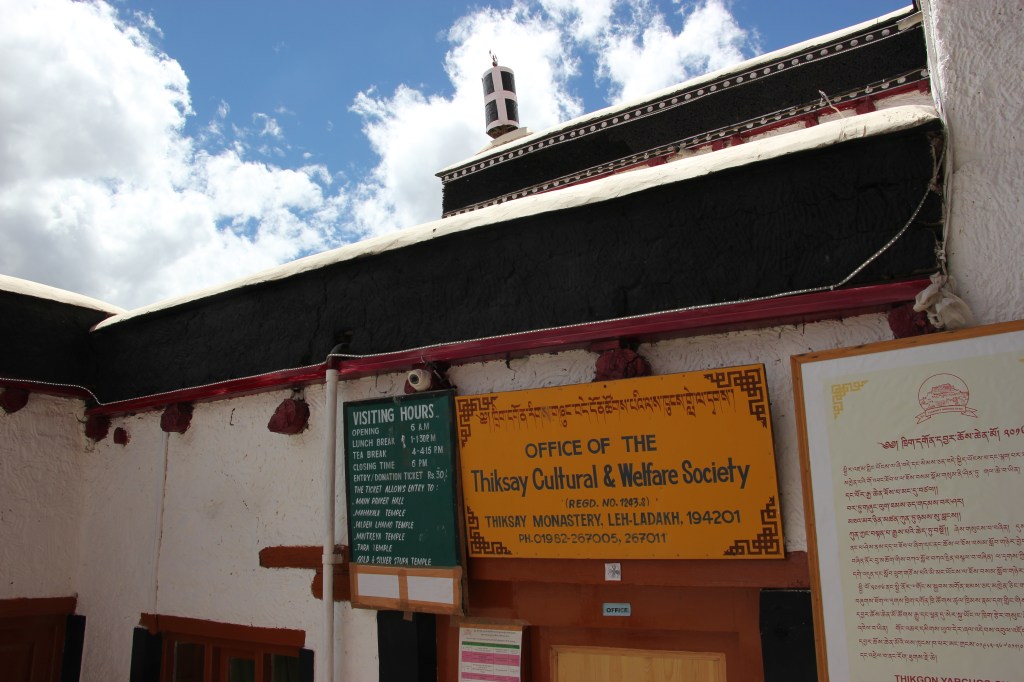
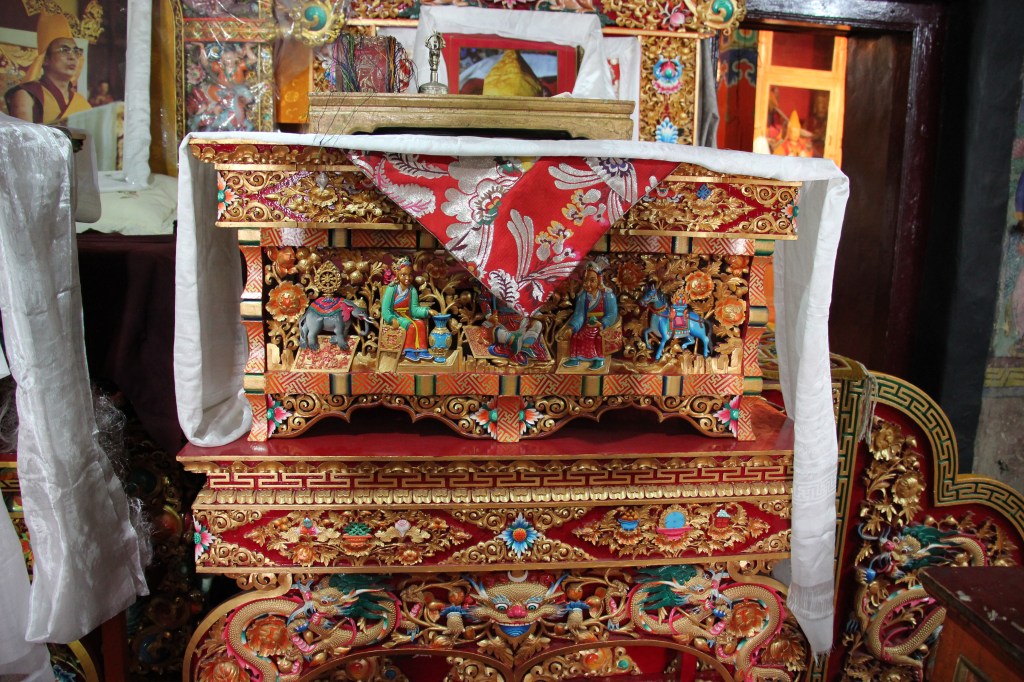
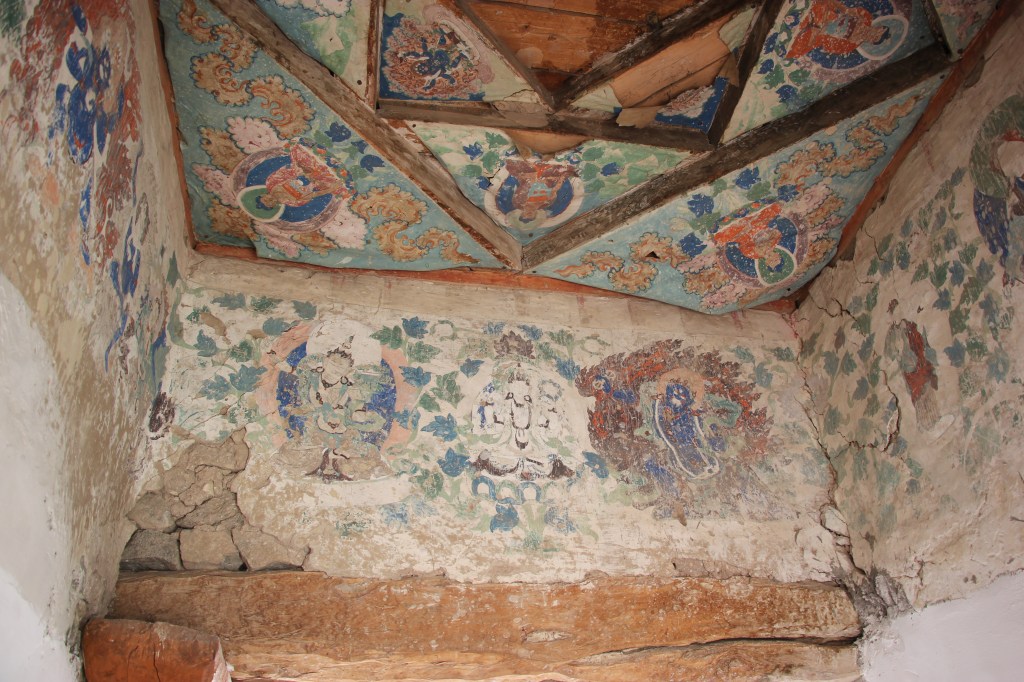
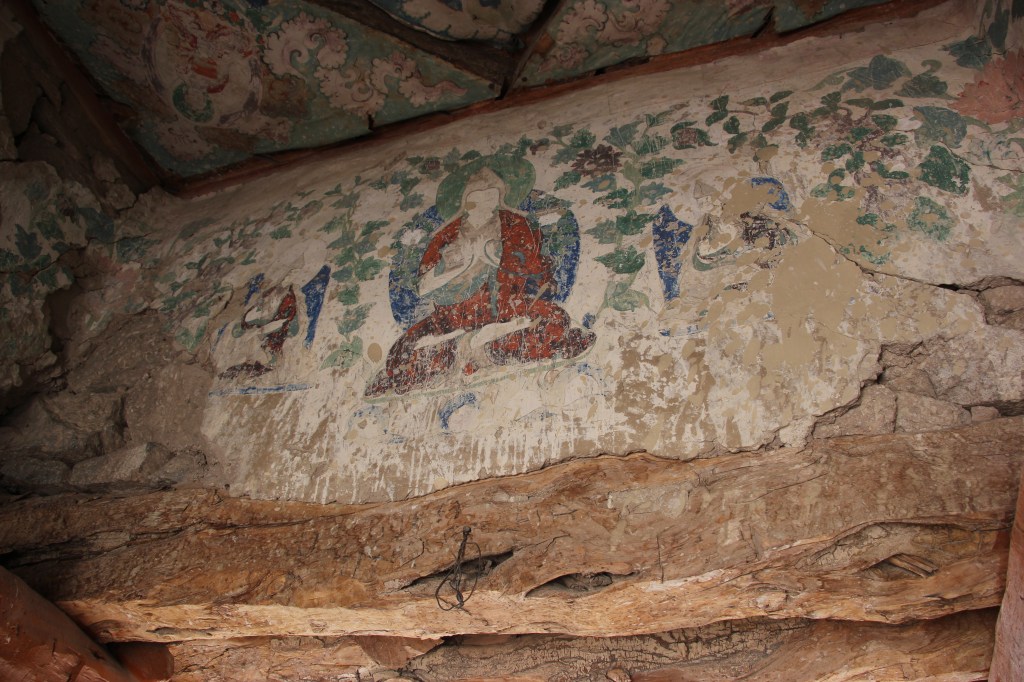
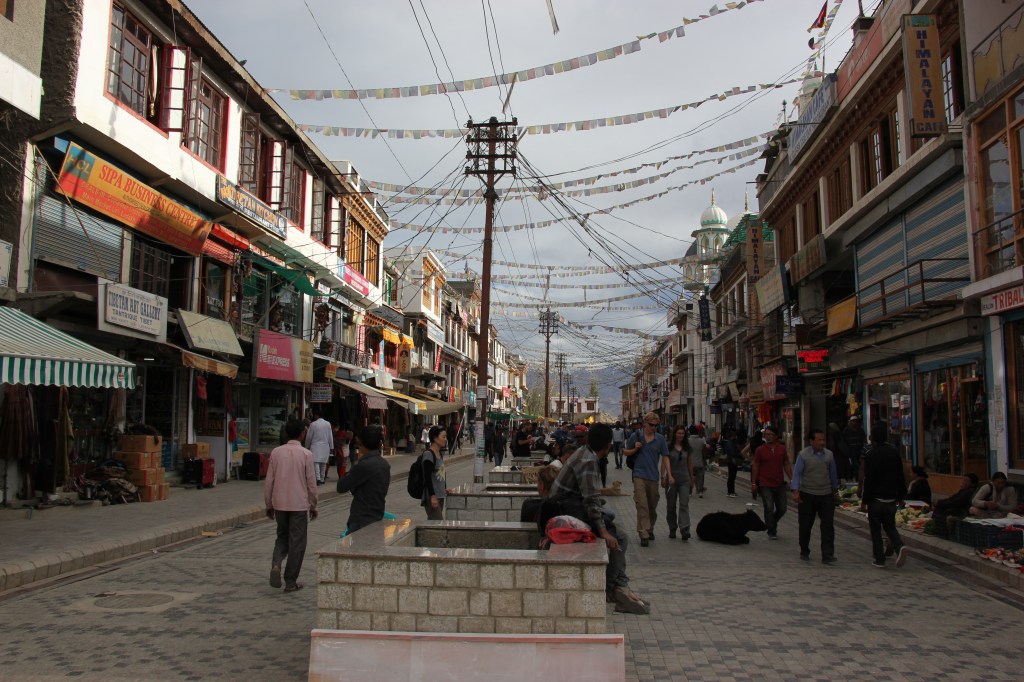
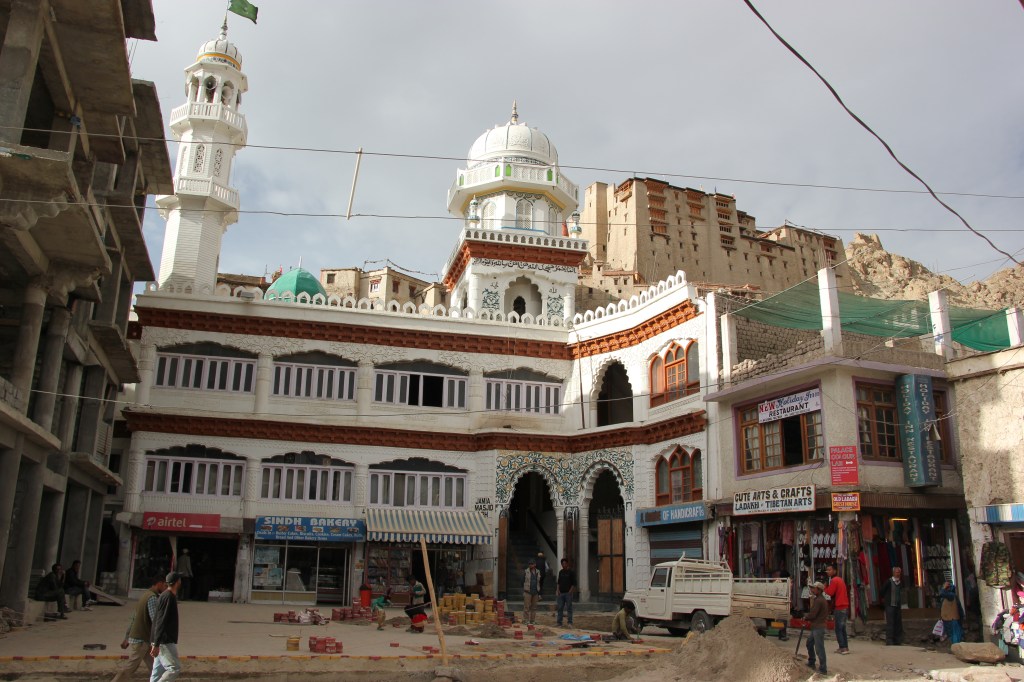
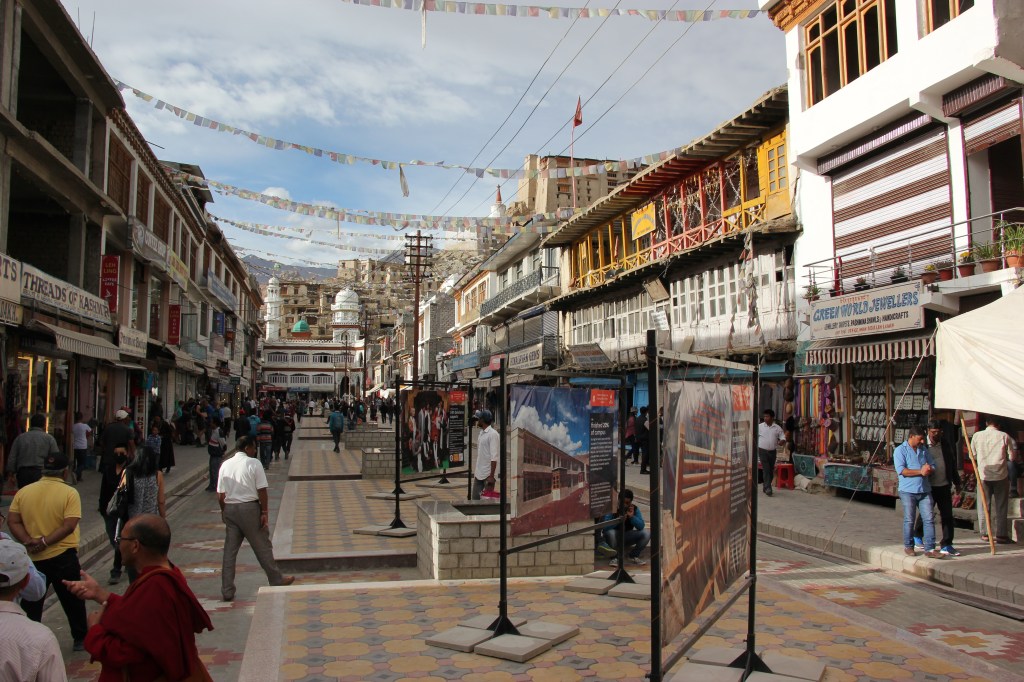
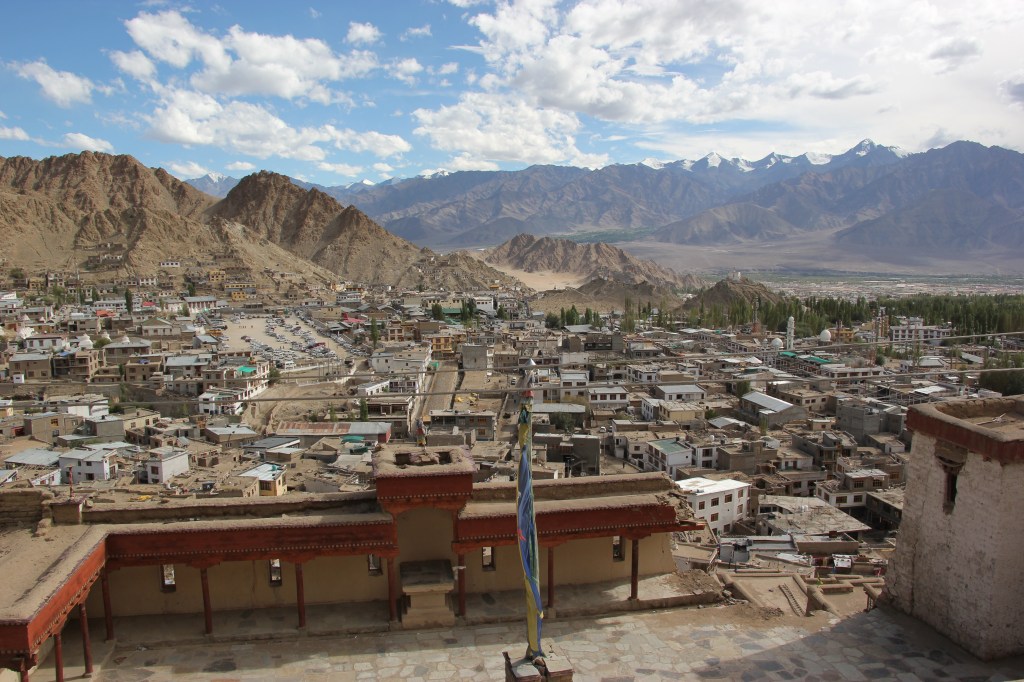

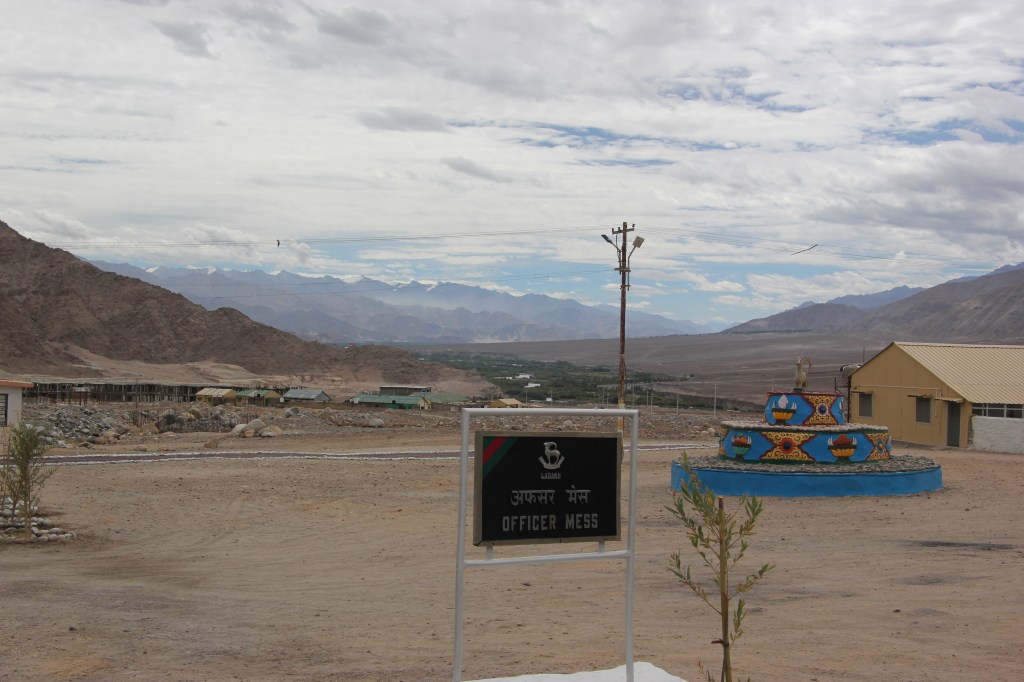
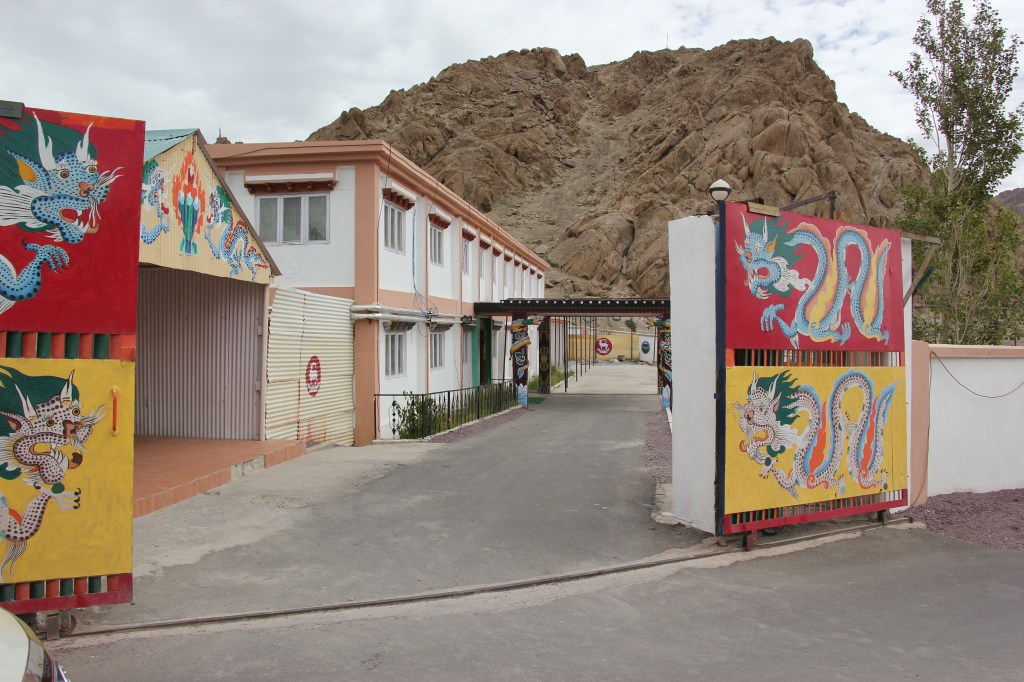
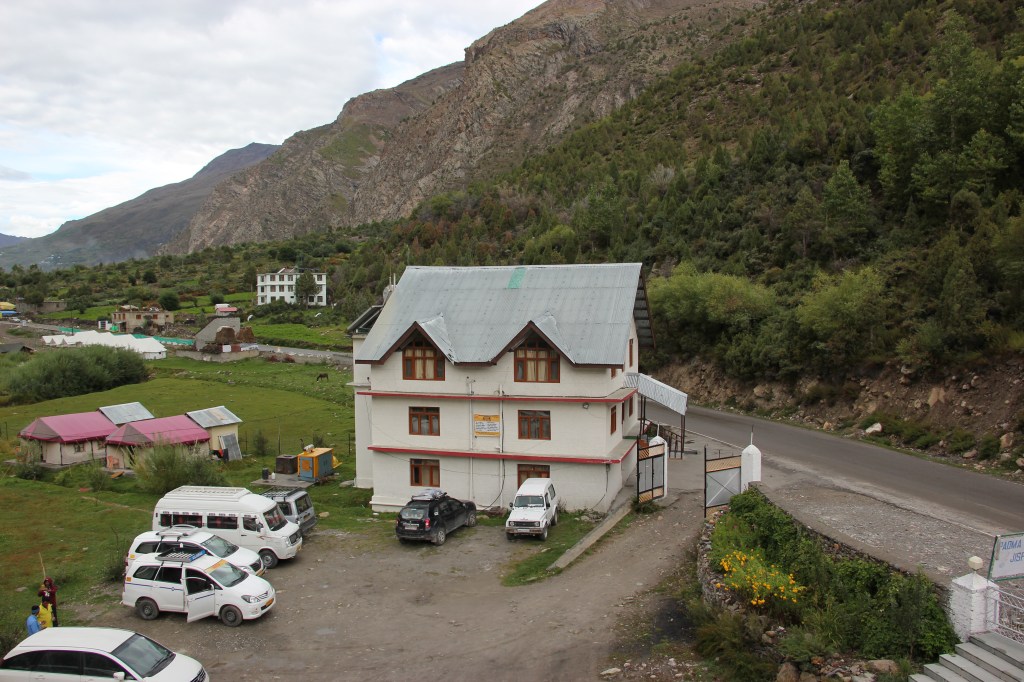
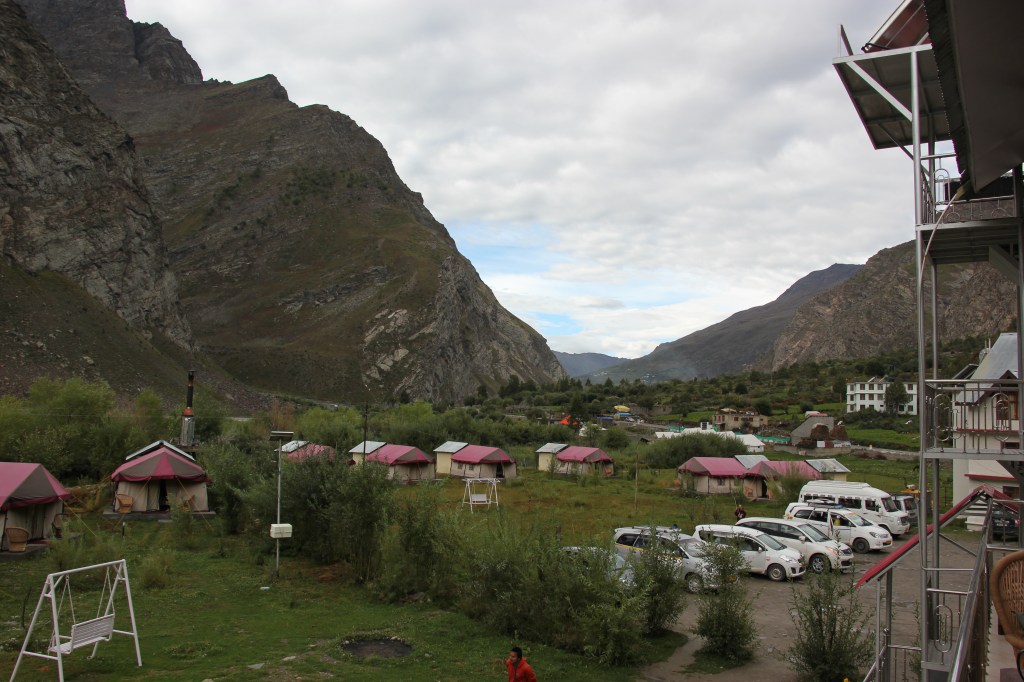
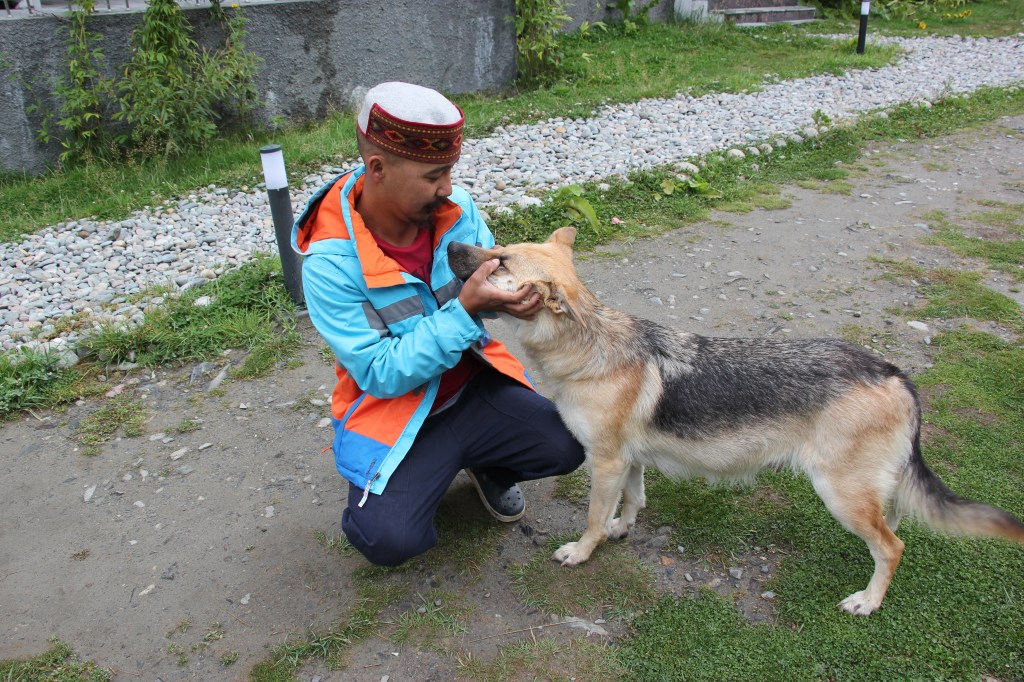
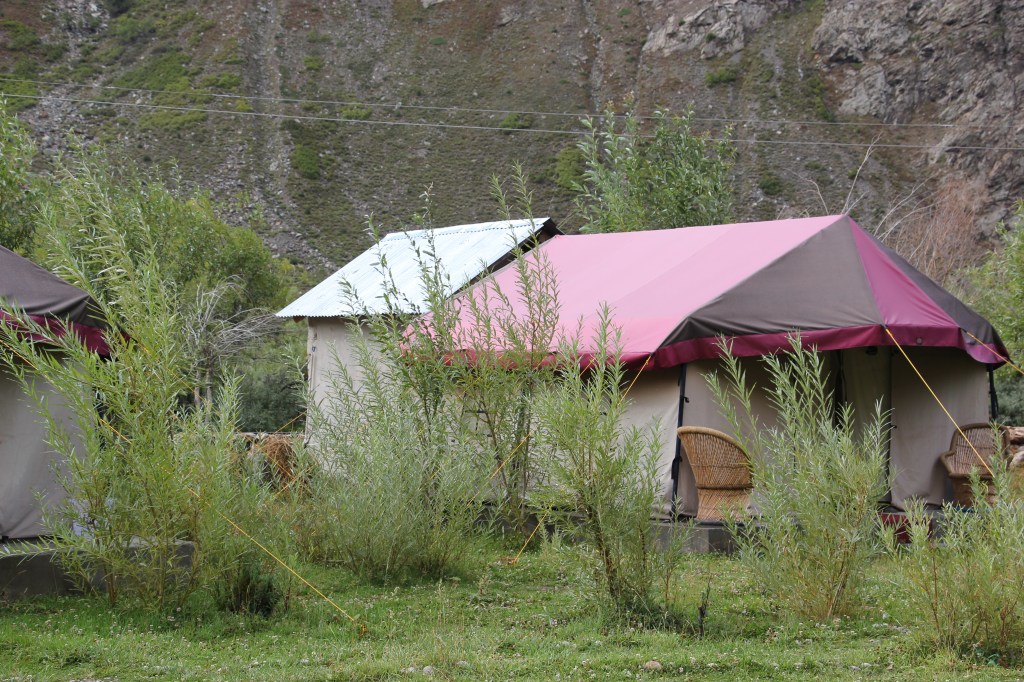
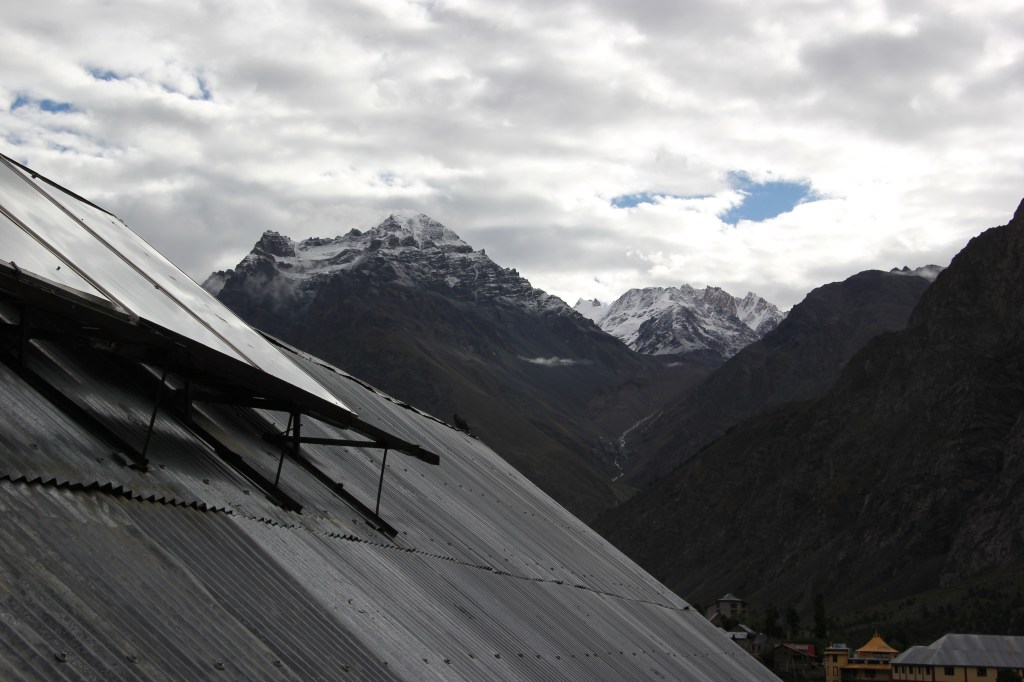
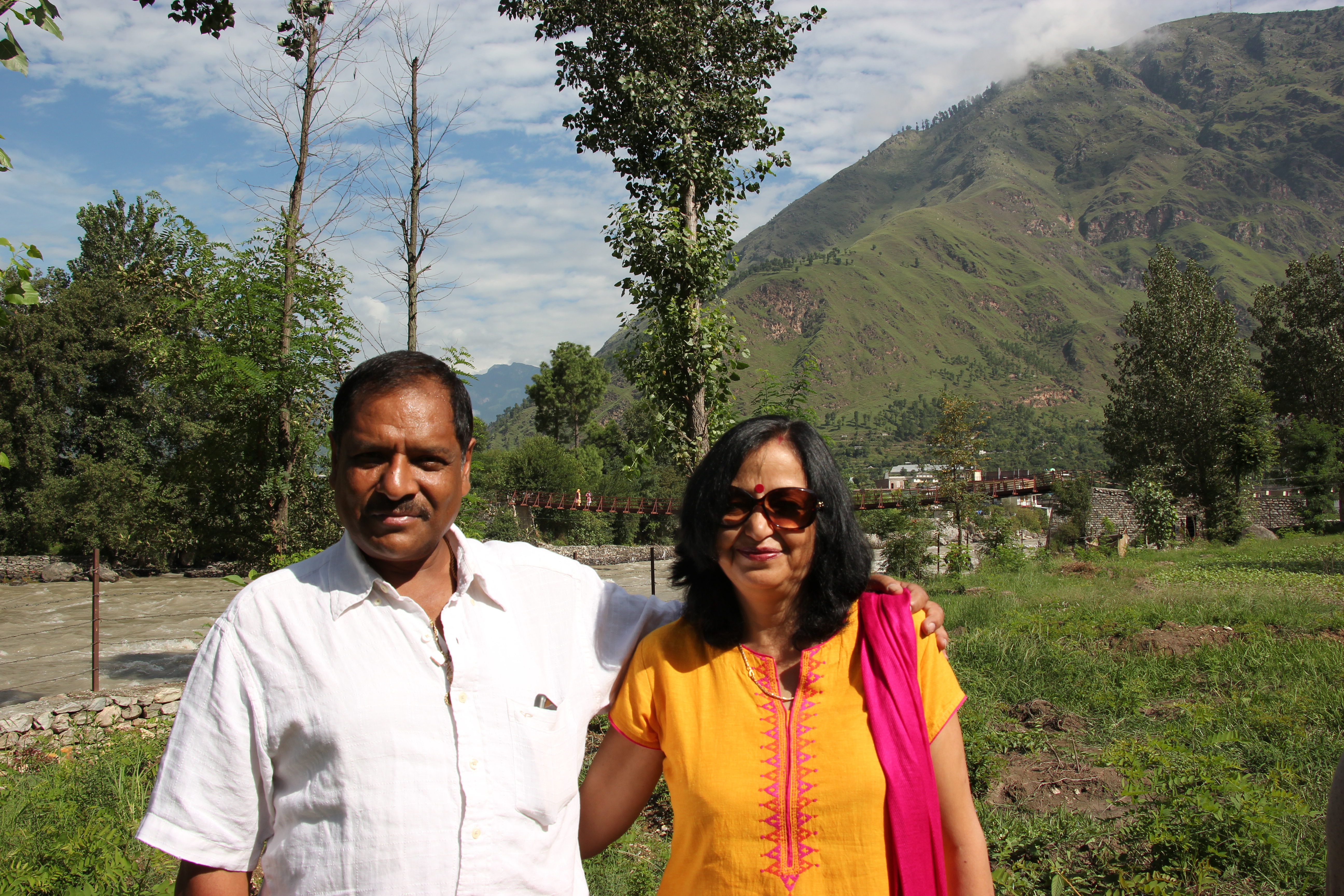
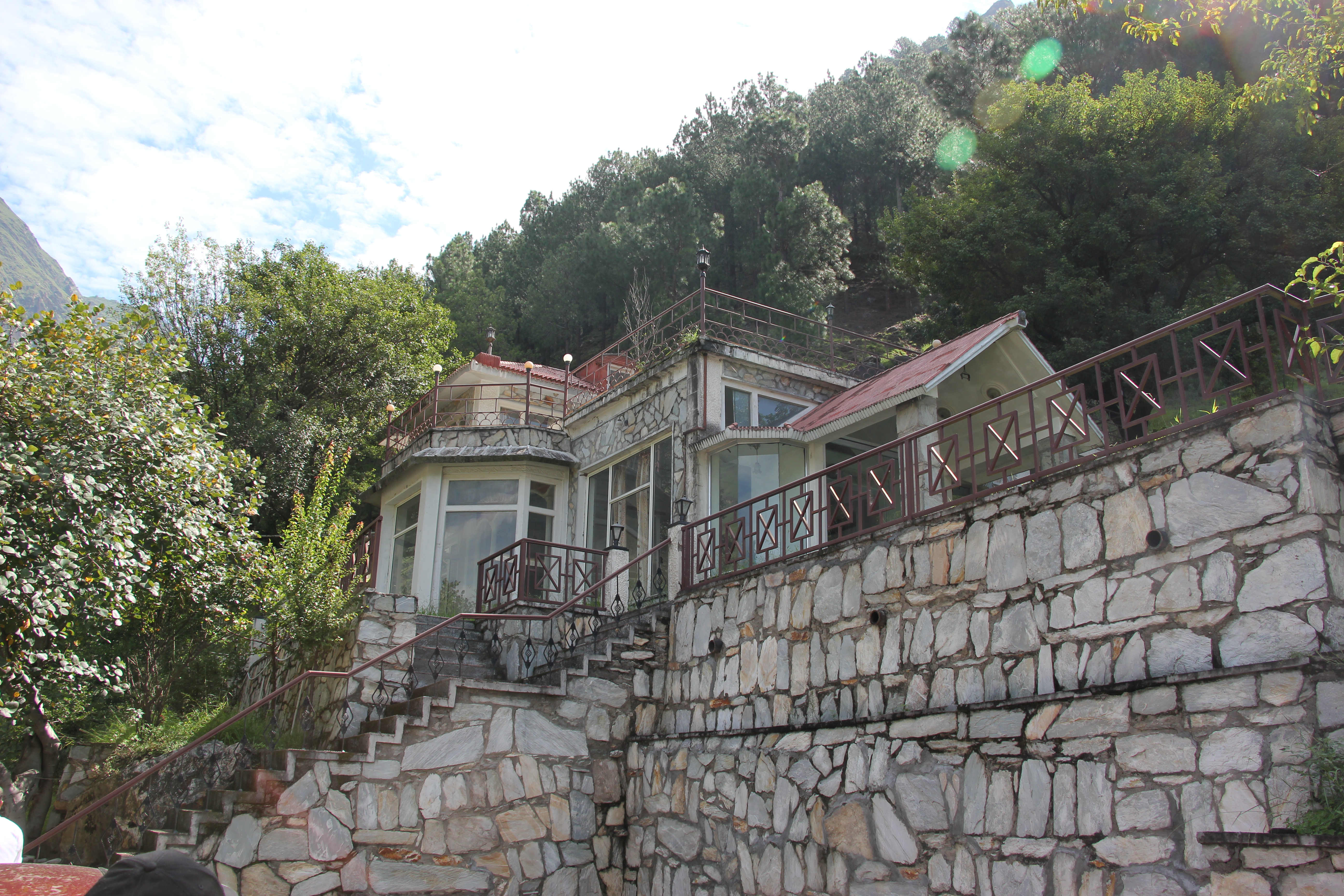
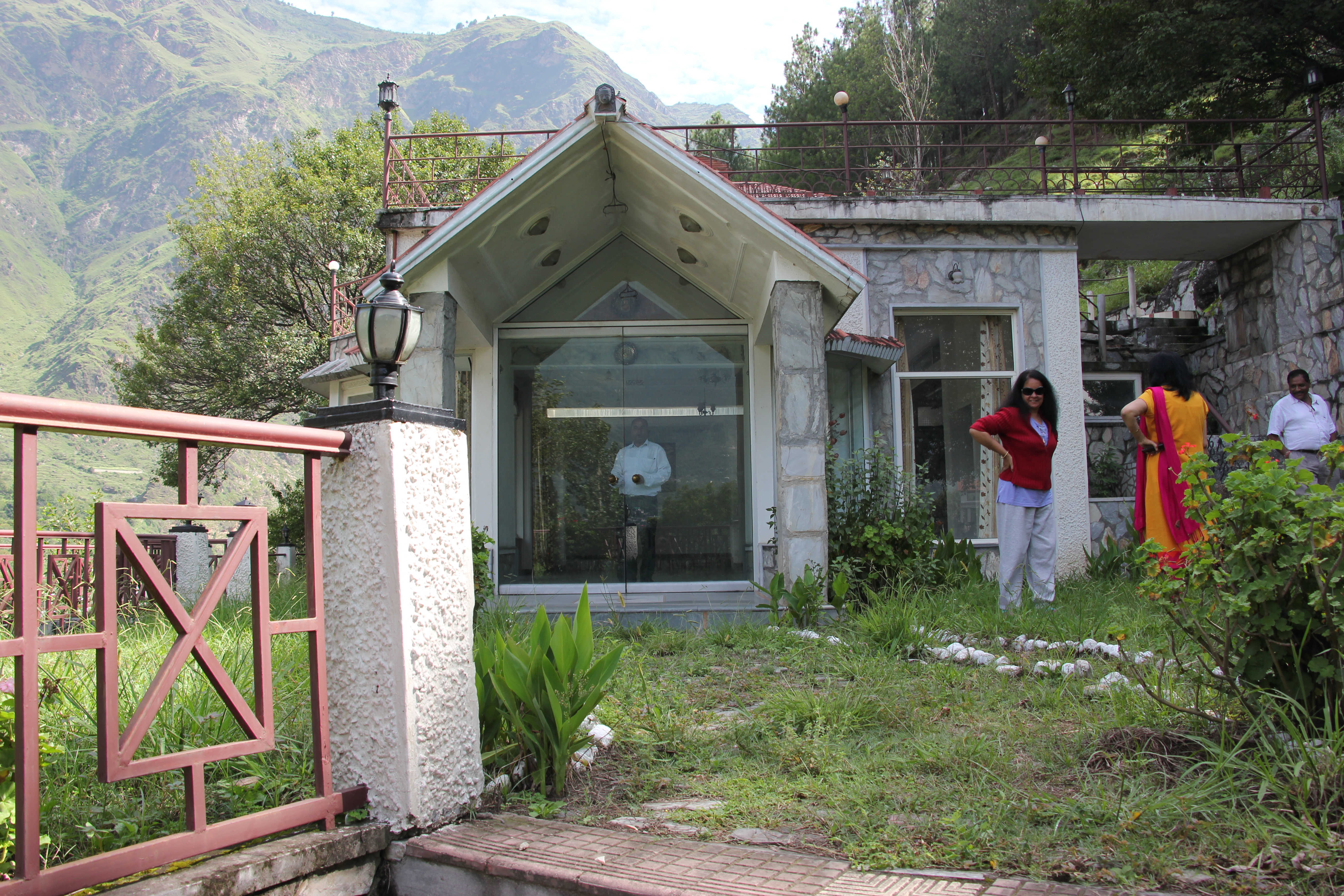
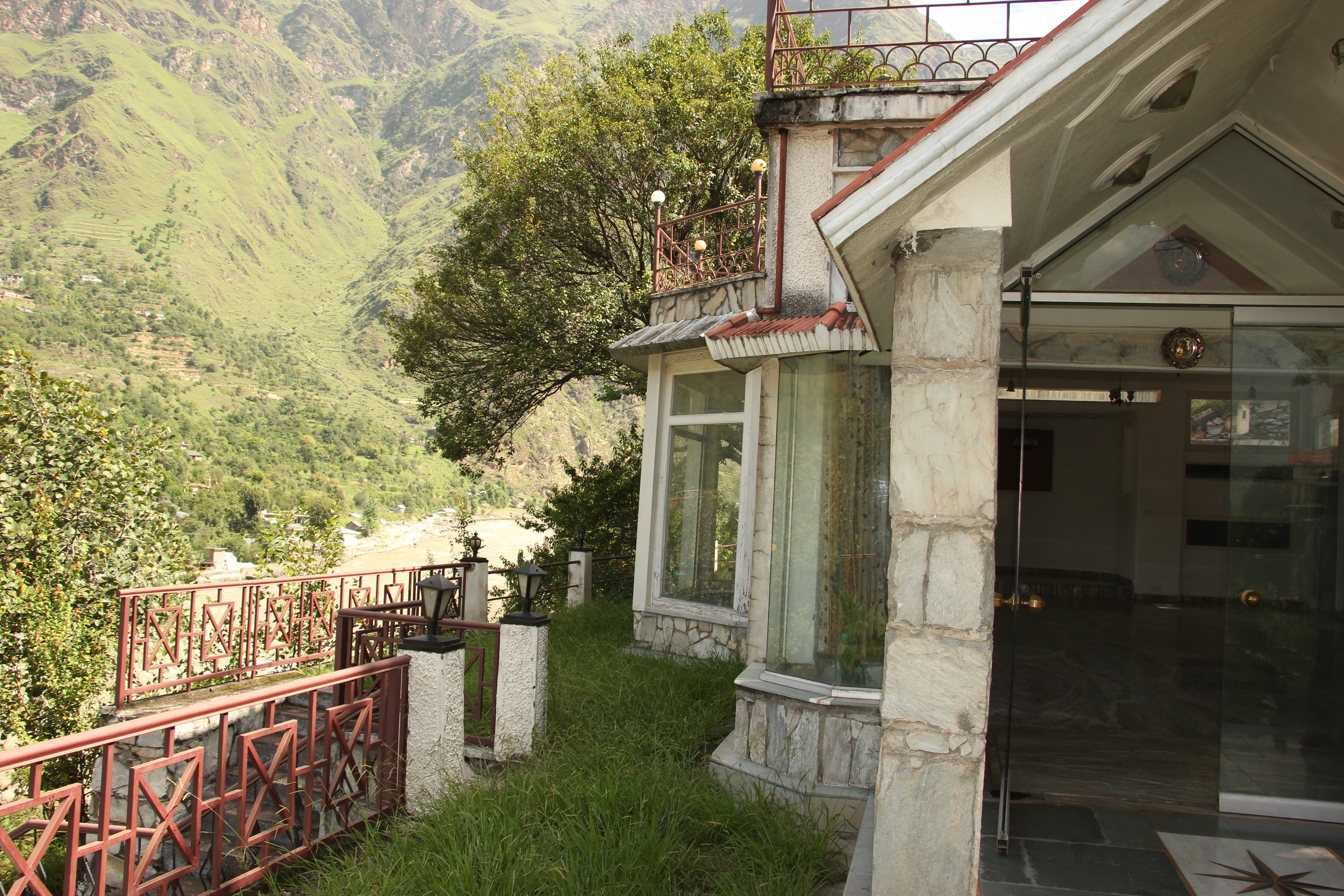
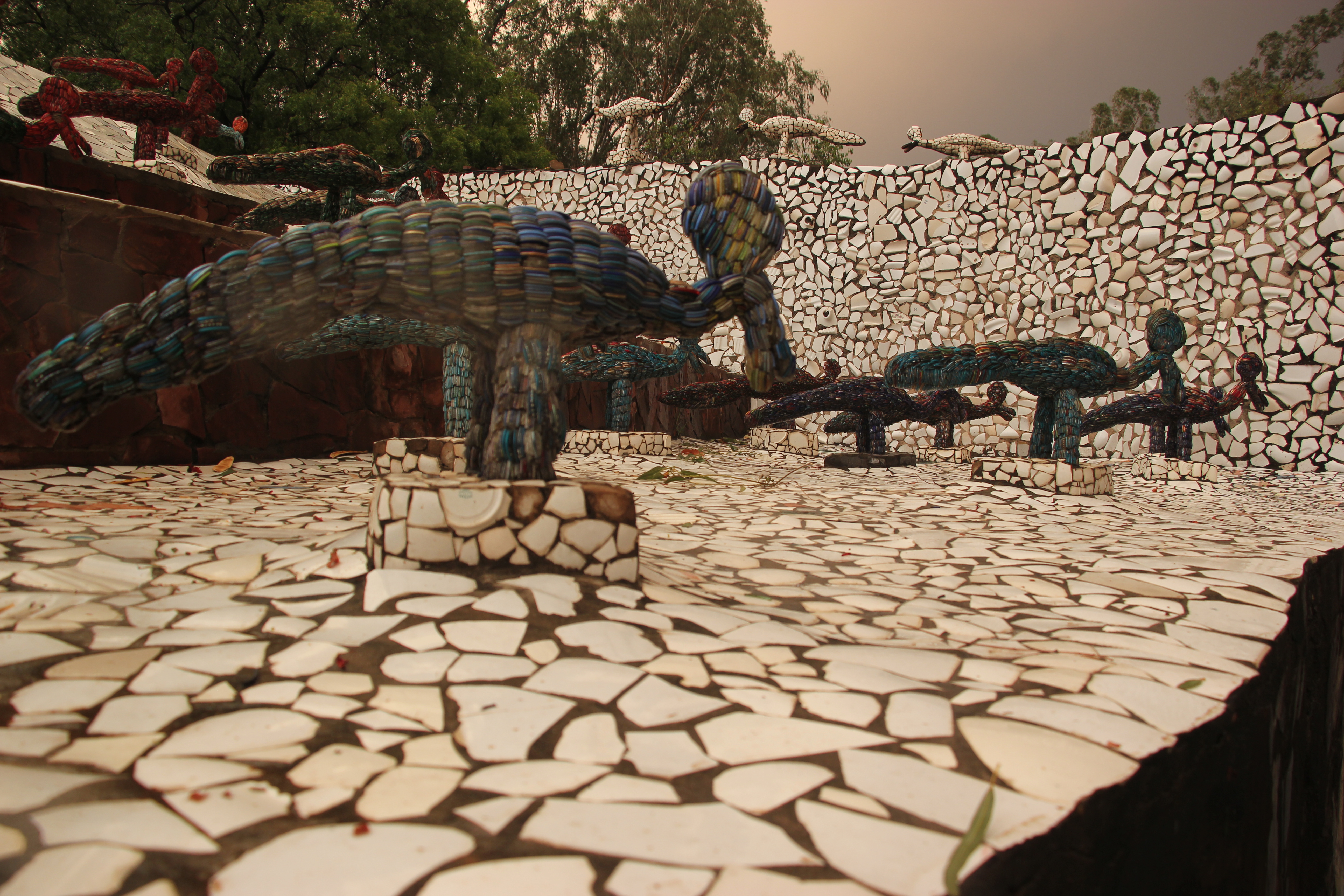
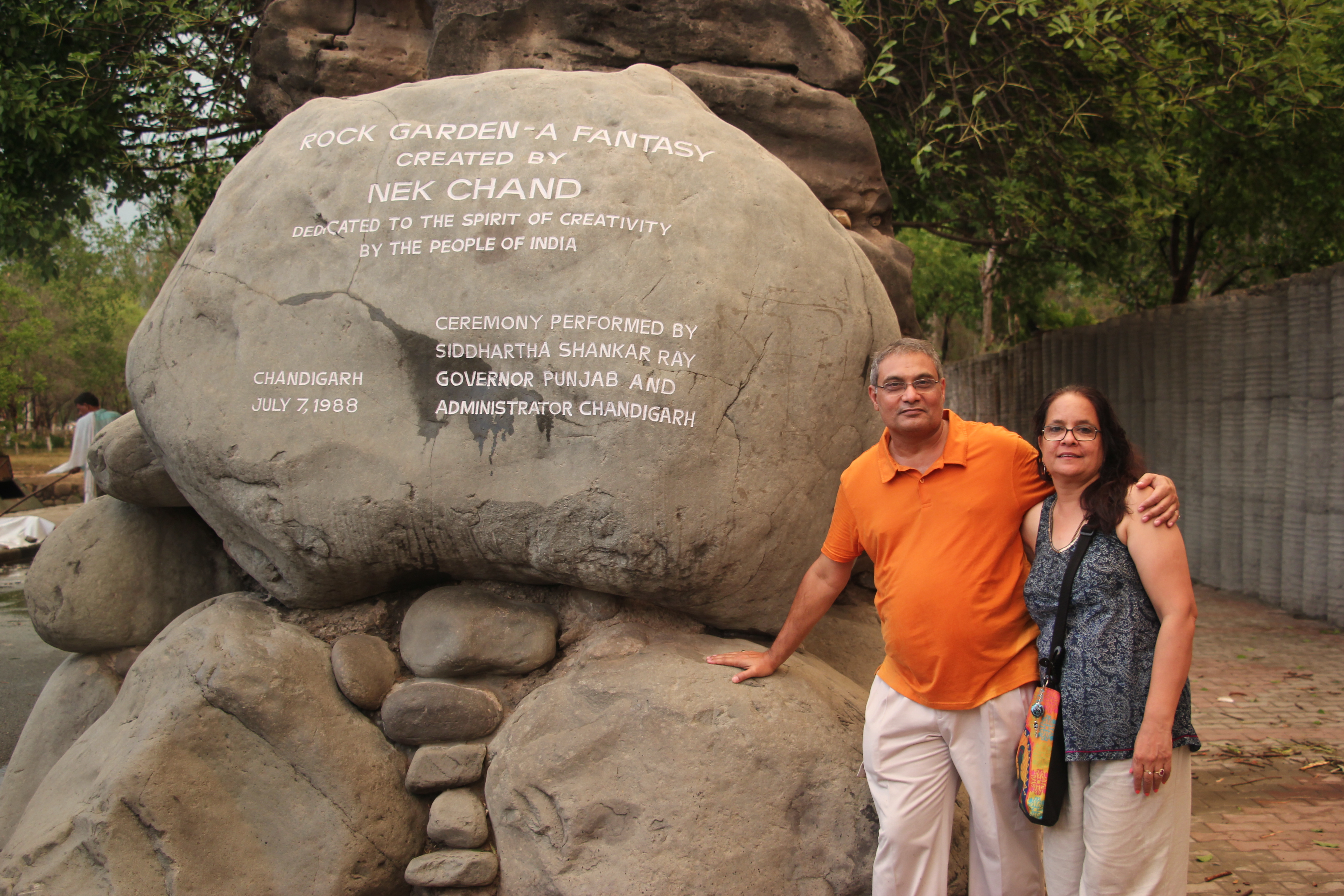

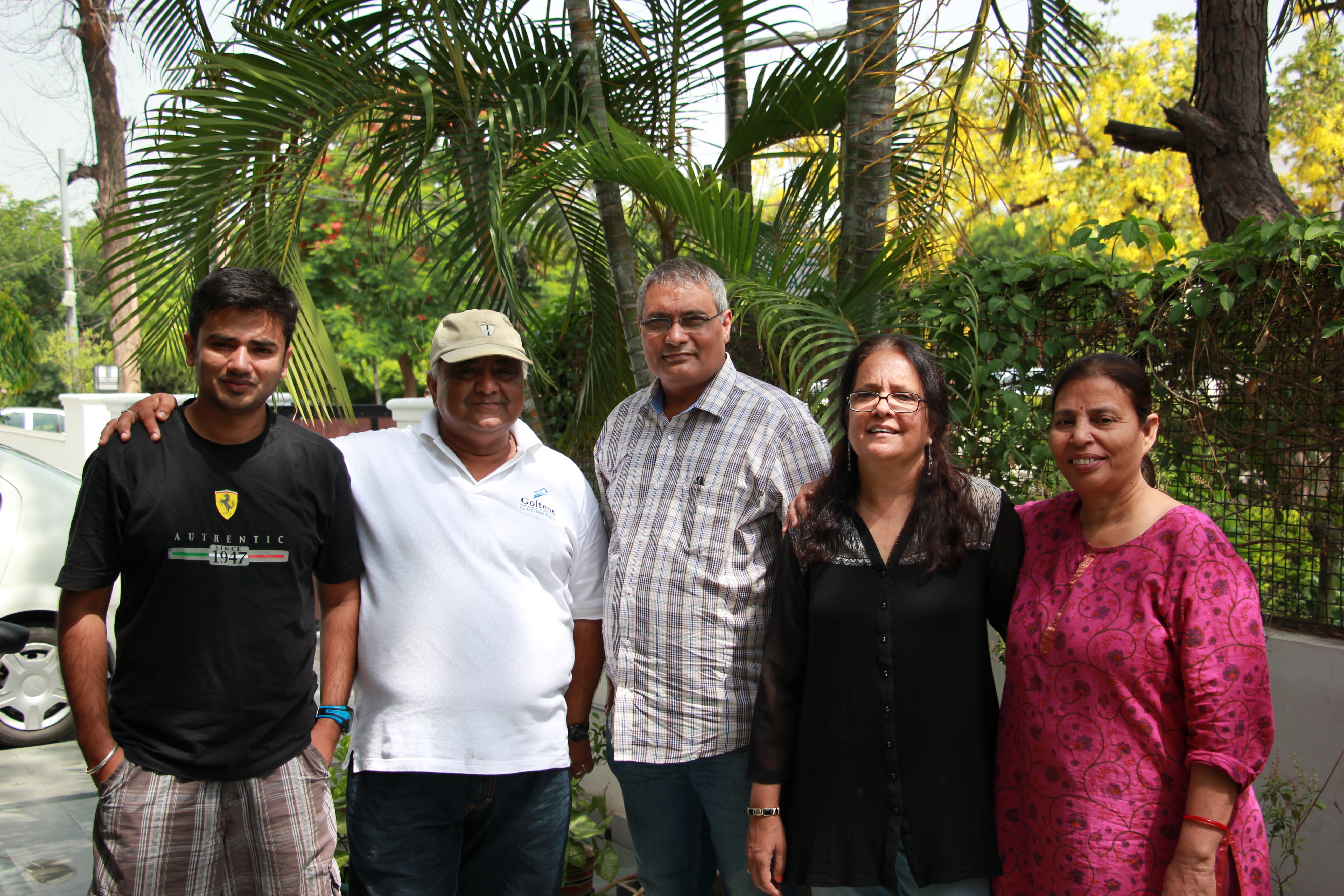

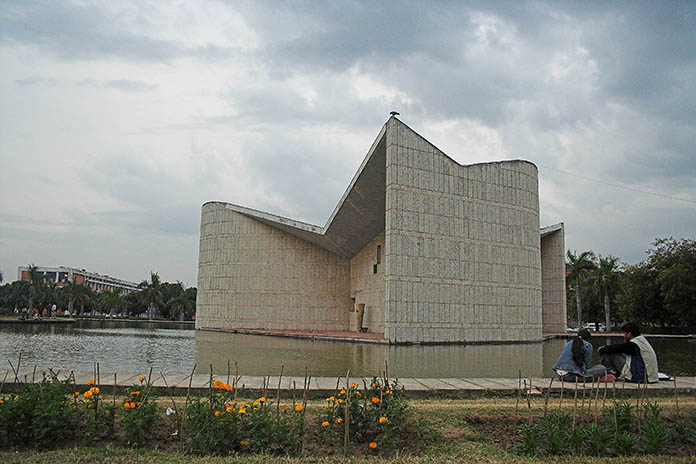
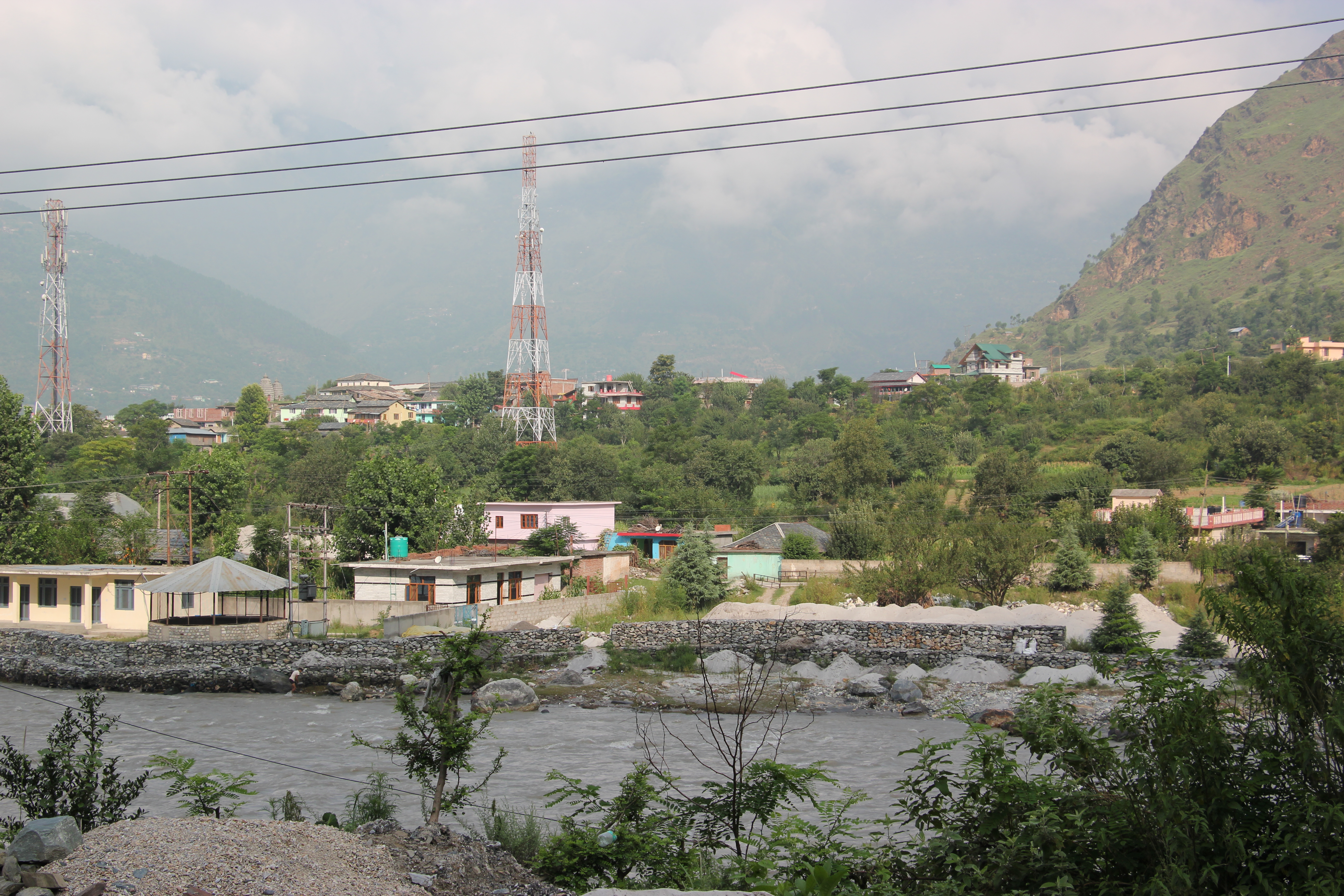
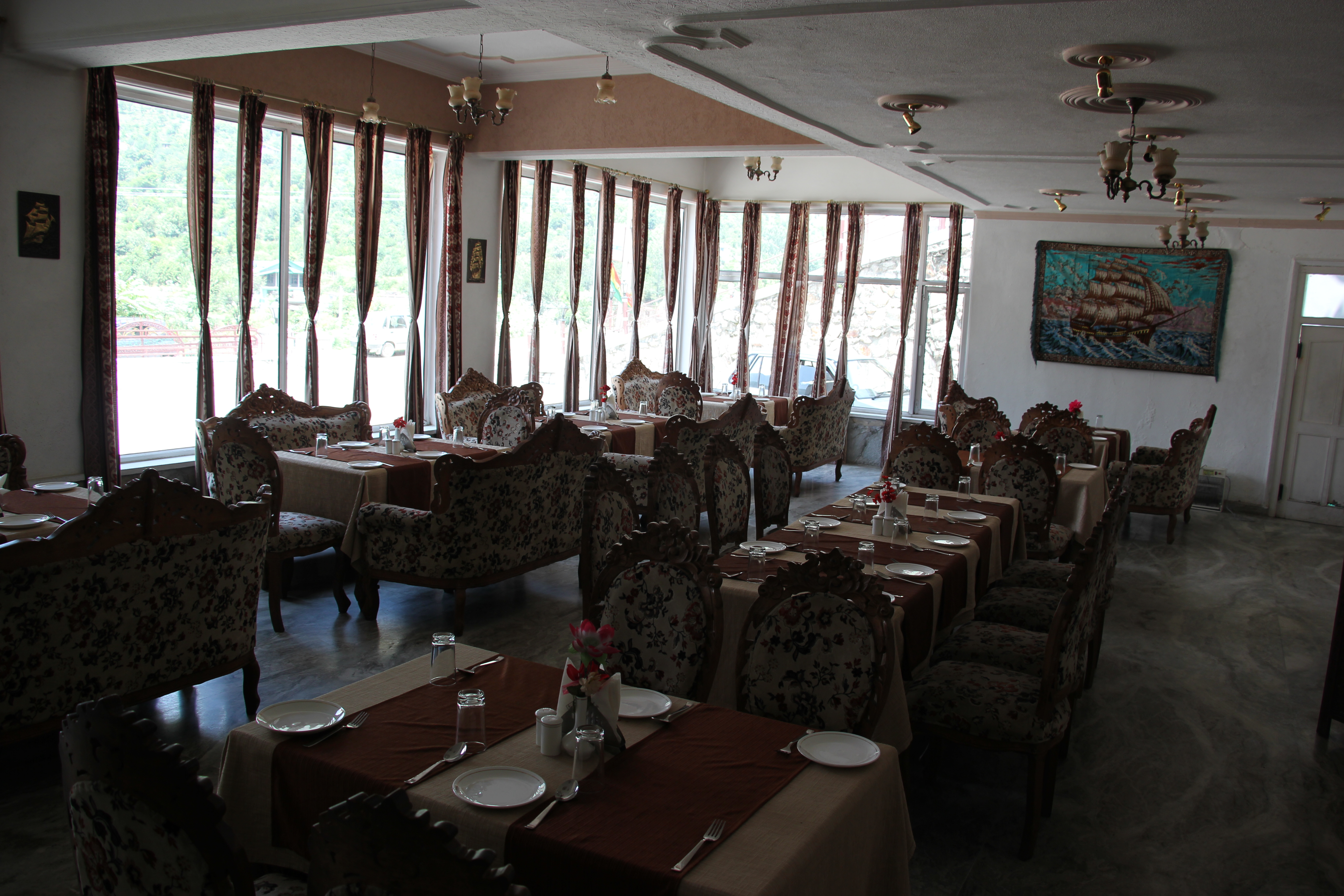
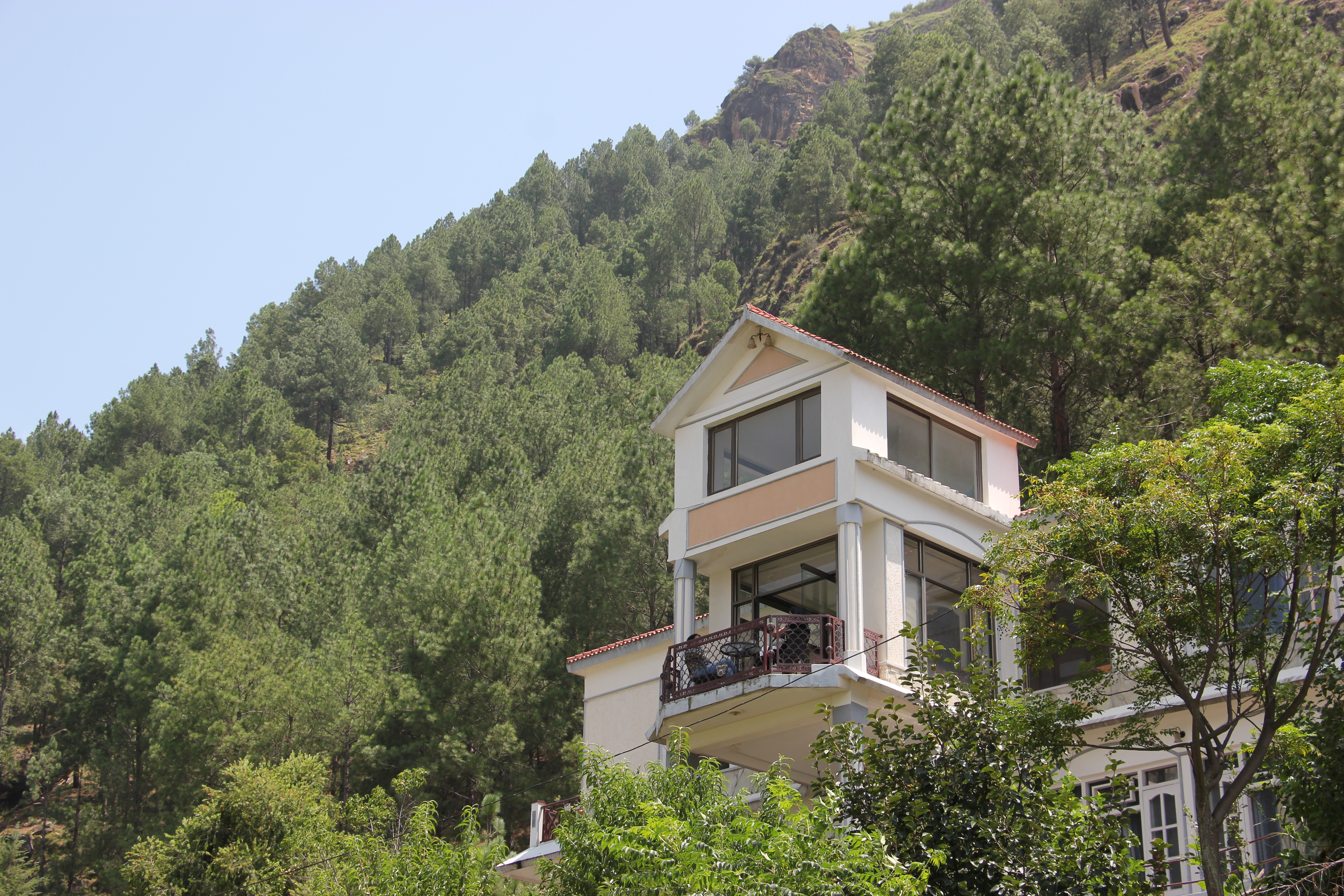
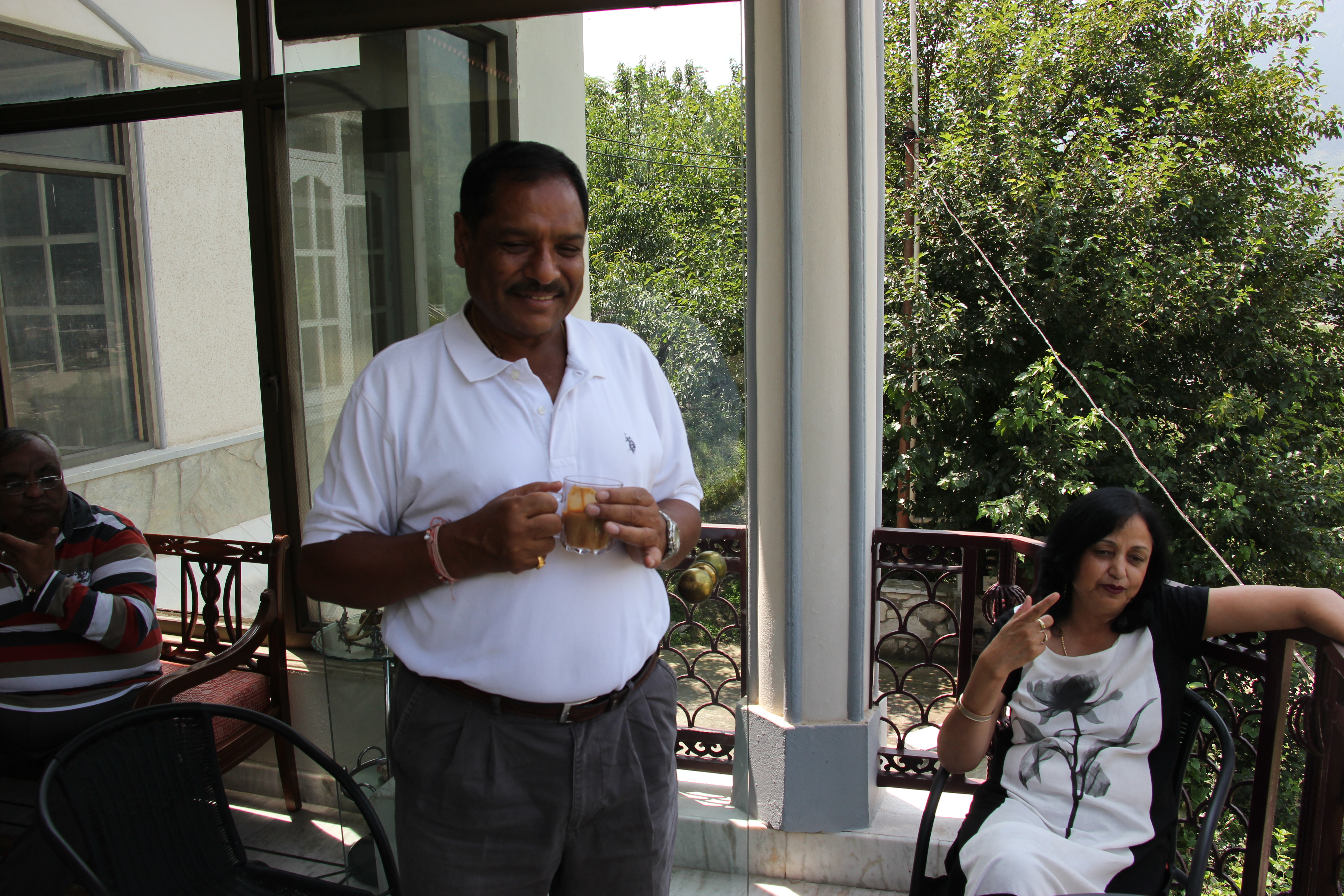
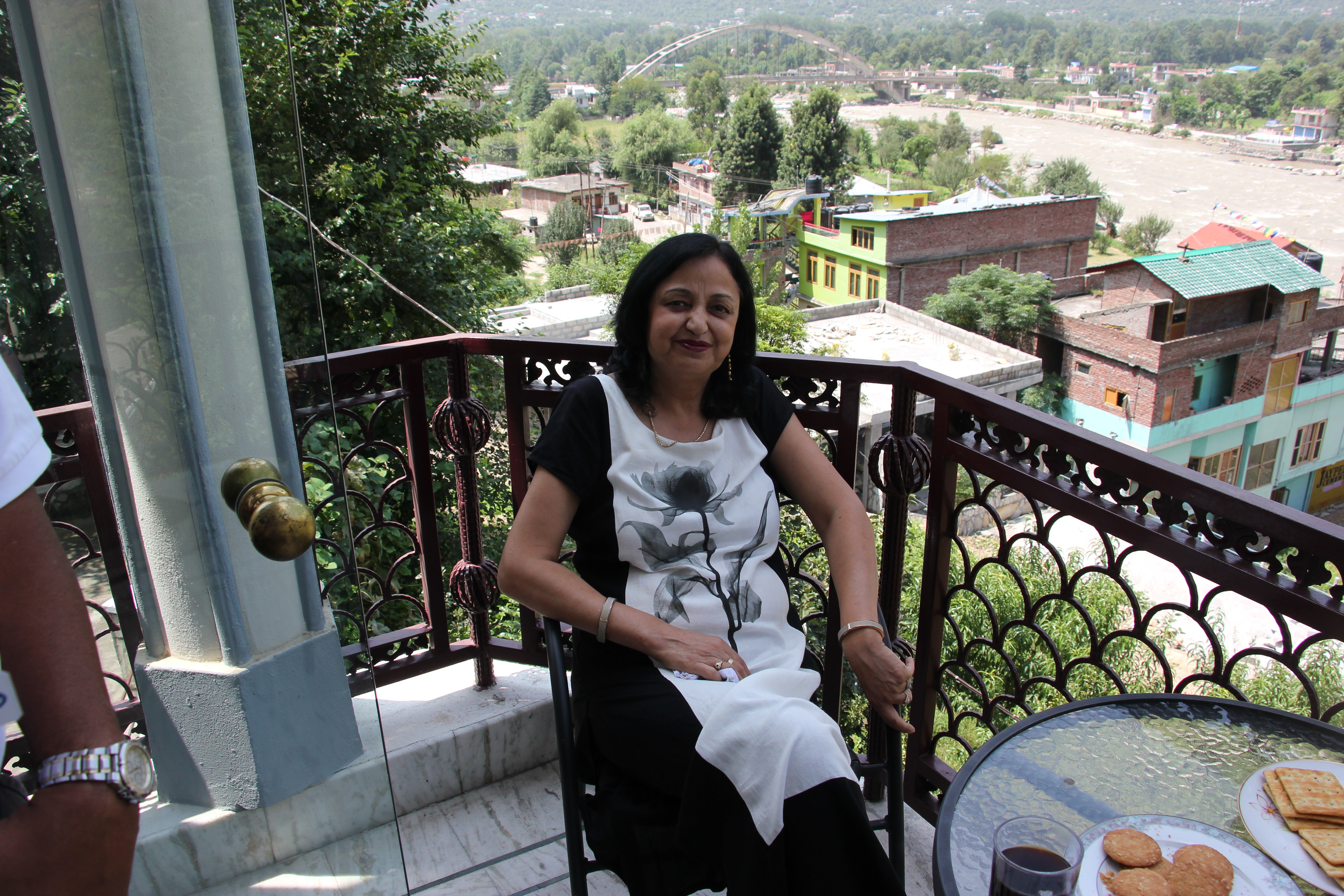


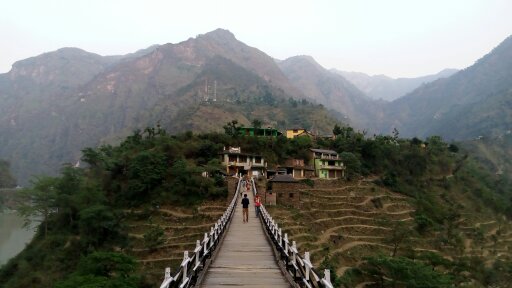
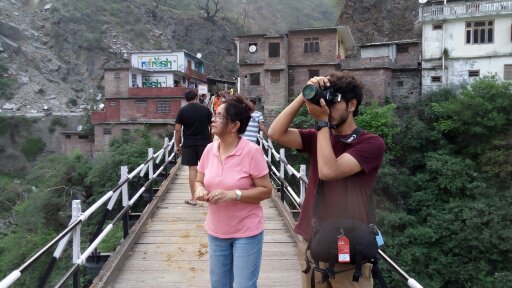
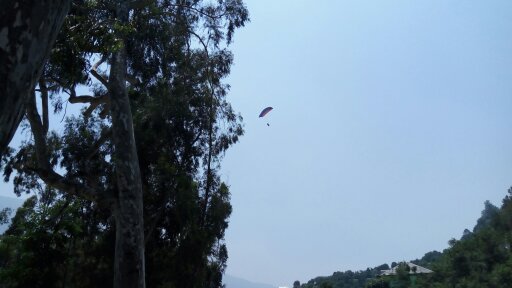
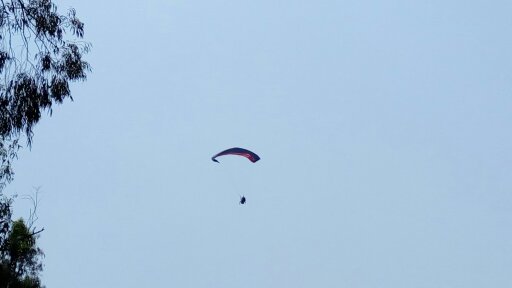
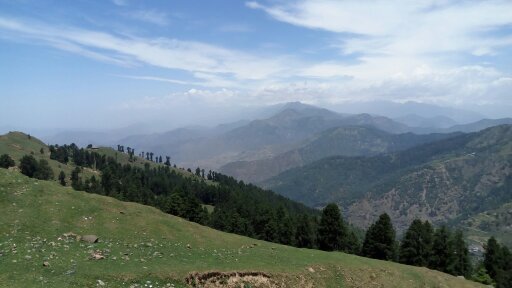
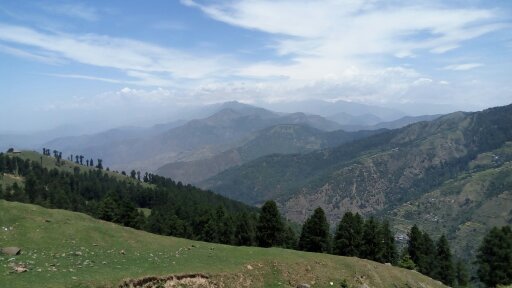
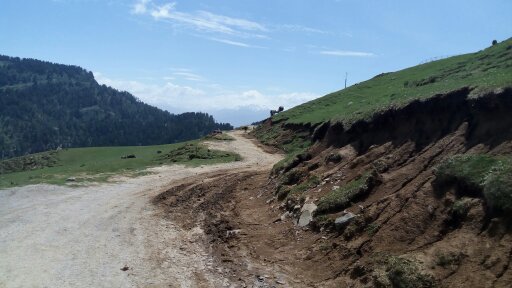
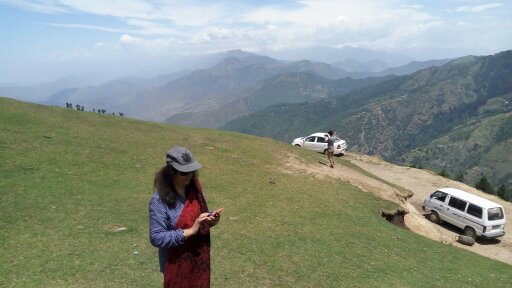
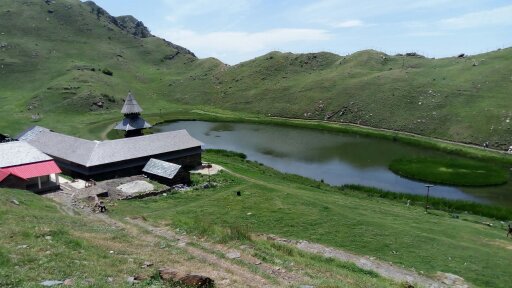
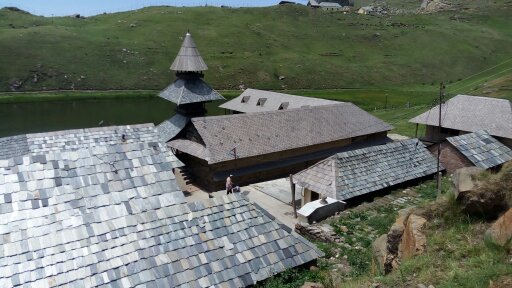
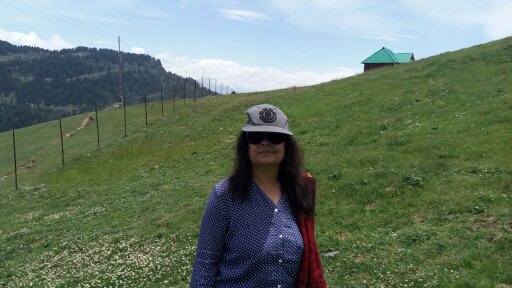

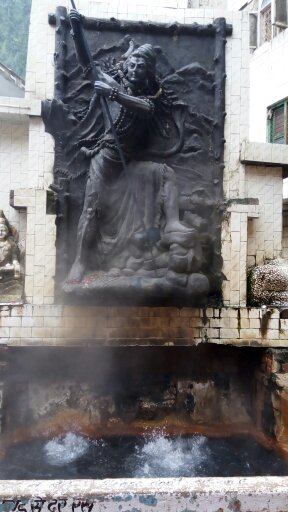
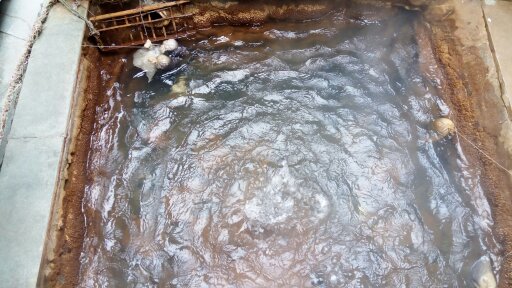

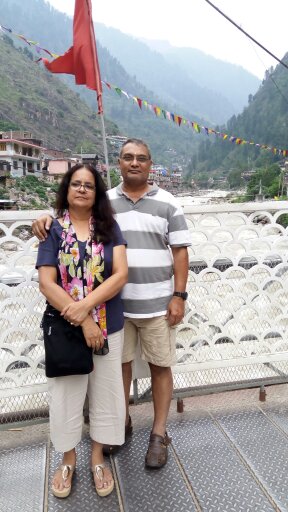
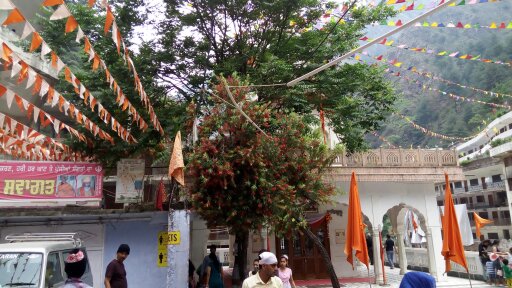
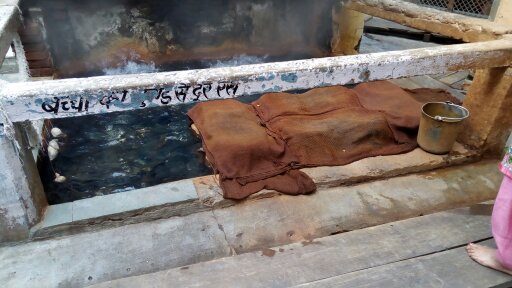
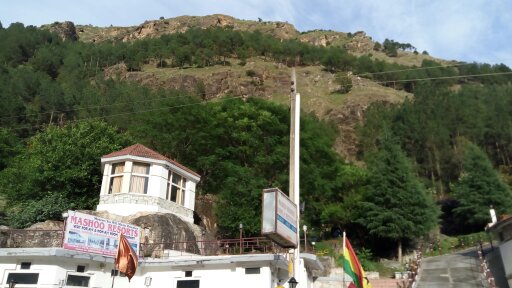
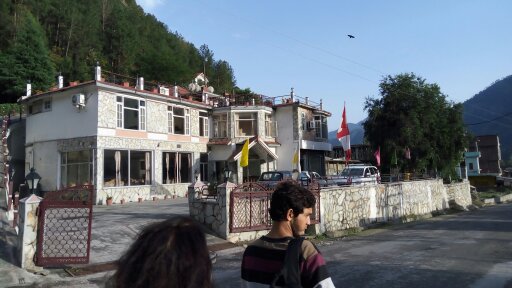
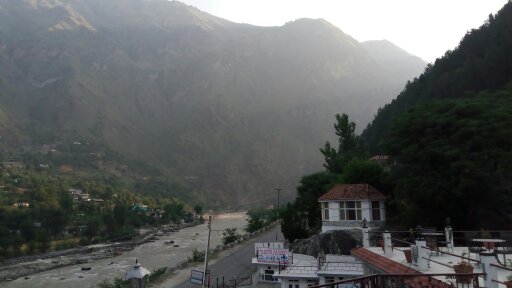
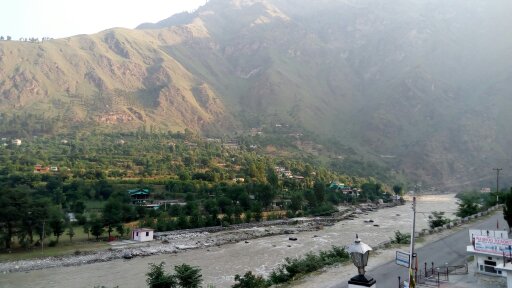
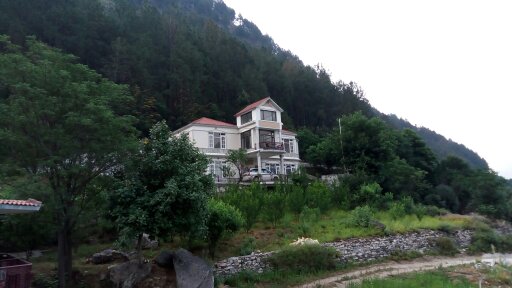
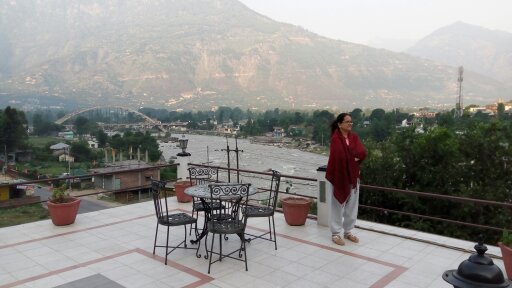
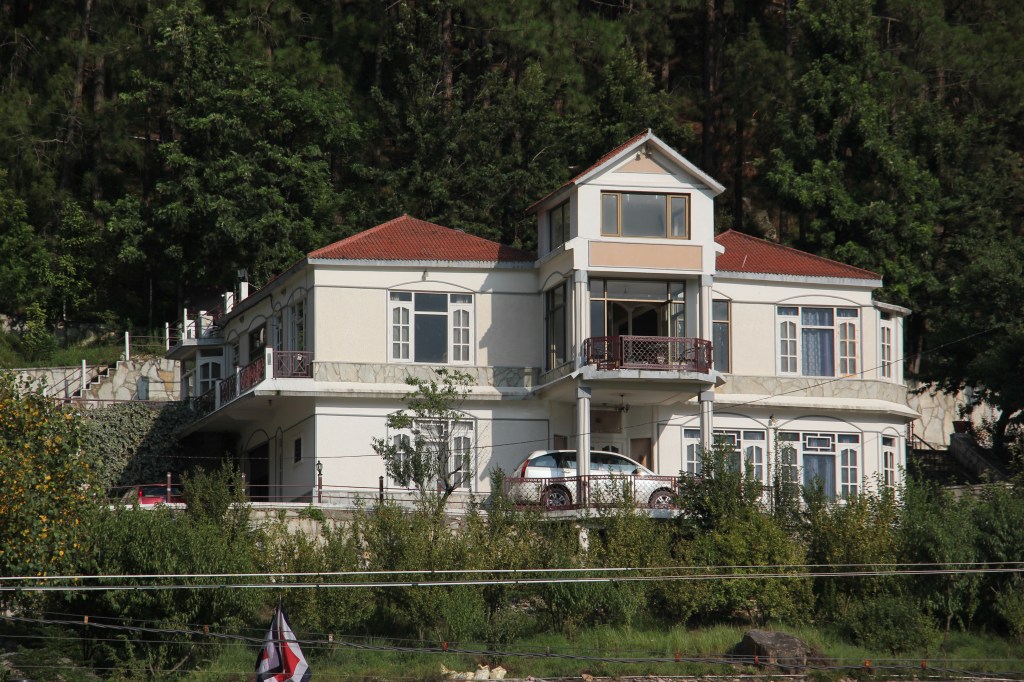
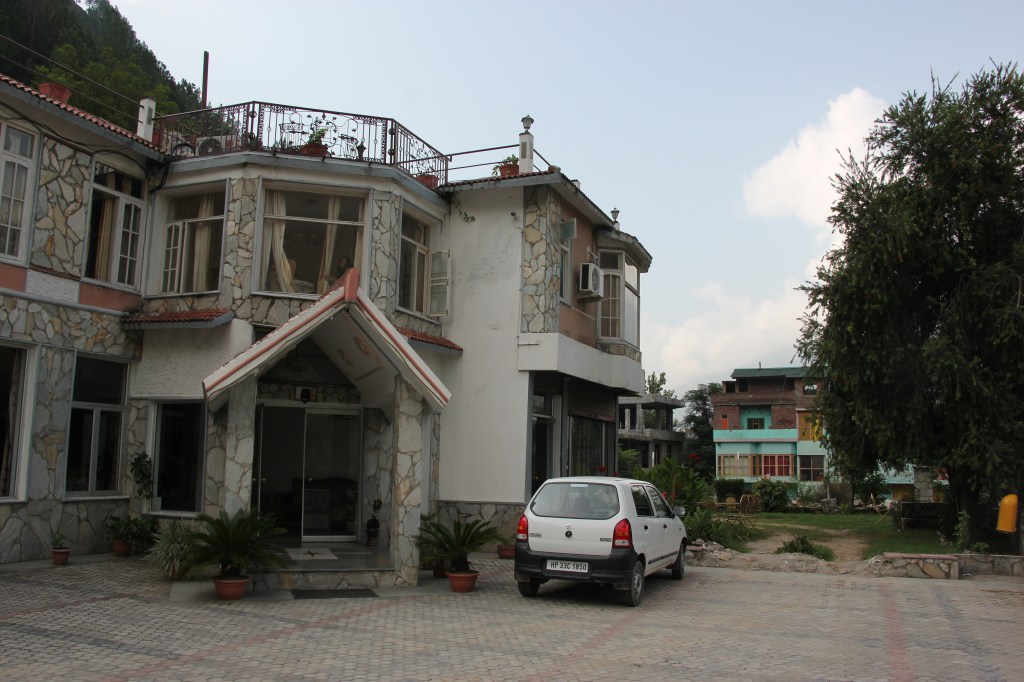
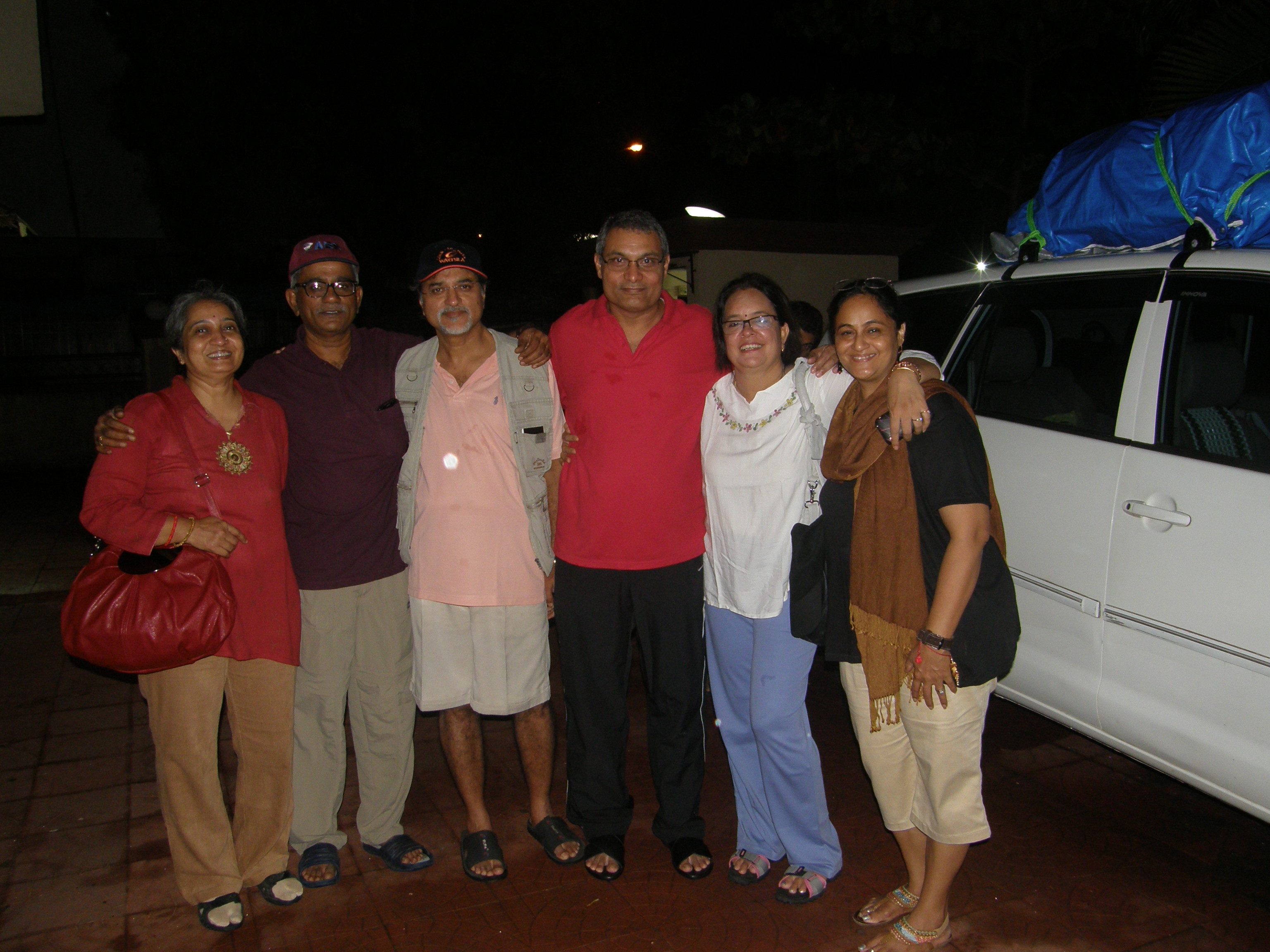
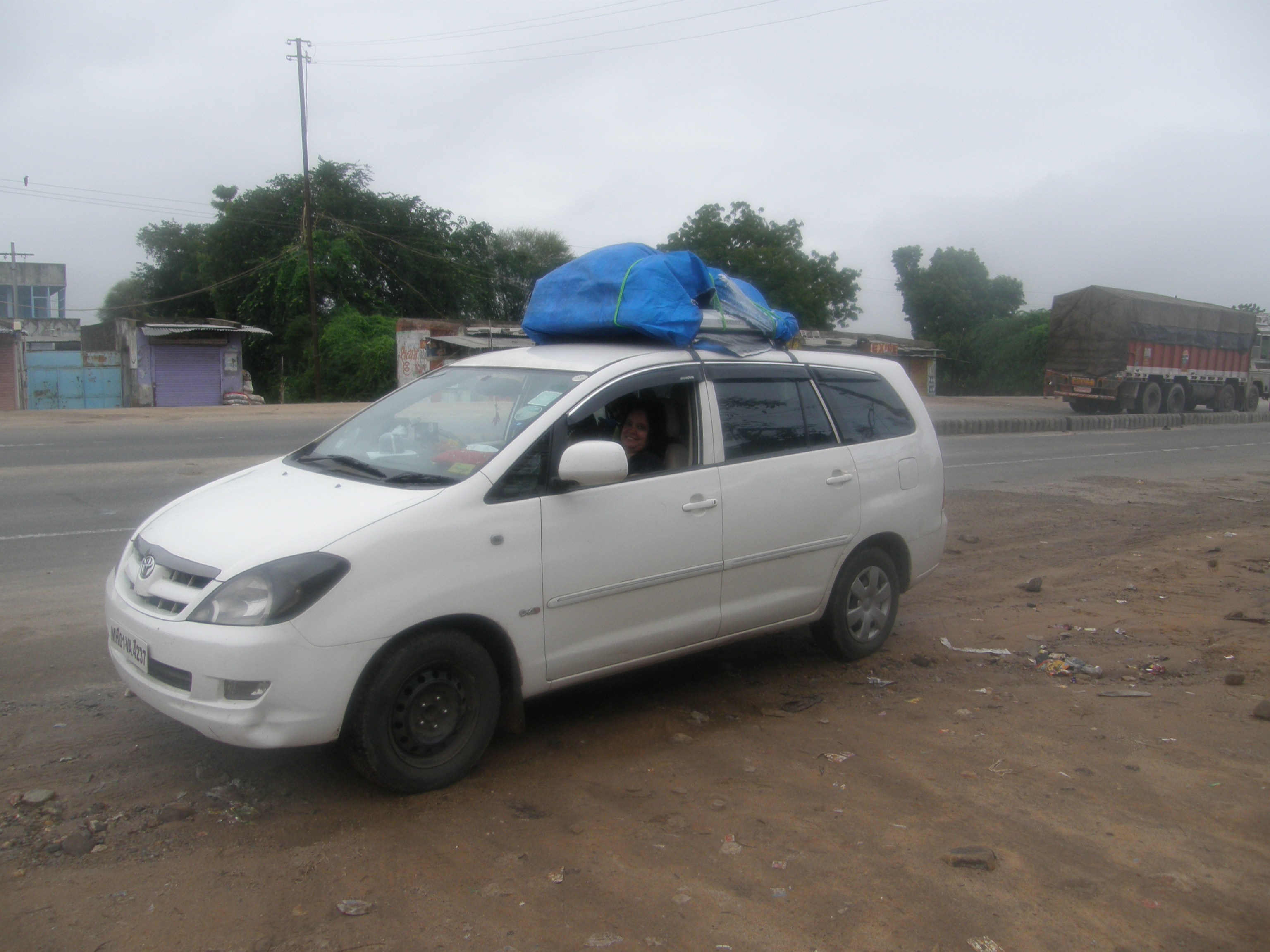



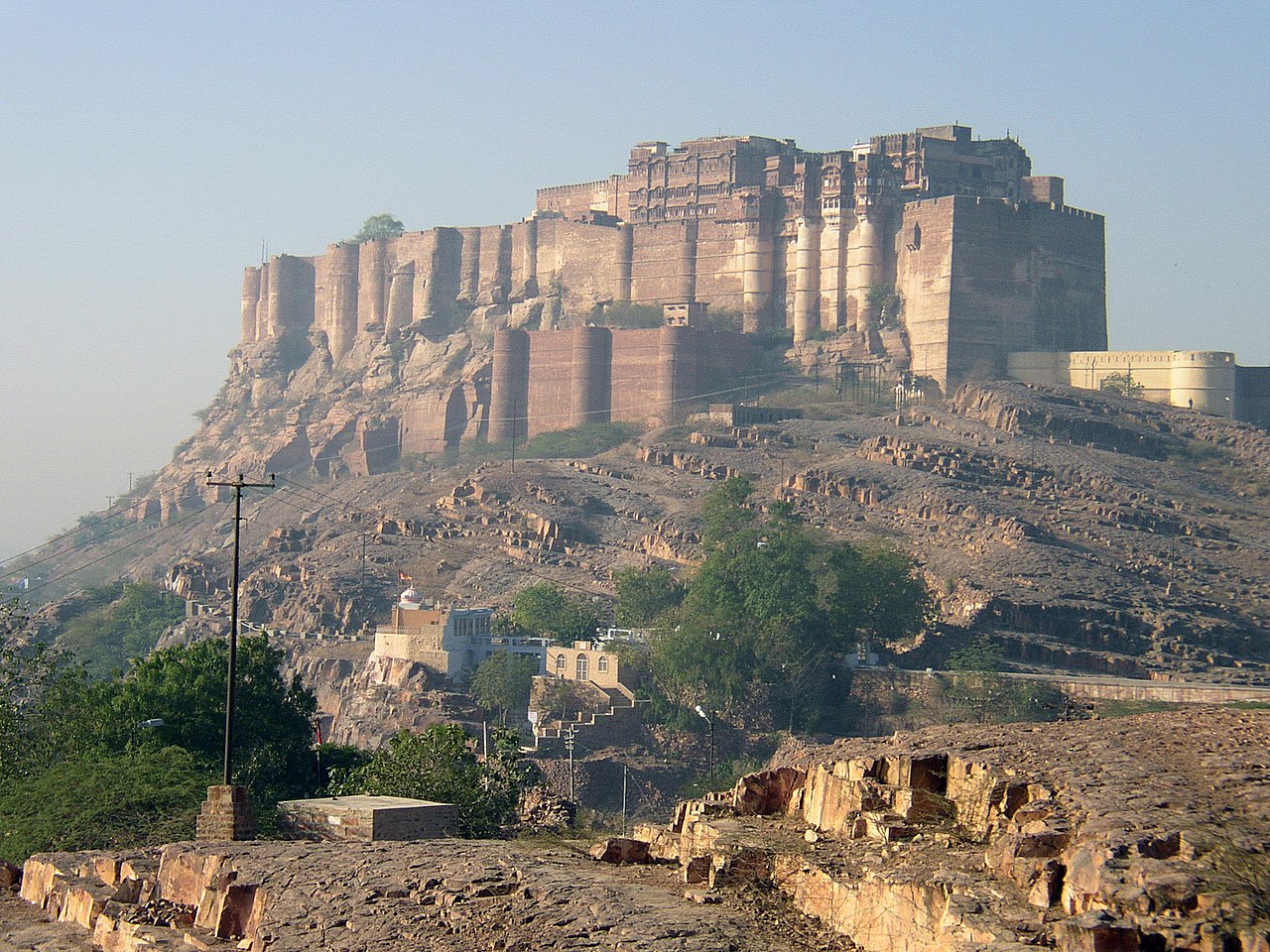







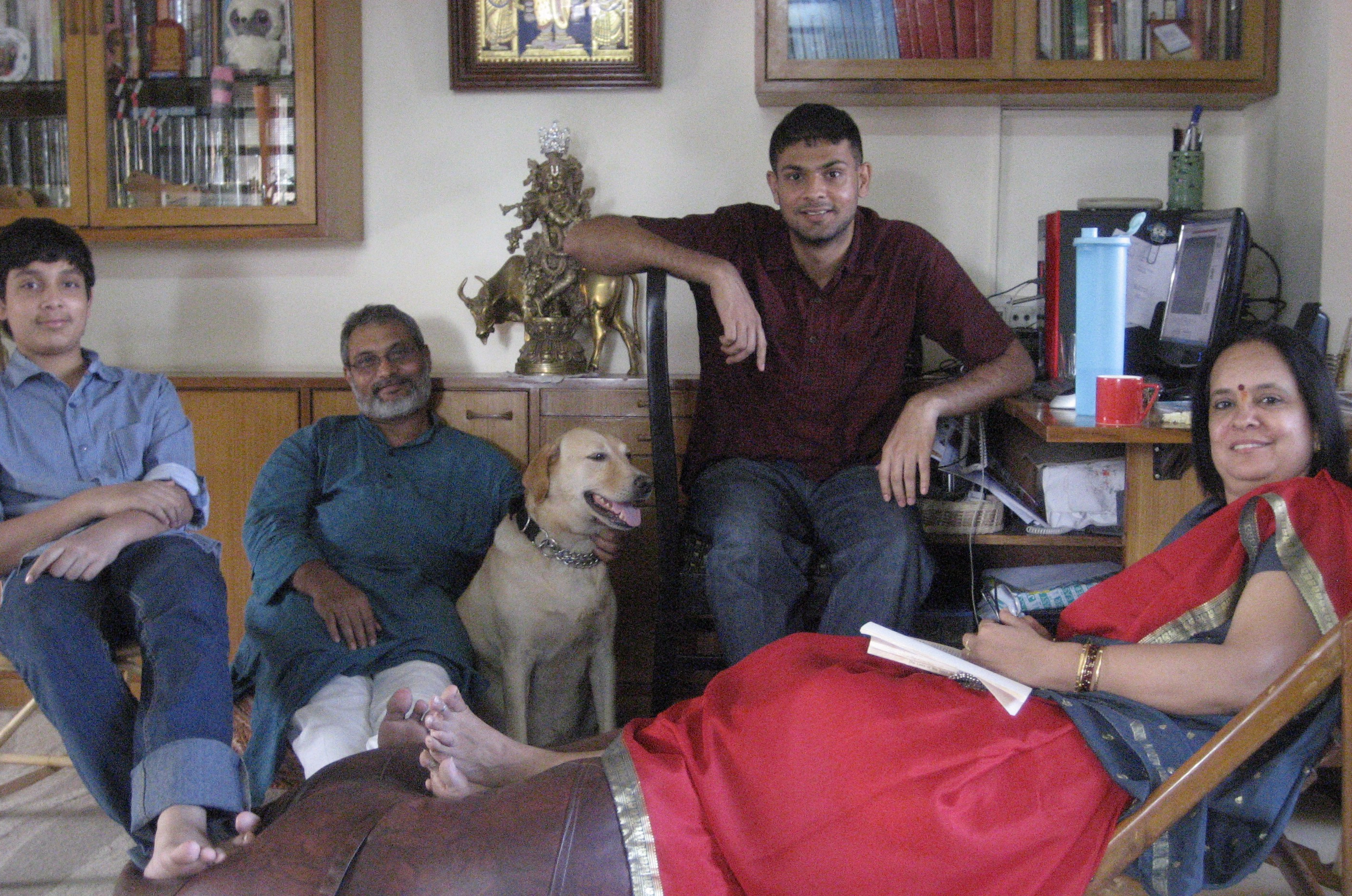
 Two days later, we relieved him of his suffering by putting him to sleep, it is probably one of the most painful moments of my life seeing Sam breathe his last in our collective arms (Revathi’s, Aniruddh’s and mine).










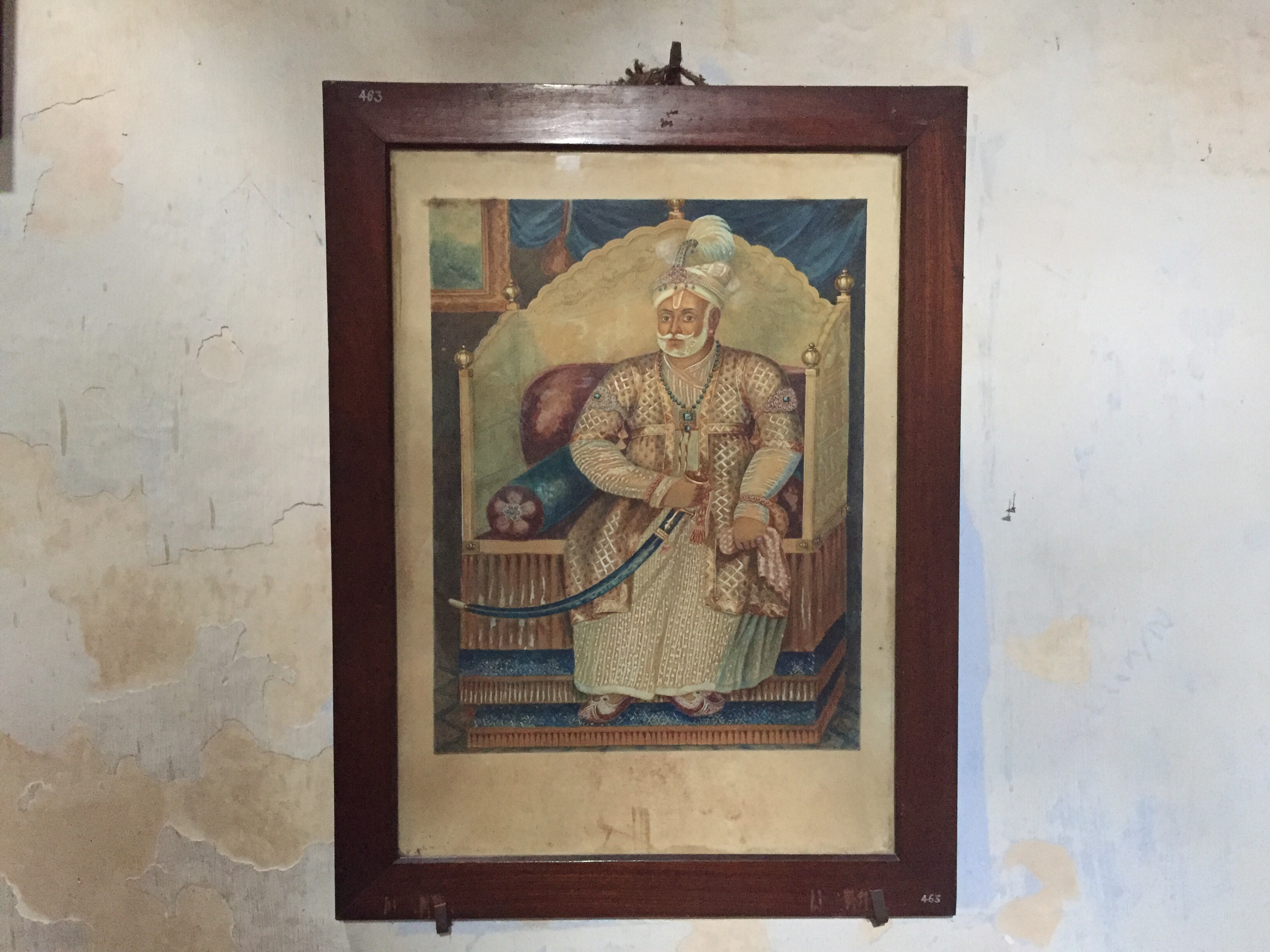

 u
u


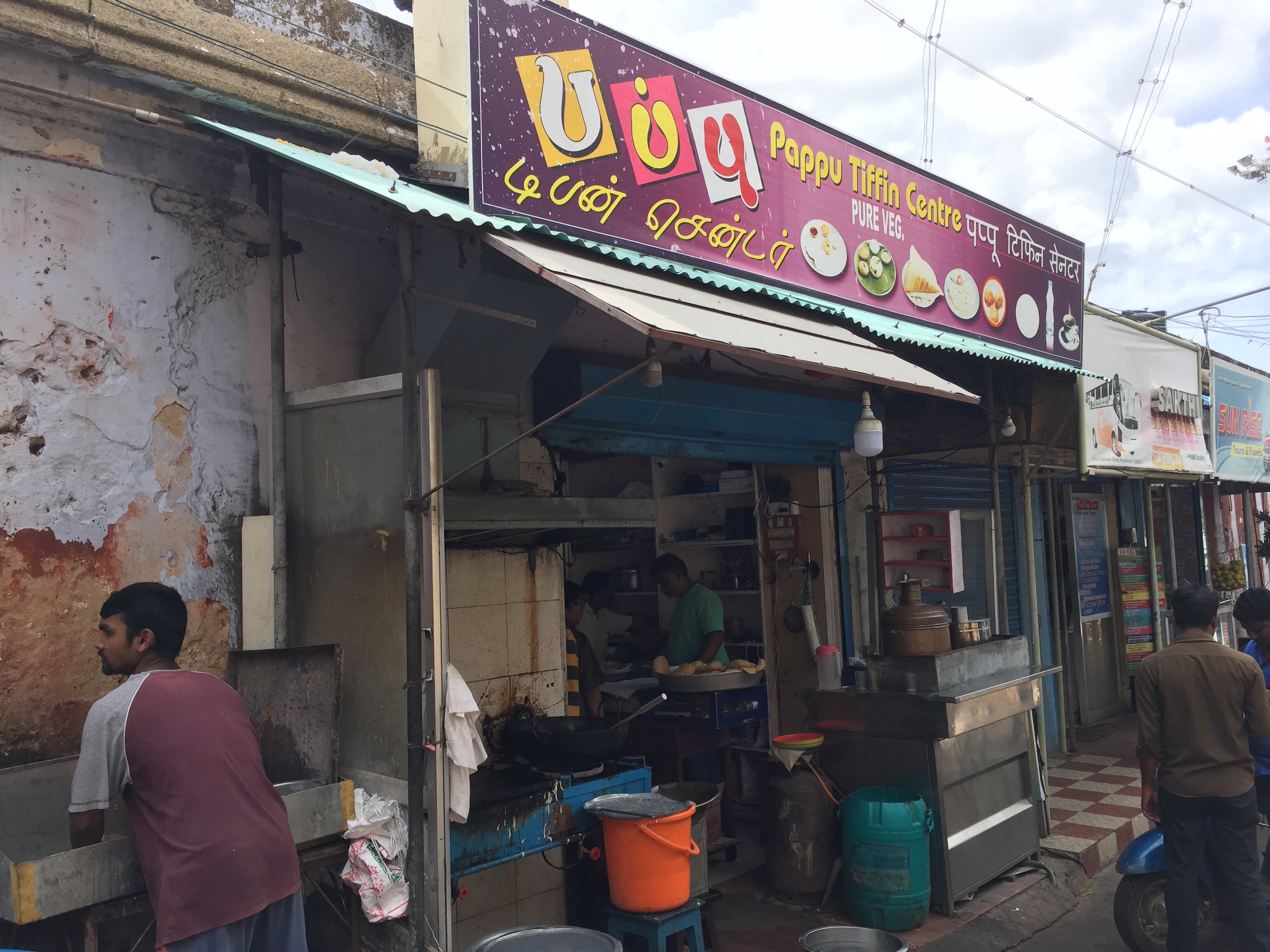
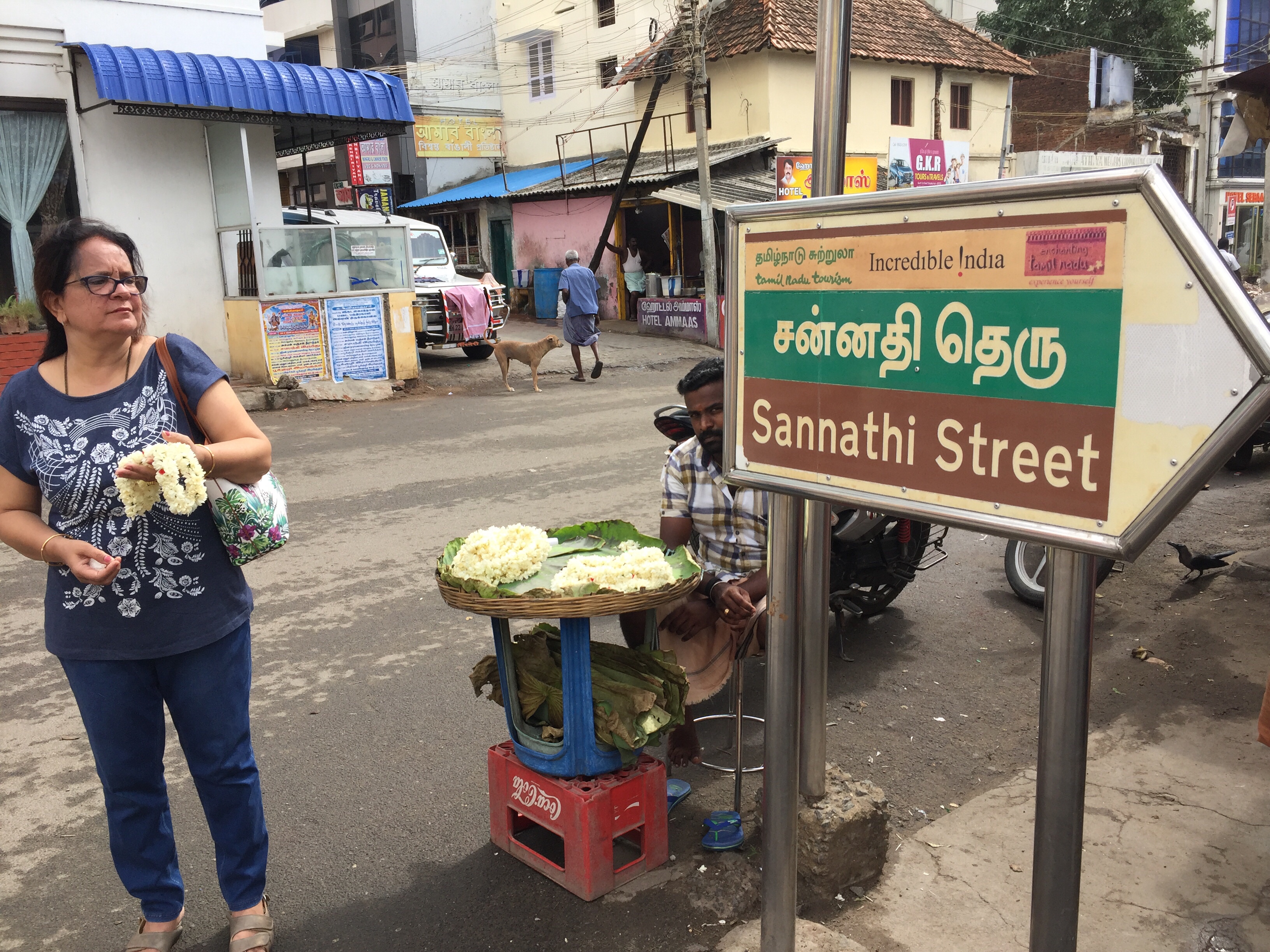


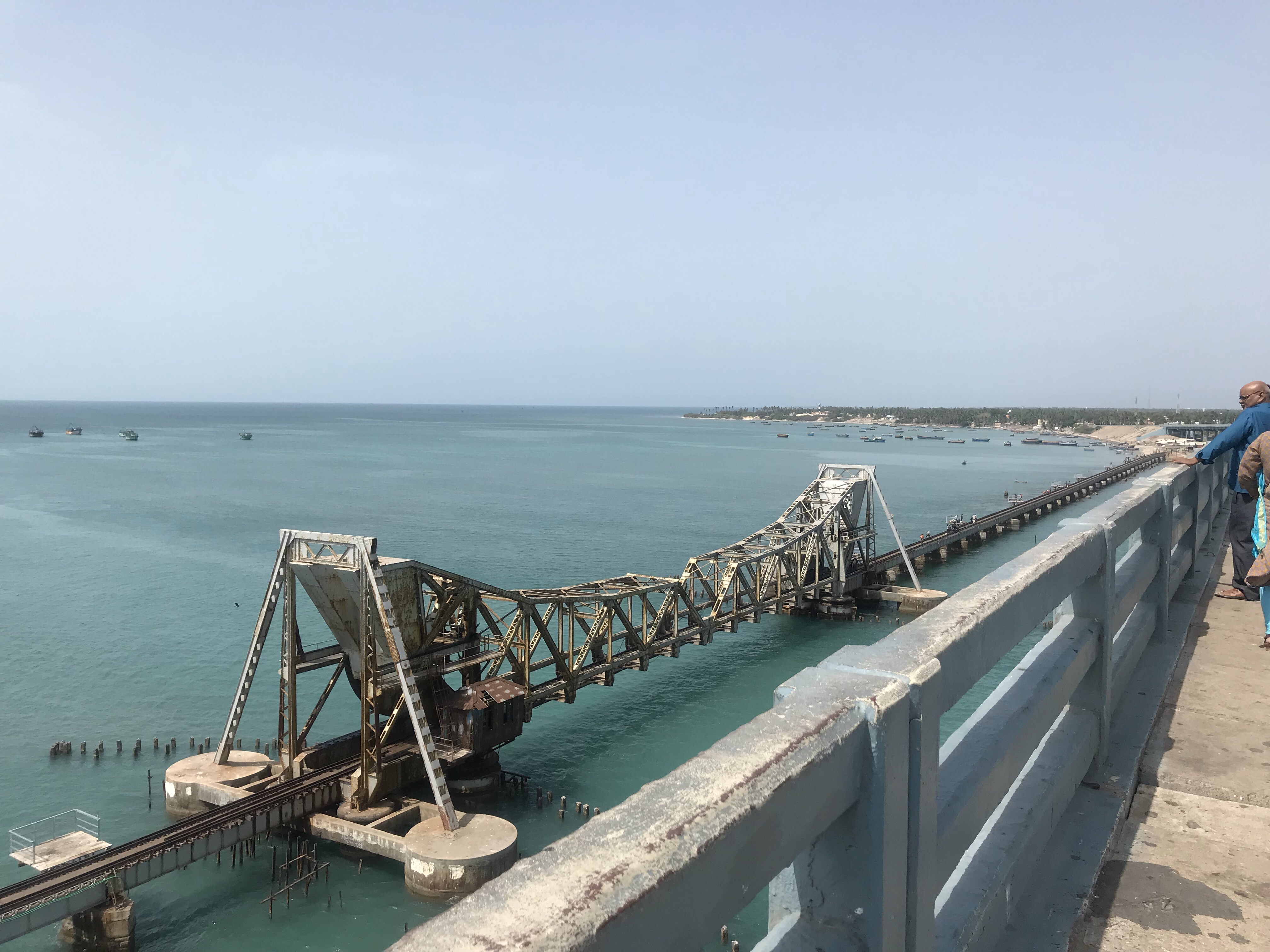








 with their driver in my parents car.


 Walkabout with Anil
